
What Does 'Value Addition' Mean Amid Surging Global Mineral Demand?

As global demand for minerals surges, so does interest in "value addition"—the idea that mineral-producing countries should do more than export raw materials. But what does value addition really involve? Why does it matter? And how can it work in ways that deliver real benefits for people?
We asked two NRGI colleagues to share their perspectives. Thomas Scurfield, Africa senior economic analyst, offers a global overview. Dorjdari Namkhaijantsan, country manager for Mongolia, brings insights from a key mineral-producing country.
What is ‘value addition’ in mining and why is it getting so much attention now?
Thomas Scurfield: Historically, many low- and middle-income countries have typically extracted and exported minerals with little processing, with China being the obvious exception. This approach has often limited benefits for people in these countries. Governments and civil society in lower-income producer countries have therefore long prioritized value addition—that is, the processing of minerals and manufacturing of semi-finished and finished products using them.
Calls for value addition are growing louder today as countries and companies race to secure more minerals for the energy transition, digitalization and defense and as minerals become more integral to geopolitical competition. Producer countries, such as Mongolia, therefore have more bargaining power and they are determined that this time will be different.
Encouragingly, there has also been increasing recognition internationally of the need for more equitable global mineral value chains—evidenced by the United Nations Secretary-General’s Panel on Critical Energy Transition Minerals, of which NRGI was a member. However, high-income countries are also ramping up their own value addition domestically—with Trump making that focus more explicit since he came into office—making it unclear how much that supportive rhetoric will be matched by action.
So what might value addition look like in practice, particularly in a country like Mongolia? And what benefits could it bring for its citizens and long-term development?
Dorjdari Namkhaijantsan: While Mongolia has become a major mining country over the last three decades, it mostly exports minerals, including copper ore and concentrate, to its next-door neighbor China for processing. China is not only the biggest consumer of copper and other transition minerals, but also has the largest processing capacity. While Mongolia has long aimed to prioritize value addition in copper, ambitions to build smelting and refining capacities have failed to materialize. However, as demand for copper is increasing, there’s renewed interest.
By processing copper domestically, Mongolia could earn higher revenue from exports and access a more diverse buyers’ market—an important issue for a landlocked country like Mongolia. It would also create some jobs at smelters and refineries, and could better link the sector to the rest of the economy, including through the development of related industries that use byproducts of copper smelting and refining, something the government is currently exploring. If people were to see such benefits—like jobs and industry growth – domestic value addition could help ease tensions around mining.

However, benefits from value addition aren’t guaranteed. The processing industry requires significant capital investment and is highly competitive, particularly with China’s dominance—so there’s a need for analysis to determine whether copper value addition could mean higher prices but lower profits. The government will also need to improve environmental safeguards, and deal with risks tied to greater dependence on copper and other minerals if, for example, smelting and refining divert energy from other sectors.
What are the obstacles and risks that lower-income producer countries are facing?
TS: As Dorj noted, value addition will not always be viable or beneficial for people in mineral-producing countries. While proximity to mineral deposits play only a minor role, success depends on the amount of minerals that a country has access to, availability of competitively priced, reliable clean energy, and—depending on the product—proximity to end markets.
When value addition isn’t viable, the opportunity costs can be steep. For example, our recent analysis of Ghana’s lithium refining ambitions showed that building a refinery could cost the government hundreds of millions of dollars through subsidies or lost revenue—money that could be better spent on other development priorities. This hit on public finances is worth it if the refinery generates a lot of jobs or stimulates the growth of other industries. But this highlights the importance of governments doing rigorous cost-benefit analysis to inform their value addition plans—also factoring in environmental and social risks, as Dorj mentioned. Chile, for example, is closing some of its copper smelters due to environment and public health impacts. A study suggested that the environmental and social harms of Indonesia’s nickel smelting could ultimately outweigh its economic benefits.
In short, value addition isn’t always going to be the best way for a country to try and maximize the benefits from its minerals. To avoid these pitfalls, governments need to cut out the noise and resist the public pressure for a blanket approach, and instead focus on specific minerals and stages of the value chain. When a government has identified a value addition project that would generate meaningful benefits for the country, it should develop targeted industrial policy. And if the government needs help to bring the project to life, development partners should put their money where their mouth is and offer financial support.
What are the key challenges Mongolia faces in adding value to its minerals—and what’s needed to overcome them?
DN: To go ahead with more value addition, especially in copper, Mongolia needs to attract investments not only in the actual smelting and refining capacities, but also in exploration and mining to ensure a reliable supply of raw materials for future processing. In addition, Mongolia’s infrastructure to support processing, especially that of energy, remain weak and needs substantial investments.
To attract funding, the government may rely on state-owned companies to access global financial markets. However, these companies are often criticized for weak governance and susceptibility to corruption, making their reforms a government priority. At the same time, the government needs to communicate its plans—not only to potential investors but also to the general public—and foster open and honest dialogue with all stakeholders on the various environmental and public health risks and other potential trade-offs associated with processing. Only by involving the public in navigating these complex decisions will the government ultimately increase how much people benefit from their minerals.
Looking for deeper insights on value addition?
Discover six key steps to unlocking equitable value addition in mining.
Copper Sector Expansion in Mongolia: Opportunities and Challenges

Key messages:
- Copper has long been a pillar of technological and economic progress, and its importance continues to grow with the global energy transition. Its unique properties make it essential for renewable energy technologies, electric vehicles (EVs) and modern power grids.
- The increasing demand for decarbonization presents a significant opportunity for Mongolia, with its vast copper reserves, to strengthen its position as a key player in the global copper value chain
- Mongolia’s copper production is currently anchored by two major projects—the Erdenet mine and the Oyu Tolgoi mine—both producing and exporting copper concentrate to China. However, the number of projects in the pipeline remains limited, requiring increased investment in exploration. At the same time, Mongolia exports nearly all of its copper production as raw material or copper concentrate, with limited domestic production of value-added products such as copper cathode.
- To advance new copper exploration, mining and processing projects, the government must provide clear and targeted policy support. This includes setting clear regulations on ownership, taxation regime, environmental standards, transparency and economic benefits. The government should also address the geopolitical risks and opportunities that come with copper production. Additionally, policies should promote the sector's integration with other sectors, while ensuring infrastructure to support the sector’s growth.
- Moving forward, the development of the copper sector’s policy should involve open discussions with multiple stakeholders, ensuring that projects are implemented with public oversight. The government and relevant regulatory bodies must pay particular attention to projects involving state ownership or requiring budgetary funding. As the copper sector expands, it is important to balance economic benefits with environmental protection.
NRGI: Ghana’s domestic lithium refining plan should be based on economic feasibility
Refining the Strategy: The Economics of Lithium Value Addition in Ghana

Key messages
- Ghana’s plan to refine its lithium domestically should be based on economic feasibility, market outlook and a rigorous cost-benefit analysis.
- A Ghanaian refinery would currently face limited access to feedstock and high costs compared to global competitors, particularly in China. Excess refining capacity in China and uncertainty about the growth of lithium chemical demand outside China further compound these challenges.
- A refinery built in the next few years is unlikely to generate much benefit for Ghanaians. NRGI modeling suggests it could cost the government at least USD 500 million in lost revenue, as the refinery would need to purchase Ghana’s concentrate at below-market prices just to break even. It is also unlikely to create more than 200 direct jobs once operational, and the stimulus for other sectors is uncertain. In contrast, the opportunity costs as well as environmental and social harms could be considerable.
- The government would benefit from a mine-and-monitor approach instead: ensuring that the Ewoyaa mine starts as soon as possible while supporting further lithium exploration, monitoring the evolution of global conditions for lithium refining, and taking domestic steps to improve future refining prospects—such as developing a strategy for byproduct use.
- Transparency and citizen engagement in the decision-making process are essential to building trust, managing expectations, and fostering a strong investment climate for future lithium refining.
Ghana is on the brink of becoming a lithium producer. Barari DV Ghana Ltd, a subsidiary of Atlantic Lithium, plans to begin producing lithium spodumene concentrate from its Ewoyaa mine within two years, pending parliamentary approval of its mining lease agreement. The company has already committed to exporting half of Ewoyaa’s production. The government, civil society and broader public want a refinery built in Ghana to process the remaining lithium.
Ghana’s ambition to advance along the lithium value chain is understandable. However, access and proximity to mineral deposits play only a minor role in determining the viability and benefits of such a move. As it pursues its lithium refining ambitions, the government must ground its strategy in economic feasibility, market outlook and a rigorous cost-benefit analysis.
Ghana’s ambitions are unfolding in a challenging global context. While many governments and companies have pursued lithium refining in recent years, few have succeeded. China’s technical expertise and cost advantages mean it dominates the industry. Excess refining capacity in China, coupled with uncertainty about lithium chemical demand in the rest of the world, further complicates the economics for refineries outside China.
A Ghanaian refinery would face additional challenges. First and foremost, it would have limited access to feedstock unless more lithium is discovered in the country or it secures alternative sources.
We assessed the viability and benefits of a lithium carbonate refinery for Ghana this context. Our modeling suggests that such a refinery—whether built by private investors, as currently envisioned, or by the state—is unlikely to generate much benefit for Ghanaians. The modeled refinery incurs a loss if it pays the market price for spodumene concentrate. It only breaks even if it purchases Ghana’s mined concentrate at below-market prices.
Spodumene concentrate (SC6) prices needed for a Ghanaian refinery to break even vs. the modeled market price, at different lithium carbonate (Li2CO3) prices (USD per metric ton)
The lower price that the refinery would need to pay for Ewoyaa’s production would reduce government revenue from royalties, taxes and dividends paid by Barari. In our medium-price scenario, the government earns $500 million less from the country’s current lithium reserves by having a refinery instead of exporting unrefined output.
Government revenue from Ewoyaa mine from exporting spodumene concentrate (SC6) vs. lithium carbonate (Li2CO3) in medium-price scenario (USD millions)
The government could require the refinery to pay the market price for its spodumene concentrate but provide direct financial support instead. Alternatively, it could own the refinery and absorb its losses. Either way, building a refinery in Ghana is likely to have a negative rather than positive impact on public finances.
The government will need to weigh the opportunity costs of lower revenues or public funding. These costs may be justified if the refinery delivers other significant benefits, but their potential appears uncertain. The refinery may create at most 200 direct jobs once operational, and the stimulus for other sectors is unclear. In contrast, the environmental and social harms could be considerable. For example, the refinery could consume as much water in a year as 90,000 Ghanaians.
The government would benefit from adopting a mine-and-monitor approach instead. This approach would involve ensuring the Ewoyaa mine begins operations as soon as possible while supporting further lithium exploration and development, as well as monitoring how conditions for lithium refining evolve—paying close attention to certain market signals and thresholds.
The market, technological and geopolitical landscape is highly dynamic, and the economics of lithium refining could change significantly. Our modeling suggests that if battery cathode manufacturing outside of China ramps up, and a sufficiently large premium (at least $3,000 per metric ton of lithium carbonate) is placed on non-Chinese supply, Ghana would benefit from having a refinery.
If the government decides to pursue lithium refining in the near term, it should work with potential investors to maximize the chances of success. Key steps include adopting proven Chinese designs, assessing the feasibility of domestic reagent production, and developing a strategy to use refinery byproducts to reduce waste costs and support other industries in Ghana.
In any case, the government should be transparent in its decision-making and involve citizens at every step. Trust is essential for managing public expectations and fostering an understanding of the trade-offs involved. By building trust, the government will improve the investment environment and therefore the prospects for lithium refining in the longer term.
Unlocking Mineral Value Addition to Support Uganda’s Ten-Fold Growth Strategy
Imperial Royale Hotel, Kampala

Uganda holds significant reserves of copper, lithium, cobalt, and rare earth elements that are key to the global energy transition. With the country’s ambition to grow its economy tenfold from USD 50 billion in 2025 to USD 500 billion by 2040, these minerals present a unique opportunity for fiscal revenue generation, technology transfer, and job creation.
Historically, low- and middle-income countries (except China) have primarily exported raw minerals with minimal local processing. This approach has limited the economic benefits of mining for producer countries. Recognizing this challenge, Uganda has prioritized value addition and local beneficiation, reinforced by the expected boom in transition minerals.
To support this vision, the government has undertaken key reforms, including the Mining and Minerals Act, 2022, establishing the Uganda National Mining Company (UNMC), and developing new regulations to operationalize the Act. These reforms create a strategic moment to shift the conversation from mere extraction to how Uganda can leverage its mineral wealth for long-term, inclusive economic transformation.
To advance this agenda, the Natural Resource Governance Institute (NRGI), in collaboration with the Advocates Coalition on Development and Environment (ACODE), the Civil Society Coalition on Oil and Gas (CSCO), and the Chamber of Energy and Minerals, with support from the UK international Development from the UK government, is convening a high-level dialogue. This forum will explore practical steps to enhance value addition in Uganda’s mineral sector and its role in achieving the country’s ambitious economic growth targets.
Objectives
- Address regulatory barriers and propose policy actions that incentivize investment, close financing gaps, and safeguard citizens' rights in the minerals sector.
- Explore innovative technical and financial solutions for equitable and sustainable mineral development.
- Foster cross-sectoral partnerships among government, private sector, and civil society to drive inclusive growth along the mineral value chain.
Speakers
- Ramathan Ggoobi, Permanent Secretary/Secretary to the Treasury, Ministry of Finance Planning and Economic Development (MoFPED)
- Irene Batebe, Permanent Secretary, Ministry of Energy and Mineral Development (MEMD)
- Paul Bagabo, Senior Officer, NRGI
- Theophilus Acheampong, Consultant & Lecturer University of Dundee, United Kingdom
- Joseph Muvawala, Executive Director, National Planning Authority (NPA)
- Aggrey Ashaba, Chairperson Board, Uganda Chamber of Energy and Minerals (UCEM)
- Alfred Okidi, Permanent Secretary, Ministry of Water and Environment (MWE)
- Frank Mugyenyi, Executive Director, Minerals African Development Institution (MADI)
Beyond Raw Deals: Future-Proofing African Mining Through Regional Action

Africa’s vast reserves of transition minerals position the continent as a key supplier for the future. However, the historical pattern of extracting and exporting these minerals with minimal processing has prevented many African nations from maximizing the economic benefits, leaving them with little more than environmental scars and unrealized potential. To address this imbalance, African governments must move beyond isolated strategies and embrace a well-planned regional integration approach while tackling persistent financing challenges that have constrained adequate investment in value chain development.
The need for regional collaboration
Prioritizing regional collaboration can help African nations achieve economies of scale, develop shared infrastructure, attract sustainable investment and drive local value addition. Several regional initiatives aim to streamline efforts in bolstering Africa’s mineral value chains. The African Minerals Development Centre, established in 2013 by the African Union Heads of State and Government, was designed to advance the African Mining Vision. More recently, the formation of the Africa Minerals Strategy Group in 2024 signals a renewed commitment to facilitating intergovernmental collaboration, tapping into the continent’s collective mineral wealth for mutual benefits. Despite these efforts, political instability, limited institutional capacity, and competition for foreign direct investment (FDI) continue to stall progress, prompting many countries to prioritize their individual interests.
The fragmented approach has yielded little in terms of transition financing, value addition and overall sustainable development. It underscores the need for governments, mining companies, investors and communities to address the challenges hindering effective regional cooperation and drive a collective vision that enhances each country's investment profile and paves the way for a prosperous future in the African mining sector.
A call to action from African Mining Indaba 2025
At the recent African Mining Indaba 2025, stakeholders reinforced this message, emphasizing the need for a well-defined regional strategy. They stressed that African governments and industry players must adopt a robust strategic roadmap for processing minerals within Africa rather than exporting raw materials. This is essential to ensure that the continent’s mining sector remains resilient and future-ready. The strategy must integrate sustainable practices, technological advancements, regulatory reforms and meaningful community engagement, with actionable and measurable goals set for the short, medium and long term. Additionally, governments must define a cohesive Africa Green Mineral Strategy that outlines critical steps toward mineral-based industrialization.
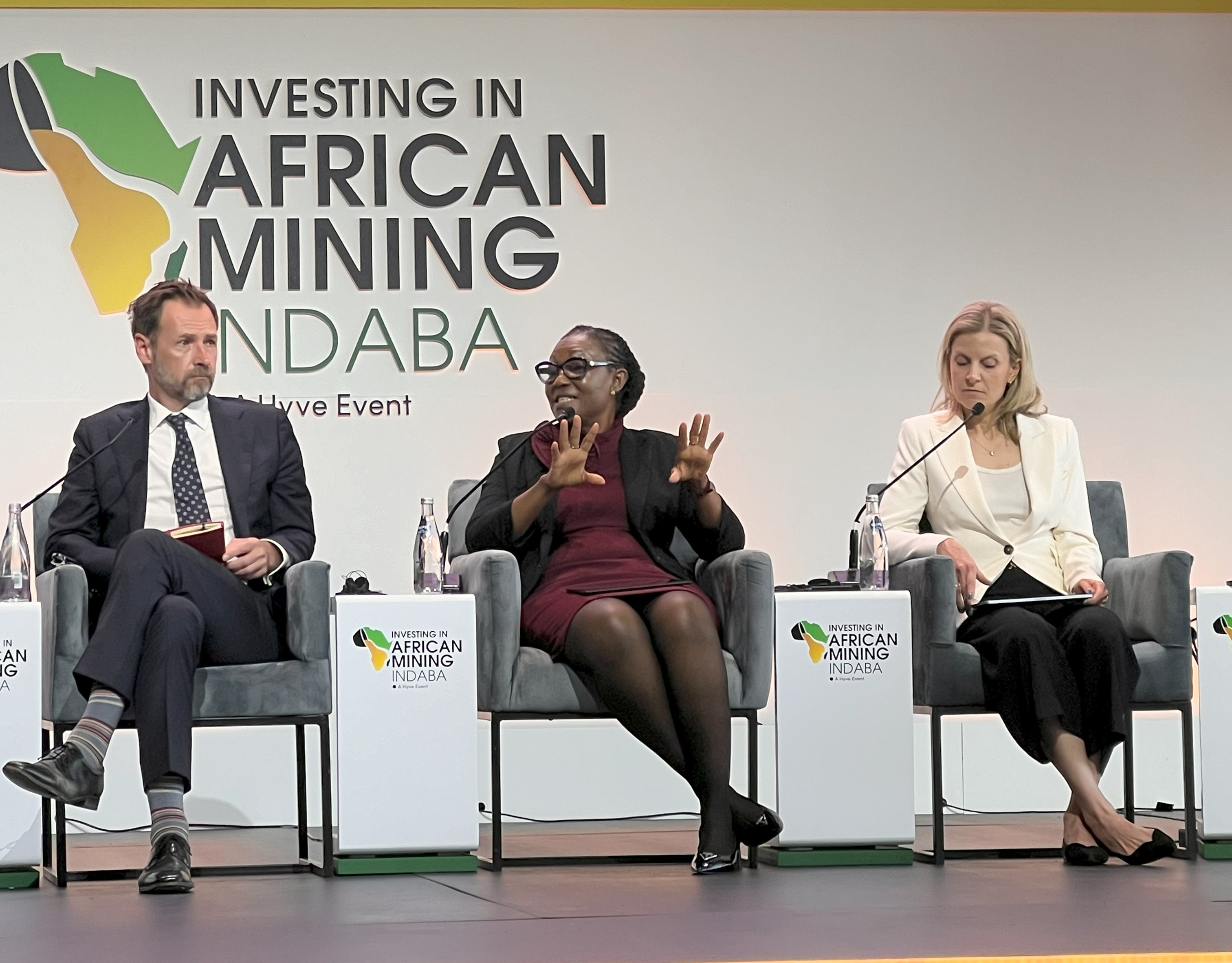
However, the success of such a strategy hinges on securing adequate financing to support in-country and cross-border value addition. The absence of strong financing mechanisms remains a significant barrier to realizing economic benefits from Africa’s transition minerals. African mining projects often struggle to secure adequate funding due to high-risk perceptions. Many investors view Africa as an uncertain environment due to political instability and regulatory inconsistencies. Relatively high taxation rates and inadequate legal frameworks in some countries deter long-term investments.
Steps to strengthen Africa’s mining sector
Recognizing the financing challenges facing African countries, NRGI, in collaboration with the Minerals Commission of Ghana and the Africa Center for Energy Policy (ACEP), convened a high-level dialogue on the sidelines of the 2025 Africa Mining Indaba in Cape Town to explore innovative financing mechanisms and strategic partnerships for strengthening the continent’s mineral value chains.
Below are the key actionable steps from the dialogue for African governments and stakeholders.
1. Commit to regional collaboration for stronger mineral value chains
Regional cooperation can optimize infrastructure, foster specialization and boost global competitiveness. Countries like the Democratic Republic of the Congo (DRC) and Zambia are taking steps to shift from being “landlocked” to “land-linked” through collaboration to strengthen their mineral value chains. African governments must actively support and implement regional initiatives that reinforce cross-border mineral integration.
2. Develop and implement a long-term value addition strategy
While several African countries have adopted policies to advance mineral value chains, governments must back these efforts up with a well-defined, long-term strategy. Clear goals, feasibility assessments and pathways to value addition can attract investment, enhance industrial policies and ensure policy consistency. Drawing lessons from successful regional and global models can inform these strategies.
3. Leverage domestic and regional financing mechanisms
African governments and regional bodies must ensure strong governance frameworks to maximize long-term benefits from innovative financing mechanisms, such as sovereign wealth funds and local stock exchange listings. Institutions like the African Development Bank and Africa Finance Corporation are playing a role, and the proposed African Credit Rating Agency could further unlock capital markets for infrastructure and energy investments.
4. Engage external investors for sustainable partnerships
Foreign direct investment remains critical, but investors must shift from short-term gains to long-term sustainability. Initiatives such as the investor-led Global Investor Commission on Mining 2030 aim to align investments with development goals. African governments and development partners should proactively engage investors to create mutually beneficial partnerships.
5. Implement strong environmental, social and governance principles while considering contextualization
Strong environmental, social and governance (ESG) protections not only ensure communities benefit from their mineral resources, but also secure investment. While voluntary standards help, governments must implement robust regulatory frameworks tailored to Africa’s realities. ESG compliance should be clear and achievable.
Value Addition, Governance and Global Responsibility: A Roadmap for Equitable Mineral Supply Chains

NRGI’s Suneeta Kaimal spoke at the Mining Indaba 2025, where she discussed the role of governments in developing value chains for critical energy transition minerals with moderator Divyam Nagpal.
Divyam Nagpal, Principal Specialist – Renewable Enerfy, SEforALL:
You participated in the Secretary General’s Panel on Critical Energy Transition Minerals, which emphasized the centrality of advancing equity across the global supply chain. What are the most important steps that international institutions, private sector and researchers can take to ensure that investment in African supply chains is equitable and benefits Africa and Africans?
Suneeta Kaimal, President and CEO, NRGI:
Last year, the UN Secretary General convened a multistakeholder panel on critical energy transition minerals to help define principles and actions to ensure low- and middle-income producer countries are not left behind or made worse because of the energy transition. At the center of the panel’s work was the agreement that achieving justice and equity requires change. Change from the deep-rooted inequities that have long plagued the minerals sector and global supply chains. Change from the destructive, exploitative practices that have left too many countries with neither wealth nor resources. And a change from the pit-to-port model. In fact, in a 2023 survey by the Intergovernmental Forum on Mining, Minerals, Metals and Sustainable Development, more governments named value addition as the main driver for their critical mineral strategy than any other factor.
Given that sense of urgency on value addition, the very first actionable recommendation of the UN Panel report launched last year focuses on advancing value addition, economic diversification and benefit sharing. In the coming months, the Secretary General will establish a new multistakeholder, high-level advisory group to advance these ambitions. To help ensure the success of these efforts, NRGI brought together representatives from governments, the private sector, international institutions, academia and civil society to develop a roadmap to increase value addition for low- and middle-income producers.
Three key recommendations emerged from our discussions to bring equitable, feasible value addition to life:
- First—all voices must be included. Too often, the ambitions of the consumer countries or the global north dominate the global dialogue on energy transition and energy security related to transition minerals. The UN Panel was a welcome step forward in placing the voices and needs of people in low- and middle-income countries at the center of the dialogue. It brought together wealthy and consumer countries with low- and middle-income producers, civil society experts, industry and finance leaders in the same room, at the same table. However, meaningful multi-stakeholder participation shouldn’t be something remarkable, it should be the norm.
- Second—the required international financial support has to be on the table. In the last few years, including here at past Indabas, we’ve heard the likes of the US, EU and Saudi Arabia talk about the importance of win-wins and seen them dangle the prospect of significant financial support to enhance supply chain equity. But without delivering. Take the Lobito Corridor. A project that has the potential to generate benefits for Africans but also carries many environmental and social risks and could end up just reinforcing the pit-to-port model if it’s not accompanied by critical, additional steps to help African governments link these opportunities to broader economic ambitions that contribute to sustainable development for all Africans. For example:
- Support to increase government planning capacity, to enable procurement of the necessary models and data.
- Support in the form of concessional financing to governments that can realistically help address feasibility constraints, including by crowding in more private investment.
- Support to target value addition facilities directly or address bottlenecks in areas such as local skills and transport and energy infrastructure.
Third—global leadership is needed to strengthen governance. Good governance is a critical driver of change in mineral supply chains. It supports strong environmental and social protections. It makes sure that laws are enforced, communities have a voice, and businesses operate responsibly. Without good governance, corruption, weak enforcement, and short-sighted policies pave the way for environmental destruction and social injustice. Now, more than ever, countries committed to responsible mineral supply chains must ramp up efforts for global action that supports stronger governance. But good governance isn’t just a moral imperative—it’s a smart business strategy. The only way mining companies can attract the level of investment needed to meet soaring demand for transition minerals is by reducing the risks that scare investors away. Disputes with governments or communities create uncertainty, drive up costs, and make the entire sector less attractive to capital. By fostering trust, ensuring fairness, and addressing the concerns of all stakeholders, good governance benefits communities and governments, but also the private sector.
Good governance is also a shared responsibility. Our research identified more than 50 cases of corruption in the licensing and contracting of transition minerals projects alone, with cases found in 10 African countries. The companies involved are often based in the world’s wealthiest or most powerful countries, including Australia, Canada, China, Russia, Switzerland, the UK and the US. Each is a signatory to the U.N. Convention Against Corruption, which requires countries to criminalize foreign bribery and—except for China—signatories to the OECD Anti-Bribery Convention. Yet, Transparency International’s latest Exporting Corruption report found that only 2 of 47 countries analyzed are actively enforcing foreign bribery laws (the U.S. and Switzerland). Unless wealthier countries do more to hold companies based in their jurisdictions to account for wrongdoing, African countries will continue to suffer the consequences and we will not reach the fairer, greener world that current and future generations deserve.
The UN Panel on Critical Energy Transition Minerals is an opportunity for catalytic actions that bring together the voices, the resources and the global leadership necessary for Africans and Africa to at last see benefits from their minerals.
Nagpal:
How can African governments move along the value chain given the persistent challenges such as energy and infrastructure bottlenecks? What role should regional cooperation and global actors play in ensuring that value addition can advance?
Kaimal:
From our work with governments and citizens all over the world, we’ve seen the challenges of building new visions that move beyond the traditional mining model and deliver economic value, along with social and environmental benefits.
A key takeaway from our work is that the root of successful value addition is a clearly articulated strategy. Such a strategy helps inform government decision-making on the amount of political capital, time and money to spend, or what trade-offs to accept. It also attracts investment by signaling that a government has a plan that accounts for economic realities and the current impediments and how to overcome them.
A successful value addition strategy must be rooted in the goals of the national development plan, account for economic feasibility, market outlook, rigorous cost-benefit analysis, and include robust, transparent, public engagement. The strategy must also consider individual minerals and stages of the value chain. While Indonesia has learned the hard way, its differentiated approach to value addition—focusing on nickel given its dominant position and taking a more gradual approach with bauxite and copper—is the type of nuance that is required.
Understanding, assessing, and, where possible, increasing the feasibility of value addition is critical to ensure that value addition is more than hype. Governments must consider key drivers of feasibility such as the size of the mineral supply, the transport costs, availability of competitively priced, reliable, clean energy, competing capacity elsewhere, and good governance.
To return to the example of Ghana—in the absence of a clear competitive advantage, most of the gold refineries constructed in Ghana are lying largely idle due to a combination of profitability constraints. Or take Australia, where the government has had to provide subsidies for several decades to keep the country’s aluminum smelters operating.
There are ways to increase the feasibility of value addition—this is where regional cooperation matters. Cooperation between countries can increase economies of scale for value addition facilities, enable specialization of different components to support the production of more complex products and increase the size of the end market. The possible collaboration between DRC and Zambia on the battery value chain provides an example of what the continent needs.
But we know that cooperation is not easy. It must navigate an array of economic and political dynamics. Successful coordination in Africa’s mining sector has yet to materialize. One of the key drivers of future progress will be the capacity of regional and subregional bodies like the African Union’s African Minerals Development Centre, African Development Bank’s African Natural Resources Management and Investment Centre to plan, advocate for and support the implementation of coordination projects. These entities are doing important work with their limited resources, but those resources are insufficient for achieving transformative regional coordination.
This is where international actors can help. African governments and regional bodies must do the legwork to pave the way for fundable, beneficial projects, including by having a clear, evidence-based value addition strategies in place. However, development partners and governments seeking Africa’s minerals must finally step up and put real money on the table. This will support planning and policymaking capacity of African governments and regional bodies, and address the feasibility constraints. It’s in everyone’s interests that they do.
Managing tradeoffs is at the crux of any value addition strategy. For example, Indonesia’s downstream strategy has succeeded at dramatically increasing the percentage of nickel processed in country, but it also brings potential risks in terms of public health impacts in producing regions. As the government assesses the next steps in its downstream strategy, it needs to balance these factors carefully and ensure protections against harm.
Take Ghana—Its aluminum value chain ambitions bring with them the potential to increase the economic returns that the country generates from its mineral endowments. But the plans would require almost all the country’s hydropower capacity. Without other new competitively priced electricity capacity coming online, that will increase electricity costs for other businesses and households.
Unlocking Value Addition
Equitable value addition in mining can drive economic growth and prosperity for mineral-producing countries.
Indonesia’s Energy Transition Ambitions: Nickel Downstreaming and Beyond

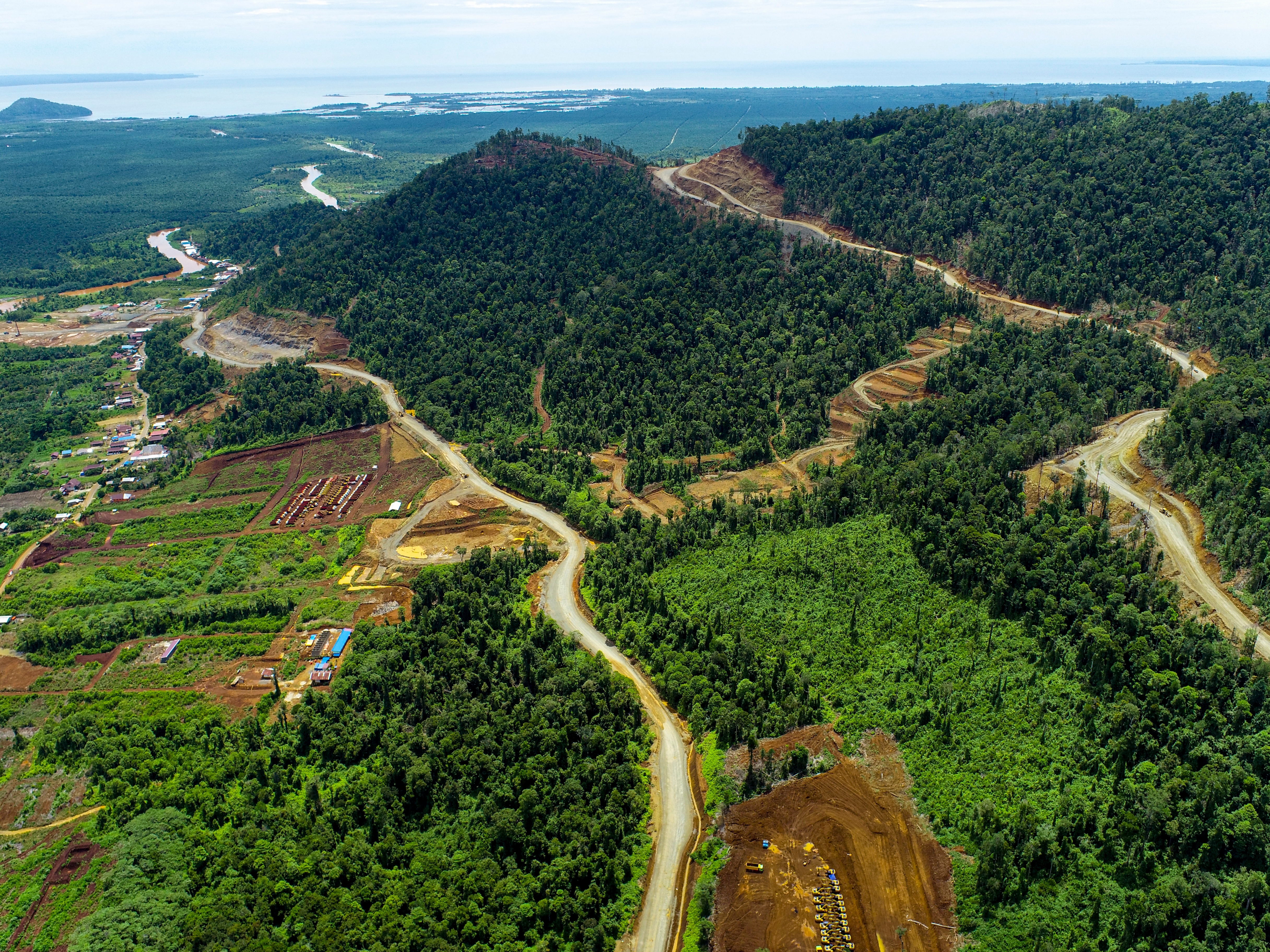
As the global demand for clean energy technologies rises, nickel—and other critical transition minerals—has become central to Indonesia's economic strategy. The country is leveraging its significant nickel reserves, key for electric vehicle (EV) batteries and stainless-steel production, to secure a growing share of the global market.
This economic success story, promoted by the Indonesian government and showcased in various media outlets, has contributed to the country’s overall economic growth, which remains at about 5 percent in 2024, and to growth in nickel-producing regions. For instance, North Maluku has been the best performing province, with an average economic growth of 20.1 percent from 2021 to 2023, driven largely by the nickel industry. Central Sulawesi, the second-best performing province, has similarly benefited from the nickel industry. Building on the successes of his predecessor, President Joko Widodo, the newly elected President Prabowo Subianto plans to further strengthen policies promoting exploitation and value addition of transition minerals, including through a possible revision of the mining law.
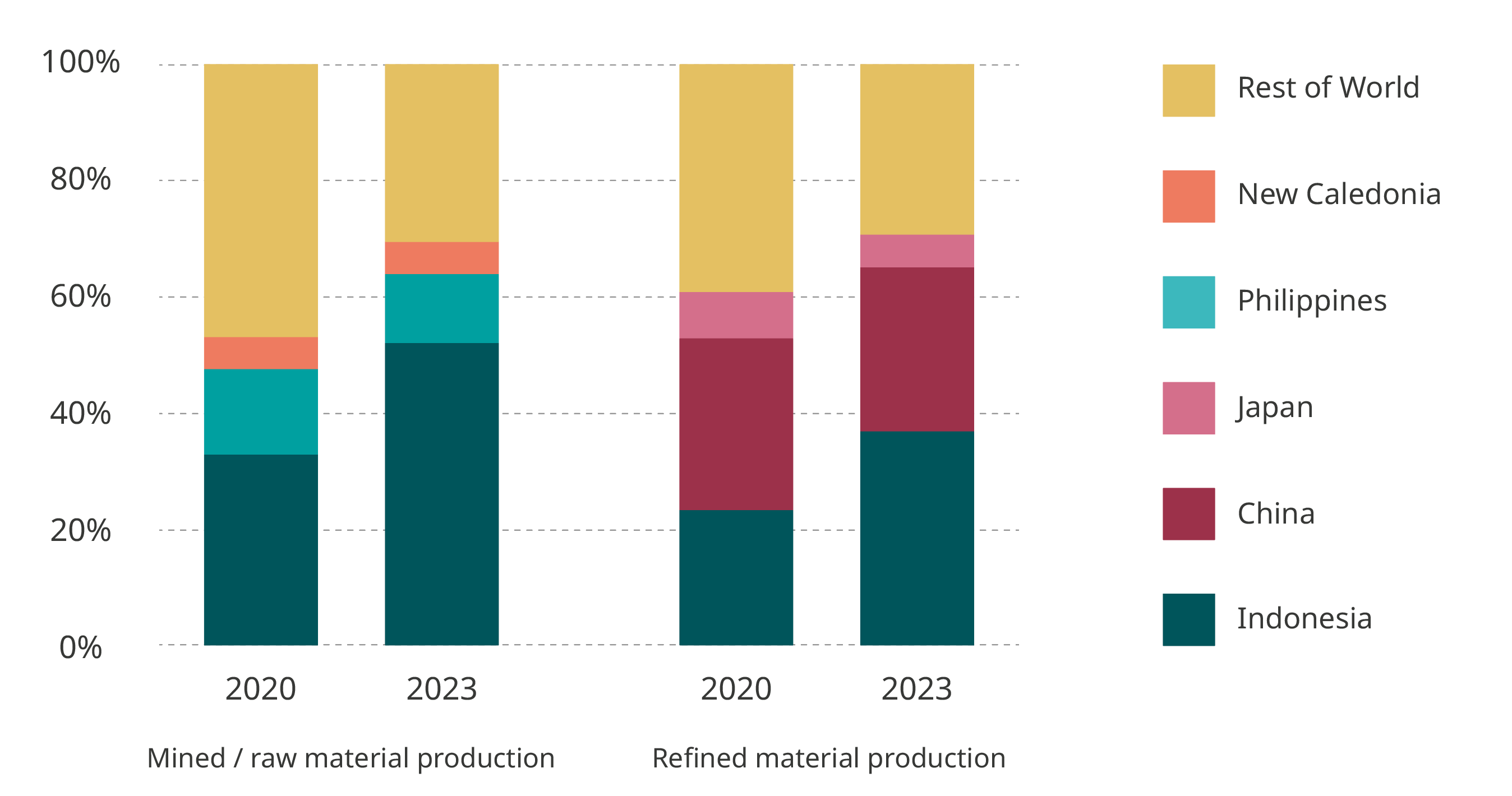
However, significant questions remain about how this growth will contribute to sustainable development outcomes for Indonesians, particularly in tackling poverty, unemployment and inequality in mining regions. Additionally, concerns around the socio-environmental impacts and the corruption risks associated with both mining and value addition continue to pose significant challenges. At a macroeconomic level, there is a rich debate on the role of mining and mineral value addition in a broader national strategy for economic diversification and broad-based economic development.
The world’s attention is increasingly focused on how Indonesia will tackle the next phases of its transition minerals story. Researchers and officials from a wide range of countries are looking to learn from Indonesia’s nickel story. At a recent NRGI-organized gathering at the Rockefeller Bellagio Center, leading thinkers from Africa, Asia and Latin America discussed innovations in the transition minerals space and options to implement recommendations from the UN Secretary-General’s Panel on Critical Energy Transition Minerals. However, some analysts have expressed skepticism about the viability of the government’s stated ambitions to further advance downstreaming— which include achieving full coverage of the EV nickel battery value chain in Indonesia, producing EVs in Indonesia and expanding downstreaming to other minerals and sectors in coming years. These differing perspectives underscore the ongoing clash of narratives around mining and value addition ambitions in Indonesia.
On 10-11 December 2024, NRGI, in collaboration with ViriyaENB, gathered more than 30 Indonesian experts to discuss how Indonesian citizens can further benefit from opportunities related to their country’s transition minerals wealth. The workshop focused on how to think through key governance challenges around Indonesian transition minerals, with NRGI experts contributing international experience and perspectives. This event marked a significant step in NRGI’s reengagement in Indonesia, which started in 2024. NRGI’s renewed engagement is part of its global priority to support the fair and sustainable management of the global race for transition minerals, including through successful value addition and equitable development policies.
The discussions at the workshop revealed several key present and future issues of relevance to the country’s transition minerals: the need to move beyond polarized narratives of downstreaming; the impact of technology and geopolitical uncertainty on the window of opportunity; the necessary ambition to improve environmental, social and governance (ESG) performance; and the importance to connect and bridge the gaps between Indonesian stakeholders.
Downstreaming: Moving beyond polarized narratives
Workshop participants discussed how views on Indonesia’s nickel downstreaming risk becoming polarizing—either focusing too heavily on “success” (e.g., growth in production and government revenues, progress along the nickel battery value chain) or on “failure” (e.g., social and environmental impacts, inequitable sharing of benefits). They noted that this lack of nuance can hinder constructive dialogue and improvements. A recurring theme was the need for better metrics for evaluating downstreaming policies beyond production and revenues. Participants highlighted the importance of building on existing research that analyzes both benefits and costs, helping understand how much value addition policies are benefiting Indonesians, particularly those living in mining-affected areas.
On the benefits side, participants indicated that metrics should include the issue of equitable distribution (e.g., at the subnational provincial and regency level) and various kinds of benefits (e.g., not just growth in production, revenues or GDP, but also the impact on unemployment and poverty reduction). Such metrics would also need to measure the tradeoffs that can result from downstreaming growth (e.g., negative impacts in the agriculture sector and agrarian conflicts, deforestation, pollution and emissions, etc.). Developing such metrics and integrating them more consistently into policy discourse was viewed by participants as particularly useful and timely given the new Indonesian government’s stated aim to continue and extend the downstreaming approach as referenced above.
These discussions aligned largely with NRGI’s recent briefing Six Keys to Unlocking Equitable Value Addition in Mining (now available in Bahasa Indonesia). The briefing emphasizes that governments need to set clear goals around their value addition strategies, analyze trade-offs and costs —not just benefits—and implement these strategies transparently to enable assessment by citizens and continuous improvement.
Window of opportunity: Impact of technological and geopolitical uncertainty
Participants expressed interest in deeper research and public discourse around the impact of various market and geopolitical scenarios. Indonesia’s nickel progress has been shaped by contextual factors such as rising global demand for nickel in clean energy applications like EV batteries. However, battery technologies are constantly evolving, with factors ranging from price and performance to supply and reputational risks (e.g., concerns around child labor and human rights in the sourcing of cobalt from the Democratic Republic of Congo or emissions and deforestation around nickel in Indonesia).
One issue raised was whether the window of opportunity for Indonesia’s nickel downstreaming is shrinking due to the projected growing market share of lithium iron phosphate (LFP) batteries, at the expense of nickel-based batteries (NMC). The government is aware of this challenge and is taking steps to mitigate it, including by managing nickel supplies to balance government revenues in the short term and lowering NMC battery costs to extend their viability.
Geopolitical tensions, particularly the potential for a U.S.-China trade war, were also discussed as a potential significant obstacle to Indonesia’s downstreaming ambitions. Chinese companies are major nickel mine owners in Indonesia, with around 40 percent of production, while Indonesian companies account for just 10 percent. Government industrial policies have also pushed Chinese investors to expand from nickel mining to refining, but this substantial involvement means rising trade tensions between the U.S. and China could be a barrier for Indonesian nickel reaching American markets—especially given how provisions in U.S. legislation discourage the use of minerals tied to Chinese companies. While geopolitical competition could attract more non-Chinese investment, the change in U.S. administrations have reduced the likelihood of a U.S.-Indonesia free trade agreement that could be catalytic for such investments.
ESG: Ambition to improve performance
The workshop also focused on how Indonesia can enhance its ESG performance in the mining sector. Participants emphasized that the current polarized environment means that civil society often has to raise issues by “shouting” to get attention on serious social and environmental, as well as governance and corruption concerns.
For example, corruption in mineral licensing—both upstream and downstream—is a significant barrier to equitable development in transition minerals supply chains globally, and Indonesia is no exception. This can significantly impact the success of downstreaming efforts. Workshop participants focused on ways to reduce corruption risks, emphasizing the risks around strong ties between politicians and the mining industry, and the lack of serious anticorruption commitments from many mining companies. Transparency International-Indonesia recently assessed 121 mining companies and found an average anti-corruption compliance score of only 0.31 out of 10, with only 6 companies having clear anticorruption policies.
Participants discussed initiatives launched by the government to improve ESG performance. The PROPER standard, managed by the Ministry of Environment and Forestry (KLHK), assesses company performance in environmental management. Separately, the Indonesia Sustainable Finance Taxonomy, previously the Indonesia Green Taxonomy, was also developed through an interministerial effort. Meanwhile, the SIMBARA system, managed jointly by the Ministry of Energy and Mineral Resources, the Ministry of Transportation, the Ministry of Industry and the Ministry of Trade and Ministry of Finance, was designed to strengthen commodities traceability. Initially used for coal, SIMBARA now also applies to nickel, and is expected to expand to more minerals.
Participants expressed cautious optimism about the potential of these initiatives to meet the growing demand for improved ESG in Indonesia, driven in parts by concerns from affected communities near mine sites. However, they still need to prove their effectiveness. These efforts could build on Indonesia’s commitment to the EITI (Extractive Industries Transparency Initiative), which includes a pilot community engagement in Morowali to ensure a just transition. Government-led initiatives could also learn from market-driven global standards like IRMA (Initiative for Responsible Mining Assurance), which is already gaining traction in Indonesia, with some companies committing to IRMA audits. These efforts can help encourage companies to adopt more responsible mining practices. The discussion also emphasized the need for Indonesian stakeholders to consider ESG standards within the global geopolitical context. As Western actors push for stronger ESG Standards, especially in competition with Chinese companies, Indonesian leaders must balance these dynamics while prioritizing the needs and rights of people.
Connection: Bridging the gaps between stakeholders
A key takeaway from the workshop was the need for stronger connections and collaboration between the diverse range of stakeholders involved in the governance of nickel, other transition minerals and processing. Participants highlighted that while Indonesian stakeholders have substantial expertise, collaboration is limited, impeding progress on equitable development. Deeper dialogue and coordination among various stakeholders is important, including among:
- Government entities (central and local), researchers, civil society and local communities.
- National and local actors, focused on national policy opportunities and risks at the local level near mining sites projects.
- Indonesian policy experts and geopolitics and global market analysts, to provide nuanced perspectives on ongoing reforms within the broader global context.
- Stakeholders working on equitable development in Indonesia and those focused on international mineral equity and governance initiatives.
- Experts on downstream products and markets (batteries, EVs)– and those focused on mining, to strengthen policy recommendations and connect mineral development with supply chain development and diversification.
The richness of the workshop underscored the depth of expertise in Indonesian civil society organizations, think tanks and academics on transition minerals. These voices must be amplified and included in policymaking to ensure that Indonesia’s people benefit from the opportunities provided by transition minerals while managing the associated risks.
Indonesia’s experience—both successes and challenges—can serve as a valuable model for other low- and middle-income mineral-producing countries as they develop and implement their own strategies to manage their transition minerals sustainably and equitably.
Vision to Action: Role of Governments in Advancing Value Chain Development for Critical Energy Transition Minerals in Africa (Mining Indaba)
Cape Town, South Africa

This session will address the ‘how’ of bringing investments into local processing & refining of minerals and facilitating downstream manufacturing across Africa. What are the key levers of support governments need and how can south-south & international cooperation address some of the challenges? How do regional & global architectures around trade policy, technology transfer & development financing need to be reshaped to align climate ambitions with Africa’s critical minerals endowment and industrialization goals?
Speakers:
- Kanika Chawla, Chief of Staff & Director of External Programs, SeeforALL
- Oladele Henry Alake, Minister of Solid Minerals Development, Federal Republic of Nigeria
- Satish Chandra Dubey, Minister of State of Coal and Mines, Republic of India
- Suneeta Kaimal, President & CEO, NRGI
- Zainab Usman, Director, Africa Program, CEIP
Featuring NRGI's

Suneeta Kaimal
President and Chief Executive Officer, NRGI Governing Board ex officio
Transition Minerals in Mexico: Global Strategies to Enhance Equitable Value Addition

The event is part of the broader global debate on the equitable value addition of transition minerals, a topic that has gained attention from the United Nations Secretary-General’s Panel on Critical Minerals for the Energy Transition.
This webinar aimed to raise awareness about the crucial importance of value addition in Mexico's economic development and its connection to the country's energy transition.
Speakers:
- Fernanda Ballesteros, Mexico Country Manager, NRGI
- Thomas Scurfield, Africa Senior Economic Analyst, NRGI
- Chinmayi Shalya, Senior Investigator, Swaniti Global
- Sebastián Galarza, Executive Director, Centro Movilidad Sostenible
- Luisa Sierra, Director, IDEA
- Juan Luis Dammert, Latin America Director, NRGI
Featuring NRGI's

Fernanda Ballesteros
Mexico Country Manager

Thomas Scurfield
Senior Economic Analyst

Juan Luis Dammert
Contributor