
Success Factors in State-State Mineral Partnerships, Value Addition and Regional Cooperation

In November 2024, NRGI's Thomas Scurfield spoke at the annual meeting of the Intergovernmental Forum on Mining, Minerals, Metals and Sustainable Development. With moderator Oluwatoyin Ojo, he discussed how the new breed of state-state mineral partnerships intersects with lower-income countries' ambitions to add value to their commodities before export.
Oluwatoyin Ojo, Senior Legal Counsel and Head of Partnerships, ALSF:
In the blog post “Deals Without Details: Exploring State-State Mining Partnerships and Their Implications” you and your co-authors raise an interesting point about strategic or politically driven partnerships—between what you describe as buying partners and resource-rich, often low-income countries, querying the extent to which these partnerships will be truly beneficial for the producer countries. The details of these partnerships are not always publicly disclosed. What do we know about the scope of some of these partnerships? From those you have examined, are they supportive of regional initiatives or not? What needs to be done to leverage regional potentials and is there not a risk of the strongest buyers being the biggest winners?
Thomas Scurfield, Senior Africa Economic Analyst, NRGI:
On state-state partnerships, we don't know a lot about many of them. Most of them come with pronouncements of a “win-win” for the mineral-rich country and the buying partner. But despite contract disclosure being an established norm, public information on many of these partnerships is scarce.
When we wrote the piece earlier this year, out of the 35 partnerships that we were aware of, we couldn't find any useful public information about 22 of them. For some of these partnerships, that's probably because they were at an early stage of development. For others, it's possible that they're just a political signalling tool, with no real intention to go much further than an announcement or a statement—a high-level memorandum of understanding (MoU).
But for other partnerships, there are likely lots of details that have been agreed that aren't being disclosed in the public domain. So, for example, the partnerships between the European Union and various low- and middle-income mineral-rich countries. The MoU sets out an intention to develop a road map of how the partnership will be implemented. And we know that some of these road maps are still being still being developed, yet to be finalized. But there are others that that have been finalized where what's in the public domain, for example in the case of Namibia, is just a very limited summary of the implementation plan. So there does need to be a lot more disclosure of these partnerships to inform public understanding, to ensure that civil society in mineral-rich countries can provide effective oversight.
There also needs to be more public information to understand whether these partnerships might help or hinder regional coordination. But based on kind of what's in the public domain there are some partnerships that explicitly state support to regional coordination efforts. For example, there's a plan between the DRC and Zambia to start producing battery precursors. The DRC and Zambia have signed an MoU with the U.S. that explicitly supports that goal. So, if that partnership is meaningfully pursued, then that could really shift the needle on that project. There's also the Lobito Corridor project, a plan to rehabilitate and extend a railway between the DRC and Angola, possibly to Zambia and even Tanzania—another example of how these state-state partnerships can support regional collaboration.
But it's possible that some of these partnerships might, perhaps unintentionally, hinder regional coordination.
Going back to the DRC-Zambia project, that project is going to need to source nickel and manganese from other countries, most beneficially if they were sourced from nearby: so other parts of southern Africa. Tanzania, next door, should in the next few years start producing battery grade nickel, but based on a U.S. government statement, it seems that there's been an agreement signed between the U.S. and Tanzania that means that a lot of that nickel will be exported to the to the U.S. I'm not criticizing Tanzania for this; that agreement seems to make sense for Tanzania and for that project. First, it means that project is going to get Mineral Security Partnership funding. Second—around the question of whether the strongest buyers are always going to win out over nascent projects—the DRC-Zambia project is not advanced enough to offer a credible offtake commitment right now. So, it makes sense for Tanzania, but it it's a demonstration of how the race for minerals by buying partners could hinder regional collaboration.
In general, these state-state partnerships have potential to support regional collaboration efforts. The likes of the U.S., the U.K., Saudi Arabia and China can all bring a combination of financing and technical support, and the ability to align a range of private sector actors, in a way that a single private investor can't. Such actors have the potential to convert regional collaboration visions into more tangible opportunities, both by aligning private sector interests across different countries, but also by helping to address one of the fundamental challenges with regional collaboration, which is how to share the benefits across the countries that are collaborating, opening up more options for benefit sharing. So, if one country hosted a shared smelter, then perhaps another country could get more support for infrastructure. So, I think there is great potential; but the onus is not just on the buying partners to be willing to provide this support, though they definitely should. But it also requires mineral-rich countries to identifying the regional collaboration opportunities so they can come to the table with them when they start negotiating these state-state partnerships.
Ojo:
To what extent are national priorities and regional mining supply chain collaboration complementary, if at all, and how could we strike the right balance between regional collaboration and national interest?
Scurfield:
National priorities and regional collaboration can be very complementary. Take value addition. Earlier there was a discussion around the first order conditions that need to be in place for value addition to be viable in a given country. One of those is scale, so you need a lot of minerals to make a value addition facility like a smelter or a refinery viable. There will be many countries where they just don't produce enough minerals to be able to make a facility profitable on their own; but that's where regional collaboration can help by enabling the combination of feedstock from different countries. This could be done without the involvement of government, without governments collaborating.
But, going back to the challenge of supplying nascent projects and the rush by overseas buyers to lock in long-term offtake agreements, to be able to find and combine enough feedstock from multiple countries you will likely need government intervention to strategize how you do that for a nascent project, to line up the design of the project and the financing.
There are going to be policy areas and projects where national priorities and regional coordination are very much aligned. So countries really need to develop strategies which are specific to individual minerals, and specific to stages of the value chain, where they identify when they can go it alone and when they might need regional collaboration. But even in instances where there is alignment between national priorities and regional collaboration, it’s still going to be very, very challenging. I'm from the the U.K., so having gone from through Brexit from the EU, I know how difficult it can be to make the politics of regional collaboration work.
There's a whole range of economic and political dynamics that that countries are going to have to overcome. There's still going to be an inherent tension between cooperation and competition—thinking about where you would locate a shared smelter, for example. There still needs to be lots of thinking and work around how to make regional collaboration happen; at NRGI, we've just started some research on that, looking at existing and attempted regional coordination initiatives to identify lessons, to identify success and failure factors both within and outside of the mining sector. We aim to support countries to make regional collaboration happen when it makes sense for them.
Building a Sustainable Investment Climate in Uganda’s Mining Sector

At the 13th Annual Mineral Wealth Conference in Kampala, NRGI’s Paul Bagabo emphasized the need for strong and transparent legal frameworks for attracting value-addition investments in resource-rich countries like Uganda.
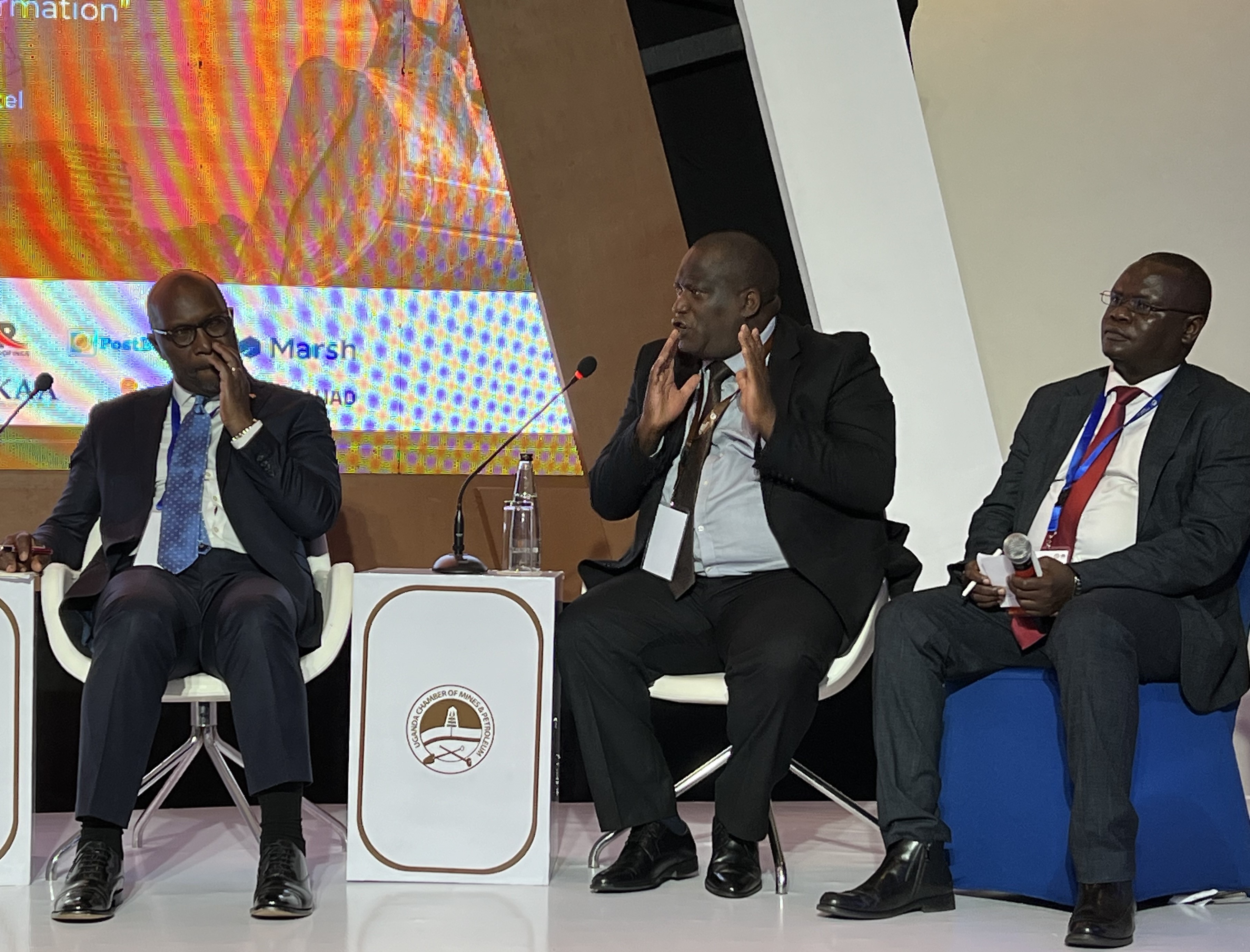
Full remarks:
“Ladies and gentlemen, first of all, what we have been discussing today is one of the biggest challenges facing Uganda’s mining sector - the lack of a transparent and robust legal framework. When it comes to investments in the mining sector, investors seek stability in the law governing the process, which won’t be subject to constant changes. There are obvious gaps in Uganda’s laws, and to close these gaps, the government must actively engage with stakeholders. While Uganda is developing and strengthening regulations, it must ensure that they are properly operationalized. Strengthening Uganda’s regulatory framework will give investors the clarity and stability they need to confidently operate.
Another critical factor for investment is geology. Investors find it costly to invest in a country where the geological landscape is unclear. Therefore, a well-developed understanding of Uganda’s geology is essential for building a system that attracts investment. Once a solid geological foundation and legal framework are in place, the next step is establishing a fiscal regime that supports investors throughout all stages of their operations. The fiscal system should be flexible and progressive, allowing companies to invest during the challenging early phases when costs are high and production is low. Uganda’s current system offers decent incentives, but there are issues with the taxation regime, which needs to be more progressive to accommodate the full investment cycle.
In terms of value addition and exports, there are a few challenges. First, the government’s expectations for investors are not clearly defined—particularly regarding how much of the value chain, from extraction to the export of refined products, the investor is expected to manage. While refining adds significant value, it is also expensive, and if the government wants companies to bear these costs, it must create a more conducive environment with proper incentives.
Uganda must focus on value addition at the final stages of refining, where the most economic gain is realized. Unfortunately, there is currently a lack of coherence between the Ministry of Energy, the Ministry of Finance, and the Ministry of Trade in supporting value addition. While some provisions exist, they are fragmented and do not form a comprehensive strategy.
To address these issues, Uganda must create a coherent regime that supports total value addition, from raw materials to refined products and encourages manufacturing within the country. This will require coordination across ministries and a strategic review of the entire system to ensure that Uganda can maximize the benefits of its resources.”
Human rights must be “at the core” of mining for transition minerals, UN panel says
Uganda: Behind the government’s refinery deal with UAE’s Alpha
Deals Without Details: Exploring State-State Mining Partnerships and Their Implications

Governments, industry, and civil society organizations (CSOs) are gathering this week for Africa’s Mining Indaba, with big announcements already emerging. The splashiest thus far has been news of a collaboration between the U.S.-led Minerals Security Partnership, Congolese state mining company GECAMINES, and Japanese state agency JOGMEC for mineral exploration, production and processing.
This announcement is the latest in a spate of projects involving the Minerals Security Partnership. In today’s press briefing about the partnership, U.S. diplomat Jose Fernandez reiterated the importance of benefit sharing, value addition, and ESG protections, but shared minimal information on what this would look like in practice; such a dearth of detail characterizes many such deals.
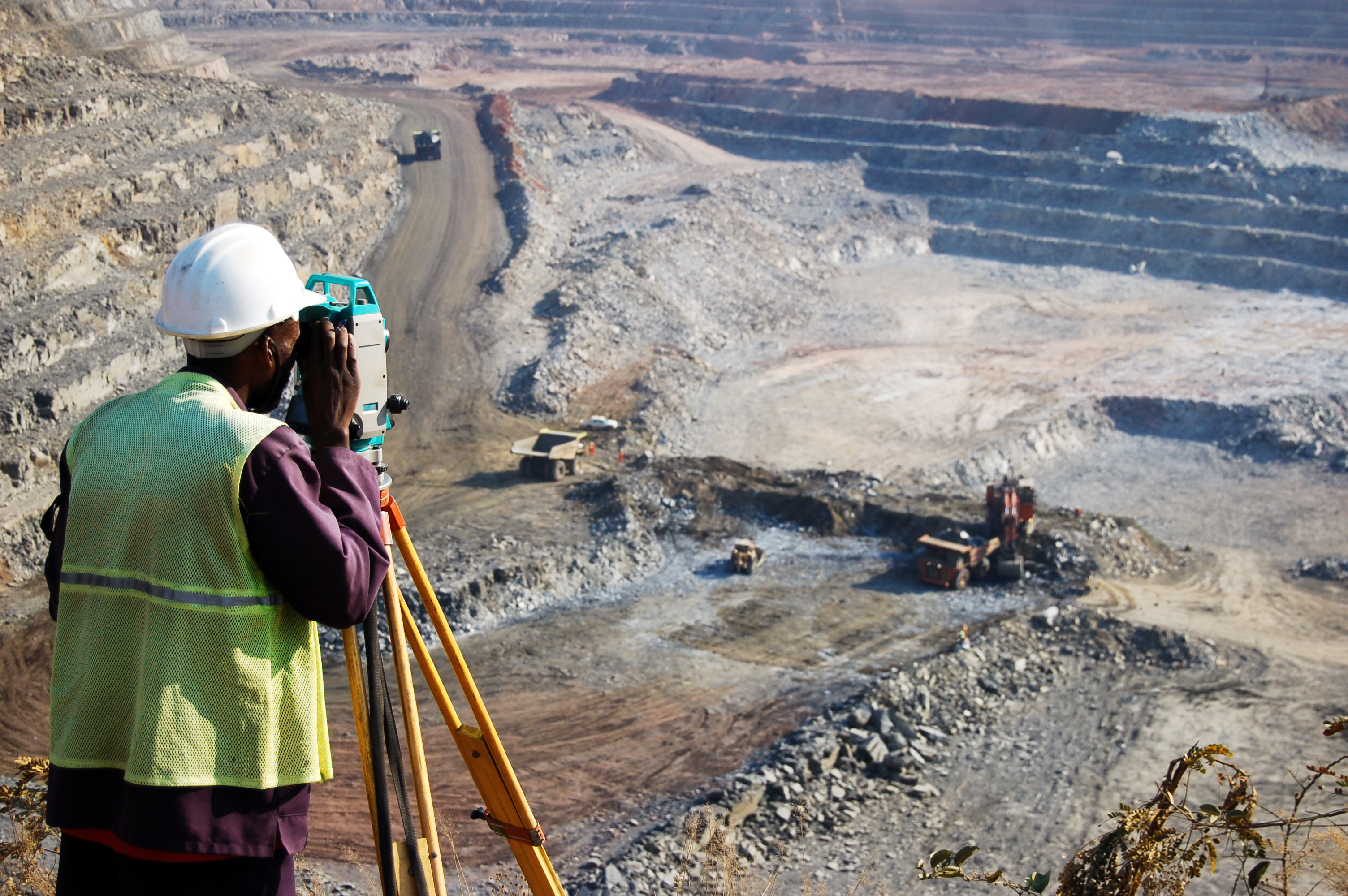
Such next-generation state-state mineral partnerships have become a key tool for wealthier jurisdictions such as the U.S. and EU. Referred to as “buying partners” in this post, their aim is to secure the minerals needed for the solar panels, wind turbines and electric vehicles that will help the world transition away from fossil fuels (in some cases to supplement their own mineral production). But many questions remain around such partnerships, including on their overall purpose and value for lower- and middle-income mineral-rich countries, referred to as “supplying partners” in this post.
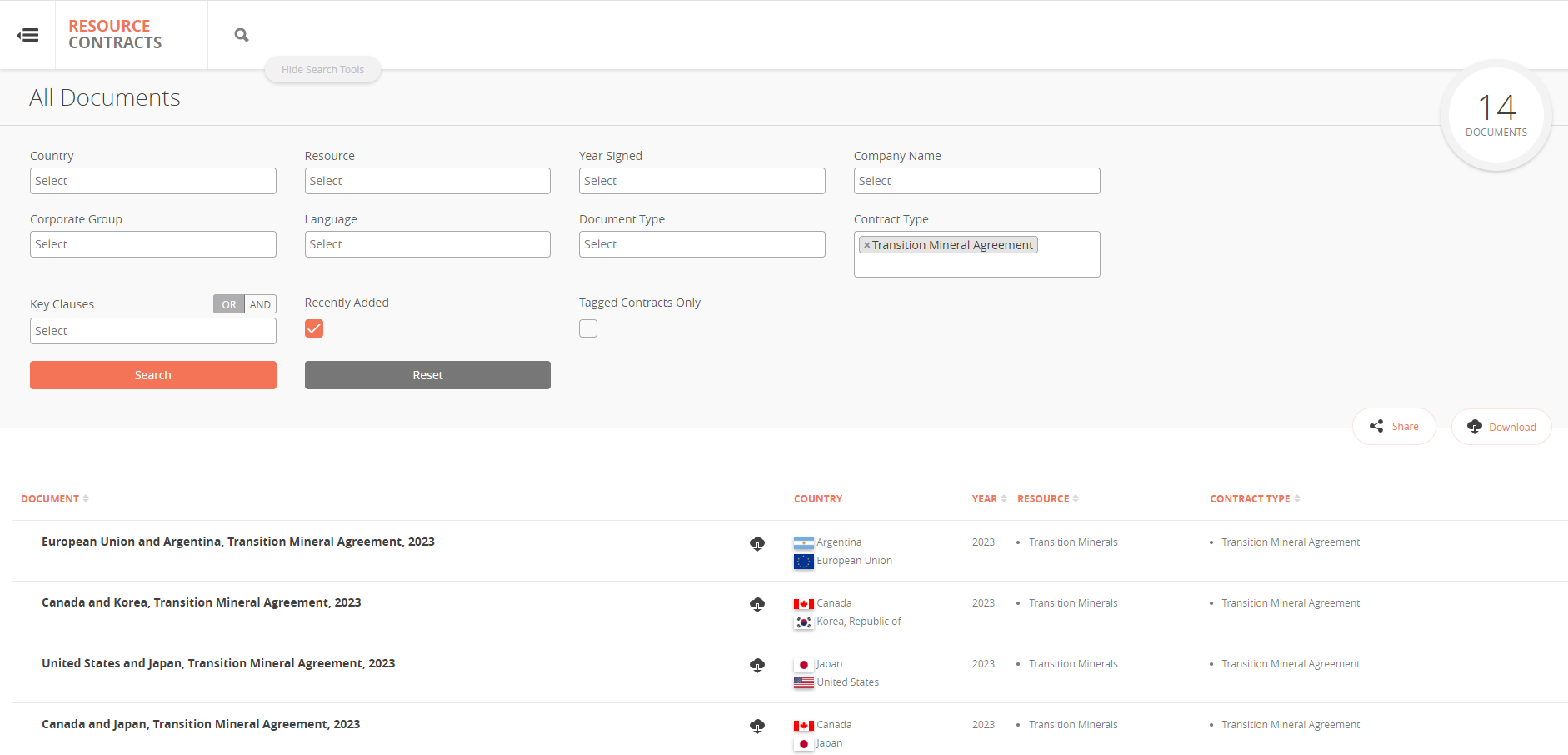
NRGI has recently updated ResourceContracts (a repository of publicly available oil, gas, and mining contracts and associated documents) with documents related to this new type of state-state mining partnership (variously labeled “strategic partnerships,” “mineral security partnerships,” “memoranda of cooperation”, and the like).
A new generation of mining partnerships
These partnerships are driven largely by the political or geostrategic needs of the buying partners. Governments in such countries are motivated by the importance of diversifying supply. The partnerships may: lay the groundwork for future cooperation between different jurisdictions, incentivize buyer-country industries to invest in a particular supplier country, and/or merely send a warning shot to international “competitors” that the buying partner has an interest in sourcing minerals from a particular country.
The implications for the supplying partner are even less clear. While buying partners emphasize the language of “partnerships” and “win-win” approaches, whether these partnerships will deliver equal benefits to both parties remains to be seen. These partnerships should be aligned with the supplying partners’ own objectives such as skills development, greater domestic value addition and economic diversification, while also encouraging international cooperation on a just energy transition.
Yet the lack of publicly available information about these partnerships means that scrutinizing them is difficult. This results in little accountability, even though contract disclosure is a well-established norm in the sector. While some memoranda of understanding have been made public, such as those signed by the European Union, these documents are scant on details despite sometimes taking months to negotiate. Others, such as those recently signed by Saudi Arabia at its January Future Minerals Forum, remain a mystery. We couldn’t find any publicly available information about 22 of the 35 partnerships of which we’re aware.
Some partnerships are backed up by a specific authority’s legislative framework, such as those in the EU—although there is still much to improve there in terms of transparency and civil society input—while others are backed by a consortium of countries. Some are agreed with one supplying partner, others with several. Some supplying partners participate in multiple concurrent partnerships, with little clarity over whether or how the relationships interact. The documents we’ve seen are not legally binding, and the relationship between these partnerships and existing trade agreements are unclear. The extent to which the agreements align with supplying partners’ mining or industrial policy frameworks is also largely unknown.
Finding agreements on ResourceContracts
Explore publicly available information partnerships between governments and private entities for critical minerals used in clean energy technologies on ResourceContracts.org under the document type "transition minerals agreements."
What public documents reveal
Across published documents relating to these partnerships, the parties use similar language to describe the potential benefits for supplying partners. Many partnership documents emphasize benefits such as technology transfer, value addition and “ESG,” and also include terms such as open markets. Overall, the agreements reveal little in terms of next steps.
The signing of these partnerships is an early step, rather than a complete solution. EU memoranda of understanding (MoUs), for example, commit to the development, within six months of the MoU being signed, of a “roadmap” that identifies more concrete measures on which the parties will act.
The EU-Ukraine roadmap—the first roadmap to be developed, available on ResourceContracts—provides more detail on areas of cooperation. The EU’s relationship with Kazakhstan could also be instructive, with a strategic partnership signed in November 2022. In recent months, the European Commission and European Bank for Reconstruction and Development announced funding for the Kazakh state mining company Tau-Ken Samruk for lithium exploration and tungsten processing projects. While the amount is fairly small, it may suggest one type of financial support that supplying partners could pursue from their buying partners.
But ultimately most partnerships will rely heavily on their ability to attract commercial investment from the buying partner, or its allies. These countries’ main lever will likely be preferential financing and development assistance to create more attractive conditions for that investment.
How governments in lower- and middle-income mineral-rich countries can leverage these new partnerships
Be clear on what you want from the partnership. Supplying partners should identify ways to leverage market interest in their transition minerals to pursue their long-term strategy for the sector. Governments should target the buying partner’s political, financial and technical capacity, in a way that may be less feasible in partnerships with individual commercial investors. This could range from partners providing technical assistance on geological data management to financing to address the energy bottlenecks standing in the way of commercial investment in value addition, to gaining access to incentives offered in the buying partner’s market, such as through the U.S. Inflation Reduction Act, to increase investor interest.
Establish how the partners interact. Countries entering mining partnerships need to be clear on how they interact. Some partnerships have the potential to complement and amplify each other, such as U.S., EU and U.K. support for the Lobito Corridor—given a further boost in the Mineral Security Partnership’s latest announcement. Others have the potential to complicate the supplying partner’s pursuit of greater benefits. While Chinese authorities and companies don’t publicize their partnerships in the same way, they are not standing still. How lower- and middle-income mineral-rich countries navigate this geopolitical competition will be critical—something which greater transparency around these partnerships can support given it allows governments to learn from other countries’ experience.
Provide support for stronger governance, human rights and environmental standards. Because parties to these agreements aim to increase activity in the sector, they may exacerbate potential harms of mining, such as corruption, human rights abuses and environmental damage. To ensure benefits for people in mining countries, governments must mitigate these risks. In this way they can also meet a key partnership criterion for jurisdictions like the EU. Supplying partners could ensure strong due diligence practices are built into the partnership, require capacity building and technical assistance to strengthen the content and implementation of environmental, social and governance protections, and urge prospective buying partner governments to do more to address wrongdoing by mining companies based in their jurisdictions. Such accountability is crucial to avoid repeating the mistakes of previous commodity booms.
Involve civil society. Countries should facilitate the input of CSOs in decision-making around partnership negotiations. CSOs can serve both as a source of expertise and an accountability mechanism, to ensure that the supplying partner gets the most out of the partnership. CSOs can help define strategic priorities; play a key role in monitoring whether activities advance the country’s economic and social development plans and meet international standards set out by bodies such as the UN and OECD; and strengthen calls for a more equitable partnership. But their participation has been lacking so far, part of a broader trend of shrinking civic space in the extractives sector. If these partnerships remain largely political tools disconnected from actual mining decisions and policymaking, CSOs might find their time more usefully spent elsewhere. Yet CSOs should also look out for a lot of talk, and more importantly money; without evidence of action these are red flags for corruption risk.
We’ll keep an eye out for new partnerships and upload to ResourceContracts those that are disclosed. For those partnerships that have already been agreed, we will upload and assess new documentation as the partnerships evolve, and work with key stakeholders to push for better practices.
For now, we are left considering a key question: when the time comes to turn talk into action, will these partnerships live up to their billing?
Are you aware of an international mining agreement not on ResourceContracts?
How Companies at Africa’s Mining Indaba Can Take Meaningful Action for People and Planet

Next week, policymakers, industry executives, civil society actors and development partners will converge on Cape Town, South Africa for the 2024 African Mining Indaba. Now in its 30th year, Indaba is an annual confab, primarily known as a venue for dealmaking and discussions between governments and mining companies.
This year’s theme—“Embracing the power of positive disruption: A bold new future for African mining”—is encouraging. As players like the U.S., EU, China and most recently Gulf oil powers scramble for the continent’s minerals, this time must indeed be different. The history of mining in Africa is riddled with economic, social and environmental injustice, often accompanied by underinvestment and supply disruptions. A triple win—for people in African mining countries, for their environment, and for the energy transition itself—is sorely needed.
Only by reducing investor risks arising from disputes with governments and communities will companies be able to sufficiently increase capital flows into Africa's mining sector to take full advantage of booming demand.
Civil society organizations and activists at the Alternative Mining Indaba, a very un-corporate parallel Indaba universe, have for years made the case for a better deal for Africans. World leaders are belatedly recognizing the importance of transition mineral governance for ensuring the production of green technology needed for climate change mitigation. At the COP28 climate conference, UN Secretary-General António Guterres stated that “the extraction of critical minerals for the clean energy revolution… must be done in a sustainable, fair and just way.”
Companies must also ensure that Africans get a better deal. Only by reducing investor risks arising from disputes with governments and communities will they be able to sufficiently increase capital flows into the sector to take full advantage of booming demand. And it seems companies are beginning to realize this. At last year’s Indaba, industry executives made frequent reference to “ESG” (environmental, social and governance considerations). And at this year’s edition companies are again queuing up to speak on panels about sustainability.
However, in the last year concrete action has been sporadic at best. This year’s Indaba is a good opportunity for companies to clearly define what actions they will take. Below are some of these actions on value addition, social and environmental protection, and corruption.
Value addition
Value addition—usually meaning the refining of raw commodities into something closer to their final consumable form—is increasingly sought after in most mining nations, as it brings additional revenues, jobs and, in some cases, an opportunity to produce inputs for producers’ domestic economies. African leaders reinforced their call for more value addition to take place on the continent at last year’s inaugural Africa Climate Summit.
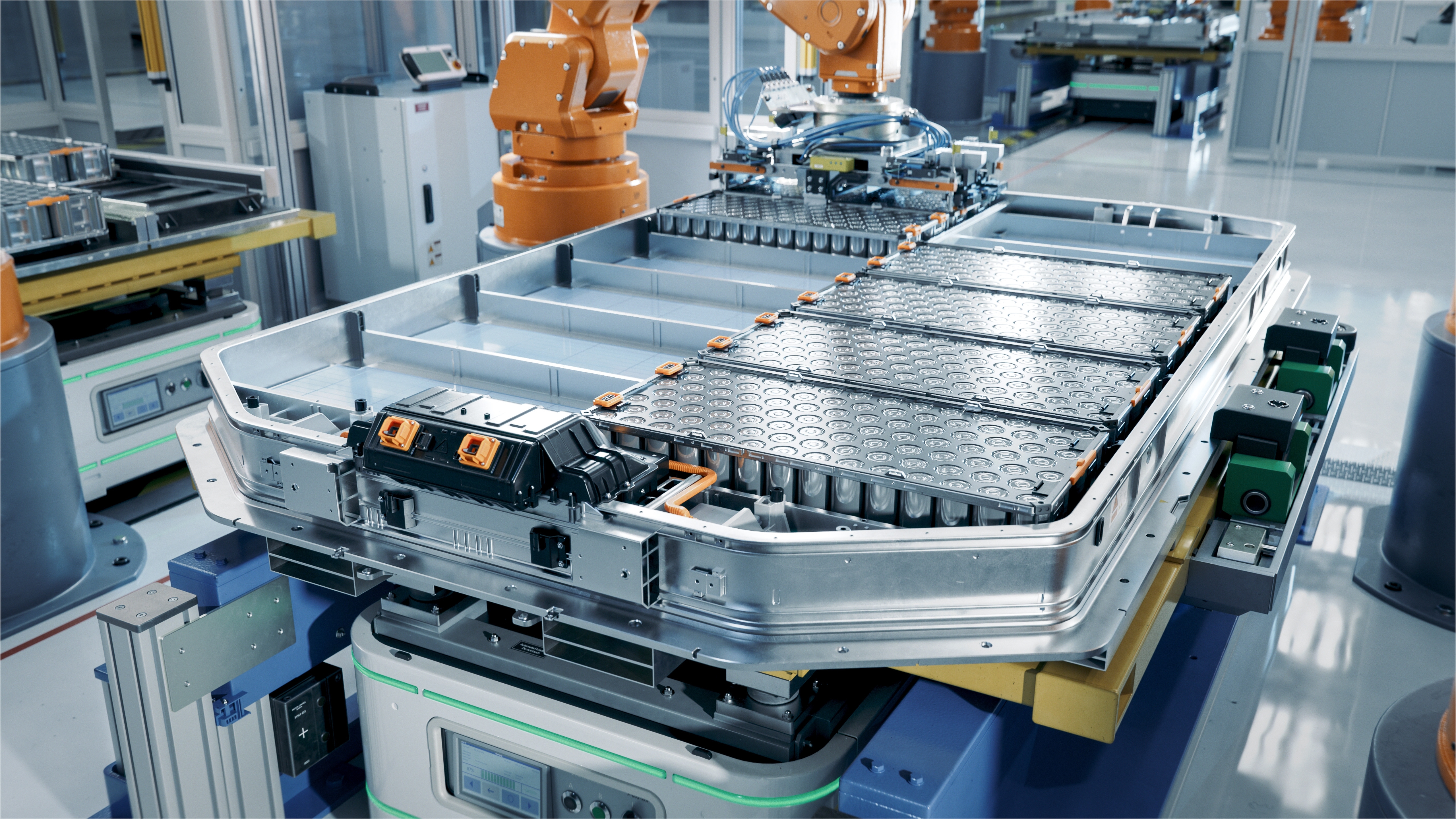
To realize these ambitions, African governments must develop a clear and credible mineral-specific strategy. International players such as the U.S. and European Union need to convert memoranda of understanding on mineral supply cooperation with the likes of the Democratic Republic of the Congo and Zambia into concrete action to derisk financing and address other bottlenecks.
However, industry also has a critical role. Companies should:
- Support independent, publicly disclosed value addition feasibility studies. Companies should work with governments to better incorporate value addition planning in the licensing process and ensure transparency at key decision points. Companies, such as those soon to start mining Tanzania’s rare earths and Ghana’s lithium, increasingly agree to some form of scoping of value addition feasibility. But these assessments are often ill-defined and lack clear timeframes, and neither the companies nor government tend to publish them. Independent, published feasibility studies as part of license conditions would not only help governments to manage public expectations when value addition is not feasible but also help them to make value addition more feasible in the longer term by identifying bottlenecks.
- Coordinate. Coordination between mining companies operating in the same or neighboring countries could alleviate challenges of costly infrastructure needs and scale. Guinea’s huge Simandou iron ore project is finally proceeding with at least eight companies coordinating to construct two mines, a railway and a port; but companies in Guinea continue to primarily export bauxite ore despite sufficient scale for large alumina refineries that could bring down costs if they coordinated to supply feedstock. Governments should help to bring companies around the table, but companies themselves can be more proactive in this regard.
Social and environmental protection
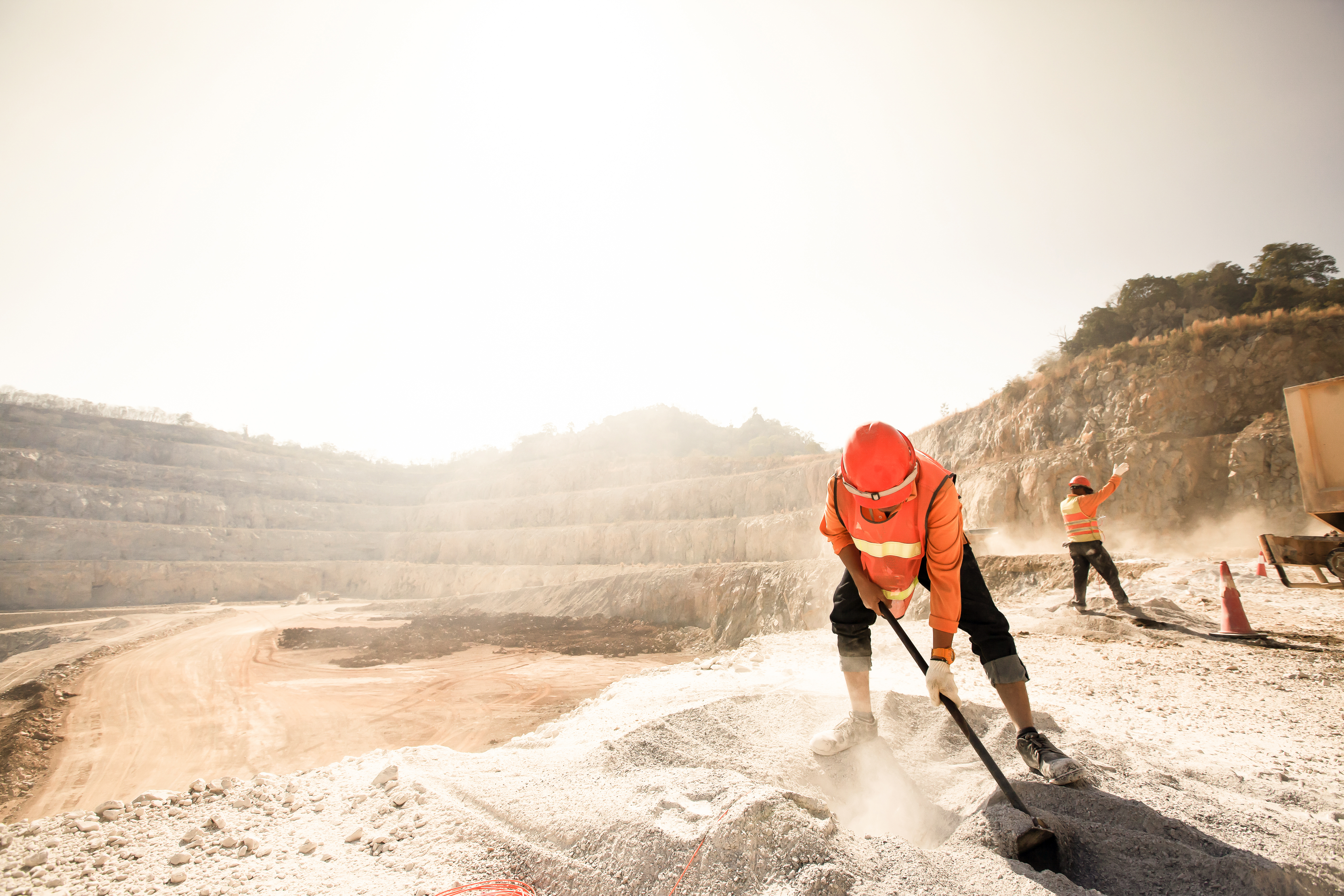
Limiting the social and environmental harms of mining is just as crucial as maximizing the benefits. Some mining companies have taken positive, preliminary steps in this area—for example, “nature positive” commitments made by International Council of Mining and Metals (ICMM) members last month. But companies can and must do more. They should:
- Observe and expand mining no-go zones. ICMM members have committed to not exploring or mining in UNESCO world heritage sites and complying with the objectives of legally designated protected areas. However, this falls short, for example, of protecting forests of high conservation value inside and outside of protected areas—a key step for protecting communities and the environment. Nearly 27 percent of the Congo Basin’s intact tropical rainforests overlap with mining concessions. Governments should designate no-go zones, but companies shouldn’t wait for that to act themselves.
- Meaningfully consult with communities. In principle, governments and companies have increasingly recognized the need for “free prior and informed consent” from communities before allowing extraction. However, this engagement often has limited meaning. A recent analysis of 26 African countries found that seven do not require public consultation until after companies have completed a draft environmental and social impact assessment, rather than during the drafting process. Given the importance of community relations for companies’ “social license to operate,” and the expertise that communities bring on managing their local environment, companies should undertake meaningful consultation irrespective of any legal requirements.
- Publish project-level information on impacts. More project-level information will enable greater engagement by local actors directly affected by mining’s social and environmental impacts. The new Global Reporting Initiative (GRI) mining standard, set to launch next week at Indaba, supports this move by emphasizing mine-site reporting on a wide range of impacts such as water, waste and emissions.
Corruption
Corruption stands in the way of a better deal for the people and environment in African mining countries, and with it more minerals to address the climate crisis. Without action, the risk that the scramble for Africa’s minerals fuels corruption is high: corruption allegations have already emerged in relation to the race for Africa’s lithium.
To effectively tackle corruption, companies should, among other actions:
- Reduce the use of agents and intermediaries. Corruption commonly comes in the form of company staff paying bribes to public officials via agents and intermediaries. Companies should follow the example of trader Trafigura, which in 2019 committed to no longer hiring third parties to perform “business development” functions (recently announced bribery charges related to activities in 2009-2011 show why action on corruption at the company was essential). Companies should exert extensive control over relationships with any remaining intermediaries.
- Be transparent. Companies should adopt and champion project-level contract, payment, commodity trading and beneficial ownership transparency in line with the Extractive Industries Transparency Initiative Standard (EITI) to make it easier for journalists, citizens and other accountability actors to detect corruption. While there are examples of good practice, such as Newmont and Rio Tinto, 73 percent of EITI supporting companies still do not meet the expectations on beneficial ownership transparency and 27 percent fall short on contract transparency.
- Ensure strong due diligence to avoid elite capture. In many countries, powerful officials and their allies receive unfair access to the mining sector and its profits, including through influencing the choice of subcontractors and partners. Petrobras, the Brazilian national oil company, has reduced these risks following the “Car Wash” scandal by requiring suppliers to report beneficial ownership information and verifying this information for higher-risk entities—and refusing to engage with any entity whose key personnel or beneficial owners have unmanageable conflicts of interest. Mining companies should follow suit.
As Indaba kicks off on Monday, we hope to see companies embrace the types of positive disruption outlined above to achieve a “triple win.” It’s in everyone’s interest that they do.
The extraction of critical minerals for the clean energy revolution must be done in a sustainable, fair and just way. The Democratic Republic of the Congo-Zambia battery plant offers an opportunity.
The DRC-Zambia Battery Plant: Key Considerations for Governments in 2024

- The partnership between the Democratic Republic of the Congo and Zambia to develop battery precursors is central to Africa’s ambitions to add more value to its minerals. However, public information about the project is limited.
- Based on available information, the location of the precursor plant remains a source of disagreement. Regional bodies have a key role in developing mechanisms to ensure an equitable share of benefits irrespective of which country hosts the plant.
- The Congolese and Zambian governments should consider the challenges in attempting to source the required minerals from the two countries alone, and explore wider regional coordination to meet the need for nickel and manganese.
- The role of other global actors, such as the U.S., EU and China, remains unclear, but how the DRC and Zambia navigate the geopolitical complexities will be critical for the project’s success.
- Greater transparency and stakeholder consultation will help the governments make the difficult decisions necessary for the project to go ahead and increase the likelihood of it benefiting the Congolese and Zambian peoples.
African countries are gearing up to play a pivotal role in the production of clean energy technologies for the global energy transition, and not just as suppliers of raw minerals. They seek to maximize their role in regional and global value chains by adding value to the resources extracted from their soil.
One key initiative is the partnership between the Democratic Republic of the Congo (DRC) and Zambia to produce nickel, manganese and cobalt (NMC) battery precursors. A precursor is an intermediate input to a complete battery, which the two countries aim to ultimately also produce. However, without a large regional market for the electric vehicles that use these batteries, production of complete batteries will be challenging. For now, the focus is on producing and exporting precursors that foreign battery manufacturers will use.
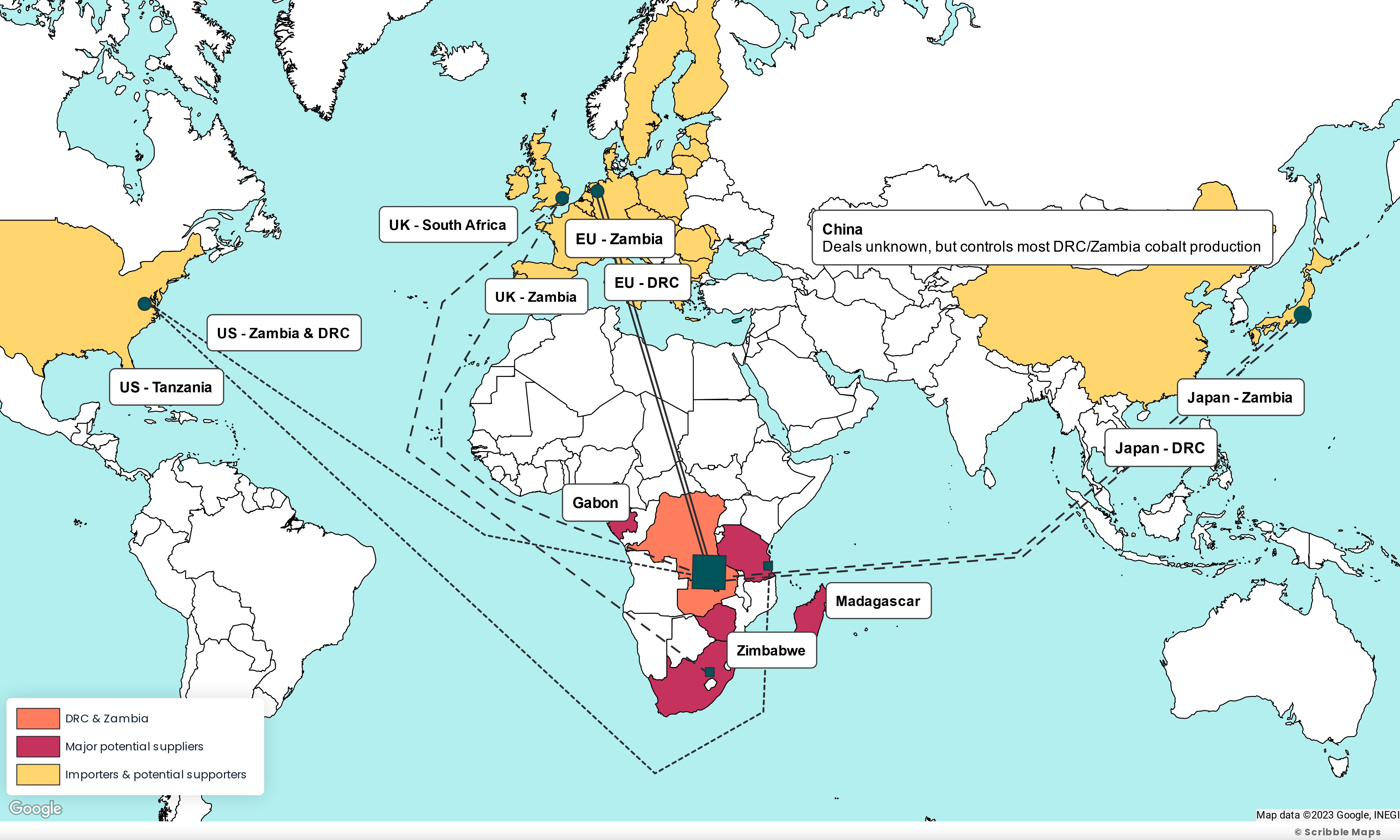
Planning for the precursor plant got properly underway in 2023, though details have been scarce. The status of a long-awaited pre-feasibility study is uncertain. There are conflicting statements about whether it has been completed and if it will be made public. The two countries have not disclosed their cooperation agreement or subsequent framework agreement. Various memoranda of understanding (MOUs) between these two countries and the United States and European Union are in the public domain, but further details remain behind closed doors, at least until roadmaps (action plans referenced in the EU MOUs) are developed next year. Little is known about other agreements that could impact the mineral sector and therefore the project—such as those between the DRC and Japan; Zambia and Japan; and Zambia and the United Kingdom. China’s dominance of cobalt production in the DRC and Zambia, including through state-owned companies, means it could have a significant influence on the precursor plant, but its role is uncertain.
Congolese and Zambian civil society actors are concerned about the lack of information and limited stakeholder consultation. In November 2023 they established the Pamoja Critical Minerals Forum to monitor and engage the governments on these plans and ensure that the plans reflect community voices.
Based on available information, we see four issues around the precursor initiative that the two governments should consider in 2024:
- Precursor plant location
- Mineral sourcing
- Role of international deals
- Transparency and multistakeholder engagement
Precursor plant location
Stakeholders suggest that this remains a point of disagreement between the DRC and Zambia. The governments initially agreed to construct the precursor plant in a cross-border special economic zone, but it seems that this shared site may be ultimately deemed unviable. The plant will therefore likely sit in one country or the other, and both countries aim to be the host. They have provisionally respectively earmarked the special economic zones of Kinsevere in DRC and Sub-Sahara Gemstone Exchange Industrial Park in Zambia.
Starting the project will be challenging regardless of its location. The independent prefeasibility study will likely recommend a location for the plant to maximize its economic viability and minimize environmental and social harms. To bolster the project’s prospects, the governments should accept the study’s recommendation in the absence of any major concerns. While it will not be easy for either country to agree to having the plant in the other, they can explore mechanisms to ensure an equitable share of benefits with the help of the regional bodies already active in the project such as the African Union’s African Minerals Development Centre, the African Development Bank, the UN Economic Commission for Africa and Afreximbank. For example, the country that does not host the plant could get a share of government revenues that the plant generates and have certain opportunities reserved for its workers, goods and services. This is a critical test for regional coordination: the proof of concept that the African Green Minerals Strategy calls for to catalyze other and wider coordination efforts.
Mineral sourcing
Stakeholders suggest that the governments aim to source all the required nickel, manganese and cobalt only from the two countries. The capacity of the plant and specific precursor design (including the ratio of nickel, manganese and cobalt) that the governments target will partly determine the feasibility of this approach. These parameters will be clearer after completion of the prefeasibility study. The plant that was initially envisaged would be large by global standards, producing around 100,000 tonnes (t) of NMC (622) precursors (one of the most common types currently demanded) a year. This would require around 48,000 t of nickel, 15,000 t of manganese and 16,000 t of cobalt that has been refined into sulfate.
The DRC and Zambia will find it challenging to source a sufficient amount of ores of the three metals and refine them into sulfates without involving other countries in the region. Neither the DRC nor Zambia currently refines any cobalt production into sulfate, but prospects are promising. Plans for a cobalt sulfate plant are advancing in Zambia, and World Bank analysis suggests a plant could also be viable in the DRC.
Production of nickel and manganese sulfate is less certain, however. Zambia produced around 4,000 t of nickel in 2022. First Quantum’s large nickel mine, Enterprise, started production in Zambia this year, which will add a massive 30,000 t a year on average. Nevertheless, this volume may still be insufficient for Zambia to meet the precursor plant’s needs on its own even if refining facilities were constructed and all production was supplied to the plant. Nickel exploration in the DRC is underway. Given only 19 percent of the country has been properly explored, this exploration may yield discoveries. However, with nickel mines taking an average 17.5 years from discovery to production, supplying the precursor plant is a far-off prospect.
Time is also a factor for manganese. Manganese is mined in the DRC and Zambia, currently by artisanal and small-scale operators. Formalizing these operations, including to reassure potential buyers of the precursors that the supply chain meets high ESG standards, and going on to build refining capabilities will be challenging.
The two countries could potentially meet these challenges over time, but there is no time to waste. The rapid evolution of battery technologies and global scramble for minerals mean that the longer this project takes to come to fruition, the harder it will be to attract investors and secure minerals for the precursor plant from the DRC, Zambia or elsewhere that haven’t already been tied up in long-term offtake agreements. The two governments should therefore utilize the African Continental Free Trade Agreement and start engaging other African countries on potential supply. Gabon and Madagascar have been cited as potential suppliers of battery grade manganese and nickel, respectively. Other countries, such as Tanzania, Zimbabwe and South Africa, are also possibilities. However some of these countries, such as South Africa, may actually harbor their own battery ambitions: further highlighting the importance of regional coordination to determine an approach from which all countries benefit.
Role of international deals
There is little information in the public domain on the specific support that the U.S. and EU intend to provide to the DRC and Zambia’s precursor ambitions. G7 support for the Lobito Corridor railway appears to have the most momentum currently. This project could increase investment prospects for value addition in DRC and Zambia by improving the route to market, but the railway could also be used to export unprocessed minerals. The implications for the precursor plant are therefore currently unclear.
It remains to be seen whether U.S. and EU will “put their money where their mouth is” in terms of specific support to the plant, and what the DRC and Zambia commit to in exchange. While the precursor plant could become a focal project of the U.S.-led Mineral Security Partnership or an EU strategic project under the bloc’s Critical Raw Materials Act, none of the parties have given such an indication.
Private investment and financing for the project will also depend on whether the U.S. enables buyers of mineral products processed in the DRC or Zambia to benefit from incentives offered by U.S. legislation. Only minerals processed in the U.S. or a country with which it has a free trade agreement qualify for the Inflation Reduction Act’s electric vehicle tax credits, for example. As the Carnegie Endowment’s Zainab Usman has highlighted, adjustments to the African Growth and Opportunity Act or other legislative instruments are needed for the DRC and Zambia (and other African countries) to qualify. Eligibility for U.S. incentives would increase the likely demand for DRC-Zambian precursors, and as a result, the attractiveness of the project to investors.
In the meantime, Chinese authorities and companies are not standing still amid all the talk and action from G7 countries. How the DRC and Zambia leverage this geopolitical competition while navigating the resulting complexities will be critical. It remains to be seen how these various actors will manage Chinese dominance of cobalt production when establishing supply for the precursor plant. Morocco’s experience may generate lessons as it seeks to utilize Chinese investment in battery manufacturing and its U.S. free trade agreement to export batteries to the U.S. and Europe.
Agreements between the likes of the U.S. and EU and other African mining countries could also impact the prospects of the precursor plant. For example, the U.S. is supporting the construction of nickel refining facilities in Tanzania but the deal stipulates that the battery-grade nickel will be exported to the U.S. Gabon, currently an exporter of manganese ore, could need similar support to start refining. While Gabon would benefit from the commencement of refined nickel exports irrespective of their destination, a deal that prevents exports to other parts of Africa could inadvertently stymie regional integration and the more transformative impacts that it would bring. Significant coordination is therefore required between both African governments and other governments.
International deals that could affect the DRC-Zambia precursor plans
Transparency and multistakeholder engagement
The Pamoja joint statement calls for greater transparency around plans and deals related to the precursor project and transition minerals more generally. Initially, this applies to disclosure of the prefeasibility study once completed and any inter-state deals not yet in the public domain. Going forward, the Congolese and Zambian governments should disclose subsequent agreements such as the EU roadmaps as well as any between the governments and investors in mining and value addition projects. The governments should also increase consultation with other stakeholders, including civil society actors.
The stakes are high for the DRC and Zambia with these projects. More transparency will help catch mistakes and ensure that the projects generate the intended benefits for the Congolese and Zambian peoples. Greater public awareness of the various opportunities and trade-offs should provide the governments with space to make difficult decisions—for example, the location of the precursor plant and sourcing of minerals. Building more public consensus and trust will also support the credibility of long-term planning and stability of the regulatory framework, and therefore increase the ability of the DRC and Zambia to attract investment.
People in the DRC and Zambia could benefit greatly from precursor production in their countries, particularly if the associated energy and transport infrastructure is leveraged for wider use. However, government efforts in other policy areas will be at least as important. For example, as Zambia aims to significantly increase copper production, the government should ensure it manages the upstream effectively. Other value addition opportunities, such as scaling up copper manufacturing in DRC, also hold at least as much, if not more, promise. Given that the complexities of the precursor project risk absorbing large amounts of the governments’ time, money and political capital, officials must weigh the opportunity costs carefully.
No Net Zero Without Better Governance of Transition Minerals

If countries that mine critical minerals are to add value through processing, they and their partners must address some key bottlenecks:
- energy supply for processing
- infrastructure for transporting processed materials
- technology/skills accessible to local firms and workers
Economically, producing countries must solve the challenge of addressing bottlenecks in a way that will reduce processing costs, and make their processing operations competitive worldwide. If the processing cost is high then the export of processed materials will be doubly expensive and so lower-income producing countries wouldn’t be able to compete with more advanced processors like China.
One way to address this is to develop a strategic investment plan. Part of the investment incentives package should address the cost of processing. Countries should also integrate domestic processing into a broader national energy transition plan. Officials can use these energy transition plans to mobilize global financing. We have seen countries like S. Africa and recently Senegal developing just energy transition partnerships with international partners as mechanisms to attract financing. Local processing could be part of future mining-oriented JETPs between countries and other public and private sector actors.
Governance is critically important to achieving net zero. Time is of the essence, but the delays in the lead time from exploration to production of minerals for green tech are not only due to technical challenges, but also to governance challenges like corruption as well as lengthy and unclear legal frameworks governing licensing processes.
Unless we make the process a win for the communities and the environment, we cannot dream of having a win for the energy transition.
The above are extracts from comments made by Silas Olan'g at ODI's October 2023 event "The Critical Minerals Race to Net Zero."
The IEA Critical Minerals Summit Must Plot a Path to Fairer Mining

This week in Paris, the International Energy Agency (IEA) will host its first-ever Critical Minerals and Clean Energy Summit. In the packed calendar of climate confabs, from Nairobi to New York, what opportunity will the summit provide to craft a more just and sustainable future?
As climate action and energy security top many countries’ priority lists, there is consensus that we must scale up the use of solar panels, wind turbines, electric vehicles and the like. Doing so requires a rapid, stable and sustainable increase in supply of minerals including lithium, cobalt and nickel – with demand set to grow by up to three and a half times current levels by 2030.
New technologies and smart policies that bring down overall demand for raw minerals can help ease this pressure, but the IEA still predicts that a significant increase in new mineral production will be needed to support electrification.
Yet officials and activists across mineral-rich African, Latin American and Asian countries know well the mining industry’s inglorious record of corruption, human rights abuses and pollution.
They are rightly asking: “what will be different this time?”
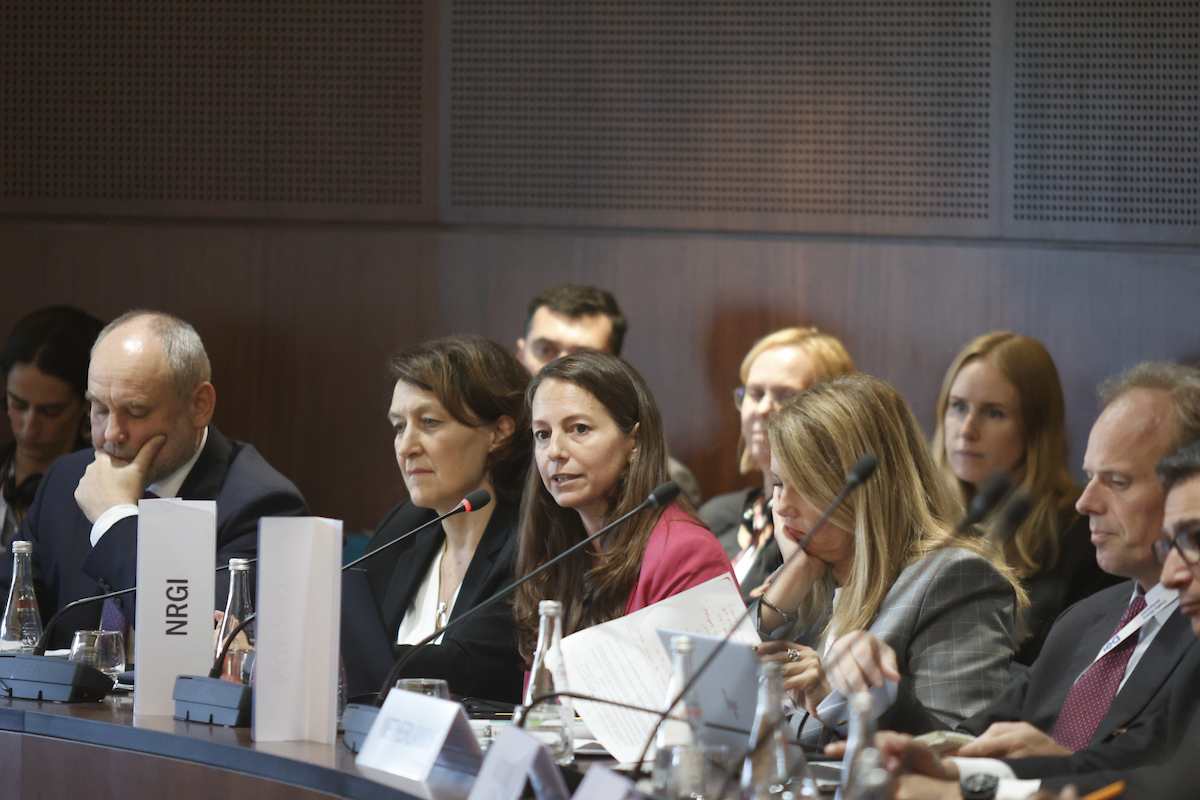
The IEA summit is an opportunity for policy makers and company executives from the Global North to answer this question, and they will be well represented. The governments of lower and middle-income mineral producers, however, will be less visible. And civil society and Indigenous delegates, who have the most to lose in the race to transition, will be largely absent.
If the IEA is to achieve its aim to “promote a secure and sustainable supply of critical minerals,” summit delegates must respond to the needs of those not in the room. Failing to do so will only serve to embed disruption and delay in mineral supply chains, derail global climate action, and deepen social and economic inequities that the mining sector has perpetuated.
First, citizens of mineral-producing countries need a fair and equitable share of the benefits from mining. This includes better upskilling, more job creation, and policies that diversify economies, address energy poverty, and boost producing countries’ own decarbonization efforts. The status quo, in which elites and foreign companies capture an undue share of revenues, is not sustainable.
Mineral-rich countries seek not only to extract commodities, but to capture more value by further refining and processing them. They also aim to generate more renewable power but need money and technical expertise to do so. In negotiating international mining deals and partnerships, those at the Paris summit should commit concrete financial and technical support to helping producing countries to achieve these ambitions.
Second, citizens need strong legal frameworks whereby mining companies respect community rights, protect the environment, and uphold the rule of law throughout their activities. As currently drafted, flagship European Union raw materials legislation risks outsourcing the assessments of mining projects’ sustainability to voluntary, flawed certification schemes and standards.
The message from communities and civil society is clear: such voluntary standards are no replacement for hard rules. But where voluntary standards are used to help bring greater transparency to mining companies’ activities, these must be based upon rigorous multi-stakeholder governance and audit. Anything less, including self regulation, opens the door to greenwashing and corruption.
Last, citizens need to know that authorities will enforce laws. This is a longstanding issue that has recently worsened. A major anticorruption case in the mining sector fell apart after a ten-year investigation in the U.K., in part due to lack of resources. IEA summit delegates must address these accountability failures if they are to inspire confidence among mining-affected communities that a just energy transition is possible.
If IEA member countries want to fully charge their renewable industries, they must plug in to these concerns. Inaction will be costly – for communities and for global climate ambitions.
This commentary was originally published by Context.
Suneeta Kaimal: The IEA Critical Minerals Summit Must Plot Path to Fairer Mining
