
Celebrating Inspirational People Advancing Gender Equality in Extractives

NRGI is committed to the fight for gender equality, as highlighted in our 2020-2025 strategy. In 2021, the organization concluded work in partnership with the World Resources Institute on gender and extractives and is now exploring how to address gender imbalances in the natural resource sector, in line with our commitment to diversity, equity and inclusion.
And so we continue to deepen our understanding of the intersection of gender and resource governance. For this International Women’s Day, we asked inspiring colleagues, partners and training alumni about their own experiences, their perspectives on what’s needed to advance gender equality in extractives, what’s already working, and what excites them about the future.
Our gracious respondents were:
- Solange Bella Alima, FODER, Cameroon
- Alba Quintana Áchito, Akubadaura, Colombia
- Abiodun Baiyewu, Global Rights Nigeria
- Racheal Chagonja, HakiRasilimali, Publish What You Pay (PWYP) Tanzania
- Nafi Chinery, NRGI
- Mando Chiundaponde, Oxfam in Southern Africa
- Aida Diop, Women in Mining Senegal
- Elizabeth Echavarria, Solidaridad Network
- Ousseini Fati Halidou, Association des Femmes du Secteur des Industries Extractives du Niger
- Patrick Heller, NRGI
- Nazik Imanbekova, PWYP Kyrgyzstan
- Hanen Keskes, NRGI
- Carole Nakhle, Crystol Energy
- Winfred Ngabiirwe, Global Rights Alert, Uganda
- Beatriz Olivera, Grupo Regional de Género y Extractivas
- Alicia Ojeda, FUNDAR, México
- Yessica Prieto, Nacional de Proyectos e Investigaciones de Crudo Transparente, Colombia
- Sarita Ruiz Morato, NRGI
- Demba Seydi, PWYP
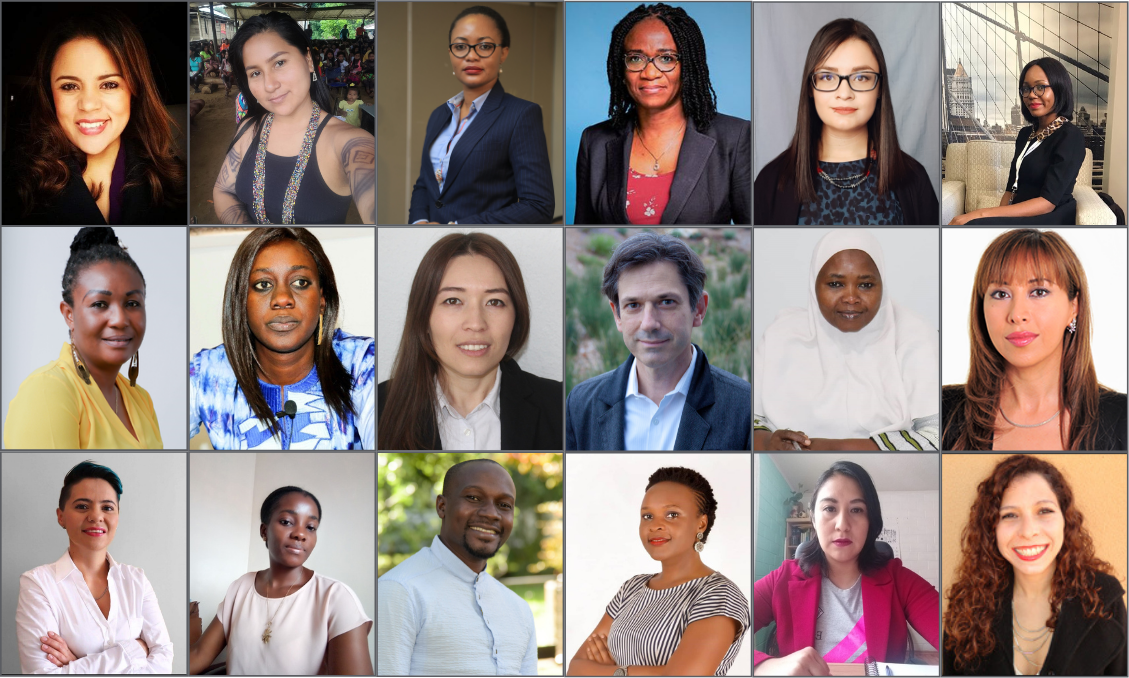
First row: Ruiz Morato, Quintana Áchito, Chagonja, Baiyewu, Echavarria, Chiundaponde
Second row: Chinery, Diop, Ndiaye, Imanbekova, Heller, Fati Halidou, Nakhle
Third row: Prieto, Bella Alima, Seydi, Ngabiirwe, Olivera, Keskes.
What is it like to work as a woman in the extractives sector, either more broadly or in leadership roles? What has been something that you’ve seen or experienced that has played a role in advancing more women in leadership roles?
Chinery: “When l find myself one of the few women in critical decision spaces, l realize my responsibility to represent all women. […] l am inspired by the quality of women’s leadership in the sectors and l am hopeful that this would influence decisions and actions to get many others into the sector and in leadership.”
Chagonja: “Working as a woman in the extractive sector is about amplifying the voices of communities that have not been given the opportunities to speak out and to engage with decision-makers, so that they can influence change. I feel a responsibility to speak out, so that the government takes action.”
Fati Halidou: “You have to value your ability and have confidence in yourself. I set clear rules and principles for myself to achieve my goals. In leadership roles, when women are in key positions, they excel and are as competent as they are honest. Being a woman in the extractive sector is not more difficult than elsewhere, you just have to take the plunge, assert yourself and seize the many opportunities offered.”
Nakhle: “In almost every industry, energy especially, brawn has been replaced by brain. That means what matters is whether someone is sharp, skilled and clear thinking enough, or narrow, incompetent, and intellectually weak, not whether they are a man or woman!”
How is your organization breaking biases to advance gender equality? How have you challenged and faced bias?
Ruiz: “NRGI is a very diverse organization committed to advancing the agenda around gender. I am challenging the narratives around exclusion and the actions that purposefully reduce the power of women. I am committed to supporting efforts that bring gender inclusion, equity, and diversity to develop our personal and work perspectives.”
Ngabiirwe: “We have simple but powerful rituals whether at the office or in communities that reinforce messages (and actions) on equality. These rituals/practices show full support and belief in the abilities of both women and men. We also have a gender and inclusiveness test that each activity implementation must meet.”
Ojeda: “At Fundar, we seek to transform the social norms that perpetuate inequalities, for example through hegemonic narratives that minimize women’s role in their land and for their defense. We recognize that progress can be made through the fight for the environment and the defense of land, recognizing that there are particular types of violence experienced by women who lead these struggles.”
Diop: “Women In Mining Senegal was founded, among other reasons, because of our members' personal experience of the difficult conditions and gender inequalities. This is what drives our efforts to improve women’s working conditions in the extractive sector. WIM Senegal is working on breaking down social beliefs, especially regarding the employment of women in the sector. In this context, we develop programs that promote role models to show that women can succeed in this sector and inspire the next generation.”
Baiyewu: “At Global Rights, we are changing the dynamics in the room. We are bringing more women to leadership tables in extractives dialogues and amplifying their voices until it is normal for them to lead and be heard.”
Seydi: “PWYP members’ commitment and determination to foster feminist natural resource governance have overcome some culturally based barriers to gender equality in the extractive sector.”
Imanbekova: “Through our work to remove the government's decree on prohibited professions for women in several industries, including mining, we encountered many stigmas: traditional, health-related, capacity-related, and economic-related. For instance, the majority of people in Kyrgyzstan, particularly women, think that some professions in the mining sector are simply not for women because women are future mothers and they have to look after themselves. Through our information campaign (articles in newspapers, video clips, TV shows, and online games), we worked hard to counter that stigma.”
Chagonja: “Previously most of the data generated in the extractive sector was about gender-based violence. But we forgot to extend the dialogue to what women are losing out on from extractives. At PWYP Tanzania, our approach was to expand our research to create a platform to further advance advocacy around women and extractives.”
Bella Alima: “FODER systematically incorporates gender mainstreaming into our approaches and strategies for action. Working as a woman in the extractive sector is about promoting equality power dynamics between women and men, ensuring that the specificities related to gender are taken into account in the management of natural resources, and encouraging representation of minority women in all local and national spaces that matter.”
Quintana Áchito: “We are working to strengthen leadership schools and access to justice for indigenous women to achieve equality and justice.”
How can more progress be made in advancing gender equality? What excites you when you look to the future?
Keskes: “Gender sensitivity is not just a section to fill out in a funding proposal. We have a responsibility to shift development practices by centering the voices and aspirations of women and vulnerable communities.”
Diop: “Today, it is essential for women working in this sector, directly or indirectly, to benefit from the gains made in terms of legislation so that they can promote them among stakeholders and decision-makers. Consequently, they can develop tools for advocacy, evaluation of public policies and accountability, such as the Senegal WIM Index, with innovative approaches and inclusive strategies for mobilizing stakeholders.”
Heller: “I am constantly inspired by the amazing women leaders at NRGI and across the extractive industries sustainability movement, we are building a strong approach to building a brighter future.”
Olivera: “I am excited to see that demands for women's rights are gaining momentum across Latin America; in particular, the voices of indigenous and rural women are gaining strength.”
Chiundaponde: “For me, this means taking deliberate action to inform, share knowledge, consult and learn from women, allowing them meaningful participation in decision-making and dialogue. This is what it takes to make the sector truly inclusive.”
Quintana Áchito: “I imagine a future in which women will be major authorities in territories, spokespersons for political and organizational projects, and also in the family environment. “
Fati Halidou: “The extractive sector is a sector of the future in which Nigerien women must take an interest by overcoming the prejudices that have long kept them out of this sector.”
Echavarria: “In my line of work, I have had the chance to meet powerful women miners who produce important proportions of key minerals. We should continue promoting their participation in inclusive markets so they can lead the way toward responsible production and widespread wellbeing.”
Prieto: “I am excited to know that the industry is opening up to social debates, questioning its hegemonic positions on gender equity and leadership roles headed by diverse people.”
Ruiz: “One of the most important exercises that we are doing as a global team is to create a shared understanding of gender that includes cultural perspectives. In this space, I feel fortunate to be a woman, to recognize the power that we have, and the courage of other women fighting for us and our future.”
The views shared are those of the respondents and do not necessarily reflect those of NRGI.
For Every Law, a Plan: Overcoming Implementation Gaps to Realize Gender Equality in the Extractive Sector

Our research on gender provisions in the laws, policies, documents, and guidelines of 12 countries revealed nine documents from five countries with provisions with the potential to be gender-responsive—meaning that while they can address the different needs and distribution of benefits, resources, status, and rights to men, women, and gender non-binary people, they do not address the root causes of gender inequality. Additionally, we found two documents that had the potential to be gender-transformative—meaning that they can contribute to the change of norms, cultural values, power structures, and root causes of gender inequalities and discrimination. However, these ambitious goals do not seem to have led to concrete change in most countries.
The implementation gap
Differences between a country’s written rules and actual practice are not unique to gender provisions. Across the world and in many areas of our resource governance work, NRGI has identified “implementation gaps”—the difference between a country’s adopted rules and their actualization.
While governing documents aimed at creating gender-transformative change are important, whether they produce the desired outcome may hinge on how well they are implemented in practice. Focus on the impact of a governing document can lead to the conclusion that the law or provision itself is inadequate because it has not led to the desired result, when the actual issue is ineffective implementation.
Research shows that a lack of capacity and political will often bring about implementation gaps. The research for this project also suggests that outside forces, such as other countries’ foreign assistance programs or international initiatives such as the Open Government Project or the United Nations Sustainable Development Goals can encourage governments to develop thorough and progressive gender provisions in extractive governance documents. However, without corresponding will and action on the government’s part, or pressure from domestic civil society, few of these provisions take effect.
Recent documents less likely to be implemented
Further, NRGI research from 2019 on sub-Saharan Africa found that legal reforms undertaken before 2000 were more likely to have been implemented by the time of assessment by NRGI’s 2017 Resource Governance Index (RGI) than those undertaken more recently. An obvious explanation for this discrepancy is that authorities have had more time to effectively implement older laws. In addition, new legislation tends to be more ambitious than older documents, which may make it more difficult or time consuming to implement.
While our sample of documents is not large enough to draw significant overall conclusions, our research indicates that more recent documents related to gender tend to be far more ambitious than older documents. For example, many older documents include simple, unambitious provisions around limited gender quotas. But all of the documents that had the potential to be gender-responsive were written after 2011 with two documents written in 2018 and 2019 potentially gender-transformative.
Implementation depends on verifiability
How a document is written is not the sole determinant of whether it will create change, and there are ways that framers can create better, more implementable provisions. In particular, documents should contain specific benchmarks and timelines that can be verified. Moreover, documents should designate specific government actors responsible for the implementation and allocate resources for it.
While a document might include an intent to consult women when crafting extractive governance policy, without a requirement for a government or company to provide detail on whom they have consulted, these documents may amount to little more than unfulfilled promises.
Many of the documents reviewed include language that expresses a commitment to some form of action or ambition in relation to gender equality or the rights of women. However, very few contain provisions that can be verified, detail plans for verification or provide enforcement mechanisms. For example, while a document might include an intent to consult women when crafting extractive governance policy, without a requirement for a government or company to provide detail on whom they have consulted, these documents may amount to little more than unfulfilled promises.
The gender commitments made in the 30 documents directly related to the extractives sector were divided into three categories—verifiable, partially verifiable and not verifiable. Most documents contained provisions that were only partially verifiable. While some of the provisions were written in ways that allow them to be verified, few documents included actual mechanisms or plans for verification.
Mongolia’s ambitious policies
Of the twelve countries studied, Mongolia was one of the few with a policies that are potentially both gender-transformative and gender-responsive. The RGI has historically shown, however, that Mongolia struggles with a significant gap between its laws and practice. Our research into Mongolia’s gender documents confirmed that the country has highly ambitious documents that it has thus far not been able to implement.
To assess the documents’ implementation in a structured way, we broke each down into its component provisions and assessed progress against them.
Mongolia’s Geology, Mining, Petroleum and Heavy Industry Sector Gender Responsive Policy Action Plan of Implementation (2019 to 2026) establishes a plan to mainstream gender considerations into extractive sector policy and regulatory planning, budgeting, implementation, and monitoring and evaluation. The policy also aims to reduce gender-based discrimination, minimize the sector’s adverse effects on mining-affected communities, and introduce work-life balance measures to promote women’s equitable participation in extractive-related companies. The policy indicates a gender-responsive approach, in that it specifically addresses access to economic opportunities for women. It provides a multiyear plan that includes budgeting and monitoring, and has the potential to be gender-transformative in that it could directly change economic power structures and address root causes of inequality.
Unfortunately, the Mongolian government has yet to implement most of the provisions included in this document. So far, a project funded by Canadian international assistance has completed some of the policy’s requirements for gender assessments of governing documents. However, many of the provisions on training and ensuing activities have been delayed, in large part due to the coronavirus pandemic.
A second document from Mongolia, the State Policy on Petroleum Sector Development (2018 to 2027) references gender equality by setting specific goals around improving human resources management and increasing women’s participation by building skills through training and policies encouraging enrollment in professional degrees. It also establishes environmental protection, rehabilitation and local development support by promoting local employment, procurement and infrastructure policies that include women’s economic empowerment. This document also calls for gender-disaggregated data on scholarship recipients, gender-sensitive workplace surveys and plans, and a database to improve human resources management. It also establishes gender auditing and gender-sensitive resettlement planning. Unfortunately, few of the provisions detailed in this document have been implemented. Much of this implementation gap may have to do with the newness of both policies and the effects of the pandemic.
The implementation gap for both Mongolian documents may be partly due to the fact that they are policies rather than laws. As frameworks that can be adjudicated, laws are legally enforceable. Policies are generally statements of government priorities and intent, and while they can be impactful and effective tools, they generally lack the weight of law.
While there are explanations for the delayed implementation of these two policies—their complexity, that they are new, the delaying effects of the global pandemic and their lack of legal force—the provisions contained in them present a unique opportunity for Mongolians to diminish negative gender-differentiated impacts of extraction and to use their resource wealth to benefit all citizens. Civil society actors, government officials and other stakeholders should continue to monitor and push for implementation of these laws, focusing on the verifiable provision to measure progress.
There's a gender provision implementation gap in the laws, policies, documents, and guidelines of twelve countries.
Why Extractive Industry Gender Advocates Should Ask For Contract Transparency

How does the legal framework contribute to gender equity in the extractive sector? This was a driving question for joint research by NRGI and the World Resources Institute (WRI), leading to the publication of Gender and Extractive Governance: Lessons from Existing Legal and Policy Frameworks.
That research revealed that governments are influencing women’s involvement in the extractive industries and the benefits they receive—in both positive and negative ways—through provisions in their national laws, regulations, policies and guidelines. In this blog, I build on that important work by showing that governments and companies are also writing gender provisions into the contracts they agree with each other.
This is yet another reason why extractive industry contracts must be made public. With U.S. President Biden’s Summit for Democracy and the 2021 OGP Summit not far off, government reformers and their civil society counterparts should know that a commitment to resource contracts transparency can support gender goals in addition to improved governance of the extractive industries.
In most countries, when governments decide to develop publicly held natural resources, they usually make agreements with extractive industry companies with the expertise (and access to finance) needed to take resources out of the ground. These agreements are critical parts of the legal framework. They detail the specific rights granted to companies to exploit or explore for natural resources, and state how the financial gains from these activities are shared between the private sector on the one hand, and the government and citizens on the other. In addition, resource contracts often include health and safety requirements, environmental commitments and social obligations. As shown here, some contracts also include gender provisions.
Gender provisions in extractive contracts
To explore the ways that governments and companies are using resource contracts to make rules on gender related issues, I searched for the words “gender”, “women” and “sex” on ResourceContracts.org—the world’s largest repository of publicly available oil, gas, and mining contracts.
The search returned over 200 documents with at least one of the search terms (roughly 10 percent of all the documents in the repository). While more research would be required to determine exactly how many of these actually point to gender equity provisions rather than mere incidental uses of the search terms, I was able to find at least four different types of clauses that sought to address gender issues. These covered: inclusion in consultation activities; protection from workplace discrimination; fairness in local content policies; and gender in site security. Examples of typical clauses for each of these general areas are provided in the table below.
| Gender provisions written to address gender equity | |
| Inclusion in consultation activities |
1.1 … Any consultation shall strive to include, in socially and culturally acceptable forms, all social elements in the area affected by the subject matter under consideration, including both men and women. |
| Non-discrimination in the workplace |
13.3. The Contractor shall not discriminate on the basis of gender and shall respect the right of women workers to participate in policy and decision making processes affecting their rights and benefits. |
| Fairness in local content policies | 29.3 (g)(ii)… the development plan shall include… the contractor’s proposals for stimulating local content, including… identifying specific skills’ training programs and technical courses that shall… ensure fairness in gender practices Model PSA, Kenya 2015 |
| Gender in site security | 21.5 … a search [for suspected stolen diamonds] … shall be carried out by a police officer of the same sex as the person to be searched. Diamond (Argyle Diamond Mines Joint Venture) Agreement Act, Western Australia, 1981 |
Considerations around using contracts for gender provisions
There is some debate on whether using contracts to lay out obligations on issues like gender is a good idea. On the one hand, contract negotiation processes provide governments and companies an important opportunity to fill in gaps where legislation is insufficiently detailed; or to make rules for unusual oil, gas and mining projects that might not have been foreseen by existing laws (often the case after a big find). Given the pace of most legislative processes, and the wide-ranging interests of many legislators, contract negotiation processes can be faster and more reliable ways to lay down rules for specific issues.
On the other hand, excessive rulemaking by contract can undermine the role that the legislature and other democratic institutions play in the development and oversight of the law. In many instances, this accountability deficit is compounded because, unlike other parts of the legal framework, it is relatively common for resource contracts to be kept secret. As a consequence, citizens affected by contractual provisions—in this case women—may not be aware of rights or protections they are entitled to. Moreover, in instances where contractual terms are ineffective or negatively impact women, secrecy makes it hard to detect shortcomings, let alone work to address them.
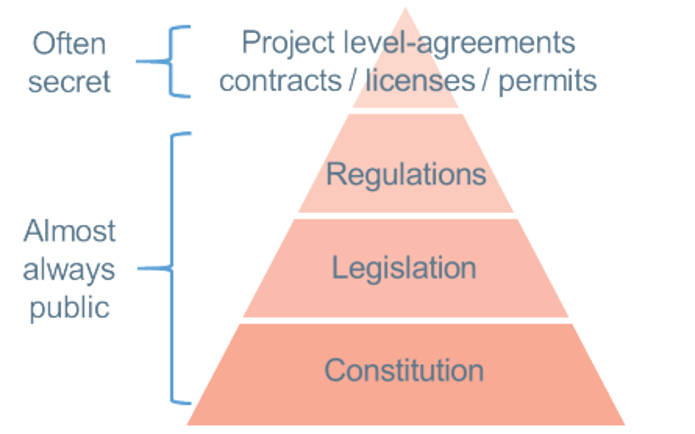 Secrecy in the legal framework
Gender advocates should be asking for contracts
The movement for contract transparency in the extractive industries, most recently anchored by the global Publish What You Pay movement’s #DiscloseTheDeal campaign, has made significant gains. In 2019, EITI made it a requirement for the 50+ countries implementing the EITI Standard to disclose all contracts or licenses granted, entered into or amended from 1 January 2021. There are now 49 countries that have officially disclosed at least one extractive industry contract and 31 with policies in place making publication mandatory.
But, despite these advances, there is still a long way to go. In many jurisdictions, including Egypt, Indonesia and Nigeria, the publication of resource contracts happens only rarely, if at all. In many more, disclosures are partial or incomplete. In these countries, it is impossible to know whether gender provisions are hidden in contracts, let alone determine whether they need to be changed or better enforced. This is why gender reformers should team up with their colleagues working on extractives transparency to advocate for contract disclosures.
This work was presented as part of a workshop session on Gender in extractive sector legal and policy frameworks that was conducted as part of the EITI global peer-learning event EITI & Gender: Towards a more equitable future in May 2021.
New Film: Women Ensure Sierra Leone’s Government Progresses on Gender Equity in Mining

Sierra Leone is rich in natural resources, but women in the country's extractive communities rarely benefit from this wealth. They often suffer high levels of poverty, gender-based violence and exclusion from key decision-making processes.
In recent years, the government of Sierra Leone has enacted several laws, policies and provisions to address gender inequality in the extractive sector, most notably through the revision of the Mines and Minerals Act (2009). But authorities, governing bodies, and policy makers have failed to translate these laws into tangible improvements for women in extractive-affected communities, and barriers still exist for women in Sierra Leone when accessing the labor market.
Local civil society organizations have urged Sierra Leone’s government to do more to turn laws into practice. In Women and Mining in Sierra Leone: Power, Policy and Political Will, a new short film by NRGI, women in mining communities share some of the challenges they face. The film also highlights some of the country’s remarkable women-led initiatives, which are working to transform Sierra Leone’s mining sector—making it more inclusive and safer for women and girls. Their work has contributed to increased awareness on gender-specific issues, which require greater political will to ensure effective implementation of the country’s laws and provision on gender equality.
Nadia Ismail is regional program and administrative assistant at NRGI. Alexandra Malmqvist is senior communications officer at NRGI.
This film was produced by Louise Orton, and edited by Mary-Laine Friday of Faltrego Films.
Women in Mining: A History of Legal Invisibility and Exclusion

This is the third in a series of posts from the Natural Resource Governance Institute and World Resources Institute research project on gender and extractives, carried out with support from the Open Government Partnership Multi-Donor Trust Fund, which is managed by the World Bank. Learn more about the project in this blog post.
As the Natural Resource Governance Institute (NRGI) and World Resources Institute (WRI) continue our research on gender, open government and extractives, we have found that creating gender-transformative governance frameworks will not only require adding new provisions to the existing body of laws and policies, but also removing archaic provisions that continue to hold women back.
In our research, we examine a sample of 12 countries’ extractive sector laws and policies that refer to gender or women, looking at how they were developed and at their implementation and impact. Several countries from our study have provisions in place that prohibit women from working underground, working at night or working in the extractive sector at all. In the countries that we analyzed, we found laws prohibiting women from working in mines in Argentina, Morocco, Nigeria, Sierra Leone and Tunisia. (Though the Sierra Leonian and Argentinian laws are still technically in force, they do not seem to be followed in practice.) Several other countries in our sample had similar laws in place before they were recently repealed or amended: Colombia (ban lifted in 2015/2016), Ghana (ban lifted in 2003), Indonesia (ban lifted in 2003), Kenya (ban lifted in 2007) and Mongolia (ban lifted in 2008). According to the World Bank, across the world, 60 countries still have laws on the books that restrict women’s employment in mining. These laws are most prevalent in sub-Saharan Africa, where one-third of countries prohibit women from working in mines.
As detailed in research by Kuntala Lahiri-Dutt, many of these laws originated from the British Mines and Collieries Act of 1842, which removed women from working in underground mines, due to a combination of genuine concern about the hazardous nature of the work and as a result of “moral panic” about men and women working together in dimly lit underground areas.
The same act also prohibited the use of child labor in mining, due to the dirty and dangerous nature of the work. While children are inherently vulnerable and need protection (including from dangerous work), the conflation of women and children, and the view that both required the same kind of protection, has been an enduring rationale for harmful stereotyping women and denying them equal rights.
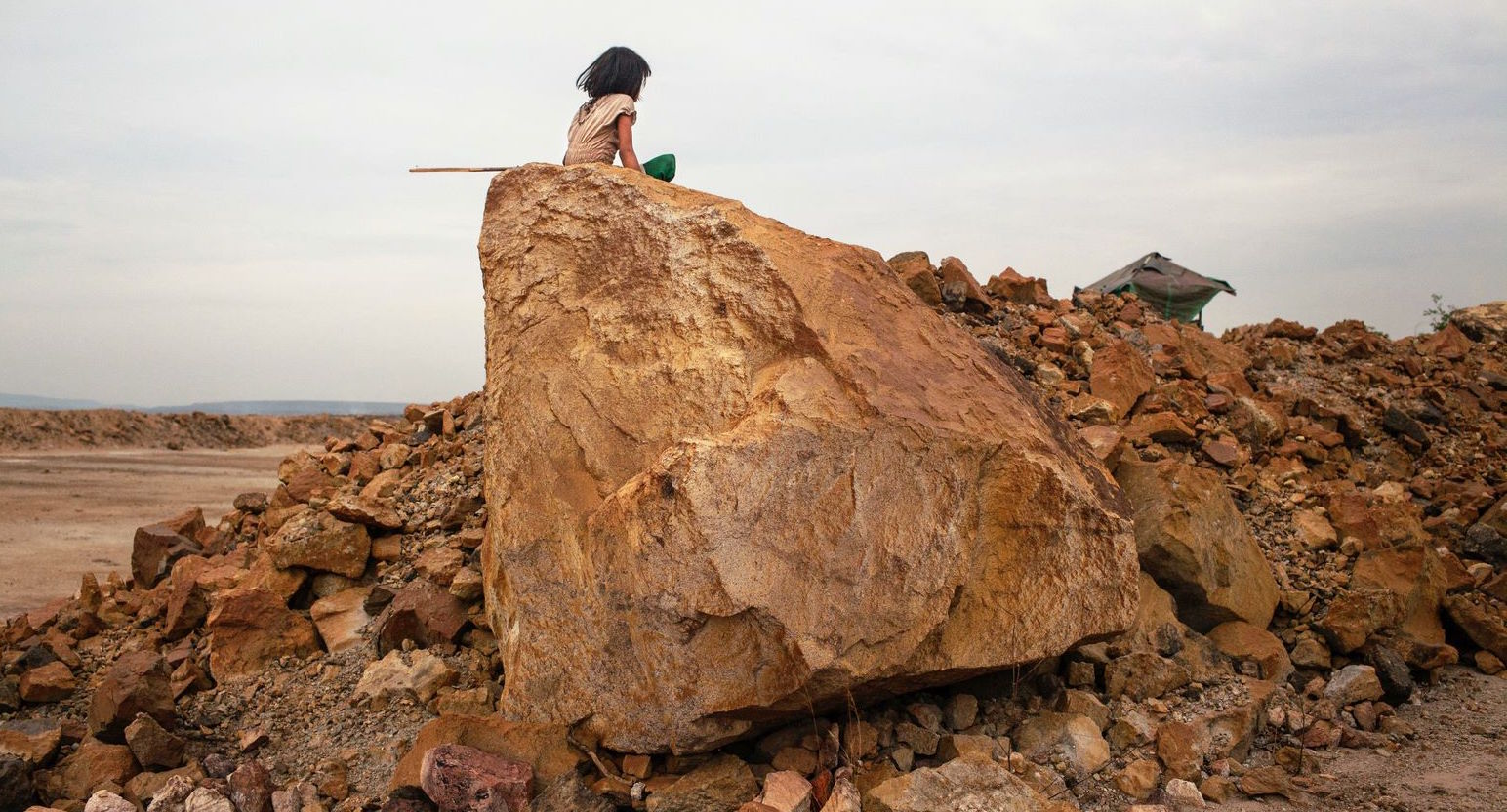
Though women had previously worked side-by-side with men in the mines, the Mines and Collieries Act had an immediate and profound impact on women’s employment. As Lahiri-Dutt details, rather than protecting women from dangerous work as it had intended, it instead deprived women of the gainful employment they had previously secured and instead forced them into other (even more) hazardous, less formal work.
The Mines and Collieries Act not only affected British women’s work but soon impacted women throughout the world. Through the British empire, parallel legislation was enacted in British colonies. In the 1920s and 1930s, the International Labour Organization (ILO) adopted several protectionist conventions around women’s labor in the mining industry, prohibiting women’s underground work and limiting women’s ability to work at night. These provisions became enshrined in the governing documents of ILO member states, pushing women further into lower-status, lower-wage work, particularly in the global south. Limits on women’s participation and narrow definitions of what it means to work in the sector have rendered women’s work throughout the extractives value chain largely invisible. This has translated into lack of unionization, poor organization and poor policies and protections.
Because women have been so long and pervasively excluded from the mining sector, we have a constructed view of mining as men’s work, and it is difficult to imagine women performing physically demanding jobs in underground mines. However, prior to the passage of the British act in 1842, women contributed to early mining throughout western Europe and were active prospectors in the American gold rushes. As Lahiri-Dutt explains, the biological essentialist view of women as weak and in need of unique protection from rigorous work ignores ample social and historical evidence from the contrary, and has led to significant structural inequality both within the extractive sector and beyond.
Today, while women’s overall participation in the global workforce is 47 percent, women make up only 22 percent of the oil and gas workforce and only 14 percent of the industrial mining workforce. Women’s participation in artisanal mining is estimated to be significantly higher, which speaks to how these prohibitions have forced women into work that is more dangerous and less formal, regulated and lucrative.
As detailed by the World Bank’s Rachel Perks and Katrin Schulz, prohibitions on women’s work continue to have a dramatic effect on women’s participation in the extractive sector and ultimately the wage gap. Technical mine site jobs, such as engineer, geologist and analyst, are often higher-paying than clerical or administrative jobs in the sector. However, because of these restrictive provisions and their legacies, women in the sector are overwhelmingly employed in lower-paid functions. For example, in Canada—which has one of the highest rates of women’s participation in the extractive sector in the world—only five percent of mine-site workers are women. Perks and Schulz find similar trends in Chile, Peru and Mongolia, where women are overwhelmingly involved in lower-paid administrative support work for the sector rather than in higher-paying mine-site roles.
Perceptions of oil, gas and mining as men’s work serve to undermine women’s advancement. In a 2017 study of the oil and gas industry, Boston Consulting Group found that men in the sector believe that women are less suited for certain roles and opportunities, such as expatriate positions and jobs in the field. However, their research found that women are often just as, if not more flexible than men, though they are routinely passed over for these opportunities.
Even though restrictive prohibitions on women’s work have been lifted in many countries, their legacies persist: centuries of women’s absence on mine sites have led to cultures and norms that still impact their unequal participation in the sector. Further, women’s lack of experience working in mining undergrounds has contributed to fewer women holding management or corporate board positions. A similar gap is observed in the oil and gas industry, where globally women hold only 10 to 30 percent of field jobs. This lack of experience contributes to women’s selection for leadership roles: there is a significant decline from women’s global participation in middle management (25 percent) to senior leadership roles (17 percent).
To address women’s participation in the extractives sector, a first step is for governments to remove provisions that restrict women’s employment from their laws and policies. However, in order to remedy the inequality wrought by decades of women’s exclusion from the extractive sector, a more aggressive strategy that focuses on job training, recruitment and cultural change will be necessary. As our research through this project continues, we examine whether and how the countries in our study are trying to remedy this historical legacy and promote and facilitate women’s equal participation throughout the sector, from mine sites to senior roles.
To learn more about this project and our findings, register for the 3 February webinar on the subject as part of the Radically Different: Gender justice in natural resources governance webinar series.
Inclusive Extractives Governance Depends on Elusive Gender-Disaggregated Data
This is the second in a series of posts from the Natural Resource Governance Institute (NRGI) and World Resources Institute (WRI) research project on gender and extractives, carried out with support from the Open Government Partnership Multi Donor Trust Fund, which is managed by the World Bank. Learn more about the project in this blog post.
As the Natural Resource Governance Institute (NRGI) and World Resources Institute (WRI) continue our research on gender, open government and extractives, we often find ourselves frustrated by a lack of relevant data and policies. The absence of gender-disaggregated data is not unique to the extractive sector; it is an issue that plagues many different fields. While many countries are making commitments to gender equity, without this data, countries often develop policies that don’t account for the unique experiences and needs of men, women, boys and girls. Governments are working to address labor biases, create diversification strategies that are gender-inclusive, build inclusive tender practices, create enhanced environmental monitoring and develop gender responsive revenue management. However, without data disaggregation, it’s difficult to know who is participating and to hold governments accountable.
In Invisible Women: Data Bias in a World Designed for Men, a bestselling book that won the 2019 Financial Times and McKinsey Business Book of the Year Award, author Caroline Criado-Perez explains the pervasive absence of gender-segregated data, and its consequences: If we are not measuring or addressing the differentiated needs of women, we are ignoring them, and doing so often puts women at a disadvantage, and even in danger. Criado-Perez writes that this gendered data gap is not necessarily malicious or even deliberate, but instead results from assuming that women and men experience life in similar ways, when they so often don’t.
As has become apparent in natural resource extraction, oil, gas, and mining projects can impact people differently, often due to their gender or other identities. Oxfam Australia recently published a report on the various ways in which natural resource extraction can differently impact women and men’s lives and livelihoods. Their findings reveal that these projects can inadvertently reinforce existing power structures, disrupt the ways that women have traditionally earned their livelihoods or make physical spaces more dangerous for women. Unfortunately, the Oxfam report is rare; because data is so seldom disaggregated by gender, it is difficult to truly assess the impacts of extractives policies and harmful practices are likely replicated.
Laws and policies governing the extractive sector largely do not reflect an acknowledgement of (or effort to ameliorate) the industry’s differentiated impact. In surveying the laws, policies, regulations and guidelines governing the extractive sectors of 12 countries, our team found that most extractive governance documents are gender-blind. In our sample, only 25 documents that directly govern extractive activity mention “women” or “gender.” These mentions were more likely to appear in guidelines—the least binding form of documentation—than in laws, policies or regulations. In most countries it is faster and easier to pass guidelines than it is to create or amend laws, policies or regulations. Developing guidelines may lead to faster and nominally better consideration of gender. However, government actors and regulators may interpret guidelines as suggestions rather than mandates to which they must adhere, thus negating their potential impact.
While our research uncovered very few documents that referenced gender, we notice some trends from this small sample:
From “women” to “gender”
In analyzing these 25 documents, we found that over time the language that countries use to describe their efforts to address differentiated outcomes is shifting. Although references were scant, documents adopted from before 2011 more often used the term “women.” While “women” continued to be the more commonly-used term, in documents from 2011 to 2020, “gender” is used with increasing frequency (though the term is most often used simply as a substitute for “women”). While it’s not possible to draw definitive conclusions from this small sample, it seems that documents that use “gender” are more likely to also focus on participation and environmental and social impacts.
Mentions of “women” and “gender”
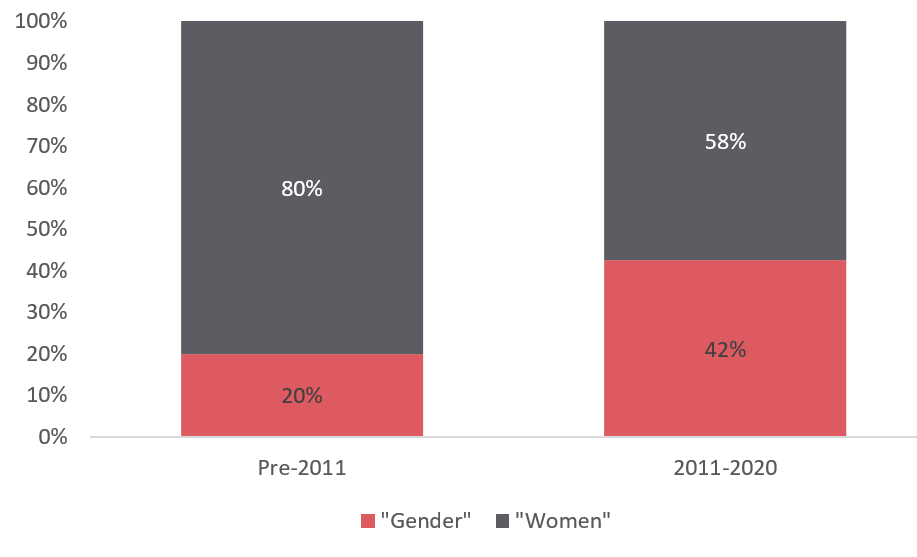
Gender considerations in legal and policy documents are becoming more common
From the countries that we surveyed, the earliest document that governs the extractive sector and mentions women is a 1993 Ghanaian law that implements a quota for women’s participation on the board of the country’s minerals commission. But it would be some time before other countries followed suit. Most only began to adopt extractive documents that make reference to women or gender in the 2000s. In fact, 20 out of the 25 documents that we found were only adopted in the last ten years.
It seems that consideration of women and gender in extractive governance documents is a relatively recent trend, but one that will continue. In 2019, the Extractive Industries Transparency Initiative (EITI) adopted new gender-responsive requirements that mandate certain data disclosures around gender. This may prompt officials in more countries to begin thinking about the varied ways that extractive industries impact diverse groups of citizens and reflect this in policies and guiding documents. However, policymakers and legislators must match an increase in the number of references to gender issues with an increase in the quality of provisions in legal and policy frameworks. We found that references rarely reflect a thorough examination or understanding of gender issues; some were overly simplistic and potentially reinforced stereotypical views of women. We will examine this further in our future research, diving deep into three countries’ experiences.
As countries implement these policies with increasing frequency, it will be important to know which laws, policies, regulations and guidelines achieve their intended effect and which fail or cause further harm. Unfortunately, much of the data that we have about the differentiated impact of extractive projects is anecdotal. As in the industries that Criado-Perez highlights in her book, there is little disaggregated data available about the sector’s gendered affects, and it is difficult to collect enough data to draw conclusions based on the few laws, policies, regulations and guidelines currently in place. As we develop recommendations and work with governments on building Open Government Partnership commitments that lead to gender-transformative extractive governance, we will emphasize the need for data collection and disaggregation, working with changemakers to build understanding of how they can collect and use this data to benefit their countries’ development.
Aubrey Menard is a consultant gender advisor with the Natural Resource Governance Institute (NRGI).
Photo by Suthep Kritsanavarin for NRGI.
How Can Extractive Sector Laws and Policies Contribute to Gender Equality?

Español »
This is the first in a series of blog posts from the Natural Resource Governance Institute (NRGI) and World Resources Institute (WRI) research project on gender and extractives, carried out with support from the Open Government Partnership Multi Donor Trust Fund, which is managed by the World Bank.
What do governments and international organizations mean when they say that they aim to advance gender equity in the context of natural resource governance? Many governments are making positive commitments to gender equity, but in countries where the extractive industries are a significant part of the economy, what do such commitments mean in practical terms and how do they contribute to positive changes in people’s lives and livelihoods?
These questions were the starting point for a new Natural Resource Governance Institute (NRGI) project funded by the Open Government Partnership (OGP) Multi Donor Trust Fund and carried out in collaboration with the World Resources Institute (WRI).
Last year, OGP launched Break the Roles, a campaign encouraging governments to bring gender perspectives into open government. The NRGI-WRI research aims to provide insights and tools to help governments of resource-rich countries to do this. The project’s overarching goal is to foster gender transformative policy commitments by OGP governments specifically in relation in their extractive sector. Research is the first phase of the project, which will also include developing tools for governmental and civil society actors and outreach activities (many of which we will now do via digital and online platforms).
In phase one of the research, we are examining laws and policies on extractive industries that refer to gender or women, looking at how they were developed and at their implementation and impact. We recognize that, in many cases, the laws and policies may have undermined gender equality and women’s rights. But in this challenge lies an exciting opportunity: if the extractives sector has contributed to women’s inequality, in identifying the policy mechanisms of how this happens, we may have the opportunity to help countries design laws and policies that use their resource wealth to uplift rather than diminish women.
There has been relatively little research done on how a country’s dependence on its natural resources can impact the lives of women. The research that we have conducted, however, shows that women in mineral resource-dependent countries often suffer worse wealth and rights inequality than those in countries that are not resource dependent. A 2008 study on the MENA region by Michael Ross argued that the large oil discoveries in that region and the approach to managing oil wealth was a key contributor to the evolution of gender relations in several countries in the region. In a 2016 critique of Ross’ work, Yu-Ming Liou and Paul Musgrave argue that Ross overlooks evidence that governments purposefully design policies to either increase or decrease gender equality—a critical focus of our own study. Other recent studies focused on Latin America have also noted a gendered resource curse in which resource curse symptoms such as Dutch disease and lack of economic diversification can impact women and men differently. These impacts are rarely considered in government policy processes.
We selected our 12 focus countries based on an exploratory analysis and mapping exercise. As of March 2020, we have completed analysis of four countries—Colombia, Ghana, Mexico and Peru—and are already making some potentially interesting observations. We are also asking some critical questions, including the one that opens this blog post: how can extractive sector legal and policy documents contribute to gender equity?
The first thing we noted, not unexpectedly, is that there are relatively few laws, policies or other official documents on the extractive sector that refer to gender or women. The relative gender blindness of the extractive sector was, in part, the prompt for the Extractive Industries Transparency Initiative (EITI) adoption, in 2019, of a new standard and disclosure requirements around gender. This included promotion of gender-sensitive data disclosures and women’s participation in the in multi-stakeholder groups that oversee a country’s EITI implementation. The EITI guidance is a positive step in a sector where gender has too frequently been sidelined as an issue, but more certainly must be done. This is borne out by our initial research findings.
Across the first four countries we researched, we identified 29 legal and policy documents that have bearing on the extractive sector and that refer to gender in some way. However, only 10 of these documents were specific to the extractive sector; the rest were on issues such as environmental management, which applied to a range of commercial and other activities including the extractive sector. Notably, these documents reference gender mainly in relation to social and environmental aspects of natural resource governance. For example, environmental and social impact assessments (ESIAs) require data on gender (or women) and some policies require that companies consider women as a specific interest group when designing corporate social responsibility (CSR) interventions or community engagement plans.
These documents reveal that when considering the impact of the extractive sector on women, most governments, companies and organizations only consider the sector to affect women living in communities where extraction projects are taking place. While wealth, rights, and health impacts around the extraction site are unquestionably important, this view is too limited (and the way in which it is often implemented can serve to further reinforce gender stereotypes). The governance of the extractive sector extends beyond the social and environmental impacts of extraction. It typically includes sector-specific fiscal frameworks (covering issues of tax and royalties paid by companies), incentives for investors and management of the revenues—government funding and policy that can have significant impacts on the lives of women throughout a country.
A key question for the research team is: can these macro-level national frameworks and policy choices affect gender equity? And, do governments ever consider gender-specific concerns in the laws and policies that deal with these macro or national-level aspects of resource governance?
In our review of the laws, policies and strategies, we will be looking at how often women and gender are mentioned in macro-level legal and policy frameworks, as compared to references in laws and policies that focus on local-level impacts and what this may mean for gender equity.
Another related issue observed in our initial four-country sample is that the relevant documents often only describe gender issues as women’s issues (and in some cases even as “family” or “motherhood” issues). The lack of a clear understanding of gender and gender relations seen in our current, albeit small, sample is a concern. While references to women may improve some aspects of policies governing how extraction affects women, the way these documents reduce women to the roles of mothers or caretakers can undermine efforts to promote gender equity or opportunities for women in the workplace. However, assessments of the pros and cons of different provisions and the language used, need to be context-specific and based on deeper engagement with those affected.
On a more positive note, we are seeing some indication that governments, companies, and organizations are increasingly considering gender in relation to natural resource governance. A far greater proportion of extractive sector laws and policies created in the past decade include references to gender than in previous decades. Of the 29 relevant documents that we identified that included gender references, over 60 percent were created since 2011. Also noteworthy is that Sustainable Development Goal (SDG) 5 appears to be influential. For example, Colombia’s National Development Plan, which explicitly references its national commitment to SDG 5, influenced the 2018 human rights strategy of the country’s mining sector that now includes a commitment to gender equality across mining governance.
Of course, these preliminary observations require deeper analysis, and policy provisions only go so far. But already we are asking ourselves new questions, which at this point in the project, is an exciting place to be. We look forward to progressing with our research and using the analysis to help shape meaningful gender transformative policy commitments within OGP.
This post was written by NRGI's gender team.
Learning from and Using Country Practice to Inform Open Government Partnership Gender Initiatives
There’s ample evidence that natural resource extraction has gendered impacts.
From gender balance of people employed in extraction companies to environmental impacts, women tend to absorb more of the costs of extraction. They have less access to the benefits. At the Natural Resource Governance Institute and World Resources Institute, we suspect that even our organizations' resource governance responses, from fiscal rules to transparency standards, might have gendered impacts because of who has been able to participate, how information has been shared and what types of economic factors are prioritized.
That is why it is so surprising there are no gendered natural resource commitments in any Open Government Partnership National Action Plan.
We are excited to be in Ottawa this week at the Open Government Partnership Global Summit to work toward addressing the lack of commitments. There will be a number of discussions about what a feminist open government can look like and how countries might be able to craft commitments that respond to specific natural resource challenges in a gender informed way. It is an important moment for change—there is high-level support from national governments, leading civil society organizations and industry trend-setters.
The OGP community might be able to learn a lot from what is already happening at the national level. Innovators and gender champions in many resource-rich countries have already started creating policies to respond to some of the gendered challenges of managing natural resources. These can range from broad policy commitments in the Africa Mining Vision to detailed regulations in the Mexican rules for creating social and environmental impact assessments. Country level innovation has not yet been connected to global initiatives, making it difficult for interested change-makers to learn from what different countries have tried, as well as the impact of those policies.
NRGI, in partnership with the World Resources Institute, is excited to launch a research project generously funded by the OGP Multi-Donor Trust Fund. The project aims to gather and learn from these national practices to inform and support national OGP working groups. The research will include three phases:
- Collect, analyze and share practice. Analyzing current gender and extractive policy practice will create a starting point of discussion on how countries are actually approaching gendered natural resource governance and provide practical options going forward.
- Understand gaps between policy and implementation. We will focus on three to four countries to more deeply understand which actors must be involved and what types of policies drive implementation.
- Leverage multiple networks for broader, more transformative change. We will gather key government, industry and civil society players to share experiences, and discuss how to leverage the OGP to better amplify national commitments and strengthen peer learning through webinars and knowledge tools.
This project provides a bridge between natural resource governance and gender communities inside and outside the OGP. We think this project is going to be most successful if we can be joined by civil society, institutions and government officials as we collect examples, discuss priorities and foster opportunities to influence and create exciting new reforms that meet the needs of everyone.
Rebecca Iwerks is the capacity development director at the Natural Resource Governance Institute (NRGI). Elizabeth Moses is an associate with the Environmental Democracy Practice at the World Resources Institute (WRI).
For more information or to share your country experience, please contact Rebecca Iwerks at riwerks@resourcegovernance.org or Elizabeth Moses at emoses@wri.org.
Contract, Environment, Gender, Project and Commodity Sales Data Among New Disclosure Requirements of Strengthened EITI
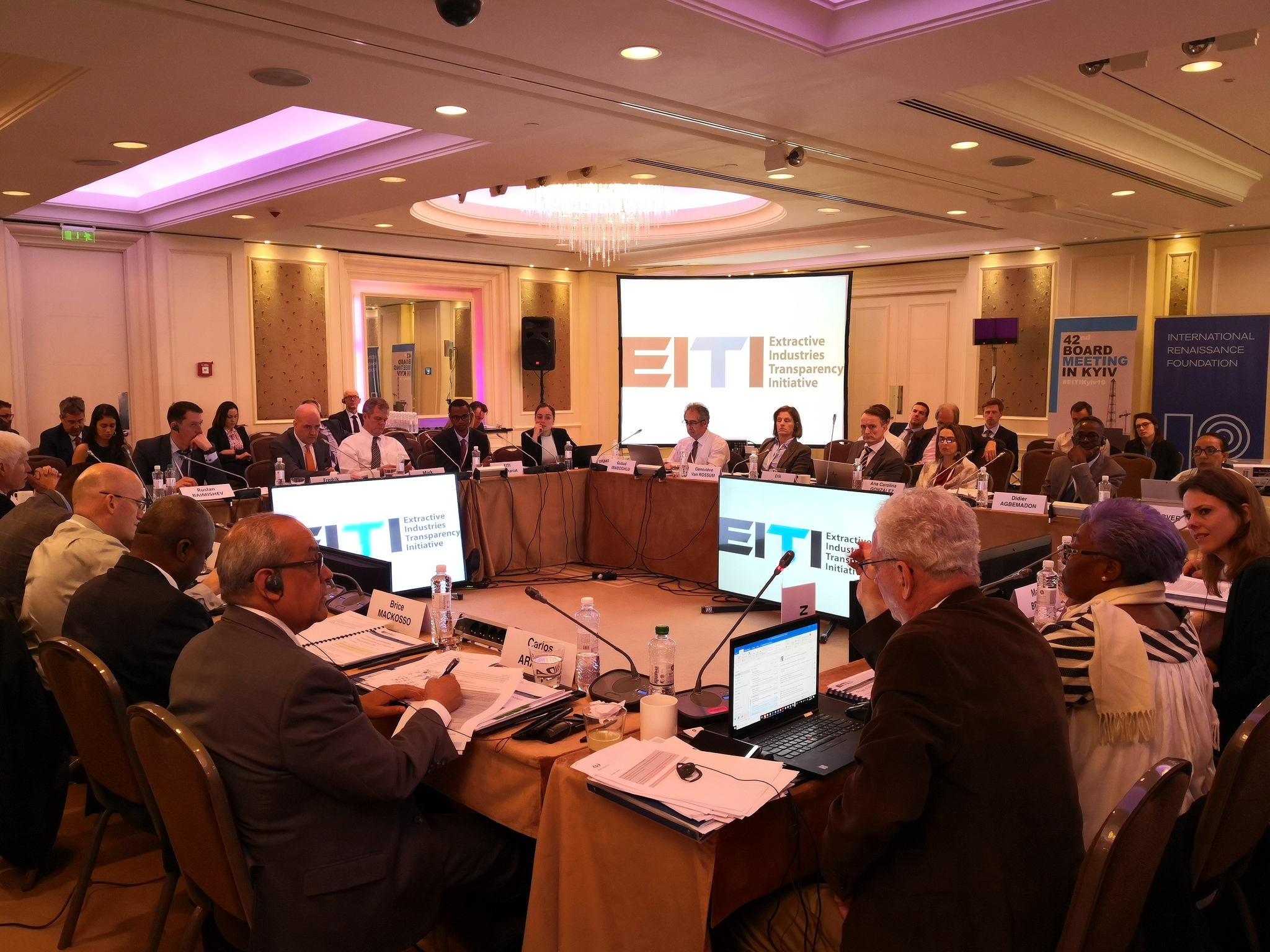
Major enhancements of the global norms governing transparency in natural resources are afoot. As the Extractive Industries Transparency Initiative (EITI) international board meeting in Kyiv concludes today, board members representing governments, companies and civil society actors have just broadly agreed upon historic revisions to the EITI Standard, which sets out norms for the disclosure of oil, gas and mining data and is implemented by over 50 countries. The revised EITI Standard now being finalized will be ratified at the EITI Global Conference in June.
In the run-up to Kyiv, we at NRGI have been doing analytical work, advocating and negotiating for improvements on several important issues, each detailed below. Our efforts on many of these topics have been underway for several years, working alongside partner organizations like Publish What You Pay, the EITI International Secretariat, Oxfam, Global Witness, and numerous civil society organizations and government reformers in the resource-rich countries where we work.
Progress on these issues helps ensure that EITI remains relevant as a global standard for extractives transparency and reflects emerging best practices in implementing countries. More importantly, these improvements move EITI several steps closer to helping countries improve natural resource governance, improving company practices, and enabling citizens to demand accountability for the management of public resources.
The true impact of these revisions will depend on the strength of their implementation among the governments, companies, and civil society actors that lead EITI processes, and on whether the new information unlocked by these improvements is actually used to inform stronger policy-making on natural resources.
Contract transparency
The EITI Standard will now require the publication of contracts and licenses that are granted, entered into or amended from 1 January 2021. The initiative continues to encourage disclosure of all contracts and licenses, regardless of when signed. Contracts and licenses are vitally important documents that lie at the heart of the legal framework governing extractive processes, and are therefore at the core of EITI reporting. Thirty-one of 51 EITI implementing countries have already disclosed at least some contracts and 24 already have laws requiring disclosure. The practice is also required by the IFC, MIGA and EBRD; and has been endorsed by the IMF, UN, International Bar Association, the B-Team, the OECD the ICMM and IPIECA. By joining ranks with these leading institutions, EITI has taken a major step forward and comes into alignment with global norms.
Project-level payment transparency
After several years of stagnation, the EITI’s project-level reporting requirement will now be proactively implemented by companies and governments. The EITI Standard will now provide clarity around the precise definition of “project” that all EITI countries will use for reporting on fiscal years ending on or after 31 December 2018. This form of reporting provides critical and relevant information to local communities, governments and investors, and enables companies to demonstrate their economic contributions in relation to specific projects and affected communities. EITI’s new definition of “project” will be based on the contract or other legal agreement between a government and company, as recently endorsed by the IMF as a global norm. Helpfully, the definition will also be in line with the European Union’s extractives transparency law (Chapter 10 of the EU Accounting Directive), which will facilitate harmonization across payment disclosures. Through such mandatory disclosure laws in the European Union, Canada and Norway extractive companies have already reported on over USD 500 billion at the project level around the world. Today’s board decision will lead to a huge increase in project-level data and ensure that companies will report such data across the 51 EITI countries. It is now essential that key countries such as Australia and the United States (neither of which implements the EITI Standard or mandatory disclosure laws) get on board with this form of reporting.
Environmental reporting
The EITI Standard will now require companies to disclose material payments to governments that are related to the environment and are mandated by law, regulation or contract. The standard will also encourage implementing countries to disclose information on the management and monitoring of environmental impacts of extraction.
Environmental issues are central to meaningful public debates on natural resource governance. Given that the purpose of EITI is to help facilitate and inform such debates in implementing countries, these new disclosures represent critical improvements to the EITI Standard. Prior to this week’s agreement, the EITI Standard did not include any reference to the environment. However, over half of EITI countries have already included environmental issues as part of their EITI reporting. These new revisions will help increase levels of environmental information available to accountability actors in resource-rich countries.
Gender
The EITI Standard will now require employment data disclosures to be disaggregated by gender and, when available, by company and occupational level. For extractives to benefit everyone, it is essential that everyone involved more proactively consider how extraction and good resource governance can result in gender equity. In that vein, the EITI Standard now also requires constituencies to consider gender when selecting participants to their national multi-stakeholder group and when planning how to disseminate their data. With these groundbreaking measures, the EITI standard has set a minimum expectation of gender integration while also leaving room for countries to continue to innovate on ways to incorporate gender into their national EITI implementation to ensure that everyone can benefit from extraction.
Commodity trading transparency
The sale of oil, gas and minerals by governments and state-owned enterprises (SOEs) to commodity traders is a critical source of income—in Nigeria and Iraq, for example, these sales constitute the governments’ largest revenue source. At the same time, these commodity sales are often opaque and prone to corruption and mismanagement. Revisions to the EITI Standard agreed today will shed important new light on these high-value transactions. Crucially, today’s breakthrough on project-level reporting will also be applied to the sale of commodities, meaning that disclosure must take place at the level of the sales contract entered into between a trading company and the government (or the SOE) selling the commodity. The EITI board also decided that final language tackling the important issue of sale-by-sale disclosure still needs to be agreed.
The new revisions on trading also include important new encouragements in the EITI standard related to the role of state-appointed marketing companies, resource-backed loans, product swap arrangements, the process for selecting buyers and disclosure of the sales agreements themselves. While the revisions agreed fall short of requiring trading companies themselves to disclose (the board agreed only to encourage traders to disclose, while it is a requirement for governments and SOEs to do so), a number of companies including Trafigura and Glencore have begun to unilaterally disclose their payments to purchase commodities, and the governments of major trading hubs including the U.K. and Switzerland have resolved to improve company transparency in this area through work at the OECD. Given their size, it is also clear that these transactions should be included in existing mandatory payment disclosure laws, an approach which has also been endorsed by the IMF.
Other improvements
The revisions to the EITI Standard will also include improvements on a number of other critical issues. The standard will require disclosing entities to disaggregate production and export data at the company and project level. The revisions also include major improvements regarding state-owned enterprises (SOEs). The current requirement that EITI reports include an explanation of the role of and rules governing SOEs in the sector will now need to include disclosures of transfers, retained earnings, reinvestment and third-party financing related to SOE joint ventures and subsidiaries. SOEs will now be expected to publicly disclose their audited financial statements. And EITI countries will be encouraged to describe the rules and practices related to SOEs’ operating and capital expenditures, procurement, subcontracting and corporate governance. On open data, the standard will now require implementing countries to complete summary data files for each fiscal year, and essential step towards facilitating accurate use of EITI data.
Looking forward
The EITI itself still has room to grow. In Kyiv, we signaled that broader transparency regarding climate risks and energy transition issues, as well as increased focus on anticorruption and state capture in EITI’s principles and norms would be central to the initiative’s strategic direction and future policy relevance. The new EITI Standard will be ratified in June along with the installation of a new EITI board. These issues will represent important topics for future consideration by that newly constituted body, as the EITI charts its next steps.
An Opportunity to Walk the Talk: Making Gender Disclosure Part of the EITI Standard
This blog post was also released on the Environmental Governance Programme (EGP) for Sustainable Natural Resource Management blog.
There are many questions and good intentions floating around to address gender and extractives. We know that women are more likely to be negatively impacted by extraction than men. What can be done as a policy response is often less evident.
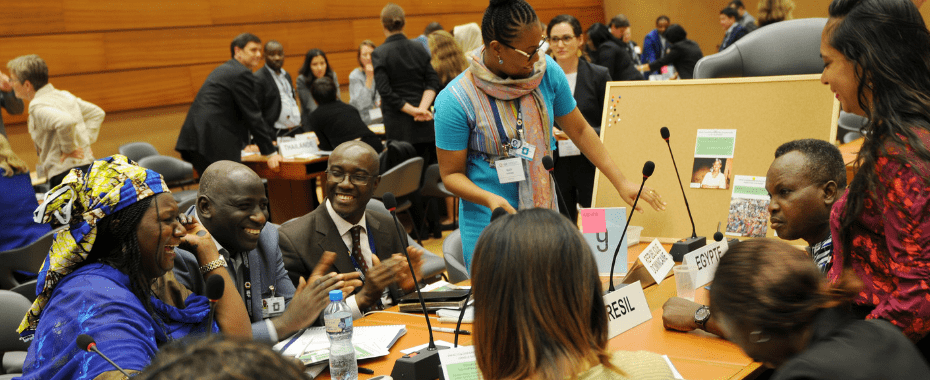 IISD Economic and Law Policy Program International Law Advisor Suzy Nikièma (center) and environment and social governance expert Sohinee Mazumdar lead a working group of delegates at the IGF Global Forum. Photo by IISD Reporting Services Digital Manager Diego Noguera.
Last fall, UNDP and the Intergovernmental Forum on Mining, Minerals, Metals, and Sustainable Development hosted a discussion exploring which gender impacts of mining are most significant and most difficult to tackle. After a panel in which I and other experts dissected recent literature and good practice, the participants – 90 government officials from 40 countries – were asked to order 10 gendered impacts of mining from greatest to least important.
The results were clear. The vast majority of groups identify “lack of voice and participation in decision-making” as the top concern, followed by “access to employment and education” and “increased risk of gender-based violence.” After the survey, delegates highlighted the challenges of confronting cultural norms while attempting to craft inclusive policies. This wasn’t a room full of gender experts—this was a group of officials who mostly focus on mining but have grown to understand the importance of addressing gendered impacts of the industry.
The good news? There is an opportunity to make progress in providing countries a policy tool to respond to the gender gap in participation. In just under a month, the Extractive Industries Transparency Initiative board will meet to discuss revisions to their governing standard, including gender provisions.
EITI has long been a tool to level the playing field and create room for participation in decision-making for unlikely actors. EITI, a multi-stakeholder body, collects and shares information about extractive industries in 51 countries with the hope of informing better policy-making. It was originally created as a gender-neutral platform, like many international mechanisms. Before it started to explicitly address issues of gender, EITI developed an unintended bias toward having more men participate and be able to access its information. Over the past several years, the EITI board and its supporters have said that they want to make sure the initiative can be more gender-responsive.
There are important proposals before the EITI board to make strides toward addressing these challenges. The changes recommended by civil society address each aspect of EITI, from who participates, to what data is disclosed, to how the data is shared. This comprehensive approach is necessary to give advocates in EITI implementing countries the leverage to transform policy discussions. The proposal championed by civil society members of the board will enhance the EITI Standard and require:
- Multi-stakeholder groups to consider gender when creating their membership
- Disclosure of employment statistics disaggregated by gender
- Commentary of whether a country conducts gender-responsive budgeting
- Consideration of how different genders access information when creating a data dissemination strategy
These changes are not only necessary. They are relatively easy to implement. Participation in EITI stakeholder groups have often been extremely gender-skewed, with more than half of the groups having fewer than 25 percent female participation. Many countries and companies already disaggregate labor information by gender. For the last two years, Tullow Oil, BP, Shell and many private sector entities based in the U.K. published a report analyzing the pay gap between men and women working for their company. Having the information about gender breakdown in the work force is the first step for countries and companies to address the gender gap. UNWomen and others have produced recommendations on gender-responsive budgeting for over 30 years. A World Bank report six years ago drew attention to the gender gap in understanding EITI data within countries, and gave recommendations for how transparency mechanisms can share data in more gender-responsive ways.
Gender in development is an area that can often get trapped in good intentions and tokenistic responses. Making these changes a requirement for all EITI implementing countries is an opportunity for the EITI to grow from talking about gender to creating policy change that meets minimum gender norms. Some members of the EITI board have suggested that “encouraging” countries would be sufficient. For EITI to fulfill its desire to be gender relevant and to meet the needs of those in resource-rich countries, the board must respond to this important moment in making gender requirements part of the EITI Standard.
Rebecca Iwerks is the capacity development director at the Natural Resource Governance Institute (NRGI).