
Fossil Fuels and Biodiversity: The Path Towards a Just and Equitable Fossil Fuel Phase-Out in Colombia and Peru
Cali, Colombia

One of the main goals of the Kunming-Montreal Global Biodiversity Framework is to safeguard the health of ecosystems and species. However, a key threat to achieving this goal is the fossil fuel industry, which, while being the main contributor to the climate crisis, has also long impacted ecosystems such as the Amazon and marine ecosystems in Peru and Colombia—areas with high concentrations of significant biodiversity reserves.
COP28 of the UNFCCC marks a significant milestone in recognizing the urgent need to phase-out fossil fuels. Similarly, target 14 of the Global Biodiversity Framework highlights the importance of ensuring that biodiversity and its multiple values are fully integrated into multisectoral policies.
In this context, the event aims to provide a platform for dialogue and experience sharing on the principles for a just energy transition that addresses both the environmental and social aspects in fossil fuel phase-out plans in Colombia and Peru, with particular emphasis on ecosystem restoration and reparations for the environmental and community impacts of these industries. To this end, a multi-stakeholder panel will feature representatives from academia, affected organizations and civil society.
Objective
Facilitate dialogue on the urgent need to promote the phase-out of fossil fuels with environmental, social and equity-based criteria that address the 30x30 targets, ecosystem health and reparation for local communities affected by the fossil fuel industries in Colombia and Peru.
Participants
- Sofía Vargas, NRGI
- Paul Maquet, CooperAcción
- Luis Díaz, Association of Fishermen of Aucallama, Peru
- Dulcy Cotes, Fuerza de Mujeres Wayuu

Sofía Vargas
Project Coordinator
Global Commitment to an International Agreement on Mineral Supply Chain Traceability
Cali, Colombia

The purpose of this space is to present the foundations, scope, stakeholders and proposed timeline for developing an international agreement on the traceability of mineral supply chains within the framework of the COP16 processes, with an eye toward COP30.
The need to develop global actions and commitments will be raised in order to establish traceability and transparency systems to address some of the causes of biodiversity loss and pollution related to the extraction and commercialization of these minerals.
These actions are necessary at a global level to ensure that strategic minerals for the energy transition come from responsible sources; that is, that mining activities are not carried out in critical areas of high biodiversity or sensitive ecosystems, that they do not generate pollution, and that commercialization occurs within legal frameworks, avoiding the involvement of criminal groups that threaten democracies in mineral-extracting countries.
Panelists
- Suneeta Kaimal, President and CEO, NRGI
- María Susana Muhamad González, Minister of Environment and Sustainable Development, Colombia
- Marina Silva, Minister of the Environment and Climate Change, Brazil
- Mauricio Cabrera Leal, Vice-minister of Environmental Policies and Standardization – Ministry of Environment and Sustainable Development, Colombia
- OECD (TBC)
*Translation available
Featuring NRGI's

Suneeta Kaimal
President and Chief Executive Officer, NRGI Governing Board ex officio
Life Beyond Oil: Saudi Arabia’s Mining Ambitions

From last year’s COP28 climate conference emerged the “UAE Consensus.” It was a watershed moment, with the UNFCCC in its global stocktake calling on governments to transition away from fossil fuels in “a just, orderly and equitable manner” and accelerate deployment of more sustainable energy sources.
This consensus significantly impacts the future of Saudi Arabia’s economic and energy landscape. It’s the latest driver of the country’s expansion of its interest in mining, both domestically and in many lower-income countries.
Oil’s diminishing prospects
At COP28 the Saudi delegation, together with other Arab oil-producing nations, opposed any proposals mandating the end of fossil fuel production. In a bold stance, energy minister Abdulaziz bin Salman Al Saud openly opposed phase-out or phase-down provisions in the final agreement, likening the fossil fuel related provision to an “à la carte menu”. He later expressed satisfaction with the UAE Consensus, emphasizing that it allows countries to tailor their energy transitions based on their capacities and interests.

Saudi Arabia faces a complex challenge: it remains heavily reliant on oil revenues not only to fund government salaries and infrastructure but to drive the non-oil sectors envisioned under Vision 2030. While Saudi leadership acknowledges the inevitability of the global energy transition and the economic implications, theirs is a cautious approach to avoid a rapid shift. The focus remains on maintaining Saudi citizens’ standard of living while balancing economic growth with the evolving global energy landscape.
In response, state oil company Aramco has taken steps that signal its recognition of the transition. It joined the Oil and Gas Decarbonization Charter at COP28, committing to net-zero operations by 2050, ending routine flaring by 2030, and reducing upstream methane emissions, specifically within Scope 1 and 2. This reflects Aramco’s focus on the most direct and controllable sources of its carbon footprint. Aramco also aligned with the government’s decision to halt expanding oil production to 13 million barrels per day, as part of its shift from a hydrocarbon producer to a broader energy company.
While these measures aim to ensure Aramco’s resilience during the transition, Saudi leadership is also exploring new opportunities in economic diversification, particularly in transition minerals, making a significant shift as the kingdom prepares for a post-oil future.

Saudi Arabia’s domestic mining sector
Beyond oil, Saudi Arabia is expanding exploration and exploitation of its vast domestic mineral reserves through substantial investments in the mining. The kingdom is driven by the growing demand for transition minerals such as lithium, cobalt and nickel, which are required for the transition from fossil fuels based economies to decarbonized economies.
The strategic prioritization of mining is closely linked with Vision 2030’s aim to maximize the benefit of the kingdom’s abundant natural resources beyond its conventional hydrocarbon reserves. Saudi Arabia is tactically re-oriented to exploit increasingly demanded resources that are pivotal in the worldwide transition to renewable energy sources by emphasizing essential transition minerals. This signifies not only a strategic response to the evolving dynamics of the global energy sector, but also a calculated attempt to preserve the kingdom’s preeminent position on the international energy arena.
As per official statements, the estimated value of unexploited mineral resources in Saudi Arabia has increased from $1.3 trillion to $2.5 trillion, driven by the discovery of rare earth elements and higher quantities of phosphate, gold, zinc and copper.
As part of its goal to pursue economic diversification and reduce reliance on oil production, Saudi Arabia aims to increase the mining industry’s GDP contribution from $17 billion to $75 billion by 2035. The Ministry of Industry and Mineral Resources, headed by Bandar Al-Khorayef, holds a pivotal position in directing the country’s mining endeavors. The Saudi Arabian Mining Company (Ma’aden), a prominent state-owned enterprise, plays a crucial role in the execution of the kingdom’s mining strategies, the development of partnerships to exploit mineral resources, and the operation of significant projects.
The Jabal Sayid copper project, a collaborative effort between Ma’aden and Barrick Gold, and the Al-Jalamid phosphate mine are among the significant domestic initiatives currently in progress. Saudi Arabia is also making substantial is investments in exploration and geological surveys utilizing cutting-edge technologies and international expertise to discover new mineral deposits. In alignment with the new Mining Investment Law, the ministry recently announced the auction of six mining licenses, covering deposits of lead, zinc, copper and iron. To further bolster the sector, the kingdom has introduced a $182 million exploration incentive program and granted 33 additional mining licenses.
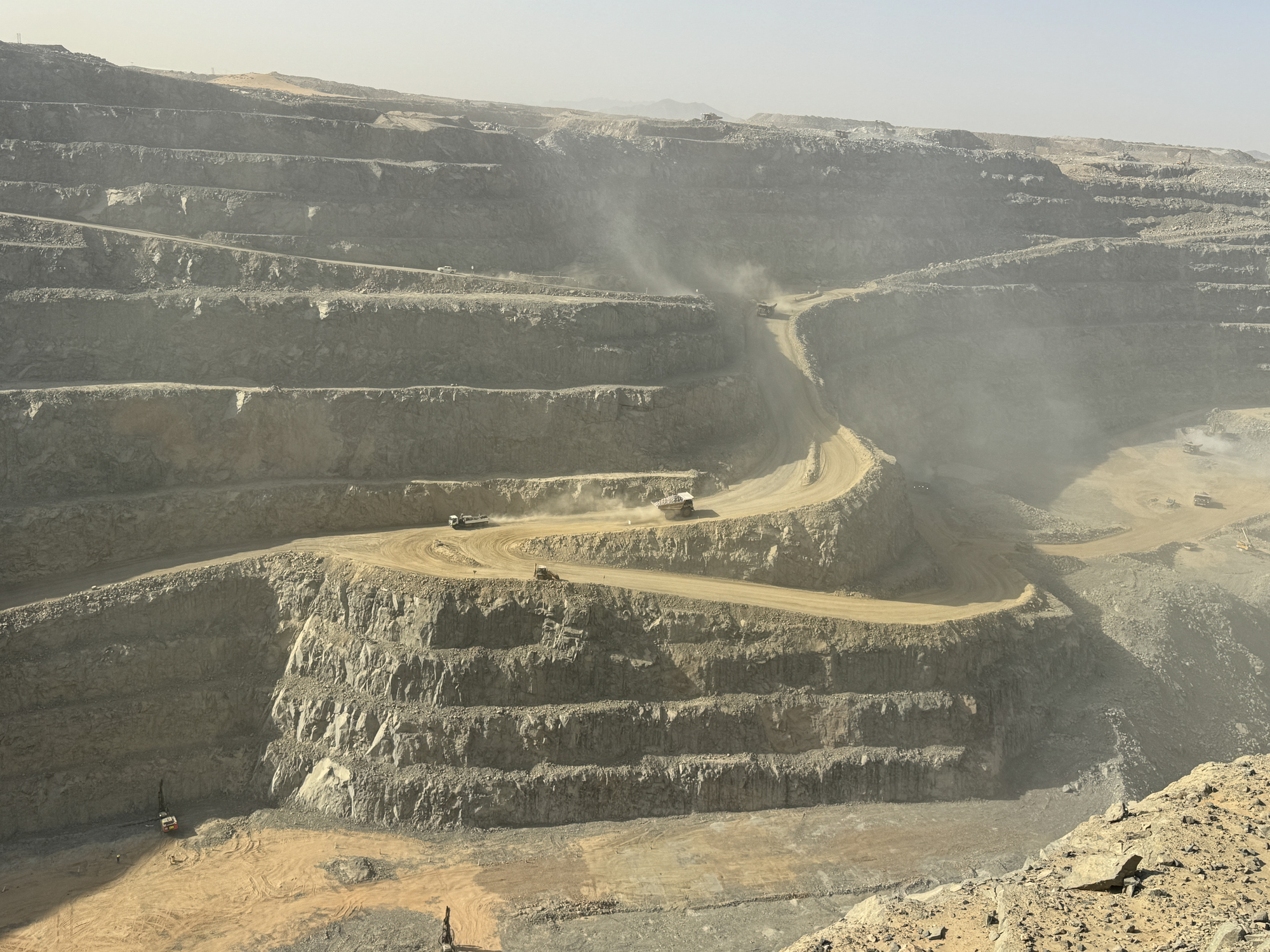
On the global stage, Saudi Arabia is driving industry conversations through international initiatives such as the Future Minerals Forum and active participation in Africa’s Mining Indaba, underscoring its commitment to becoming a key player in the global mining industry.
Building international alliances for transition minerals mining
Saudi Arabia plans to become a world leader in sustainable mining by making strategic use of its own significant reserves of transition minerals. Al-Khorayef has said that “the investments will continue to position the kingdom as a mining production and logistics hub for a region that stretches from Africa to Asia, while also supporting the transformation of our mining sector so it can achieve its potential.”
The kingdom’s comprehensive growth strategy for the mining sector involves significant investments, collaborations, and policy reforms. Recent memoranda of understanding (MoUs) signed with countries like the Democratic Republic of the Congo, Egypt, Morocco and Russia underline Saudi Arabia’s intent to enhance its mining capabilities and infrastructure, thereby influencing the global energy transition. And Turkey and Saudi Arabia have entered into a MoU to collaborate on transition minerals, focusing on knowledge exchange and research related to minerals essential for solar panels and electric vehicles.
Furthermore, Saudi Arabia’s global involvement includes not just formal agreements but also direct investments in prominent mining companies. Most recently, the kingdom secured a 10 percent stake in Brazilian mining company Vale Base Metals, demonstrating its approach to investing in the worldwide mining industry by acquiring equity.
With this strategic pivot Saudia Arabian authorities not only aim to diversify the country’s economy but also to secure its role in the new geopolitical alignments around transition minerals. As the global energy landscape shifts toward sustainable sources, the kingdom’s leaders are keenly aware of the necessity to adapt without losing longstanding influence in the energy market.
Challenges and opportunities in Saudi Arabia’s mining ambitions
With its ambitious mining objectives Saudi Arabia faces both domestic and international constraints that officials must solve to maximize industry potential.
Domestically, the country still requires specialized infrastructure tailored to support large-scale mining operations, particularly in remote desert regions. Additionally, the kingdom must invest in education and training programs to develop a workforce skilled in advanced mining techniques and technologies.
Water scarcity in the desert areas poses a significant challenge, as limited water resources complicate mining operations and increase costs. To address these issues, Saudi Arabia needs to explore innovative water management solutions such as desalination and water recycling, specifically designed for mining activities. Furthermore, given the potential environmental impact of mining—such as land degradation, water contamination, and biodiversity loss, the country should implement and enforce rigorous environmental standards to ensure sustainable and responsible mining practices.
The mining industry in Saudi Arabia offers a large array of opportunities. There is great potential for economic expansion in the kingdom because of its substantial transition mineral reserves, which include unexplored amounts of phosphate, copper and rare earth elements. Because of its advantageous position, Saudi Arabia is able to access to important markets in Europe, Asia, and Africa, which serves as a competitive advantage. The government’s dedication to establishing a favorable investment climate, via the implementation of transparent regulations and incentives, is attracting investors from other countries and supporting growth inside the country. However, it is imperative that Saudi Arabia places a high priority on openness in international contracts in order to foster confidence, further benefit producer countries and entice global investment.
Internationally, Saudi Arabia faces challenges linked to geopolitical dynamics and competition in the mining industry, requiring strategic diplomacy to secure lasting partnerships in a shifting global economy. As Saudi investments, particularly in Africa and other lower- and middle-income countries, expand, the kingdom must ensure these ventures are mutually beneficial. This means developing long-term relationships that provide tangible benefits to host governments and communities, such as fair revenue-sharing, infrastructure investment, and skills transfer. By committing to transparent and equitable partnerships, Saudi Arabia can strengthen its role as a responsible global actor, ensuring its investments align with its mining objectives while also promoting sustainable growth in host countries.
How can producing countries navigate Gulf mining investments?
Explore insights from NRGI experts on the impact of Saudi and UAE investments.
The Impact of the Global Energy Transition on Mining Dynamics in Africa’s Highly Biodiverse Countries
Cali, Colombia

This panel explored the challenges and opportunities associated with mineral extraction in African countries like the Democratic Republic of the Congo (DRC) and Ghana, within the framework of the global energy transition. It will focus on issues related to environmental sustainability, conflicts, forest protection and development.
The panel also aimed to identify ways in which illegal extraction can be tackled in their countries, including measures to improve traceability and accountability in the global market. The lessons learned from this panel will feed into Colombia's initiative to strengthen international cooperation and traceability on minerals and gold, aiming to reduce conflict and contribute to peace, while protecting biodiversity.
Panelists
- Benjamin Boakye, Executive Director, Africa Center for Energy Policy - ACEP (Ghana)
- Moise Liboto, DRC Country Manager, NRGI
- Jean-Pierre Okenda, Country Manager, Resource Matters (DRC)
- Nafi Chinery, Africa Director, NRGI (Moderator)
*Translation available
Featuring NRGI's

Nafi Quarshie
Africa Director

Moise Liboto Makuta
DRC Country Manager
Fostering Gender-Just Energy Transitions in Mineral- and Fossil Fuel-Producing Countries

Questions explored in this primer
- Why does gender matter for resource governance?
- What are the main challenges and opportunities for gender equality in the energy transition?
- How can stakeholders best promote a gender-just transition?
As the world turns toward a sustainable energy future, humanity stands at a crossroads: will the energy transition bridge existing divides—such as income inequality, gender disparities, and economic imbalances between nations—or will it deepen the disparities that already separate us? Addressing gender equality is a crucial piece of the puzzle. Ensuring that women, men, and people with diverse identities can shape and benefit from this shift is essential to achieving a truly just and inclusive transition.
In 2020, the Natural Resource Governance Institute (NRGI) and partner organizations proposed a Feminist Natural Resource Governance Agenda for a Just Transition. In 2021, in partnership with the World Resources Institute (WRI), we produced an initial primer about the importance of gender-transformative policy reforms. The current primer builds on the first, diving deeper into why gender matters to natural resource governance in the context of the energy transition. It highlights the often-overlooked ways in which gender dynamics could influence—and be influenced by—how the transition is managed. From gender mainstreaming to equity and equality, we explore the concepts that can turn the energy transition from a risk to gender equality into an opportunity for all.
Energy policies have long been blind to gender, often neglecting the distinct needs, challenges, and contributions of different groups. But a different narrative is needed—one in which gender is not an afterthought, but a driving force for fair and effective energy governance. By embedding gender perspectives into every policy at every stage, the global community can transform the energy transition into a powerful engine for social justice and economic empowerment.
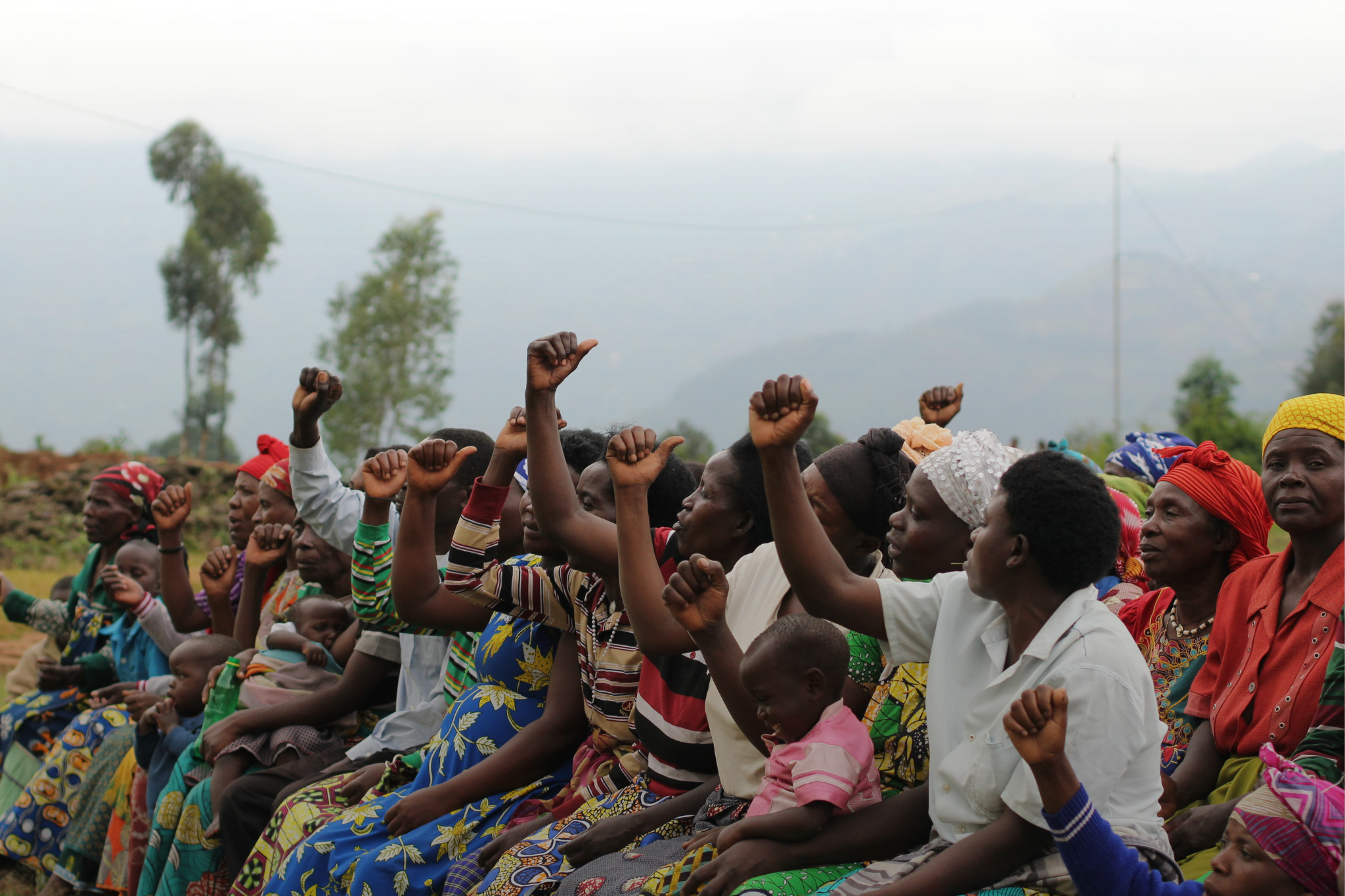
Gender equality in the context of the extractive sectors and natural resource-rich countries refers to the equal rights, responsibilities, and opportunities of women, men, and youth within these industries and regions, irrespective of their gender. Promoting gender equality in extractive contexts should ensure that all individuals can equally benefit from and contribute to the development and management of natural resources. However, in this document, we focus our analysis on the role that women—particularly within vulnerable communities—can play in ensuring a just transition.
This primer offers an overview of the challenges that stakeholders must overcome to make this vision a reality. It also proposes general recommendations for a gender-just transition. Whether you are a policymaker, a practitioner, a member of an affected community, or simply someone committed to a better future, we invite you to join us in ensuring that the energy transition does not leave anyone behind.
Insights and Lessons from Global JETP Experiences

As Senegal embarks on its journey toward a sustainable energy future through the historic Just Energy Transition Partnership (JETP), civil society has a critical role to play in shaping this transformation. With €2.5 billion committed by global partners, this initiative is set to significantly expand the role of renewable energy in Senegal, reducing dependence on fossil fuels and ensuring a just transition for all.
But how can civil society organizations (CSOs) effectively engage in this process and influence the decision-making?
What was covered
- CSO experiences from Vietnam, South Africa, and Indonesia: Lessons learned, challenges faced, and opportunities seized in their JETP journeys.
- Government perspectives from these countries on engaging with civil society in the design and implementation of energy transition plans.
- Actionable insights for Senegalese CSOs on how to ensure transparency, citizen rights, and accountability in the JETP process, and how to align it with Senegal's renewable energy goals.
Key speakers
- Birgit Strube: Head of the Climate Partnership Division, BMZ (German Federal Ministry for Economic Cooperation and Development)
- Awa Ndione Sène: Coordination and Monitoring Unit for the JETP (UCS-JETP) - Ministry of Energy, Petroleum, and Mines
- Blessing Manale: Executive head, consensus building and outreach at the Presidential Climate Commission (PCC) - South Africa
- Abraham Octama Halim: Power System Analyst at Institute for Essential Services Reform (IESR) - Indonesia
- Fatima Diallo: Executive director at CRADESC and Lead of the Civil Society Actors Platform for a Just Energy Transition in Senegal (PACTEJ) - Senegal
Moderator: Nafi Chinery - NRGI Africa Director
Organizing and Facilitating: Aida Diop - Senegal Senior program officer; Ousmane Touré - Communications officer
As Saudi Arabia and the UAE Expand Foreign Mining Interests, How Can Producing Countries Prepare?

Gulf countries like Saudi Arabia and the United Arab Emirates are receiving more attention for investing abroad in mining projects and companies. Lee Bailey spoke with two NRGI experts about the situation.
Where are Saudi Arabia and the United Arab Emirates investing in mining and why?
Laury Haytayan: Saudi authorities, institutions and companies are acting as dictated by Crown Prince Mohammed bin Salman’s Vision 2030. An important part of that vision is to grow the Saudi economy beyond the oil sector.
The energy transition has put more pressure on the kingdom to act quickly and efficiently. Investing in critical minerals or in minerals in general is part of growing and diversifying the economy , and finding new streams for revenues, job creation and foreign investment.
The Saudis are investing in critical minerals outside the kingdom for two reasons. First, they seek political leverage through control or equity in critical minerals. Second, authorities see growth opportunities in importing raw materials from producing countries for processing in Saudi Arabia and then exporting finished products.
Saudi Arabia has signed memoranda of understanding with the Democratic Republic of the Congo, Egypt and Morocco. Nothing much has happened beyond these MoUs. But more concretely, the state minerals company Manara has been investing in already established multinational mining companies such as Vale.
The United Arab Emirates is investing in critical minerals in Africa and Latin America, and Emirati influence is more complex. While not new per se—Emirates Global Corporation has produced bauxite in Guinea since 2019—these interests are complexifying. Yes, there is a purely commercial goal: UAE companies are investing in sectors that are booming globally. But the UAE also needs minerals for its own defense and AI industries. Investing in Latin American and African mining is also strategic for the UAE because Emirati companies have invested in port infrastructure and management in those regions. In Africa alone the UAE has invested in mining in Angola, DRC, Guinea, Kenya, Nigeria, South Africa, Zambia and Zimbabwe.
Lower-income counties rich in mineral resources have often struggled to benefit when foreign investors have made deals to extract minerals and metals. What should officials and civil society actors in producing countries keep in mind when fielding interest from Gulf countries?
Thomas Scurfield: Officials from over 25 African states attended Saudi Arabia’s Future Minerals Forum in January. This demonstrates the considerable opportunities that Gulf interest generates for lower-income countries.
A wider range of potential investors increases the bargaining power of mineral-rich countries, and therefore–if managed carefully–the ability of their governments to negotiate good deals. China’s response to the planned U.S.-led Lobito corridor railway development that will link Zambia and the DRC to an Angolan port–a commitment to rehabilitate a Zambia-Tanzania railway to make exports to the east easier–shows what this increased bargaining power can deliver. The entrance of Gulf investment also likely helps low-income countries avoid being seen to favor either the West or China as geopolitical competition increases—though this could change as the relationships of the Gulf states with these blocs evolve.
Another benefit of Gulf investment is its apparent insensitivity to short-term price signals. Price declines for minerals such as lithium, nickel and cobalt have slowed mining activity globally in the last year or so. In contrast, Saudi Arabia and UAE—similar to Chinese companies—have continued to invest. Such countercyclicality makes Gulf countries a particularly valuable investment option for lower-income countries, smoothing the impact of market volatility on potential interest in their sector.
However, like with other investors, these opportunities won’t automatically translate into benefits for people in mining countries. And this deep-pocketed Gulf investment comes with specific challenges. Investments originating from foreign sovereign wealth can be opaque and complex, particularly when mining deals are part of a larger investment package like those the Gulf countries appear to be offering. As countries such as the DRC have experienced with Chinese resource-backed investments, such bundled deals require that producing country officials negotiate carefully to ensure that deal terms reflect assets’ true values. Governments should therefore ensure that the foundations of good governance are in place—including a clear strategy, strong negotiating capacity and robust transparency and accountability mechanisms—when engaging in this new investment landscape.
As transition minerals become key for moving away from fossil fuels, how can investment from Gulf countries benefit both global demand and the interests of people where those minerals are found?
TS: Boosting mineral supply for the global energy transition and providing a good deal for people in mining countries go hand in hand. Stable supply relies on stable relationships between mining companies, governments and communities. Examples of discontent leading to supply disruptions abound.
Policymakers and influential bodies are increasingly recognizing the importance of a “triple win” for people in producing countries, their environment and the energy transition. For example, the recently established UN Secretary-General’s Panel on Critical Energy Transition Minerals focuses on equity and justice for mining countries. Commitments in this vein are encouraging, but follow-through in the form of action is crucial.
Laury just shared that Saudi Arabia aims to import raw minerals to develop downstream industries, but its investments should also support greater value addition in lower-income countries. Gulf countries must also offer fair deals on tax and minimize social and environmental harms. Only by doing so will they represent a genuine alternative for lower-income countries and support the global energy transition.
The Emergence of a New Eco-System, Governance Framework and Investment Rationale for Oil & Gas, Energy, Nuclear, Mining and Industrial Companies
New York, U.S.

The event addressed the serious risks faced by legacy and new industries such as oil & gas, traditional and renewable power, nuclear, mining and industrial companies related to decommissioning as the energy transition unfolds. It featured the launch of the Responsible Exit Principles for Oil and Gas Companies, developed by Carbon Tracker and Natural Resource Governance Institute in collaboration with Karina Litvack, and with input from a broad array of stakeholders from industry, finance, civil society and legal experts. The principles are a best practice guidance document to help companies manage the operational, legal, regulatory and reputational risk when exiting oil and gas assets.
Responsible Exit Principles for Oil and Gas Companies
Best practices to help companies manage financial, legal, environmental and reputational risks during asset transfers
Financing and Regulating NOC Just Transitions Away from Oil and Gas
New York City, U.S.

At COP28, Parties committed to an equitable transition away from fossil fuels. Given that national oil companies (NOCs) produce roughly half of global oil and gas output, manage 40 percent of investments in the sector and two thirds of the planet’s hydrocarbon reserves, they have a critical role to play.
This event examined the levers that financial actors and regulators have available to enhance the credibility of NOC transition plans, and showcased research from Carbon Tracker, CCSI, IISD and WBA.
Featuring NRGI's

Patrick Heller
Chief Program Officer
Ready, Set, Renegotiate! Senegal Reassesses Its Mining and Petroleum Contracts

Since the election of President Bassirou Diomaye Faye in March 2024, Senegal has embarked on a strategic shift by announcing its intention to renegotiate key contracts—including those signed with multinational companies in the mining, oil and gas sectors.
Since Faye’s inauguration, the government’s decision to renegotiate oil and gas contracts has evolved from an electoral promise to an active process, with the establishment this month of a special commission for the review of strategic contracts and the announcement of a sectoral audit. This reflects the new leadership’s commitment to a more transparent and effective management of natural resources.
This is not unheard of. Changes in political regime have triggered renegotiations in several countries, such as Bolivia in 2006, Liberia and Sierra Leone in 2008, and Guinea in 2011.
The success of the review and renegotiation process will depend on various legal, economic and political factors. The announcement of the review commission suggests the start of a contract review phase, allowing the government to decide whether to renegotiate and on which points. If this two-step approach is adopted, it is essential to continue rigorously assessing the potential costs and benefits.
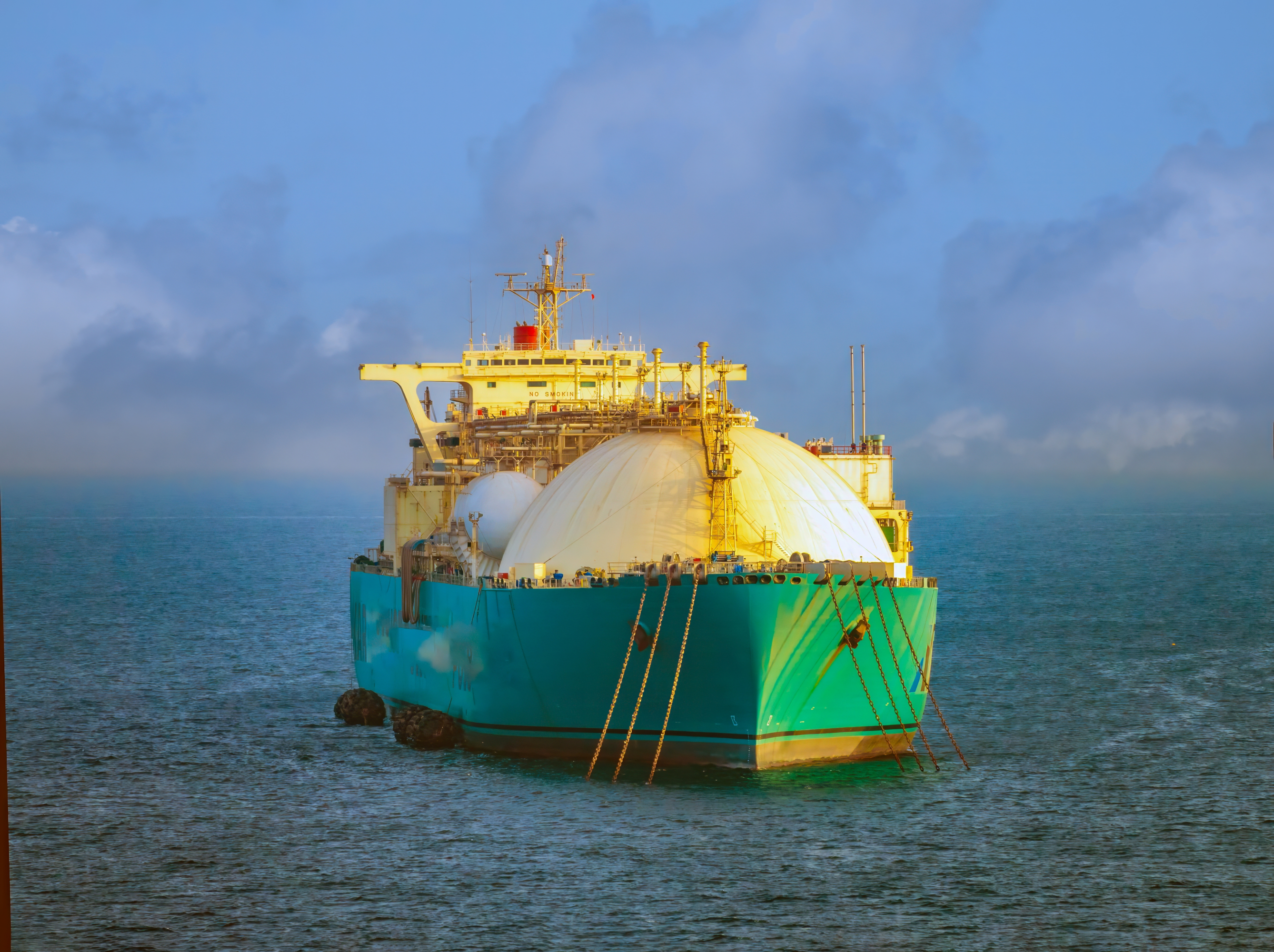
Now is a tricky time to consider renegotiation, as several extractive projects in Senegal are entering production. Perceptions around European demand for Senegalese gas amid supply disruptions related to the Ukraine conflict, the impact of the energy transition, and the recent disengagement of companies like BP add a layer of complexity.
If renegotiations are transparent and well-managed, it could maximize long-term benefits for the state, while an opaque process could damage relations with partners, discourage future investments, and undermine citizens’ trust in the governance of their natural resources.
In this context, international experience offers several best practices. Pending specific guidance from the authorities, in this post we share five recommendations that officials and members of the renegotiation committee should consider to ensure success.
1. Build consensus on the objectives and roadmap of the process
Renegotiating extractive contracts carries risks. First, it is crucial to set realistic and achievable objectives based on a cost-benefit analysis with a clear scope. Clear objectives, covering areas such as taxation, local content, or environmental management, can limit political interference and use of discretionary power.
However, achieving consensus remains complex, as government priorities may differ in a given context. To frame the renegotiations, the government must provide the negotiation team with clear terms of reference, specifying the scope of renegotiation, and minimum requirements, particularly on specific points such as transparency, anticorruption, transfers of mining interests, taxation, environmental protection, risk management, and relations with local communities. A well-defined agreement model prepared in advance can help maintain consensus and ensure legal compliance.
The 2019 Petroleum Code allowed for the government and companies to agree to amend contracts, within 24 months of the code’s entry into force, to bring them into conformity with the new code. However, most contracts are still governed by the 1998 code. Negotiators could aim to align these contracts with current legislation while overcoming the challenges of stabilization clauses and previous attempts at compliance in 2019. In summary, the authorities should demand that companies “do their homework” before fully committing to the process.
2. Establish an effective and transparent communication strategy
In Senegal, although the objectives and terms of renegotiation are not yet public, transparency will become crucial. Clear communication is essential lest investors perceive the process as unfair or the government as capricious, thereby maintaining a stable investment climate. Informing citizens is also important to manage expectations, avoid negative perceptions, and strengthen the legitimacy of the outcomes. Senegalese citizens expect the government to clearly show how these renegotiations will improve their daily lives, particularly in terms of infrastructure financing, job creation, and sustainable development. Senegal must strike a balance between defending its national interests and maintaining investor confidence.
Best practices in renegotiation transparency, such as those observed in Guinea and the Democratic Republic of the Congo, where information on the process and the scope covered were published, demonstrate the need to make these elements public from the outset. Additionally, Senegal’s NC-EITI (National Committee for the Extractive Industries Transparency Initiative) can play a crucial role in monitoring documents related to renegotiations, as well as publishing amendments and changes in accordance with Requirement 2.4 of the EITI Standard. An effective communication strategy must not only convey the objectives and process to shape expectations and manage the impact on the investment climate, but also ensure the integrity of the renegotiation process.
3. Find the right balance in the composition of the renegotiation team
While the composition of the team should focus on sector-specific expertise, it is essential to open up to other skills and competencies, including independent experts. This will help incorporate best practices and avoid certain mistakes. To this end, we recommend:
- Empowering the committee. Having been present in Senegal for almost a decade, companies may have a background and relationships in the country and may appeal to other officials to resolve points of friction in negotiations. The government must ensure that communications with companies are conducted solely through the negotiation team, unless part of an accepted strategy. The negotiation team must have a clear mandate to conclude agreements, subject to executive or legislative approval. The limits of this power can influence the strength of the government’s negotiating position.
- Structuring the committee to reflect technical and political expertise. Including two distinct subcommittees would be additive: a multidisciplinary technical subcommittee for contract review and a political/strategic subcommittee. A purely technical committee may lack the political weight to engage the government in its decisions, posing the risk of disavowing negotiation outcomes, which could undermine the process. On the other hand, an overly political committee can hinder negotiations, and the necessary technical skills may be lacking. Finding a balance between technical expertise and political involvement is crucial.
- Including both experienced veterans and experts with fresh perspective. Officials structuring the committee should integrate members with a deep understanding of the initial negotiations and those responsible for overseeing and enforcing existing contracts. While it may seem unusual to retain the same individuals who negotiated the initial contracts, their expertise is essential for understanding the nuances of the contract and the established relationships. However, officials should also include individuals who were not involved in the initial process, without prior affinity with relationship management, to bring a fresh perspective and foster a positive dynamic for change.
4. Be cautious with external support
Renegotiating international contracts of this scale is complex. The effective use of external support (e.g., lawyers, tax experts, environmental specialists) can lead to positive outcomes in renegotiations, but officials should not presume that their involvement is necessary, especially internationally. The government must first assess the capabilities of its negotiation team and identify the need and relevance of external assistance. If officials identify a specific need, appropriate advisors must be chosen, especially in cases of market research and international standards. However, external support, particularly foreign, should remain secondary and should not undermine the authority of the negotiation team. Interventions by external advisors should be limited as much as possible in the process, and they should not replace local authorities. We recommend consulting external experts outside the negotiation room (e.g., between negotiation meetings to formulate positions or respond to company positions). The committee should define precise needs and choose competent advisors without conflicts of interest. The government’s renegotiation leaders should ensure smooth integration with local teams and select experts sensitive to local priorities while managing the associated costs. By adhering to these criteria, officials can optimize the effectiveness of external advice in renegotiation processes.
5. Prevent risks of corruption and weakening of sector governance
Senegal, still scarred by the PetroTim affair, has experienced the corruption risks of contract negotiation processes. To prevent renegotiation processes from compromising sector governance, it is crucial to adopt robust transparency and governance measures.
In Indonesia, for example, renegotiation objectives were defined by contract amendment guidelines, reviewed by parliament, and audited by an internal controller, which introduced a level of oversight and minimized political interference. Reliance on existing laws and regulations, which required regulatory changes for any alteration, also limited political interference. Restrictions on the participation of team members in the concerned industries were put in place to avoid conflicts of interest. Senegal should likewise establish strict governance mechanisms and ensure rigorous oversight to preserve the integrity of the process and avoid corrupt practices.
The renegotiation of oil and gas contracts in Senegal represents a decisive turning point in the management of natural resources. Faced with the challenges posed by political dynamics and the need to restore trust after the PetroTim affair, a rigorous and transparent approach is imperative. The establishment of an effective and transparent communication strategy, a strong and well-structured multidisciplinary renegotiation team, and the judicious use of external support are essential to ensure the success of this process.
To achieve better results in the process, it is also crucial that the government prevents renegotiations from dragging on, as this can be a strategy used by companies to exert economic pressure. By drawing on international best practices, the Senegalese state cannot only maximize long-term benefits but also attract potential investments and strengthen collective trust in the exploitation of natural resources.
We will continue to closely monitor the evolution of this process and provide additional recommendations as objectives become clearer and developments materialize.