
Indigenous Peoples and a Just Energy Transition: Voices from Latin America

Latin America is home to more than 800 Indigenous Peoples, totaling around 58 million people, about 10% of the region’s population. Many face poverty, exclusion and limited access to basic services and technology. In this context of persistent inequality, their meaningful participation in energy transition processes is not only necessary, it’s urgent. This is especially true given the alarming shrinking of civic space, which increasingly impacts their ability to be heard and represented.
Governance models for natural resources must evolve to be more inclusive and sustainable. This means not only creating space for Indigenous participation but also ensuring their ability to influence decision-making. Their participation should contribute to reversing historical inequities and transform the structures that long marginalized them by recognizing and integrating their perspectives and knowledge in resource management and the energy transition.
At NRGI, we believe strengthening understanding of Indigenous perspectives is essential in the context of the global energy transition. We also recognize and deeply respect the important work that many civil society organizations have carried out for many years. That’s why we convened Indigenous leaders and civil society representatives to explore in greater depth the role of Indigenous Peoples in Latin America's energy transition.
This summary highlights key themes and insights from that important conversation.
An energy transition that increases pressure on Latin America
Latin America has long been a key destinations for investment in extractive industries. Countries like Peru, Colombia, Mexico and Chile rely heavily on intensive natural resource extraction to support their economic development. However, this model is under growing strain as the global climate crisis deepens. The year 2024 was the hottest on record and the first to exceed 1.5°C of average global warming. This milestone underscores the urgency of accelerating the energy transition, a process that, rather than relieving pressure on Latin America, may increase it by driving up demand for critical minerals.
Global copper demand, for example, is projected to double by 2035, due to its strategic role in developing energy transition infrastructure. Lithium, essential for producing batteries for electric vehicles and energy storage systems, would need a ninefold increase in production by 2040 to meet net-zero emissions targets by 2050.
Rising demand for transition minerals could widen the supply-demand gap, intensify pressure on producing countries, spark new social and environmental tensions, and further expose weaknesses in regulatory frameworks. At the same time, this positions countries in the region as strategic actors in global decarbonization efforts. To maximize benefits and mitigate risks, strong governance, long-term vision, and a genuinely just transition are essential. That means centering Indigenous perspectives and addressing their expectations in the face of the new extractive cycle that is on the horizon.
Indigenous perspectives: rethinking the transition from the ground up
NRGI’s event aimed not only to identify the challenges and opportunities for achieving a just, inclusive energy transition that respects Indigenous rights and realities, but also to foster collective learning within the organization globally and among NRGI’s regional partners and allies. Participants included Mayra Macedo of the National Organization of Andean and Amazonian Indigenous Women of Peru (Onamiap); Sonia Mutumbajoy of the Association of Indigenous Women of Colombia (Asomi); Apu Miguel Guimaraes of the Interethnic Association for the Development of the Peruvian Rainforest (Aidesep); and Denisse Linares of the NGO Law, Environment and Natural Resources (DAR).
The right to land, one of the most sensitive issues for Indigenous communities, was at the heart of the conversation. Indigenous territories, seen as vital and culturally significant spaces, have historically been excluded from formal decision-making processes. In many cases, prior consultation mechanisms have failed to ensure free, prior and informed consent. Instead, they have often been used instead to legitimize projects that undermine self-determination.
As Sonia Mutumbajoy put it, “Prior consultation is being used to legitimize the presence of companies in Indigenous territories and push forward extraction projects without real consideration. (…) They invite us to these processes just so we’ll say yes, because saying no isn’t really an option. In the end, projects are imposed despite the will of Indigenous Peoples.” This underscores the need to guarantee the right of Indigenous communities to define their own energy models, aligned with their worldviews, priorities and organizational structures.
The current energy transition in Latin America risks reproducing the same extractivist logic that has historically harmed the most vulnerable populations. From the ground up, Indigenous voices are challenging the idea of a transition limited to swapping fossil fuels for renewables, without rethinking the underlying models of production, consumption, and energy governance. A truly just transition requires more than an energy matrix swap, it demands structural transformation to address inequality, exclusion, and environmental degradation.
“The expansion of so-called ‘green’ technologies like solar panels or lithium batteries cannot be justified if it continues the same model of resource-intensive extraction, without public participation or repair for the damage caused by decades of extractivism,” said Mayra Macedo. The risk of replacing fossil extractivism with “renewable” extractivism, without a real paradigm shift, is high and could lead to equally destructive consequences for ecosystems and Indigenous cultures.
Beyond a technological transition: a paradigm shift
We must urgently rethink the concept of energy, not just as a market commodity, but as a common good essential to realizing human rights and securing a dignified life. Today, access to energy remains deeply unequal. While some Indigenous communities bear the brunt of mining, hydroelectric or oil projects in their territories, many still lack access to electricity or have only unreliable service.
“For example, in my community, we live near a transmission line from the Mantaro hydroelectric plant; yet the Shiwilu people don’t benefit from the service. They deforested a large area, and we don’t even have electricity. Maybe one or two days a week, and then nothing,” explained Mayra Macedo. She added, “We continue to live in a colonized world, where large corporations create needs that are foreign to our ancestral ways of life, making us consumers and dependent.”
This contradiction highlights the urgent need for people-centered energy planning that prioritizes closing historical gaps and upholds Indigenous autonomy over their territories.
Justice and reparation as pillars of the transition
Another critical issue is the environmental and social debt left by decades of oil and mining activity, especially in the Amazon. Indigenous communities are still living with the consequences: unremediated environmental damage, lack of basic services, and the absence of formal land titles. There can be no just transition without repairing these harms, without environmental justice and full rights protections.
Denisse Linares emphasized that collaboration between civil society and Indigenous organizations is key to building an inclusive transition. Coordinated efforts are needed to influence energy planning, strengthen territorial governance, promote community energy models, remediate environmental liabilities, and ensure fair financing mechanisms and public services. Existing experiences in some territories show that it is possible to build sustainable energy solutions locally, when Indigenous voices and knowledge are respected and human rights are at the center.
Indigenous territories are not sacrifice zones to fuel the promise of a green future. They are spaces of life, resistance, and wisdom, with much to contribute to building more sustainable and equitable models. Incorporating their voices, respecting their decisions, and learning from their relationships with nature are essential steps toward a truly just energy transition. This transition must not be merely technical, it must be deeply political, social, and cultural.
The task ahead is significant. It calls for challenging privilege, redistributing power and reimagining how we think about development and energy. But it also presents an opportunity—to heal historical wounds, build alliances, and envision futures where climate, social and environmental justice go hand in hand.
At NRGI, we remain committed to creating spaces for these vital conversations. We believe that a just energy transition requires the active and full participation and recognition of Indigenous Peoples as key actors in shaping the path forward.
Advancing Regional Value Chains: Aligning Policy Frameworks for Africa's Critical Minerals Development
Holiday Inn Hotel, Lusaka, Zambia

As part of the Regional Policy Dialogue on Africa’s Green Minerals Value Chain, organized by the Africa Institute of Environmental Law (AIEL), this panel session, “Advancing Regional Value Chains: Aligning Policy Frameworks for Africa’s Critical Minerals Development,” will bring together leading voices to unpack how African countries and regional blocs can harmonize national, regional, and continental policies to enable value addition across the continent.
NRGI’s Africa Director, Nafi Chinery, will join other experts to share perspectives on aligning governance reforms with industrial ambitions in Africa’s critical mineral sector. Drawing from NRGI’s work, Nafi will explore how governments can strengthen national strategies through alignment with frameworks such as the Africa Mining Vision (AMV), the Africa Green Minerals Strategy (AGMS), and the African Continental Free Trade Area (AfCFTA).
Featuring NRGI's

Nafi Quarshie
Africa Director
As the West Turns Inward, Can Africa Leverage Its Mineral Power?

In the few months since Donald Trump returned to power, a flurry of decisions has made ‘restoring America’s mineral dominance’ a key priority for the administration. These range from strongarming Ukraine into providing access to mineral (and energy) assets in exchange for continued support in its war with Russia, to designs on Greenland. Trump has also issued executive orders to increase domestic mineral production and processing, weaken due diligence in the financing of mining projects and pause anti-bribery protections to gain “strategic business advantages” in accessing minerals overseas.
Other consumer countries’ approaches have also become clearer in recent months. Changing political winds in the European Union (EU), following the 2024 European Parliament elections, have reaffirmed a focus on ramping up domestic supply amid a deregulation drive. The first batch of strategic projects for development under the Critical Raw Materials Act focuses exclusively on projects within Europe—excluding applications from other regions.
For African mineral-producing countries, this moment presents new risks—but also an opportunity to strengthen their position. International politics around minerals have long been at the intersection of economic and national interests, but the new U.S. administration is now pushing it into even more transactional territory. Through its rhetoric and actions, the U.S. government is signaling that multilateral engagement and good governance standards are no longer its priorities.
African decision-makers are already considering how to navigate this new terrain. Facing the advance of M23 rebels in its eastern provinces, the government of the Democratic Republic of the Congo (DRC) has sought to make a “deal” to leverage its minerals in exchange for security assistance from the U.S. To use the global context to their advantage, decision-makers will need a long-term vision for their economies—grounded in evidence, political acumen and strong alliances.
Analyze your leverage—and carefully weigh what you gain and give up in any deal
African bargaining power remains real, particularly as the U.S. looks to counter China’s dominance. Africa holds at least a fifth of the world’s reserves in minerals critical for the energy transition—the U.S. can’t afford to ignore threats by the likes of South Africa to withhold minerals.
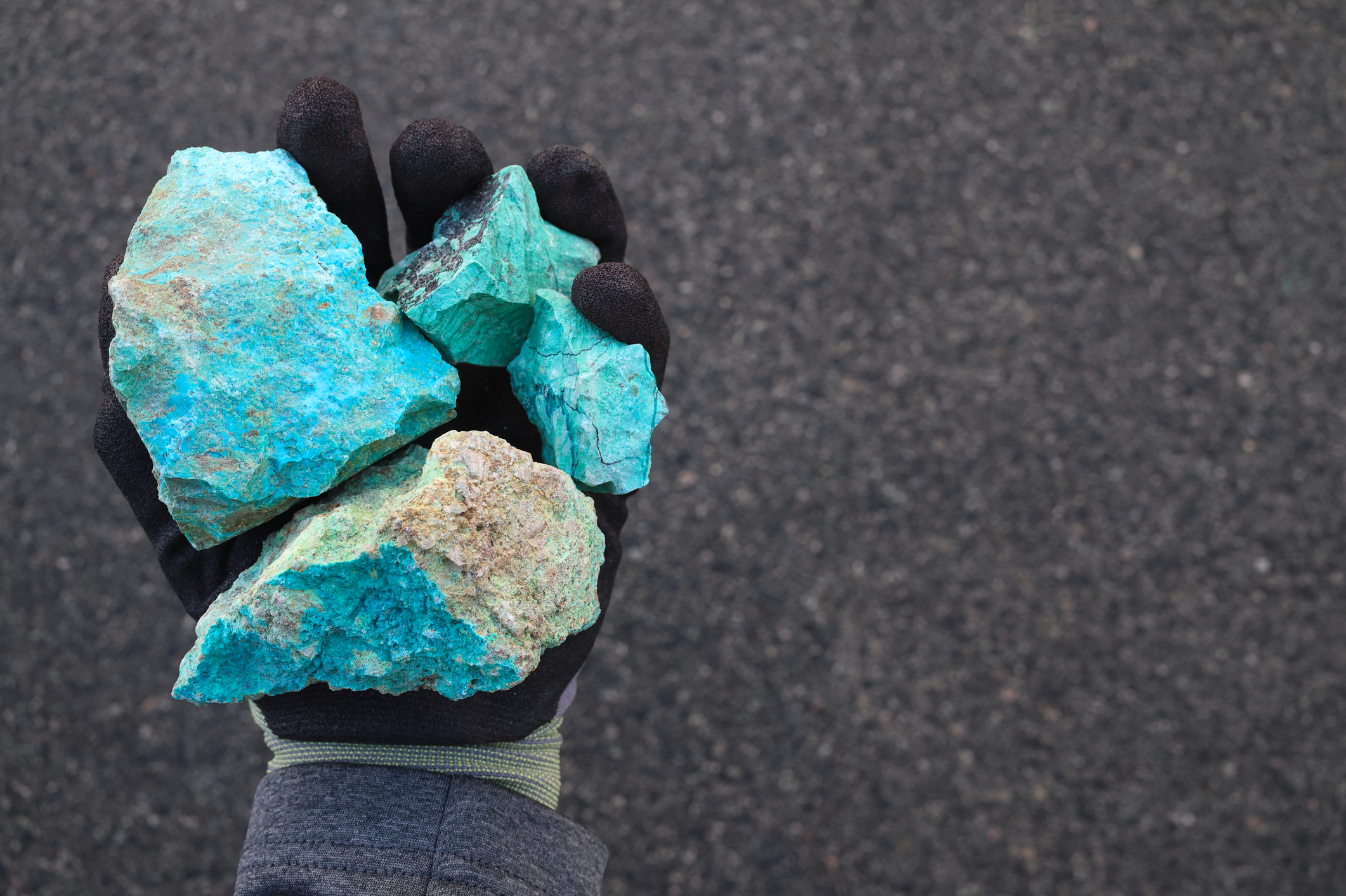
As the American diplomatic apparatus kicks into gear around minerals, African governments could gain access to new financing opportunities—even as traditional aid budgets are slashed or disappear entirely. The U.S. International Development Finance Corporation (DFC)—created under Trump’s first term—may play a growing role in providing public finance to catalyze greater private investment. The DFC has backed overseas minerals projects such as a graphite mine in Mozambique, and now has authority to invest in domestic minerals—despite a mixed track record at home. The U.S. and UK are also looking to Export Credit Agencies to take a greater role in the sector, though these institutions have come under fire for harmful practices.
Such financing mechanisms could form part of a bilateral deal centered on mining. In principle, these deals could unlock access to political, financial and technical resources beyond what private investors offer—such as support for geological mapping, derisking exploration investments or infrastructure development. As the DRC’s proposal shows, some countries may seek to leverage this moment to advance broader national goals—such as improving security.
To take advantage of these opportunities, African governments should root their ambitions in long-term strategies based on national development plans. A thorough understanding of their country’s resource base is critical, along with a proactive awareness of how evolving global supply chains, markets and geopolitics affect their bargaining power. We’ve seen the art of the possible: in recent negotiations of a new agreement with De Beers, Botswana increased its share of diamonds for domestic processing from 25 percent to a possible 50 percent by the time that the agreement expires. The DRC government is leveraging its dominant market position to restrict cobalt exports to maximize benefits for the country.
Despite the global shifts, African governments can draw on years of experience in managing their minerals sector. The deals being explored today—such as those in DRC and Ukraine—have parallels in the resource-for-infrastructure arrangements some African governments negotiated with their Chinese counterparts over the past two decades, such as the DRC-China Sicomines deal. These complex negotiations need careful work to fairly value mineral assets and rigorously assess the projects being offered in return. Minerals-for-security deals demand more caution. Security assistance is even harder to value and monitor and often entails greater opacity given national security concerns. Any deal that is agreed must ensure implementation is measurable, transparent and subject to formal oversight.
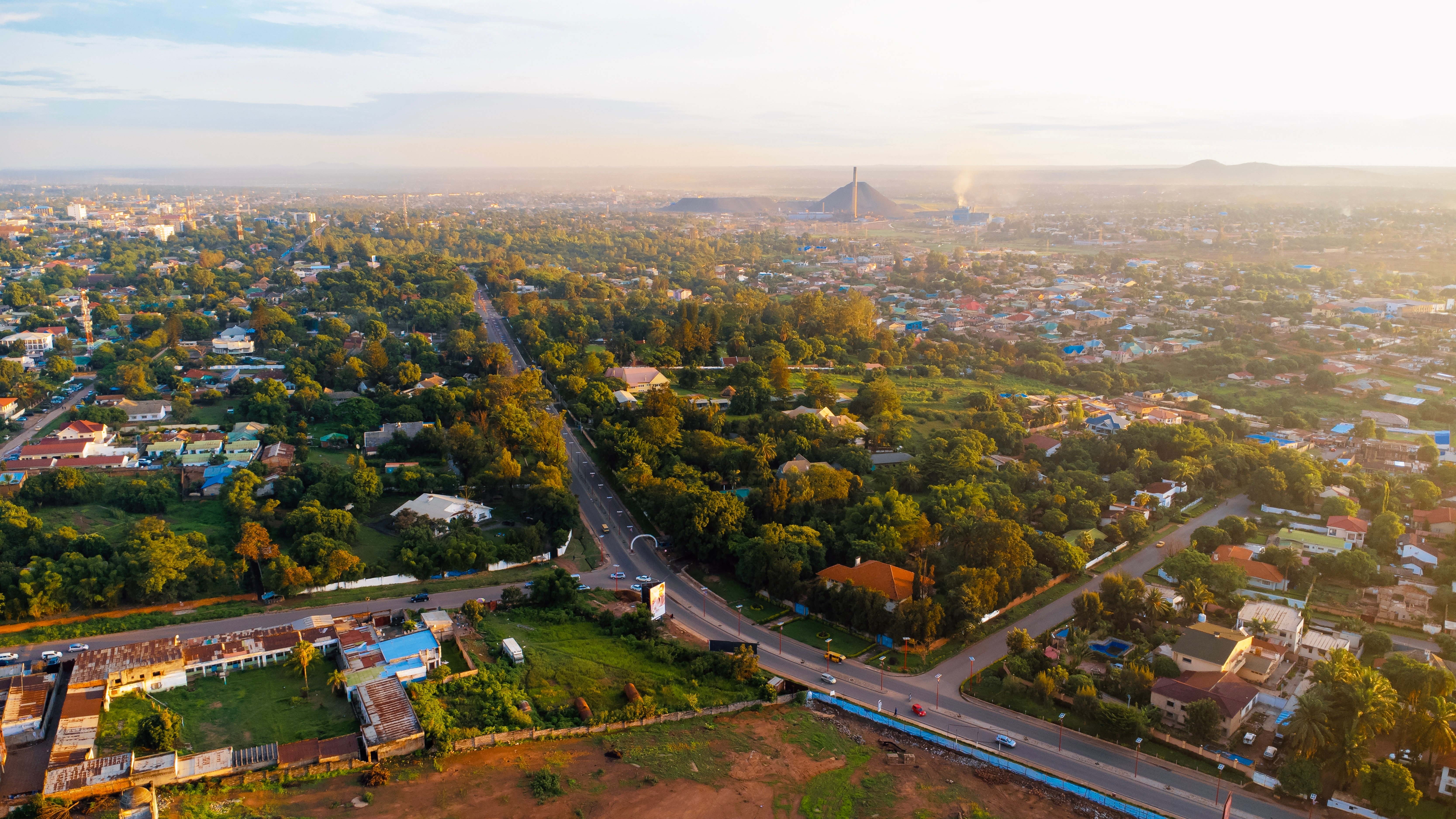
Regional collaboration for collective leverage
One of the most effective ways that African governments can achieve their development goals is through increased regional collaboration. This is more important than ever in an increasingly turbulent and fragmented world. Trump’s ‘America First’ stance and aggressive tariffs are straining relations between traditional allies in the Americas, Europe and Asia. Multilateral efforts such as the Minerals Security Partnership will likely play a diminishing role in U.S. calculations. However, other partners may still have an interest in working together without U.S. leadership.
Strengthening intra-regional trade through the African Continental Free Trade Area (AfCFTA) and regional economic communities can help mitigate the effects of global geopolitical shifts. While politically and technically complex, a coordinated approach to minerals would strengthen the continent’s collective leverage, prevent a “race to the bottom” and create opportunities for regional value chains that could attract external support. The Lobito Corridor—partially funded by the U.S. under the Biden administration—risks reinforcing the pit-to-port model, but also shows what’s possible when multiple African governments align efforts and partner with external actors.
The African Union’s endorsement of the African Green Minerals Strategy in February 2025 is a significant step towards collaboration—but much work remains. More industrialized African countries must lead the charge, promoting opportunities in less developed neighbors and—alongside development partners—fund regional bodies to increase planning capacity.
Embracing strategic neutrality
Despite renewed global attention, U.S. investment in minerals in the past few years remains minimal. As of late 2023 (the latest data available), the DFC had invested only USD 270 million on mining projects. By contrast, Chinese overseas mining investment reached another high of $21.4 billion under the Belt and Road Initiative in 2024. Whether increased U.S. bluster translates into increased financing remains uncertain.
Even if U.S. support increases, there is no guarantee it will unlock private investment. Despite renewed interest by Western companies in the DRC, for example, the country has struggled to attract investment in recent years due to concerns related to tax, corruption, and other risks. To make the most of these opportunities, African governments must ensure that their policies create a conducive environment for investment.
Strategic neutrality among potential investors is also critical. Failing to do so risks leaving countries empty-handed—especially given the uncertainty of Western investment. It also risks entangling African governments in great power politics. Some governments have had success in this balancing act: Zambia has taken an “all of the above” approach, securing U.S. investment in the Lobito Corridor, Chinese rehabilitation of the Tazara railway and a partnership with the EU.
Hold the line on good governance
Good governance remains critical to enabling long-term and equitable benefits from the mining sector—yet it faces new challenges. In the U.S., Trump is dismantling anticorruption infrastructure at alarming pace. Once a global leader in enforcing restrictions on foreign bribery, the U.S. has now paused enforcement of the Foreign Corrupt Practices Act via an executive order. Amid the scale and speed of U.S. backsliding, troubling changes are also taking place elsewhere. The EU is considering proposals that would gut groundbreaking sustainability legislation, such as the Corporate Sustainability Reporting Directive and Corporate Sustainability Due Diligence Directive.
These rollbacks may embolden some mining companies to push for laxer conditions in African countries—or use corrupt means to secure them. NRGI’s research shows that companies based in the world’s wealthiest and most powerful jurisdictions are often behind corruption cases in the allocation of transition minerals projects. With these jurisdictions now competing for mineral dominance, by holding the line on good governance, African leaders can protect their people and the planet—and prevent disruptions to mining operations such as community blockades, labor strikes or tax disputes.
Embedding transparency and accountability principles into decision-making—through measures, such as contract transparency or parliamentary approval for major agreements—are essential in this more fraught environment. Ghana’s parliament has created space for essential public debate on weaknesses to be addressed as it reviews the country’s first lithium mining agreement. Countries like Niger, Republic of the Congo, Senegal and Sierra Leone are meeting good practice by disclosing contracts under the Extractive Industries Transparency Initiative (EITI); other African countries could follow their lead.
Amid global turbulence lies an opportunity for African leadership. With a clear strategy, stronger regional collaboration and a strong commitment to governance, African governments can navigate the current storms—and turn them into their advantage.
Mining Standards Explained

As demand for minerals to power the energy transition grows, so does the need for responsible mining. Certification schemes and performance standards aim to promote better environmental, social, and governance practices—but do they go far enough?
This short explainer video unpacks the role of mining standards, how they work, and their limitations. It explores the risks of relying on voluntary initiatives and why stronger regulations are essential to ensuring a fairer and more sustainable mining sector.
Indonesia’s Energy Transition Ambitions: Nickel Downstreaming and Beyond

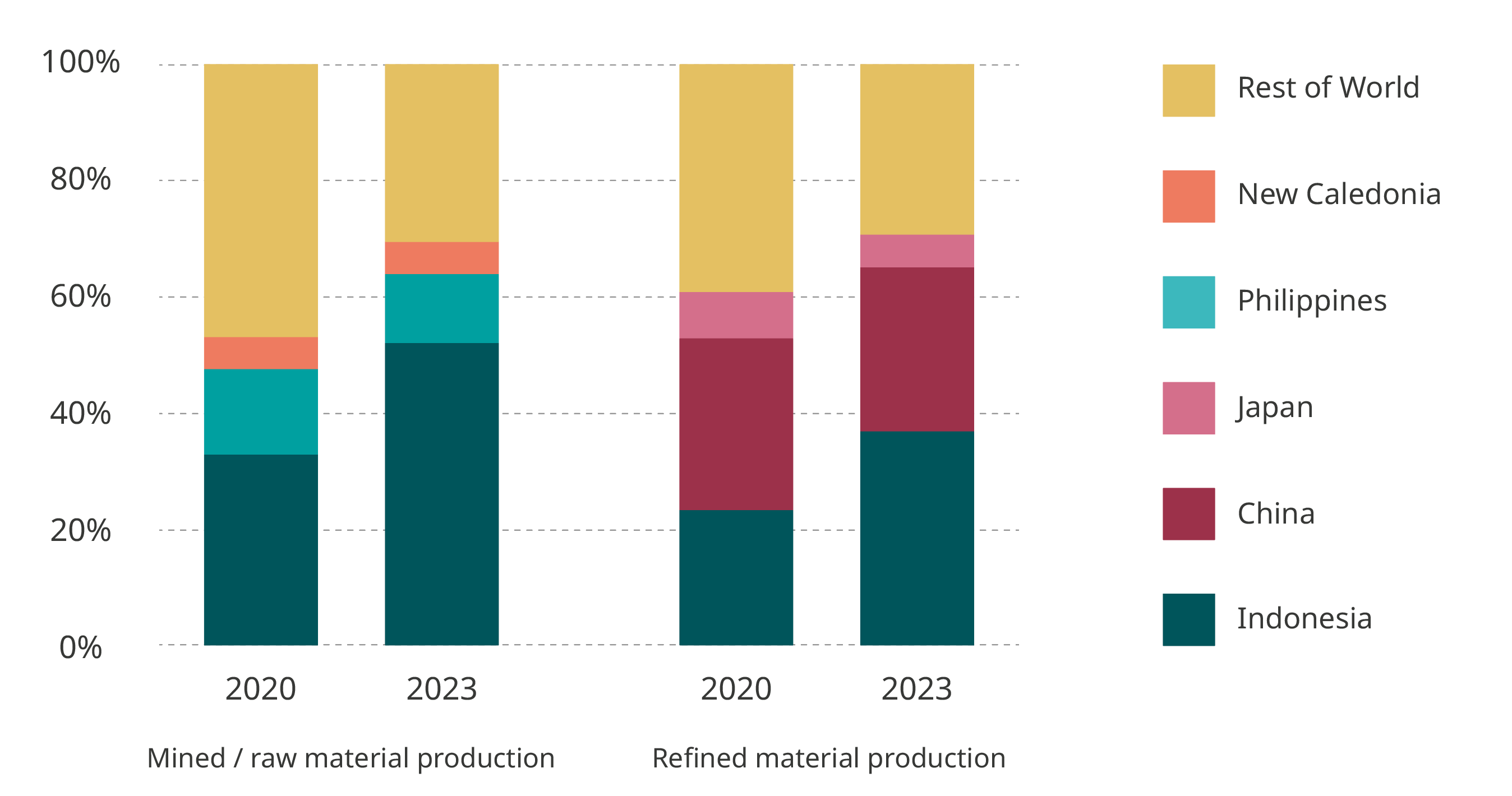
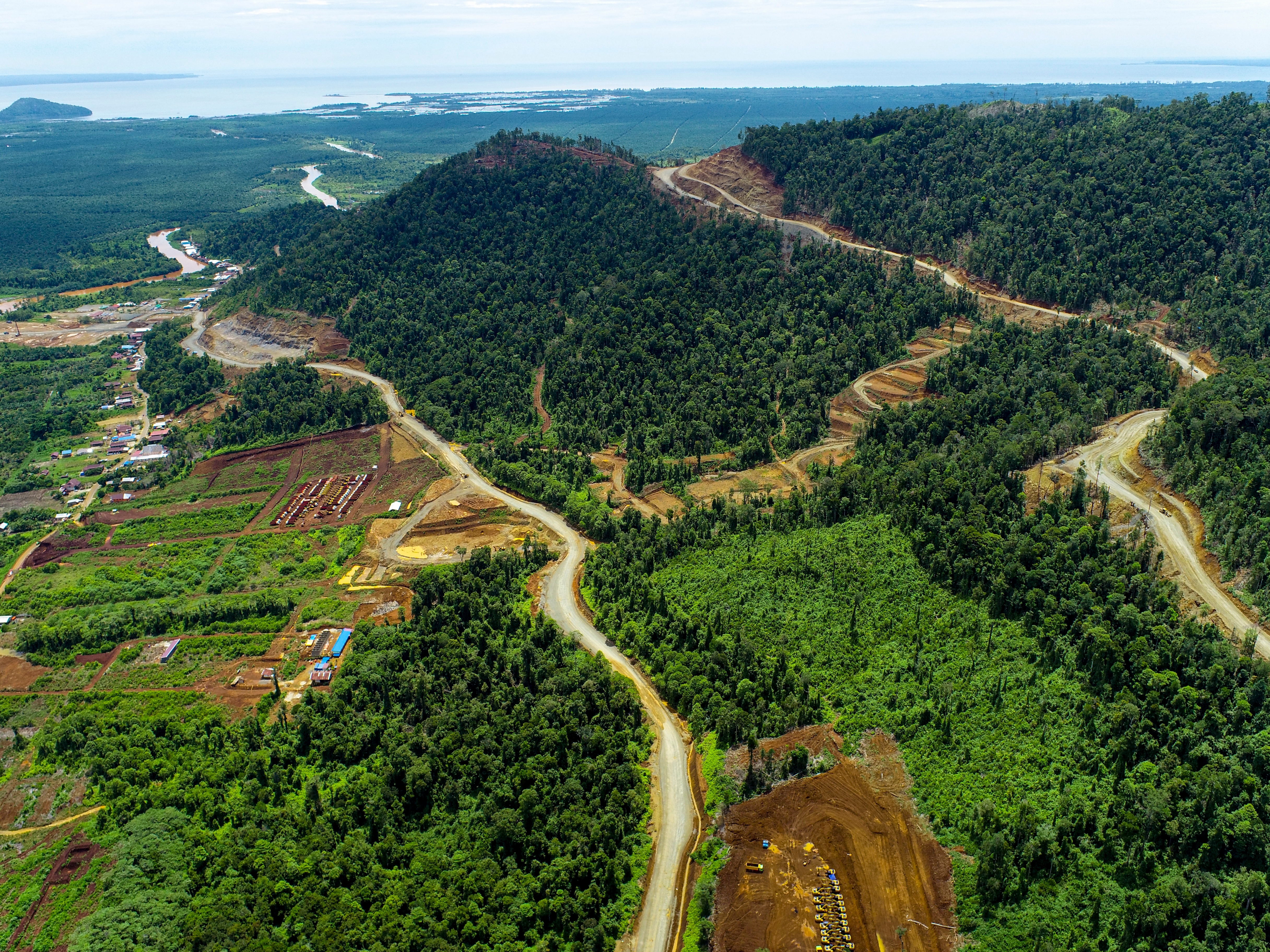
As the global demand for clean energy technologies rises, nickel—and other critical transition minerals—has become central to Indonesia's economic strategy. The country is leveraging its significant nickel reserves, key for electric vehicle (EV) batteries and stainless-steel production, to secure a growing share of the global market.
This economic success story, promoted by the Indonesian government and showcased in various media outlets, has contributed to the country’s overall economic growth, which remains at about 5 percent in 2024, and to growth in nickel-producing regions. For instance, North Maluku has been the best performing province, with an average economic growth of 20.1 percent from 2021 to 2023, driven largely by the nickel industry. Central Sulawesi, the second-best performing province, has similarly benefited from the nickel industry. Building on the successes of his predecessor, President Joko Widodo, the newly elected President Prabowo Subianto plans to further strengthen policies promoting exploitation and value addition of transition minerals, including through a possible revision of the mining law.
However, significant questions remain about how this growth will contribute to sustainable development outcomes for Indonesians, particularly in tackling poverty, unemployment and inequality in mining regions. Additionally, concerns around the socio-environmental impacts and the corruption risks associated with both mining and value addition continue to pose significant challenges. At a macroeconomic level, there is a rich debate on the role of mining and mineral value addition in a broader national strategy for economic diversification and broad-based economic development.
The world’s attention is increasingly focused on how Indonesia will tackle the next phases of its transition minerals story. Researchers and officials from a wide range of countries are looking to learn from Indonesia’s nickel story. At a recent NRGI-organized gathering at the Rockefeller Bellagio Center, leading thinkers from Africa, Asia and Latin America discussed innovations in the transition minerals space and options to implement recommendations from the UN Secretary-General’s Panel on Critical Energy Transition Minerals. However, some analysts have expressed skepticism about the viability of the government’s stated ambitions to further advance downstreaming— which include achieving full coverage of the EV nickel battery value chain in Indonesia, producing EVs in Indonesia and expanding downstreaming to other minerals and sectors in coming years. These differing perspectives underscore the ongoing clash of narratives around mining and value addition ambitions in Indonesia.
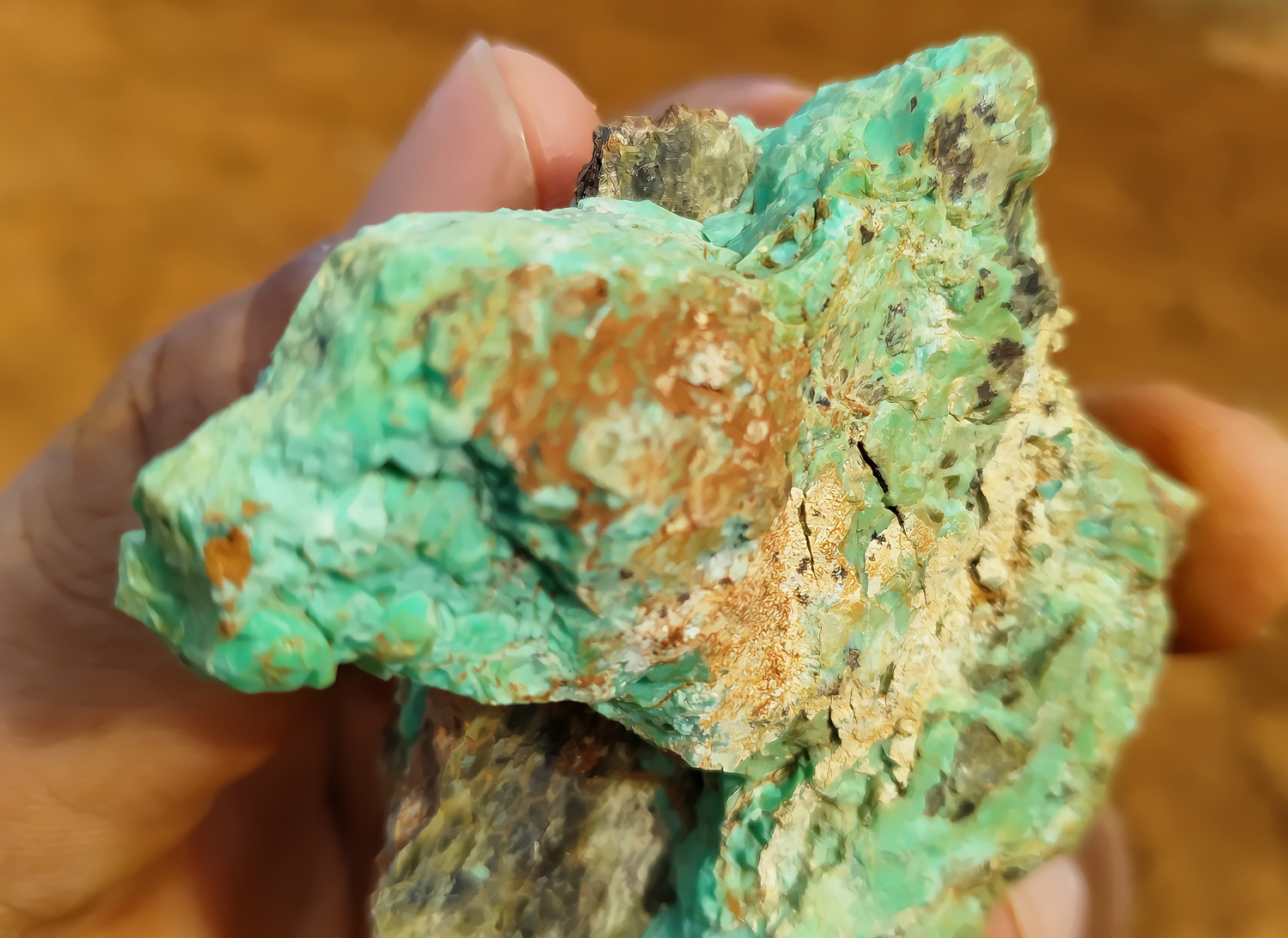
On 10-11 December 2024, NRGI, in collaboration with ViriyaENB, gathered more than 30 Indonesian experts to discuss how Indonesian citizens can further benefit from opportunities related to their country’s transition minerals wealth. The workshop focused on how to think through key governance challenges around Indonesian transition minerals, with NRGI experts contributing international experience and perspectives. This event marked a significant step in NRGI’s reengagement in Indonesia, which started in 2024. NRGI’s renewed engagement is part of its global priority to support the fair and sustainable management of the global race for transition minerals, including through successful value addition and equitable development policies.
The discussions at the workshop revealed several key present and future issues of relevance to the country’s transition minerals: the need to move beyond polarized narratives of downstreaming; the impact of technology and geopolitical uncertainty on the window of opportunity; the necessary ambition to improve environmental, social and governance (ESG) performance; and the importance to connect and bridge the gaps between Indonesian stakeholders.
Downstreaming: Moving beyond polarized narratives
Workshop participants discussed how views on Indonesia’s nickel downstreaming risk becoming polarizing—either focusing too heavily on “success” (e.g., growth in production and government revenues, progress along the nickel battery value chain) or on “failure” (e.g., social and environmental impacts, inequitable sharing of benefits). They noted that this lack of nuance can hinder constructive dialogue and improvements. A recurring theme was the need for better metrics for evaluating downstreaming policies beyond production and revenues. Participants highlighted the importance of building on existing research that analyzes both benefits and costs, helping understand how much value addition policies are benefiting Indonesians, particularly those living in mining-affected areas.
On the benefits side, participants indicated that metrics should include the issue of equitable distribution (e.g., at the subnational provincial and regency level) and various kinds of benefits (e.g., not just growth in production, revenues or GDP, but also the impact on unemployment and poverty reduction). Such metrics would also need to measure the tradeoffs that can result from downstreaming growth (e.g., negative impacts in the agriculture sector and agrarian conflicts, deforestation, pollution and emissions, etc.). Developing such metrics and integrating them more consistently into policy discourse was viewed by participants as particularly useful and timely given the new Indonesian government’s stated aim to continue and extend the downstreaming approach as referenced above.
These discussions aligned largely with NRGI’s recent briefing Six Keys to Unlocking Equitable Value Addition in Mining (now available in Bahasa Indonesia). The briefing emphasizes that governments need to set clear goals around their value addition strategies, analyze trade-offs and costs —not just benefits—and implement these strategies transparently to enable assessment by citizens and continuous improvement.
Window of opportunity: Impact of technological and geopolitical uncertainty
Participants expressed interest in deeper research and public discourse around the impact of various market and geopolitical scenarios. Indonesia’s nickel progress has been shaped by contextual factors such as rising global demand for nickel in clean energy applications like EV batteries. However, battery technologies are constantly evolving, with factors ranging from price and performance to supply and reputational risks (e.g., concerns around child labor and human rights in the sourcing of cobalt from the Democratic Republic of Congo or emissions and deforestation around nickel in Indonesia).
One issue raised was whether the window of opportunity for Indonesia’s nickel downstreaming is shrinking due to the projected growing market share of lithium iron phosphate (LFP) batteries, at the expense of nickel-based batteries (NMC). The government is aware of this challenge and is taking steps to mitigate it, including by managing nickel supplies to balance government revenues in the short term and lowering NMC battery costs to extend their viability.
Geopolitical tensions, particularly the potential for a U.S.-China trade war, were also discussed as a potential significant obstacle to Indonesia’s downstreaming ambitions. Chinese companies are major nickel mine owners in Indonesia, with around 40 percent of production, while Indonesian companies account for just 10 percent. Government industrial policies have also pushed Chinese investors to expand from nickel mining to refining, but this substantial involvement means rising trade tensions between the U.S. and China could be a barrier for Indonesian nickel reaching American markets—especially given how provisions in U.S. legislation discourage the use of minerals tied to Chinese companies. While geopolitical competition could attract more non-Chinese investment, the change in U.S. administrations have reduced the likelihood of a U.S.-Indonesia free trade agreement that could be catalytic for such investments.
ESG: Ambition to improve performance
The workshop also focused on how Indonesia can enhance its ESG performance in the mining sector. Participants emphasized that the current polarized environment means that civil society often has to raise issues by “shouting” to get attention on serious social and environmental, as well as governance and corruption concerns.
For example, corruption in mineral licensing—both upstream and downstream—is a significant barrier to equitable development in transition minerals supply chains globally, and Indonesia is no exception. This can significantly impact the success of downstreaming efforts. Workshop participants focused on ways to reduce corruption risks, emphasizing the risks around strong ties between politicians and the mining industry, and the lack of serious anticorruption commitments from many mining companies. Transparency International-Indonesia recently assessed 121 mining companies and found an average anti-corruption compliance score of only 0.31 out of 10, with only 6 companies having clear anticorruption policies.
Participants discussed initiatives launched by the government to improve ESG performance. The PROPER standard, managed by the Ministry of Environment and Forestry (KLHK), assesses company performance in environmental management. Separately, the Indonesia Sustainable Finance Taxonomy, previously the Indonesia Green Taxonomy, was also developed through an interministerial effort. Meanwhile, the SIMBARA system, managed jointly by the Ministry of Energy and Mineral Resources, the Ministry of Transportation, the Ministry of Industry and the Ministry of Trade and Ministry of Finance, was designed to strengthen commodities traceability. Initially used for coal, SIMBARA now also applies to nickel, and is expected to expand to more minerals.
Participants expressed cautious optimism about the potential of these initiatives to meet the growing demand for improved ESG in Indonesia, driven in parts by concerns from affected communities near mine sites. However, they still need to prove their effectiveness. These efforts could build on Indonesia’s commitment to the EITI (Extractive Industries Transparency Initiative), which includes a pilot community engagement in Morowali to ensure a just transition. Government-led initiatives could also learn from market-driven global standards like IRMA (Initiative for Responsible Mining Assurance), which is already gaining traction in Indonesia, with some companies committing to IRMA audits. These efforts can help encourage companies to adopt more responsible mining practices. The discussion also emphasized the need for Indonesian stakeholders to consider ESG standards within the global geopolitical context. As Western actors push for stronger ESG Standards, especially in competition with Chinese companies, Indonesian leaders must balance these dynamics while prioritizing the needs and rights of people.
Connection: Bridging the gaps between stakeholders
A key takeaway from the workshop was the need for stronger connections and collaboration between the diverse range of stakeholders involved in the governance of nickel, other transition minerals and processing. Participants highlighted that while Indonesian stakeholders have substantial expertise, collaboration is limited, impeding progress on equitable development. Deeper dialogue and coordination among various stakeholders is important, including among:
- Government entities (central and local), researchers, civil society and local communities.
- National and local actors, focused on national policy opportunities and risks at the local level near mining sites projects.
- Indonesian policy experts and geopolitics and global market analysts, to provide nuanced perspectives on ongoing reforms within the broader global context.
- Stakeholders working on equitable development in Indonesia and those focused on international mineral equity and governance initiatives.
- Experts on downstream products and markets (batteries, EVs)– and those focused on mining, to strengthen policy recommendations and connect mineral development with supply chain development and diversification.
The richness of the workshop underscored the depth of expertise in Indonesian civil society organizations, think tanks and academics on transition minerals. These voices must be amplified and included in policymaking to ensure that Indonesia’s people benefit from the opportunities provided by transition minerals while managing the associated risks.
Indonesia’s experience—both successes and challenges—can serve as a valuable model for other low- and middle-income mineral-producing countries as they develop and implement their own strategies to manage their transition minerals sustainably and equitably.
Mining and Energy Reforms: Strategic Priorities for Ghana Under President Mahama's Government

As President John Mahama begins his second term as Ghana’s leader under the Fourth Republic, the context of his leadership is markedly different from his first tenure between 2013 and 2017. During that period, discussions around the energy transition and renewable energy were still emerging. Today, the urgency of transitioning to cleaner energy sources has become a global priority, with profound implications for resource-rich countries like Ghana. President Mahama returns to office at a critical time for the extractive sector, which is rapidly evolving.
The past few years have been turbulent for Ghana’s upstream petroleum activities. The Minister of Energy terminated four petroleum contracts in 2021 for failing to meet minimum work obligations. Additionally, several oil blocks have been relinquished since 2019 and Ghana’s oil production has declined since 2020. In contrast, the mining sector has shown promising growth. Gold production reached 4 million ounces in 2023, an impressive 8.3 percent increase from the previous year. Bauxite and diamond production have also surged, increasing by 24.1 percent and 146.5 percent respectively, between 2022 and 2023, reflecting the sector's potential to contribute meaningfully to Ghana’s economy.
Addressing the mining sector’s changing dynamics will require strategic planning and active engagement from all stakeholders. In his new term, President Mahama must implement the following recommendations to revitalize the extractive sector for the benefit of all Ghanaians.
Prioritize transition minerals governance
The global energy transition is creating a burgeoning demand for transition minerals. Ghana is richly endowed with transition minerals such as lithium, bauxite and graphite. However, outdated legislative and regulatory frameworks are hindering the country’s ability to capitalize on this opportunity.
The Minerals Commission must expedite the ongoing review of the 2014 Mining Policy and the Minerals and Mining Act. These revisions will pave the way for the resubmission of the lithium and bauxite contracts—previously under consideration in the recently dissolved Parliament—for parliamentary ratification. The revisions are also critical to establishing a more progressive fiscal regime that emphasizes community consultations and adherence to rigorous environmental and social standards for the transition minerals.
Consolidate energy transition targets and leverage domestic financing
Ghana’s Energy Transition Framework, launched at COP27 and subsequently an Energy Transition Investment Plan during the UN General Assembly, aims to meet its net zero commitments by 2060 instead of the initial 2070 target. Realizing this vision requires approximately USD550 billion in investment, primarily from the capital market. Given Ghana’s high debt situation, the government must adopt a strategic approach to position the country as an attractive investment destination for foreign investment.
President Mahama must repurpose extractive revenues from petroleum through the annual budget prioritization, and mineral revenues through the Mineral Income Investment Fund, to stimulate domestic investment in the transition. These efforts should include downstream transition minerals beneficiation with adequate accountability provisions while consolidating the Transition Framework and the Investment Plan to create a cohesive and effective policy direction.
Enhance good governance and transparency
Corruption continues to undermine the realization of benefits from the extractive sector through opaque contracting, ineffective cost monitoring and tax evasion, and revenue leakages. Tackling corruption in the extractives sector requires decisive action. The government must strengthen anti-corruption institutions, appoint non-politically exposed persons to sensitive State-Owned Enterprises in the extractive sector, and enforce accountability measures. Revisiting competitive licensing and procurement in the petroleum sector is essential. Additionally, taking steps to introduce competition and transparent contracting practices in the mining sector will foster greater public trust and maximize the sector's potential.
Reevaluate gas ambitions with a focus on long-term sustainability
Ghana’s reliance on natural gas as the main fuel for power has grown substantially since 2020. The government expects to spend USD1.22 billion on natural gas in 2025, a sharp rise from USD455.8 million in 2019. The Energy Transition Framework also identifies natural gas as a transition fuel. However, several challenges have limited the country's ability to maximize value from the sector, including huge energy sector indebtedness, inadequate gas processing capacity and high financing costs, particularly for infrastructure.
Barely 48 hours after the President took office, a gas supply crisis looms. Imminent maintenance on the West Africa Gas Pipeline and Jubilee facilities will create supply deficits of up to 50 million standard cubic feet per day by March 2025. Planned shutdowns of the ENI gas facilities in September and November 2025 will further deepen the crisis, with gas shortages potentially reaching 102 MMscfd.
Public discourse has centered on addressing the short-term power crisis, often overlooking the sector’s long-term sustainability. There is a need for comprehensive reforms to address systemic inefficiencies to ensure sustainability. The President Mahama-led government should review the gas masterplan to align gas ambitions with realistic goals and improve transparency of gas contracts. They must consider the risks of locking Ghana into a gas-for-electricity system with associated challenges, especially as renewable energy costs are decreasing. The government must guard against unbridled LNG contracts, which could worsen cashflow issues and increase electricity prices.
Improve institutional coordination in the energy sector
There is an urgent need for institutional strengthening and realignment within the petroleum and power sector to improve efficiency and coordination, reduce bureaucracy and conflict, and preserve the public purse. The objectives of these reforms should be clearly defined in consultation with various stakeholders, including worker unions, civil society and citizens.
As the new government takes charge, the extractive sector must be central to Ghana’s development strategy. With decisive leadership and strategic foresight, Ghana can maximize its resource wealth, ensuring it catalyzes economic prosperity and resilience for generations to come.
Financing Africa’s Transition Minerals: Unlocking Value Chains for Sustainable Growth
Cape Town, South Africa

Africa’s abundant reserves of transition minerals position the continent as a key player in the global energy transition. However, African nations face systemic challenges in developing integrated value chains from extraction to refining and manufacturing, limiting their ability to maximize the economic benefits of their resources. A significant barrier is the lack of financing mechanisms to support local value addition, refining, and manufacturing industries.
The pledge of $300 billion annually from wealthy nations at COP29 fell drastically short of the $1 trillion requested by developing countries to address the climate crisis. This shortfall underscores the urgency of establishing equitable financing solutions to address the complexities of the energy transition and ensure that African countries not only can navigate their challenges but also take advantage of their opportunities.
The Natural Resource Governance Institute (NRGI) is organizing a one-day high-level dialogue on the sidelines of the Africa Mining Indaba in collaboration with the Minerals Commission of Ghana and the Africa Center for Energy Policy (ACEP). The event will explore innovative financing and technical mechanisms to support the equitable and beneficial utilization of Africa's transition mineral resources. It will also focus on strategies and strategic partnerships to strengthen the continent's mineral value chains and ensure it captures the full economic benefits of its vast mineral wealth.
Speakers:
- Oladele Henry Alake, Minister of Solid Minerals Development, Federal Republic of Nigeria
- Paul Kabuswe, Minister of Mines and Minerals Development, Republic of Zambia
- Martin Ayisi, Chief Executive Officer, Minerals Commission, Ghana
- Suneeta Kaimal, President and CEO, NRGI
- Marit Kitaw, Interim Director, African Minerals Development Centre (AMDC)
- Nafi Chinery, Africa Director, NRGI
- Edwin Warden, Country Manager, Anglophone Africa, Extractive Industries Transparency Initiative (EITI)
- Fred Kabanda, Division Manager, Extractives, African Development Bank
- Richard Morgan, Head of Government Relations, Anglo American
Planning to attend?
Send us an email to confirm your participation or request more details.
Transition Minerals in Mexico: Global Strategies to Enhance Equitable Value Addition

The event is part of the broader global debate on the equitable value addition of transition minerals, a topic that has gained attention from the United Nations Secretary-General’s Panel on Critical Minerals for the Energy Transition.
This webinar aimed to raise awareness about the crucial importance of value addition in Mexico's economic development and its connection to the country's energy transition.
Speakers:
- Fernanda Ballesteros, Mexico Country Manager, NRGI
- Thomas Scurfield, Africa Senior Economic Analyst, NRGI
- Chinmayi Shalya, Senior Investigator, Swaniti Global
- Sebastián Galarza, Executive Director, Centro Movilidad Sostenible
- Luisa Sierra, Director, IDEA
- Juan Luis Dammert, Latin America Director, NRGI
Featuring NRGI's

Fernanda Ballesteros
Mexico Country Manager

Thomas Scurfield
Senior Economic Analyst

Juan Luis Dammert
Contributor
Life Beyond Oil: Saudi Arabia’s Mining Ambitions

From last year’s COP28 climate conference emerged the “UAE Consensus.” It was a watershed moment, with the UNFCCC in its global stocktake calling on governments to transition away from fossil fuels in “a just, orderly and equitable manner” and accelerate deployment of more sustainable energy sources.
This consensus significantly impacts the future of Saudi Arabia’s economic and energy landscape. It’s the latest driver of the country’s expansion of its interest in mining, both domestically and in many lower-income countries.
Oil’s diminishing prospects
At COP28 the Saudi delegation, together with other Arab oil-producing nations, opposed any proposals mandating the end of fossil fuel production. In a bold stance, energy minister Abdulaziz bin Salman Al Saud openly opposed phase-out or phase-down provisions in the final agreement, likening the fossil fuel related provision to an “à la carte menu”. He later expressed satisfaction with the UAE Consensus, emphasizing that it allows countries to tailor their energy transitions based on their capacities and interests.

Saudi Arabia faces a complex challenge: it remains heavily reliant on oil revenues not only to fund government salaries and infrastructure but to drive the non-oil sectors envisioned under Vision 2030. While Saudi leadership acknowledges the inevitability of the global energy transition and the economic implications, theirs is a cautious approach to avoid a rapid shift. The focus remains on maintaining Saudi citizens’ standard of living while balancing economic growth with the evolving global energy landscape.
In response, state oil company Aramco has taken steps that signal its recognition of the transition. It joined the Oil and Gas Decarbonization Charter at COP28, committing to net-zero operations by 2050, ending routine flaring by 2030, and reducing upstream methane emissions, specifically within Scope 1 and 2. This reflects Aramco’s focus on the most direct and controllable sources of its carbon footprint. Aramco also aligned with the government’s decision to halt expanding oil production to 13 million barrels per day, as part of its shift from a hydrocarbon producer to a broader energy company.
While these measures aim to ensure Aramco’s resilience during the transition, Saudi leadership is also exploring new opportunities in economic diversification, particularly in transition minerals, making a significant shift as the kingdom prepares for a post-oil future.
Saudi Arabia’s domestic mining sector
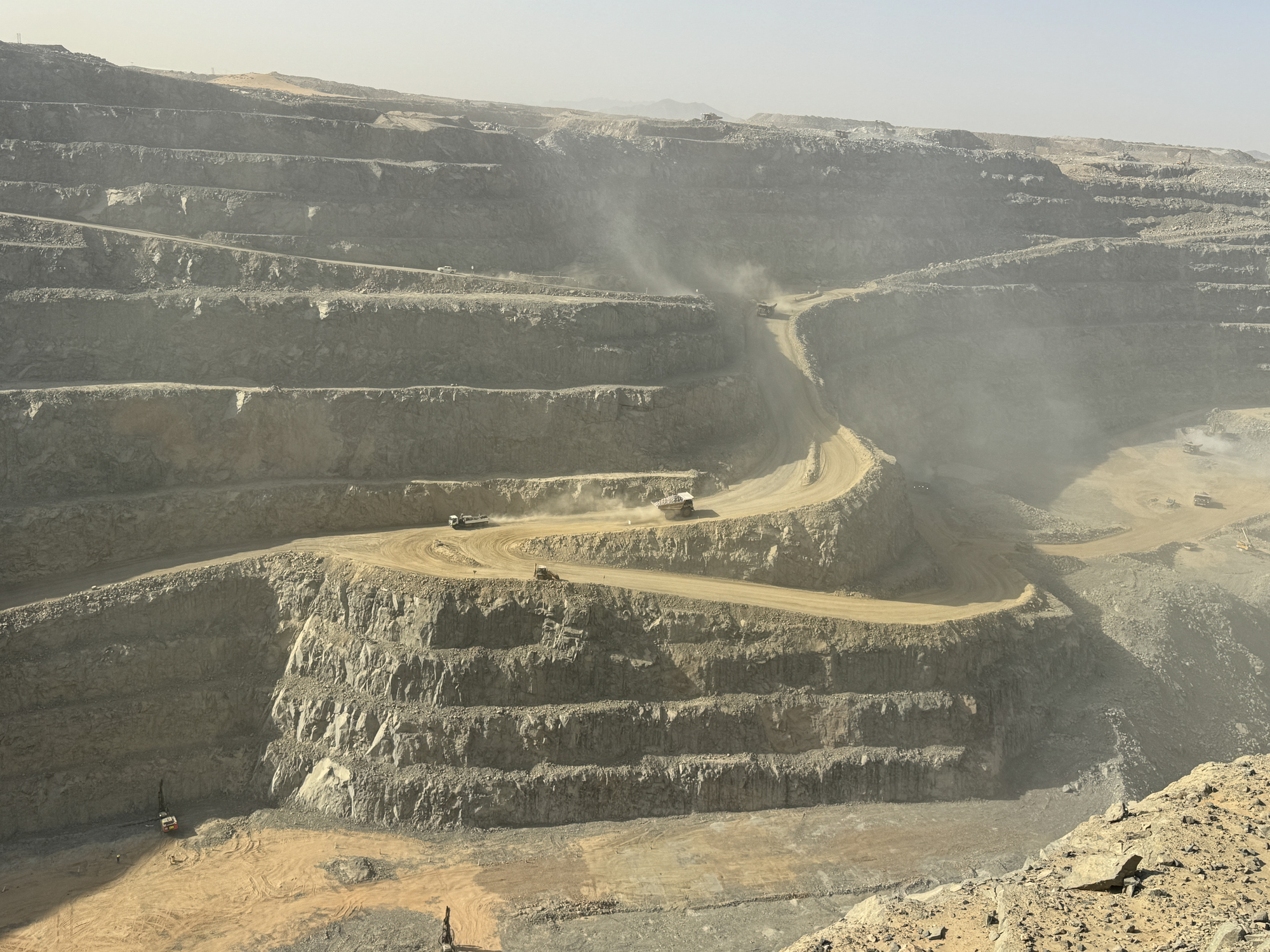
Beyond oil, Saudi Arabia is expanding exploration and exploitation of its vast domestic mineral reserves through substantial investments in the mining. The kingdom is driven by the growing demand for transition minerals such as lithium, cobalt and nickel, which are required for the transition from fossil fuels based economies to decarbonized economies.
The strategic prioritization of mining is closely linked with Vision 2030’s aim to maximize the benefit of the kingdom’s abundant natural resources beyond its conventional hydrocarbon reserves. Saudi Arabia is tactically re-oriented to exploit increasingly demanded resources that are pivotal in the worldwide transition to renewable energy sources by emphasizing essential transition minerals. This signifies not only a strategic response to the evolving dynamics of the global energy sector, but also a calculated attempt to preserve the kingdom’s preeminent position on the international energy arena.
As per official statements, the estimated value of unexploited mineral resources in Saudi Arabia has increased from $1.3 trillion to $2.5 trillion, driven by the discovery of rare earth elements and higher quantities of phosphate, gold, zinc and copper.
As part of its goal to pursue economic diversification and reduce reliance on oil production, Saudi Arabia aims to increase the mining industry’s GDP contribution from $17 billion to $75 billion by 2035. The Ministry of Industry and Mineral Resources, headed by Bandar Al-Khorayef, holds a pivotal position in directing the country’s mining endeavors. The Saudi Arabian Mining Company (Ma’aden), a prominent state-owned enterprise, plays a crucial role in the execution of the kingdom’s mining strategies, the development of partnerships to exploit mineral resources, and the operation of significant projects.
The Jabal Sayid copper project, a collaborative effort between Ma’aden and Barrick Gold, and the Al-Jalamid phosphate mine are among the significant domestic initiatives currently in progress. Saudi Arabia is also making substantial is investments in exploration and geological surveys utilizing cutting-edge technologies and international expertise to discover new mineral deposits. In alignment with the new Mining Investment Law, the ministry recently announced the auction of six mining licenses, covering deposits of lead, zinc, copper and iron. To further bolster the sector, the kingdom has introduced a $182 million exploration incentive program and granted 33 additional mining licenses.
On the global stage, Saudi Arabia is driving industry conversations through international initiatives such as the Future Minerals Forum and active participation in Africa’s Mining Indaba, underscoring its commitment to becoming a key player in the global mining industry.
Building international alliances for transition minerals mining
Saudi Arabia plans to become a world leader in sustainable mining by making strategic use of its own significant reserves of transition minerals. Al-Khorayef has said that “the investments will continue to position the kingdom as a mining production and logistics hub for a region that stretches from Africa to Asia, while also supporting the transformation of our mining sector so it can achieve its potential.”
The kingdom’s comprehensive growth strategy for the mining sector involves significant investments, collaborations, and policy reforms. Recent memoranda of understanding (MoUs) signed with countries like the Democratic Republic of the Congo, Egypt, Morocco and Russia underline Saudi Arabia’s intent to enhance its mining capabilities and infrastructure, thereby influencing the global energy transition. And Turkey and Saudi Arabia have entered into a MoU to collaborate on transition minerals, focusing on knowledge exchange and research related to minerals essential for solar panels and electric vehicles.
Furthermore, Saudi Arabia’s global involvement includes not just formal agreements but also direct investments in prominent mining companies. Most recently, the kingdom secured a 10 percent stake in Brazilian mining company Vale Base Metals, demonstrating its approach to investing in the worldwide mining industry by acquiring equity.
With this strategic pivot Saudia Arabian authorities not only aim to diversify the country’s economy but also to secure its role in the new geopolitical alignments around transition minerals. As the global energy landscape shifts toward sustainable sources, the kingdom’s leaders are keenly aware of the necessity to adapt without losing longstanding influence in the energy market.
Challenges and opportunities in Saudi Arabia’s mining ambitions
With its ambitious mining objectives Saudi Arabia faces both domestic and international constraints that officials must solve to maximize industry potential.
Domestically, the country still requires specialized infrastructure tailored to support large-scale mining operations, particularly in remote desert regions. Additionally, the kingdom must invest in education and training programs to develop a workforce skilled in advanced mining techniques and technologies.
Water scarcity in the desert areas poses a significant challenge, as limited water resources complicate mining operations and increase costs. To address these issues, Saudi Arabia needs to explore innovative water management solutions such as desalination and water recycling, specifically designed for mining activities. Furthermore, given the potential environmental impact of mining—such as land degradation, water contamination, and biodiversity loss, the country should implement and enforce rigorous environmental standards to ensure sustainable and responsible mining practices.
The mining industry in Saudi Arabia offers a large array of opportunities. There is great potential for economic expansion in the kingdom because of its substantial transition mineral reserves, which include unexplored amounts of phosphate, copper and rare earth elements. Because of its advantageous position, Saudi Arabia is able to access to important markets in Europe, Asia, and Africa, which serves as a competitive advantage. The government’s dedication to establishing a favorable investment climate, via the implementation of transparent regulations and incentives, is attracting investors from other countries and supporting growth inside the country. However, it is imperative that Saudi Arabia places a high priority on openness in international contracts in order to foster confidence, further benefit producer countries and entice global investment.
Internationally, Saudi Arabia faces challenges linked to geopolitical dynamics and competition in the mining industry, requiring strategic diplomacy to secure lasting partnerships in a shifting global economy. As Saudi investments, particularly in Africa and other lower- and middle-income countries, expand, the kingdom must ensure these ventures are mutually beneficial. This means developing long-term relationships that provide tangible benefits to host governments and communities, such as fair revenue-sharing, infrastructure investment, and skills transfer. By committing to transparent and equitable partnerships, Saudi Arabia can strengthen its role as a responsible global actor, ensuring its investments align with its mining objectives while also promoting sustainable growth in host countries.
How can producing countries navigate Gulf mining investments?
Explore insights from NRGI experts on the impact of Saudi and UAE investments.