
The Energy Transition between Opportunities and Challenges: The TeraMed Initiative (COP31)
Arab League Pavilion, Blue Zone, COP31, Antalya
TeraMed is a civil society campaign calling on Mediterranean governments to reach 1 terawatt of installed renewable energy capacity by 2030, in line with the COP28 pledge to triple renewables worldwide. This session, hosted by the Arab Network for Environment and Development (RAED) at the Arab League Pavilion, looks at the opportunities and challenges the energy transition brings to the region.
Abir Yahyaoui, NRGI’s Middle East and North Africa senior program officer, will speak on the panel. NRGI has supported TeraMed since COP29 in Baku. Read more in TeraMed’s Campaign to Unlock the Mediterranean’s Renewable Energy Potential.
Featuring NRGI’s

Abir Yahyaoui
Middle East and North Africa Senior Program Officer
Electricity at the Heart of a Just Energy Transition
A Shared Regional Vision for the Future of Energy in the Middle East and North Africa

Developed by civil society partners from five countries, this roadmap sets out five shared priorities for fairer, more transparent and resilient electricity systems in the Middle East and North Africa.
Electricity is central to a just energy transition in the Middle East and North Africa. Reliable, affordable electricity supports livelihoods, essential services and economic development. How the sector is governed will shape countries’ ability to expand renewable energy, strengthen energy security and deliver benefits for communities.
This regional civil society roadmap sets out a shared agenda for electricity sector reform, identifying five priorities:
- Reforming subsidy and pricing policies to strengthen investment in electricity.
- Strengthening transparency, accountability and access to information.
- Improving governance and institutional coordination.
- Strengthening the role of civil society and the media.
- Expanding regional cooperation and electricity interconnection.
For each priority, the roadmap outlines common challenges, calls for reform and commitments by participants. It invites governments, regulators, electricity utilities, regional institutions, international partners, civil society and the media to turn these priorities into concrete policies, initiatives and partnerships.
About this roadmap
During 2025 and 2026, the Natural Resource Governance Institute (NRGI) convened stakeholders from Morocco, Tunisia, Egypt, Lebanon and Iraq to identify shared priorities for a just energy transition in the Middle East and North Africa. Four representatives from each country participated, drawn from government, civil society and the media.
Participants compared national priorities and identified electricity governance as a shared concern and a regional priority for collective advocacy and action. Civil society partners then reconvened to develop this regional roadmap. It reflects their collective priorities, informed by technical expertise and national perspectives contributed by government representatives, experts and media participants throughout the process.
The roadmap is a resource for civil society, policymakers and others working to build fairer, more resilient electricity systems across the region.
NRGI’s role was to convene and facilitate the process. The priorities, calls to action and commitments in this roadmap are the shared views of the relevant participants and do not necessarily represent the positions of NRGI.
EITI is a Sleeping Giant. It's Time to Wake It Up.
Remarks by Suneeta Kaimal, NRGI President and CEO, at the EITI Global Conference 2026

At the opening plenary of the EITI Global Conference in Brussels on 8 October, Suneeta Kaimal called on governments, companies and civil society to turn two decades of progress on transparency into greater accountability. As new resource deals reshape the global economy, she argued that EITI's standards and principles offer powerful tools to scrutinize these agreements, but only if they are put to use, deals are made public and civic space is protected.
Remarks delivered during the plenary session “Building trust in uncertain times,” 8 October 2026. The text follows below.
Three words. Buried in the fine print of the frameworks reshaping the global resource economy. Three words whose implementation could decide whether this new wave of resource deals delivers on our shared ambition: that wealth below the ground benefits the people who live above it.
You've heard it this morning: oil, gas and mining are at the top of political and economic agendas. Energy dominance. Economic growth. National security. [And we’ve heard ambition from leadership like Minister Diof]. This should be an unprecedented opportunity for the low- and middle-income countries that hold much of these resources.
Instead, deals are struck at breakneck speed, under enormous pressure, and often on imbalanced terms. What's on the table is no longer just royalties and tax rates. It is security guarantees. It is health funding. Governments are being asked to trade long-term access to their resources to meet today's urgent needs.
Speed and pressure crowd out accountability. Over 200 mining projects were announced this year alone, most of them shrouded in opacity. Human rights abuses linked to transition minerals surged 73% in the past year. And the foundations we relied on before — rule of law and international cooperation — are crumbling.
So where is the bulwark? NRGI reviewed recent frameworks and roadmaps that guide new resource deals and agreements. And time and again, we found those three surprising, and powerful words: the EITI Standard.
Three words that carry twenty years of hard-won gains. Contract transparency. Beneficial ownership. Anti-corruption. Revenue management. Environmental and social transparency. State-owned enterprises. Civil society participation.
EITI is a sleeping giant. It is already written into the architecture of the new resource economy. Even as some leaders dismiss transparency and accountability, references to the EITI Standard abound.
Take the G7. They've struggled to agree on much lately. Yet their critical minerals roadmap names the EITI values and principles as criteria for standards-based markets, including the rule of law and guarding against bribery and corruption.
Or the World Bank Group. The IFC Performance Standards influence how many of these deals are financed. They reference EITI requirements on contract and revenue transparency, and they are under review right now.
The EU's approach to minerals partnerships. The African Union's Green Minerals Strategy. A draft Chinese industry mining code. Each cites the EITI Standard, opening a door to hold the most powerful players in the sector accountable.
But a framework is not a deal. The deals are where the rubber hits the road and most are done behind closed doors. Only when resource deals and partnerships are made public can we bring the power of these EITI references to bear. To shape their terms and ensure EITI best practices are implemented.
Waking the giant falls to each of us in this room.
For civil society: Every reference to EITI is a promise we can hold up: show us the contract. Show us who owns the company. Show us where the money went.
But that only happens if civil society can speak out, can gather peacefully and can organize without fear. CIVICUS rates 43 EITI implementing countries as having closed, repressed or obstructed civic space. Forty-three. The recent statement on civic space by the EITI Board is welcome, but insufficient. Civic space must be a meaningful and mandatory test in the upcoming validations, not merely a principle we reaffirm.
For supporting countries: you helped make this Standard a global norm. Now uphold it in your policies, the transparency and terms of your deal-making, and your aid budgets. Where competition is tough on price or technology, higher standards are how you stand apart and build resilient supply chains.
For producer countries: these references are bargaining power. When a partner cites the EITI Standard, hold them to it. Make partnerships transparent. Make accountability part of the price of access.
For companies: good governance means stable projects. Opaque deals made under pressure are the ones that tend to unravel, in courts, in parliaments, on the streets. Rather than competing efforts, let’s use what we have, and keep evolving it. Demand that EITI norms are not just cited but implemented in the way you operate.
And for us in EITI as a whole: we must take up the space we have earned. Decisions taken today will impact generations to come, and the work of EITI must keep pace. The recent guidance on government-to-government deals, value addition strategies, and the new global database all head the right direction. But we must act on them today, not years from now in the next Standard.
More than twenty years ago, NRGI was among the civil society organizations who called for the EITI Standard, alongside reformers from government and industry. We've been supporters and critical friends ever since. Together, we made transparency an expectation rather than an exception. Together, we won a seat for independent civil society alongside governments and companies — a superpower, if we defend it and wield it.
“The EITI Standard” is a giant we built together. Twenty years of hard-won gains, waiting to be unleashed. Let's wake it up. Thank you.
Senegal: Governing Natural Resources at a Pivotal Moment

As Senegal enters a new era as an oil and gas producer, the third National Forum on Extractive Sector Governance offers an opportunity to reflect on the governance choices that will shape how the country's natural resources contribute to long-term development.
On 30 June and 1 July, Senegal's Ministry of Energy and Petroleum, EITI Senegal and NRGI will bring together government, parliament, civil society, affected communities, the private sector and international partners in Dakar for the third National Forum on Extractive Sector Governance. The forum comes at a defining moment in the country's development: Senegal is now an oil and gas producer. At the same time, the country faces the challenge of developing its oil and gas resources while advancing its energy transition and long-term development goals.
Stakeholders from across the sector will meet to discuss the priorities that should shape this next phase. The governance choices made today will determine whether Senegal's natural resources translate into quality public services, stronger fiscal resilience and a just energy transition that supports sustainable and inclusive development. Through its Senegal Vision 2050 agenda, the country aims to turn extractive revenues into sustainable public investment, reduce its vulnerability to commodity price cycles and build accountable institutions that endure beyond political transitions. The forum provides an opportunity to advance that conversation.
Senegal has been producing oil since June 2024 and liquefied natural gas since February 2025. The country's legal framework is now in place, including a hydrocarbons revenue management law, parliamentary oversight mechanisms and stronger transparency requirements. But the context in which those rules must now operate has changed significantly. Public debt, revised to 132 percent of GDP by the Court of Auditors, has reduced the country's fiscal room for maneuver. PETROSEN has taken on a larger operational role in developing the country's gas projects, while the government has launched a process to review oil, gas and mining contracts. At the same time, Senegal must balance the development of its gas resources with expanding renewable energy and meeting its climate commitments.
At a time of fiscal pressure and high public expectations, what distinguishes a new producer is not just the size of its resource base. It is the strength of its governance institutions and their ability to ensure transparent, effective and equitable management of natural resources over the long term. Those are precisely the questions that stakeholders will address in Dakar.
NRGI has worked in resource-rich countries for more than 20 years, including five years of engagement in Senegal. Together with public institutions, EITI Senegal, civil society, affected communities and other partners, NRGI has contributed to several of the reforms and debates that have shaped this period, from strengthening the legal framework for extractive revenues to supporting the establishment of the government's grievance mechanism in the hydrocarbons sector, as well as advancing public debate on methane emissions, supporting affected communities and contributing to the creation of the Platform of Civil Society Actors for a Just Energy Transition (PACTEJ). A more detailed review of these five years of work will be published soon.
An agenda for the next phase
The National Forum is not an endpoint. It is a starting point for the next phase of Senegal’s resource governance, offering a chance not only to take stock of progress and identify remaining gaps, but to set clear priorities and build momentum for the work ahead. Discussions will focus on revenue management, contract transparency, PETROSEN's role, the trade-offs between hydrocarbon development and the energy transition, critical minerals and the participation of communities and local authorities. These are complex questions that will require difficult choices and sustained collaboration across government, civil society, industry and communities.
The discussions in Dakar matter beyond Senegal. Since 2021, the country has shown that a well-designed governance framework can be brought to life through sustained dialogue, capacity development and evidence-based approaches, resulting in tangible gains in transparency and accountability. The next phase will test whether those rules can be put into practice as Senegal seeks to develop its natural resources, protect its communities and build a more sustainable, resilient and inclusive energy future. Ultimately, the country's future will be defined not only by production, but by whether Senegal can turn its natural resources into lasting benefits for its people. The National Forum is an opportunity to help shape that next chapter.
The authors thank Amir Shafaie and Papa Daouda Diene for their contributions.
Senegal National Forum on Extractive Sector Governance
On June 30 and July 1, key extractive sector stakeholders will gather in Dakar to discuss the challenges and priorities shaping natural resource governance in Senegal.
People-Powered Energy Transitions in Resource-Rich Countries

The climate crisis has negatively impacted developing countries and marginalized groups disproportionately in comparison with their developed counterparts. Since 1991, developing countries have accounted for 79 percent of recorded deaths due to extreme weather, and 97 percent of the total recorded number of people affected by the impacts of such weather. Women and girls are more likely than men and boys to die in extreme weather events, which are becoming more frequent and intense.
Worryingly, solutions to fight the climate crisis, including the energy transition, might add new burdens to low- and middle-income countries and marginalized groups. This situation is particularly challenging for resource-rich countries, given possible shocks to resource revenues and labor markets, socio-environmental and governance challenges, the intensification of social conflicts, and the lack of universal, affordable and reliable energy access.
The 'People-powered energy transitions in resource rich countries' report provides insights into the equity and development challenges that oil, gas and mineral rich countries face as the world attempts to fight climate change, and offers inputs to define policies, practices and tools that can help address such challenges and promote a just, people-powered energy transition.
The energy transition could also represent a financial opportunity for many countries. According to the Global Commission on Economy and Climate Change in 2018, the green economy could yield gains of USD 26 trillion by 2030, compared with business as usual. The International Energy Agency (IEA) predicts that if the necessary policies are implemented, 14 million jobs could be created by 2030. Yet this will require significant efforts by governments, companies and other actors in the education and technology sectors to ensure these new jobs and opportunities reach women, youth and other marginalized populations. This document seeks to advance a framework to ensure equity in resource-rich countries in the context of the global energy transition.
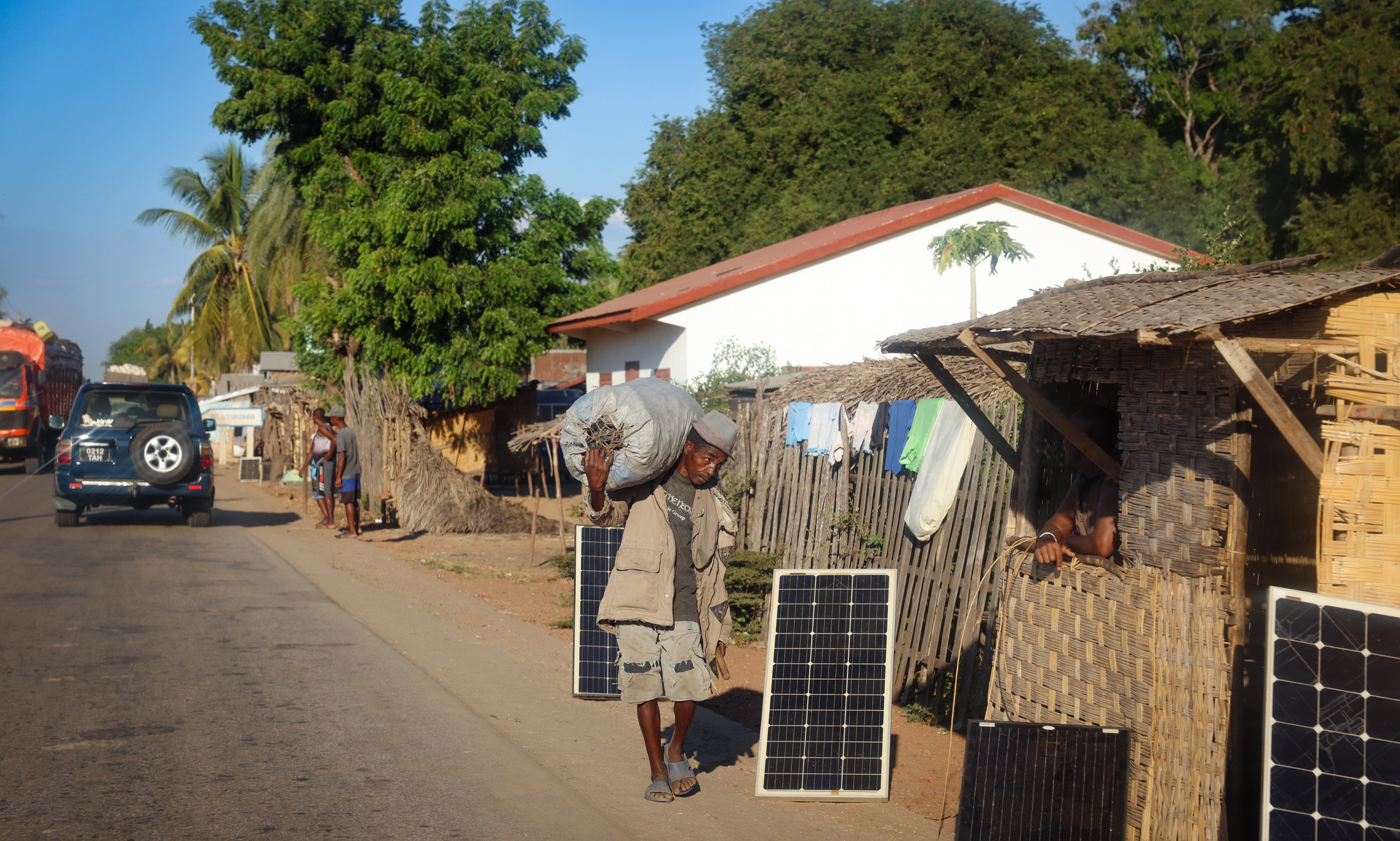
NRGI's report provides insights into the equity and development challenges that oil, gas and mineral-rich countries face as the world attempts to fight climate change, and offers inputs to define policies, practices and tools that can help address such challenges and promote a just, people-powered energy transition. By suggesting the notion of a people-powered transition, the framework emphasizes the need for all people—with special focus on the most marginalized groups—to benefit from transition processes, avoiding the inequities of traditional development models and explicitly addressing the question of who benefits from a “just” outcome. A transition powered by people explicitly includes these groups and civil society as agents, and not simply as passive recipients of policies—although it recognizes that both people and nature need to be at its core.
The text is the product of a research process undertaken by NRGI, based on:
- A review of relevant academic literature
- Analysis of key global and regional organizations’ positions on a just transition, and
- The incorporation of initial lessons learned from NRGI and partners’ projects on the just transition, especially at country level.
The report has three sections. The first analyses the equity challenges that resource-rich countries face. The second describes equity concerns linked to asymmetrical power relations at international level. The third section explains the evolution of the notion of a just transition and different approaches related to it, and proposes a framework for people-powered energy transitions in resource-rich contexts.
Just Transition in Oil-Producing Regions: Bringing Local Priorities to Global Climate Action (Climate Week NYC)
New York City, U.S.

NRGI convened an invitation-only roundtable with international and national civil society and philanthropic actors to explore actions to address just transition challenges in oil-producing regions. The discussion highlighted perspectives that are often underrepresented in global climate debates.
We are grateful to the Robertson Foundation for hosting this event.
Financing Africa’s Energy Future: Outcomes from Future of Energy Conference 2025

On 27 August 2025 our CEO, Suneeta Kaimal, delivered the keynote address on Day 2 of the Future of Energy Conference (FEC) 2025, where she discussed strategies for an inclusive and sustainable energy future in Africa.
This year’s theme, “Financing Africa’s Energy Future: Unlocking Investments for Energy Access and Economic Transformation” responds to the enduring challenges of energy poverty. Over 600 million Africans lack electricity and nearly a billion rely on traditional biomass for cooking.
Last month, at the fourth Financing for Development Conference in Seville, Kenya helped drive the launch of a bold new coalition, joined by Benin, Sierra Leone, Somalia and others. Together, they committed to taxing premium air travel to raise new, additional, and predictable flows of public finance for sustainable development.
If implemented globally, this measure alone could raise more than $80 billion in revenue—not loans or aid—every year. To put this in perspective: the International Energy Agency (IEA) estimates that achieving universal access to modern energy in Africa requires only $25 billion each year.
At first glance, this is just another tax. But it is far more significant. It represents the kind of financial innovation that African leaders can replicate, scale up, and channel to unlock energy access and economic transformations for Africa.
The challenge of this moment
Let me step back for a moment to explain “why” we need such innovation now, more than ever.
$500 billion. $500 billion, along with related infrastructure spending, is the estimated cost for sub-Saharan Africa to close the energy poverty gap and transition its energy system to a sustainable basis. $500billion. That is a stunning figure.
By contrast, in 2023, financing for clean and renewable energy in all developing countries, not just sub-Saharan Africa, reached only $22 billion. Think about that. $500 billion needed for sub-Saharan Africa alone, $22 billion available for all developing countries.
Just a year ago, many still believed that bridging this massive financing gap might be achieved through “blended finance”. Blended finance is the idea that we use relatively small amounts of public finance to de-risk and leverage much larger flows of private investment. That was how the EU and the US managed to recover from the 2008 financial crisis.
The promise of this “billions to trillions” narrative was that if African governments covered the risks and offered something like 9 percent yields on bonds intended to drive energy transition investments, then private investors would come flooding in. Multiplying public money by ten, a hundred, even a thousand times.
But actual results show that the “billions to trillions” idea is an illusion. The Blended Finance Task Force found that, rather than multipliers of ten, 100, or 1,000, the results are closer to 0.3, which means that every dollar in public money brings only 30 cents in private finance.
If you combine that reality with plummeting international development assistance levels and the constant chaos of tariff wars, one thing is clear: the rules of this game will not address Africa’s needs to finance energy access and sustainable development.
So, the challenge Ben Boakye, the Executive Director of ACEP, put to us yesterday is the right one: how do we innovate to meet the rightful expectations and aspirations for energy access of the next generation— those in this room and beyond. If as the keynote speaker, you thought I would have the answers, sorry to disappoint. I’m counting on all of you for that.
But building on NRGI’s work with partners in government, and in civil society around the world, I’ll share some insights into what must change to enable lasting, innovative financing solutions.

Strategic, inclusive just energy transitions
Successful financing starts with a strategic, inclusive vision for just energy transitions. There is no single path for defining the energy and economic futures of countries. We need context-specific solutions that are aligned with the country’s development ambitions and reflect the voices and needs of different populations.
Here in Ghana and in Nigeria, we have collaborated with partners to launch national dialogues, ensuring that energy transition plans align with public priorities. In Ghana’s oil-producing regions, we have engaged with communities to amplify the concerns of fisherfolk, women, and youth.
In Senegal, we trained civil society partners to understand and engage with public consultations on the Just Energy Transition Partnership, and to raise concerns about energy access and equity.
Building such strategic, inclusive visions ensures that the financing that is raised is directed towards the needs and ambitions of the people and their national development plans.
Changing the color of money
The second change needed is the color of the money.
Even promising initiatives like Senegal’s Just Energy Transition Partnership risk pushing countries further into the debt trap. Of the financing pledged for the JETP, only 6.6 percent is in grants. More than 80 percent is structured as loans. Instead of creating fiscal space for investments in rural electrification or retraining workers, it risks adding pressure to unsustainable debt.
Governments across Africa spend nearly 17 percent of their revenues on debt service—the highest of any developing region. Over half of Africans now live in countries that spend more on debt than on health or education.
New lending models are needed to mobilize private capital. But these must offer African nations fair interest rates that recognize their growth trajectories and avoid overburdening public budgets. They must also be paired with technical and technological support for renewables, addressing barriers to licensing and intellectual property.
Reinvigorating domestic resource mobilization
Finally, we must reinvigorate domestic resource mobilization, the primary engine of sustainable development financing.
Africa holds immense resources – including 30 percent of the world’s transition mineral reserves. African countries can leverage the global demand for minerals for strategic bargaining to move up the value chain, diversify their economies and increase public resources.
Take Zambia. They have attracted European support for a planned cobalt refinery and to facilitate investment in an electricity interconnector between Zambia and Tanzania. That will reduce the impact of increasing drought risks on their hydro capacity.
Value addition like this is not feasible in all countries and contexts, but such regional collaboration can overcome constraints such as scale, supply of inputs, and small downstream markets, and help unlock more benefits from the mining sectors. In doing so, countries can move concertedly up the value chain, increasing domestic financing for just energy transitions and advancing renewable technologies at home.

The opportunity is now
Strategic, inclusive just transitions. Changing the color of the money. Reinvigorating domestic resource mobilization. These are not small asks— they require long-term, sustained, and concerted focus. The influence of rich, consumer countries still limits the scale of financing and compromises sovereignty over energy and resources. And rich countries must not be allowed to abdicate their roles and responsibilities.
But there are opportunities to shift the global conversation today. Or at least, next week at the Second Climate Week in Addis Ababa.
The UN climate regime has, for too long, been silent on the issue of minerals that are critical to delivering just transitions. The UN Secretary General himself said: “The race to net zero cannot trample over the poor.” As a member of the UN Panel on Critical Energy Transition Minerals, I and many others pushed hard for principles and actions for a new mining paradigm to guide the renewables revolution toward justice.
At the Second Climate Week in Addis next week, we have an opportunity to elevate the issue of minerals governance onto the UN Climate agenda through the Just Transition Work Program. Join us at the Africa Climate Summit and on the road to COP 30 to issue a strong, united call for multilateral action and outcomes that center the needs and ambitions of Africans for improved transition mineral governance, just energy transitions and fair financing.
The Seville coalition showed that African leaders are already bringing practical, innovative ideas to the table. They must now be resolute in forging their own paths as the aid paradigm crumbles. By bringing the political will and ambition to scale, replicate and channel innovative sources of finance to energy transition priorities, we can ensure that bold ideas lead to real progress and that real progress leads to economic and energy transformation for all Africans.
Future of Energy Conference 2025
Accra, Ghana
Our CEO, Suneeta Kaimal, delivered the keynote address on Day 2 of the Future of Energy Conference (FEC) 2025, where she discussed strategies for an inclusive and sustainable energy future in Africa.
This year’s theme, “Financing Africa’s Energy Future: Unlocking Investments for Energy Access and Economic Transformation,” responds to the enduring challenges of energy poverty. Over 600 million Africans lack electricity and nearly a billion rely on traditional biomass for cooking.
Full transcript:
Thank you to Ben and Charles for hosting us and for the opportunity to be here with distinguished colleagues, partners, and friends from around the world. I would like to extend a special welcome to the participants in the NRGI-ACEP 2025 Summer School on the Governance of Extractive Industries. You are the next generation of leaders whose ideas and innovations will shape Africa’s energy future. If you will please stand for a moment of recognition.
Last month, at the fourth Financing for Development Conference in Seville, Kenya helped drive the launch of a bold new coalition, joined by Benin, Sierra Leone, Somalia and others. Together, they committed to taxing premium air travel to raise new, additional, and predictable flows of public finance for sustainable development.
If implemented globally, this measure alone could raise more than $80 billion in revenue—not loans or aid—every year. To put this in perspective: the International Energy Agency (IEA) estimates that achieving universal access to modern energy in Africa requires only $25 billion each year.
At first glance, this is just another tax. But it is far more significant. It represents the kind of financial innovation that African leaders can replicate, scale up, and channel to unlock energy access and economic transformations for Africa.
The challenge of this moment
Let me step back for a moment to explain “why” we need such innovation now, more than ever.
$500 billion. $500 billion, along with related infrastructure spending, is the estimated cost for sub-Saharan Africa to close the energy poverty gap and transition its energy system to a sustainable basis. $500billion. That is a stunning figure.
By contrast, in 2023, financing for clean and renewable energy in all developing countries, not just sub-Saharan Africa, reached only $22 billion. Think about that. $500 billion needed for sub-Saharan Africa alone, $22 billion available for all developing countries.
Just a year ago, many still believed that bridging this massive financing gap might be achieved through “blended finance”. Blended finance is the idea that we use relatively small amounts of public finance to de-risk and leverage much larger flows of private investment. That was how the EU and the US managed to recover from the 2008 financial crisis.
The promise of this “billions to trillions” narrative was that if African governments covered the risks and offered something like 9 percent yields on bonds intended to drive energy transition investments, then private investors would come flooding in. Multiplying public money by ten, a hundred, even a thousand times.
But actual results show that the “billions to trillions” idea is an illusion. The Blended Finance Task Force found that, rather than multipliers of ten, 100, or 1,000, the results are closer to 0.3, which means that every dollar in public money brings only 30 cents in private finance.
If you combine that reality with plummeting international development assistance levels and the constant chaos of tariff wars, one thing is clear: the rules of this game will not address Africa’s needs to finance energy access and sustainable development.
So, the challenge Ben Boakye, the Executive Director of ACEP, put to us yesterday is the right one: how do we innovate to meet the rightful expectations and aspirations for energy access of the next generation— those in this room and beyond. If as the keynote speaker, you thought I would have the answers, sorry to disappoint. I’m counting on all of you for that.
But building on NRGI’s work with partners in government, and in civil society around the world, I’ll share some insights into what must change to enable lasting, innovative financing solutions.
Strategic, inclusive just energy transitions
Successful financing starts with a strategic, inclusive vision for just energy transitions. There is no single path for defining the energy and economic futures of countries. We need context-specific solutions that are aligned with the country’s development ambitions and reflect the voices and needs of different populations.
Here in Ghana and in Nigeria, we have collaborated with partners to launch national dialogues, ensuring that energy transition plans align with public priorities. In Ghana’s oil-producing regions, we have engaged with communities to amplify the concerns of fisherfolk, women, and youth.
In Senegal, we trained civil society partners to understand and engage with public consultations on the Just Energy Transition Partnership, and to raise concerns about energy access and equity.
Building such strategic, inclusive visions ensures that the financing that is raised is directed towards the needs and ambitions of the people and their national development plans.
Changing the color of money
The second change needed is the color of the money.
Even promising initiatives like Senegal’s Just Energy Transition Partnership risk pushing countries further into the debt trap. Of the financing pledged for the JETP, only 6.6 percent is in grants. More than 80 percent is structured as loans. Instead of creating fiscal space for investments in rural electrification or retraining workers, it risks adding pressure to unsustainable debt.
Governments across Africa spend nearly 17 percent of their revenues on debt service—the highest of any developing region. Over half of Africans now live in countries that spend more on debt than on health or education.
New lending models are needed to mobilize private capital. But these must offer African nations fair interest rates that recognize their growth trajectories and avoid overburdening public budgets. They must also be paired with technical and technological support for renewables, addressing barriers to licensing and intellectual property.
Reinvigorating domestic resource mobilization
Finally, we must reinvigorate domestic resource mobilization, the primary engine of sustainable development financing.
Africa holds immense resources – including 30 percent of the world’s transition mineral reserves. African countries can leverage the global demand for minerals for strategic bargaining to move up the value chain, diversify their economies and increase public resources.
Take Zambia. They have attracted European support for a planned cobalt refinery and to facilitate investment in an electricity interconnector between Zambia and Tanzania. That will reduce the impact of increasing drought risks on their hydro capacity.
Value addition like this is not feasible in all countries and contexts, but such regional collaboration can overcome constraints such as scale, supply of inputs, and small downstream markets, and help unlock more benefits from the mining sectors. In doing so, countries can move concertedly up the value chain, increasing domestic financing for just energy transitions and advancing renewable technologies at home.
The opportunity is now
Strategic, inclusive just transitions. Changing the color of the money. Reinvigorating domestic resource mobilization. These are not small asks— they require long-term, sustained, and concerted focus. The influence of rich, consumer countries still limits the scale of financing and compromises sovereignty over energy and resources. And rich countries must not be allowed to abdicate their roles and responsibilities.
But there are opportunities to shift the global conversation today. Or at least, next week at the Second Climate Week in Addis Ababa.
The UN climate regime has, for too long, been silent on the issue of minerals that are critical to delivering just transitions. The UN Secretary General himself said: “The race to net zero cannot trample over the poor.” As a member of the UN Panel on Critical Energy Transition Minerals, I and many others pushed hard for principles and actions for a new mining paradigm to guide the renewables revolution toward justice.
At the Second Climate Week in Addis next week, we have an opportunity to elevate the issue of minerals governance onto the UN Climate agenda through the Just Transition Work Program. Join us at the Africa Climate Summit and on the road to COP 30 to issue a strong, united call for multilateral action and outcomes that center the needs and ambitions of Africans for improved transition mineral governance, just energy transitions and fair financing.
The Seville coalition showed that African leaders are already bringing practical, innovative ideas to the table. They must now be resolute in forging their own paths as the aid paradigm crumbles. By bringing the political will and ambition to scale, replicate and channel innovative sources of finance to energy transition priorities, we can ensure that bold ideas lead to real progress and that real progress leads to economic and energy transformation for all Africans.

Keynote at FEC 2025

Suneeta Kaimal
President and Chief Executive Officer, NRGI Governing Board ex officio
‘This Moment Counts for Reinvention and Resilience, Not Retreat’: Anticorruption Priorities in Mining

By its very nature, the fight against corruption is a difficult task. Those who engage in corrupt practices often wield significant power, using it to silence or intimidate those who seek change. But giving up the fight against corruption is not an option if we want to build a fairer future, and high risks surrounding transition minerals poses a major challenge to a just energy transition. Working together is essential to counter the growing challenges anticorruption actors face, especially in an increasingly hostile political climate.
NRGI recently hosted a webinar to launch its report Ten Red Flags for Corruption Risk in Transition Minerals Licensing and Contracting. During the event, we heard from civil society actors, law enforcement officials, investigative journalists and members of the investor community about the corruption they encounter in their work, and how best to tackle it. Three key themes emerged:
- Collaboration is key: As political commitment to anticorruption and sustainability falters, the need to work collaboratively, and better understand the role of markets and actors with financial leverage in driving change, is crucial.
- Broadening our definition of corruption: We need to ensure we pay more attention to state capture, and the gap between those who benefit from the energy transition and those who suffer its impacts.
- Protecting civic space is urgent: All actors must step up to protect civic space and fundamental freedoms, which are under perilous threat in many countries where minerals are extracted.
Read final reflections below from our panellists on what they consider the most important changes needed to tackle corruption in the mining sector, and to stay motivated despite difficult headwinds.
Ketakandriana Rafitoson, Executive Director of Publish What You Pay
‘Backsliding on the FCPA and sustainability regulations is sending the message to companies that they can prioritize profit over people. But there are pillars of anticorruption standards left standing, such as the UN Convention Against Corruption, which should be updated to include considerations around the extractive industries. This is essential to protect future generations, who will be the ultimate losers of this backsliding. That is who we must keep fighting for. It isn’t an easy fight, but we need to keep advocating for strong transparency and anticorruption measures in licensing and contracting processes.
And civil society needs to be smart, we need to engage more with investors and financial institutions to ensure that they apply responsible business practices and conduct rigorous due diligence. While the loss of U.S. leadership is a setback, civil society has never relied solely on one country or funding stream to drive change. The response must be to adapt, strengthen regional coordination, and find new avenues for accountability in an increasingly hostile landscape. This moment counts for reinvention and resilience, not retreat.’
Dian Patria, KPK (Corruption Eradication Commission, Indonesia)
‘When we talk about corruption in mining we have to think about two things. We need to talk about corruption in the form of state capture, and corruption in the form of bribery. State capture is not easy to investigate because it is embedded in the way regulations are made, so this is the biggest challenge for us. But when we talk about corruption in mining, we need to make sure that we are not only considering bribery. In Indonesia there have been concerning regulatory developments, and we need to look more closely at these as at risk of state capture. For example, universities and religious institutions are now able to acquire mining permits. Another example is that there is no non-tax revenue for cobalt in Indonesia, unlike nickel.
For me, market and public pressure are a key part of the answer to this problem, as is ensuring that only legally mined minerals can be sold on the market. This is an area where global action is needed, because it can help generate the political will needed for change within mineral producing countries.’
Léa Peruchon, Forbidden Stories
‘Today, two thirds of the world’s natural resources are extracted in countries where press freedom is in very serious danger, such as Iran, China, Iraq, Saudi Arabia, and DRC. We need more access to information, more reporting, and more cross-border collaborations.’
Dr Stephen Barrie, Church of England Pensions Board
‘Transparency in the mining sector is a means rather than an end in itself; its usefulness relies on disclosures being analyzed, used, interrogated and for that to be done broadly by all parts of civil society, as well as investors and companies themselves. Related to this, it is important for investors to recognize that we have responsibilities and opportunities to set robust expectations and standards on responsible business conduct. We have an interest in protecting civic space, in addressing corruption and in supporting flourishing civil society more broadly, connected to our investments. These are two connected points that the investor community can take forward to support anticorruption efforts in this space.’
Aaron Sayne, NRGI
‘My point may seem big picture but I think it is important to make: we need to reinvigorate and broaden what we mean by corruption. Right now, we can see all sorts of actors – governments, companies, investors, courts, some media and donors – describing corruption very narrowly. Essentially, they describe it as financial crime or bribery and treat it as a sort of passe topic. But I think we need to push back against that, especially in the transition minerals space, and ask more broadly: who is this transition really for? Who really benefits? And who bears most of the cost? If the gap between those two groups is too broad, that is itself strong evidence of corruption. Because it shows that entrusted public power is being abused for private gain. We should think about it like that, and talk about it like that, even if we can’t prove that some crime happened.’
Watch the full webinar for more insights from our panelists:
Indonesia’s Energy Transition Ambitions: Nickel Downstreaming and Beyond

As the global demand for clean energy technologies rises, nickel—and other critical transition minerals—has become central to Indonesia's economic strategy. The country is leveraging its significant nickel reserves, key for electric vehicle (EV) batteries and stainless-steel production, to secure a growing share of the global market.
This economic success story, promoted by the Indonesian government and showcased in various media outlets, has contributed to the country’s overall economic growth, which remains at about 5 percent in 2024, and to growth in nickel-producing regions. For instance, North Maluku has been the best performing province, with an average economic growth of 20.1 percent from 2021 to 2023, driven largely by the nickel industry. Central Sulawesi, the second-best performing province, has similarly benefited from the nickel industry. Building on the successes of his predecessor, President Joko Widodo, the newly elected President Prabowo Subianto plans to further strengthen policies promoting exploitation and value addition of transition minerals, including through a possible revision of the mining law.
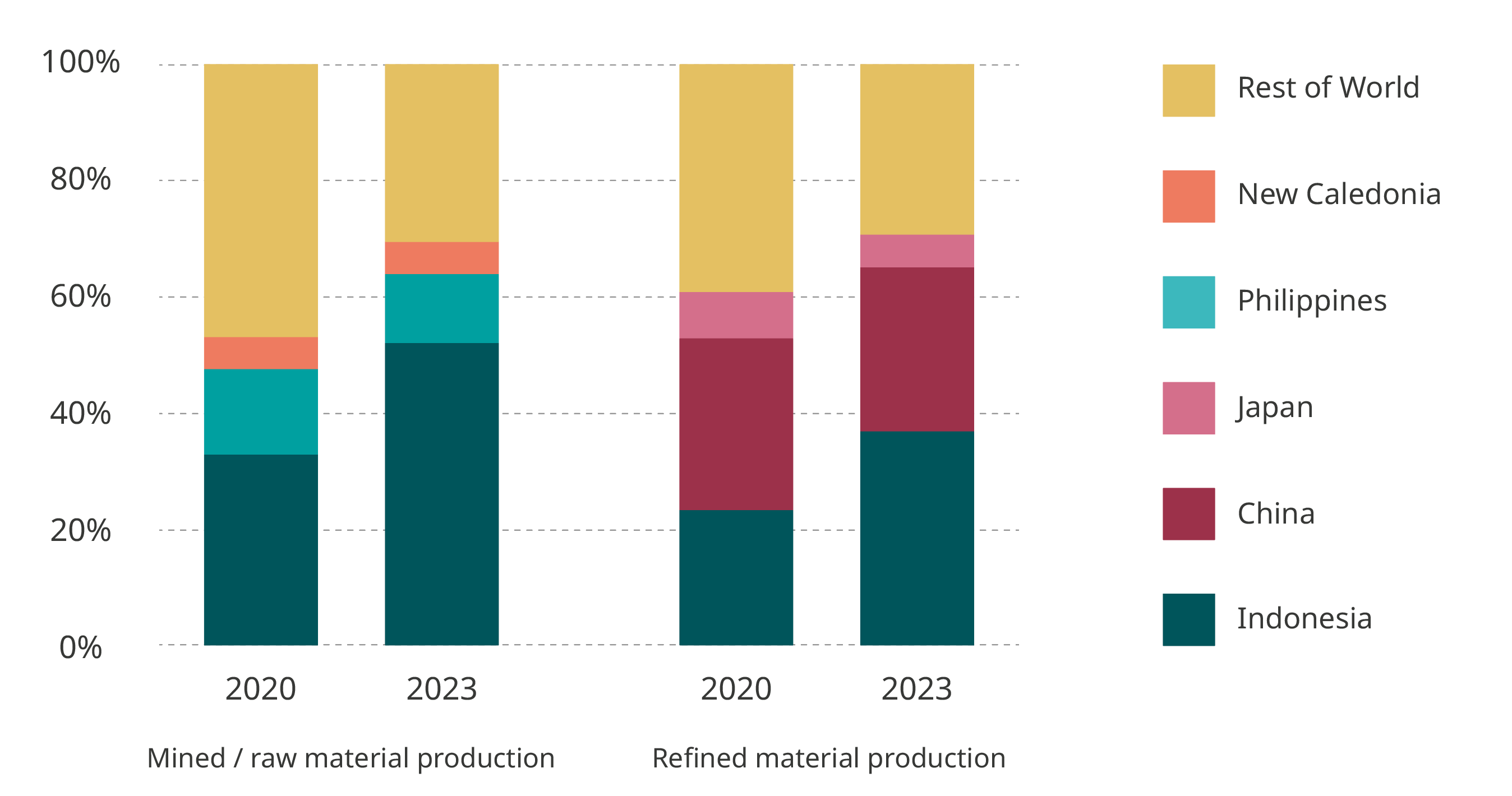
However, significant questions remain about how this growth will contribute to sustainable development outcomes for Indonesians, particularly in tackling poverty, unemployment and inequality in mining regions. Additionally, concerns around the socio-environmental impacts and the corruption risks associated with both mining and value addition continue to pose significant challenges. At a macroeconomic level, there is a rich debate on the role of mining and mineral value addition in a broader national strategy for economic diversification and broad-based economic development.
The world’s attention is increasingly focused on how Indonesia will tackle the next phases of its transition minerals story. Researchers and officials from a wide range of countries are looking to learn from Indonesia’s nickel story. At a recent NRGI-organized gathering at the Rockefeller Bellagio Center, leading thinkers from Africa, Asia and Latin America discussed innovations in the transition minerals space and options to implement recommendations from the UN Secretary-General’s Panel on Critical Energy Transition Minerals. However, some analysts have expressed skepticism about the viability of the government’s stated ambitions to further advance downstreaming— which include achieving full coverage of the EV nickel battery value chain in Indonesia, producing EVs in Indonesia and expanding downstreaming to other minerals and sectors in coming years. These differing perspectives underscore the ongoing clash of narratives around mining and value addition ambitions in Indonesia.
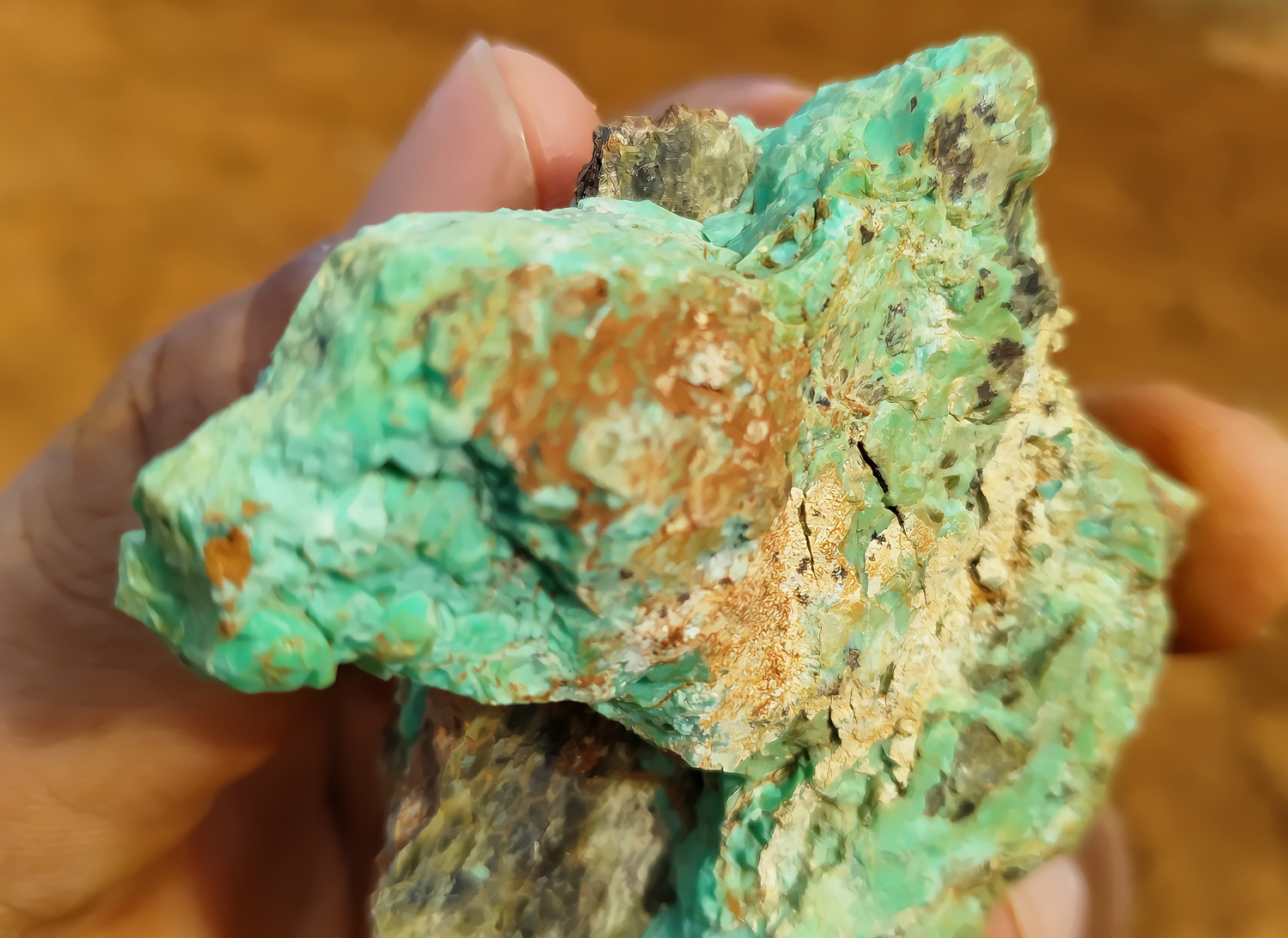
On 10-11 December 2024, NRGI, in collaboration with ViriyaENB, gathered more than 30 Indonesian experts to discuss how Indonesian citizens can further benefit from opportunities related to their country’s transition minerals wealth. The workshop focused on how to think through key governance challenges around Indonesian transition minerals, with NRGI experts contributing international experience and perspectives. This event marked a significant step in NRGI’s reengagement in Indonesia, which started in 2024. NRGI’s renewed engagement is part of its global priority to support the fair and sustainable management of the global race for transition minerals, including through successful value addition and equitable development policies.
The discussions at the workshop revealed several key present and future issues of relevance to the country’s transition minerals: the need to move beyond polarized narratives of downstreaming; the impact of technology and geopolitical uncertainty on the window of opportunity; the necessary ambition to improve environmental, social and governance (ESG) performance; and the importance to connect and bridge the gaps between Indonesian stakeholders.
Downstreaming: Moving beyond polarized narratives
Workshop participants discussed how views on Indonesia’s nickel downstreaming risk becoming polarizing—either focusing too heavily on “success” (e.g., growth in production and government revenues, progress along the nickel battery value chain) or on “failure” (e.g., social and environmental impacts, inequitable sharing of benefits). They noted that this lack of nuance can hinder constructive dialogue and improvements. A recurring theme was the need for better metrics for evaluating downstreaming policies beyond production and revenues. Participants highlighted the importance of building on existing research that analyzes both benefits and costs, helping understand how much value addition policies are benefiting Indonesians, particularly those living in mining-affected areas.
On the benefits side, participants indicated that metrics should include the issue of equitable distribution (e.g., at the subnational provincial and regency level) and various kinds of benefits (e.g., not just growth in production, revenues or GDP, but also the impact on unemployment and poverty reduction). Such metrics would also need to measure the tradeoffs that can result from downstreaming growth (e.g., negative impacts in the agriculture sector and agrarian conflicts, deforestation, pollution and emissions, etc.). Developing such metrics and integrating them more consistently into policy discourse was viewed by participants as particularly useful and timely given the new Indonesian government’s stated aim to continue and extend the downstreaming approach as referenced above.
These discussions aligned largely with NRGI’s recent briefing Six Keys to Unlocking Equitable Value Addition in Mining (now available in Bahasa Indonesia). The briefing emphasizes that governments need to set clear goals around their value addition strategies, analyze trade-offs and costs —not just benefits—and implement these strategies transparently to enable assessment by citizens and continuous improvement.
Window of opportunity: Impact of technological and geopolitical uncertainty
Participants expressed interest in deeper research and public discourse around the impact of various market and geopolitical scenarios. Indonesia’s nickel progress has been shaped by contextual factors such as rising global demand for nickel in clean energy applications like EV batteries. However, battery technologies are constantly evolving, with factors ranging from price and performance to supply and reputational risks (e.g., concerns around child labor and human rights in the sourcing of cobalt from the Democratic Republic of Congo or emissions and deforestation around nickel in Indonesia).
One issue raised was whether the window of opportunity for Indonesia’s nickel downstreaming is shrinking due to the projected growing market share of lithium iron phosphate (LFP) batteries, at the expense of nickel-based batteries (NMC). The government is aware of this challenge and is taking steps to mitigate it, including by managing nickel supplies to balance government revenues in the short term and lowering NMC battery costs to extend their viability.
Geopolitical tensions, particularly the potential for a U.S.-China trade war, were also discussed as a potential significant obstacle to Indonesia’s downstreaming ambitions. Chinese companies are major nickel mine owners in Indonesia, with around 40 percent of production, while Indonesian companies account for just 10 percent. Government industrial policies have also pushed Chinese investors to expand from nickel mining to refining, but this substantial involvement means rising trade tensions between the U.S. and China could be a barrier for Indonesian nickel reaching American markets—especially given how provisions in U.S. legislation discourage the use of minerals tied to Chinese companies. While geopolitical competition could attract more non-Chinese investment, the change in U.S. administrations have reduced the likelihood of a U.S.-Indonesia free trade agreement that could be catalytic for such investments.
ESG: Ambition to improve performance
The workshop also focused on how Indonesia can enhance its ESG performance in the mining sector. Participants emphasized that the current polarized environment means that civil society often has to raise issues by “shouting” to get attention on serious social and environmental, as well as governance and corruption concerns.
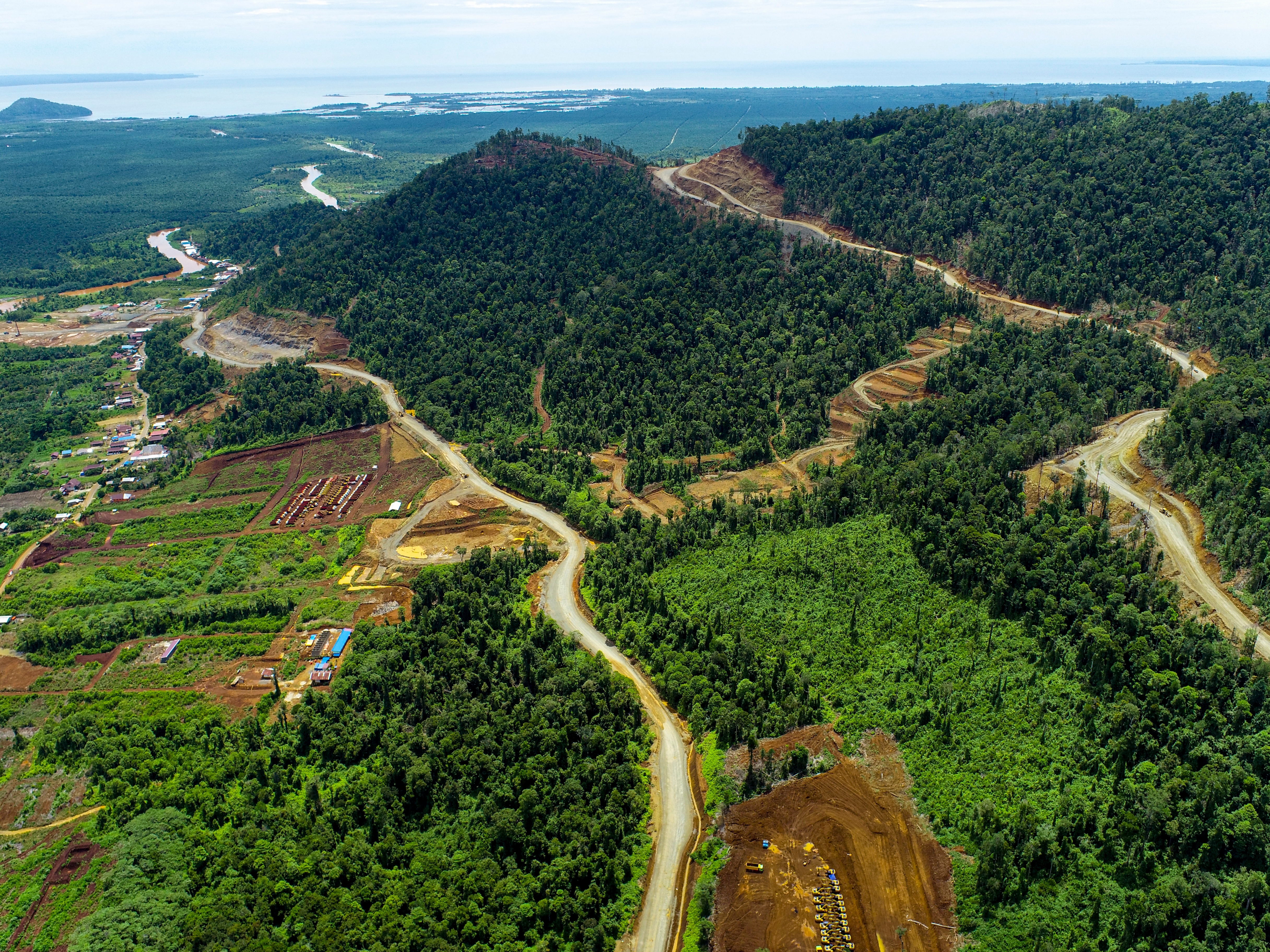
For example, corruption in mineral licensing—both upstream and downstream—is a significant barrier to equitable development in transition minerals supply chains globally, and Indonesia is no exception. This can significantly impact the success of downstreaming efforts. Workshop participants focused on ways to reduce corruption risks, emphasizing the risks around strong ties between politicians and the mining industry, and the lack of serious anticorruption commitments from many mining companies. Transparency International-Indonesia recently assessed 121 mining companies and found an average anti-corruption compliance score of only 0.31 out of 10, with only 6 companies having clear anticorruption policies.
Participants discussed initiatives launched by the government to improve ESG performance. The PROPER standard, managed by the Ministry of Environment and Forestry (KLHK), assesses company performance in environmental management. Separately, the Indonesia Sustainable Finance Taxonomy, previously the Indonesia Green Taxonomy, was also developed through an interministerial effort. Meanwhile, the SIMBARA system, managed jointly by the Ministry of Energy and Mineral Resources, the Ministry of Transportation, the Ministry of Industry and the Ministry of Trade and Ministry of Finance, was designed to strengthen commodities traceability. Initially used for coal, SIMBARA now also applies to nickel, and is expected to expand to more minerals.
Participants expressed cautious optimism about the potential of these initiatives to meet the growing demand for improved ESG in Indonesia, driven in parts by concerns from affected communities near mine sites. However, they still need to prove their effectiveness. These efforts could build on Indonesia’s commitment to the EITI (Extractive Industries Transparency Initiative), which includes a pilot community engagement in Morowali to ensure a just transition. Government-led initiatives could also learn from market-driven global standards like IRMA (Initiative for Responsible Mining Assurance), which is already gaining traction in Indonesia, with some companies committing to IRMA audits. These efforts can help encourage companies to adopt more responsible mining practices. The discussion also emphasized the need for Indonesian stakeholders to consider ESG standards within the global geopolitical context. As Western actors push for stronger ESG Standards, especially in competition with Chinese companies, Indonesian leaders must balance these dynamics while prioritizing the needs and rights of people.
Connection: Bridging the gaps between stakeholders
A key takeaway from the workshop was the need for stronger connections and collaboration between the diverse range of stakeholders involved in the governance of nickel, other transition minerals and processing. Participants highlighted that while Indonesian stakeholders have substantial expertise, collaboration is limited, impeding progress on equitable development. Deeper dialogue and coordination among various stakeholders is important, including among:
- Government entities (central and local), researchers, civil society and local communities.
- National and local actors, focused on national policy opportunities and risks at the local level near mining sites projects.
- Indonesian policy experts and geopolitics and global market analysts, to provide nuanced perspectives on ongoing reforms within the broader global context.
- Stakeholders working on equitable development in Indonesia and those focused on international mineral equity and governance initiatives.
- Experts on downstream products and markets (batteries, EVs)– and those focused on mining, to strengthen policy recommendations and connect mineral development with supply chain development and diversification.
The richness of the workshop underscored the depth of expertise in Indonesian civil society organizations, think tanks and academics on transition minerals. These voices must be amplified and included in policymaking to ensure that Indonesia’s people benefit from the opportunities provided by transition minerals while managing the associated risks.
Indonesia’s experience—both successes and challenges—can serve as a valuable model for other low- and middle-income mineral-producing countries as they develop and implement their own strategies to manage their transition minerals sustainably and equitably.