
Civic Space is Crucial for Resource Governance and the Energy Transition—But It’s Endangered

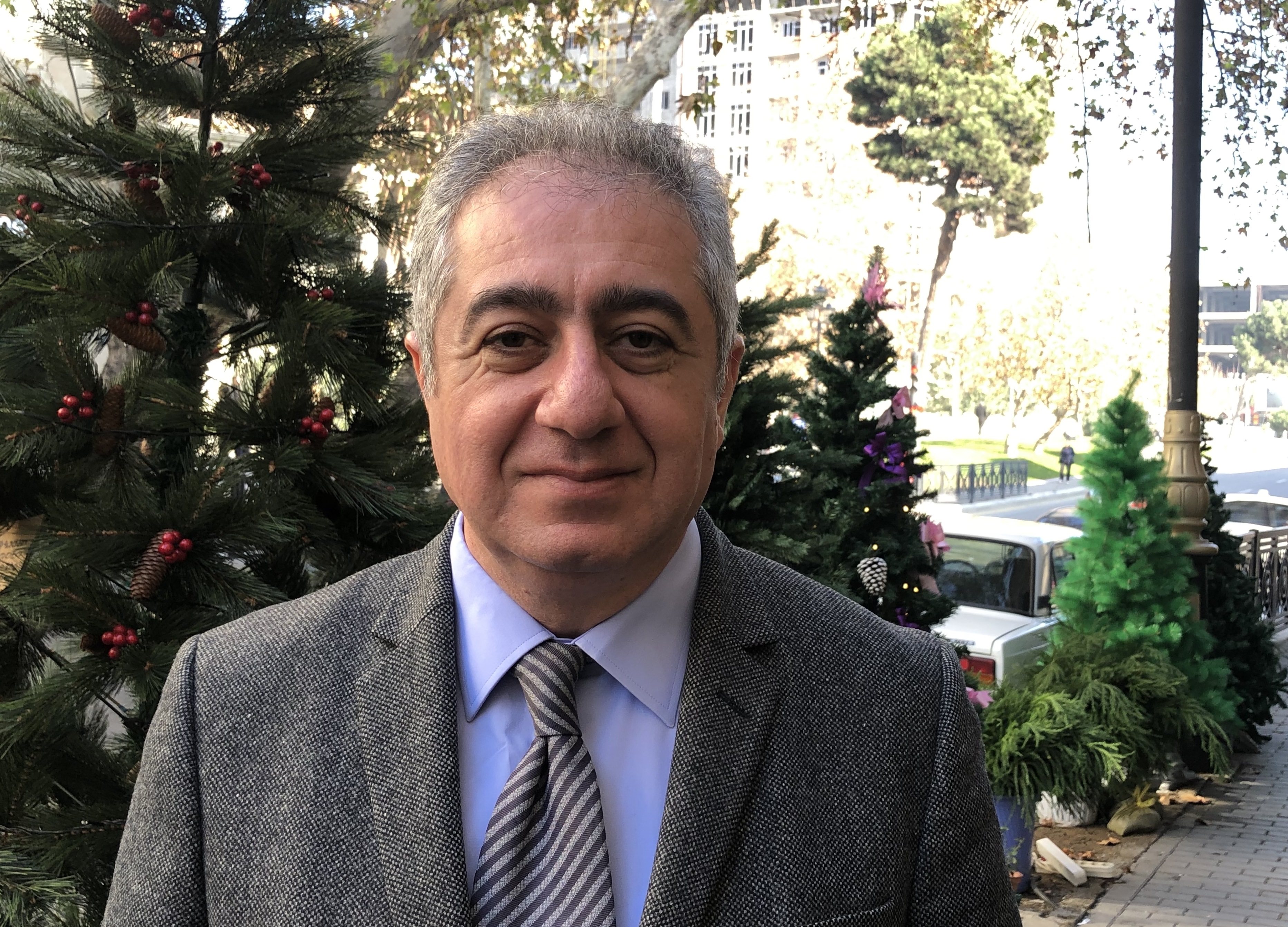
On 23 July 2023 Azerbaijani security forces violently detained scholar and political activist Gubad Ibadoghlu on fabricated charges of financial impropriety. Since then, authorities have attempted to connect him with an extremist religious group, charges that could carry a sentence of 12 years in jail. The likely reason for this persecution is Ibadoghlu’s work as an advocate for responsible natural resource governance and accountability in the Azerbaijani extractive industries.
Despite winning hosting rights for this year’s COP29 UN climate summit, Azerbaijan is no stranger to human rights abuses and censorship. The oil and gas industry dominates the country’s economy, bringing in around 90 percent of export revenues and 60 percent of the government’s budget, supporting a governing elite linked with corruption and authoritarianism. In this context, authorities have routinely quashed citizens’ efforts to bring meaningful public accountability to oil, gas and mining revenues, with the country notably withdrawing from the Extractive Industries Transparency Initiative (EITI) in 2017 after it failed to meet the initiative’s requirements on civil society engagement.
Civic space in danger
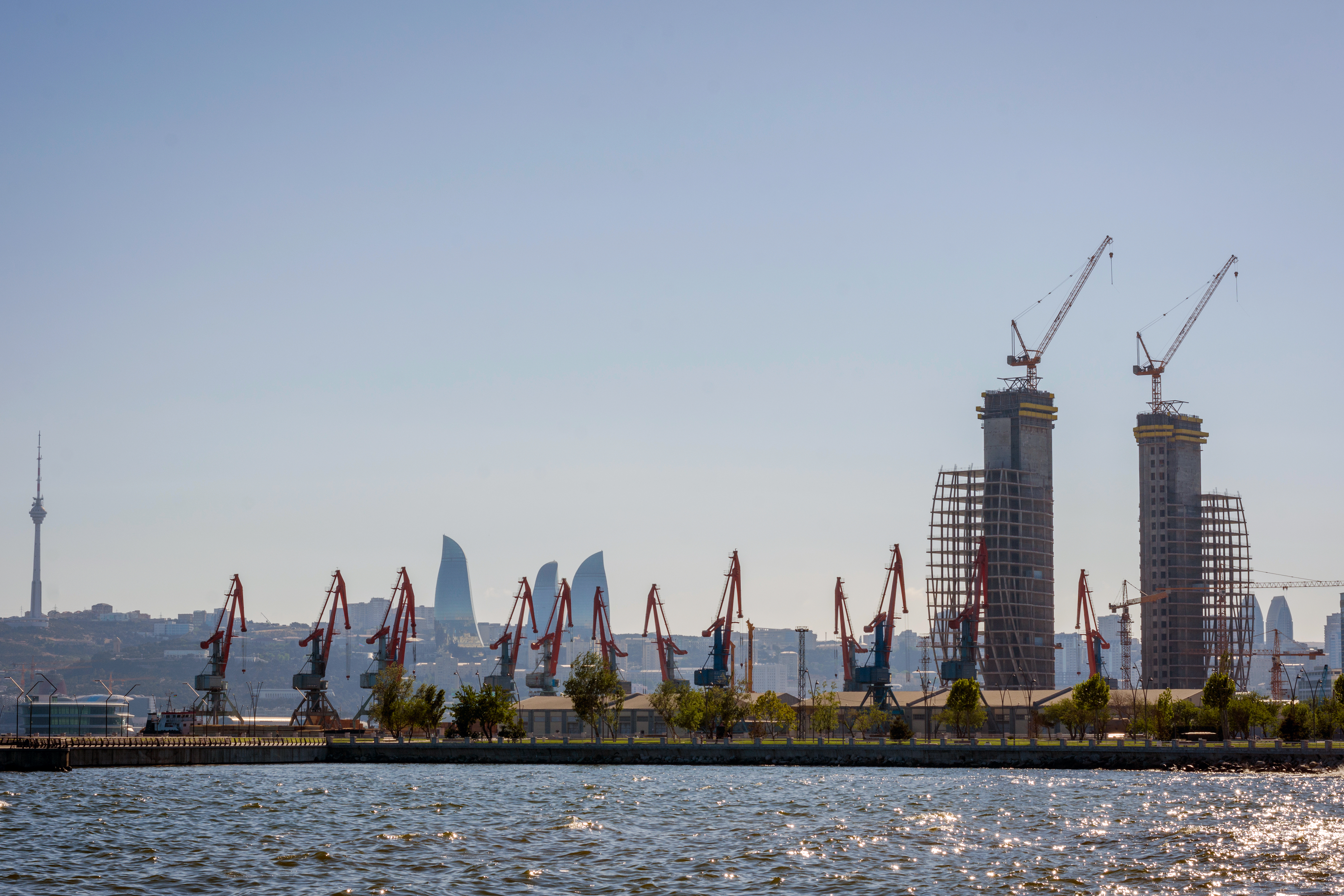
Unfortunately, Azerbaijan is not the only oil, gas or mineral producer where civic space—the environment that enables civil society to play a role in the political, economic and social life of a country—is under threat. Over the last 12 months, NRGI has tracked threats to civic space in the 57 countries that implement the EITI using reporting from the Business & Human Rights Resource Center, CIVICUS and the RSF Barometer. In the last year alone abuses against human rights defenders and journalists, or strategic lawsuits against public participation (SLAPPs), were recorded in 67 percent of EITI implementing countries (38 countries), with abuses directly linked to the extractive industries in 13 countries.
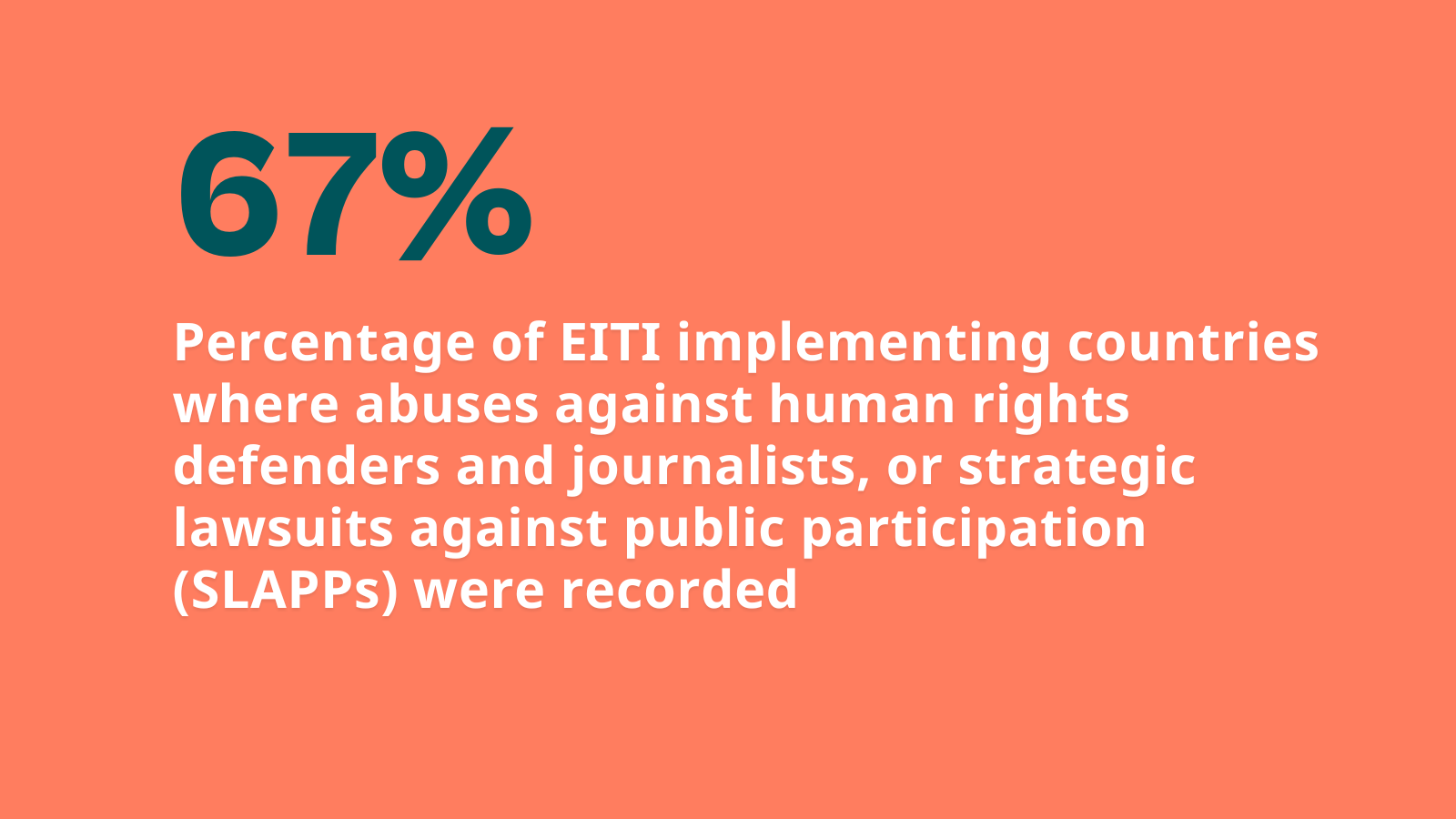
In Niger, authorities arbitrarily detained Abdoulaye Seydou and Adamou Idrissa, both members of the ROTAB/Publish What You Pay-Niger coalition, for their peaceful and legitimate defense of human rights. In the Philippines, radio broadcaster Cresenciano Bunduqui was shot dead outside his home after he had spoken out about a recent oil spill, illegal gambling and local political issues on his radio show. In Kazakhstan, community members reported that residents protesting a gold project were brutally dispersed by company security following environmental protests over a failed public hearing concerning the environmental impacts of the plant. In Mexico, human rights defenders Antonio Díaz Valencia and Ricardo Arturo Lagunes Gasca disappeared after engaging in community negotiations over the operations of the Las Encinas iron mine.
These incidents illustrate a broader trend. The 2023 CIVICUS Monitor scoring shows that the percentage of the world’s population living in countries with closed civic space is the highest since 2018 when CIVICUS started tracking civic space conditions, rising from 26 to 31 percent during this period.
Fertile ground for corruption
The ramifications of this kind of violence for public accountability are particularly troubling. Where citizens and journalists are afraid of what might happen if they speak out, they hold back from analyzing the extractive industries and publishing the facts. This provides cover for some elites and other unscrupulous actors to engage in corruption. It also means that mistakes and mismanagement in day-to-day extractive operations go unreported, increasing the likelihood of serious environmental and social impacts, and undermining the optimization of revenues and other benefits that extractive projects might bring.
Moreover, oppression that takes place alongside actual improvements in transparency (such as the data produced by EITI processes) adds the specter of “zombie transparency”—disclosures that produce a veneer of good governance but upon which no one takes action. In its most severe form, zombie transparency can undermine confidence in data and disclosure more broadly, playing into the hands of those who seek to divert financial flows from the extractive industries to suit their own personal agendas.
EITI fights back
For these reasons the EITI board established a civil society protocol in 2015. The protocol protects civic space by specifying criteria by which the EITI Board can assess whether civil society is able to adequately participate in a country’s EITI processes and express views related to natural resource governance. These include tests relating to the abilities of civil society actors: to express opinions without restraint or reprisal; to operate freely; to communicate and cooperate with each other; to be fully, actively and effectively engaged in all stages of the EITI process; and to access and contribute to public decision-making. These safeguards have sharp teeth, and the EITI board has suspended several countries from the initiative and rejected others’ applications to join in cases where countries’ civic space is closed.
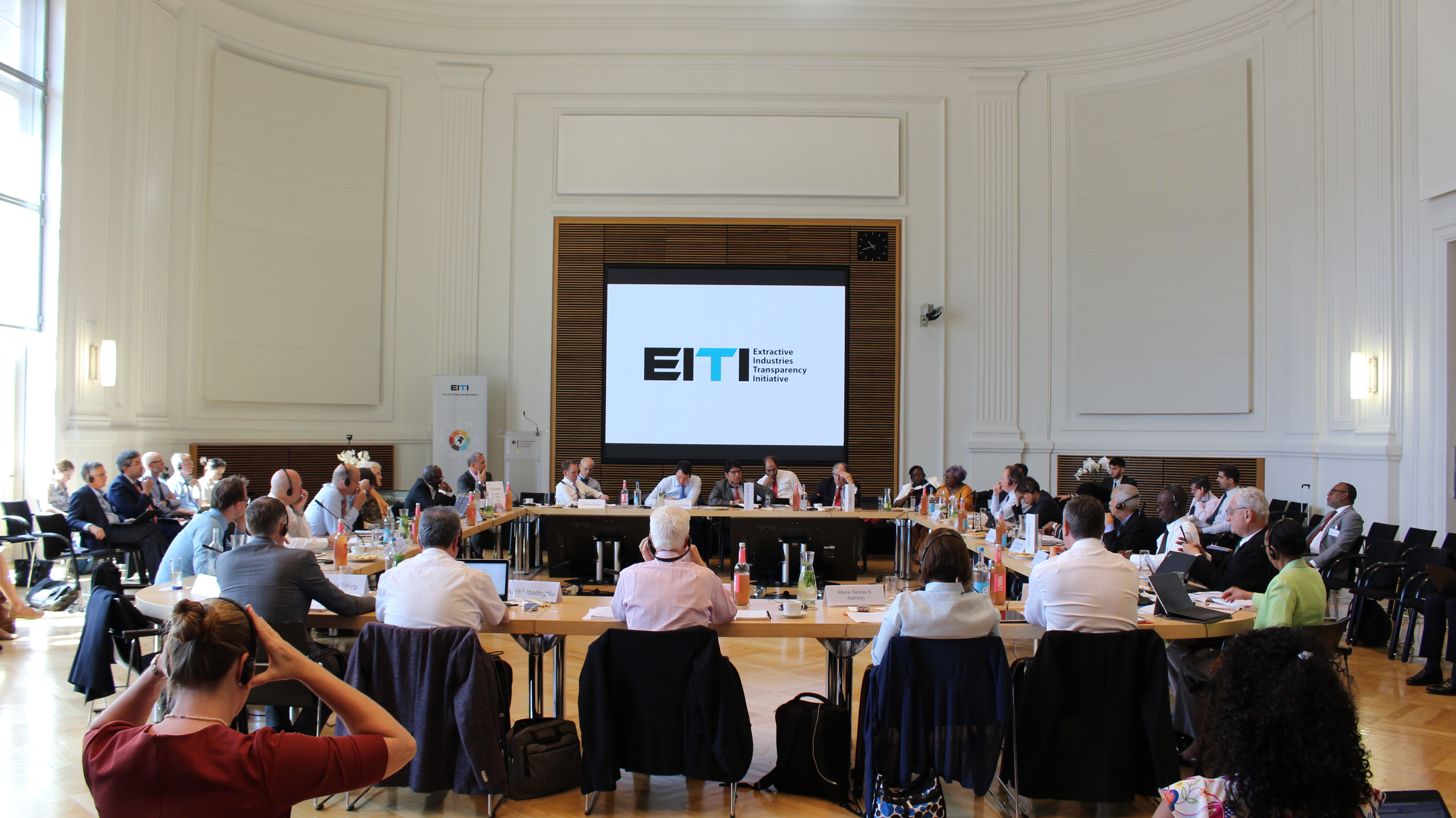
Further, in the latest update to the EITI standard in 2023, EITI members agreed that multistakeholder groups that govern national EITI processes should monitor adherence to the protocol. Speaking at the EITI global conference in Dakar last year, NRGI president and CEO Suneeta Kaimal welcomed this development, noting that “the EITI community can use this requirement to support multistakeholder groups to actively monitor civic space, amplify and address threats.”
The work ahead
Despite these advances within EITI, the situation remains bleak. In 2022 colleagues from NRGI, Publish What You Pay, Oxfam America, the International Center for Not-for-Profit Law and the Institute for Development Studies gathered to explore new strategies for protecting civic space. Unfortunately, two years later, many of the recommendations from that work still require implementation:
- The new EITI board, in place since June, should commit to more efficiently translating EITI standards into implementation; and to enforcing the standards it sets—even in tough cases.
- Bilateral and philanthropic funders should reinforce existing mechanisms for dialogue and participation where possible. Recent changes in donor priorities linked to the energy transition have resulted in an underfunding of efforts to ensure robust governance and good decision making. But these are more needed than ever as governments and companies make important strategic shifts based on changing global energy patterns.
- Extractive and energy companies should speak up and support the protection of civic space, which is key to positive economic outcomes.Investors should strengthen criteria related to civic space protection in their business decisions, and encourage companies and governments to ensure the protection of civic space as essential to environmental, social and governance (ESG) considerations and a positive investment climate.
- International financial institutions should make greater use of their lending power to call for action to support civic space.
Civic space is a necessary ingredient for public scrutiny and effective resource governance. If the citizens of producer countries are to benefit from their natural resources amid the energy transition, civic space must be protected.
How Anticorruption Actors Can Use the EITI Standard

In June 2023, the Extractive Industries Transparency Initiative (EITI) adopted the 2023 EITI Standard, which introduced significant new requirements that are either mandatory, expected or encouraged for implementing countries and companies, compared to the 2019 Standard
In particular, the Standard now includes several obligations aimed at bringing more information into the public domain to advance gender equality, a just energy transition and anticorruption efforts.
In 2021, building on an EITI-commissioned paper on the role of the EITI in fighting corruption, NRGI published two reports which showed how anticorruption actors could use EITI disclosures and spaces to advance their work, and recommended ways to strengthen the role and potential of the EITI for anticorruption purposes.
In this new guide, NRGI updates its guidance for anticorruption actors—such as civil society, journalists, EITI Multi-Stakeholder Groups (MSGs) and government enforcement agencies—by outlining how the innovations of the 2023 Standard may help advance their efforts.
Azerbaijan Must Release Gubad Ibadoglu
NRGI joins Human Rights Watch, the civil society constituency of the Extractive Industries Transparency Initiative board and other civil society organizations in calling for the immediate release of Gubad Ibadoglu from detention in Azerbaijan. Ibadoglu was a steadfast partner in NRGI’s past efforts to make Azerbaijan’s extractive industries more transparent, and to hold the government to account for the use of revenues from the oil sector.
The circumstances of Ibadoglu’s detention suggest that it is politically motivated. NRGI therefore calls on authorities in Azerbaijan to immediately release Ibadoglu and allow all Azerbaijani citizens to engage in open civic dialogue, including about the policies and actions of the country’s government.
The Resource Governance Index Drives Reform in Uganda

In 2021, NRGI published RGI assessment results for 18 countries including Uganda, where it assessed both the mining and oil and gas sectors.
The challenge
The RGI assessment revealed two significant challenges in Uganda’s extractive sector.
First was the absence of fiscal rules governing revenue withdrawals from the Petroleum Fund. Once Uganda begins oil production, the resulting revenues will be deposited into the Petroleum Fund, held at the Bank of Uganda. Withdrawals from the Petroleum Fund will flow to the Consolidated Fund (to finance infrastructure and development). The remaining balance will be transferred to the Petroleum Revenue Investment Reserve (a sovereign wealth fund) to be invested outside the country. Fiscal rules would set guidelines on how much can be transferred to the Consolidated Fund for budgetary spending and how much should be transferred to the sovereign wealth fund. Resource-rich countries without relevant fiscal rules risk that political pressure results in pro-cyclical budgetary spending, which increases or decreases with volatile oil prices. This in turn risks a scenario in which the government fails to save any revenues in the sovereign wealth fund.
Second, NRGI’s assessment highlighted the absence of laws requiring the disclosure of the identities of beneficial owners of extractive companies. Such laws enhance transparency and accountability and mitigate corruption. Without them, Ugandans cannot know who ultimately owns the companies that benefit from extraction, and some extractives companies may evade taxes payments or hide improper relationships with powerful decisionmakers.
With low scores of 55 and 49 (out of 100) in the mining and oil and gas sectors respectively, the RGI results highlighted the pressing need for reforms in Uganda’s extractive sector and the need for greater transparency and accountability to ensure that resource revenues benefit Ugandans.
NRGI’s role
In response to its findings, NRGI recommended several key reforms to the Ugandan government. Among them, NRGI suggested making the identity of beneficial owners of companies engaging in extractive projects publicly available and implementing robust numerical rules governing deposits to and withdrawals from the Petroleum Fund, as well as firm rules governing the investment of oil revenues.
By providing technical assistance and financial support, NRGI played a critical role in driving engagement for these reforms. Between February and June 2022, NRGI prioritized engagement with the Ugandan government to push for the implementation of these recommendations. NRGI staff also met with key stakeholders, including the Ministry of Finance, civil society organizations and media partners such as CSCO, ACME and CSBAG, to develop capacity on transparency and accountability, petroleum revenue management, beneficial ownership disclosure and fiscal rules.
Impact
NRGI’s engagement with the government of Uganda resulted in significant legal and institutional policy reforms. Following a series of strategic meetings between NRGI and the Ministry of Finance, Planning and Economic Development, and in collaboration with the International Monetary Fund, the government of Uganda adopted fiscal rules for petroleum revenue management. The rule adopted by parliament provided that: “A maximum of oil revenue worth 0.8% of the preceding year’s estimated non-oil GDP outturn shall be transferred to the Consolidated Fund for budget operations. The balance shall be transferred to the Petroleum Revenue Investment Reserve (PRIR) for investment in accordance with the Public Finance Management Act (2015) as amended.” (Objective 3 of the CFR 2021-2025).
NRGI’s engagement with the government of Uganda resulted in significant legal and institutional policy reforms.
In addition, following NRGI’s engagement with the Ministry of Energy and Mineral Development and the Uganda National Oil Company, the parliament amended Uganda’s Companies Act to include a requirement for companies, including those in the extractives sector, to disclose their beneficial owners. The successful implementation of these amendments could serve as a catalyst for addressing potential corruption and elite capture of Uganda’s extractive sector.
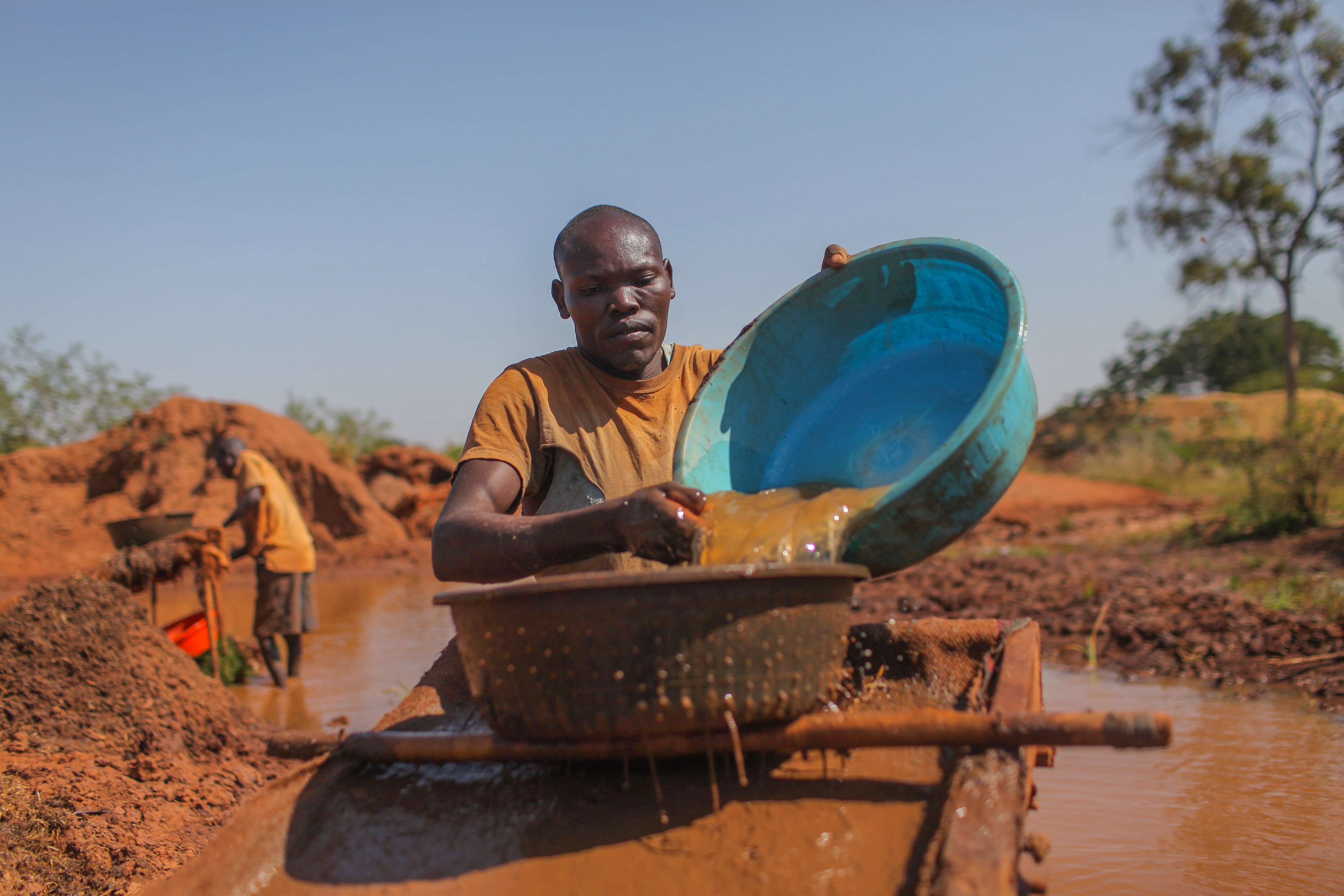
These reforms are timely, given that Uganda is undergoing a major extractive sector transition, with the government keen to unlock the sector’s potential while avoiding the “resource curse.” NRGI’s analysis provided policymakers and citizens with a measurable lens through which to understand trends in performance and gaps, enhancing transparency and accountability in the extractives sector.
NRGI will continue to engage civil society organizations and other stakeholders to enhance their understanding of the rationale and importance of fiscal rules to better hold the government to account and ensure that the government adheres to the beneficial ownership provisions in the Companies Act.
Grassroots Engagement in Tunisia’s Gafsa Region Leads to Increased Phosphate Production

The challenge
Phosphate is a critical mineral used primarily in fertilizers, with a growing role in green battery chemistry needed for the energy transition. The chemical has historically been a significant source of state revenues in Tunisia, making up 3.3 percent of GDP and 9 percent of national exports in 2010. Despite its wealth in phosphate, the basin where phosphate is mined in the southwestern Tunisian governorate of Gafsa, has not benefitted from the sector. Gafsa, home to more than 300,000 people, has one of the highest poverty and unemployment rates in Tunisia due in part to weak regional development plans for the area. Gafsa is ranked 22nd among the country’s 24 governorates in terms of regional development indicators in 2021. In addition, residents in Gafsa suffer the negative environmental impacts of phosphate production. These environmental impacts, coupled with the phosphate industry’s depletion of water resources, have also affected the region’s once-vibrant agricultural industry.
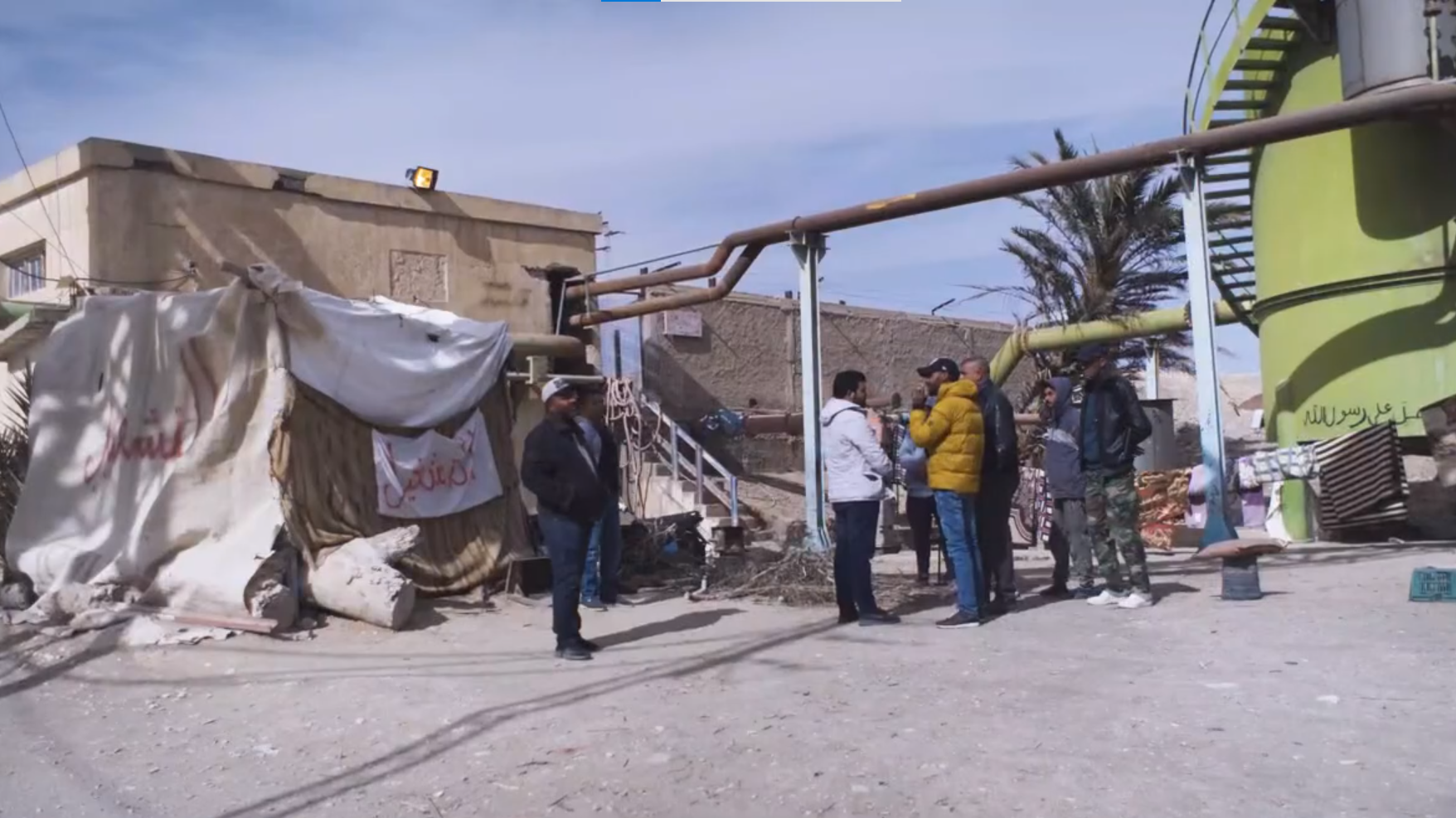
Citizens in the region are disgruntled. Unemployed residents organize sit-ins at Gafsa mining sites, precipitating a sharp decrease in phosphate production: from 8 million tons in 2010 to 2.8 million tons in 2020. As a result, Tunisia, previously a leading exporter globally, had to import phosphate in 2020 to meet its internal demands and external commitments. This is especially problematic as the economy in Gafsa is not diversified and relies solely on the phosphate industry as the main employer. If unaddressed, this situation signals the inevitable bankruptcy of the state-owned Gafsa Phosphate Company (CPG), one of the most important industrial pillars of the Tunisian economy and provider of basic services and employment in the mining basin.
In Gafsa, and Tunisia broadly, citizens place little trust in the state.
In Gafsa, and Tunisia broadly, citizens place little trust in the state. A series of broken promises by successive governments and a strictly top-down approach to addressing the mining basin’s “resource curse” has exacerbated the issue. If authorities continue to sideline local communities’ needs and aspirations they are unlikely to garner grassroots support or buy-in.
In a welcome move towards a more inclusive approach in November 2019 Tunisia’s President Kais Saied met a delegation of civil society organizations (CSOs) from Gafsa to discuss potential resolutions to the blockage in the mining basin, and to give CSOs a bigger role in bridging the gap between the government and protestors. While this meeting signalled a positive government step toward civil society inclusion in dialogue and negotiation, CSOs were not equipped with the capacity or evidence to advance viable policy proposals. The meeting didn’t produce a clear, thorough and inclusive roadmap to guide different actors to resolve the conflict between protestors and CPG. Notably, these consultations excluded mining basin youth, who have been leading protests and sit-ins halting production, and did not offer youth an opportunity to explain their stance, aspirations or proposals. Their continued marginalization has cemented their lack of trust in the government.
The success of another recent grassroots initiative suggests that a constructive and inclusive dialogue mediated by civil society can in fact resolve phosphate production blockages. In the Gafsa sub-region of Rdaief a number of civil society activists launched an initiative to mediate between officials and protestors. The subsequent negotiations resulted in a truce which ended a three-year sit-in and allowed the temporary resumption of phosphate transportation out of Gafsa.
NRGI’s role
Citizens place the most trust in CSOs and influential activists to mediate between protestors and the government. However, in 2020 efforts such as the Rdaief initiative remained ad hoc and civil society actors were largely unorganized and ill-equipped to translate grassroots demands into policy proposals and subsequently rally local communities around legitimate government solutions.
Therefore, NRGI sought to empower grassroots civil society actors in the mining basin to play an informed role in inclusive and consultative phosphate governance reforms. NRGI designed and implemented “Gafsa’s Vision 2050,” with funding from the International Research and Exchanges Board (IREX) as part of its U.S. Department of State Bureau of Democracy, Human Rights and Labor-funded initiative. The project aimed to establish a broad civil society network in the mining basin and equip members with the expertise, knowledge, skills and financial resources they needed to play a more active role in advancing an inclusive and sustainable development roadmap for Gafsa.
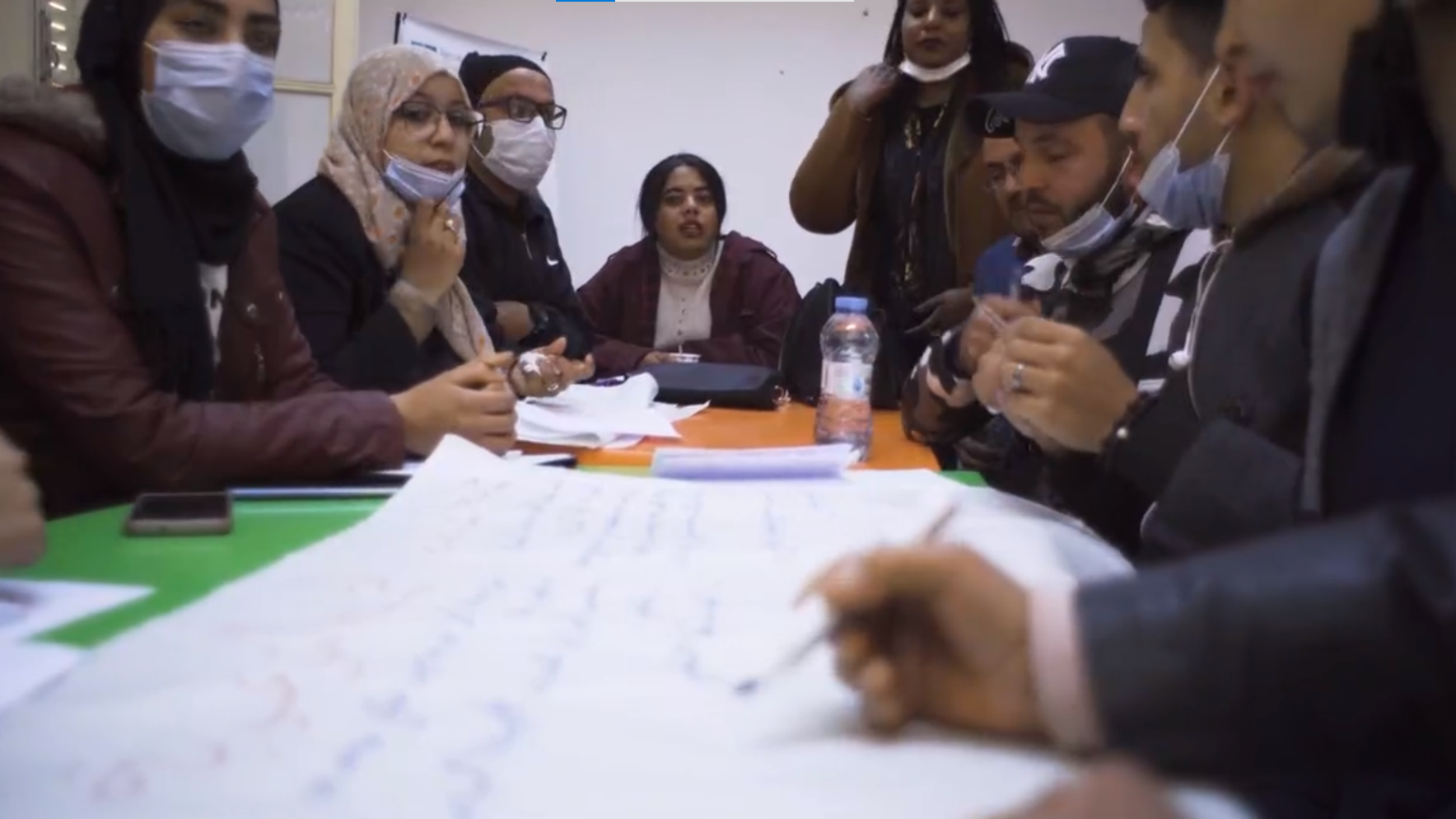
NRGI established a local experts committee, gathering five high-level Gafsan experts, including a former minister of energy and mines, to prepare a roadmap in consultation with CSOs. In addition to their deep and personal knowledge of the Gafsa region, committee members came from diverse backgrounds and fields of expertise; the committee also included a water and energy engineer, environmental and decentralization experts, an economist and a local government official. This enabled rich and multi-layered discussions throughout the roadmap drafting process. The roadmap assessed the social and economic situation in Gafsa with a specific focus on the mining sector and advanced recommendations for potential solutions to improve the socio-economic situation of communities in Gafsa.
Experts played a key role in coalescing civil society actors around their shared objective of advancing a holistic vision for sustainable development in their region.
The expert committee, which quickly garnered the trust of civil society partners due to their credentials and shared Gafsan origins, played a fundamental role in supporting NRGI’s civil society consultation, capacity development and networking efforts. For instance, the experts led coaching and consultation sessions, along with NRGI staff, to present civil society actors with various roadmap iterations, generating enthusiasm around it and soliciting CSO input and feedback. Despite the pandemic-related social distancing measures still in place in Tunisia in September 2021, these online sessions generated a high level of civil society interest, with an average of 20 participants in each online session.
In addition, the experts played a key role in coalescing civil society actors around their shared objective of advancing a holistic vision for sustainable development in their region, including through launching and advertising a Facebook group for the project and initiating and moderating discussions on this platform.
In tandem, NRGI provided project design and proposal writing training to civil society actors to enable them to successfully develop synergized projects, putting their newly acquired knowledge into practice and leveraging the roadmap findings to advocate for evidence-based policy proposals.
Participants were able to apply these project design and proposal writing skills through submitting proposals for grants from NRGI. Five proposals received NRGI funding, and the recipient CSOs implemented synchronized awareness-building and advocacy projects across Gafsa. The subgrants provided an opportunity for these CSO actors to hone their project design and management skills, while reaching a variety of governmental and non-governmental stakeholders and cementing their role as legitimate and knowledgeable mediators between government authorities and citizens.
“We have always been labeled as ‘protestors.’ This is not our identity. We are young people with hopes and dreams, and we just want to find employment.” - Lazher Ben Lamine
Impact
Through Vision Gafsa 2050, NRGI established and developed the capacity of a core network of CSO actors who remain highly engaged in the advancement of joint action for sustainable and equitable development in Gafsa. NRGI created a sustainable platform where these actors continue to coalesce and attract a large following around natural resources and sustainable development issues in Gafsa: The Vision Gafsa 2050 Facebook group launched as part of this project continues to be a vibrant venue for Gafsa-based CSO networking and discussions. Currently, the group boasts over 600 members and has resulted in the establishment of a network of 31 civil society organizations (so far). Joined by a common cause and commitment to advance an alternative, more sustainable, development model for their region, the CSO members engage in and collaborate through the initiative, which NRGI continues to support through its Tunisia programming. NRGI is expanding its existing nationwide CSO coalition (Coalition Tunisienne de Transparence dans L’energie et Les Mines, or CTTEM), which has opened membership to its Gafsa CSO partners.
This project signaled NRGI’s ability to expand its civil society reach to include the most critical yet most marginalized voices from Gafsa. Key figures leading protests and sit-ins in the mining basin were among those who benefited from capacity development and funding through the project. These youth, whom decision makers and citizens alike had labeled spoilers, irrational, or selfish, have found their first-ever opportunity to sit at the same table as decision makers and authorities and to air their grievances.
Lazher Ben Lamine, sit-in leader and subgrant recipient, at a project closing conference attended by over 60 civil society actors, union leaders and local government officials: “We have always been labeled as ‘protestors.’ This is not our identity. We are young people with hopes and dreams, and we just want to find employment.”
This powerful statement highlighted the shift in debates and perspectives prompted by Gafsa’s Vision 2050. The deadlock which preceded the project slowly gave way to mutual respect and understanding between stakeholders, with youth demands, now better captured and articulated by civil society, now forming the basis for a realistic and sustainable reform roadmap around which all stakeholders can rally.
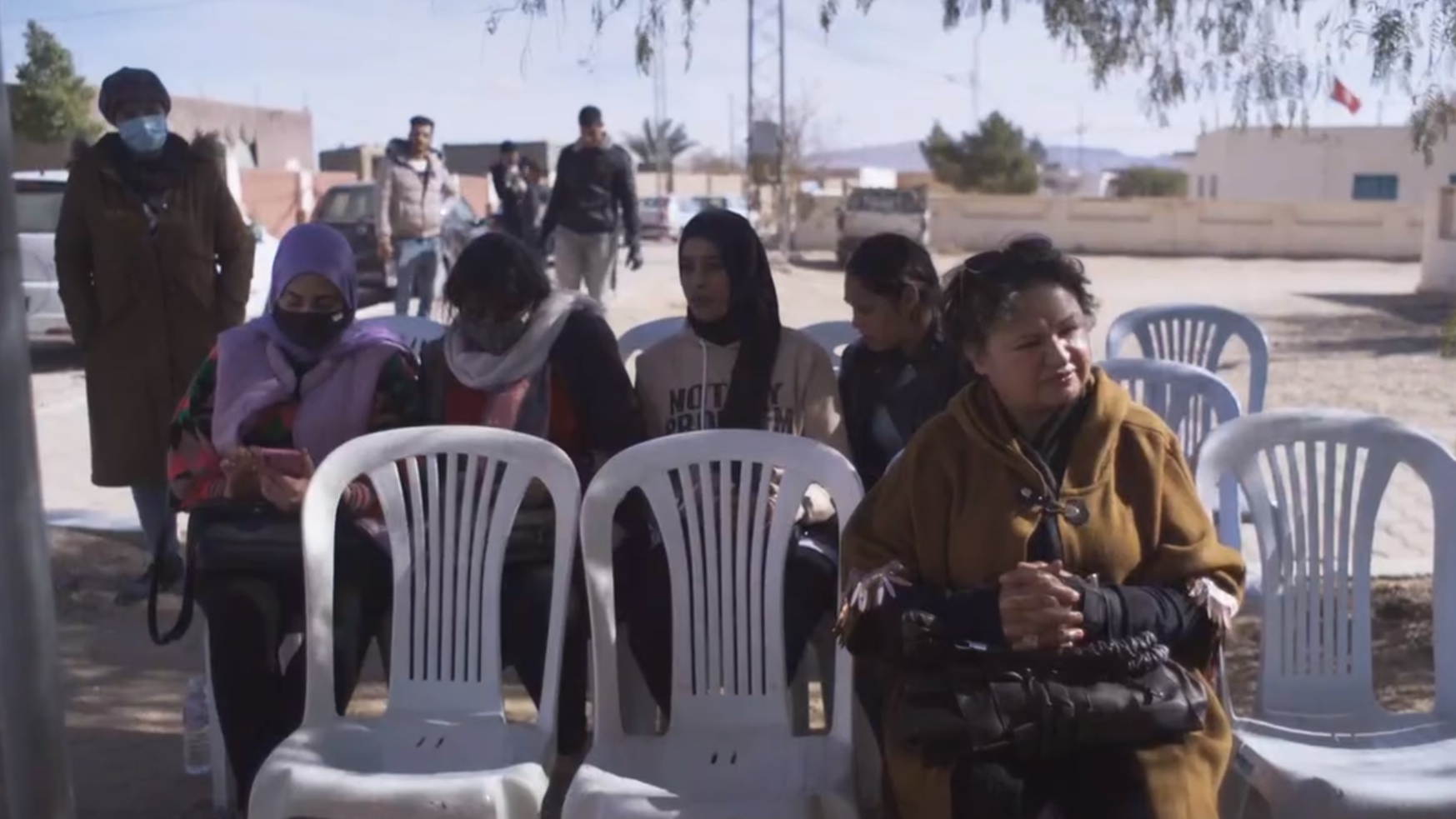
Protestors’ attitudes changed during the life cycle of the project. The result is that, even as protests continue sporadically in Gafsa, they are marked by less violence and disruption of production due to increased levels of constructive dialogue and openness on all sides. In turn, the improved social context and alleviation of social tensions in the mining basin led to the increased pace of phosphate production. For the first time in a decade, production reached 3.7 million tons by the end of 2022, and the government plans to produce 5.6 million tons in 2023, 8 million tons in 2024, and 12 million tons in 2025.
The success of the project encouraged other international NGOs to build on the work that has been done. For instance, the Belgian NGO Lawyers Without Borders organized a follow-up event in Gafsa in partnership with NRGI to discuss with the government concrete steps to implement the roadmap. This is especially important given the government’s efforts to prepare the next three-year social and economic development plan.
Knitting the Fabric of Civil Society Activism in Tunisia (2013-2020)

The challenge
Tunisia is the only country to have accomplished a peaceful transition from authoritarianism after the Arab Spring uprisings, but its democratic gains are not yet entrenched. Tunisians have experienced persistent political instability and voter turnout has been waning—particularly among young people.
The governance of extractive industries has influenced, and in turn been impacted, by both the prevailing political context and global dynamics. After the 2013 revolution, there was scant civil society capacity and limited focus on extractives, accompanied by low levels of trust of international partners.
Tunisia’s oil and gas reserves are small compared to other resource-rich countries in the region. In addition, political instability and an uncompetitive fiscal regime led to a decline in foreign investment in the sector. As production and prices fell, oil and gas revenues dropped. In terms of mining, the country went from being the world’s fourth largest phosphate producer in 2010 to 20th in 2017. In 2020, amid the coronavirus pandemic, Tunisia resorted to importing phosphate. The production decline is due largely to recurring protests, particularly in the Gafsa phosphate mining basin, which led to regular mining stoppages. Local populations are frustrated because phosphate mining brings limited benefits, whether in terms of revenue, social spending by companies or employment opportunities. Similar dynamics prevail in the oil-producing region of Tataouine and other resource-producing areas.
Political and institutional volatility has negatively impacted reform plans. The portfolio of the ministry in charge of extractive industries was modified or restructured five times and saw eight leadership changes between 2011 and 2016, including following corruption scandals. The ministry was restructured many time subsquently. These changes have contributed to faltering momentum and delayed reform. The pandemic has further exacerbated some of these challenges.
NRGI’s response
In 2013, NRGI’s first steps in the country focused on building trust with local stakeholders; creating opportunities and mechanisms for multi-stakeholder trust and dialogue; promoting transparency and open data as a prerequisite for trust and accountability; and investing in stakeholders and mechanisms with staying power.
Recognizing the fledgling state of civil society organizations (CSOs) in Tunisia, NRGI adapted its approach to foster the emergence of civil society leaders who could drive extractive sector reforms with rigor and credibility. NRGI staff in Tunisia encouraged civic activism on extractive sector governance; built civil society capacity to influence policy debates; and united civil society voices for greater impact.
From 2016 onwards, NRGI strengthened evidence-based advocacy and fostered the use of data to inform public policy and reform efforts. NRGI’s partnership and collaboration with Tunisian CSOs expanded disclosure of sector-relevant information, deepened civil society’s capacity to analyze publicly available data, connected to social movements in producing regions, critiqued the governance of state-owned companies, and engaged in increasingly diverse and complex reform debates requiring greater technical depth.
NRGI has also supported multi-stakeholder dialogue to advance the publication of contracts and adherence to the Extractive Industries Transparency Initiative (EITI).
Impact
NRGI played an important role in supporting civil society, which grew in numbers and strength and achieved significant results in the first years following the revolution. CSOs began to engage on resource governance issues and formed a civil society transparency coalition. Most importantly, NRGI succeeded in building trust with and between stakeholders, raising the general profile of transparency and good governance in the media and among Tunisians. NRGI supported local groups to secure the inclusion of natural resource clauses in the country’s new constitution and leverage the Open Government Partnership and EITI to promote transparency in the extractive sector. In more recent years, NRGI’s work has led to the government releasing mining, oil and gas contracts on a public platform. Civil society research informed public debates and elicited government response. A more representative and self-reliant transparency coalition emerged, and the country’s EITI implementation took off. The government also launched a participatory sector audit.
Supporting Social Media Debates About Nigeria's Oil Sector
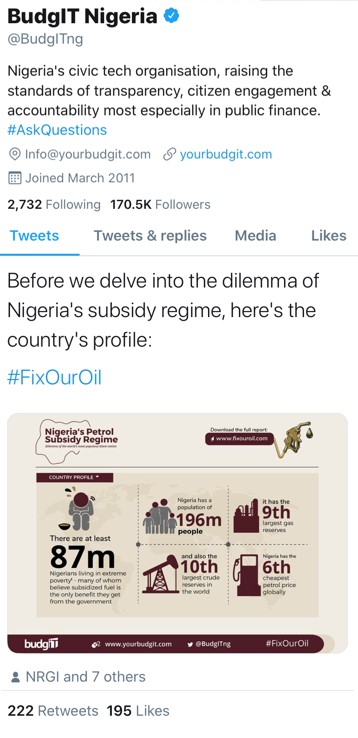
Social media have become important channels for Nigerians to simply and quickly exchange information about the governance of the country’s critically important oil sector. NRGI has provided support to organizations that are pioneering ways to make resource governance content more easily digestible and actionable, including on social media. This support has taken the form of grants to BudgIT (with more than 165,000 Twitter followers) and capacity building for staff of the Nigeria Extractive Industries Transparency Initiative (NEITI).
The Nigeria National Petroleum Corporation (NNPC) regularly publishes reports detailing its finances and operations. Using NRGI funding, BudgIT staff translate NNPC reports and other oil sector-related publications into simple infographics. With NEITI, NRGI’s media development team provided curriculum development support to help create a framework for a social media influencers’ capacity development strategy.
The #FixOurOil hashtag has become a digital forum for debates around the sector, with much of the discussion initiated and informed by BudgIT and NEITI content. Gabriel Okeowo, BudgIT’s principal lead, says that “with NRGI’s support, BudgIT has been able to reach over 5 million Nigerians via digital and physical channels.” And with BudgIT’s support, NEITI trainees acquired skills for developing tools such as short videos and infographics.
Shaping a New Future for Tunisia’s Phosphate

The biggest historical use of phosphate has been as an ingredient in agricultural fertilizers. In 2008, Tunisia was the fifth-largest producer worldwide, due in part to its prolific production of higher-grade phosphate.
However, the sector has since faced critical governance issues, including a recurring pattern of protests and production blockades by citizens unhappy about corruption and a lack of transparency in the industry. This has prevented Tunisia from fully exploiting and optimizing its phosphate resources, and limited Tunisian phosphate’s potential contribution to the energy transition.
During an April 2023 National Security Council meeting, Tunisia’s President Kais Saied announced an initiative to prioritize phosphate production and combat corruption within Compagnie des phosphates de Gafsa (CPG), the state-owned phosphate company, giving renewed prominence to the sector.
To fully realize the potential of these resources and align with Tunisia’s ambitious energy transition strategy, CPG must adopt responsible and sustainable mining practices, along with policies and regulations that support the country’s energy transition goals. Leveraging new technological uses of phosphate could further enhance government revenues, particularly in an era of renewed economic crisis in the country—but authorities must first create appropriate frameworks.
Toward a market for batteries
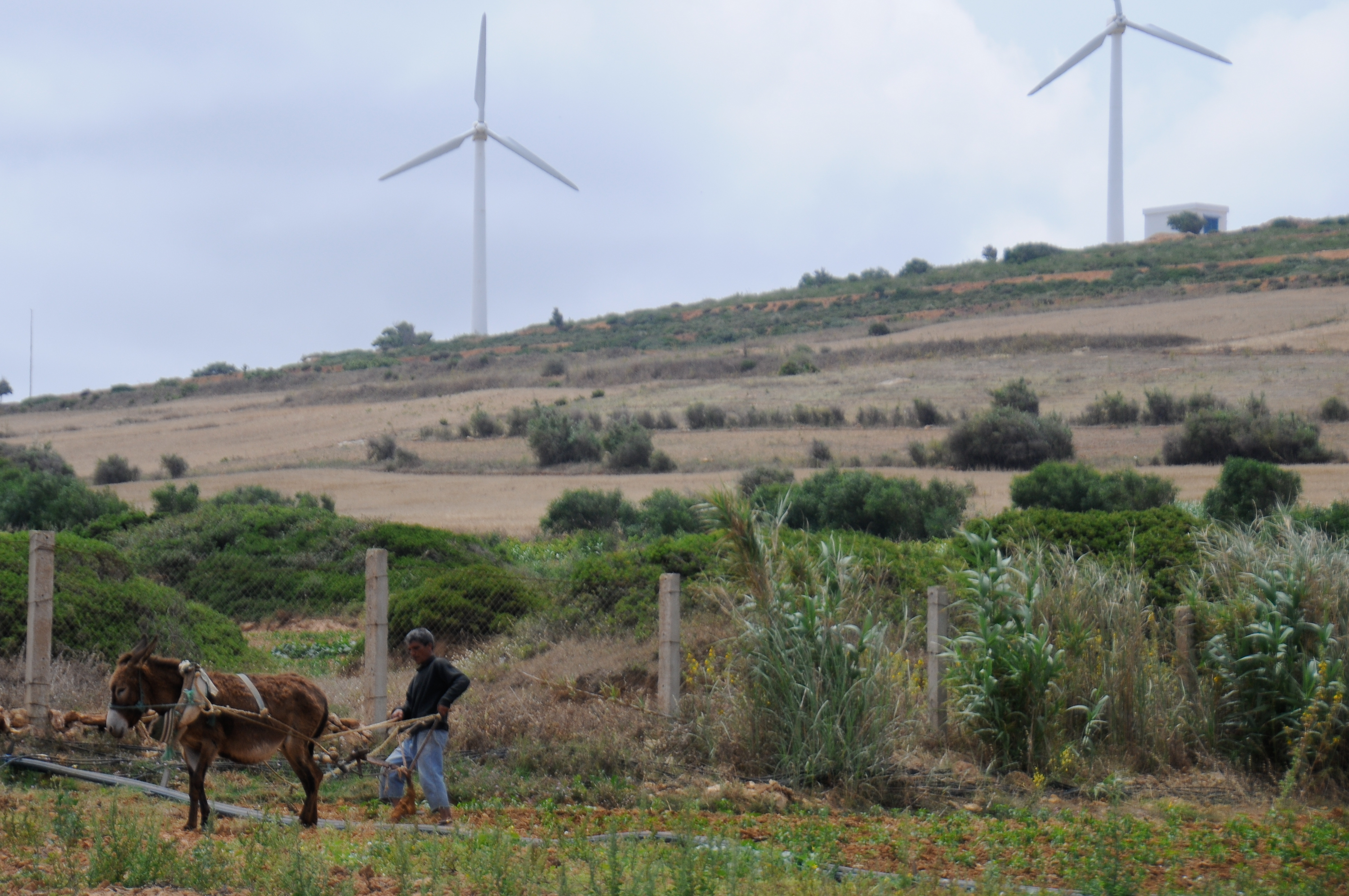
Beyond its use in fertilizers, phosphate has also become a key driver in the battery revolution, particularly in lithium ferro phosphate (LFP) batteries. These batteries have grown increasingly popular for their exceptional stability, longevity, low cost and safety benefits compared to NMC batteries, making LFPs a preferred choice for use in commercial vehicles and energy storage systems linked to solar farms or wind turbines. As a phosphate producer, Tunisia could seize this growing market opportunity, boosting exports and revenue.
The European Commission has classified phosphate rock as one of 20 critical raw materials, highlighting its economic value and the importance of securing supply from outside the EU. Tunisia’s strategic advantage as a phosphate-rich country offers a gateway to thriving markets, economic growth and entry into supply chains critical to the energy transition.
A new mining hub?
While the Gafsa Basin accounts for more than 90 percent of Tunisia’s phosphate rock production, the country has other large phosphate rock deposits with reserves that match those of Gafsa in quantity. Some of these deposits are located in Sra Ouertane, a region of the Northern Basin, and remain unexploited. The presence of transition minerals like phosphate rock and also rare earth elements in Sra Ouertane could drive interest in the area.
As a result, the area has the potential to become a prominent transition mining hub and Tunisia has a unique opportunity to optimize the recovery and valorization of these minerals, allowing for diversified income sources and a strengthened position in the strategic transition minerals market.
Stronger mining code, smaller carbon footprint
Meanwhile, as Tunisia revises its mining code, the government must consider fluctuations and changes in international phosphate demand. The mining code revision offers CPG the opportunity to modernize operational practices, encourage innovation, and ensure sustainable management of phosphate resources. The revised code should include specific provisions that incentivize exploration into new markets and the adoption of cutting-edge technologies. These could involve advancing green ammonia production and engaging in research collaborations for cleaner extraction processes. (See below.)
In addition, Groupe chimique Tunisien (GCT), a subsidiary of CPG, must urgently decrease the carbon footprint of its products, such as phosphate fertilizers, in order to keep them competitive under new schemes of international taxation, like the European Carbon Border Adjustment Mechanism (CBAM).
To thrive and grow during the energy transition, Tunisia’s phosphate producers must also adopt new sustainable technologies. One is the production of green ammonia, also known as renewable ammonia; it is produced from green hydrogen, which is derived from water electrolyzed using renewable electricity. The main application of green ammonia is in the production of carbon-neutral fertilizer products. Tunisia’s Ministry of Industry, Mines and Energy, in partnership with German Cooperation (GIZ) is working on a green hydrogen strategy.
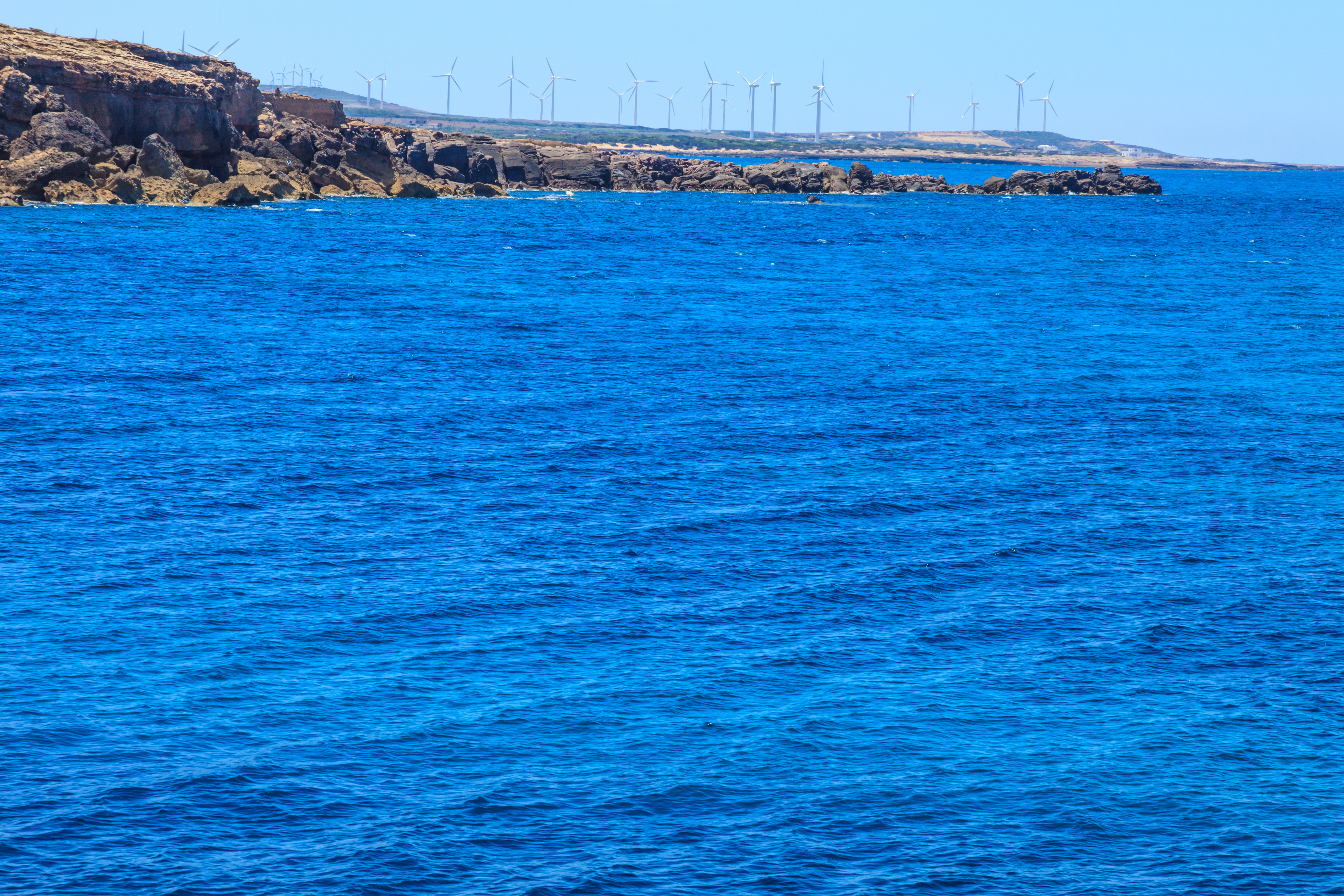
By producing green ammonia locally, Tunisia can reduce its dependence on imports of grey ammonia and decrease operating costs, thereby boosting the competitiveness of its phosphate industry.
Phosphate is a point of entry for Tunisia into the global energy transition. It is therefore a critical moment for good governance in the sector.
Constructive and open dialogue has led to higher phosphate production in Tunisia.
A Call to Action: Advancing Civic Space in the Extractive Sector

Shrinking civic space in resource-rich countries
Civic space is under threat from forces within and across borders. Russian authorities have grievously compromised the sovereignty of the Ukrainian people; they have also brutally suppressed opposition to the invasion within Russia as part of a sustained crackdown on Russians’ civic freedoms. In Myanmar, the military government abused pandemic emergency measures to further restrict civic space; we’ve seen the same trend in Uganda. And in Nigeria brutality by police and security forces reached a terrible peak in 2021.
In countries where the call for transition to clean energy threatens interests vested in the fossil fuel sector, civil society is coming under increasing threat. The challenges faced by Ghanaian organizations questioning the Aker Energy deal is one example.
Efforts to strengthen and defend civic space have been central to the NRGI’s work since its founding. At the global level, we help to design and implement civic space safeguards through multi-stakeholder initiatives like the Extractive Industries Transparency Initiative (EITI) and the Open Government Partnership (OGP). In meetings of the EITI international board, NRGI fought for the adoption and implementation of the EITI Civil Society Protocol. Yet too often governments and companies balk at enforcing these protocols when it comes to calling out specific countries—as happened recently in the Philippines.
In parallel with these standards, NRGI works in resource-producing countries with local civil society and media actors to build their sector expertise and to guard against harassment and intimidation. We also work with governments to promote multi-stakeholder dialogue and bolster the legal framework for civic participation.
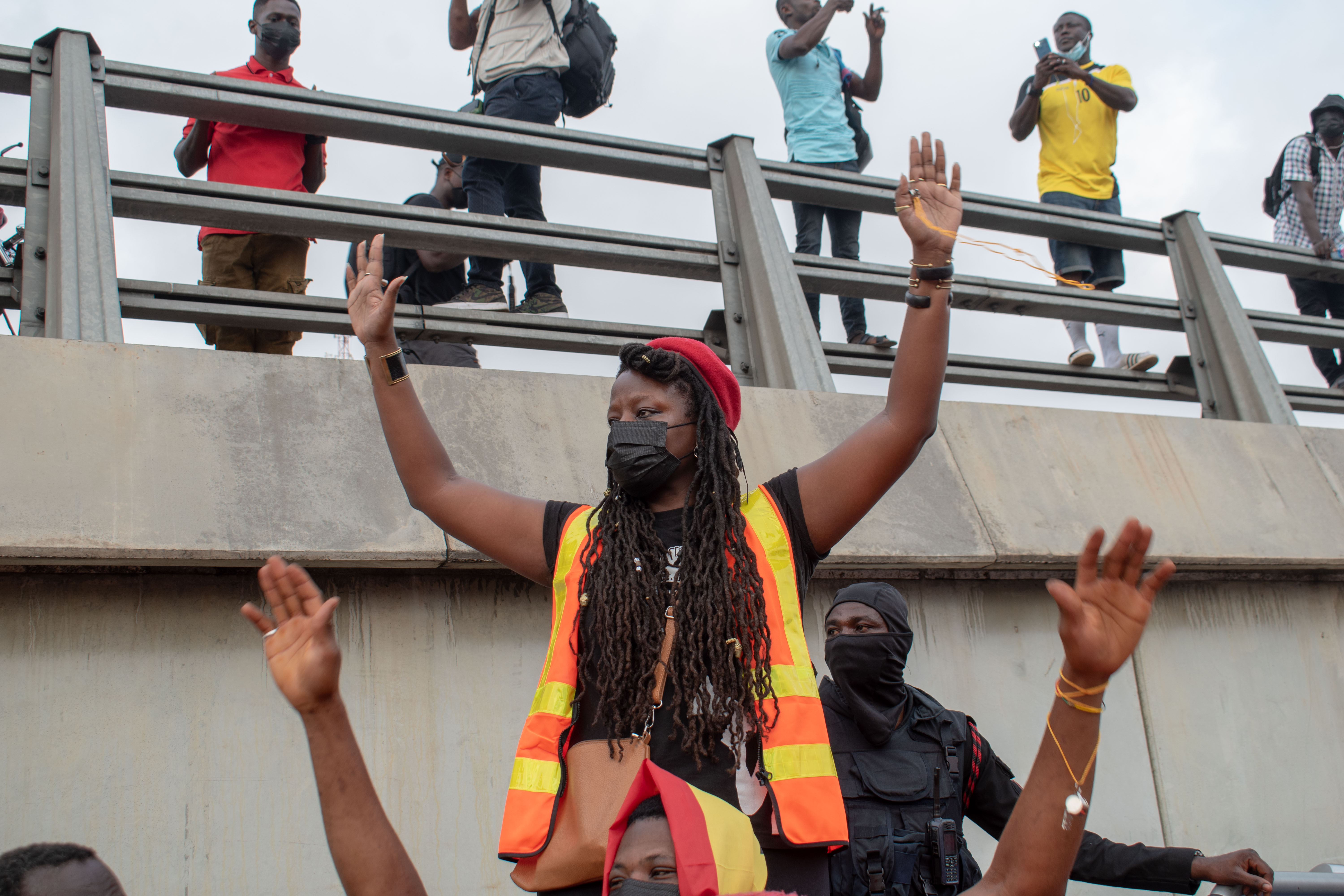
But translating pledges into action remains a challenge. Although the government of Niger rejoined EITI in February 2020, just weeks later civil society actors again accused authorities of harassing and arresting activists. The authorities justified their actions citing pandemic restrictions.
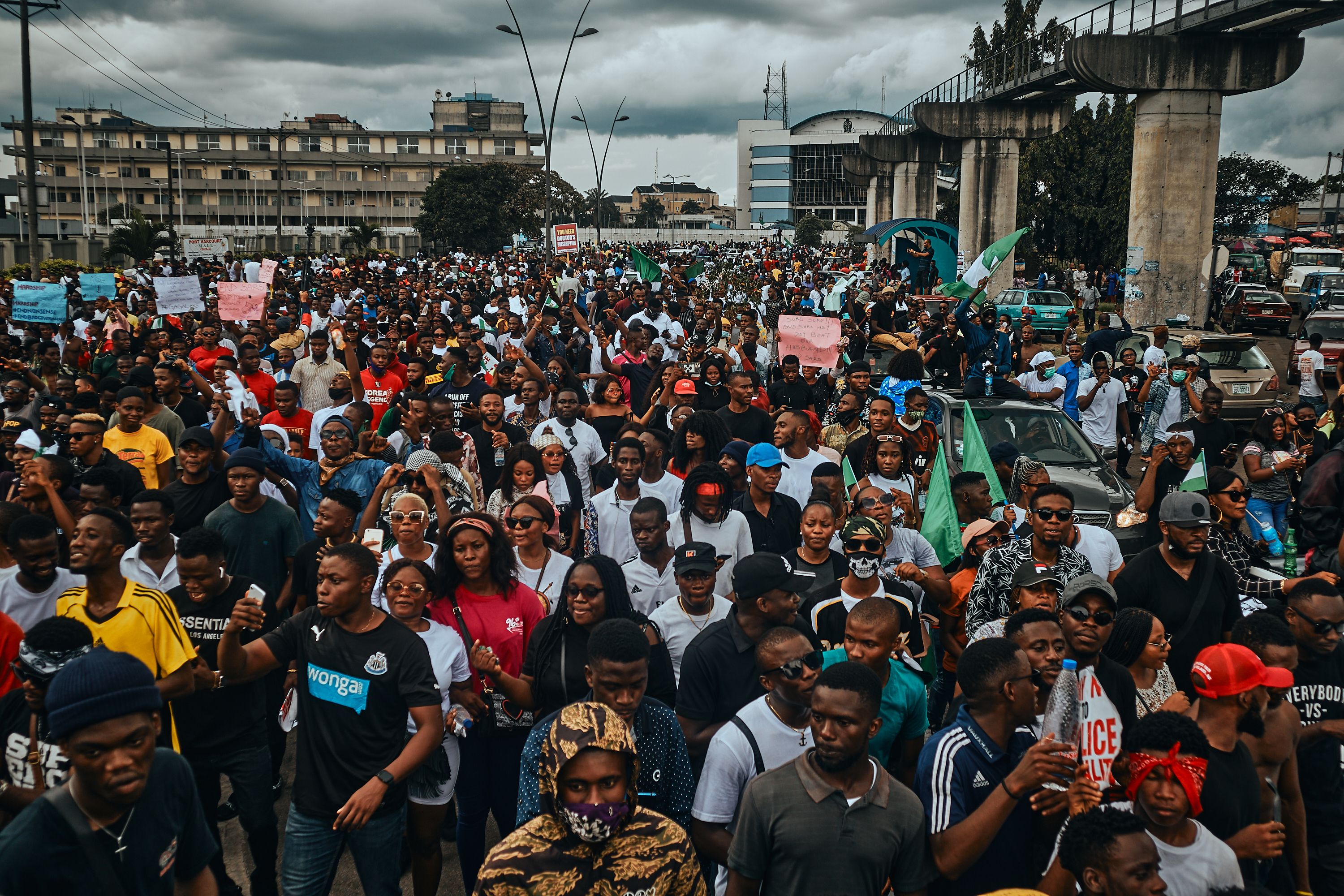
In Nigeria, NRGI is working closely with our partners to help citizens confront challenges in civic space. Authorities’ repression of freedom of speech and association in recent years complicates the accountability processes fundamental to strong resource governance. It also compromises citizens’ ability to engage in needed dialogue about the country’s preparation for the energy transition. Police crackdowns on protest and social media shutdowns during the pandemic meant that citizens were largely in the dark as government oil revenues declined. Late last year one of the most vocal civil society organizations, CISLAC, endured unwarranted harassment. Frontline reformists and advocates feel threatened with the marked fall of Nigeria’s performance in the World Press Freedom Index. Combined with the closure of internationally supported programs providing funding and technical support to oil-sector reform, this shrinkage in civic space risks foreclosing public dialogue on Nigeria’s economic future—which is more essential now as the energy transition gains momentum.
Charting a path forward
NRGI and our partners are reconceptualizing our work to advance resource governance in increasingly constrained and politically hostile environments. Together with Publish What You Pay (PWYP), Oxfam America, the International Center for Not-for-Profit Law and the Institute for Development Studies, we recently explored how we might adapt our objectives and approaches, brainstormed new strategies for protecting civic space, and examined the challenges associated with a just energy transition.
Building on these discussions and lessons learned, NRGI seeks to evolve its work to advance civic space and resource governance efforts in the following ways:
- Build more effective and diverse coalitions. Internal conflicts are hampering many existing coalitions. Resolving them, although no easy task, would make them more effective and less vulnerable to government backlash. In NRGI priority countries, we will work with PWYP and others to invest in dispute resolution, replicate models of successful coalitions, and encourage the diversification of coalition membership. Critical to this work will be more effective analysis of political economy, as we have undertaken in Nigeria, to identify the points of influence and actors to leverage amid closing civic space. We will also support and equip our partners to engage in and contribute to national debates on emerging topics related to just transition.
- Connect actors across country, regional and international dialogues. Authoritarian regimes are replicating their playbook across countries. We will in turn seek to connect advocacy across countries, for greater collaboration and impact, specifically to strengthen negotiation opportunities for lower-income countries in the context of the energy transition. One immediate task is to define and effectively advance a just transition agenda for resource-rich countries, and ensure that national agendas influence global climate action. We will engage more in relevant international forums like climate COPs, working with global partners and facilitating participation from civil society organizations of resource-producing countries.
- Support the translation of policy into effective practice. Where strong policies exist to protect civic space, we will use our influence and that of our partners to ensure strong implementation. For example, we will use our role on the EITI international board to push for a stronger implementation of the civic space protocol. We will also support the establishment of the OGP Civic Space Learning Network.
- Call out kleptocratic regimes and practices that enable them. We will leverage the global attention on Russia to call out the risks of seeking fossil fuels from other autocratic regimes. We will support calls for divestment to result in economic opportunities for democratic and reform-minded states. In parallel, we will advocate strengthening safeguards to ensure that economic opportunities related to critical minerals for the energy transition do not reinforce autocratic regimes.
To support these efforts, we call on a range of actors to take action:
- Bilateral and philanthropic foundation funders should strengthen long-term plans to support capacity development and coalition-building efforts, seeking to reinforce existing mechanisms for dialogue and participation—not creating new competing platforms.
- Multi-stakeholder initiatives like EITI and OGP should commit to more efficiently translating their standards into implementation; and to enforcing the standards they set—even in tough cases.
- Extractive sector and energy companies should speak up and support the protection of civic space, which is key to positive economic outcomes.
- Investors should strengthen criteria related to civic space protection in their business decisions, and encourage companies and governments to ensure the protection of civic space as essential to environmental, social and governance (ESG) considerations and a positive investment climate.
- International financial institutions should make greater use of their lending power to call for action to support civic space.
Civic space remains the cornerstone of resource governance and essential to the pursuit of more sustainable and equitable societies. Together with our partners, NRGI is committed to making the necessary pivots to respond to evolving civic space challenges.
Supporting Just Transitions in the Oil and Gas Sector in Africa: The Role of External Actors

Because of the trade-offs required, and the diversity of objectives, views and pathways involved, there is growing recognition that achieving just transitions requires widespread, inclusive and democratic deliberation. Yet traditional models of participatory decision making and transition options often draw on experiences in wealthy liberal democracies. They rest on key assumptions that do not apply elsewhere: the existence of a strong and well-resourced state able to provide retraining and compensation, an engaged and responsive private sector, a well organized labor movement, and spaces where informed and capacitated civil society can meaningfully engage without fear of violence. Few resource-rich African countries meet such requirements. Yet the fundamental shift in their economic and development models implied by energy transitions will not be possible without an active and informed debate between citizens and policymakers: a reimagining of just transition through open and inclusive dialogue.
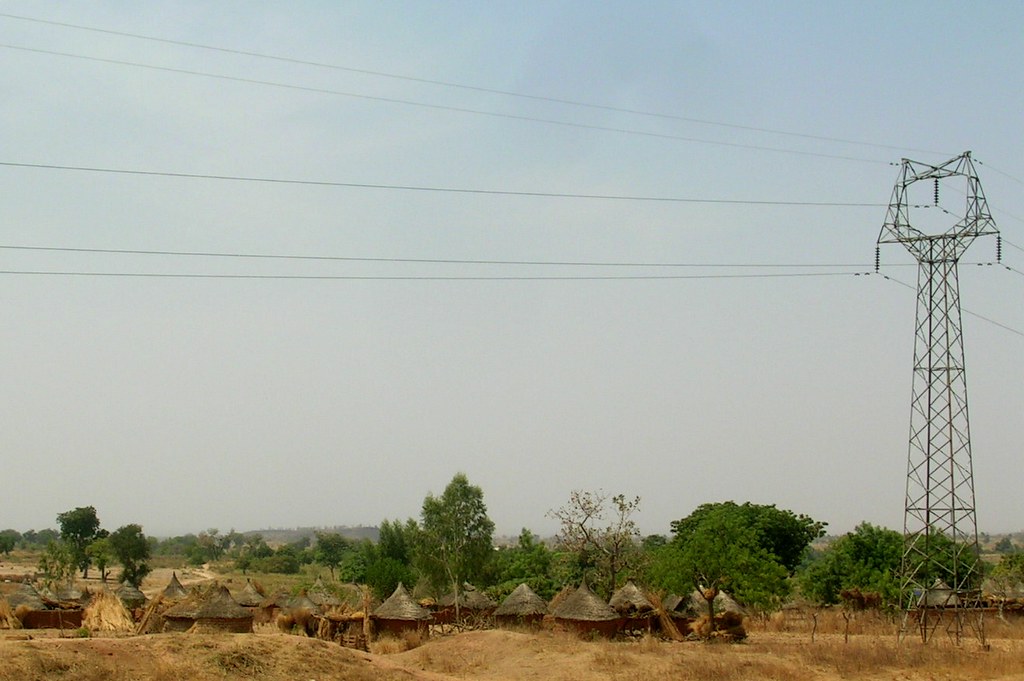
IDS and University of Sussex research on “Making Space for Dialogue on Just Transitions in Africa’s Oil and Gas Producing Regions” with partner organisations in Nigeria, Kenya and Mozambique explores how citizens are making their voices heard, despite challenges, through a variety of invited and claimed spaces of participation. These include participation in national strategies and visioning exercises such as “Which way Nigeria?”, combining engagement with transnational governance processes such as the Extractive Industries Transparency Initiative (EITI) with local protest strategies in Mozambique, and legal activism to resist particular energy infrastructures such as the Lamu coal plant in Kenya or to press demands for compensation from oil companies in Nigeria. Support by external actors such regional and multilateral development banks, donors, civil society organizations, and investors can play a key role in accelerating and amplifying these efforts. A webinar on March 9 explored the obstacles to and opportunities for doing so.
Breaking silos, avoiding duplication
As climate action is an increasingly hot topic for funders, there is a risk that efforts to support just transition focus on setting up new platforms and mechanisms, rather than leveraging what already exists. Funders can invest in pivoting and re-energizing existing platforms, mindful of the limited bandwidth of civil society actors. For example, in Ghana, the “Alliance of CSOs Working on Extractives, Anti-Corruption and Good Governance” has successfully evolved to work with the new National Energy Transition Committee, calling for more inclusive and open dialogue on Ghana’s energy transition journey.
Connecting local and global agendas
A key challenge is that elite policy makers are hatching initiatives with global implications in relatively closed spaces with little if any consultation or engagement with civil society at the national and local levels. Examples include announcements from the governments of Nigeria and South Africa at the last COP in Glasgow. In bridging this gap international CSOs and funders can play a helpful role in connecting partners at the national or local levels to regional institutions and international institutions and transnational coalitions (such as the Open Government Partnership Civic Space Learning Network and the OECD Civic Space Observatory). There are also new international efforts to define a viable pathway to a just transition, including the Beyond Oil and Gas Alliance, the Civil Society Equity Review, the OECD Equitable Framework and Finance for Extractive-based Countries in Transition (EFFECT), the Fossil Fuel Non-proliferation Treaty initiative and a recently released Tyndall Centre report. Leaders of these efforts should form strong connections to civil society actors from resource-rich countries to amplify—not replace—local voices and ensure that governance and participation are at the heart of these efforts.
Challenging power and vested interests
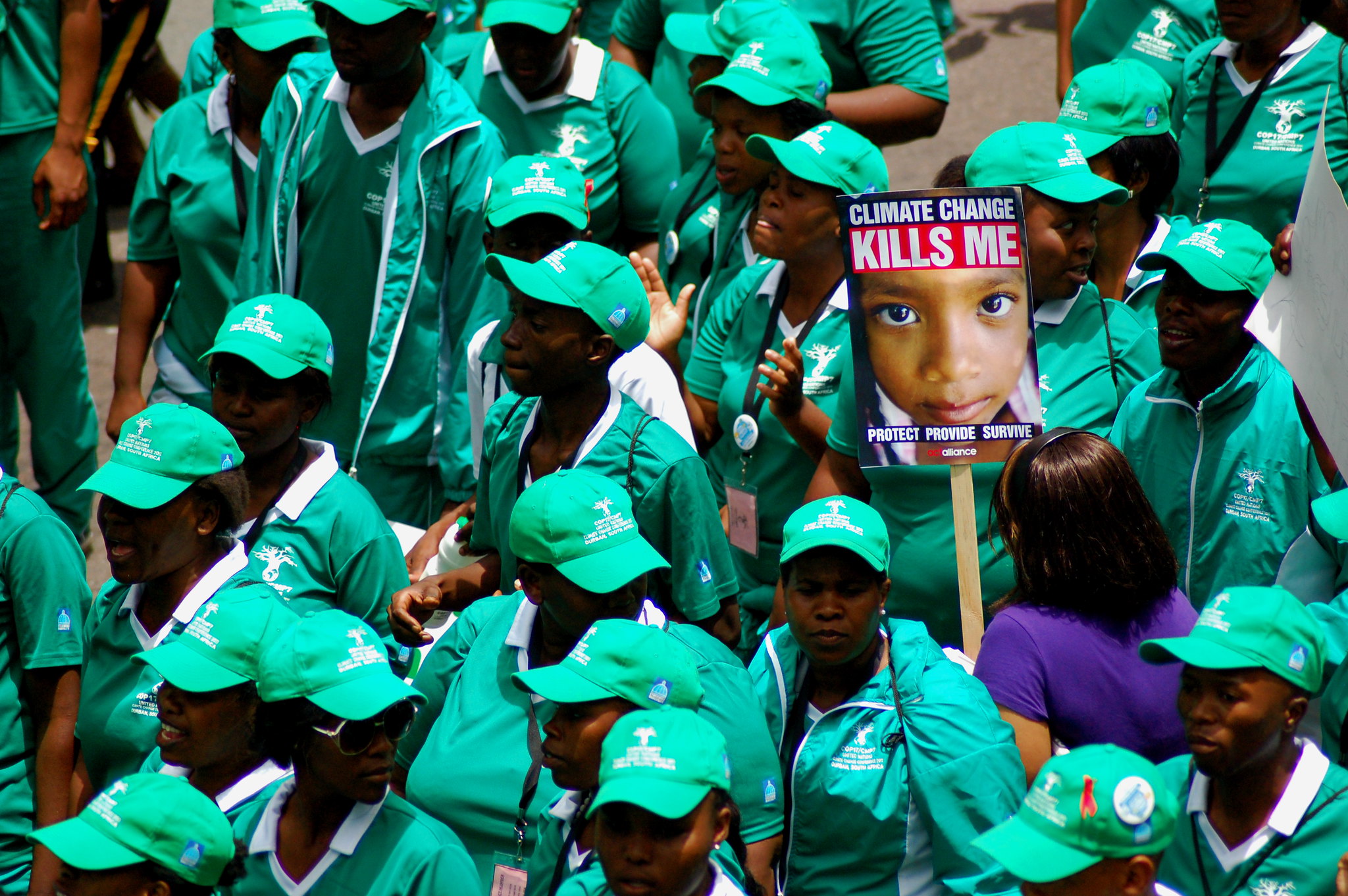
Just transitions are often inhibited by strong vested interests wanting to preserve the status quo and resist change, or those who seek to capture transition opportunities for their own benefit. A just transition must challenge incumbent actors’ control of decision-making. Funders can support work to identify and map vested interests and how to confront them, help local actors to improve representation on key committees and decision-making processes, and invest in initiatives to clean up political party donations and revolving doors between energy companies and state regulators.
The next major COP in Egypt later this year represents a huge opportunity for African countries and civil society—and those that support them—to advance a vision of just transition and a set of strategies for achieving it than ensures not only that no one is left behind, but that longstanding inequities are remedied. This means acknowledging and addressing historical injustices as well as supporting and financing future low carbon energy pathways for African countries currently reliant on fossil fuels.
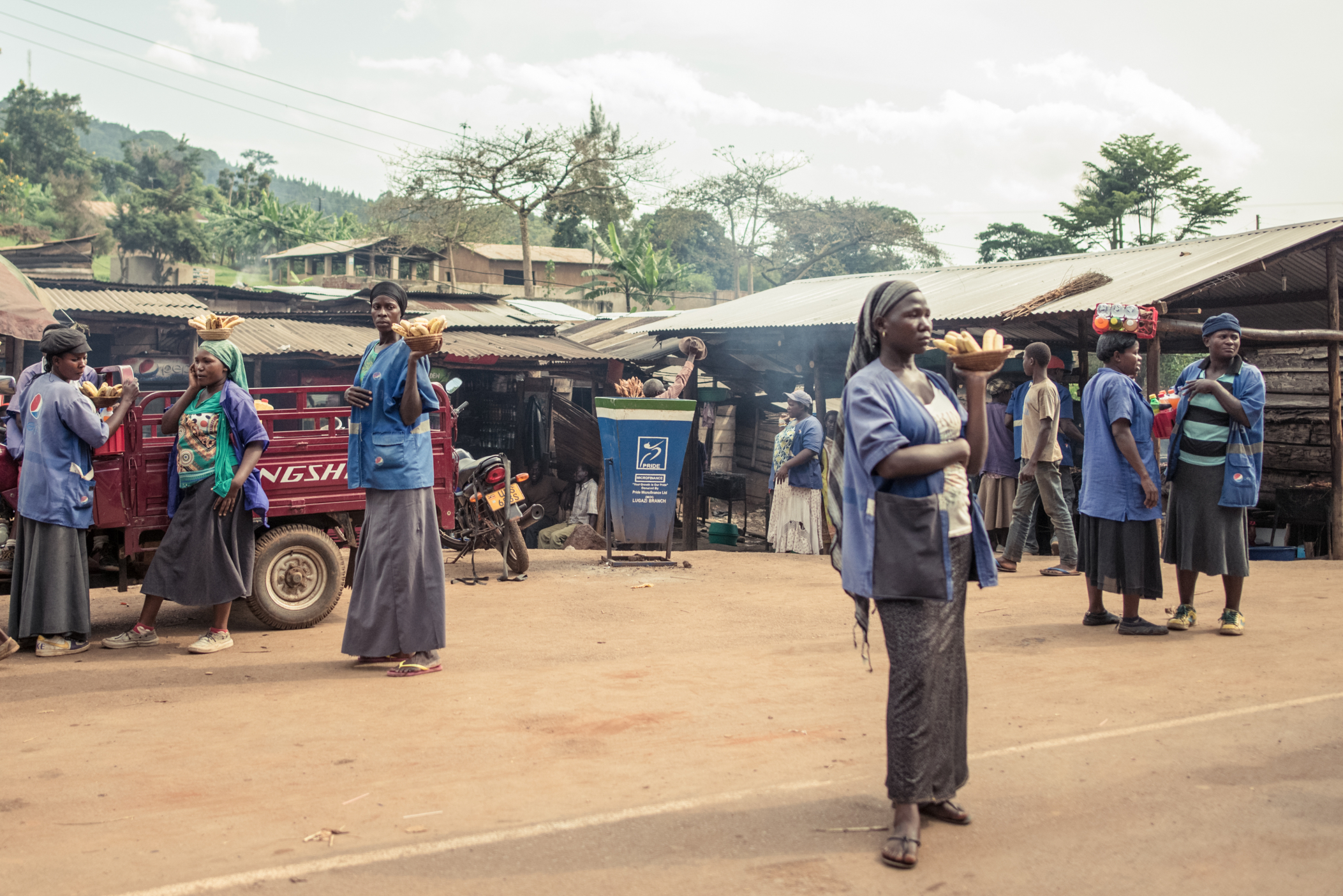
Photo by Rod Waddington via Flickr (CC BY-SA 2.0)
Learn more about the outcomes of related interactive webinars exploring extractive industries and civic space.