
The 35 × 35 Electrification Target is a Minerals Target Too
On Day Four of COP31 in Antalya, electrification is one of the biggest conversations. But while the focus is on the target, there's an important aspect that is currently being overlooked—the link with critical minerals.
Patrick Stephenson, Ghana Country Manager at NRGI says:
"The COP31 presidency wants electricity to meet 35% of the world's energy use by 2035, and we are hearing that the EU and others are pushing to make that clean electrification. For now, we understand this is likely to be a voluntary target, and around 20 countries are preparing to make public commitments.
But too few people are asking what this target depends on. The answer is minerals.
Clean electricity is mineral-hungry. Every grid, battery and solar panel depends on copper, lithium, cobalt and nickel.
Many of these minerals come from developing countries. So the question is whether people in those countries can truly, and fairly, benefit from the wealth below their soil, or if they will once again bear the costs of extraction while others capture the value.
At COP30, minerals entered the negotiations for the first time. Then they were stripped from the final text. We can't let that happen again.
So we're calling for three things. First, COP31's electrification outcomes should recognize that the target depends on critical minerals. Second, the new Just Transition Mechanism should be designed to support fair, transparent mineral value chains in producer countries. And third, all of this should lay the groundwork for a minerals compact at COP32 in Addis Ababa, as the Chair of the African Group of Negotiators has called for.
Electrification can be a driver for just energy transitions in mineral-rich developing countries. But that won't happen by accident. Let's recognize that and work to ensure that this mineral boom is different to those of the past."
Rethinking Resilience in East Africa (COP31)
Uganda Pavilion, Blue Zone, COP31, Antalya
At COP31, the Centre for Energy, Finance and Development (CEFD) is hosting a panel on how East African countries can strengthen energy security while advancing green industrialization.
The discussion will examine the economic and fiscal trade-offs of large-scale investment in refining infrastructure, what those investments mean for energy security, and alternative ways to build energy resilience. Panelists will look at diversified fuel supply, regional trade and infrastructure, and how development finance can support industrial development on a low-carbon pathway.
The central question: how can African countries strengthen energy security while managing fiscal risks and advancing their development priorities?
NRGI’s Patrick Stephenson will speak on the panel.
Featuring NRGI’s

Patrick Stephenson
Ghana Country Manager
Electricity at the Heart of a Just Energy Transition
A Shared Regional Vision for the Future of Energy in the Middle East and North Africa

Developed by civil society partners from five countries, this roadmap sets out five shared priorities for fairer, more transparent and resilient electricity systems in the Middle East and North Africa.
Electricity is central to a just energy transition in the Middle East and North Africa. Reliable, affordable electricity supports livelihoods, essential services and economic development. How the sector is governed will shape countries’ ability to expand renewable energy, strengthen energy security and deliver benefits for communities.
This regional civil society roadmap sets out a shared agenda for electricity sector reform, identifying five priorities:
- Reforming subsidy and pricing policies to strengthen investment in electricity.
- Strengthening transparency, accountability and access to information.
- Improving governance and institutional coordination.
- Strengthening the role of civil society and the media.
- Expanding regional cooperation and electricity interconnection.
For each priority, the roadmap outlines common challenges, calls for reform and commitments by participants. It invites governments, regulators, electricity utilities, regional institutions, international partners, civil society and the media to turn these priorities into concrete policies, initiatives and partnerships.
About this roadmap
During 2025 and 2026, the Natural Resource Governance Institute (NRGI) convened stakeholders from Morocco, Tunisia, Egypt, Lebanon and Iraq to identify shared priorities for a just energy transition in the Middle East and North Africa. Four representatives from each country participated, drawn from government, civil society and the media.
Participants compared national priorities and identified electricity governance as a shared concern and a regional priority for collective advocacy and action. Civil society partners then reconvened to develop this regional roadmap. It reflects their collective priorities, informed by technical expertise and national perspectives contributed by government representatives, experts and media participants throughout the process.
The roadmap is a resource for civil society, policymakers and others working to build fairer, more resilient electricity systems across the region.
NRGI’s role was to convene and facilitate the process. The priorities, calls to action and commitments in this roadmap are the shared views of the relevant participants and do not necessarily represent the positions of NRGI.
The Connective Fabric of Natural Resource Governance: Reflections from UNGA and Climate Week

Last week, a delegation from NRGI attended the UN General Assembly and Climate Week NYC. Below are our reflections from across more than 20 sessions, side events, our 20th anniversary convening and meetings, with partners from government, civil society, Indigenous Peoples, multilaterals, philanthropy and industry.
Natural resources rarely dominate the headlines at the UN General Assembly, yet they underpin almost every item on its agenda. Whether conversations centered on climate, economic development, trade or geopolitics, the governance of oil, gas and minerals ran through many of them.
That role, however, too often remains implicit. Elevating resource governance as a priority is essential if global efforts on climate, development and security are to deliver equitable outcomes for producer countries and their citizens, and a healthy, sustainable future for all of us.
Security and trade have reframed the journey, but not the destination
Energy security has displaced energy transition as the dominant lens for energy policy, with decisions increasingly driven by geopolitics and cost of living rather than decarbonization. While the end goal of sustainable energy and economic futures remains, this marks a structural shift in the narratives that shape policy and in how influence is exercised.
In the minerals sector, a trade lens now dominates, even during a “Climate Week”. Green industrialization was a central theme, welcomed by some and viewed with skepticism by others. At a UN-hosted Solutions Dialogue on the subject, producer countries, particularly those from Africa, stressed that high costs of capital and limited fiscal space must not constrain their economic and trade ambitions. African participants were clear that the gap is now implementation, not strategy: frameworks such as the African Mining Vision and the Africa Green Minerals Strategy already exist. Because no single country holds every mineral, energy source, skill and market, enabling countries to achieve more value requires regional integration. The African Continental Free Trade Area (AfCFTA) serving as an industrial platform rather than only a trade agreement. Success, many argued, should be measured by the jobs, skills and productive capabilities retained on the continent, not by processing capacity alone. In our remarks, NRGI emphasized the need for additional financing and technical support so that producer countries can design, implement and monitor value addition and diversification strategies that truly meet the needs of their people, and enforce high human rights, environmental and governance standards.
Green industrialization could serve as a bridge that brings mineral trade and climate policy closer together. We are looking forward to further progress at COP31 in November, as green industrialization is a key priority on the Action Agenda launched by Türkiye last week. Looking to next year, NRGI is also supporting a shared agenda on equitable mineral partnerships across the COP32 and UK-led G20 processes, where African countries have an opportunity to connect their climate positions with their leverage as producers of critical minerals.
"Critical for who?": equity and the governance gap
With “critical minerals” being used so often, the question "critical for who?" recurred throughout. Across discussions, there was a unifying call for a new and more equitable economic and political paradigm, but how this plays out in practice remains highly uncertain. There were multiple calls (including from NRGI) for critical minerals to underpin just, country-led transitions that serve producer countries' development aspirations, respect the free, prior and informed consent of Indigenous Peoples and frontline communities, and remedy legacy environmental harms. Several sessions went further, asking not just how much revenue extraction generates but whether it preserves national wealth across generations. Without this, producer countries risk exchanging finite mineral wealth for limited revenues while leaving depleted assets and environmental damage to future generations.
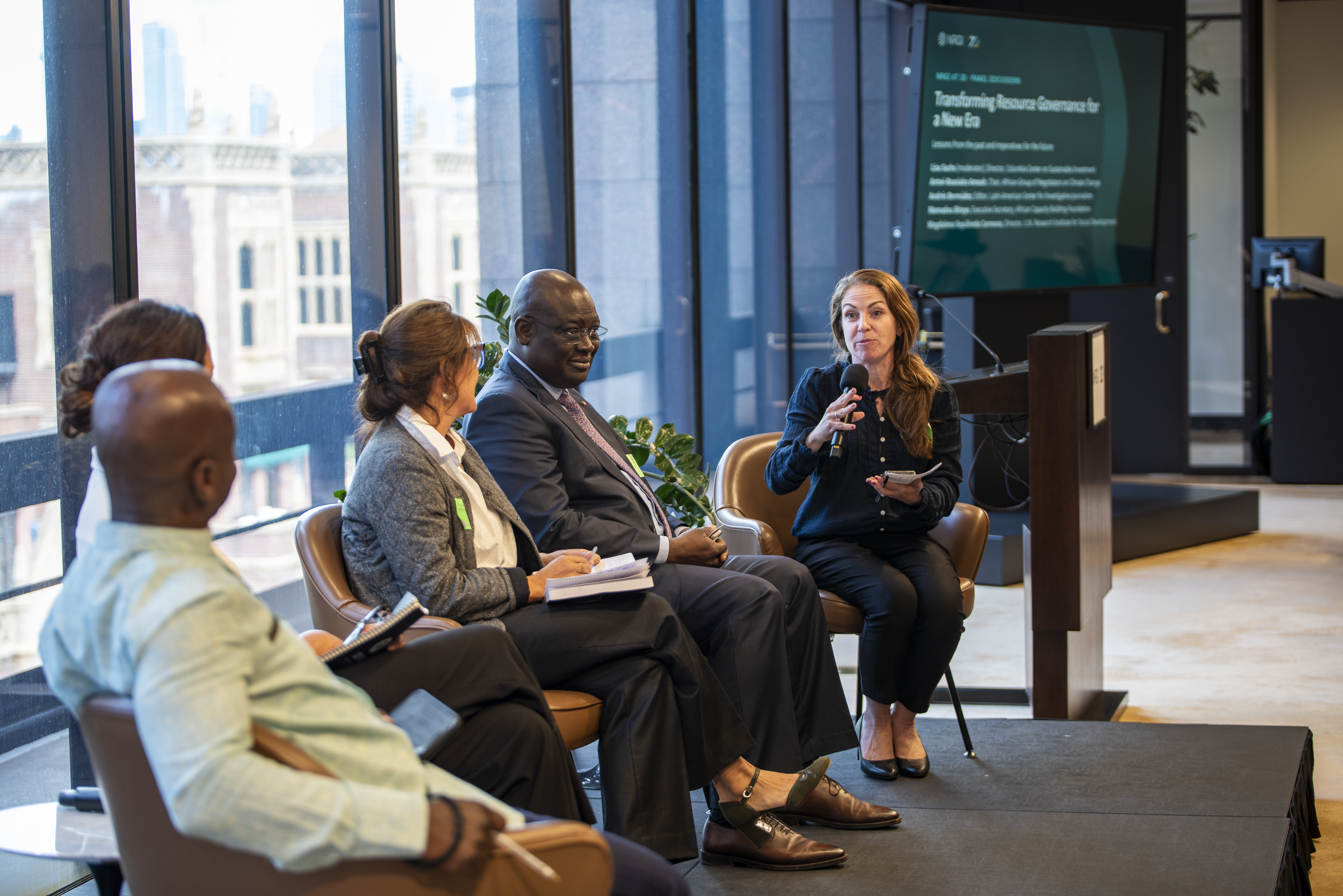
While critical minerals are the focus, the obstacles to fairer and more prosperous societies are structural and systemic – a theme that echoed throughout including in NRGI’s 20th anniversary event. Low- and middle-income countries remain underrepresented in setting new standards and paradigms, despite bearing their costs.
Encouragingly, the discussion has moved from what must change to how. Reformers shared approaches ranging from multi-stakeholder engagement and narrative storytelling to strategic litigation, the quantification of decommissioning liabilities and evidence on the financial materiality of community engagement. Each aims to ensure that community rights are respected and that polluters remediate the harm they cause. A recurring message was that affected communities need agency, not simply better consultation: access to information, the capacity to negotiate and the ability to speak for themselves with governments, companies, investors and financiers. These “unbankable” elements often determine whether supposedly bankable investments succeed.
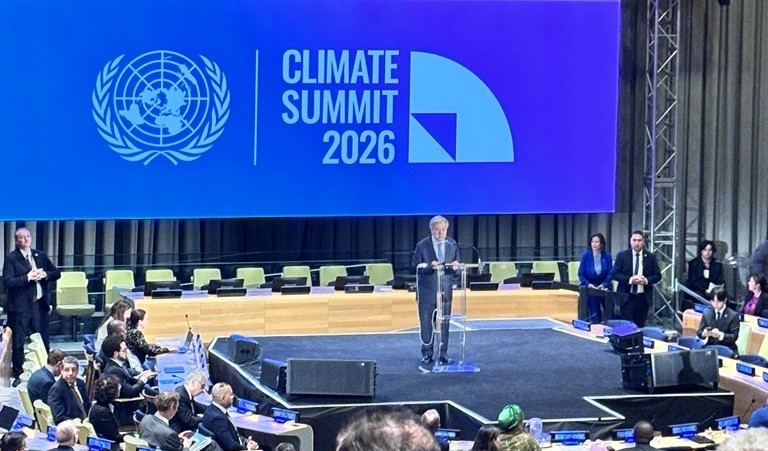
Concrete openings exist to keep making progress. At the UN Climate Summit, the Secretary-General announced a new country support mechanism for six mineral-rich developing countries to implement the recommendations of the UN Secretary-General's Panel on Critical Energy Transition Minerals. Having served on the panel, NRGI and our partners have pressed for this follow-through, including in this joint letter last July. We welcome the mechanism. Connecting with technical assistance partners outside the UN to deliver tailored, demand-led support will be critical to its success. (Learn more: See our video and press statement released during the week). The push for an International Panel on Inequality and next year’s planned SDG Summit offer further entry points to center producer countries in debates on the future economy. The ongoing review of the IFC Performance Standards is another, as these standards shape the practices of commercial banks, export-credit agencies and mining companies well beyond the IFC itself.
Artificial intelligence and the resources beneath it
Some described this as the "AI UNGA". Technology leaders addressed the Security Council, many world leaders mentioned AI in their speeches, and there were countless AI-focused side events. Yet beyond limited discussion focused on data centers, few conversations linked AI development to the minerals that build and power it. This is a gap that policymakers, companies and civil society alike must close.
A notable exception was a discussion convened by the government of the Democratic Republic of the Congo, entitled “AI and the New Geopolitics of Peace and Security”, in which NRGI participated. It followed a July Arria-formula meeting, held during the DRC's Security Council presidency, which called for a global normative framework reconciling peace, security, transparency and sustainable development. NRGI has provided technical input to that process, and this intersection is emerging as a key policy space.
The DRC's leadership is itself both noteworthy and an opportunity. It shows how low- and middle-income countries can shape emerging global norms on minerals, security and AI, rather than simply adopt rules set elsewhere.
A fragmented landscape demands trusted brokers
While emerging coalitions and new opportunities are being born of the current upheaval, fragmentation and polarization remain a challenge. Progress will depend on trusted brokers who can navigate contradictions to unite diverse groups, and on building new, action-focused coalitions.
For NRGI, we see this as a challenge and an opportunity. We will seek to leverage the trust, credibility and knowledge we have built over two decades, while holding a nuanced, independent position in a multi-polar world.
National Dialogue on Nigeria’s Energy Transition: Exploring Energy and Economic Diversification Pathways
Abuja, Nigeria

Nigeria stands at a critical point in its energy and economic development journey. Despite its vast oil, gas and renewable energy resources, the country continues to face widespread energy access challenges, unreliable power supply and deep dependence on fossil fuel revenues.
As global energy markets shift and climate commitments accelerate, Nigeria must make strategic choices about how to expand energy access, strengthen economic resilience and prepare for a future beyond oil and gas dependence. NRGI, in partnership with the National Council on Climate Change (NCCC), The Nextier Group and The Electricity Hub, will convene a national dialogue to bring together government, civil society, industry, media, experts and development partners to explore practical pathways for Nigeria’s energy future and economic diversification.
The dialogue forms part of NRGI at 20, marking two decades of the organization's work supporting governments, civil society and other stakeholders with independent research, technical expertise and evidence-based dialogue to strengthen natural resource governance and ensure that resource wealth delivers lasting public benefit.
Objectives
The dialogue aims to:
- Sustain national conversation on Nigeria’s energy transition.
- Identify practical pathways for energy and economic diversification.
- Build consensus among stakeholders on credible transition options.
- Explore governance reforms needed to support a successful transition, including transparency, accountability, revenue management, public participation, local content and institutional coordination.
- Generate actionable recommendations for the governments on managing the economic and fiscal implications of the energy transition.
Expected Outcomes
The dialogue will produce:
- A stronger shared understanding of Nigeria’s energy transition choices and diversification opportunities.
- Consensus on pathways to decarbonize Nigeria’s energy systems and strengthen economic resilience.
- A post-dialogue communique or outcome report capturing key messages and policy recommendations.
Speakers
- Tenioye Majekodunmi, Director General, National Council on Climate Change (NCCC)
- Mustapha Abdullahi, Director General, Energy Commission of Nigeria (ECN)
- Iniobong Abiola-Awe, Director, Department of Climate Change, Federal Ministry of Environment
- Abba Abubakar Aliyu, Managing Director / CEO, Rural Electrification Agency (REA)
- Ibrahima Aidara, Deputy Africa Director, NRGI
- Jonathan Gaza, Chairman, House of Representatives Committee on Solid Minerals, National Assembly
- Tengi George-Ikoli, Nigeria Country Manager, NRGI
- Ibrahim Shelleng, Senior Special Assistant to the President on Climate Finance and Stakeholder Engagement, Office of the President
- Emeka Okpukpara, Partner, Nextier
Featuring NRGI's

Tengi George-Ikoli
Nigeria Country Manager
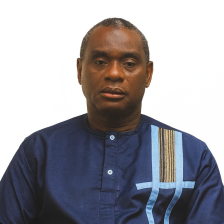
Ibrahima Aidara
Deputy Africa Director

Aaron Sayne
Lead, Sustainable Energy Supply

Ahmad Abdulsamad
Nigeria Program Officer

Damilare Ogunmowo
Africa Communications Officer
One Crisis, Seven Lenses : MENA’s Energy Transition at a Crossroads
What the 2026 energy shock means for the future of transition in MENA

In early 2026, the U.S.-Iran war and the closure of the Strait of Hormuz triggered the most severe energy supply shock in decades — disrupting global hydrocarbon flows and exposing just how fragile and interconnected energy markets are. In the Middle East and North Africa (MENA), the shock carried different meaning for fossil fuel producers trapped by the Hormuz closure, for other fossil fuel exporters, and for energy-importing countries. But for every government in the region, it landed on territory where energy is already a daily household concern, and where the transition to cleaner, fairer energy was only beginning to gain momentum.
The crisis pushed energy security to the top of every policy agenda in the region, while simultaneously raising new questions about the future of the transition itself. The same shock is pulling policymakers, investors, and communities in multiple directions at once. Which path prevails will depend on the choices made now.
That is why we set up the NRGI MENA Just Energy Transition Platform, as a space for knowledge production, dialogue, and advocacy among those committed to a transition that is not only faster but fairer, anchored in strong governance foundations. Among the community of experts, we work with an Advisory Expert Group to support and guide us — leading voices on energy, governance, and transition from across the region. In the weeks following the crisis, we put one question to this group: What does this moment mean for the future of energy transition in MENA? Each responded from a different vantage point. Read together, they converge on the same central tension.
The reflections below are short excerpts from longer contributions by members of the NRGI MENA Just Energy Transition Platform Advisory Expert Group. You can read their full analyses in the briefing available for download at the end of this page.
The Strategist's Lens — Dr. Manal Shehabi — Senior Research Fellow, University of Oxford; NRGI MENA Advisory Board
The crisis cuts both ways for MENA's energy transition. Gulf exporters, unable to reap their usual windfalls, are cutting long-term transition spending first. Oil importers like Jordan, Egypt and Morocco have the strongest incentive to accelerate — but the least fiscal room to do so. The same shock that makes the transition more urgent is also what makes it hardest to fund.
The Resilience Lens — Dr. Mohammed Al-Breiki — Head of Industrial Studies and Policies, Gulf Organization for Industrial Consulting (GOIC)
For the Gulf, the crisis is not a choice between hydrocarbons and transition — it is a push to manage both. Higher revenues are being directed toward resilience, economic diversification and deeper regional integration: energy grids, the GCC railway, strategic reserves. Hydrocarbons remain the source of stability while the longer-term shift is built.
The Trade-offs Lens — Sarine Karajerjian — Program Director, Environmental Politics Program, Arab Reform Initiative
The crisis forces fragile MENA governments to navigate five trade-offs at once: security vs. transition, centralized vs. decentralized power, fiscal stability vs. social protection, speed vs. governance, and diversification vs. geopolitical alignment. How they balance these competing pressures — not whether they transition — will decide whether the shift is fair or deepens existing inequalities.
The Gender Lens — Myriam Sfeir — Executive Director, Arab Institute for Women
The energy crisis hits women hardest: more unpaid work, less income, and deeper inequality. Yet policy continues to treat all households alike. Effective responses require gender-sensitive energy policy that sees who is actually absorbing the cost — and designs support accordingly.
The Civil Society Lens — Dr. Pierre Saade — Head of Middle East and North Africa, Resource Justice Network
Civil society's role is to bring big energy decisions back down to lived reality — the cost of cooking, transport, and electricity — and to ask who benefits and who bears the risk as pipelines and corridors return under the banner of energy security. As energy access grows more conditional and contested, democratic oversight and community accountability matter more than ever.
The Opportunity Lens — Dr. Jauad El Kharaz — Co-Chair, Mediterranean Clean Energy Network (MEDCEN)
What if the crisis is the opening, not the setback? A Mediterranean remade not as a fossil gas corridor, but as a global green energy hub — 1 TW of renewables by 2030, powering local industry, not just exporting to Europe. The political and financial momentum created by this crisis may be exactly what makes that ambition achievable.
The Media Lens — Roula Mikhael — Executive Director, Maharat Foundation
Media coverage of the crisis stays fixed on prices and shortages, missing the bigger story of structural transition — held back by limited access to energy data and varied editorial pressures across the region. Stronger technical expertise among journalists and a more constructive journalism approach could shift coverage from reactive reporting toward informed, accountable, and forward-looking public debate.
Seven lenses. One crisis. One central tension: whether the energy transition can survive a shock that makes it both more necessary and harder to fund.
The energy transition has become an energy-security argument, not only a climate one. The resilient path runs through renewables, grids, and decentralized systems — but it only holds if the people bearing the cost stay at the center, and the governance of fast deployment keeps pace with ambition. That is what the NRGI MENA Just Energy Transition Platform exists to ensure.
Read all seven perspectives in full — download the briefing: One Crisis, Seven Lenses
Beyond Oil and Gas: Regional Perspectives on a Transition Under Pressure

As more than 50 countries gather in Santa Marta for the first conference dedicated to transitioning away from fossil fuels, NRGI's regional directors share how governments are navigating competing pressures, and what this means for economies and communities
The energy transition is happening. It is also, depending on your perspective, too slow, too fast, too expensive, or something else entirely. As the governments of Colombia and The Netherlands convene the first-ever conference dedicated to transitioning away from fossil fuels in Santa Marta, that ambition is running up against a charged reality: oil price spike, land grabs, geopolitical jockeying for resources and mounting debt in many producer countries.

NRGI’s work is grounded in the recognition that how the transition unfolds—and how quickly—will determine whether it contributes to fair, inclusive and more prosperous societies, while acknowledging that communities that have contributed least to the climate crisis too often stand to lose the most. There is not one transition. There are transitions—shaped by very different starting points, economic realities and development priorities. Those gathering in Santa Marta must consider these diverse perspectives, including from communities, countries and regions that are not always fully represented in these debates.
Three of our regional directors reflect on how the transition is unfolding in practice, drawing on two decades of work on resource governance.
How are governments approaching the transition in the current context?
Santa Marta's organizers argue that current conflicts reinforce rather than sideline the case for transition. For governments navigating oil price uncertainty, rising energy demand and immediate security pressures, however, the picture is more complicated.
Africa—Nafi Quarshie, Africa Director

Latin America—Ana Carolina González Espinosa, Latin America Director and Senior Director for Programs
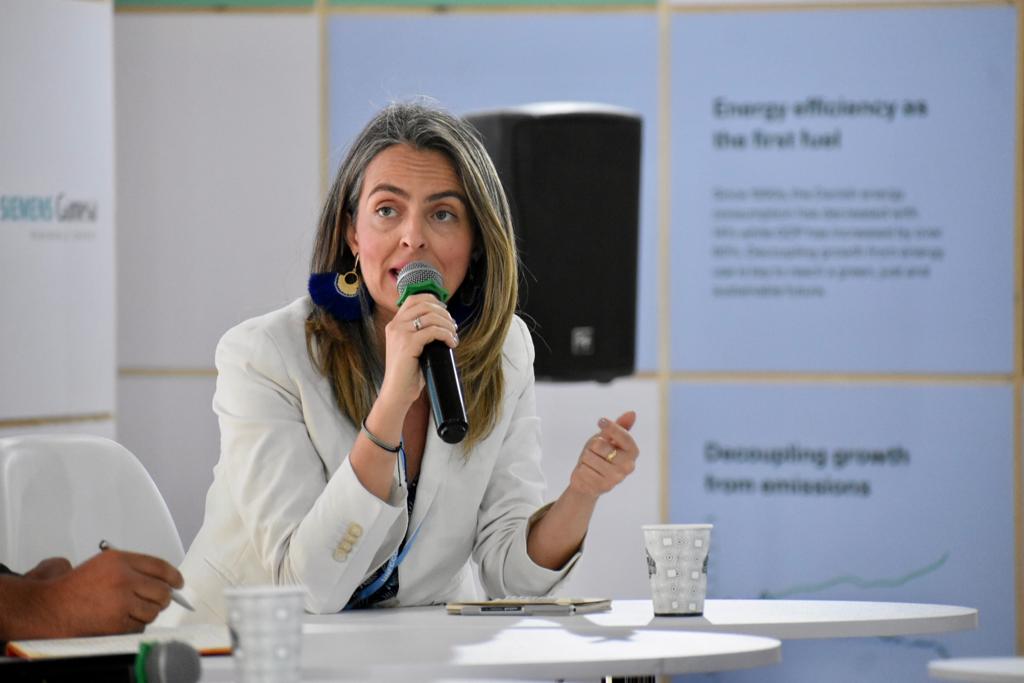
MENA—Laury Haytayan, MENA Director


The Price of Instability: Oil Shocks, Energy Transitions and MENA's Economic Future

The ongoing conflict in Iran, Lebanon and across the region is devastating lives and livelihoods, and driving significant uncertainty across the Middle East and North Africa (MENA). While much remains unclear, it is certain there will be far-reaching implications for economic stability, energy markets and policy trajectories—particularly in the Gulf Cooperation Council (GCC) countries and Iraq.
While much attention has focused on immediate effects, less explored are the medium- to long-term structural impacts on regional economies and energy strategies.
This webinar brings together leading experts from the worlds of business, politics and civil society to examine the "price of instability"—how the conflict may reshape oil and gas markets, fiscal stability, investment patterns and energy transition pathways across MENA. It will also explore how governments, especially in the GCC and Iraq, may adapt their policies in response to evolving risks and opportunities.
The discussion will combine energy market analysis, macroeconomic perspectives and geopolitical insights to provide a forward-looking view of the region’s resilience and strategic choices in a more volatile environment.
Speakers:
- Carole Nakhle, CEO, Crystol Energy
- Rola Dashti, Kuwaiti economist and senior public leader
- Lina Khatib, Associate Fellow, Chatham House
Moderator:
- Laury Haytayan, Regional Director, Natural Resource Governance Institute
This webinar will be conducted in Arabic with simultaneous English interpretation.
Gas in Mexico: Risks and Alternatives for a Sustainable Energy Model

Key Messages
- Mexico is critically dependent on imported gas for its energy system.
- More than 70 % of the gas consumed nationally comes from the United States, primarily through pipelines from Texas, creating vulnerabilities and exposing Mexico to significant risks.
- For years, energy policy has been based on three assumptions that require urgent review: 1) that Mexico will have sustained access to an abundant and reliable gas supply; 2) that U.S. gas prices will remain low and stable; and 3) that gas use does not compromise Mexico’s climate and energy transition goals.
- In an increasingly dynamic and uncertain context, growing dependence on gas—especially imported gas—increases the country’s exposure to emerging risks such as potential supply disruptions, price volatility, geopolitical realignments, rising methane emissions, and possible stranded assets.
- Without strategic management of these risks, the consequences for Mexico’s energy security and sustainability could be severe. It is urgent to analyze these risks and assess whether the current gas strategy is compatible with the country’s energy transition and climate objectives.
- This document offers a realistic perspective that acknowledges gas’ contributions but also identifies limits and conditions for its future use, proposing key questions to guide the debate.
The growing Mexican dependence on gas, particularly that originating from the United States, today represents one of the most pressing challenges to the country’s energy security.
Gas supplies most of the electricity generation and is an essential input for industry and Pemex. This centrality has been built on a growing dependence on imports from the United States. The deepening of this dependence has exacerbated the country’s energy vulnerabilities, making it more susceptible to adverse conditions.
This discussion paper examines the assumptions that have guided energy policy around gas in light of emerging risks in an increasingly dynamic and uncertain context. The risks identified are grouped into three main categories: supply risks, economic risks, and environmental and climate risks.
This analysis seeks to contribute to a more informed and realistic debate on the role of gas in Mexico, helping to move beyond the polarized positions that currently prevail. It offers a pragmatic, evidence-based approach that recognizes the complexities of today’s energy system while also identifying the limits and conditions for the future use of gas.
To advance in this direction, four key priorities are identified:
- Adopt a comprehensive risk assessment framework for gas.
- Advance an orderly and coherent energy transition that harmonizes the role of gas with renewable energies
- Develop a gas demand management policy.
- Strengthen capacities for measuring, monitoring, reporting, and verifying methane emissions.
Mexico has the legal framework, technical capacities, and institutional tools necessary to reduce its structural dependence on gas and mitigate the risks that derive from it. Strategically leveraging these capacities will be essential to ensure a reliable, affordable, and sustainable energy supply in the coming decades.
From Kyiv to Kinshasa: Five Lessons for Governments Navigating Mineral-for-Security Deals

As the ink was drying on the recent Ukraine-United States agreement, questions quickly arose: could this approach, which puts mineral resources at the heart of security diplomacy, serve as a model for mineral producing countries in Africa and beyond? Today’s announcement of a U.S.-brokered agreement around the conflict in the Democratic Republic of the Congo (DRC) with Rwandan-backed rebels raises the possibility of a frequently mentioned linked U.S. minerals deal being a next step, making it timely to consider implications of the Ukraine deal elsewhere.
With the Trump administration having set the tone by aggressively linking U.S. diplomacy to commercial and geopolitical mineral competition, a wave of state-to-state mining agreements may well be coming—with some focused on the minerals-security nexus.
Some governments and stakeholders in mineral-producing countries may view these new deals with trepidation, not least given the intense diplomatic pressure pushing them to the negotiating table, the role minerals have long played in conflicts and some negative experiences with somewhat analogous resource-for-infrastructure deals in past decades. Others may welcome a novel structure to support their broader security or development ambitions. Regardless of their orientation, lessons from Ukraine's newly signed deal and earlier African country experiences can help governments navigate this environment of deal-making in the pressure cooker of the current geopolitical moment.
Choices made by Ukraine and other countries in the context of war and an urgent need for international support should be understood accordingly. Still, governments have important lessons to draw upon, including around the importance of transparency, the need to look beyond rhetoric to the concrete lasting obligations, the challenges of valuing mineral resources and what’s received in return, and how to advance long-term objectives while prioritizing short-term security needs.
Transparency is essential
The frequent lack of public information about state-to-state mineral partnerships often makes them difficult to scrutinize. As with mining contracts generally, transparency—including around the parties involved and responsible for implementation—is essential to building public trust, deterring corruption and helping ensure fair returns to a country’s citizens.
In this sense, it is noteworthy that one of the main agreements constituting the Ukraine-U.S. deal was published by the Ukrainian government (though not simultaneously by the U.S. government) and approved by the Ukrainian legislature. This publication at least allows stakeholders to probe some of the details around two main features of the deal, namely (i) a joint investment fund for the reconstruction of Ukraine using, in part, Ukrainian government resource revenues, and (ii) commitments by the Ukrainian government to the U.S. regarding investment opportunities and offtake rights in future resource projects in Ukraine.
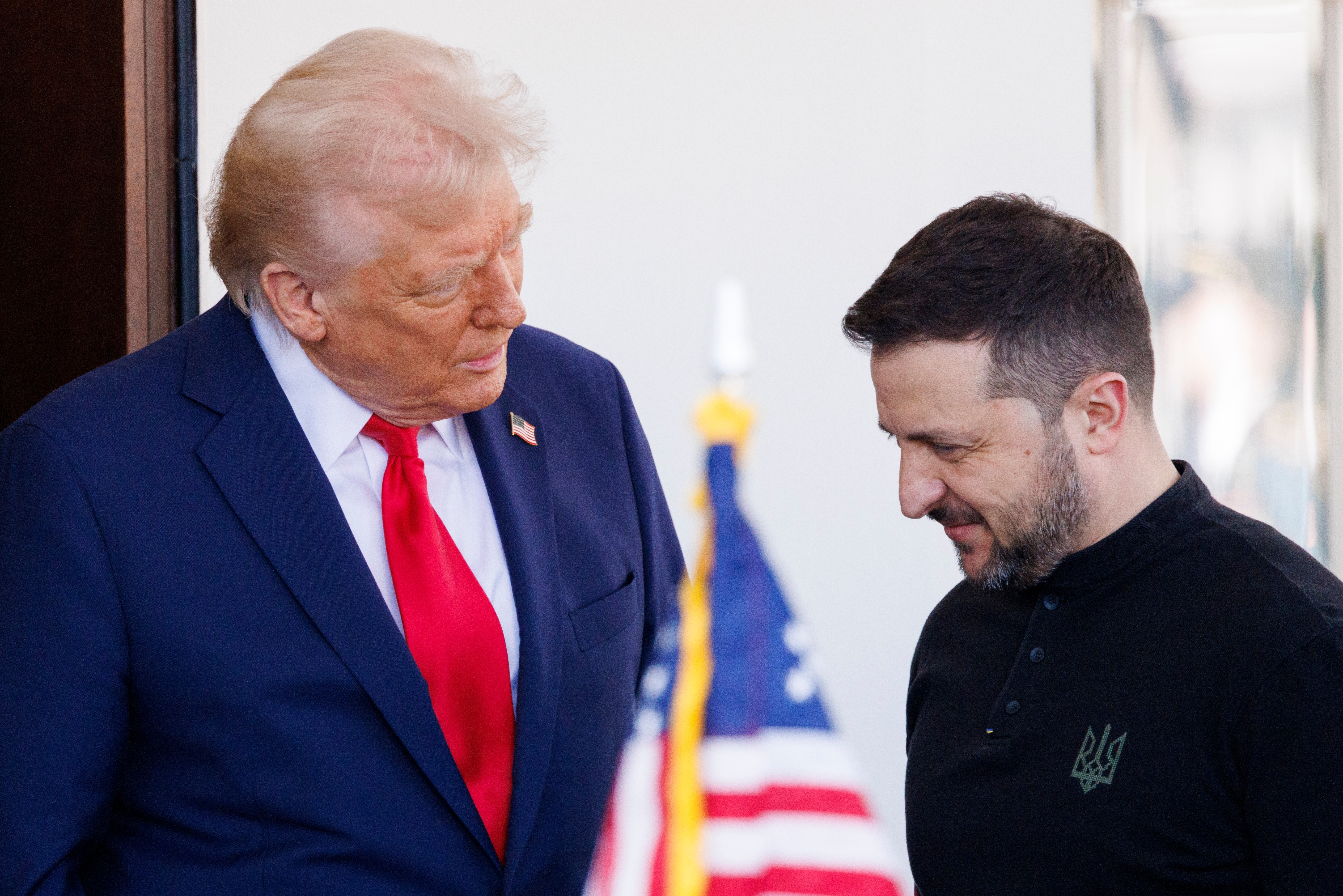
However, some key terms—namely those detailing contributions and withdrawals from the fund, are not set out in the published agreement, but in a separate “LP agreement,” reportedly signed weeks later, which has not been disclosed. Without transparency of the full deal documentation, stakeholders cannot have a full understanding of the deal.
African experience with resource-backed loans or resource-for-infrastructure arrangements reinforces the importance of transparency. Like today’s mineral-security deals, those deals involved mineral-producing countries using their natural resources to achieve largely unrelated benefits (e.g., financing for infrastructure in exchange for future natural resources) and often involved a global power government. For example, transparency concerns have plagued multiple stages of the DRC-China Sicomines deal, from the initial agreement to a 2017 amendment, the latest 2024 renegotiation and its ongoing implementation.
Civil society organizations in the DRC have raised concerns that a potential U.S. mineral deal risks repeating the opacity that characterized the Sicomines deal. The fact that the Congolese public apparently first learned of the potential deal with the U.S. through American media rather than their own government underscores this concern. On the other hand, the DRC government has recently published the names of the team coordinating the U.S. negotiations, aiming to reinforce public trust and preempt potential corruption concerns. The government should continue to prioritize transparency, particularly in any next step economic negotiations, allowing the public to have a better understanding of the DRC's expectations in this process.
Rhetoric doesn’t always match reality…
Transparency is important in part because with complex arrangements such as mineral partnership agreements, the devil is in the details. In negotiating or evaluating a deal, producer-country governments and stakeholders —such as civil society and parliamentarians— must look beyond the rhetoric to understand the actual terms and lasting obligations.
For example, media coverage of the Ukraine-U.S. agreement, has focused on U.S. preferential access to Ukrainian minerals and Ukraine avoiding an obligation to repay earlier U.S. for earlier military assistance. But in each of these cases, the actual terms of the agreement provide less certainty than the political rhetoric suggests.

On U.S. access to Ukrainian minerals, the White House fact sheet suggests that future natural resource projects in Ukraine are there for the U.S.’s taking: “If the United States decides to acquire these resources for ourselves, we will (sic) given first choice to either acquire them or designate the purchaser of our choice.” In practice, Ukraine achieved agreement terms that are more nuanced, clarifying that any preferential offtake terms apply only to certain resource projects and would need to be negotiated based on “market-based commercial terms.” And while the agreement mentions “certain restrictions” on offtake by others (to be detailed in the LP Agreement), the published agreement does not mention a U.S. right to designate a purchaser.
On Ukraine not repaying the U.S., this is, strictly speaking, accurate and an improvement for Ukraine from earlier Trump administration positions. However, the only specified financial commitment from either party in the published agreement is Ukraine contributing “Ukraine Agreed Revenues” (i.e., 50 percent of royalties, fees, etc. from certain resource projects) into a fund reported jointly and equally owned by the Ukraine and the U.S.. And while some sources reference the US also making financial contributions into the fund, the published agreement includes no such commitment.
Furthermore, mention in the published agreement of future military assistance counting as an “increase” in the U.S. contribution could be interpreted (unless otherwise addressed in the LP agreement) as the U.S. having already contributed to the fund. In such an interpretation, the agreement’s provisions could be viewed as a sort of conversion of “debt” (for prior U.S. military support) into “equity” for the US in the fund. Nevertheless, the narrative that Ukraine owes no repayment to the U.S. has prevailed. Ultimately the real balance seems to depend on (i) the eventual significance of the “Ukraine Agreed Revenues” and (ii) the eventual rules around withdrawal of money from the fund and any further commitments to contribute into the fund, which were to be set out in the separate undisclosed LP Agreement.
…but perceptions matter too
While analyzing deal terms is essential, the Ukraine experience shows that it is not only hard contractual obligations that matter. Even if the deal is, as some commentators have noted, unlikely to lead to significant resources or revenues changing hands anytime soon, signing it does appear to have contributed to changing the dynamic between the U.S. and Ukraine.
It has relieved pressure on Ukraine from the Trump administration and opened the door to further U.S. diplomatic support, putting the possibility of additional US military assistance back on the table for the first time under this administration. In that sense, the deal has perhaps already helped Ukraine achieve some of its short-term objectives with a U.S. administration eager to tout “deals,” even if future U.S.-Ukraine relations remain uncertain in a volatile geopolitical context. As African governments weigh the pros and cons of similar deals, these relationship considerations will certainly be a factor driving decision amidst imperfect choices.
More broadly, the Ukraine deal shows that even in power imbalances, it is possible to improve terms through negotiations. Ukrainian officials were able to at least partly resist pressure and improve the deal terms from the earlier White House proposals with apparently significantly worse terms for Ukraine, though this also depends on the terms of the undisclosed LP agreement.
Governments need to rigorously assess the value of mineral resources and what is offered in return
Fairly valuing mineral resources is always challenging in mining deals due to uncertainty around geology, prices and costs. For the Ukraine agreement, estimating the value of the “Ukraine Agreed Revenues” comes with its own challenges, but using data from Ukraine’s EITI reports on previous government resource revenues and various scenarios on the value of Ukraine’s mineral resources, while not foolproof, could help.
The valuation challenge is even greater in mineral-for-security or resource-for-infrastructure deals when assessing what is received in return for minerals. For example, the Sicomines deal has been criticized for trading significant mineral wealth for inadequate roads and poor equipment.
Security deals add further complexity because military and diplomatic assistance are often opaque and harder to value. The valuation needs to also account for the impact of such assistance. For example, while a deal between Kinshasa, Kigali and Washington could potentially address the conflict with the Rwandan-backed M23 rebels, valuing that security assistance and its impact on human rights and the economy, including on the mining sector—is difficult given there are more than 140 armed groups active in Eastern Congo.
In mineral security arrangements, a key potential benefit for producer countries, be it Ukraine or DRC, is the promotion of future resource-sector investment. But in practice achieving this often goes well beyond what is covered in the agreement. For example in Ukraine, the significant private sector investment required is unlikely until the conflict ends, especially as an estimated half of the country’s mineral wealth is currently under Russian occupation.
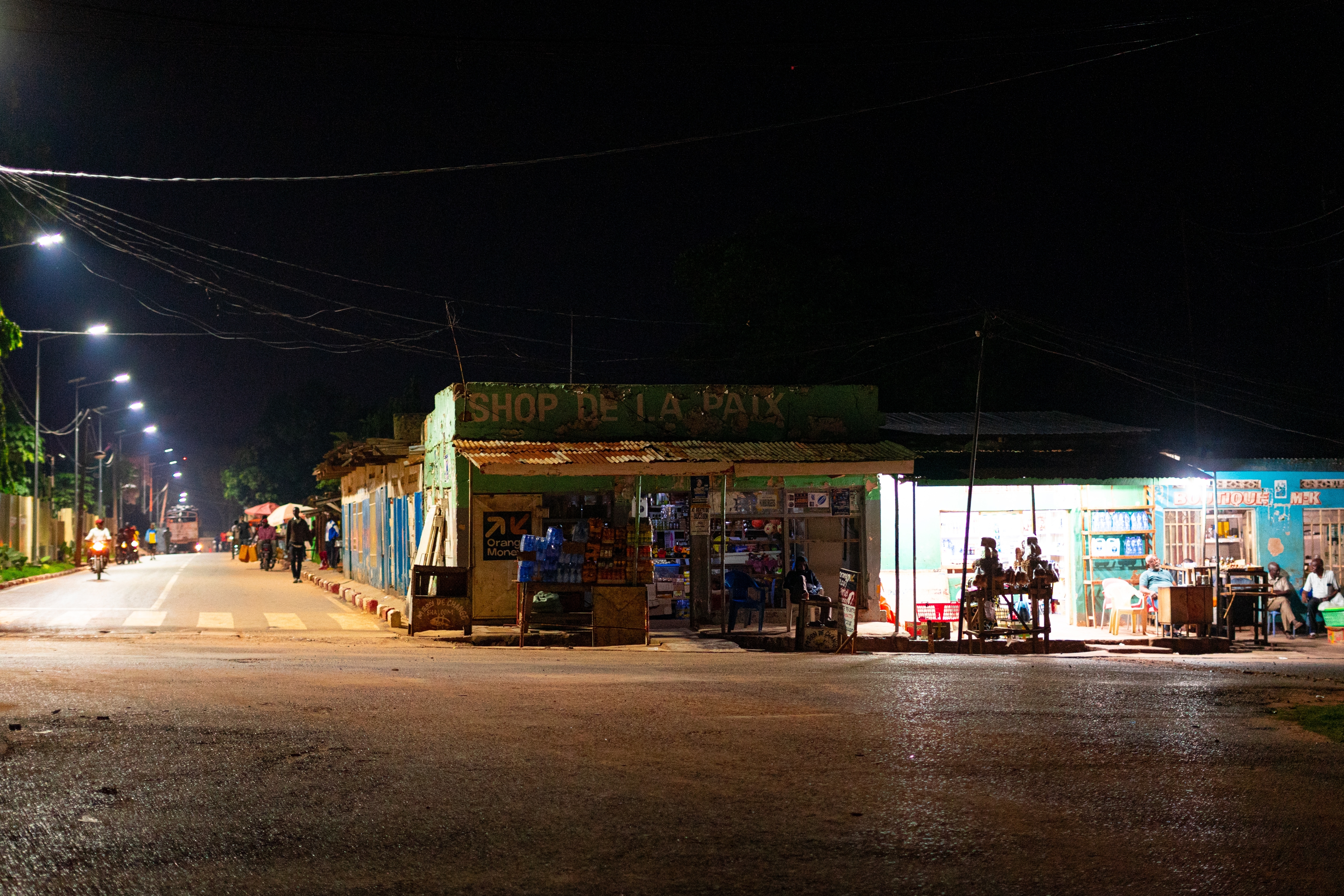
In the DRC, besides the security context, other challenges hindering Western mining investment include: lack of sufficient energy and transport infrastructure, a difficult business environment and Chinese market dominance. Many known deposits have already been ceded to foreign companies, limiting the DRC government’s options. Also, lack of certified geological data in certain areas, notably in rebel-controlled areas, further complicate valuation.
Short term security needs will understandably be prioritized, but impacts on long term objectives should also be considered
Immediate peace and security considerations understandably carry overwhelming weight in political decision-making for countries suffering an armed conflict. For countries such as Ukraine and the DRC, negotiating from unstable positions, strategic concessions may be rational trade-offs for stability.
At the same time, Ukraine’s experience shows other prospective deal-making governments that even in such a context, governments can also guard against undermining long-term objectives. For example, Ukraine’s negotiating team was clearly aware of the risk that the deal terms could undermine Ukraine’s ambitions around EU accession by falling afoul of EU market access requirements. President Zelensky also made clear that he would refuse “to sign something that ten generations of Ukrainians will be paying for.”
In considering long-term implications, governments should consider the duration of any deal and the ability of parties to terminate is important. The published Ukraine-U.S. agreement only terminates upon mutual agreement, meaning provisions such as Ukraine’s revenue contributions and U.S. preferential offtake rights could, in theory, be meant to continue in perpetuity. Combined with provisions that the agreement prevails over Ukrainian law and benefits from legal stabilization, this indefinite duration raises questions around the sustainability of the deal, particularly if a dispute arises around how fund revenues are used.
The Agyapa deal considered by the Ghanaian government in 2020 raised some similar issues: it proposed assigning a significant part of future government gold royalties in exchange for an upfront payment, but the lack of clarity around the value of royalties being assigned and the indeterminate duration of the arrangement raised concerns, contributing to the deal not moving forward.
Deals negotiated amid conflict are subject to different dynamics and will be judged largely on their success in resolving security crisis. Even so, producer-country governments should factor their long-term goals. For Ukraine, this includes EU membership; for the DRC, broader goals beyond immediate security may also include improved mineral exploration, technology transfer and value addition.
Many mineral-producing countries such as the DRC are looking to move beyond extraction toward mineral value addition supporting industrialization. The DRC has concluded agreements in recent years to diversify commercial partners in the mining sector and increase local value. These include cooperation agreements with Zambia on electric vehicle battery value chains, as well as with the EU, Saudi Arabia, China and Japan, and with various state-owned and private companies.
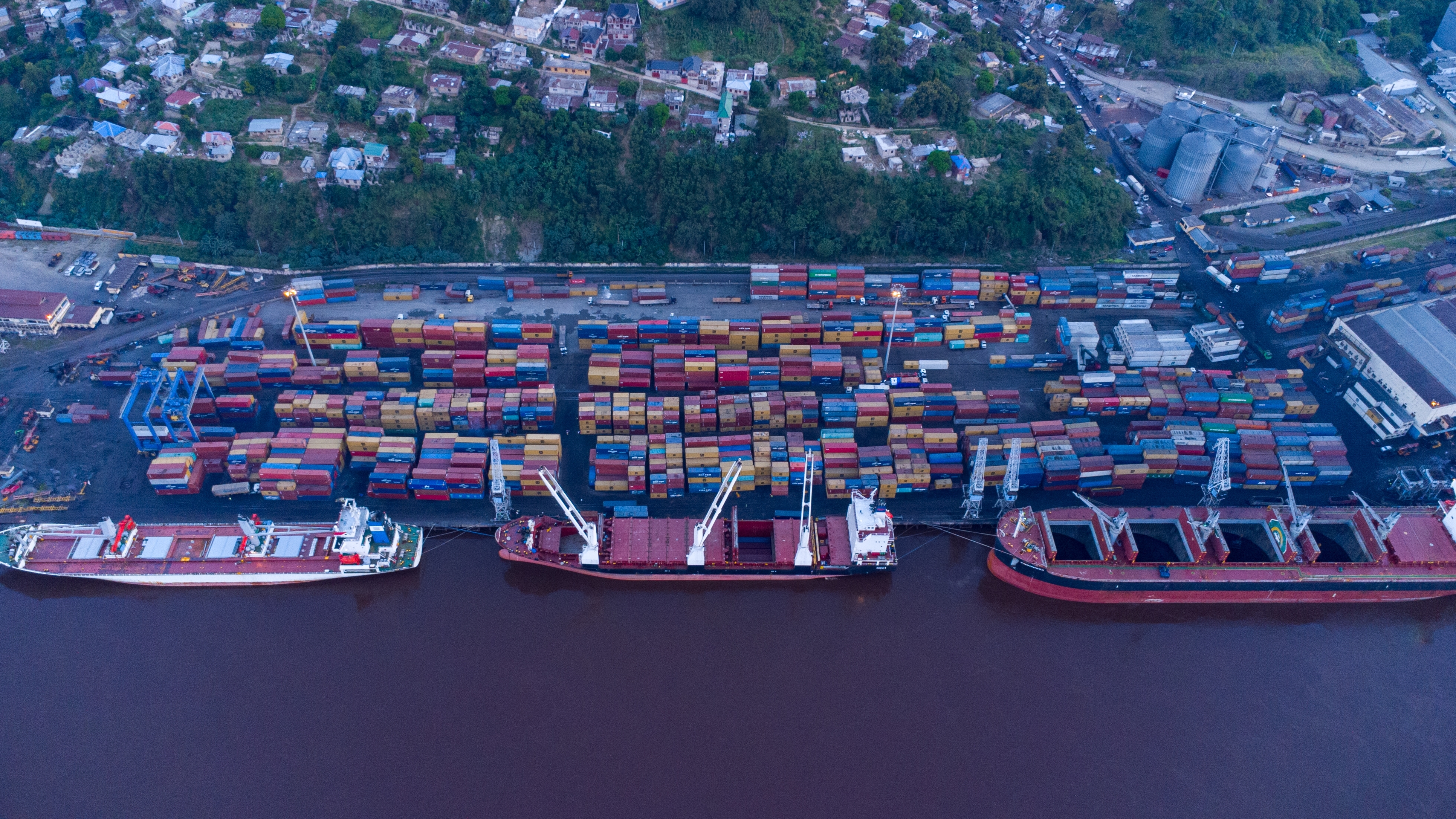
Any eventual DRC-US agreement may therefore also be judged by Congolese stakeholders partly on whether it supports or undermines these ambitions. This is complicated by the possibility that a DRC-U.S. deal could involve Rwanda. One report suggests an eventual deal could involve “the creation of an industrial zone in Congo that would export processed metals via its neighbors,” while others indicate that Kigali sees negotiations “as an opportunity to legitimize access to Congolese resources and attract investment to expand its own existing metals processing.” The latter outcome could face criticism that negotiations prioritize short-term political survival of the governing coalition over the country’s long-term development goals.
Conclusion
The new context of state-to-state mining agreements may reshape what a “good deal” means for mineral-producing counties. As the DRC and others consider such arrangements—especially minerals-for-security deals—lessons from Ukraine and earlier resource-for-infrastructure deals can offer valuable guidance.
Given the polarized geopolitical context in which these deals are being negotiated, producer countries can benefit from maintaining strategic neutrality as much as possible. This is important for countries like the DRC to safeguard sovereignty and retain control over policy- making and the national development trajectory.
Ultimately, any deal will be judged on its implementation and impact. Transparent and measurable implementation will be essential to ensure benefits reach the population.