
Natural Resource Governance: A Matter of Life and Death

Anthony Bebbington, International Program Director for Natural Resources and Climate Justice at the Ford Foundation, argues that resource governance is no longer only a question of who gains and who loses. It is a question of what is allowed to live, by whose authority and on what ethical grounds.
“Is a River Alive?”
This question, the title of a book by Robert Macfarlane, is not often asked in the natural resource governance community. But might posing questions like this open productive pathways? Pathways that lead not to the familiar trope of counter-posing development and nature, but that instead center responsibility, legitimacy and ethics. If one was to entertain the idea that rivers, forests and soils are life forms, then decisions that lead to their modification or destruction in the process of creating value would have to be understood as decisions to transform, redistribute and end opportunities to live, or to live well. Natural resource governance would then have to grapple explicitly with the ethical and existential questions that can otherwise be hidden by environmental impact assessments, budget sheets and growth models. It would accept that the governance of extractive industries is as much a politics of incommensurability as one of optimization.
In both its theory and its practice, natural resource governance has been mostly concerned with the steering of interests and incentives, of rents and taxes, of benefit sharing and compensation, of conflicts and their resolution, and of the behavior of companies, governments and organized civil society. It has elevated technical, institutional and managerial questions, and has understood itself as a field focused on the governance of wealth creation and distribution, rather than on the administration of life and death.
In many cultures, mountains, rivers and forests are understood as life forms and are governed and respected accordingly.
That said, there are spaces where these more existential questions are present. The ever-stronger debate on no-go zones raises these concerns, as do conversations in faith communities, popular culture, legal scholarship, creative industries and especially among Indigenous Peoples. Films such as Avatar and Dune, whatever else one thinks about them, are relentless in insisting that resource extraction is about decisions over what lives, and what dies, and the exercise of power to enforce those decisions. The papal encyclical, Laudato Si, did something similar, albeit more cautiously, insisting on the moral imperative of caring for creation in the face of extraction – a perspective also present in other faith traditions. The still nascent but emerging jurisprudence and legal scholarship on the rights of nature does not necessarily argue that abiotic nature is alive, but it gets close when it asserts a river’s status as a bearer of rights that merit legal protection against resource extraction (assertions that have sometimes prevailed in the courtroom). The growing scholarship on more-than-human life and “Earth Beings” entertains the same possibilities, and even if it may not pass its own judgement on whether abiotic nature is alive, it does recognize that in many cultures, mountains, rivers and forests are understood as life forms and are governed and respected accordingly.
For many in the natural resource industries, these contributions might be viewed as theoretical, unrealistic and anti-development. But those same voices are often quite comfortable with the idea that a corporation is a legal person with rights and obligations. And yet it would seem far harder to argue that a corporation is a being than to make the same claim for rivers, soils or forests.
My purpose here is not to be dramatic, nor to argue that resource extraction cannot create important opportunities—I come from a region that in large measure lived from coal mining and associated industries, and whose economy has really struggled since their demise. To ask bigger and ethical questions about resource extraction is not to argue against resource extraction in all its forms, nor to question that the good governance of resource extraction can make important contributions to human development—it clearly has done, and I grew up seeing many of those contributions. Rather, my purpose is to ask those of us in the natural resource governance field to live with the discomforts that we should live with. It is neither helpful nor honest to discuss resource governance or development governance without also centering the fact that these are fields that steer decisions about which and whose forms of living—human and biotic—will gain, and which and whose forms of living will suffer and, in some instances, be extinguished.
Recently, I was in a region experiencing vertiginous increases in mineral extraction, processing, capital investment and job creation. We spent time with Indigenous Peoples who not so long ago came out of isolation. Kind, funny, dignified and thoughtful, they are forced to navigate the sweeping transformations this growing resource extraction economy imposes on their lives with little to no support. The asymmetries of power this creates are appallingly large, and one came away with the sense that these communities are not being heard and have been largely left on their own to bear the costs. In a case like this, on what ethical grounds, and on the basis of what claims to legitimacy, are some able to decide that a form of life—in this case human—just doesn’t matter enough to stop it from slowly dying out. Is it sufficient to argue that the creation of tens of thousands of jobs justifies this? Is it adequate to argue that “we are the elected government”, or “we are a nationally strategic project” and therefore mandated to decide on these trade-offs? This is not clear, just as it is not obvious that citizens really intend their vote to give the governments they elect the power to decide what forms of life should prosper and which should die. Indeed, the idea that we might be delegating such power evokes a whole range of historical cataclysms.
As Earth is pushed up against or past almost all its planetary boundaries, the resource governance discussion is now more than anything else a discussion about what is allowed to live, and what not, why, when, by whom, and on what grounds. On what basis is the power to make such decisions given to those who govern natural resources? Discussing this should place ethicists, humanists, faith leaders, Indigenous Peoples and artists (for instance) alongside technocrats, company managers, bureaucrats, policymakers and scholars in a shared project of placing these really hard questions at the center of natural resource governance.
Decisions about extraction will become even more focused on wealth and war, and even less concerned with the flourishing of all life in all its wonder and glory.
Some of these difficult conversations about ethics, legitimacy and authority are already happening, but they should become much more central to the field. Building on Lisa Sachs’ recent commentary, to deepen such conversations would be a conscious effort to approach resource governance not only from within wider approaches to development, but also within wider approaches to democracy that understand democratic process as existing in service of life—all life. After so many centuries of unequally distributed harms, and in a context in which small groups of plutocrats and autocrats seek to steer ever more of our decisionmaking on issues of huge consequence, this centering of life and ethics seems a critical path in the face of the real risk that decisions about extraction will become even more focused on wealth and war, and even less concerned with the flourishing of all life in all its wonder and glory.

Anthony Bebbington is International Program Director for Natural Resources and Climate Justice at the Ford Foundation. He is a member of the National Academy of Sciences and the American Academy of Arts and Sciences and a Guggenheim Fellow, and has held professorships at the Universities of Melbourne, Manchester and Clark, along with Australian Research Council Laureate and Economic and Social Research Council professorial chairs. He has served as board chair of the Climate and Land Use Alliance and the TAI Collaborative, as a board member of Oxfam America, and has worked at the World Bank. He is an incoming trustee of the Natural Resource Charter Limited (NRCL), NRGI’s UK-registered charity. His work focuses on environmental and climate governance, extractive industries, rural livelihoods, social movements and non-governmental organizations. He contributed this piece as part of NRGI's 20th anniversary thought piece series on the future of resource governance.
After Raja Ampat, Can Indonesia Lead on Responsible Mining?

In June 2025, a viral protest over nickel mining in Raja Ampat has forced Indonesia to confront a deeper question: how can the country’s green-energy ambitions coexist with its environmental laws? When Greenpeace Indonesia spotlighted nickel mining on the small islands of the Raja Ampat archipelago of Southwest Papua earlier this year, public outrage spread rapidly online and prompted one of the fastest government responses to civil society pressure in recent memory.
Indonesia’s Law No. 1/2014 on the Management of Coastal Areas and Small Islands article 23 prohibits mining activities on islands with the total land area of 2000 km2 or less. The public called for an immediate halt to mining operations in Raja Ampat, an ecologically sensitive and popular tourist destination, especially among divers. Five mining concessions were identified within the Raja Ampat islands. Within a week, four mining permits were revoked, while the PT Gag mining concession was placed under review on legal grounds for alleged violations of the law preventing seawater pollution, sedimentation and deforestation.

The government’s rapid intervention drew national attention to how mining rules are applied in Indonesia. But, by early September, PT Gag had resumed its mining operations while the ongoing environmental audit continues. This decision drew sharp criticism from several environmental NGOs, including Greenpeace Indonesia and Auriga Nusantara, and from environmental experts who argued that PT Gag’s operations also violate the law that prohibits mining on small islands.
This incident illustrates a reactive rather than proactive approach to enforcing environmental rules in Indonesia, one driven by public outrage rather than systematic oversight. It underscores Indonesia’s need for a more robust environmental, social and governance (ESG) compliance system: not merely as a reputational safeguard, but as the structural foundation for long-term social acceptance, economic stability and environmental resilience.
Why stronger ESG systems are now essential
Strong mechanisms for public transparency and regular consultations with impacted communities are essential to ensure environmental rules are applied consistently, and that people living near mining projects have the tools necessary to identify and address risks before they become crises. Indonesia can learn and build on internationally recognized ESG frameworks such as the Extractive Industries Transparency Initiative (EITI), the Initiative for Responsible Mining Assurance (IRMA) and the Responsible Minerals Initiative (RMI), to name a few. Together, these initiatives provide a blueprint for balancing economic development with environmental stewardship and social justice.
Indonesia is currently among the world’s top producers of nickel, a critical input for electric vehicle batteries and other low-carbon technologies. The government's value addition policy (known as “downstreaming”) requires in-country processing of raw minerals. This has successfully attracted foreign investment and boosted export value. However, this strategy must be paired with credible ESG performance to ensure economic benefits do not come at the expense of environmental degradation or social conflict. Aligning national frameworks with international standards can enhance responsible investor confidence, improve market access and reduce reputational risks, while building durable social acceptance.
How international standards can strengthen Indonesia’s governance
Take EITI, for example. Beyond transparency, it provides a governance framework that fosters accountability through multi-stakeholder dialogue, where representatives from government, civil society, and extractive industries sit together. Indonesia has implemented EITI since 2010, but its potential remains underused. Rather than duplicating ESG guidelines, the government could deepen its EITI engagement by expanding disclosures on environmental impacts, community consultations and benefit-sharing mechanisms, to name a few. EITI’s multi-stakeholder group could make better use of this information, feeding it directly into public debate and policy decisions. While EITI itself can’t enforce corporate ESG compliance, it can provide a collaborative platform for shaping stronger policies.
IRMA on the other hand provides more detailed metrics for assessing site-level environmental, labor and governance performance, including respect for free, prior and informed consent (FPIC) of Indigenous Peoples—a critical issue in the context of Raja Ampat. Currently, there are only two mining companies operating in Indonesia that have been voluntarily submit to IRMA audit, which still ongoing for both of them.
Furthermore, the RMI provides due diligence tools that major global manufacturers use to ensure ethical sourcing of minerals. Adopting such tools within Indonesia’s own regulations would align domestic mining practices with global supply chain requirements. It would also strengthen Indonesia’s position as a reliable partner in the global energy transition. With the European Union introducing legislation mandating supply chain due diligence for imported transition minerals, alignment with established international standards has become not just good practice, but a competitive advantage.
From wake-up call to lasting reform
The Greenpeace protest and subsequent license revocations should serve as a wake-up call. They reflect a civil society that is increasingly informed, organized and influential in shaping policy outcomes. While industry actors lauded the economic gains of nickel mining, the lack of robust safeguards in environmentally sensitive areas like Raja Ampat weakens the integrity of Indonesia’s policy around mining as well as value addition. Establishing a credible ESG framework, grounded in international standards, is not just a technical necessity, but a strategic imperative.
Institutionalizing ESG compliance must go beyond box-ticking. It requires a cultural shift in governance, where transparency, accountability and stakeholder engagement are central to decision-making. Regulatory agencies must be empowered and better resourced to conduct rigorous environmental and social impact assessments, monitor compliance and enforce penalties for violations. Integrating ESG metrics into licensing and permitting processes—with independent verification—can further institutionalize best practices.
The events of early June offered both a warning and an opportunity. Indonesia can either treat ESG as a public relations tool to manage reputational risks, or as a transformative framework to guide its critical mineral development. The latter approach would not only strengthen its international standing but also ensures that economic growth does not undermine the environmental and social foundations on which it depends.
Indonesia stands at a crossroads. It can assert global leadership not only through its mineral reserves or smelting capacity, but by demonstrating that resource governance in the energy transition era is rooted in integrity, inclusion and international cooperation. The revocation of the Raja Ampat mining licenses was a welcome reactive measure. The next step must be proactive: embedding internationally recognized ESG standards into the very fabric of Indonesia’s mineral governance system. Indonesia now has the chance to show the world that responsible mining and economic development can go hand.
Corruption and Mining: Hidden Harms to People and Planet

As demand for transition minerals grows, the hidden costs of corruption are mounting. Decisions about mining — whether it should happen, where and how — are too often distorted by vested interests, undermining safeguards for communities, Indigenous Peoples and the environment.
This video highlights the findings of our joint briefing, Digging Into the Problem, which explores how corruption fuels socioenvironmental and human rights harms in mining, and what must change to build responsible and secure supply chains.
Digging Into the Problem
How corruption facilitates socioenvironmental, human rights, and Indigenous Peoples’ rights harms in the mining sector

Key messages
- As more mining takes place across the globe, the social, human rights and environmental harms associated with the sector are also growing. Corruption plays an essential, but often overlooked, role in facilitating, obscuring, and preventing accountability for these harms, particularly in mining for in-demand transition minerals and gold.
- This corruption can manifest in different ways depending on the form of mining and stage of the process. It may impact the political economy of mining countries or regions, undermining the legal frameworks that regulate the sector and leading to shrinking civic space. Decisions about whether mining should go ahead may be stacked in the favour of vested interests, while corruption in the operations of mines can lead to significant harm to workers, communities, and nature. Harm may also continue after the mining process, with corruption redirecting essential revenues and leading to poor mine closure practices.
- Ambiguous legal frameworks, weak governance, political transition or instability, geopolitical competition, and high demand and commodity prices all drive this corruption, often leading decision-makers to prioritize economic and supply security concerns over the needs of communities and nature.
- Although the harm of this corruption is often experienced primarily at the community level, it often has global roots. Addressing this problem therefore requires greater action from actors with leverage over mineral supply chains. Governments in major market jurisdictions should strengthen the enforcement of anticorruption legislation, pass corporate mandatory due diligence legislation that addresses corruption risks in the whole supply chain, and implement policies to reduce the overall demand for minerals. Downstream companies should do more to hold actors in their supply chain to account for corruption allegations, and international and multilateral bodies should better connect their agendas on fighting corruption, tackling climate change and biodiversity loss, and upholding human rights and Indigenous Peoples’ rights.
- To combat corruption effectively, it is essential to recognize that environmental justice and Indigenous Peoples’ rights are inherently linked. Equitable resource governance that respects Free Prior and Informed Consent (FPIC), ensures land tenure security, and integrates Indigenous stewardship not only reduces corruption risks but also protects biodiversity and supports sustainable practices.
Mining in its myriad forms is experiencing tremendous growth, against a backdrop of growing global inequality, transnational crime and geopolitical tension over future energy security. Yet this growth has also brought challenges, as corruption flourishes and enables a host of socioenvironmental and human rights harms.
Within this context, two areas emerge where the intersection between corruption and broader harms is particularly clear: transition minerals and gold mining. While many of the forms of corruption outlined in this briefing could apply across the mining sector, we highlight cases linked to these commodities because of the acute nature of demand for these products, the vulnerability of their mining processes to corruption and crime, their links to informal mining (often involving marginalized groups) and, crucially, the harms they pose to people and to nature.
Minerals with key applications in the renewable technologies and electrification of transport needed to deliver the energy transition (“transition minerals”) are receiving significant attention from policy-makers worldwide, who are concerned for future energy security. The International Energy Agency estimates that to meet the goals of the Paris Agreement, the next two decades will need to see an increase of 40 percent in rare earth elements, 60-70 percent in nickel and cobalt, and around 90 percent in lithium. However, it is important to note that these predictions are not a foregone conclusion. Shifting towards a circular economy—emphasizing mineral recycling, reuse, and efficiency improvements—can help reduce the reliance on new mining. With heightened pressure to meet growing demand, there is a real risk that corruption will increase commensurate to growth in these supply chains. The push for more mining can lead to corruption at the extraction stage, such as bribery or the manipulation of licenses, which can have far-reaching consequences in downstream industries, such as electronics, electric vehicle manufacture and other renewable energy industries.
At the same time, extremely high prices have also driven an explosive increase in gold mining. Gold bullion’s price gained 40 percent in the last year alone, reaching record highs in October 2024. The increase in gold mining has been particularly clear in the informal sector, where there are often fewer protections for workers, local communities and nature. In many cases, gold has provided an easily-laundered alternative to illicit commodities for organized crime groups or militias, with widespread consequences for the rule of law and the likelihood of conflict, violence and human rights violations.
As mining expands to meet demand, many actors have described the real consequences of its scale. In September 2024, Global Witness identified mining as the sector most associated with the killing of environmental and land defenders. Similarly, the Business and Human Rights Resource Centre (BHRRC) has consistently found mining to be the most dangerous sector for human rights defenders, documenting 630 allegations of human rights abuses over a 13-year period associated with transition minerals alone. These harms extend to nature—WWF has shown that current mining impacts up to one third of global forest ecosystems.
A key enabler of the profound harm mining does to people and nature is corruption—too often seen as a victimless crime or even as the inevitable ‘cost’ of doing business. Corruption diverts resources from service provision, undermines oversight institutions, the rule of law, and the state’s ability to uphold human rights, while being flagged as key to environmental crime. Such corruption also can undermine political stability, and it may even become profitable for some to retain levels of instability. The Natural Resource Governance Institute (NRGI) has identified over fifty cases of corruption in licensing and contracting of transition minerals projects.
These harms disproportionately impact Indigenous Peoples and local land-connected communities and lead to acute effects for women, children, and other vulnerable groups. Researchers from the University of Queensland have identified that 54 percent of energy transition minerals projects are found on or near Indigenous Peoples’ lands. Environmental justice and Indigenous Peoples’ rights are inseparable, as both are rooted in the equitable governance of natural resources. Indigenous Peoples are not only rights-holders but also stewards of nature, with their territories holding a majority of the world’s biodiversity. Upholding Indigenous Peoples’ rights is essential to addressing the harmful socioenvironmental impacts of mining.
Appreciating the risks associated with the growth in mining, in September 2024, the U.N. Secretary General launched principles to promote justice and equity in energy transition mineral supply chains, focusing on human rights, Indigenous Peoples’ rights, environmental protection, biodiversity and anticorruption measures. At the biodiversity COP16, the Colombian government launched an initiative to push for a new binding global treaty on traceability in mineral supply chains.
While such global policy developments help draw attention to these issues, their impact will depend on how effectively their recommendations are implemented at local, national and regional levels, and within company policies. A further key element of their success will be the extent to which reforms address the interconnected nature of these issues.
Policy-makers must pay greater attention to the often-overlooked role of corruption in enabling human rights abuses, violations of Indigenous Peoples’ rights, and social and environmental harm, and take action to combat it. This briefing seeks to support this work, breaking down silos between communities of expertise in the mining sector. It highlights the many forms of harm that corruption causes across the mining process, whether large-scale or artisanal and small-scale, formal or informal, and offers recommendations for addressing these challenges. To truly tackle the harms caused by mining to people, planet and our ability to exist within planetary boundaries, policy-makers must also be bolder in questioning how much mining is necessary, balanced against the imperative to deliver an energy transition across the globe that is truly just.
Featured people

Susannah Fitzgerald
Critical Minerals Governance Senior Officer

Matthieu Salomon
Lead, Anticorruption
Global Commitment to an International Agreement on Supply Chain Traceability: Lessons from the UN Minerals Panel

On 29 October 2024, NRGI president and CEO Suneeta Kaimal spoke at a Colombian government event at the Biodiversity COP16. These are her remarks.
When UN Secretary-General António Guterres launched the Panel on Critical Energy Transition Minerals he said, “As we reshape how we power our societies and economies, we cannot replace one dirty, exploitative, extractive industry with another dirty, exploitative, extractive industry.”
This is a challenge well known to all of us here at COP16.
Demand for minerals critical for clean energy technologies is set to quadruple by 2040. Most of the known transition mineral reserves are in countries with high biodiversity: Indonesia, the Democratic Republic of the Congo and, closer to home here, Brazil and Colombia.
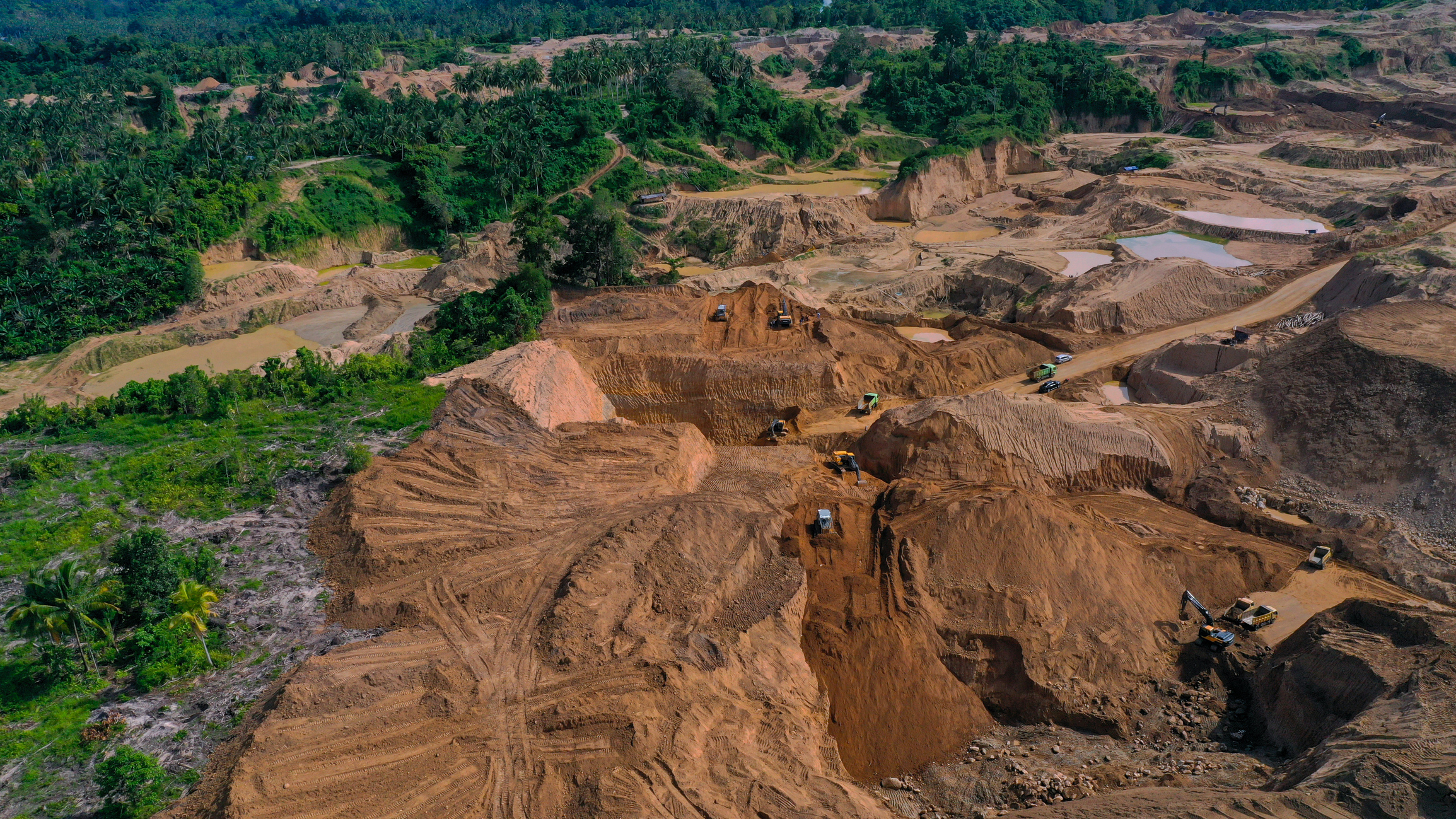
We need only look to the gold sector to see the detrimental impacts on biodiversity and local communities. Illegal extraction of gold in the Amazon rainforest has led to over 1.9 million hectares of mining deforestation – and about half of that has occurred in just the past five years, according to estimates from the MAAP initiative.
We are also already seeing worrying impacts on the environment and on biodiversity in transition minerals. In Indonesia, rapidly expanding nickel mining has already resulted in the deforestation of an area of tropical forest the size of New York City.
Add to this, that about 40 percent of the mineral production needed will occur in countries with “weak, poor and failing resource governance.” We know from past commodity booms that the boom in demand risks unleashing large waves of corruption. The promise of soaring profits and fast-paced dealmaking increases the risk appetite of private and public sector actors alike – all while regulators struggle to keep up. These corruption risks are exacerbated by the fact that the countries where these minerals are mined rank in the bottom half of Transparency International’s corruption perception index and in countries where civic space is hugely constrained and environmental defenders fear for their lives.
The intersection of biodiversity at risk, poor governance, and the race for transition minerals is a volatile and potentially toxic combination. NRGI’s analysis has shown that industry actors have used bribery and corruption in mining licensing processes to avoid environmental and social impact assessment requirements and get around community land rights. This has contributed to deforestation and destruction of ancestral community land.
So, the question that confronts us, and that animated the work of the UN panel is: What will be the cost not of climate inaction, but of climate action? Will the pursuit of precious minerals and a mining-intensive energy transition leave economic, social and environmental destruction in its wake? Or can we seize the urgent quest to secure a stable supply of minerals and advance clean energy to also usher in a new, more equitable, more just paradigm for mining?

The Secretary-General asked that we, the panel members, design principles in response to the “urgent call from developing countries to ensure that they, and their communities, benefit from the production and trade of critical minerals; and that people and nature are protected.”
The heart of this call was a fundamental shift in the global discussion on critical minerals, which is privileging geopolitical tensions and consumer needs above considerations of environmental and economic equity, and risks replaying the same mistakes of the past.
Though we had only four short months to deliver, we drew strength from the tremendous diversity of the panel. My Colombian colleague Johana Rocha and colleagues from the OECD, expert representatives from the U.S., U.K., EU and China, as well as producing countries like Chile, Indonesia and the DRC. We benefitted from the voices of Indigenous Peoples, youth, trade unions, regional bodies, and multilateral institutions, industry and investors. And a brain trust of more than 300 civil society partners around the world. The multistakeholder nature of our work was a huge asset then – and it is essential to our success ahead.
Despite radically different agendas, the panel members quickly coalesced around seven principles for the governance of transition minerals: the centrality of human rights; the integrity of the planet, environment and biodiversity; the importance of justice and equity; development through value addition, benefit sharing and diversification; responsible fair trade and investment; transparency, accountability and anti-corruption; and international cooperation.
And while agreeing on principles was important progress, given the magnitude of the challenge before us, we knew we needed concrete actions. So our report culminates in five concerted actions reflecting the needs and ambitions of low- and middle-income resource-producing countries. What we heard very clearly from developing producer countries participating in the panel—and those we interact with every day—was a demand to be more in the driver’s seat and to create more spaces to bring forward their voices and leadership in shaping what truly equitable mining should look like. The recommended actions from the UN panel have tried to create that space and timeline for governments and civil society in key countries across Africa, Latin America and Asia to chart the course on how this mineral boom can be different from those of the past.
A critical action we specified in the report was the development of an expert-led, multistakeholder process to design a "global framework for traceability, transparency and accountability along the entire mineral value chain—from mining to recycling—to strengthen due diligence, facilitate corporate accountability and build a global market for critical energy transition minerals."
Traceability refers to tracking the origin and following the journey of a product through the various stages along its production and distribution chain. Traceability must be done holistically – not just about geographical information, but about the experience along the journey – the economic, social, governance, human rights dimensions. For that reason, in the discussion about the panel, we expressly called for traceability for accountability. But traceability is not a panacea, and it must be part of a broader swathe of actions that address economic and environmental equity at its root causes. Our vison as a panel was bolder than a framework, or working group, or report. It was about laying the groundwork for a new paradigm for mining.
But as American inventor Thomas Edison said: “Vision without execution is hallucination.” This is why today’s event is so important. The Colombian government has shown extraordinary leadership in seizing the Secretary-General’s call and executing the expert guidance of this diverse global panel.
NRGI is committed to bringing our experience and expertise to support this Colombia-led initiative. For nearly two decades, NRGI has accompanied reformers from government and civil society around the world to build a shared vision of good governance of the natural resource sector. To ensure that mining resources do not undermine, but rather enable more prosperous, sustainable societies and environments.
In Chile, NRGI is drawing on international research and peer learning, to help implement the country’s new lithium strategy. In the DRC, we are working with partners in government and civil society at the subnational level to ensure that mining translates into concrete benefits for the communities and to support value addition. Across Chile, Colombia, the DRC, Guinea, we are helping partners identify mining anti-corruption reforms in licensing and contracting, operations, revenue collection and management, and artisanal and small-scale mining. And we are working in close partnership with international institutions – whether the OECD, the International Energy Agency and the EITI, to bolster these country reform efforts. We have seen the power of such multistakeholder collaboration, across local, national, regional and international levels to center justice and equity in climate action.
Recommendations for the working group
While we’re here to support, we recognize it is producing countries like Colombia that have the deepest expertise and moral authority to change governance of mining for the benefit of humanity and nature alike. And we are eager for more producing countries to follow their lead. Together, we should all aim to set a high bar on 5 key issues to ensure that our ambitions translate into action. We must focus on comprehensiveness, credibility, consequences, coordination and community inclusion. Let me touch on each briefly.
1. Comprehensiveness
One of the defining elements of the UN Panel recommendation I mentioned earlier is that approaches on traceability for accountability must cover the entire mineral value chain—from mining to recycling. And they must encompass the interrelated issues that define responsible mining practices - ranging from human rights to environmental impacts to social practices and governance. This holistic approach is essential.
2. Credibility
If the aim is to strengthen responsible mining, traceability is only part of the solution; traceability refers to the ability to track the origin and follow the journey of a mineral through the various stages along its extraction, processing and integration into a final product. But traceability and supply chain transparency alone will have no impact without credible, independent scrutiny of industry actions and impacts against high standards of best practice.
3. Consequences
Credibility is intimately linked to meaningful consequences for the company and government entities being scrutinized in due diligence processes. A comprehensive approach to strengthen regulations is required and, as called for by the UN Panel, “support regulators and market actors to incentivize good performance and penalize bad or illegal practices.” These consequences should include measures requiring industry and government actors to compensate impacted stakeholders for environmental harm and social costs caused by their sub-standard policies and actions.
4. Coordination
There is a large constellation of international entities working on issues related to mining and accountability, and there are a number of relevant global frameworks, and industry standards. The development of any new global framework must account for and ensure greater coordination between them. Locating the framework squarely within existing debates and developments in the mining sector is essential. And any new initiative should support the goal of binding regulation and not create new voluntary or “best practice”-type initiatives.
5. Community inclusion
The development of any framework must ensure meaningful inclusion and participation of vulnerable groups in multistakeholder group discussions on the terms and scope, setting standards for industry and government, inputting into due diligence processes, and establishing adequate consequences in cases of poor performance. A truly multistakeholder effort requires equal participation, and meaningful representation from producer countries in the Global South.
Implementing these five Cs—comprehensiveness, credibility, consequences, coordination and community inclusion—will help translate the vision and ambition of the UN panel into concrete change for people and the planet. Building on the launch today, we have an opportunity to build a critical mass of supporting governments and civil society between now and COP29, when the Secretary-General will officially launch the recommendations of the UN Panel on Critical Energy Transition Minerals and then onward to COP30 to consolidate the work of this initiative.
And so today, we are standing together at a crossroads. In one scenario, the planet continues to burn without the critical resources to embrace a low-carbon future. Mineral-producing countries become less stable politically, lose public funds, and suffer environmental and biodiversity losses.
But there is another scenario in which we take steps closer to the Paris goals with a stable supply of minerals. Countries and communities with transition minerals and precious metals harness this demand and use the proceeds to emerge from poverty. The environment is protected, biodiversity thrives, and the rights of all people are respected.
As we stated in the panel report: “Justice requires change.” Building on the leadership of the Colombian government, let us all move one step closer to the change we need.
Stronger Transition Minerals Governance Is Imperative for Biodiversity Conservation

Effective climate action requires a holistic approach; yet the critically related issues of biodiversity and mineral governance are too often tackled in isolation. For world leaders gathering at the COP16 biodiversity conference, and looking ahead to the COP29 and COP30 climate conferences, there are tremendous opportunities for concerted action on this critical triple nexus.
A dangerous disconnect: The importance of transition minerals and biodiversity to climate action
Transition minerals are essential to achieving the UNFCCC COP28 commitments to a just and orderly transition away from fossil fuels, which requires a tripling of renewable power and doubling of energy efficiency by 2030. The International Energy Agency (IEA) projects that demand for minerals to power solar panels, wind turbines and electric batteries will triple by 2030 and quadruple by 2040.
However, nearly 40 percent of those minerals are in countries that exhibit weak or failing governance, which means they lack the laws, policies, practices and accountability mechanisms to ensure that mining does no harm and instead delivers benefits to their populations. More than half of the potential reserves for transition minerals are also located on lands where Indigenous or peasant groups hold recognized or claimed rights.
Mining’s detrimental impact on the environment is well known—and the risk of further damage is increased by the race to secure transition minerals. In Indonesia, the rapidly expanding mining of nickel needed for lithium-ion batteries used in electric vehicles and renewable energy storage has already resulted in the deforestation of an area of tropical forest the size of New York City. Close to one-third of Brazil’s critical minerals reserves are located beneath the Amazon Basin, posing a high risk of deforestation in one of the world’s most biodiverse areas. As the quality and concentration of copper ores decline, mining companies are expanding exploration in highly biodiverse areas, such as the Andean-Amazonian Piedmont, the Chocó Forest in Colombia and Ecuador’s Intag cloud forest.
The protection and promotion of forests and biodiversity complement the move to clean energy. Forests help stabilize the climate, contribute to food and water security, protect human health, and support adaptation to a warming planet. David Kaimowitz, of the International Land and Forest Tenure Facility, recently suggested that “when it comes to storing carbon, forests can potentially buy an extra 10 or 20 years for the Earth to manage its transition from fossil fuels.” Biodiversity enhances the resilience and balance of ecosystems, ensuring that natural systems continue to sustain life. It is especially vital for local communities and Indigenous Peoples, who depend on these ecosystems for their livelihoods and cultural practices. Recognizing the importance of biodiversity, 88 heads of state have signed the Leaders Pledge for Nature, committing to halt and reverse biodiversity loss by 2030.
However, public institutions, social organizations and private companies working on forests, biodiversity or transition mineral governance often operate in silos. This is hugely problematic as the urgency to provide transition minerals—including opaque partnerships initiated by countries aiming to secure a steady supply of these minerals—can precipitate a race to the bottom that undermines socio-environmental and governance standards.
The path to good governance runs through the forest
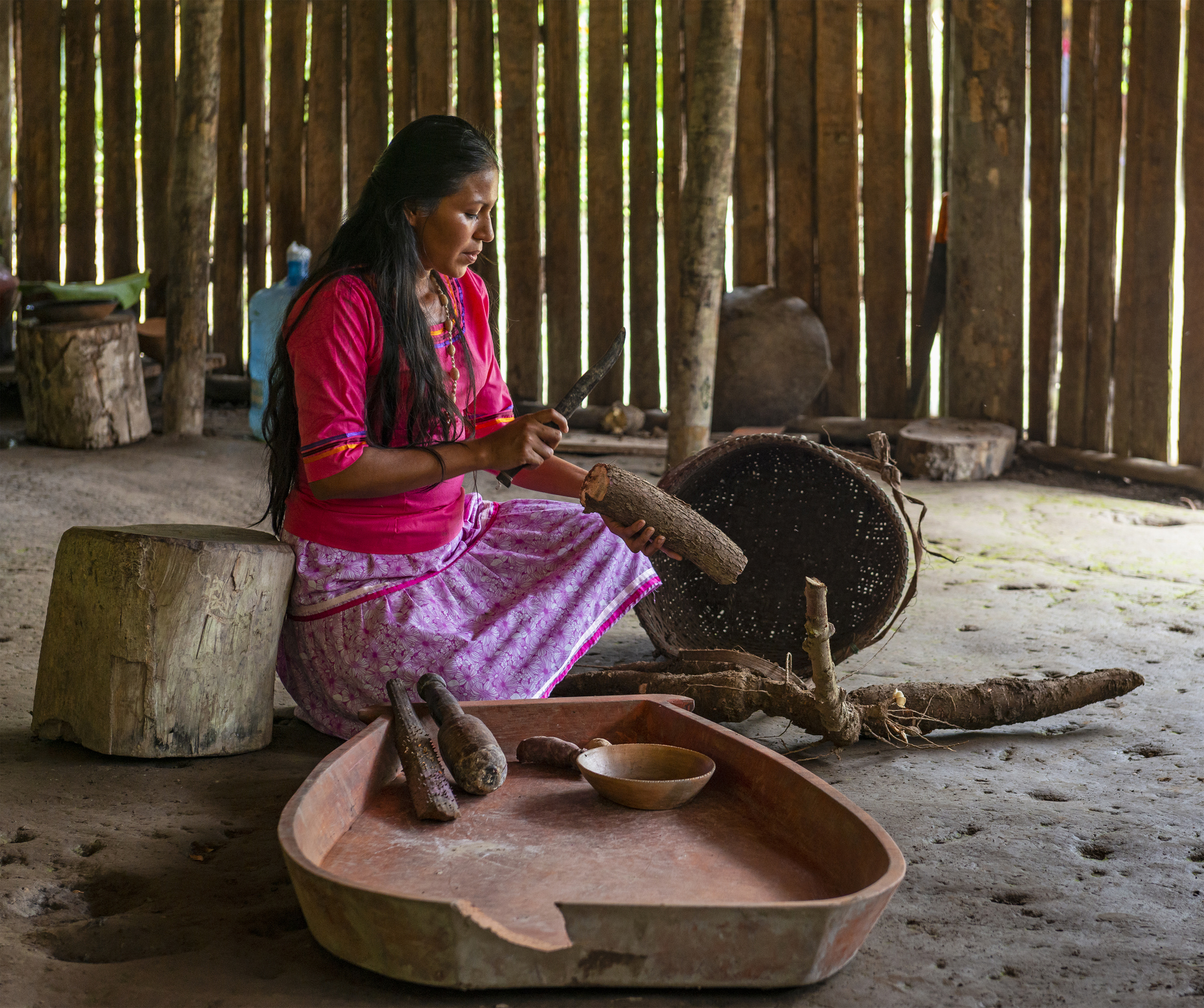
Civil society organizations and the international community working on mining governance should adopt a more holistic view of how nature contributes to sustainable development and human wellbeing. This includes valuing the traditional knowledge of Indigenous Peoples and local communities, and designing programs and projects that recognize the overlap between mining and many other activities and traditions. Similarly, organizations working to protect biodiversity, Indigenous Peoples’ and communities’ rights should better integrate mining governance in their work, understanding the political economy dynamics that sustain patterns of extraction, and fighting the corruption that perpetuates asymmetric power relations.
There are several immediate opportunities for actors to advance this more holistic approach:
- Implementing UN transition minerals guidance and recommendations. The UN Secretary-General’s Panel on Critical Energy Transition Minerals released guidance and recommended actions in September, placing mineral governance at the top of the climate agenda. The panel situated the guiding principle that “the integrity of the planet, its environment and biodiversity must be safeguarded” as an interconnected element of related principles on human rights, justice, economic development, anticorruption and peace. Panel members—including representative experts from producer countries like Chile, DRC and Indonesia; consuming countries and blocs like the European Union, China, U.S. and U.K; industry, investors; multilateral initiatives; civil society organizations and Indigenous Peoples movements—recognized the pressure that critical minerals extraction can place on people, biodiversity, water, geodiversity and ecosystems. The panel called for a new mining paradigm that encourages governments to declare protected areas as “no-go” zones for transition minerals extraction and calls for equitable targets and timelines for material efficiency and circularity approaches along the entire life cycle of transition minerals.
Building on the work of the panel, the UN should draft international water and biodiversity protection guidelines for mining operations for the energy transition in cooperation with Indigenous Peoples and other relevant rightsholders and stakeholders. This should include stringent measures to protect sacred sites from mining activities, recognizing their cultural and spiritual significance. Governments and companies should prohibit and avoid any mineral exploration or development in protected conservation areas and other locations of high biodiversity, conservation and cultural heritage value, as well as high-value carbon sinks, and apply the precautionary principle to support effective environmental protection measures. Government and companies should also end criminalization of environmental defenders and recognize and commit to protecting their rights and legitimacy by adopting and disclosing relevant policies to protect them from attacks, assassination, extrajudicial killings, violence, harassment (including through the form of strategic litigation against public participation (SLAPP)), and repression, and provide effective reparation.
- Improving due diligence. Consumers increasingly expect companies to carry out due diligence on the provenance of the minerals they source. Guidelines like the OECD Due Diligence Guidance for Responsible Supply Chains of Minerals from Conflict-Affected and High-Risk Areas provide frameworks for companies to address some social and environmental risks associated with mineral supply chains. The international community must ensure that due diligence standards include issues of mining governance, especially strong anticorruption measures, alongside effective provisions to protect forests and biodiversity, and that these are met.
- Integrating minerals governance and biodiversity in just transition frameworks. There is increasing attention to the need to promote a just transition in the Global South, including a work program created at COP28 and financial mechanisms, such as just energy transition partnerships (JETPs), to help low- and middle-income countries accelerate the transition toward renewable energy. Global organizations and public institutions working on biodiversity should integrate provisions to protect forests and biodiversity in these programs, and ensure that these protections are among the just transition principles at the core of the UN climate convention. For example, Indonesia’s JETP secretariat included biodiversity as one of the standards guiding its approach to just transition.
This month’s COP16 biodiversity conference is also a pivotal opportunity to align conservation efforts with the imperative of a just energy transition. As host, the Colombian government is promoting a global agreement to advance responsible mining practices for the protection of life and the environment, building on the UN minerals panel recommendations. This and other spaces connecting climate and nature conversations are an opportunity to improve collaboration, especially as COP30 will be held in an Amazonian country, Brazil, in 2025. It is a crucial opportunity for governments and international agencies, such as the UNFCC and Convention on Biological Diversity (CBD), to shine a spotlight on the intersection of biodiversity conservation and a just energy transition.
A coalition between those who seek to preserve and protect biodiversity, forests, nature and the environment, and those working to ensure the scale-up of renewable technologies benefits, not harms people and planet would powerfully enable climate action. A focus on governance—on the laws and policies that shape actions, who has the power to take decisions, and who is held responsible for the results—will unify, amplify and accelerate these collective efforts. At COP16, NRGI will seize the opportunity to advance such concerted collaboration.
Gold Mining in the Amazon and COP16: The Importance of a Binding Global Agreement on Mineral Trade

This week, the 16th Conference of the Parties (COP16) for the Convention on Biological Diversity began in Cali, Colombia. The organizers expect the participation of more than 12,000 people from around the world, including official delegations and civil society representatives. For Colombia, one of the most “megadiverse” countries in the world, this is an opportunity to showcase its international leadership in advancing policies to protect the planet’s biodiversity. The biodiversity COP in Cali precedes the climate COP30, which will take place in Belém do Pará, Brazil at the end of 2025.
Both events offer a forum for high-impact solutions from Latin America in response to global environmental crises. The worldwide decline in biodiversity is just as critical as global warming. According to the Intergovernmental Science-Policy Platform on Biodiversity and Ecosystem Services (IPBES), the state of nature is in freefall, and planetary resources are so depleted that we are on the brink of species extinctions and massive human migrations. Phenomena such as deforestation, overexploitation of oceans and soils, and air and water pollution are disrupting the natural functioning of the planet, pushing humanity and life itself to the edge of an abyss.
One of the most emblematic regions in terms of biological diversity is the Amazon rainforest. A major threat to the Amazon is the expansion of gold mining, which is characterized by high levels of informality, illegality, and connections with criminal groups that challenge state control over vast territories.
Illegal gold mining in the Colombian and Peruvian Amazon
The MAAP Initiative estimates that, “as of 2018, there was a historical mining deforestation footprint of over 963,000 hectares across the entire Amazon. Between 2019 and 2023, [the MAAP Initiative estimates] that the mining deforestation footprint grew by over 944,000 hectares (2.3 million acres). Thus, of the total accumulated mining deforestation footprint of over 1.9 million hectares (4.7 million acres), about half has occurred in just the past five years (...) of the total accumulated mining, over half has occurred in Brazil (55 percent, covering over 1 million hectares), followed by Guyana (15 percent), Suriname (12 percent), Venezuela (7 percent), and Peru (7 percent, covering 135,625 hectares)”. Expert Timothy Killeen describes illegal gold mining in the Amazon as an “ecological disaster for floodplains and local communities.”
In recent years, this phenomenon has grown exponentially. Illegal gold mining has become one of Peru’s most pressing issues, with severe economic, social, political and environmental consequences. Deforestation, water and soil contamination, and the destruction of natural habitats are just some of its serious environmental impacts.
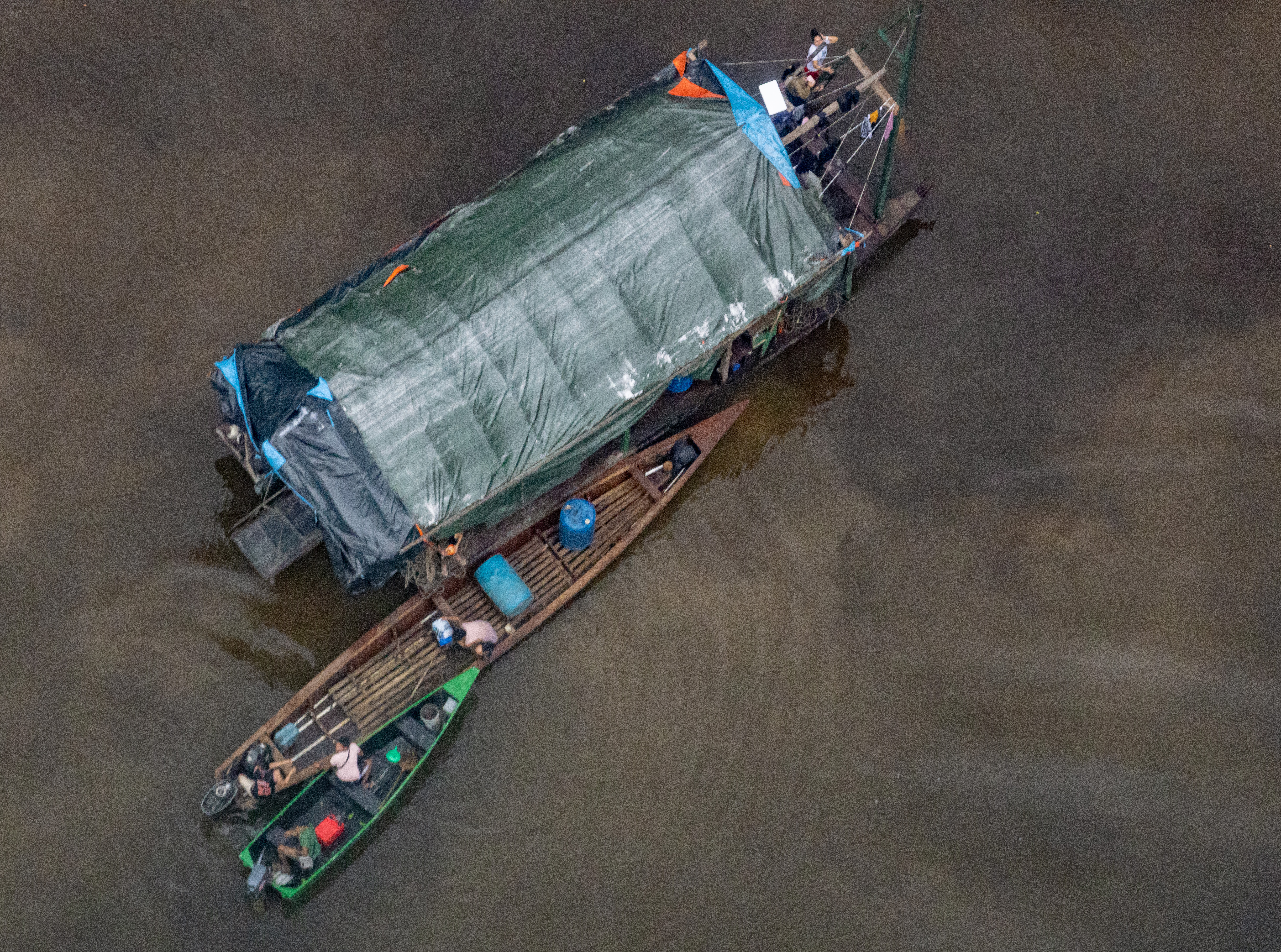
Another recent MAAP report indicates that between 2021 and September 2023, gold mining deforested 23,881 hectares in Peru’s Madre de Dios region, affecting Indigenous communities and protected areas. In Colombia, deforestation in the Amazon is closely tied to the presence of illegal armed groups that control areas where illegal mining takes place. In 2023, the country recorded a historic drop in deforestation, with a 38 percent reduction in the Amazon alone, from 71,185 hectares in 2022 to 44,274 hectares in 2023—the lowest in the past 23 years. However, the Ministry of Environment has warned that deforestation could increase in 2024 due to threats from illegal armed groups against local communities and public officials from the National Environmental System, who are responsible for monitoring protected areas and combating deforestation.
In the Colombian Amazon armed groups funded by illegal mining, local communities, Indigenous peoples, and gold trading companies converge, creating a complex landscape for addressing illegal economies and deforestation in a context of violence. According to the Organization of American States, as of 2022, 80 percent of the country’s gold production came from illegal extraction.
Illegal mining is also linked to child labor, human trafficking, sexual exploitation, and the murder of multiple environmental defenders. In Peru, various reports highlight the presence of illegal armed groups controlling mining operations in different regions, fostering insecurity and fear among local communities. In Loreto, areas such as Nanay have seen an expansion of gold mining, even in territories where the Peruvian state can no longer maintain control.
In both countries, illegal gold mining is a multimillion-dollar business. In Colombia, illegal actors forced officials to leave the Amacayacu National Natural Park (in the Amazonas department), resulting in a lack of state presence and governance in the area. In Peru, this illicit activity, which generates higher profits than drug trafficking, causes annual losses of more than 22.7 billion soles (approximately USD 6 billion), according to a report by V&C Analistas. A Global Financial Integrity report estimates that the illicit gold trade in Colombia exceeded USD 5.6 billion between 2010 and 2018.
The complexity of this issue deepens when related crimes and the legal and political factors that enable its perpetuation are considered. Illegal mining does not operate in isolation but is closely tied to criminal networks that thrive on impunity, corruption, and infiltration of state institutions.
There are discrepancies between the reported amounts of production and exports of gold in these countries. In recent years, India and the United Arab Emirates have increased their imports of gold from Peru, Colombia, Ecuador, Bolivia and Brazil, alongside other main gold importers like Switzerland, the United States and Canada. According to an investigation by Ojo Publico, there are many shortcomings in the stated due diligence policies from companies buying gold from Amazonian countries.
Opportunity to advance a binding global agreement on mineral trade
What measures can be taken at an event like COP16 to address a phenomenon like this? COP16 is raising awareness of the issue through dozens of official and civil society events dedicated to sharing information and presenting solutions. The Colombian government is also promoting a concrete official initiative: a "Joint voluntary declaration on responsible mining practices for the protection of life and the environment," which officials will present on 29 October as part of the official activities.
The Colombian government expects that various countries will join the declaration through a declaration of intent to promote the signing of a global agreement. This initiative builds on other efforts related to traceability and socio-environmental standards in mining. Recent guidance from the United Nations Panel on Critical Energy Transition Minerals includes an actionable recommendation is to establish a “global framework for traceability, transparency and accountability along the entire mineral value chain—from mining to recycling—to strengthen due diligence, facilitate corporate accountability and build a global market for critical energy transition minerals.”
Thus, the Colombian initiative aims to create a multi-stakeholder group that will ultimately result, among other things, in a proposal for a binding international agreement to operationalize this recommendation for traceability, transparency and accountability.
This is a great opportunity to strengthen the implementation of social, environmental, and accountability standards in mining. Implementing traceability mechanisms and due diligence is essential to prevent minerals from being sourced through extraction processes that involve environmental destruction, child labor, organized crime, and other unacceptable practices in any value chain. While this initiative is not limited to the case of illegal gold mining and has broader ambitions, including transition minerals, it can contribute something fundamental: ensuring that gold extracted under conditions of environmental destruction and organized crime is not traded with impunity on the global market.
The diplomatic path to advance this initiative, as well as its alignment with other processes like the one initiated by the United Nations Panel on Critical Energy Transition Minerals, remains to be defined. However, the opportunity is on the table, and countries—especially those committed to protecting the planet’s biodiversity—should seize it.
Framework for People-Powered Energy Transitions

Key messages
- Transition could leave low- and middle-income countries behind unless it is just. Countries reliant on fossil fuel production or mineral extraction are especially vulnerable.
- There is no one-size-fits all approach to addressing equity in fossil fuel- and mineral-producing countries. Just transitions are built on clearly defined principles, policies, processes and practices that respond to citizens’ needs and address the most vulnerable communities.
- Just transition policies and programs: protect rights; strengthen governance and accountability; deliver development and wellbeing for all; and address international power asymmetries.
- People-powered energy transitions can create a win-win scenario for the Global North and the Global South, leading to transformative agreements that promote justice and well-being.
- To ensure energy transitions are just, development partners should: provide adequate funding; ensure that accountability and monitoring mechanisms are in place; and encourage learning, exchange and adaptation cross-regionally and globally.
The global energy transition has far-reaching repercussions: countries whose economies rely on fossil fuel extraction face the prospect of lower demand, and countries producing minerals needed for clean technologies risk the negative impacts of an unregulated mining boom. This piece draws on transition experiences in Colombia, Democratic Republic of the Congo, Ghana, Nigeria, Peru, Senegal and Uganda. It makes the case that only a people-powered and equitable transition can achieve the scale of transformation necessary for a green future. It proposes an operational framework for just transitions that respect universal human rights, address socio-environmental impacts, ensure affected communities and citizens can meaningfully participate in decisions, and put in place strong and accountable governance systems. It shares lessons on context-specific policies for ensuring a fair distribution of both the costs and benefits of planet-saving climate action.
Framework for people-powered energy transitions
From Marginalization to Inclusive Empowerment: Women Shaping the Energy Transition

In the global pursuit of a sustainable energy future, the voices and experiences of women and marginalized groups often remain unheard and overlooked. Despite playing pivotal roles in driving the energy transition, women face barriers that hinder their inclusion and full participation in decision-making processes.
Yet, there is a growing urgency to amplify these voices, signaling the need for a more inclusive approach. Here, in observance of this year’s International Women’s Day theme of inclusion, we explore the key challenges and opportunities faced by different stakeholders in advancing gender equality within the extractives sector.
In 2023, NRGI engaged with diverse partners and stakeholders on gender-focused projects. Discussions from these events underscore three key factors in advancing gender equality in the energy transition.
Enhancing gender-inclusive decision-making processes
Across NRGI’s different engagements, including a workshop on gender and the energy transition with participants from the executive course on "Oil, Gas, and Mining Governance" in Oxford, United Kingdom, a clear consensus emerged: achieving a gender-equitable energy transition requires the inclusion of gender considerations in every stage of policymaking. This begins with ensuring women's active participation in decision-making processes, as emphasized by Georgette Barnes, an alumna of NRGI's executive course and president of Women in Mining, Ghana, and Winnie Mirembe, an alumna of NRGI's advanced course and executive director of Global Rights Alert, Uganda, during a recent just transition workshop hosted by NRGI in Accra, Ghana.
In Nigeria, NRGI conducted a series of just energy transition workshops in collaboration with the BudgIt Foundation to address the positive and negative impacts of the transition away from fossil fuels in the Niger Delta region, calling on government actors to include women at every step of decision-making processes. This involves engaging them in discussions around energy policies and around energy transition at government, subregional government, or at community levels.
Given the direct impact of energy transition plans on women's livelihoods and environments in resource-rich countries, government officials and civil society organization (CSO) staff should prioritize inclusive decision-making processes that involve communities, extractive companies and public bodies. They should also effectively communicate these plans at local levels to foster responsive and varied actions toward gender-just transition processes.
"A just energy transition should include all vulnerable groups in all aspects of the decision-making process, including women, and in a way that addresses women’s needs and tools that can favour their fair representation. Women should actively contribute to change, not just receive its benefits." Georgette Barnes during a workshop on a just transition hosted by NRGI in Accra, Ghana.
Unlocking the power of gender-disaggregated data
Unlocking the power of gender-relevant and gender-disaggregated data is vital for advancing gender equity and women's rights within the extractive industries. By directly collecting critical data from women, CSOs, governments and extractive companies can assess and map socio-economic circumstances and potential impacts before extractive projects begin.
During an NRGI’s workshop around gender-just natural resources governance in Oxford, participants emphasized the challenge of data accessibility, addressing the lack of gender-disaggregated data and its inadequate use.
Efforts by grassroots actors to collect and share gender-disaggregated data are essential. They help local governments and extractive companies to better understand the true impact of their actions on women and communities. In addition, they enable communities, CSOs, public authorities and private companies to more accurately assess the progress of women-centered policies.
However, decision-makers at governmental or corporate level often exclude women from discussions around extractives; when women do participate, their role is often informal and undervalued. NRGI research in Uganda, which involved consultation with 70 community stakeholders, underscored this disparity, highlighting the need for early assessment of communities' socioeconomic circumstances by local authorities and extractive companies.
Investing in gender-disaggregated data is crucial, as it exposes inequalities, informs women and communities about social and economic opportunities, and can help communities and local CSOs hold elected representatives accountable. CSOs and governments can advocate for extractive companies and investors to create effective funds that target gender-transformative action plans. Extractive companies’ social and environmental funds can include allocations for community consultations and gender-disaggregated data collection. This helps create sustainable and context-specific gender action plans for just transitions.
"Numerous countries across the African region have established systems and engaged stakeholders conducting valuable research on gender-sensitive and gender-disaggregated data, encompassing aspects such as local content contracts, training opportunities and employment figures," Mukupa Nsenduluka (Tax Justice Network Africa, Zambia, and NRGI's Executive Course alumna), who participated in a recent gender workshop organized by NRGI in Oxford, England.
Ensuring meaningful community consultations
Governments, companies and CSOs conducting consultations within extraction-impacted communities must ensure the meaningful participation of women, particularly indigenous women.
Empowering women through safe and inclusive consultation enables them to identify opportunities and advocate for transparency in negotiation around energy policies and extractive investment plans. However, despite the importance of community consultations play in every phase of extractive industry operations—from initial exploration to compensation —women often face exclusion from these discussions. Various factors contribute to this exclusion, including cultural norms, constraints imposed by formal community leaders, lack of formal land tenure, economic disparities, language barriers, and limited access to information about the consultation process.
Additionally, many women may not realize that they are directly being disadvantaged by external decisions, further hindering their active engagement in consultations that influence significant community-level decisions. We have also observed this through an ongoing NRGI analysis of a Colombian coal-producing region undergoing production phaseout. The analysis revealed challenges in assessing the different dynamics and gendered impacts on men and women in the region.
But change can happen. NRGI initiatives, such as establishing an experts committee and local civil society actors in Tunisia, resulted in improved decision-making at community level, as well as at government and corporate level, leading to increased phosphate production. This was achieved through constructive dialogue and openness between communities and local authorities. Similarly, collaborations in Colombia provided valuable insights into civil society participants’ views on energy transition plans. Replicating these collaborations to amplify women’s voices through community consultations can help civil society actors to influence decision-making processes in the energy transition.
As challenges and opportunities faced by women vary depending on their country’s natural resource and energy context, CSOs, governments and extractive companies should engage in participatory community consultations. They should also ensure that women have adequate spaces for obtaining information about and express concerns around transition processes that directly impact them.