
NRGI Submission to the Sixth Just Transition Work Programme Dialogue: Minerals and Equitable Value Chains
NRGI submitted its views to the UNFCCC ahead of the Sixth Dialogue of the United Arab Emirates Just Transition Work Programme (JTWP), held in Baku, Azerbaijan, on 10–11 September 2026. The dialogue focused on just transition pathways for the industry sector, including technology, innovation and equitable value chains.
Drawing on our work in resource-rich low- and middle-income countries, the submission examines how mineral-producing countries can translate growing demand for transition minerals into lasting development benefits. It explores opportunities to retain more value through mineral processing and related industries, while addressing economic risks and environmental and social harms.
NRGI identifies priorities for national action and international cooperation:
- Ground mineral value addition strategies in national development goals, economic feasibility, market analysis and rigorous assessment of costs and benefits.
- Involve citizens in decision-making, protect community rights and tackle corruption.
- Provide technical and financial support to strengthen national strategies, institutions and regulatory capacity.
- Ensure mineral-producing countries help shape international rules and partnerships affecting their development prospects.
The submission also considers how the JTWP and the Just Transition Mechanism can support these efforts through finance, technology transfer and institutional capacity building.
Beyond Extraction: Why COP32 Must Redefine Africa's Role in the Global Energy Transition

As the world prepares for COP31 in Turkey, Nana Dr. Antwi-Boasiako Amoah, Chair of the African Group of Negotiators on Climate Change, looks ahead to COP32 in Ethiopia in 2027. He argues that COP32 offers Africa an opportunity to redefine its role in the global energy transition, using its critical minerals to build stronger economies, deepen regional cooperation and secure a fairer share of the value they create.
In 2027, COP will return to Sub-Saharan Africa for the first time in 15 years. When historians reflect on this moment, Africa should be remembered not just as the host of another climate conference, but as the continent that helped redefine action at the intersection of climate and development transformation.
If this lofty ambition is to be realized, it will depend on how the continent comes together to leverage and govern its critical transition minerals. Around the world, governments and other non-state actors, especially the private sector, are investing trillions of dollars in clean energy technologies and infrastructure. Demand for the minerals needed for clean energy technologies is expected to continue rising sharply over the coming decades.
Africa is well placed to benefit from this new minerals boom, as it is rich in many critical mineral reserves. To name just a few examples: the Democratic Republic of the Congo remains central to global cobalt production; Zambia and the DRC anchor one of the world's richest copper belts; Guinea is indispensable to global bauxite supply; and South Africa continues to play a leading role in platinum group metals.
It is clear that the success of the global energy transition will depend significantly on Africa and her resources. Yet, there remains a real risk that Africa could be left looted unless the transition is deliberately designed to create value for the continent. This paradox defines our era.
Twenty years ago, the global resource governance movement transformed the conversation from one centered on extraction of resources to one focused on inclusive development through transparency, accountability and citizen participation. Organizations such as the Natural Resource Governance Institute (NRGI), together with governments, civil society and international partners, helped place accountability, transparency and better governance at the heart of resource management.
Today's challenge is different. Africa must not only govern its minerals better. It must negotiate its future better.
For more than three decades, the African Group of Negotiators (AGN) has helped shape international climate negotiations by advancing African priorities on adaptation, climate finance and Loss and Damage. COP32 now offers the opportunity to extend that leadership to one of the defining issues of this century: the governance and diplomacy of critical minerals.
Across the world, major economies are redesigning industrial strategies around secure mineral supply chains. The European Union's Critical Raw Materials Act, the United States-led Forum on Resource Geostrategic Engagement, China's International Economic and Trade Cooperation Initiative on Green Mining and Minerals and similar initiatives elsewhere reflect a profound geopolitical shift. Minerals are no longer simply commodities; they have become strategic assets.
Africa's greatest strategic asset is therefore not simply its mineral endowment. It is its collective bargaining power.
For too long, success has been measured by how many tons of minerals leave African ports. That is the wrong measure. Success should be judged by whether mineral wealth creates decent jobs, reliable energy systems, stronger public institutions, competitive industries, technological capability and lasting prosperity for African citizens.

This requires a new generation of mineral diplomacy. Not diplomacy centered solely on concession agreements, but diplomacy that connects climate ambition with industrial policy, infrastructure investment, technology transfer, regional integration and economic resilience.
But better deals alone will not deliver transformation. Without transparent institutions, accountable governance and public trust, even the most ambitious mineral partnerships will fail to deliver on their promise.
History has shown that mineral booms can fuel corruption, environmental degradation, elite capture and community conflict when governance is weak. Conversely, countries with transparent licensing systems, contract disclosure, beneficial ownership transparency, sound fiscal management, environmental accountability and meaningful citizen participation are better positioned to attract responsible investment. This enables them to convert mineral wealth into long-term development.
Governance is the defining key in this regard. Strong governance strengthens investor confidence while ensuring that mineral wealth contributes to sustainable and inclusive development. So, good governance is not an obstacle to investment. It is one of its greatest competitive advantages. The challenge before Africa is not to choose between negotiating better partnerships and strengthening governance, but to recognize that the two are inseparable.
The meetings of the parties under the UNFCCC, usually referred to as COP, have often been criticized for being heavy on talk and light on implementation. We are determined that COP32 should be different. It presents an opportunity for Africa to champion an African Minerals and Just Transition Compact—a practical framework that aligns climate ambition with development ambition and builds on existing African Union frameworks, including Africa’s Green Minerals Strategy, to strengthen coherence and collective action. The Compact would establish a new partnership between producer and consumer countries rooted in good governance and based on shared prosperity rather than simple resource extraction.
We believe such a Compact should rest on four principles.
First, mineral partnerships should promote long-term economic transformation built on a clear, measurable ambition: by 2040, African countries should collectively double the share of value retained from their transition mineral resources. Estimates from the African Development Bank (AfDB) suggest that less than 20 percent of the total value of many mineral value chains is currently retained on the continent. Today, most African countries capture only a small fraction of the total value generated along mineral supply chains, often limited to royalties, taxes and low-value extraction activities, while the bulk of value accrues through processing, manufacturing and downstream industries located elsewhere. Doubling this share would thus require a more equitable capture of tax and fiscal revenues from mining, alongside harnessing increased value from processing and manufacturing. This in turn would depend on skills development, technology transfer, energy and infrastructure development and regional economic integration.
Second, Africa should focus on regional value chains instead of isolated national projects. By leveraging the African Continental Free Trade Area (AfCFTA), coordinated policies and strategic infrastructure, countries can collectively maximize the benefits of mineral development.
Third, climate and development finance must support mineral-producing economies in building productive capacity, not only in expanding extraction. Multilateral development banks (MDBs), climate funds and development partners should establish a dedicated facility, anchored in the MDB Joint Coordination Framework on Critical Minerals, with an initial capitalization of US$25 billion to provide concessional finance for geological data, renewable energy, transport corridors, industrial parks, research and innovation, governance reforms and workforce development. This figure reflects indicative estimates of the scale of investment required across priority areas, drawing on analyses by institutions such as the AfDB, IEA and World Bank on the infrastructure, industrial and governance investments needed to support mineral-based development.
Fourth, transparency, accountable institutions, contract disclosure, beneficial ownership, environmental stewardship and meaningful community participation must become defining features of responsible mineral partnerships.
To put this Compact into action, we will need to enter a new era of cooperation between producer and consumer countries. We believe there is momentum in this direction, and 2027 can be a turning point: leveraging the opportunities presented by African leadership of COP32 and UK leadership of the G20 to co-develop this new framework grounded in mutual accountability, local value creation and long-term economic transformation.
Remember, Africa does not seek to slow the global energy transition. On the contrary, our countries have contributed the least to climate change while experiencing some of its most severe impacts. Africa has every interest in seeing the transition succeed. But success cannot be measured only by the speed of global decarbonization. It must also be measured by whether the transition creates opportunity where the critical minerals originate. A fair and just transition is what Africa demands, and this Compact will help to deliver it.

Nana Dr. Antwi-Boasiako Amoah chairs the African Group of Negotiators (AGN) on Climate Change for 2026–2027, representing Africa's 54 countries in UN climate negotiations. He is Director of Adaptation, Climate Resilience and Risk Management at Ghana's Environmental Protection Authority and previously served as Lead Negotiator on National Adaptation Plans for the G77 and China. He also lectures part-time at the University of Ghana's Centre for Climate Change and Sustainability Studies. He contributed this piece as part of NRGI's 20th anniversary thought piece series on the future of resource governance.
Just Transition or Just Hesitation? Why Africa Must Stop Negotiating with Fear

As the global energy transition accelerates, Benjamin Boakye, Executive Director of the Africa Center for Energy Policy (ACEP), argues that Africa must stop negotiating from a place of fear, and instead focus on proactively building the capacity to compete, adapt and prosper.
The global energy transition has become one of the defining policy debates of our generation. Across Africa, it has generated both optimism and anxiety. For oil producing countries, the concern is understandable. Most long-term energy outlooks project that global demand for fossil fuels will gradually decline over the coming decades, creating fiscal risks for economies that remain heavily dependent on petroleum revenues. For countries endowed with critical minerals, the transition presents a different prospect: unprecedented opportunities to participate in the value chains that will power a low carbon economy.
Both realities deserve serious attention. Yet the greatest risk facing Africa is neither the projected decline in fossil fuel demand nor the volatility of mineral markets. It is the continent’s growing tendency to define its future through narratives developed out of frustration and fear to respond to global power imbalances instead of pursuing practical strategies rooted in African realities, ambitions and capabilities.
Much of Africa’s transition conversation has become an exercise in interpreting what Europe, North America and other advanced economies think Africa’s role should be in a decarbonizing world. Policymakers devote considerable effort to responding to external debates about climate justice, fossil fuel phase out pathways and financing obligations. While these discussions matter, they increasingly distract governments from the more urgent task of positioning their economies to benefit from one of the greatest industrial transformations in modern history happening with a complex interplay of innovation, geopolitics, energy security and a race to economic heights imminent in the foreseeable future.
The result is a discourse dominated by vulnerability.
Africa is vulnerable because it contributes only a small share of global greenhouse gas emissions yet bears a disproportionate burden of climate impacts. Many of its economies also remain dependent on commodity exports, constrained by limited access to capital and technology, and characterized by relatively weak industrial capacity. The challenge is not that these concerns are misplaced. They are real and deserve serious attention. The challenge is that they have come to dominate the conversation. Too much of Africa’s transition discourse now revolves around managing vulnerability rather than building capability, responding to global climate conversations with narratives of weakness rather than defining an African strategy for competing in a changing global economy. The question is not whether Africa is vulnerable, but whether it chooses to organize its response around vulnerability or around capability.
Complaints may be justified. They are not a development strategy.
A just transition for Africa should therefore not be defined primarily by compensation for losses or fairness in international negotiations. Those debates have their place, but they should not become the organising principle of Africa’s response. A just transition should instead be judged by whether African countries build the institutions, skills and industries needed to create value from the changing global economy. This will help to properly align every support beyond the continent to deliver targeted outcomes.
For oil producing countries in Africa, this requires technical honesty. Governments should recognize that while global oil demand has not yet entered sustained decline, many long-term energy outlooks, including those of the International Energy Agency, project that fossil fuel demand will gradually weaken over time, although the pace and timing remain uncertain. This creates genuine fiscal risks for countries whose public finances depend heavily on petroleum revenues.
The response, however, is neither panic nor the premature abandonment of petroleum resources. Africa must approach its resource development decisions with a deep appreciation of the uncertainty and emerging economic realities shaping competing energy forms. Equally, governments cannot continue planning as though the future will resemble the past. The real challenge is using today’s petroleum revenues to finance tomorrow’s diversified economy.
Countries such as Ghana, Nigeria and Angola should therefore focus on strengthening fiscal management, investing in human capital, improving public institutions and accelerating economic diversification. The question is not whether demand will eventually decline, but whether these countries will use the remaining window of opportunity wisely.
Mineral rich countries across the continent face a different, but equally demanding, challenge. The growing demand for lithium, cobalt, graphite, manganese and rare earth elements presents Africa with a rare opportunity to capture greater value from the global energy transition. Yet mineral wealth has never guaranteed prosperity. For decades, African economies have exported raw materials while importing technology, manufactured goods and jobs. Without deliberate, analytically grounded policies that identify commercially viable opportunities for value addition and industrialisation, the transition minerals boom could simply reproduce the extractive model under a different name. The measure of success will not be how much Africa extracts, but how much value it creates.
Africa’s opportunity extends well beyond mining. The continent’s abundant renewable energy resources, young workforce and expanding technological capabilities provide a strong foundation for industrialization, manufacturing and innovation. With strategic investments and coherent industrial policies, these assets can generate far greater economic value than exporting raw minerals alone.
This requires preparation rather than optimism.
Preparation begins with technical honesty. Governments must resist the temptation to build policy around fashionable narratives or political slogans. Not every country will become a battery manufacturing hub. Not every mineral deposit justifies domestic processing. Effective policy demands realistic assessments of comparative advantage, market conditions and institutional capability.
Strategic partnerships are equally essential. Too often, international engagement is framed as a choice between sovereignty and dependence. This is a false dichotomy. Virtually every successful industrial transformation, from East Asia to more recent experiences in Southeast Asia, has relied on strategic partnerships that mobilized capital, transferred technology, developed skills and expanded access to global markets. Africa should therefore pursue partnerships that strengthen domestic capabilities while remaining firmly aligned with its own development priorities.
Urgency is equally important.
The transition is already underway. Investment decisions are being made, supply chains are being reconfigured and new technologies are being deployed at scale. Every year spent dwelling on whether the transition is fair is another year in which others strengthen their competitive advantage while Africa delays positioning itself to benefit.
The greatest danger, therefore, is not the transition itself. It is hesitation.
The future of resource governance should not be framed around what the world owes Africa. It should be framed around what Africa owes itself: disciplined planning, technical honesty, capable institutions, strategic partnerships and sustained investment in its people.
A just transition is not achieved by dwelling on vulnerability or waiting for perfect global fairness. It is achieved by building the capacity to compete, adapt and prosper. The choice before Africa is therefore miles beyond fairness. It is whether the continent will spend the next decade negotiating from a position of fear or preparing from a position of confidence and optimizing its space and people.
The window of opportunity remains open, but it will not remain open indefinitely.
Benjamin Boakye is the Executive Director of the Africa Center for Energy Policy (ACEP), a leading African think tank on energy and extractive sector governance. He has over 15 years of experience advising governments, development partners and civil society on energy governance, the energy transition and natural resource management. His work focuses on advancing policies that strengthen economic transformation and sustainable development across Africa. He contributed this piece as part of NRGI's 20th anniversary thought piece series on the future of resource governance.
How South–South Learning Is Shaping Mineral Value Addition Strategies

As governments across the Global South seek to increase the benefits derived from their mineral resources, questions about how to move along mineral value chains, and at what cost, have become increasingly urgent. Against this backdrop, government officials from Africa, Asia and Latin America gathered in Indonesia in early December for a South-South intergovernmental dialogue on unlocking equitable mineral value addition.
The dialogue was co-organized by Indonesia’s National Economic Council and the Natural Resource Governance Institute (NRGI), with support from ViriyaENB. Officials from 10 countries—including Chile, the Democratic Republic of the Congo, Ghana, Indonesia, Mexico, Mongolia, Morocco, the Philippines, Zambia and Zimbabwe—participated alongside representatives from intergovernmental organizations, research institutions and development agencies.
Throughout the week, participants exchanged experiences, ideas and lessons on how Global South countries can use their minerals to drive sustainable development, including by moving along mineral value chains. The dialogue opened with government officials reflecting on how shifting global markets and geopolitics are reshaping opportunities and constraints for value addition, and how these dynamics are influencing national strategies. Participants also discussed the role of external partnerships and international public finance in translating strategy into practice.
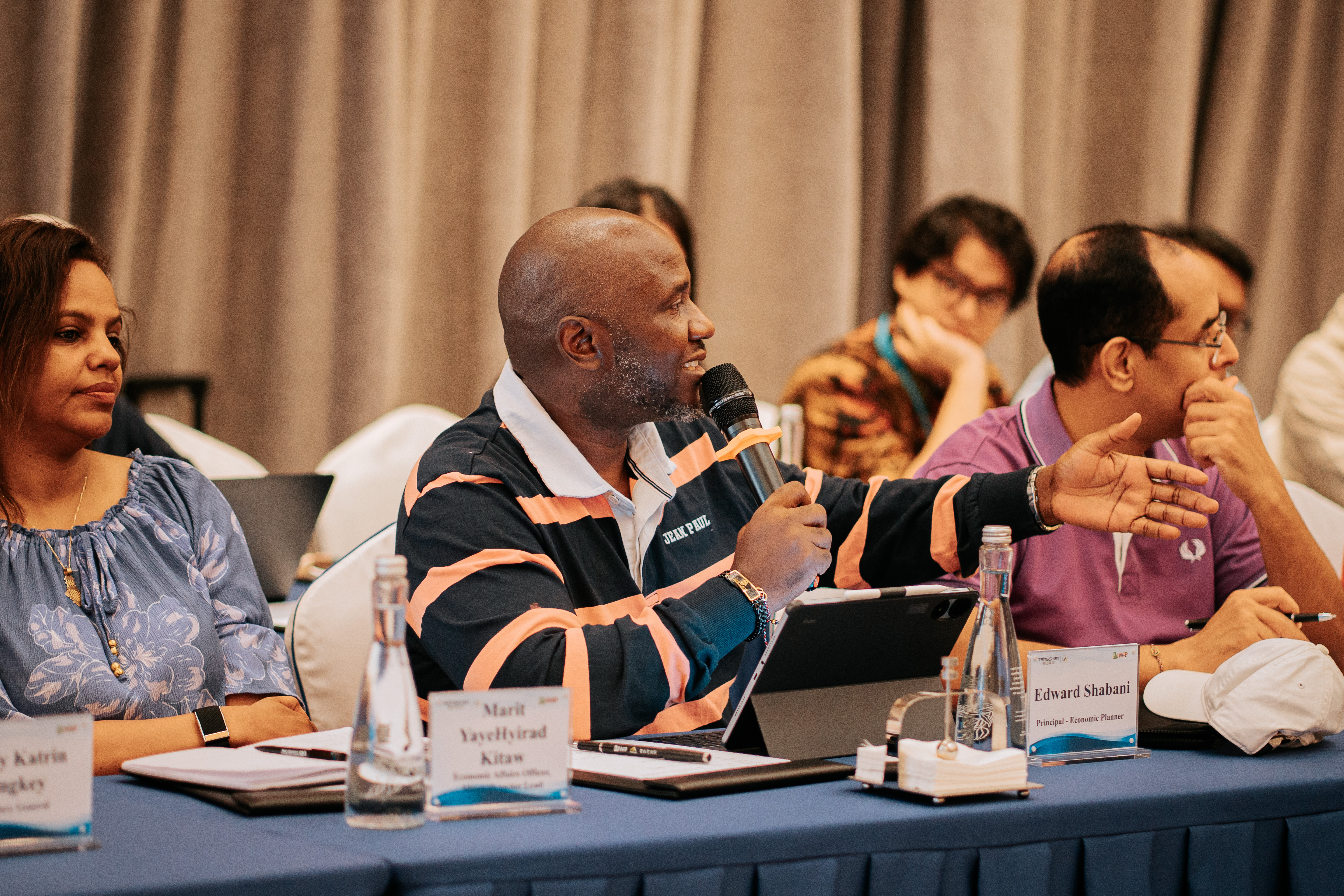
These conversations were informed by a two-day site visit to the Indonesia Weda Bay Industrial Park (IWIP) in North Maluku, which offered a first-hand look at one of the country’s most significant mineral-processing hubs and the practical complexities and trade-offs involved in industrialization.
The final day broadened the lens further. Engagements with a wider group of Indonesian policymakers, industry representatives, academics, civil society organizations and development partners highlighted both the economic potential of value chain development and the environmental, social and governance (ESG) challenges that accompany it. Officials from other countries reflected on which aspects of Indonesia’s experience might be transferable to their own contexts and what forms of cross-country learning and adaptation could most effectively inform policy development. These conversations fed into deeper exchanges on strategy and industrial policy, investment attraction and partnerships, ESG and community impacts, and the institutional and political arrangements that underpin implementation.
Amid these rich discussions, six key takeaways emerged.
1. An increasingly complex global landscape for value addition
With global demand for minerals booming and the push for diversified supply chains intensifying, a window of opportunity has emerged for establishing value chain activities in new locations. Yet mineral-rich countries in the Global South face mounting obstacles to realizing their value addition ambitions. China continues to dominate critical stages of many mineral value chains and is increasingly deploying export controls on technologies, manufacturing equipment and key materials. In response, other major economies are channeling large amounts of public finance into their own industries while—particularly in the case of the United States—seeking to narrow the policy space available to Global South countries, including by pushing back more aggressively against export bans and partnerships with geopolitical rivals.
2. Different value chains, different strategies

This complex landscape reinforces the need for value addition strategies tailored to the specific opportunities and constraints of each value chain. Discussions reflected a shared recognition that not all forms of value addition are feasible, desirable or a priority in every context. Participants highlighted how differences in global market share, infrastructure requirements, technology risk, environmental and social impacts and broader economic needs shape government approaches—including how countries distinguish between near-term, “no-regret” opportunities and longer-term, higher-risk bets.
“The event has increased my awareness of the breadth of the industry policy toolkit and how its use should reflect the idiosyncrasies of individual countries.” - Martin Latorre, University of Chile
3. Long-term visions that are ambitious but iterative
Discussions underscored the importance of anchoring value addition strategies in long-term national visions that can survive political cycles and provide confidence and predictability for investors. Participants noted that countries which have made progress have sequenced investments and policy reforms—such as value addition requirements and local content targets—over time, while recognizing uncertainty and learning as inherent features of industrial transformation. This calls for governments to adjust course as markets, technologies and domestic conditions evolve. Close and sustained engagement with the private sector emerged as a critical success factor, highlighting the role of trust, transparency and open communication between governments and investors.
“The field visit was an eye-opener, reinforcing how much strategic focus and discipline matter for advancing equitable value addition.” - Marit Kitaw, U.N. Economic Commission for Africa
4. Intra-governmental coordination is vital but often elusive
Designing and implementing effective value addition strategies requires close alignment across multiple ministries and agencies, yet many countries struggle to achieve this in practice. Participants highlighted how fragmented responsibilities, overlapping mandates and inconsistent communication often undermine coordination across mining, energy and industrial policies, as well as sufficient integration of environmental and social considerations into decision-making. Successful approaches combine clear chains of command with formal mechanisms for interagency collaboration, backed by sustained political support.
“This event will help me advocate for institutionalizing coordination among key ministries in my country to have one voice and be on the same page.” - Shorai Kavu, Ministry of Energy and Power Development, Zimbabwe
5. A multistakeholder approach and clear communication are key
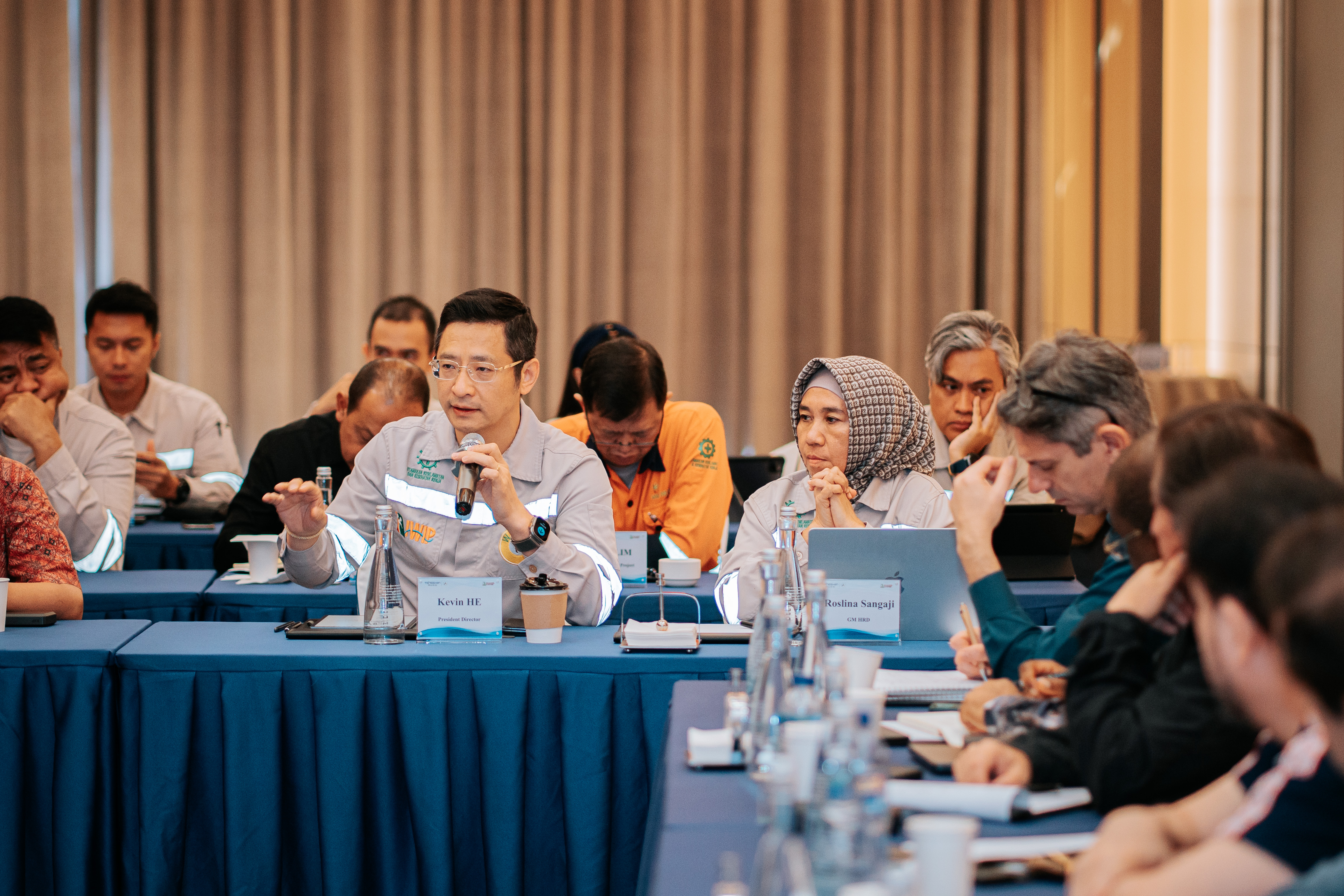
Value addition strategies involve trade-offs, take time to deliver results and, even then, may not fully meet public expectations. Participants noted that even well-designed strategies can falter if governments fail to bring citizens along, leaving policies vulnerable to pressure and reversal. Meaningful consultation and sustained engagement with a broad range of stakeholders are therefore essential. Governments need to clearly communicate objectives, timelines and expected benefits to build public trust—particularly in countries with histories of unfulfilled resource promises. Transparent, data-driven narratives presented in accessible language can help sustain political support across electoral cycles and strengthen the credibility of long-term policy commitments.
6. Strategic neutrality and the potential of South-South collaboration
In the face of intensifying geopolitical manoeuvring, many Global South countries are pursuing strategic neutrality through diversified partnerships that preserve policy autonomy rather than alignment with any single bloc. Participants discussed South–South cooperation as a key mechanism for enabling such neutrality. By coordinating rather than competing, countries can strengthen their bargaining power, reduce vulnerability to external pressures, and explore collaboration on standards, skills development, regional infrastructure and continued mutual learning. Cross-country learning was seen as particularly valuable for confronting shared challenges, reducing information asymmetries with major consumer countries and collectively exploring policy innovation.
“This event showed that South-South collaboration on critical minerals is possible—turning economic fragmentation to mutual benefits across the Global South.” - Niwa Rahmad Dwitama, Ministry of Foreign Affairs, Indonesia
Participants explored opportunities for continued dialogue and action—including a South–South Transition Minerals Learning Platform to be piloted by officials and researchers from a subset of participating countries, alongside future iterations of the broader intergovernmental dialogue. Through these mechanisms, South-South learning can support governments to make informed choices on mineral value addition.
Quotes have been lightly edited for clarity and length.
From Minerals to Development: New Connections for a New Era

As leaders gather in New York to discuss how the UN can advance the principles and recommendations of the Secretary General’s Panel on Critical Energy Transition Minerals, Lisa Sachs, of the Columbia Center on Sustainable Investment, shares why now is the time for long-term resource governance practioners to ask new questions, be honest about where we have fallen short, and join our work with other, related sectors.
For twenty years, those of us working on resource governance have been making the case that mining sits at the heart of sustainable development, and that resource-rich countries can convert their mineral wealth into broad-based development. A robust field grew to tackle the multidimensional challenges of resource governance with increasingly sophisticated tools: open fiscal models, contract databases, model laws, global multi-stakeholder initiatives, consolidated industry standards, and many trainings. In doing so, without quite noticing, those working on resource governance built a field with its own terms, boundaries, and sense of itself as complete. And yet, despite steadily better tools, the trajectory for resource-rich countries has not changed as we hoped.
Better tools, familiar challenges
Minerals are more central to the global economy than ever, and we are still asking many of the questions we asked two decades ago. Conflicts over land, fiscal promises that go unmet, environmental damage, projects stalled by mistrust; both the headlines and the framing questions at conferences are reminiscent of two decades ago. Few mining communities are meaningfully better off, and a quarter century into the era of transparency (of contracts, payments, and budget), we often cannot say how value is divided. From what we can see, wealth has not meaningfully improved the lives of the citizens of many resource-rich countries. Two years ago, the UN Secretary-General convened a multi-stakeholder panel on critical minerals, framed around not repeating the patterns of extraction and exploitation; a call to action that reflected concern from low and middle income countries that two decades of effort had not bent the curve. The panel worked admirably (and swiftly) to produce a report that consolidated twenty years of recommendations. But it did not grapple with why those efforts had fallen short.
Part of the answer is that resource-based development is genuinely hard. A single project involves multiple companies, a national government, local and regional authorities, the communities on the land, financiers, off-takers, and the home governments of the investors, each with its own interests, time horizon, and leverage. Geography compounds the challenge: value chains are spread globally: the mine in one country, processing often elsewhere, and the market in yet another country, with value and impacts unevenly distributed. And much of what determines the outcome happens behind closed doors.
Even when the terms are known, we are not agreed on what a ‘good deal’ looks like. For some, a fair outcome is one where the state captures the bulk of the value and the project advances the country’s own development strategy. For others, the measure is whether communities who bear the impacts negotiate their own terms. There is no agreed standard for decisive terms like shared-use infrastructure, dispute settlement, closure liabilities, audit rights, or the corporate structuring behind a deal's tax and legal exposure.
The benefits and the costs of mining fall unevenly by their nature: revenue accrues to the capital while the disruption lands on the community, gains arrive over decades while costs arrive at the start, one generation consents and another lives with the result. A deal can be fair to the state and unfair to the people nearest the mine; fair at signing and unfair twenty years on. While those of us in the field have at times recognized some of the inherent tensions and trade-offs, we have rarely found a framing that holds all of these elements in view at once. Part of the reason is that the field is divided along the same lines as the trade-offs: experts often specialize in one area: fiscal terms, community benefit, environmental and legal safeguards, dispute settlement, corruption.
When we do come together to talk about these intersectional components, we continue to do so within the framing of the natural resource sector as its own field, with its own technical features, institutions, standards and debates. But treating resource governance as self-contained is precisely what has kept it from working. We have become very good at governing the mineral and have left the system that gives the mineral its value to others. In reality, resource governance is a challenge inseparable from the larger fields of development, geopolitics, and international finance. Whether a mineral endowment becomes development is decided by the capital that builds power systems and ports, by the energy planning that determines where processing is viable, and by the international financial architecture that determines fiscal space and borrowing costs, and by geopolitics with its ever-powerful carrots and sticks. Resource governance is inherently part of all of this, and shaped by it at every turn. Yet the field has built its standards, its contracts, and its transparency mechanisms largely apart from the international financial institutions, the energy planners, and the fiscal, financial, and public-investment decisions that set the result.
This is a rare moment of attention for a set of issues that spent years at the margins. Minerals are in the news daily, capital and political attention have returned, and new actors who have never worked on resource governance are shaping the agenda. Many arrive as if there had never been a field at all, which risks discarding two decades of hard evidence about what works and what does not. But it is also telling that these new actors are finding the field largely the same as we found it twenty years ago.
Why now is the time to rethink
For those of us who have been working in the field for decades, there are two powerful reasons that now is the time for a rethink. First, several of the most physical constraints to resource-based development have shifted. Clean power can now be produced affordably and locally where the planning is done to support it. Markets that were assumed to be global and centralized are becoming more regional, as more regions move to build their own capacity and secure their own supply. And the recognition that integration and regional coordination are necessary has grown. And second, supply-security concerns and the return of industrial policy have opened real room for integrated, development-oriented strategies that were politically unattractive a decade ago. The barrier to integrated, development-oriented resource strategies is now mainly institutional and architectural: whether the field organizes itself to work across the systems it has always been part of.
The most valuable thing twenty years of work leaves us with is not fixed answers but a set of hard-won learnings, including, most importantly, the limits of the approaches we have tried. Those who have spent decades in this field should not cling to what we have been trying this whole time; that would be misreading both the evidence and the moment. Defending a position we have held for so long risks entrenches an old framing even as its assumptions prove flawed and the systems beneath it move.
But the depth of experience is critical: we know what was tried, what mattered, and why earlier efforts fell short. When the same questions are asked anew, the institutions and individuals who have engaged deeply in that work are best placed to reflect on how to think differently about the questions and the answers, so that we do not repeat the patterns of the past. Doing so requires a level of reflection and reckoning that may be uncomfortable to longstanding leaders in the field. And yet, knowing the terrain well enough to reframe the question – and push the conversation forward, rather than defend or replay the past, is an essential contribution two decades in this field can offer.
The task now is to foreground the interconnections, where the outcomes are actually decided. A processing facility is viable when the energy system has been planned to power it affordably. A mineral corridor pays off when the transport and the industrial capacity around it are sequenced together rather than negotiated piece by piece. Shared water infrastructure can serve the mine, the farms, and the cities downstream when it is planned at the basin level rather than built in parallel. An endowment becomes development when its financing is tied to a costed investment plan inside a national or regional strategy. A larger government take and a tangible community benefit become less of a fight over a fixed sum when the project is built into a development strategy that enlarges what there is to share. Affordable power, regional markets, and secured demand come together when they are sequenced as one. Seen as one system, the trade-offs that looked fixed start to give.
This matters to the people who fund the work as much as the people who do it. The opportunity is to back new thinking—including interdisciplinary work that does not fit neatly in any one silo. To draw on the people who carry decades of experience, not to ask them to defend what they built, but to ask what it taught. That work matters now in a way it has not before, with the questions open again and the moment ready for different answers.
Lisa Sachs is the Director of the Columbia Center on Sustainable Investment (CCSI). She is a globally recognized expert and leading voice on climate finance, sustainable investment, and natural resource governance, and a leading voice on how laws, policies, and financial architecture shape global investment flows in support of development and climate objectives. She advises governments around the world along with multilateral development banks, UN agencies, and intergovernmental organizations, and works closely with companies, investors, and civil society to translate research into practical policy and investment reforms. Lisa contributed this piece as part of NRGI's 20th anniversary thought piece series on the future of resource governance.
Beyond Oil and Gas: Regional Perspectives on a Transition Under Pressure

As more than 50 countries gather in Santa Marta for the first conference dedicated to transitioning away from fossil fuels, NRGI's regional directors share how governments are navigating competing pressures, and what this means for economies and communities
The energy transition is happening. It is also, depending on your perspective, too slow, too fast, too expensive, or something else entirely. As the governments of Colombia and The Netherlands convene the first-ever conference dedicated to transitioning away from fossil fuels in Santa Marta, that ambition is running up against a charged reality: oil price spike, land grabs, geopolitical jockeying for resources and mounting debt in many producer countries.
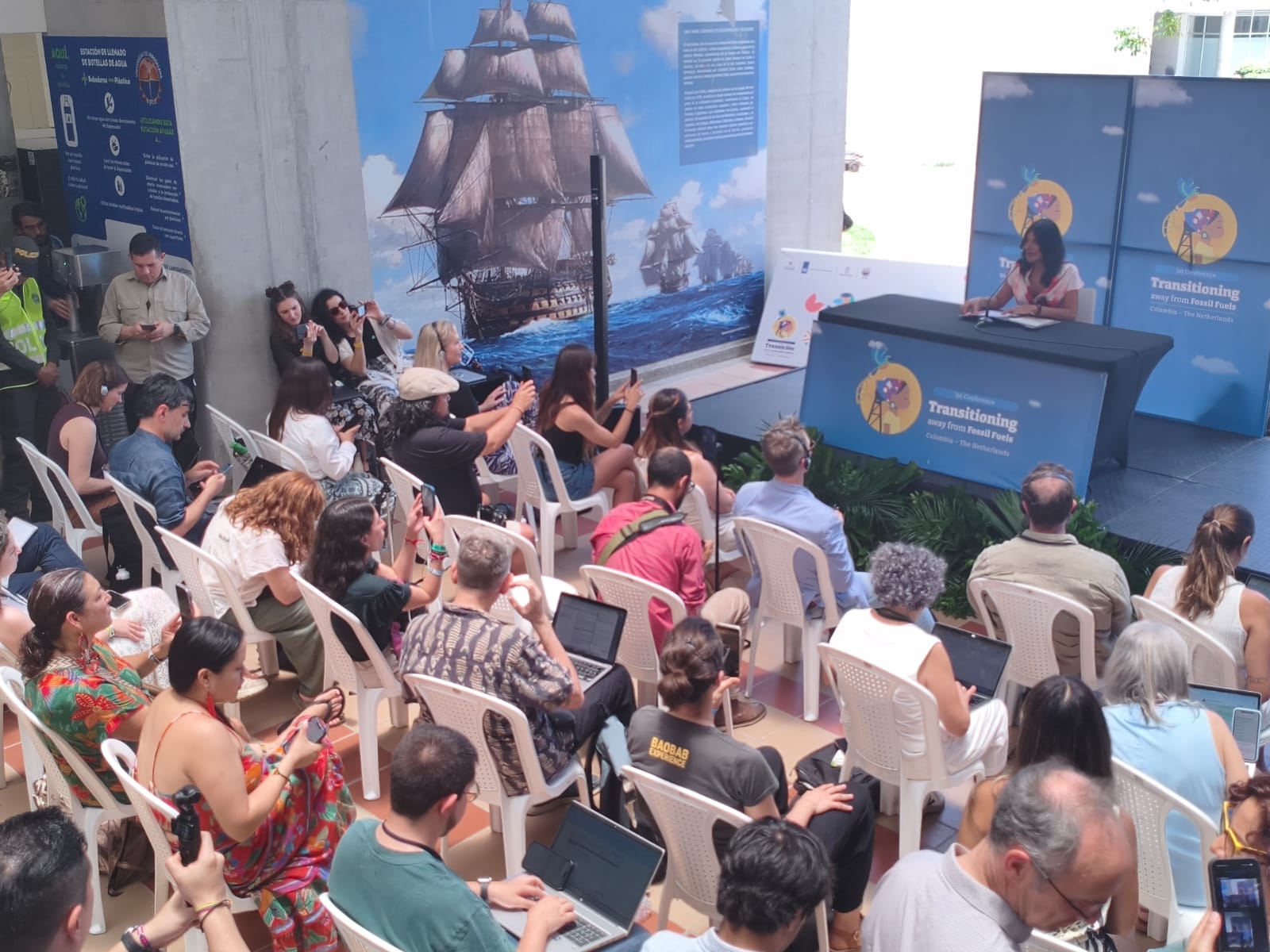
NRGI’s work is grounded in the recognition that how the transition unfolds—and how quickly—will determine whether it contributes to fair, inclusive and more prosperous societies, while acknowledging that communities that have contributed least to the climate crisis too often stand to lose the most. There is not one transition. There are transitions—shaped by very different starting points, economic realities and development priorities. Those gathering in Santa Marta must consider these diverse perspectives, including from communities, countries and regions that are not always fully represented in these debates.
Three of our regional directors reflect on how the transition is unfolding in practice, drawing on two decades of work on resource governance.
How are governments approaching the transition in the current context?
Santa Marta's organizers argue that current conflicts reinforce rather than sideline the case for transition. For governments navigating oil price uncertainty, rising energy demand and immediate security pressures, however, the picture is more complicated.
Africa—Nafi Quarshie, Africa Director

Latin America—Ana Carolina González Espinosa, Latin America Director and Senior Director for Programs
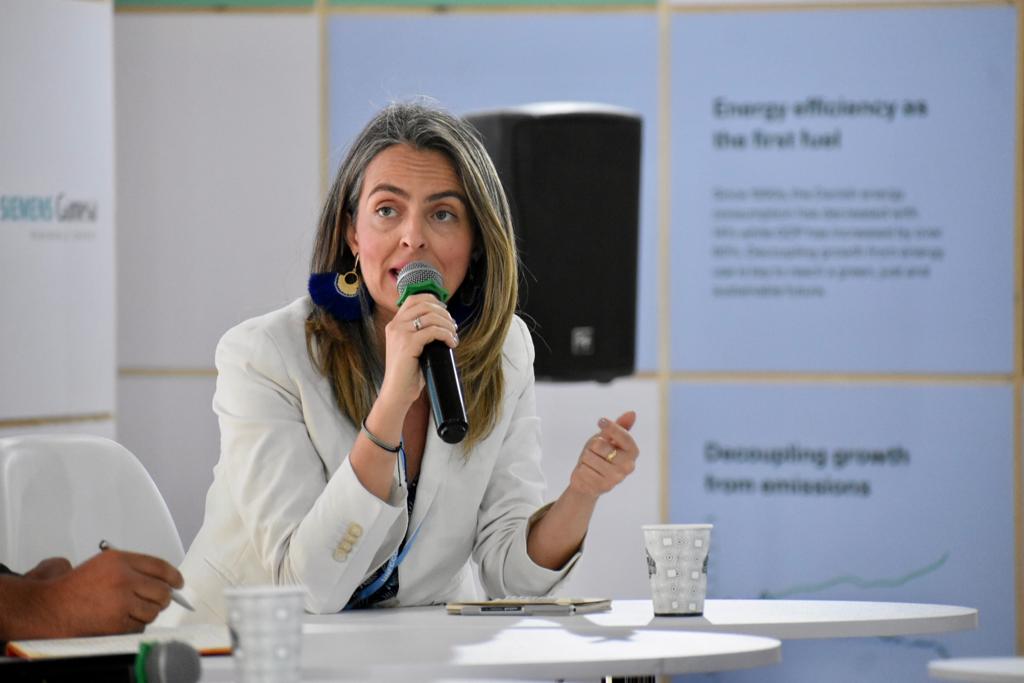
MENA—Laury Haytayan, MENA Director
A New Partnership to Embed Learning in Transition Minerals Policymaking

Amid the global rush for transition minerals, essential for a range of energy technologies, policymakers across Africa, Asia and Latin America need to make major decisions far faster than existing learning models can support. Governments are weighing complex choices about leveraging resources for economic growth, value addition, industrial policy, infrastructure, fiscal terms, environmental safeguards and protection of communities, yet the ways countries traditionally learn from one another—study tours, stand-alone workshops, generic technical guidance—have not kept pace.
During the Natural Resource Governance Institute’s (NRGI) convening at The Rockefeller Foundation’s Bellagio Center in 2024, government officials and experts from across the Global South reflected on what is needed to support countries to build diversified minerals supply chains while enhancing the well-being of communities and support national economic development objectives. One message stood out: the need for practical, real-time learning that speaks directly to the policy challenges that countries are confronting now, not tools that sit outside the policymaking process.
That recognition—voiced directly by policymakers—is the starting point for the South–South Transition Minerals Learning Platform, which NRGI and partners launched last week in Bali, Indonesia, with support from The Rockefeller Foundation. The launch followed a four-day international dialogue co-hosted by the Indonesian government and NRGI on “Unlocking Equitable Mineral Value Addition,” which gathered officials from 10 Global South countries to share experiences, ideas and opportunities to drive sustainable development of economic opportunities around the global race for transition minerals.

The platform is built around a simple but powerful idea: countries learn best from one another when that learning is directly connected to the policy challenges they are confronting. This represents an evolution from dialogue to co-production of knowledge: countries working together, in real time, to develop, test, and refine practices that respond to their own development priorities.
Indonesia’s own experience featured prominently in these early exchanges. Participants discussed how the government combined export restrictions with investment incentives and sustained policy coordination to push investment into domestic mineral processing. Despite external pressure from trading partners to lift raw-material export bans, Indonesia prioritized national development objectives as part of a broader industrial strategy. This approach has helped catalyse large-scale downstream investment, industrial parks and skills development, while also underscoring the importance of continual regulatory adjustment and institutional capacity to manage trade-offs during implementation.

The inaugural meeting of the Platform enabled participants to map their priority challenges and shape the initial learning agenda. Our discussions focused on real policy choices governments are weighing now—including how to assess the commercial and infrastructure requirements for value addition and linkages to national development strategy—providing a concrete foundation for the collaborative work ahead.
Together, we aim to foster continuous engagement: participants will meet regularly through regional and thematic workshops, virtual exchanges and targeted research collaborations. These mechanisms ensure that South–South learning is sustained, with countries identifying learning priorities, continually sharing experiences, and testing new approaches. The approach responds to what policymakers have consistently emphasized: the most valuable knowledge sharing comes from peers. Participants in the Platform launch emphasized the important role it can play in grounding policymaking in learning and evidence.
“For Indonesia, downstream industrialization has never been about copying models from elsewhere. It has been about making clear policy choices, learning through implementation, and continuously adjusting based on what works and what does not. This dialogue showed the value of countries learning directly from one another - sharing not just successes, but also the challenges and trade-offs involved in turning mineral wealth into long-term economic value.” Septian Hario Seto, Executive Secretary, National Economic Council of Indonesia
Looking ahead, the next year represents an opportunity to deepen this community of practice and generate the evidence and peer-to-peer learning governments need most. As this work unfolds, NRGI and The Rockefeller Foundation are committed to supporting decisionmakers as they research practices to inform policies that advance economic opportunity, safeguard communities and the environment, and ensure that the energy transition delivers meaningful benefits across the Global South.
Global Commodities Forum 2025 Panel 2 - Critical Energy Transition Minerals - Principle on benefit-sharing, value addition and economic diversification
Palais des Nations

The global demand for critical energy transition minerals offers developing countries a chance to diversify their economies, reduce dependence on raw exports and strengthen their role in global supply chains. With effective governance and local value addition, these resources can drive industrial growth and support a just, sustainable energy transition.
UNCTAD, as co-leader of the UN Secretary-General’s Panel on Critical Energy Transition Minerals, is helping shape frameworks for fair benefit-sharing, transparency and sustainability across mineral value chains.
At the Global Commodities Forum, the session “Critical Energy Transition Minerals – Principles on Benefit-Sharing, Value Addition and Economic Diversification” will explore practical steps to turn these principles into action and ensure mineral wealth drives equitable development.
- How can the global trade system evolve to better support developing countries in achieving value addition, diversification and industrial upgrading?
- What global mechanisms can ensure inclusive access to technologies for responsible mining and innovation across the value chain?
- How can international investment frameworks mobilize development-driven capital for midstream and downstream activities while protecting national development goals?
- What role can South–South and triangular cooperation play in building regional industrial ecosystems and shared value chains?
- How can UNCTAD further support developing countries in leveraging critical minerals for structural transformation and sustainable development?
NRGI staff on the panel

Susannah Fitzgerald
Critical Minerals Governance Senior Officer
As the West Turns Inward, Can Africa Leverage Its Mineral Power?

In the few months since Donald Trump returned to power, a flurry of decisions has made ‘restoring America’s mineral dominance’ a key priority for the administration. These range from strongarming Ukraine into providing access to mineral (and energy) assets in exchange for continued support in its war with Russia, to designs on Greenland. Trump has also issued executive orders to increase domestic mineral production and processing, weaken due diligence in the financing of mining projects and pause anti-bribery protections to gain “strategic business advantages” in accessing minerals overseas.
Other consumer countries’ approaches have also become clearer in recent months. Changing political winds in the European Union (EU), following the 2024 European Parliament elections, have reaffirmed a focus on ramping up domestic supply amid a deregulation drive. The first batch of strategic projects for development under the Critical Raw Materials Act focuses exclusively on projects within Europe—excluding applications from other regions.
For African mineral-producing countries, this moment presents new risks—but also an opportunity to strengthen their position. International politics around minerals have long been at the intersection of economic and national interests, but the new U.S. administration is now pushing it into even more transactional territory. Through its rhetoric and actions, the U.S. government is signaling that multilateral engagement and good governance standards are no longer its priorities.
African decision-makers are already considering how to navigate this new terrain. Facing the advance of M23 rebels in its eastern provinces, the government of the Democratic Republic of the Congo (DRC) has sought to make a “deal” to leverage its minerals in exchange for security assistance from the U.S. To use the global context to their advantage, decision-makers will need a long-term vision for their economies—grounded in evidence, political acumen and strong alliances.
Analyze your leverage—and carefully weigh what you gain and give up in any deal
African bargaining power remains real, particularly as the U.S. looks to counter China’s dominance. Africa holds at least a fifth of the world’s reserves in minerals critical for the energy transition—the U.S. can’t afford to ignore threats by the likes of South Africa to withhold minerals.

As the American diplomatic apparatus kicks into gear around minerals, African governments could gain access to new financing opportunities—even as traditional aid budgets are slashed or disappear entirely. The U.S. International Development Finance Corporation (DFC)—created under Trump’s first term—may play a growing role in providing public finance to catalyze greater private investment. The DFC has backed overseas minerals projects such as a graphite mine in Mozambique, and now has authority to invest in domestic minerals—despite a mixed track record at home. The U.S. and UK are also looking to Export Credit Agencies to take a greater role in the sector, though these institutions have come under fire for harmful practices.
Such financing mechanisms could form part of a bilateral deal centered on mining. In principle, these deals could unlock access to political, financial and technical resources beyond what private investors offer—such as support for geological mapping, derisking exploration investments or infrastructure development. As the DRC’s proposal shows, some countries may seek to leverage this moment to advance broader national goals—such as improving security.
To take advantage of these opportunities, African governments should root their ambitions in long-term strategies based on national development plans. A thorough understanding of their country’s resource base is critical, along with a proactive awareness of how evolving global supply chains, markets and geopolitics affect their bargaining power. We’ve seen the art of the possible: in recent negotiations of a new agreement with De Beers, Botswana increased its share of diamonds for domestic processing from 25 percent to a possible 50 percent by the time that the agreement expires. The DRC government is leveraging its dominant market position to restrict cobalt exports to maximize benefits for the country.
Despite the global shifts, African governments can draw on years of experience in managing their minerals sector. The deals being explored today—such as those in DRC and Ukraine—have parallels in the resource-for-infrastructure arrangements some African governments negotiated with their Chinese counterparts over the past two decades, such as the DRC-China Sicomines deal. These complex negotiations need careful work to fairly value mineral assets and rigorously assess the projects being offered in return. Minerals-for-security deals demand more caution. Security assistance is even harder to value and monitor and often entails greater opacity given national security concerns. Any deal that is agreed must ensure implementation is measurable, transparent and subject to formal oversight.
Regional collaboration for collective leverage
One of the most effective ways that African governments can achieve their development goals is through increased regional collaboration. This is more important than ever in an increasingly turbulent and fragmented world. Trump’s ‘America First’ stance and aggressive tariffs are straining relations between traditional allies in the Americas, Europe and Asia. Multilateral efforts such as the Minerals Security Partnership will likely play a diminishing role in U.S. calculations. However, other partners may still have an interest in working together without U.S. leadership.
Strengthening intra-regional trade through the African Continental Free Trade Area (AfCFTA) and regional economic communities can help mitigate the effects of global geopolitical shifts. While politically and technically complex, a coordinated approach to minerals would strengthen the continent’s collective leverage, prevent a “race to the bottom” and create opportunities for regional value chains that could attract external support. The Lobito Corridor—partially funded by the U.S. under the Biden administration—risks reinforcing the pit-to-port model, but also shows what’s possible when multiple African governments align efforts and partner with external actors.
The African Union’s endorsement of the African Green Minerals Strategy in February 2025 is a significant step towards collaboration—but much work remains. More industrialized African countries must lead the charge, promoting opportunities in less developed neighbors and—alongside development partners—fund regional bodies to increase planning capacity.
Embracing strategic neutrality
Despite renewed global attention, U.S. investment in minerals in the past few years remains minimal. As of late 2023 (the latest data available), the DFC had invested only USD 270 million on mining projects. By contrast, Chinese overseas mining investment reached another high of $21.4 billion under the Belt and Road Initiative in 2024. Whether increased U.S. bluster translates into increased financing remains uncertain.
Even if U.S. support increases, there is no guarantee it will unlock private investment. Despite renewed interest by Western companies in the DRC, for example, the country has struggled to attract investment in recent years due to concerns related to tax, corruption, and other risks. To make the most of these opportunities, African governments must ensure that their policies create a conducive environment for investment.
Strategic neutrality among potential investors is also critical. Failing to do so risks leaving countries empty-handed—especially given the uncertainty of Western investment. It also risks entangling African governments in great power politics. Some governments have had success in this balancing act: Zambia has taken an “all of the above” approach, securing U.S. investment in the Lobito Corridor, Chinese rehabilitation of the Tazara railway and a partnership with the EU.
Hold the line on good governance
Good governance remains critical to enabling long-term and equitable benefits from the mining sector—yet it faces new challenges. In the U.S., Trump is dismantling anticorruption infrastructure at alarming pace. Once a global leader in enforcing restrictions on foreign bribery, the U.S. has now paused enforcement of the Foreign Corrupt Practices Act via an executive order. Amid the scale and speed of U.S. backsliding, troubling changes are also taking place elsewhere. The EU is considering proposals that would gut groundbreaking sustainability legislation, such as the Corporate Sustainability Reporting Directive and Corporate Sustainability Due Diligence Directive.
These rollbacks may embolden some mining companies to push for laxer conditions in African countries—or use corrupt means to secure them. NRGI’s research shows that companies based in the world’s wealthiest and most powerful jurisdictions are often behind corruption cases in the allocation of transition minerals projects. With these jurisdictions now competing for mineral dominance, by holding the line on good governance, African leaders can protect their people and the planet—and prevent disruptions to mining operations such as community blockades, labor strikes or tax disputes.
Embedding transparency and accountability principles into decision-making—through measures, such as contract transparency or parliamentary approval for major agreements—are essential in this more fraught environment. Ghana’s parliament has created space for essential public debate on weaknesses to be addressed as it reviews the country’s first lithium mining agreement. Countries like Niger, Republic of the Congo, Senegal and Sierra Leone are meeting good practice by disclosing contracts under the Extractive Industries Transparency Initiative (EITI); other African countries could follow their lead.
Amid global turbulence lies an opportunity for African leadership. With a clear strategy, stronger regional collaboration and a strong commitment to governance, African governments can navigate the current storms—and turn them into their advantage.
Decarbonization of Oil and Gas in the Gulf Cooperation Council: The Way Forward

Key messages
- It is unrealistic to expect a complete phase-out of oil and gas overnight. History has shown that a transition from one energy system to another takes time, but COP28 created political momentum, especially in the GCC countries, to invest not only in technologies such as carbon capture and storage (CCS), but also in the energy transition.
- GCC countries each focus on the same four key areas of decarbonization: 1) maximizing energy efficiency while reducing emissions from operations 2) developing renewable and clean energies 3) investing in carbon capture technologies, and 4) institutionalizing the role of national oil companies in decarbonization efforts.
- Ensuring improved emissions reporting by companies will allow for better emissions management and greater reductions in emissions. Companies in GCC countries must follow international reporting guidelines and standards.
- It is important to establish clear, holistic and realistic priorities and action plans for investing in renewable energy, to avoid unproductive projects and financial waste. Detailed, actionable plans to reach net-zero targets in the region are also needed. Ambitious targets are meaningless without concrete steps to achieve them.
- There is also a need to acknowledge the limitations of CCS technologies. While these can play a role, they should not be treated as a primary approach to decarbonization.
Introduction
COP28 in the United Arab Emirates (UAE) will be remembered as the COP of transitioning away from fossil fuels. Weeks of negotiations led to what was named the “UAE Consensus,” which gave political blessing to action towards orderly transitions based on countries’ capacities. Oil and gas companies were also held accountable for their responsibilities in fighting climate change, with the launch at COP28 of the Oil and Gas Decarbonization Charter, in which companies pledged to accelerate decarbonization of their businesses. Signatories included national oil companies from the Middle East and North Africa (MENA) region, such as Abu Dhabi’s ADNOC, Saudi Arabia’s Aramco and Bahrain’s Bapco Energies.
For activists, scientists and campaigners who believe the only acceptable action to fight climate change is to end the production of fossil fuels now, the launch of the voluntary pledges by national oil companies constitutes greenwashing. This sort of criticism must be amplified to pressurize governments and companies to take serious action to reduce emissions. However, such pledges are also important to enable civil society organizations (CSOs), communities and citizens to monitor and hold governments and companies accountable.
The MENA region has historically contributed very little to climate change, but it is currently home to oil and gas giants, with the highest per capita carbon dioxide (CO2) emissions globally. It is therefore important for the MENA governments, NOCs and societies to contribute to fighting climate change. The global community particularly welcomes efforts by the financially rich MENA countries to contribute to decarbonization efforts, and by the giant NOCs of the region to deliver on their commitments.
The Natural Resource Governance Institute (NRGI) has been following the energy transition paths in MENA since 2023. We understand the differences in capacities and needs among the various countries of the region, and acknowledge the fear of transitioning away from oil and gas for countries dependent on these resources for their state revenues. Some countries in the region see opportunities to invest in clean energy for their power sector, in order to provide secure electricity and cut import bills. Fossil fuel-rich countries, such as members of the Gulf Cooperation Council (GCC), are investing in new technologies for clean energy and seeking a place on the global stage to influence the energy agenda.
NRGI has sought to bring these nuances of the energy transition to MENA populations, by creating a space for experts from the region to reflect on these developments and to develop recommendations for action to present to decision-makers and CSOs. To this end, we have organized webcasts in Arabic bringing together regional experts to discuss key topics related to the energy transition in MENA. We are also compiling the experts’ recommendations in a series of briefings, to be the base for actionable advocacy for a just energy transition. Part of NRGI’s just energy transition program, this publication is based on a webcast on the role of GCC governments and their NOCs in decarbonization efforts.
This briefing is part of contribution by the Natural Resource Governance Institute (NRGI) to the just energy transition debate in the Middle East and North Africa. The content is based on a webcast organized by NRGI, in which two guest experts from the region discussed the role of Gulf Cooperation Council (GCC) governments and national oil companies in decarbonizing the oil and gas sector.
Emissions, the oil and gas sector, and development
The Paris Agreement, adopted during COP21 in 2015, sets out global commitments to limit global warming to well below 2 degrees Celsius, preferably to 1.5 degrees Celsius, compared to pre-industrial levels. This requires all stakeholders to reduce and eliminate greenhouse gas (GHG) emissions. Fossil fuel combustion is the primary source of these emissions, via the processes involved in burning coal, oil and natural gas, which release significant amounts of CO2 and other GHGs, such as methane, into the atmosphere. Global climate change frameworks such as the United Nations Framework Convention on Climate Change (UNFCCC) highlight that fossil fuels are the leading contributor to GHG emissions caused by humanity, leading to around 90 percent of all CO2 emissions and almost a third of methane emissions. Within this context, debates and commitments around decarbonization emphasize reducing the average carbon intensity of primary energy sources over time. Five of the top ten oil producers in the world are in the MENA region, in the GCC states. For example, Saudi Arabia, the world’s second largest oil producer after the USA, is responsible for 11 percent of the global share of produced oil. Decarbonizing the oil and gas sector therefore becomes a crucial priority for countries relying on the sector for development and the well-being of their citizens.
Voices in developed countries argue for delinking oil and gas from economic development, but this does not resonate with populations in the MENA region who still depend on their governments to provide jobs and meet their basic needs. The emphasis for resource-rich countries—especially in the Gulf—is on making their oil and gas products the cleanest possible while the world is still economically reliant on oil and gas.
The actions of the oil giants in the region are especially critical, given estimations by the Intergovernmental Panel on Climate Change that limiting global warming to 1.5 degrees Celsius will require global GHG emissions to peak before 2025 at the latest and be reduced by 43 percent by 2030. The substantial oil revenues of the GCC nations position them uniquely not only to lead their own decarbonization efforts, but also to support other MENA countries in their energy transitions, to ensure the whole region is politically and economically more stable than at present.
NRGI’s webcast guest Dr Charbel Moussa of KPMG believes that the political momentum and government buy-in for work on decarbonization technologies and an orderly energy transition was launched at COP28. Dr Moussa stated that, “Today, politically, there is a domino effect, and governments cannot say that we are only going to invest in technology. There also has to be an investment in the gradual transition from oil and gas to other sources of energy.”
GHG emissions can be categorized into three groups, as defined in the Greenhouse Gas Protocol, which is widely adopted across industries, including the oil and gas sector:
- Scope 1 Emissions: Direct GHG emissions from sources owned or controlled by a company. For oil and gas companies, these include emissions from combustion in their boilers, furnaces and vehicles, and emissions from chemical production in their processing equipment.
- Scope 2 Emissions: Indirect GHG emissions from the generation of purchased electricity, steam, heating and cooling consumed by a company. For the oil and gas sector, this primarily involves the emissions associated with the electricity used in extraction, refining and distribution processes.
- Scope 3 Emissions: All other indirect emissions that occur in a company’s value chain, both upstream and downstream. In the oil and gas industry, this includes emissions from the use of sold products (e.g., combustion of oil and gas by consumers), transportation and distribution, and investments, among other activities.
GCC countries and NOC decarbonization policies and commitments
As previous NRGI research highlights, despite their vast financial capacities and low-cost reserves, GCC NOCs face significant financial risks as the global energy transition accelerates. The structural decline in oil demand, driven by decarbonization efforts, may lead to stranded assets and diminished revenues, as global capital continues to shift away from fossil fuels. NOCs such as Saudi Aramco are attempting to diversify into downstream industries such as refining and petrochemicals. However, over-investment in these sectors risks becoming a liability if the global demand for oil and its byproducts declines faster than expected. Thus, while these NOCs are better positioned than many smaller regional players, the need to mitigate financial risks through strategies that do not rely on oil and gas remains urgent.
Against this backdrop, GCC countries signalled their commitment to a greener and more sustainable future by developing and marketing holistic short- and medium-term strategies: Saudi Arabia’s Vision 2030, Oman’s Vision 2040, Qatar’s National Vision 2030, the UAE’s Vision 2021 and its related Energy Strategy 2050, Bahrain’s Economic Vision 2030 and Kuwait’s Vision 2035.
As of 2022, all GCC countries bar Qatar had set a net-zero target for 2050 or 2060. UAE and Oman committed to net zero by 2050, while Bahrain, Kuwait and Saudi Arabia set their net-zero objectives for 2060. For instance, the UAE has committed to reducing its GHG emissions by 40 percent by 2030, compared to “business as usual” levels, by focusing on five key emitting sectors. While these visions are cross-sectoral, the energy sector is the most critical priority for decarbonization across GCC countries. According to NRGI’s webcast guest Dr Mohammed al Breiki from the Gulf Organization for Industrial Consulting, despite the plurality of energy sector decarbonization paths and targets among these countries, they each focus on four key areas:
1. Maximizing energy efficiency while reducing emissions from operations
Due to their high financial capacities, GCC countries are able to lead on and champion technologies and innovative concepts to maximize efficiency in oil and gas operations, while preventing and reducing potential CO2 emissions. For instance, Saudi Arabia has implemented the concept of the circular carbon economy. As Dr Breiki explained, this is “a concept that enables the recycling of carbon coming from different sources by using or capturing it.” Saudi Arabia’s NOC, Aramco, has adopted this concept, operationalizing its principles of “reducing, reusing, recycling and removing” CO2 emissions.
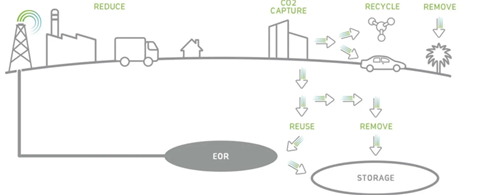
Implementing this concept involves the roll-out of an array of measures and approaches, including investing in technologies to improve the efficiency of internal combustion engines in transport, and planning afforestation efforts. Three NOCs in the GCC have announced or started implementing plans to plant millions of efficient carbon-capturing trees. The Abu Dhabi National Oil Company (ADNOC) has announced the planting of 10 million Avicennia trees, Aramco has announced plans for several million mangroves trees, while Petroleum Development Oman (PDO) has announced it is planting sugarcane to help with the desalination of water that will be used to be injected in the oil wells. The sugarcane bagasse, a byproduct of the plant, will be used as a renewable energy source to power the desalination process, replacing traditional electricity typically generated from oil and gas. This approach not only supports water injection but also contributes to reducing CO2 emissions by using a cleaner energy alternative.
The GCC countries are also advancing innovative and pioneering technologies aimed at reducing CO2 emissions in their oil and gas extraction. For instance, PDO’s “Miraah” project is one of the world’s largest solar thermal facilities, harnessing the sun’s energy to produce steam for use in oil production. According to Dr al Breiki, this technology has enabled the company to save or reduce about 300,000 tonnes of CO2 a year. ADNOC’s Centralized Predictive Analytics Diagnostics (CPAD) initiative uses artificial intelligence and machine learning to analyze data related to operations across the company, to improve operational efficiency and reduce emissions. Qatar is seeking to reduce emissions in the transport of oil and gas through purchasing ships which use liquified natural gas (LNG) or clean fuels such as ammonia and methanol, rather than heavy fuel.
2. The development of renewable and clean energies
GCC countries have established ambitious overall targets for renewable and clean energy production and integration into their domestic energy mixes. For instance, Saudi Arabia aims to have 50 percent of its energy mix from renewable energy by 2030, while Oman and the UAE aim to derive 30 percent of their electricity from renewables or clean energy by the same year. Bahrain aims for 20 per cent of its energy to be renewable by 2035, while Kuwait and Qatar aim for 15 percent and 20 percent respectively by 2030.
Achieving these targets will require GCC countries to increase their renewable energy capacity tenfold by 2030 compared to the 2022 installed capacity of about 5.7 gigawatts. Fortunately, abundant and high-quality solar resources, coupled with the very large scale of solar photovoltaic (PV) projects, mean that the GCC countries are able to produce renewable energy at a very low coast. Currently, solar PV costs less than two US cents per kilowatt hour in the GCC countries, outperforming natural gas, liquefied natural gas, oil, coal and nuclear power in this respect. These countries are already leveraging this advantage. According to the World Bank, the UAE is home to three of the world’s largest and lowest-cost solar plants. The expansion of solar energy production and use will reduce the share of fossil fuels in the domestic energy mix, while also improving efficiency in operations. For instance, as Dr al Breiki stated, the Kuwait Petroleum Corporation has adopted electrical extraction technologies using solar energy to reduce emissions from oil and gas extraction processes.
In addition to solar potential, some areas in the Gulf, such as Saudi Arabia’s northwestern desert and southern Oman, boast significant wind potential. Despite solar PV being more competitive, GCC countries such as Saudi Arabia and in Bahrain are investing in wind farms, through a partnership between Bahrain’s Bapco Energies and the Abu Dhabi Future Energy Company, Masdar. GCC countries are also investing in grey hydrogen (from natural gas) or blue hydrogen (grey hydrogen with carbon capture). For instance, ADNOC currently produces 300,000 tonnes of grey hydrogen annually, and is investigating the potential for green and blue hydrogen production, using carbon capture and storage technology. The company also aims to start producing blue ammonia in 2025 at its large-scale facility, which has a capacity of one million tonnes per year.
3. Investing in carbon capture technologies
GCC countries including Saudi Arabia, the UAE, Qatar and Oman are investing in carbon capture and storage (CCS) technology. This refers to the process of reducing emissions from industries such as fossil fuel extraction, by collecting CO2 that would otherwise have been emitted into the atmosphere, and storing it underground in depleted oil and gas reservoirs and saline aquifers. This technology would arguably enable these fossil fuel producers to “have their cake and eat it” by contributing to meeting domestic net-zero targets while protecting export revenues derived from oil and gas.
GCC countries already have large-scale CCS projects in different stages of development. For example, Qatar’s Ras Laffan LNG carbon-capture facility has a capacity of 2.2 million tonnes per year. QatarEnergy’s Sustainability Strategy also includes a commitment to increase CCS capacity at its facilities to between 7 million and 9 million tonnes per annum by 2030. Similarly, as Dr al Breiki highlighted during the webcast, CCS technology has enabled Saudi Arabia’s Uthmaniyah oilfield “to capture about 40 million cubic meters of carbon dioxide and store it underground to improve oil extraction.” The table below outlines all CCS projects implemented or planned in GCC countries until 2030 to capture CO2 at source or through direct air capture.
Table 1. Carbon capture and storage projects in GCC countries in 2023
| Facility | Country | Operational date | Industry | Capture, transport or storage capacity (million tonnes per annum of CO2) |
Operational | ||||
| Saudi Aramco Uthmaniyah | Saudi Arabia | 2015 | Natural gas processing | 0.8 |
| Qatargas Qatar LNG | Qatar | 2019 | Natural gas processing | 2.2 |
In construction | ||||
| 44.01 Project Hajar | Oman | 2024 | Direct air capture | Under evaluation |
| Qatar Petroleum North Field East | Qatar | 2025 | Natural gas processing | 2.1 |
| QAFCO Ammonia-7 Blue Ammonia Facility | Qatar | 2026 | Hydrogen, ammonia, fertilizer | 1.5 |
Advanced development | ||||
| ADNOC Ghasha Concession Fields | UAE | 2025 | Natural gas processing | Under evaluation |
| ADNOC Natural gas processing plant | UAE | 2025 | Natural gas processing | 2.3 |
| Saudi Aramco Jubail Hub | Saudi Arabia | 2027 | Natural gas processing | 9 |
Early Development | ||||
| Gulf Cryo MEG Plant | Saudi Arabia | 2024 | Chemical | Under evaluation |
| ADNOC TA’ZIZ Blue Ammonia | UAE | 2025 | Hydrogen, ammonia, fertilizer | 0.8 |
4. Institutionalizing the role of NOCs in decarbonization efforts
At COP28 in Dubai, 50 international and national oil companies, representing more than 40 percent of global oil production, signed the Oil and Gas Decarbonization Charter (OGDC). The charter, launched by the COP28 Presidency and the Kingdom of Saudi Arabia, commits signatory companies to key climate actions, namely net-zero operations by 2050 at the latest (Scopes 1 and 2), ending routine flaring by 2030, and near-zero upstream methane emissions by 2030. The charter was launched as one of a series of initiatives under the Global Decarbonization Accelerator (GDA), unveiled during COP28 with the stated purpose of speeding up the energy transition and drastically reducing global emissions. Four GCC NOCs signed the charter: Saudi Aramco, Abu Dhabi’s ADNOC, Oman’s PDO and Bahrain’s Bapco Energies, thereby reasserting and contributing to their countries’ net-zero targets.
The launch of the OGDC targeting NOCs could be interpreted as a diplomatic compromise between the advocates of phasing down and transitioning away from fossil fuels, and those who fear that an accelerated transition would have significant impact on their economies and societies.
Takeaways and looking forward
In the GCC context, this political recognition of transitioning away from fossil fuels has the potential to pave the way for more investment, research and innovation opportunities targeted towards the new GCC generation. This could mean job opportunities for young people who want to be part of the solutions to the climate problems caused by previous generations.
During the webcast, Dr Moussa highlighted the tension that exists in global debates on climate action and decarbonization. Climate action advocates argue for the urgent need to phase out fossil fuels to mitigate climate change, while many government officials and development advocates argue for the continued use of fossil fuels to drive national development and reduce energy poverty. For many resource-rich developing countries, fossil fuels remain a critical source of energy and economic development. MENA governments have therefore been supporting the decarbonization efforts of their national oil companies, despite criticism from environmentalists and climate activists that the emphasis on decarbonization technologies will slow the phase-out of fossil fuels. GCC countries argue that the world needs a wide range of technologies and scientific innovations to tackle one of the most important existential challenge of modern times, and that their NOCs can be part of this scientific and technological advancement alongside the main global players. They also claim it is unrealistic to expect a complete phase-out of oil and gas overnight. As Dr Moussa highlighted, history has shown that a transition from one energy system to another takes time. It is important to acknowledge that even “with alternative energy or clean energy, these energy sources can increase, but oil and gas will still play a role.”
The GCC fossil fuel producers are at the heart of a global debate around the future of energy systems and new economies. They acknowledge the importance of transitioning through their local and international commitments, and the pledges and targets they have set. Some, like the Saudi government and Aramco, are faster than their neighbouring countries in assessing the consequences of the transition and taking action, such as the decision to stop investing in additional oil production beyond their current capacity and to focus on more productive portfolios, such as petrochemicals, refineries and new energies. However, not all GCC countries and their companies have the same financial capacities to act fast without social and economic turbulence.
The seemingly contradictory policies and decisions being taking in some Gulf countries show the difficulties in managing the transition. Countries such as the UAE pledge billions in clean energy innovations, while the government and its oil company also announce investments worth billions to boost oil and gas production. For the Gulf countries, investment in all types of energies has been the mantra from the beginning of the energy transition negotiations as a way to show agency in decision-making and deciding the fate of their countries, without denying their shared responsibility in the global quest for solutions to climate change. For the UAE, leadership in oil and gas development is not only part of its economic development plan, but also part of its global political leverage, while for other countries, such as in Kuwait, the sector is more a question of generational issues. From this perspective, the region’s political leadership is seen as needing to shift to younger generations, able to think differently and view current economic and societal problems from a different angle than oil and gas resources. There is a shift in how the oil and gas sector is viewed by Gulf citizens, with less political power residing in the oil and gas sector, and an increasing focus on other sectors. This will enable the region’s leaders to reach a position where they could reduce spending on oil and gas, and even consider being the first in the region to transition away from fossil fuels.
Increasing NOCs’ role in decarbonization
Ensuring improved emissions reporting
Effective and transparent reporting on emissions by NOCs and smaller companies remains a critical challenge. Without accurate data, it is impossible to ensure responsibility for emissions or to meaningfully reduce them. As Dr al Breiki highlighted during the webcast, improving reporting is a necessary first step in holding companies accountable. NOCs in the GCC countries follow a variety of international reporting guidelines and standards, to varying degrees. For instance, Aramco’s GHG reporting aligns with International Petroleum Institute Environmental Conservation Association (IPIECA) Petroleum Industry Guidelines for Reporting Greenhouse Gas Emissions, as well as the Greenhouse Gas (GHG) Protocol of the World Resources Institute and the World Business Council for Sustainable Development. This is a positive step, and one that must be taken by all Gulf NOCs. In addition to helping achieve decarbonization targets, accurate reporting offers economic benefits for exporting countries. For instance, without the data from the exporter, European Union (EU) importers must use the EU’s “default” emissions level for each product, which is assumed to be greater than actual emissions, thereby incurring a financial penalty to the exporter. Reporting actual emissions and then working to reduce them therefore limits costs from the EU Carbon Border Adjustment Mechanism (CBAM) and EU methane rules.
The Extractive Industries Transparency Initiative (EITI), with its multi-stakeholder structure and the introduction of its 2023 Standard, also offers a pathway for improved company transparency and reporting of GHG from exploration and production. For example, NRGI’s recent report on methane emissions in Senegal’s oil and gas sector highlights how the EITI can help governments and companies enhance transparency in methane emissions reporting. While Senegal is an EITI implementing country, GCC countries and NOCs can align their GHG reporting with the Standard even as non-implementers.
Expanding accountability to Scope 3 emissions
According to Dr al Breiki, “Most companies setting targets focus only on reducing emissions in Scopes 1 and 2, neglecting Scope 3 emissions.” This is inadequate, as Scope 3 emissions—those resulting from the consumption of oil and gas products—are significantly higher than Scope 1 and 2 emissions combined, accounting for the overwhelming majority of total emissions from major oil companies.
Despite Scope 3 emissions being four times higher than Scope 1 and 2 emissions, they are frequently overlooked by NOCs and other oil and gas companies. This critical oversight, where the bulk of fossil fuel emissions occur at the end of the value chain during combustion by consumers, must be urgently addressed in any comprehensive decarbonization strategy. In July 2023, Bapco Energies launched its Sustainability Linked Finance Framework, allowing the company to link its financing with decarbonization goals, in line with the Bahrain’s commitment to sustainability and climate action. According to the company’s 2023 Annual Report, Bapco claims to be the first NOC to include Scope 3 emissions reduction commitments. Other NOCs in the region are still not doing this, but such decisions by governments and companies must be encouraged within the context of fighting climate change.
Incentivizing NOC decarbonization: carrot and stick
NOCs across the GCC countries are currently not incentivized to divert resources away from their vast oil and gas reserves towards new technologies which may offer less immediate financial return. Gulf governments can draw lessons from existing international policies, such as the U.S. Inflation Reduction Act (IRA) and the EU’s CBAM and carbon tax. As Dr Moussa stated, a combination of incentives (the “carrot”) and regulatory pressures (the “stick”) can push NOCs towards decarbonization efforts. The IRA, for instance, offers financial incentives for companies investing in clean energy technologies, while the EU’s CBAM imposes penalties for continued high-emission practices. If governments in the Gulf region adopt a similar dual approach towards their companies, this could drive meaningful progress in reducing emissions while maintaining economic stability.
Establishing clear, holistic and realistic priorities and action plans
When evaluating energy transition policies, it is essential to assess their impact across multiple dimensions: economic, financial, human and practical, both in terms of effectiveness and efficiency. As Dr Moussa noted, successful energy transition policies must balance these diverse factors to ensure both long-term sustainability and immediate practicality.
Investing in renewable energy
Investment in renewable energy production is undoubtedly a positive priority, but it must be approached with economic sensitivity. According to Dr Moussa, “If the company wants to invest in renewable energy, it is better to sell electricity than to use it for their own needs to replace oil.” Renewable energy investments by NOCs should focus on creating broader economic value through the sale of electricity to consumers, fostering a transition that benefits both the environment and the economy.
In other words, although GCC countries have set ambitious renewable energy targets, there is need for a strategic focus on renewable energy investments that generate fresh revenue streams, rather than merely replacing oil for domestic use. NOCs could prioritize selling renewable energy to external markets, leveraging the economic value of clean electricity. This approach not only contributes to the global energy transition, but also helps reduce financial risks from declining fossil fuel demand, safeguarding these countries’ economies during the transition.
Putting in place context-sensitive strategies and policies
For energy transition strategies to succeed, they must be realistic and sensitive to local contexts. For instance, despite the MENA region’s great solar potential, simply installing solar panels on a large scale is insufficient if the supporting infrastructure, such as the electricity grid, is unable to handle the output, or if industries are designed primarily for oil and gas consumption. In such cases, the benefits of solar energy remain unrealized, and progress stalls. Therefore, policies must be tailored to existing capabilities, and include investments in infrastructure upgrades that can support new energy sources.
Acknowledging the limitations of CCS technologies
CCS technologies are often promoted as a solution that will reduce emissions, but they are not without significant limitations. CCS has questionable economic and financial returns, often requiring substantial investments with minimal profitability. For GCC NOCs, focusing too heavily on CCS technologies might expose them to further financial risks, especially as the global market increasingly prioritizes renewable energy sources and low-carbon technologies. While CCS can play a role, it should not be treated as a primary solution for decarbonization, and investments in energy efficiency and renewables should take precedence.
Establishing actionable and detailed plans for net-zero targets
One of the key challenges facing the global decarbonization effort is the lack of clear, detailed action plans. As Dr al Breiki argued, “most countries set targets for net zero, but fail to provide clear annual action plans to reach those targets.” Ambitious targets are meaningless without concrete steps to achieve them. Governments and NOCs must develop transparent, year-by-year roadmaps that outline how they plan to meet their net-zero commitments, ensuring that targets are not merely aspirational, but are also actionable.
Acknowledgements
NRGI extends its gratitude to Dr. Charbel Moussa and Dr. Mohamed ElBreik for their insightful contributions as guests on the NRGI webcast on Decarbonization in the GCC countries.
We also thank Hanen Keskes, former MENA senior officer, for her valuable contributions to this work.