
Big Spenders: Swiss Trading Companies, African Oil and the Risks of Opacity
The sale of crude oil by governments and their national oil companies (NOCs) is one of the least scrutinized aspects of oil sector governance. This report is the first detailed examination of those sales, and focuses on the top ten oil exporting countries in sub-Saharan Africa. From 2011 to 2013, the governments of these countries sold over 2.3 billion barrels of oil. These sales, worth more than $250 billion, equal a staggering 56 percent of their combined government revenues.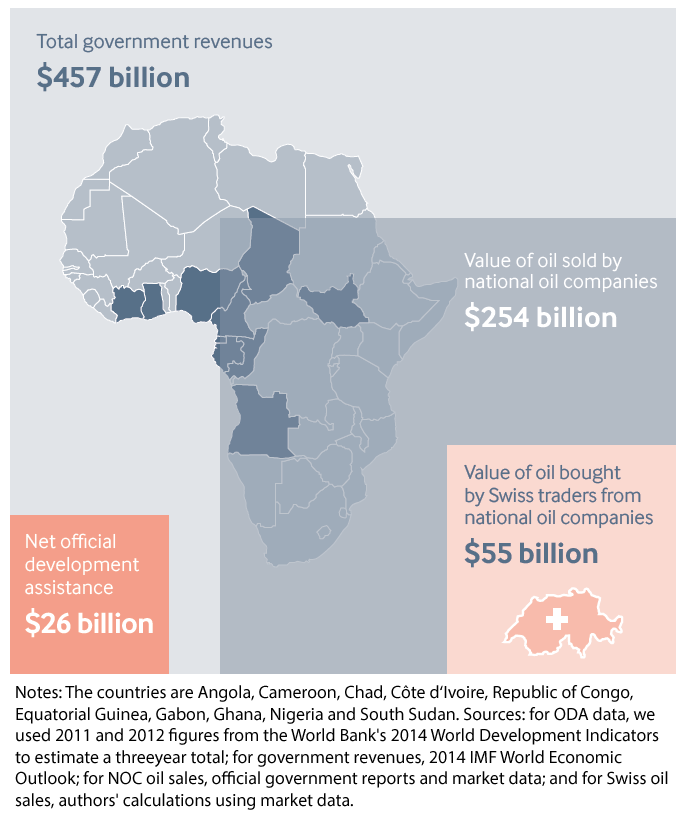
Mongolia’s State-Owned Mining Enterprises: A Deeper Look Into Glass Accounts Data

Mongolia’s Glass Accounts Law (2014) requires that government entities and state-owned enterprises (SOEs) disclose detailed financial and operational information on a public website. The government’s Glass Accounts portal has since become a focal point for government transparency.
However, uptake of the law has been uneven among government entities, and specifically for many SOEs operating in Mongolia. In part, this lack of implementation stems from the law’s ambiguity on who should report, but it also resulted from the government’s inactivity and poor enforcement as well as limited sanctions for those who do not comply.
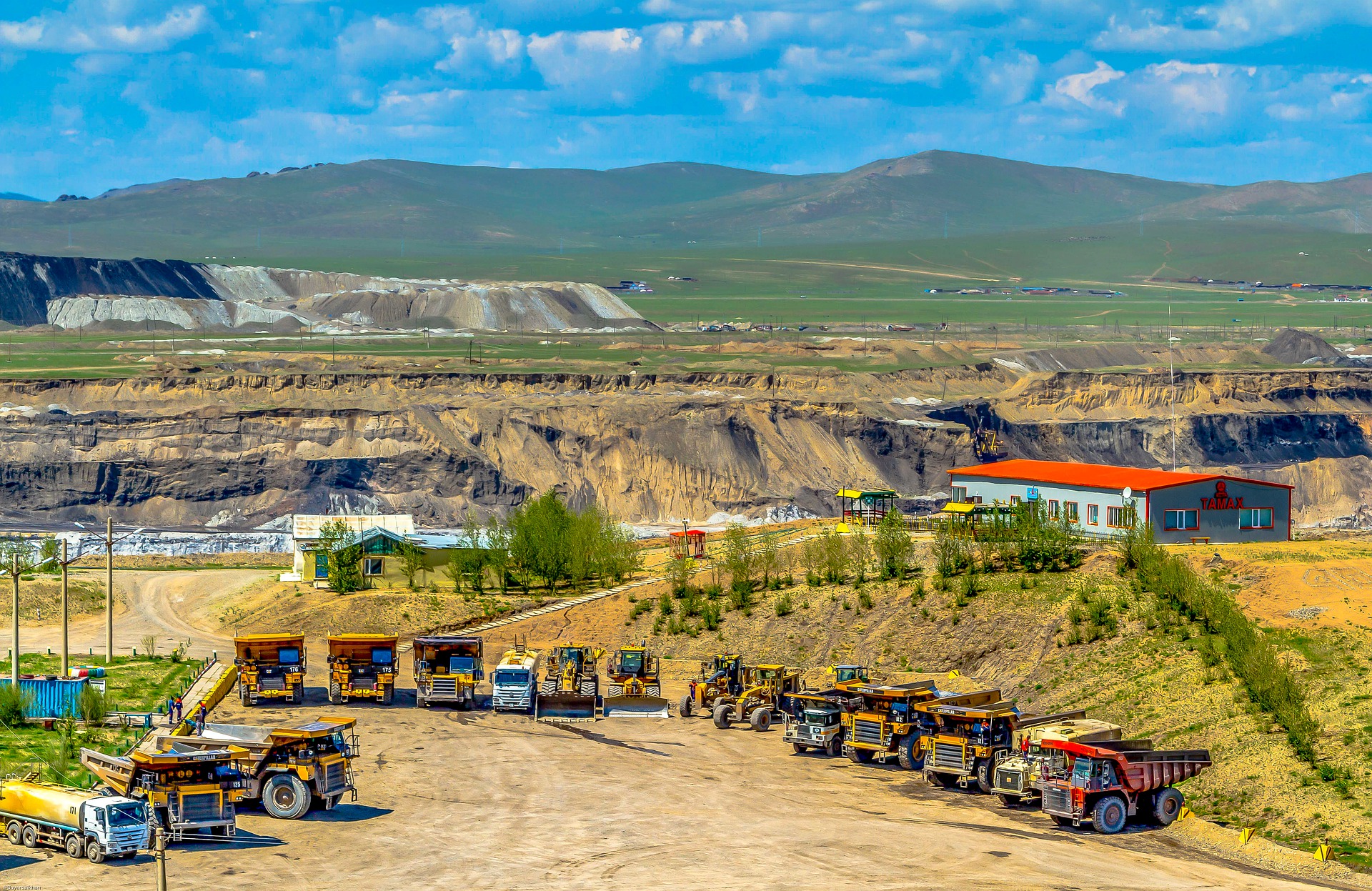
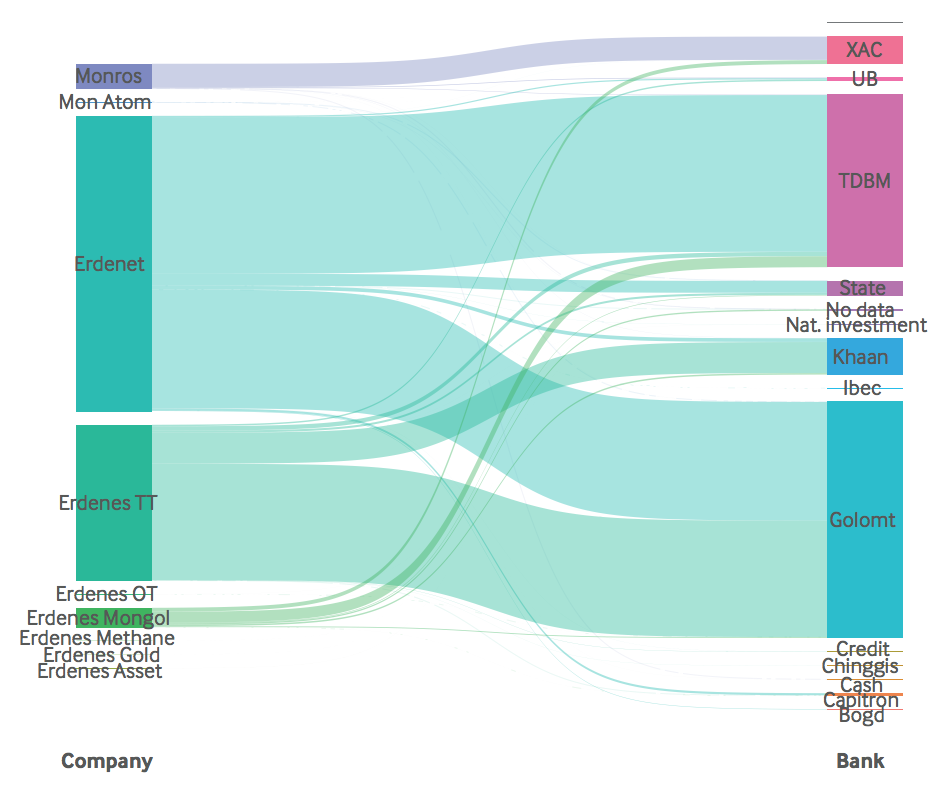
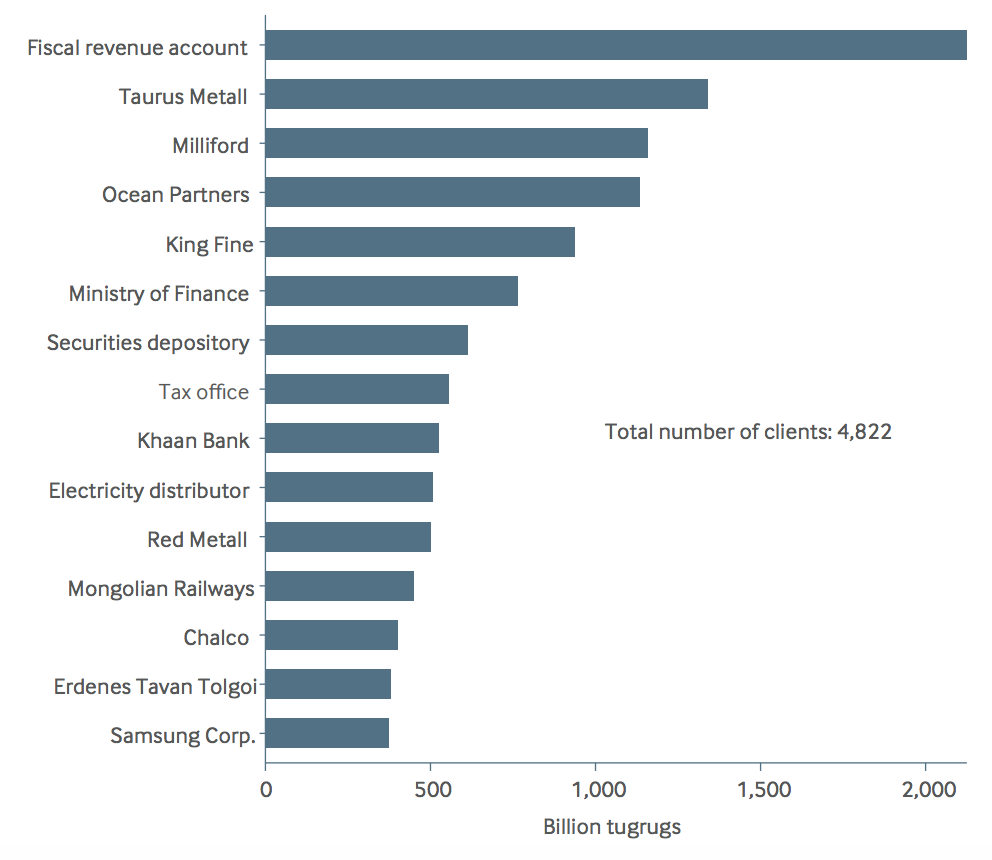
In this paper, the author looks at one type of reporting by key mining SOEs under the Glass Accounts Law. This is the requirement to publish all transactions above MNT 5 million (circa USD 1,750) on an individual basis, except for salary-related transactions. The low threshold set in the law allows for a detailed analysis of the reporting companies’ business, in cases where such information is available. With this analysis, the author strives to promote the use of data and reveal the facts for understanding the SOEs’ business. At the same time, the analysis sheds light on the process of reporting and how it could be improved to ensure transparency and enable public oversight of companies that play a critical role in the economy.
Key messages:
- Mongolia’s Glass Accounts Law offers unprecedented access to information on the finances and operations of state-owned extractive companies.
- The law’s requirement to disclose individual financial transactions of above MNT 5 million (around USD 1,750) sheds light on state-owned mining companies’ suppliers and buyers, often for the first time.
- Compliance with this requirement improved significantly over the past two years, but many prominent companies still do not report, and some have not provided the required level of detail.
- Scrupulous implementation of the Glass Accounts Law will improve the accountability of state-owned extractive companies and promote a new standard for mining companies in Mongolia and globally.
Supporting EITI to Strengthen Global Extractives Governance Standards

The Extractive Industries Transparency Initiative (EITI) is a global standard for open and accountable management of oil, gas and minerals, led by a coalition of government, companies and civil society. NRGI was instrumental in the founding of EITI and several NRGI staff have since served on its board. NRGI leads advocacy efforts and provides technical expertise to expand EITI’s disclosure norms. NRGI experts supported the development of the EITI Civil Society Protocol, help shape EITI policies, lead the formulation of EITI’s approach to climate risks and the energy transition, and support accountability actors to analyze EITI data to inform reform.
NRGI helps countries leverage EITI processes and norms to advance broader policy reforms—e.g., contract and beneficial ownership transparency in Ghana and state-owned enterprise reforms in Guinea, Indonesia, Mongolia and Myanmar.
NRGI also uses its technical expertise and cross-stakeholder credibility to lead the negotiation and drafting of the most complex EITI Standard provisions.
NRGI’s EITI interventions have so far resulted in the requirement of:
- 21 new countries to start disclosing extractives contracts from 2021 onwards
- 40+ new countries to start disclosing project-level payments from companies to governments
- SOEs in 35 countries to expand disclosures to include transfers, retained earnings, reinvestment and third-party financing information
- EITI reports in over 50 countries to disclose material environmental payments from companies to governments, and employment data disaggregated by gender.
Going forward NRGI will ensure impactful implementation of these new requirements, and continue to ensure that national innovations shape global policy improvements.
IMF Strengthens Global Resource Governance Norms With Its Fiscal Transparency Code
The International Monetary Fund (IMF) has overhauled one of its main tools for promoting voluntary transparency among its members to include a new pillar covering natural resource revenue transparency. NRGI worked with the IMF to make the overall Fiscal Transparency Code and its new pillar more robust. NRGI provided three substantial written submissions, participated in a civil society forum to discuss recommendations, and engaged IMF officials directly. While there remains some room for improvement in the code, its final text, published in 2019, reflects many of NRGI’s recommendations. It:
- stresses the importance of open contracting procedures for license allocation.
- calls for the identification of beneficial owners of companies holding licenses.
- describes reporting on payments to governments at the project level “an established international norm.”
- recognizes the importance of transparency in commodity trading and recognizes that disclosing payments by traders is well within reach of countries and companies.
- calls for publication of environmental and social impact assessments (ESIAs) and accompanying management plans and reports.
- reinforces existing standards and requirements around state-owned natural resource companies from other key actors like EITI and the OECD.
The new code is a win for transparency, and will serve as an important tool for the IMF to help countries spot weaknesses in their resource revenue management.

Photo credit: "imf_cso_youth_04" (CC BY-NC-ND 2.0) by International Monetary Fund
Improved Contract Transparency Practices in Mexico
The challenge
Mexico’s recent energy reform opened a purely state-run oil and gas sector to private investment. It wasn’t easy: in Mexico, corruption sensitivities are high, and opposition to reform from politicians, civil society and the general public was sometimes fierce.
Now the autonomous National Hydrocarbons Commission (CNH) is charged with guaranteeing accountable, transparent bidding and contract management processes for new private actors in the sector. CNH’s purview also includes Petróleos Mexicanos (Pemex), the state-owned entity that solely ran the oil and gas sector for over 70 years.
It is a difficult, complex mandate, but CNH president-commissioner Juan Carlos Zepeda’s ambitious goal is to go “above and beyond” international transparency practices and to foster public trust in the body.
NRGI's role
Since 2016, NRGI has acted as an informal advisor to CNH, analyzing global best practice and benchmarks in regulatory transparency with the aim of developing a culture of openness and tying together sources of information from across the labyrinthine oil and gas sector. CNH tapped NRGI to help to bring together a civil society coalition to monitor the regulatory agency’s progress in implementing its recommendations.
In January 2017, NRGI delivered a comprehensive report to CNH that provided specific recommendations regarding the disclosure of key commercial, environmental, social and beneficial ownership information, facilitating citizens’ understanding of the sector. The report included advice for ensuring disclosure that applies equally to Pemex and the private sector. Additionally, a multi-stakeholder panel comprised of NRGI experts and CNH leadership presented the report to an overflow crowd at the regulatory body’s headquarters in Mexico City, helping build an information bridge between CNH and the public.
NRGI convened a civil society coalition that is empowered to monitor CNH progress in meeting and exceeding report recommendations. NRGI has committed to work with civil society organizations to hammer out points of collaboration.
Impact
NRGI’s research and guidance has helped CNH take important steps toward improved transparency. CNH now ensures that information on the process of each bidding round is public and online on a recently revamped website—contracts, annexes, the name of companies involved at each stage of the bidding process and all progress in the bids can now be tracked and understood by outside parties. Contracts with foreign oil companies have also been made fully public, as have the investment plans companies are pursuing to bring assets to production.
NRGI experts continue to actively engage with CNH. For example, NGRI pointed out that a draft of a CNH report failed to mention that no information related to entitlements for Pemex was publically available; CNH subsequently incorporated this observation into the final draft of its report and has used it to pressure Pemex to provide more entitlements-related data.
This is Big: Mining Industry Body Commits to Contract Disclosure

Last week, the International Council on Mining and Metals (ICMM) announced that its 28 members had agreed a new commitment on contract transparency. This is an important step, both building on the progress made by the Extractive Industries Transparency Initiative (EITI), and responding to longstanding advocacy from civil society organizations around the world to “Disclose the Deal.”
The commitment also comes at an opportune moment, signaling one concrete way that governments and the private sector can improve accountability in the extractive industries. It comes against the backdrop of U.S. President Joe Biden’s first Summit for Democracy, the 2021 Open Government Partnership (OGP) Global Summit, and the proposal of an EU Corporate Sustainability Reporting Directive, which NRGI and other Publish What You Pay members argue should include a sector-specific sustainability standard for the extractive industries that would require contract transparency.
Commenting on the ICMM commitment, NRGI president and CEO Suneeta Kaimal said: “Contract transparency is an essential way for companies and governments to be held accountable for the decisions made on behalf of a country’s citizens. With the energy transition spurring a round of new mineral investments around the world, this commitment sends a powerful signal to the rest of the mining industry and to ICMM’s peers in the oil and gas industry that responsible companies have nothing to fear from disclosing their contracts.”
What the commitment says and why it matters
The new commitment requires ICMM member companies to disclose all mineral development contracts granted or entered into from 1 January 2021. Members are also encouraged to disclose mineral development contracts granted or entered into before that date.
With the companies that make up the ICMM representing around a third of the global mining industry, this is a big deal. Moreover, the fact that CEOs are required to personally sign off on new member commitments like this suggests that those at the very top of the industry grappled with the debate on contract transparency and came out on the side of disclosure.
In terms of implications for wider uptake of contract transparency among extractive companies, the move brings the total number of oil, gas or mining companies with a public statement or policy on contract transparency up to at least 42. To put that number in context, the last comprehensive count made by Oxfam in 2018 was just 18.
Company statements of support for contract transparency have been vital to progress on this issue in recent years. They are important because they neutralize fears among government officials in producing countries that too much transparency might scare investors away. There are now at least 49 countries that have officially disclosed an extractive industry contract and 31 with policies that make publication mandatory.
The commitment has been designed to bring ICMM policy in line with the EITI requirement on contract transparency, albeit with one notable caveat. While the EITI requirement applies to all contracts and licenses that are “granted, entered into or amended from 1 January 2021,” the ICMM requirement only applies to contracts that are “granted or entered into” from that date. As Oxfam has highlighted, omitting recently-amended contracts from the requirements means that citizens in producing countries could be left in the dark about new and important changes in the terms of existing contracts governing their national resources.
One way that the commitment goes beyond other company statements and policies is in its focus on the actual disclosure of contract documents. Until now, only six extractive companies have committed to publishing contracts: Freeport-McMoRan, Glencore, Kosmos Energy, Newmont, Rio Tinto and Tullow. (Tellingly, four of these were ICMM members.) With the ICMM announcement, this number now climbs to 30.
As they now look to implement the policy, ICMM companies have just a few good practice examples to draw from. Only five companies to date have proactively published contracts or included links to published contracts in company reporting: BP, Kosmos, Orano Mining, Rio Tinto and South32. (Our contract disclosure tracker includes links to each of these disclosures.)
While each of these approaches is noteworthy, Orano Mining uniquely lists any documents that are not public, in addition to those that are—a practice that helps citizens map the full universe of contracts, which is important information lacking in many contexts where contracts are kept secret. Kosmos also deserves a mention for its company policy to publish contracts as part of filings to the U.S. SEC and its helpful contract summaries highlighting important information that can be used for contract modelling.
The disclosures we can expect and why civil society action is essential
ICMM members collectively operate more than 650 assets in over 50 countries. If each of them follows the spirit of the commitment, not just publishing what they are required to, but also publishing the documents they are encouraged to make public, we would see a highly consequential wave of new disclosures. It would reach beyond EITI countries where the contract disclosure debate is advanced, to jurisdictions, like Russia, Chile and China, where secrecy around mining contracts has until now been standard practice.
To ensure that such far-reaching disclosures actually happen, citizens and civil society must do their part to hold ICMM members to their promises. Without external pressure, many companies will do the bare minimum—only releasing the handful of contracts required (those agreed after 1 January 2021). Some companies may also take advantage of loopholes in the commitment to justify the decision to keep further contracts secret.
One potential such loophole was opened by a caveat in the commitment that joint venture companies that are majority owned by ICMM members are only encouraged to disclose contracts. Given that it is common practice to incorporate mining projects as joint ventures in host countries, disclosure will not actually be required for many mines.
Another loophole relates to a separate caveat that member companies do not have to publish where governments prohibit disclosure with a law or regulation. The good news is that in these situations, ICMM members have committed to encourage governments to provide consent. The challenge is confirming whether companies actually do this. But civil society actors can help by publicizing the ICMM policy, and inviting companies to speak publicly about their commitment as Total (now Total Energies) did in this interview.
Looking to the future, civil society organizations should mark 31 August 2022 in their diaries. That is the date (12 months after the commitment was approved) by which ICMM members must comply with the commitment. If there are any companies that have not disclosed by this date, under ICMM’s “conform-or-explain policy” they must publicly explain the reasons why they cannot. Again, civil society scrutiny will be essential to ensure that only the companies with reasonable grounds for non-disclosure are permitted to take this route.
The new ICMM commitment shows that the mining industry has never been more aligned with civil society actors on the importance of contract transparency. Now, as companies move to implement their commitments, civil society scrutiny will be essential to make disclosure a success.
Boosting contract disclosure
How can the Open Government Partnership promote contract disclosure in the extractive sector?
Democratizing the Benefits of Natural Resources: Anticorruption and Public Accountability in the Extractive Sector and Energy Transition

Ahead of the Summit for Democracy, NRGI and several of its partner organizations came together to propose five commitments that governments could make to address the challenge of corruption in the extractive sector and energy transition.
Proposed country commitments for the 2021-2022 Summit for Democracy
Corruption in the oil, gas and mineral sector undermines the efforts of resource-rich countries to democratize, prosper and address the climate crisis. More foreign bribery cases originate in the extractive sector than any other industry; from Brazil to Iraq to Angola, the sector has spawned some of the world’s largest and most damaging corruption schemes; oil-producers in particular struggle to democratize. Huge portions of the illicit financial flows that spread around the world originate from this sector. The Pandora Papers leak, like others before it, further reveals how political insiders capture wealth from the oil, gas and mining sector and hide it overseas.
To fight this scourge, we propose five commitments that governments of resource-producing countries could make as part of their participation in the Summit for Democracy:
- Adopt and implement basic elements of extractive sector transparency.
- Prevent corruption in critical mineral supply chains.
- Tackle oil sector state capture and kleptocracy, as part of climate action.
- Address major nodes of corruption risk: state-owned enterprise procurement, commodity trading and the participation of political elites in the extractive industries.
- Support civil society, protect civic space and promote gender equality.
Most of the proposed commitments address the summit theme of “addressing and fighting corruption,” and item 3.5 relates to “defending against authoritarianism.” Many are commitments that countries could make in connection to their domestic oil, gas and mining industries, while others offer opportunities for leading economies to catalyze global progress. Advancing this agenda would help strengthen democracies all over the world by empowering citizens and preventing corrupt interests from capturing resource wealth. The commitments would also help diffuse potential threats to climate action and the energy transition. Below we provide further detail about the five commitments.
1. Adopt and implement basic elements of extractive sector transparency
These commitments represent basic standards all resource-producing countries should adopt, and many reflect the recommendations of the Open Government Partnership and the Extractive Industries Transparency Initiative (EITI). Diverse countries have already adopted these measures, proving they are feasible and helpful. However, major transparency gaps remain.
For resource-producing countries:
- 1.1. Join the EITI and ensure that civil society actors can fully, actively and effectively engage in the process.
- 1.2. Disclose all payments received from extractive sector companies and commodity traders on a projectby-project basis.
- 1.3. Publicly disclose unredacted versions of all extractive sector contracts and licenses, including annexes and amendments.
- 1.4. Require the public disclosure of beneficial ownership information for all companies that apply for or hold exploration or production licenses.
- 1.5. Enshrine in national mining and energy laws the standard of free, prior and informed consent (FPIC) for Indigenous peoples. Consent should be free from coercion, acquired prior to each project development phase, and informed through access to all relevant project information.
- 1.6. Publish annual reports on the assessment and collection activities of resource revenue collecting authorities, including taxpayer and contractor audit and compliance activities, in line with the IMF Fiscal Transparency Code.
For countries home to large extractive companies (e.g., U.S., Australia, Japan, South Africa, China, Brazil):
- 1.7. Enact robust extractive sector payment reporting requirements along the lines of those contained in the EU’s Accounting and Transparency Directives.
The above disclosures should meet international open data formats, be free to access and follow leading practices on gender-disaggregated data disclosure.
2. Prevent corruption in critical mineral supply chains
Meeting Paris climate goals will require a quadrupling by 2040 of the minerals currently used by clean energy technologies. For the countries that produce cobalt, lithium, copper and other critical minerals, especially those with weak institutions, this spike in demand could trigger surges in corruption and authoritarianism, like those associated with past oil booms. Yet currently, corruption receives scant attention from various critical mineral and green technology supply chain initiatives.
For governments of large consumer nations (e.g., G7 members):
- 2.1. Convene supply chain participants (governments, companies, civil society organizations) to identify and commit to the anticorruption standards that should be fully implemented across global supply chains. This would help advance recent announcements made by the U.S. and Canada and the EU.
- 2.2. Deliver technical assistance to governments of developing producer countries that prioritizes transparency, accountability and anticorruption; and support civil society and other oversight actors to work in this area.
For governments of countries that produce critical minerals (e.g., Argentina, Australia, Brazil, Canada, Chile, DRC, Peru, Philippines, U.S., Zambia):
- 2.3. Implement the transparency agenda noted in part 1.
- 2.4. Strengthen accountability and public oversight in the mining sector, including by supporting civil society and protecting civic space. (See part 5.)
- 2.5. Enact anticorruption reforms, such as those highlighted in part 4.
3. Tackle oil sector state capture and kleptocracy, as part of climate action
Efforts to combat corruption and climate change must intersect, especially given the oil and gas industry’s tendencies toward state capture and kleptocracy. In many oil-producing democracies, secrecy and the undue influence enjoyed by the fossil fuel industry can undermine public accountability, leading officials to greenlight new fossil fuel projects, lavish the industry with subsidies, allow national oil companies to spend on potential stranded assets, and neglect greener energy sources. But oil is not only found in democracies: half the world’s oil is produced by 13 authoritarian countries, including several kleptocracies. In these nations, foreign enablers working in the oil sector help kleptocrats to thrive.
For governments of fossil fuel-producing countries:
- 3.1. To facilitate public debate, disclose basic information about fossil fuel activities and adaptation plans to facilitate public debate, including project-level data on reserves, production, breakeven price assumptions, greenhouse gas emissions (scope 1, 2 and 3), government subsidies and national oil company spending.
- 3.2. Introduce these disclosures as part of the Net-Zero Producers Forum (initial members: U.S., Norway, Canada, Saudi Arabia, Qatar).
- 3.3. Strengthen integrity and scrutiny where government and the fossil fuel industry interact, including lobbying, campaign finance, asset development contracts, subsidy payments and national oil company affairs. Commitments should include government actions, such as OGP’s recommendations on political integrity, requirements for fossil fuel companies to disclose political contributions, plus resources for civil society.
For governments committing to counter kleptocracy:
- 3.4. Identify how anti-kleptocracy policies and sanctions can account for climate issues unique to the oil sector, including the risks kleptocracies could pose to supply-side climate action.
- 3.5. Advance more stringent standards for companies working in kleptocratic contexts, such as restrictions on partnering with political elites and integrity measures when engaging with state-owned enterprises.
4. Address major nodes of corruption risk: state-owned enterprise procurement, commodity trading and the participation of political elites in extractive industries
As recent asset seizure and foreign bribery cases, the Panama and Pandora Papers and other revelations make clear, much of the dirty money flowing around the world originated in the extractive sector. Three practices frequently feature in corruption schemes across countries. If the anticorruption efforts ignore such proven areas of risk, they leave doors wide open for more illicit funds to escape.
For governments of resource-producing countries:
- 4.1. Implement state-owned enterprise (SOE) procurement reform including: robust due diligence systems (such as the reforms Petrobras adopted following the “Car Wash” scandal); beneficial ownership transparency requirements for suppliers; and open contracting systems.
- 4.2. Require SOEs to: publish detailed commodity trading data including the beneficial owners of the trading companies they work with; reform their buyer selection processes including by using open tenders; and prohibit the use of agents in trading deals.
- 4.3. Adopt and actively enforce restrictions on public officials holding interests in the extractives sector; implement asset disclosure requirements; require beneficial ownership transparency and screening throughout the extractive supply chain.
- 4.4. Require proactive political lobbying disclosures for extractive companies or for corporate actors more broadly.
For governments of trading hubs such as Singapore, Switzerland, the U.K. and U.S.:
- 4.5. Strengthen currently scant regulation of commodity trading firms, including by requiring payment disclosures.
For leading economies and multilateral organizations:
- 4.6. Fund anticorruption activities initiatives targeting SOEs, commodity trading and extractive sector political capture, including by enforcement agencies and civil society.
5. Support civil society, protect civic space and promote gender equality
A free and active civil society and media are essential to the prevention of extractive sector corruption. In particular, women and gender non-binary people in civil society and at a community level play an important role in demanding accountability from decisionmakers and companies, but often face barriers due to gender inequality.
Governments should:
- 5.1. Invest in support to civil society actors and journalists to undertake anticorruption work, including investigations, oversight and policy advocacy, in the areas noted above, and use their diplomatic leverage to deter threats against them.
- 5.2. Develop, strengthen and implement legal frameworks to protect the rights of activists, journalists and independent media, and dismantle laws and policies that hinder free civil society and media.
- 5.3. Promote the participation of women and gender non-binary people in governance initiatives such as the EITI and in community consultation and consent processes; invest in understanding the gender-differentiated impacts of extractive corruption in affected communities, including sexual extortion; and ensure grievance mechanisms are accessible to women and gender non-binary people and sensitive to gendered forms of corruption.
The Natural Resource Governance Institute (NRGI), the ONE Campaign, Oxfam-America, Publish What You Pay (PWYP), PWYP-U.S. and the Transparency International Accountable Mining Programme welcome dialogue and discussion about these proposed summit commitments.
IEA’s Ambitious Climate Scenario Underscores Need for More Transparency on Fossil Fuel Projects

The IEA experts have articulated several dramatic milestones that would be necessary to reach this critical goal, including:
- no approvals of new oil and gas field development and no new coal mines or mine extensions by this year
- electric vehicles reaching 60 percent of global car sales by 2030
- nearly 70 percent of global electricity generation produced from solar and wind by 2050.
Given that government and industry leaders rely on IEA scenarios in their planning, many hope that these urgent targets will spur much-needed climate action.
Beyond these headline prescriptions, the IEA makes another critical point: changes brought by the clean energy transformation will be challenging to implement, so decisions must be transparent and just. As the gap grows between government and company plans for future production and the levels consistent with a Paris-compliant world, there is increasing attention on how supply-side commitments from oil-producing countries might shape net-zero ambitions. These countries face significant economic shocks as the world decarbonizes: the IEA estimates that per capita income from oil and gas in producer countries would fall by 75 percent under its new net-zero scenario. Even if the world falls somewhat short of the Paris goals, governments in these countries face the prospect of dramatically lower revenues and public assets wasted by excessive concentration in a declining sector. Against this backdrop, citizens in low- and middle-income producer countries will inevitably face major uncertainties in the race to net zero. Access to basic information about how their social and economic prospects are shifting should not be one of them.
Governments and companies must disclose more information of relevance to the billion people that live in poverty in oil- and mineral-rich developing countries, and engage impacted citizens in producer countries as core stakeholders in energy transition policy dialogues. Despite the urgency of the economic challenge they face, many fossil fuel producers have not done enough to develop strong plans for economic diversification or inclusive development in a lower-carbon future.
The allure of oil and gas has thus far been powerfully addictive. Open dialogue between governments, companies, and citizens on the role of fossil fuel production in national economies will facilitate meaningful climate action and improve the prospects of countries that remain hooked on oil and gas. Globally inclusive dialogue is also needed around which countries should reduce production first; developing and emerging market producers are already calling on wealthy countries to lead the decline.
Today, too much information that is necessary for just and effective transition discussions remains hidden from view. Increasingly, debates will center on whether specific fossil fuel projects are viable or not—from both economic and climate perspectives. In many producer countries, the decision to halt or continue one or two key projects can affect the whole economy. Project-focused transparency efforts could support a just transition by helping citizens in producer countries assess the impacts and effectiveness of divestment and economic diversification plans. Greater transparency at this level would also help citizens hold government officials, multinational decision-makers and industry executives accountable for an equitable and well-managed process.
Governments and companies should disclose the following information about fossil fuel projects:
- Exposure to climate-related financial risk. To hold governments and companies to account and determine whether continued extraction or particular project configurations are in the national interest, citizens need: information about the viability of projects and national budgets under various transition scenarios (including the IEA net zero scenario); break-even prices, reserves and potential emissions of current and pending fossil fuel projects; and price and revenue forecasts used by financial authorities. The Extractive Industries Transparency Initiative (EITI) encourages the governments of its 55 implementing countries to disclose information that will further public understanding and debate around issues of revenue sustainability and resource dependence, including official production, commodity price and revenue projections. In practice, however, few countries publish this information, which must change. The EITI Standard should require, rather than merely encourage, these disclosures. The Standard should also require EITI supporting and member companies to disclose their own scenarios, assumptions and projections. United States and European regulators, who are also considering this issue, should also require this project-level information of fossil fuel companies globally.
- Plans for energy transition and production. Governments in producer countries should disclose information about their project divestment (and investment) and energy transition plans, and invite public debate on these topics. Oil companies—both private and state-owned—should also disclose production, energy transition, and responsible exit plans for their projects. They should also engage with stakeholders on the social and economic impacts that project continuation, wind down, or transfer would have on host governments and communities (e.g., impacts on payments to government and local employment, timelines and decommissioning plans). Governments and companies must also disclose the contracts that govern projects so that oversight actors can assess exploration and production rights, project amendment conditions, and adherence to decommissioning and asset sale obligations. At a minimum, both government and company actors should account for how much proposed projects will cost, their carbon footprints, and whether they align with climate goals.
- Financing and subsidization of carbon-intensive projects. Countries should disclose current and proposed spending on fossil fuel projects by national oil companies, public investment in fossil-fuel linked infrastructure, and the value of tax incentives and other subsidies they provide to support fossil fuel projects. They should also disclose the impact various transition scenarios would have on the return on public investment.
- Carbon intensity of production and reserves. Officials and executives should disclose the levels of greenhouse gas emissions (scope 1 and 2 emissions) associated with a project, as well as information necessary to assess the emissions associated with the eventual burning of those fuels, including emissions made abroad after export. This information is critical for informed public debate about the climate impact of a country’s extractive activities. In addition to disclosures around current production, citizens and investors need reliable information about undeveloped fossil fuel reserves, their embedded carbon content and the costs necessary to extract them to make equitable decisions about which countries need to phase out production fastest.
- Influence of fossil fuel interests on policymaking. In some producing countries, political leaders use fossil-fuel revenues to maintain their positions and power, giving them strong incentives to continue production. In others, fossil fuel companies enjoy considerable influence over policymakers. Governments and companies should disclose information that enables accountability actors to monitor channels of influence by vested interests. This information includes the identity of politically exposed beneficial owners with stakes in extractives projects, details about industry lobbying activities and political donations, and corporate reporting on compliance with “revolving door” policies and other integrity measures.
The IEA report makes the case for decisive and immediate climate action. The many necessary steps will require complex negotiation and coordination. But extractive sector companies and governments of producing countries can rapidly implement a core set of project-level, supply-side disclosures that would enable impacted stakeholders to assess project viability and contribute to energy transition plans. Increasing production-related commitments in nationally determined contributions is a clear opportunity. Reporting entities should leverage the readymade platforms and multi-stakeholder networks offered by transparency-oriented forums like the EITI and the Open Government Partnership, and draw on the considerable thinking that already exists on many of the key technical components and data standards that would be central to such disclosures.
What remains unclear, however, is whether an actor or group will take up the mantle of making this critical transparency a global priority and realizing it. We are working with partner organizations to explore how we can jointly push global leaders to step up. With more than 50 global and regional climate-focused gatherings taking place in the next six months, culminating in COP26 in November, the time is ripe.
Disclosures Pave the Way for Transparency in Resource-Backed Loans

During the commodity boom of the last two decades, many governments and state-owned enterprises in developing countries signed significant “resource-backed loans” (RBLs). These loans provide governments access to finance in exchange for, or collateralized by, future streams of income from natural resource wealth, such as oil and minerals; Chinese entities are the dominant lenders in this space. In NRGI’s 2020 study on RBLs, which explored the experience of RBL borrowers in sub-Saharan Africa and Latin America between 2004 and 2018, we found that Chinese entities account for $152 billion (more than 90 percent) of the total amount lent through identified RBLs.
NRGI and others have frequently criticized RBL deals for their opacity. Information about agreed terms and conditions is scant. At the time of our study, we lacked basic information, such as the interest rate, for 33 out of the 52 cases surveyed, and just one loan document was publicly accessible: the Sicomines loan that the Democratic Republic of the Congo (DRC) signed in 2011. But since the publication of our report a year ago, the transparency landscape has already showed signs of change.
Last week, AidData released a trove of loan agreements between Chinese entities and sovereign borrowers in developing countries. The researchers scoured debt information management systems, official registers and gazettes, and parliamentary websites to find 100 publicly available Chinese loan agreements in 24 countries. Their database, and accompanying “How China Lends” report comparing terms with other loan agreements from a benchmark sample, both confirms and expands our understanding of sovereign debt agreements involving Chinese state lenders.
One key finding of the report is the widespread use of far-reaching confidentiality clauses in the Chinese loan agreements meant to restrict borrowers from disclosing loan information. This confirms worries about opacity and the need to rein in confidentiality provisions in sovereign debt agreements, as previously highlighted. However, the fact that a significant number of Chinese loan agreements were publicly accessible despite these confidentiality provisions may point to a pathway to greater transparency: leveraging and building on borrower country laws and procedures requiring parliamentary ratification and/or disclosure of sovereign debt agreements. Carve-outs from confidentiality, where applicable law requires disclosure, are relatively common and is likely how many of the Chinese loan agreements ended up publicly disclosed and in the database notwithstanding the confidentiality clauses.
In addition to the Sicomines loan, the AidData database includes contracts for five more RBLs: three with the government of Ecuador, one with the government of Ghana and one with Venezuela’s state-owned enterprises (SOEs) PDVSA and BANDES. We featured these deals in the 2020 NRGI report, and the key terms we had reported in relation to loan amounts, interest and maturities were the same or very similar to those included in the contracts. (We plan to update our report’s dataset with insights from the AidData work, adding new details such as missing grace period information).
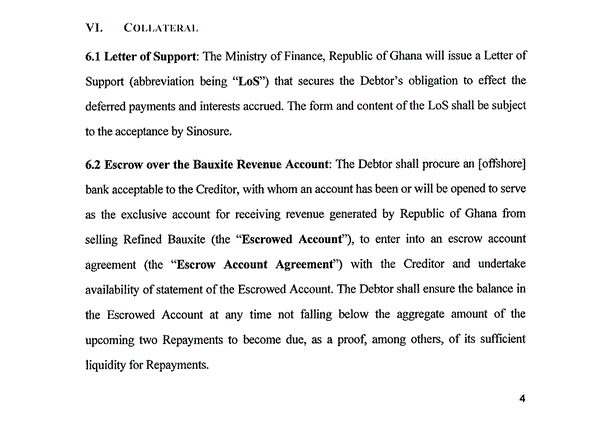
Access to the contracts allows us to better understand certain critical details about these loans. For example, while we and others have reported Ghana’s 2018 loan from Sinohydro, a Chinese SOE, as a $2 billion loan, the published agreement clarifies that the Chinese lenders offered $1.7 billion and that the Ghanaian government sought an additional $300 million elsewhere. The contracts also shed light on how the government has used Ghana’s bauxite revenues as collateral and how this approach fits within broader patterns of collateralization in Chinese lending described in the AidData report, namely the requirement to maintain a funded bank account with the lender that could be seized in case of non-payment. In Ghana’s case, the agreement specifies that bauxite proceeds be kept in an offshore escrow account and that the government entered into an escrow agreement with creditor Sinohydro.
Disclosed loan agreements can also be useful for countries, like Guinea, with similar Chinese loans that are not yet disclosed. In 2017 the Guinean government signed an agreement with China for a $20 billion credit line, from which loans backed by bauxite receipts would be drawn with a group of Chinese state-owned companies and lenders. Information on the credit line and loans signed in 2018 was limited, but we now have the headline parameters through Guinea’s latest Extractive Industries Transparency Initiative (EITI) report (broadly aligned with EITI’s recent guidance on barter deals). Guinean civil society organizations and EITI Guinea have been instrumental in making this disclosure happen. The remaining challenge is access to the actual loan and infrastructure contracts that would unveil the overall commitments between the government and its Chinese partners. This would enable oversight actors to undertake a comprehensive risk assessment, both of the government’s ability to repay existing loans and whether it is advisable for the government to draw down further loans on the existing line of credit given the uncertain future economic context.
The need for transparency around loans and financing arrangements involving natural resources is not limited to those involving Chinese lenders. RBLs from commodity trading firms are often even more opaque than those from Chinese lenders and have destabilized economies in borrower countries. Transparency is also essential as governments use increasingly creative ways to raise finances leveraging their natural resources, as recent developments in the DRC and Ghana illustrate. The DRC’s commitment to disclose mining contracts, and civil society monitoring of the commitment, resulted in the recent publication of one such contract. In 2017, the country’s giant state-owned mineral company Gécamines sold its future mining royalty revenues from the Metalkol cobalt and copper project to Multree Limited, a company associated with Dan Gertler, who has faced U.S. sanctions on the basis of alleged corruption. While certain details of the deal remain unclear, it appears that Gécamines exchanged future royalties for an upfront payment of $55 million and Multree’s assumption of a $28 million debt owed by Gécamines to Metalkol. In Ghana, the government recently confirmed that it will resume its own controversial plan to sell an interest in future gold royalties to private investors through a stock exchange listing.
As many developing countries struggle with debt, increased transparency around Chinese lending and resource-based financing is critically important. Access to information about past deals will enable borrower countries seeking fresh financing or contemplating debt renegotiation to better structure and negotiate. And other lenders can use the information to lead by example in providing finance on more sustainable terms. Perhaps most importantly, sovereign debt transparency is also critical for civil society organizations and other oversight actors. According to the authors of the “How China Lends” report:
Disclosing all debt contracts, however difficult politically, should become the norm rather than the exception. This would give citizens the ability to hold their governments accountable for the debt contracts signed in their name. Public debt should be public.
Disclosure of sovereign loan agreements is a natural progression from the publication of oil, gas and mining contracts, which has improved markedly in recent years. In 2009, governments and companies expressed skepticism around the publication of these documents, but just over 10 years later at least 49 countries have officially disclosed contracts and over 20 companies publicly support the practice. Extractive sector contract transparency is now an established global norm endorsed by the IMF and required by EITI.
Given the similar public interest questions surrounding the management of public debt and the governance of natural resource wealth, those working for greater transparency of sovereign debt should build on these gains. RBLs are of particular importance—they are the intersection of extractives transparency and debt transparency. Momentum around greater sovereign debt transparency is building and this can only benefit the governance of natural resources.
Transforming Natural Resource Governance: Break Silos, Sharpen Politics

The political dimensions of natural resource governance are more prominent than ever. Rising threats to democracy, including surging populism, repression of civil society, and shifts in global power form an intimidating backdrop. This context will affect the levers of change that those seeking to promote effective natural resource governance must use. At the same time, there are opportunities to seize, including a growing global consensus of the imperative to address the climate emergency and state capture, and decolonize development by ending the systemic injustices and racism that plague the extractive sector.
To address these political challenges and capitalize on these opportunities, the natural resource governance community must evolve. We need to deepen and broaden coalitions at the local, national, regional, and international levels. We need to be politically savvier. We need to examine different ways of collaborating; consider merging efforts and institutions; and recognize when it is best to lead, follow the leadership of others, or move beyond the traditional single-leader model.
Confronting geopolitics and state capture
Meeting the twin objectives of defending gains and advancing resilient and sustainable governance of natural resources requires navigating geopolitical realities and political economy considerations. In an environment of intensified competition for natural resources, where gains made on transparency, civic space, and governance standards are under threat, the natural resource governance field must more proactively and effectively engage key geopolitical players. China serves as a case in point. China’s significant demand for natural resources, increasing presence in resource-rich countries, and dominance in the global rare earth minerals market show its prominence and centrality in the global natural resource governance space. Participants at the dialogue identified China as a priority actor for engagement.
Several participants noted that while China has often dominated the conversation (in large part due to its outsized role in global supply chains), those conversations have been about China rather than with China-based stakeholders. Dialogue participants called for adding another, newer dimension to engagement with Chinese standards and with Chinese stakeholders: in particular, more engagement with the Chinese government and company representatives in countries where they are extracting. Participants suggested that adding to the existing mix a new approach encouraging transparency and accountability on reputational or business grounds could be more effective for improving natural resource governance than a normative, moralistic one. Another key shift in perspective is to see the geopolitics from an Asian vantage, not just a US-EU-UK centric lens.
More generally, to appropriately analyze the interaction between corruption risks, political economy, and governance issues, a number of participants emphasized the need to understand and diagnose state capture—a pervasive form of high-level political corruption whose dynamics vary across settings. This may help transparency and accountability activists and reform agents to clearly identify obstacles to economic diversification, energy transition, and effective and equitable public health measures. Moving forward, implementing radical transparency in both industry (including state-owned enterprises) and government regarding natural resources and climate and environmental risks; eliminating tax loopholes, subsidies and bailout handouts for the fossil fuel industry; and advancing political finance reforms and reviewing the role and responsibilities of the U.S. oil majors in international initiatives such as the EITI must be priorities.
Combating repression of civil society
The pandemic has provided ample opportunity for states to abuse COVID-19 related restrictions to ramp up internet surveillance and restrict freedoms of assembly, association, and expression. As a result, many transparency and accountability advocates face increasing safety concerns. Yet, some international NGOs are struggling to maintain access to and political cover for these local actors.
New action within the natural resource governance field is needed to reinforce at-risk actors. While civil society actors often bear the brunt of risks for engaging with government, investors, IFIs, the G7, and G20, there must be a shared responsibility for protecting these activists by calling out bad actors and leveraging the power of investors, states, institutions, and corporations as appropriate. Political support should come from a wide range of groups at both the local and international levels, and from those with the power to influence government behavior.
Growing the coalition and strengthening alliances
COVID-19 has broadened the gap between groups operating on the local level and those functioning on a national or international level. Even before the pandemic, divides between local civil society organizations and national or international NGOs perpetuated the idea that policy discussions are high-level, technical exchanges between public officers and professionalized institutions.
Many participants expressed concern that the natural resource governance community has not done enough to collaborate across strategic vertical alliances within the natural resource governance field and horizontal alliances with other fields and movements. On the former, actors in the field believe that IFIs, local civil society organizations, national and international NGOs, and governments must unite on common objectives and improve information-sharing channels. On the latter, international and national groups must also find ways to engage more effectively with on-the-ground social movements such as those on human rights, gender, taxes, and climate in order to create a lasting change that is informed by and helps meet the needs of locally led, broad-based coalitions. Rather than co-opting those movements, natural resource governance actors should complement broader movements that will have spillover benefits for good governance of natural resources.
Advancing the agenda ahead
Throughout this three-part series, we have highlighted some of the trends, challenges, and opportunities that researchers, activists, and policymakers may examine to reimagine the sector. The call is to be clear and bold. Timid efforts and insufficient focus risk decreasing the effectiveness and credibility of the natural resource governance field.
Read the first two entries in this series here and here. Share your thoughts on these and other issues related to the future of natural resource governance on Twitter using #FutureOfNRG and participate in our survey on natural resource governance priorities.