
Nigeria’s Next Government Must Lead an Inclusive, Cohesive and Sustainable Energy Transition

In a bid to avert the global climate crisis, countries are shifting toward cleaner energy systems. This presents a challenge to African countries like Nigeria that rely on dirtier fuels for both export revenue and domestic energy to drive their economies. But it is also an opportunity for Nigeria to transition its own energy system to improve energy access, reduce oil- and gas-related pollution, and develop industries to supply this transition.
The government’s Energy Transition Plan (ETP) is a pivotal step in responding to this challenge and opportunity. It comes at a huge cost—$1.9 trillion—and requires major social and economic changes. As citizens vote this weekend, it is essential that they have a better understanding of and a greater say in the country’s energy transition plan—even though none of the major candidates have even referenced the transition plan. This is a grave omission.
The plan prioritizes decarbonizing five sectors—power generation, oil and gas extraction, cooking, industry, and transport—and positions gas as the main fuel for electricity generation. However, it omits details on how to achieve its priorities. It aspires to drive economic growth but does not account for the risk the global energy transition presents for Nigeria’s oil sales and the loss of federal and state government revenues to fund this growth. It seeks to bring electricity to the 43 percent of Nigerian homes in darkness but does not provide a holistic framework for addressing long-standing domestic energy sector finance and infrastructure challenges. It aims to reduce poverty by creating jobs and increasing energy access but does not specify how the technological, financial and human resource gaps will be filled.
Prior to the COP27 climate conference, Victoria Ibezim-Ohaeri from Spaces for Change spoke to NRGI about the need to learn from past lessons.
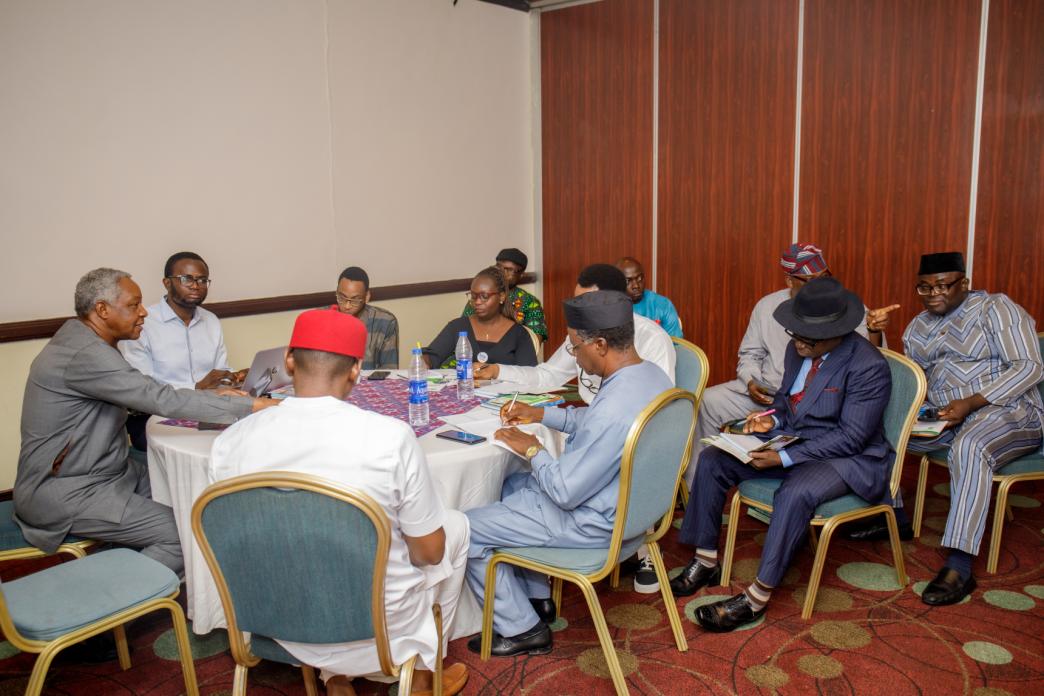
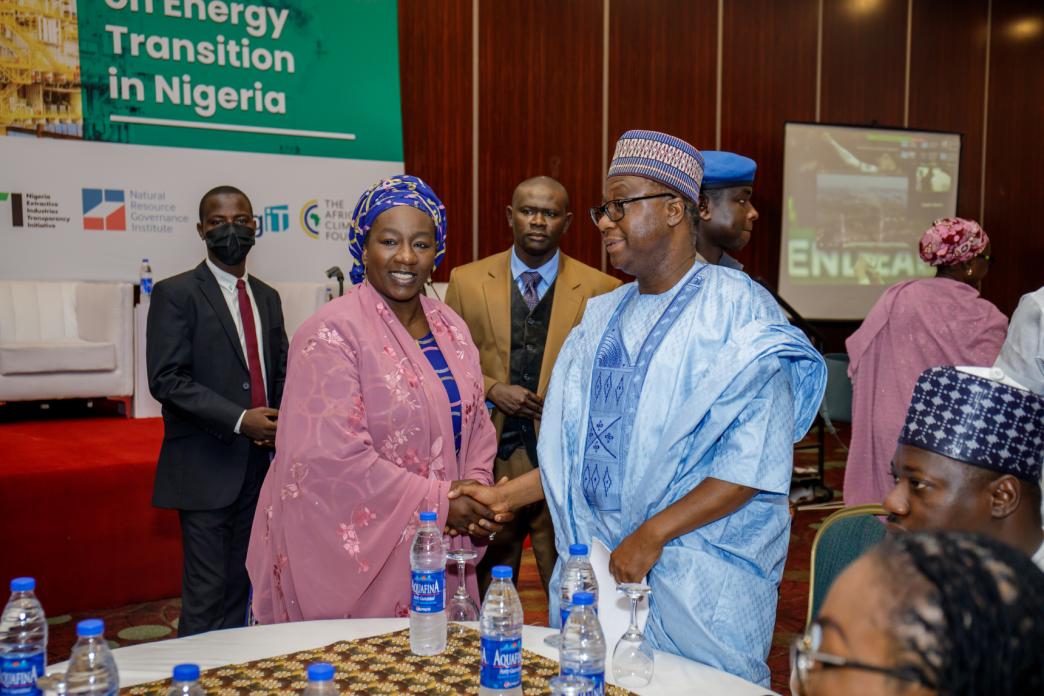
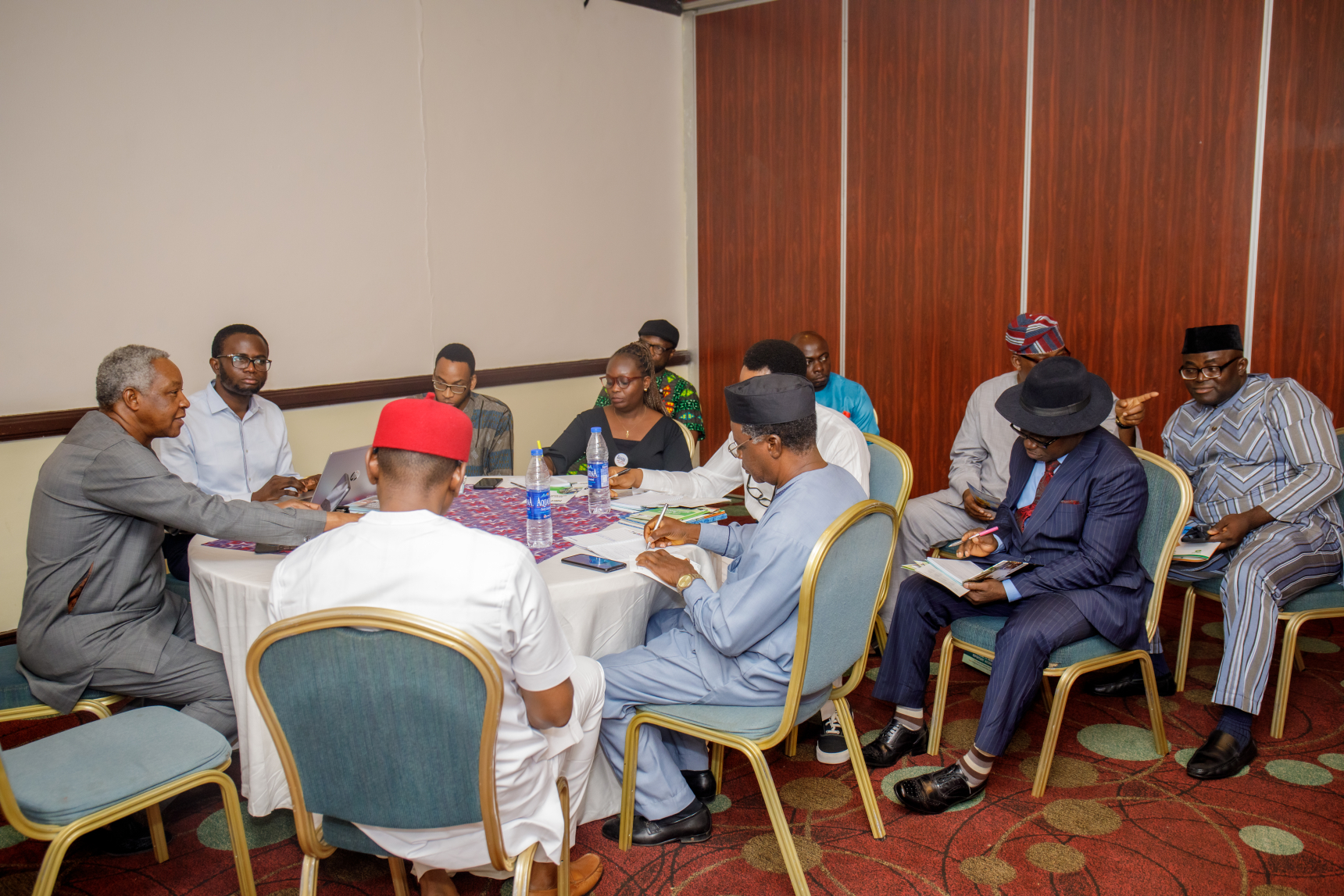
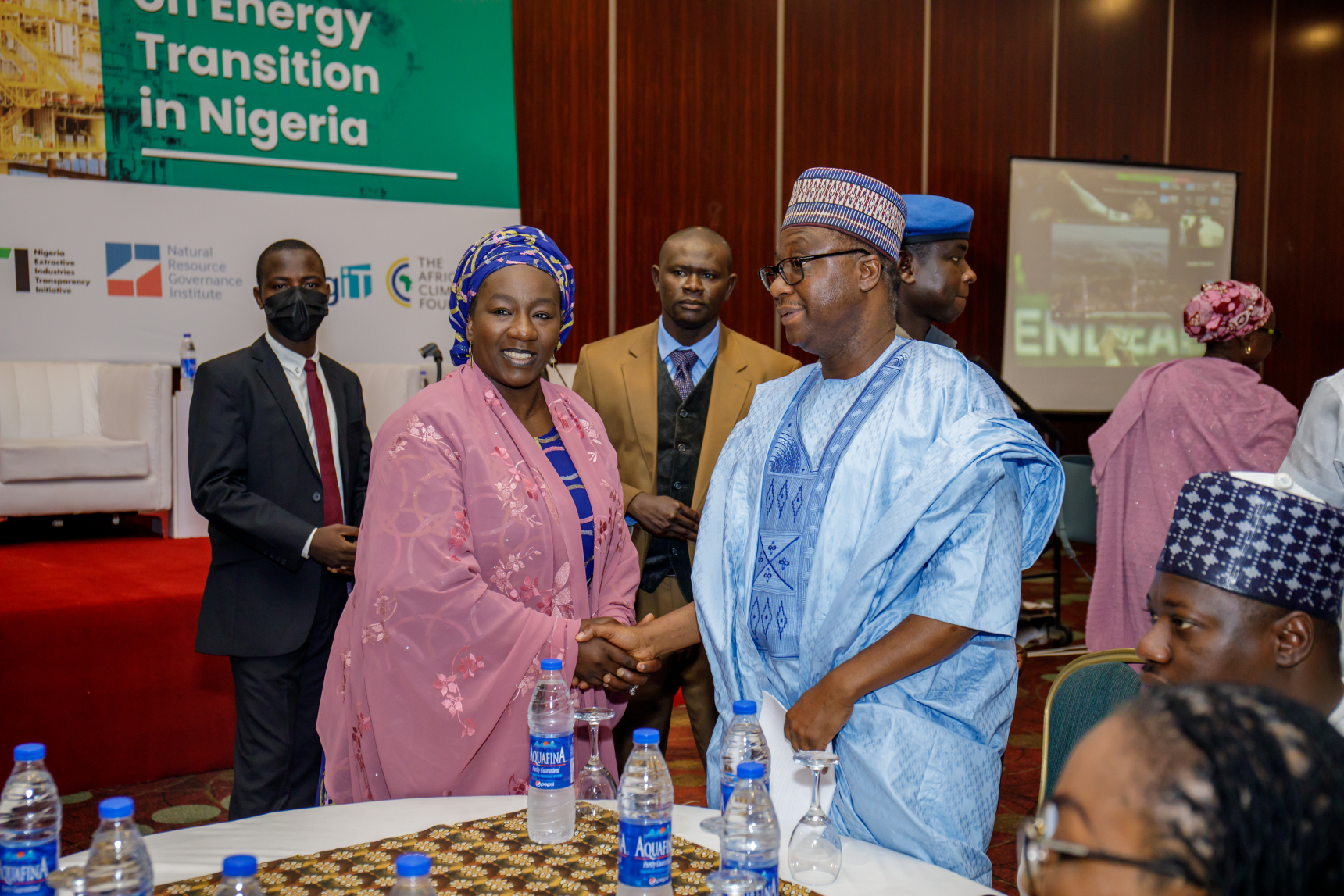
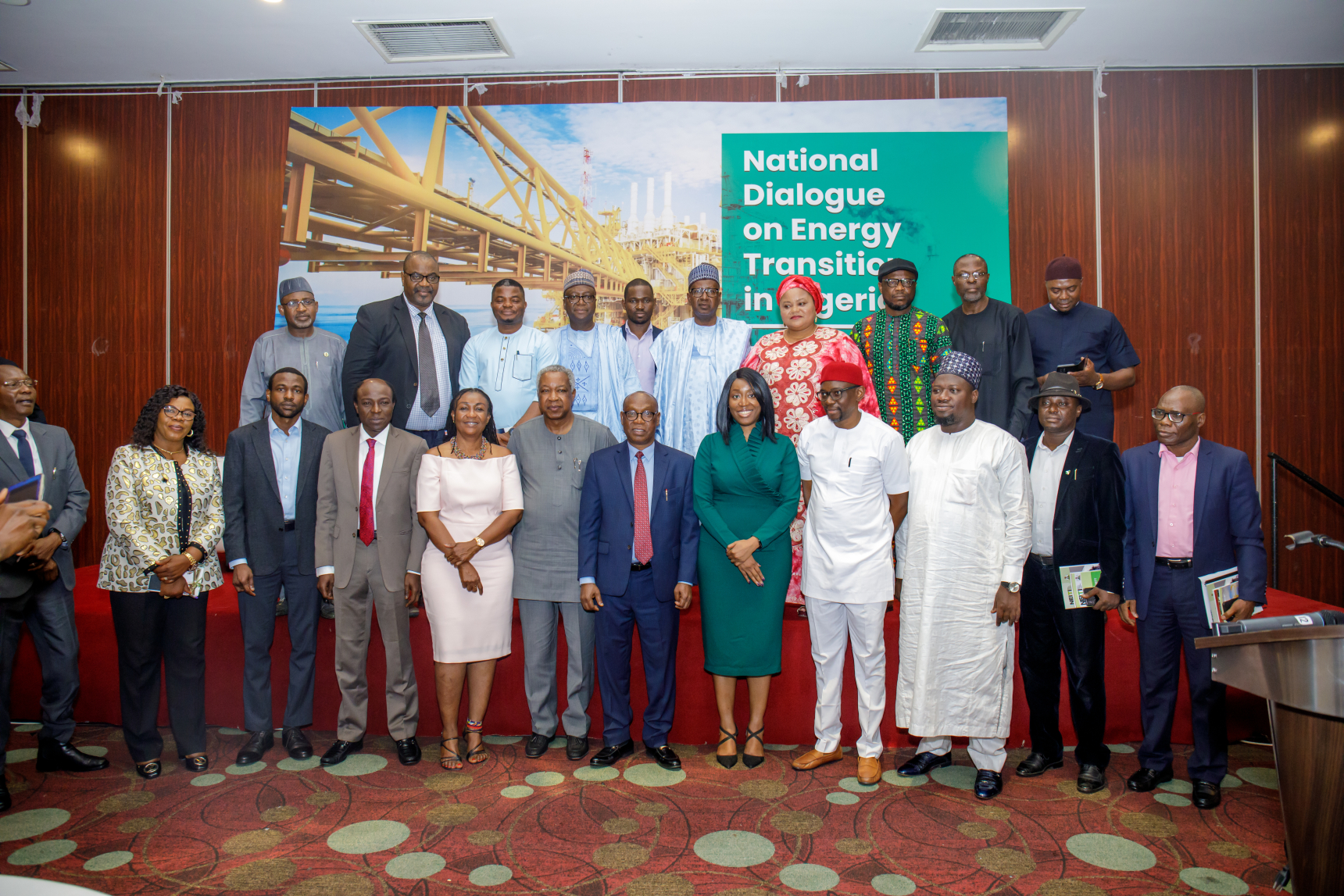
To address these omissions, last October, the Natural Resource Governance Institute (NRGI), the Nigerian Extractives Industry Transparency Initiative and BudgIT Foundation convened a national dialogue. Participants produced a communiqué with recommendations for consideration by the incoming government. In condensed form, they are:
- Mitigate the risk to Nigeria’s dependent economy. As Nigeria’s oil export customers transition their own energy systems and reduce demand for Nigerian oil, Nigeria’s oil-dependent economy and government finances will be increasingly exposed to risk which the energy transition plan does not adequately acknowledge. Nigeria’s next government should map risks to government revenues, employment, foreign exchange, supply chains, and Nigerian National Petroleum Corporation (NNPC) investments.
- Prioritize spending that spurs sustainable development beyond oil. Now, Nigeria pays more for oil subsidies than its anticipated earnings from oil. Prioritizing subsidy payments takes scarce resources from other sectors such as agriculture and information technology. Also, the NNPC continues to increase oil investments in what may become stranded assets. Authorities could better serve Nigerians if they built systems to reduce Nigeria’s oil dependency.
- Attracting investments to fund the plan. Nigeria must attract investment from donors, financial institutions and philanthropists in order to implement the ETP and diversify the economy beyond oil. The new government should provide incentives that encourage tangible investments in infrastructure, human resources, technology and other areas essential to delivering on the ETP rather than taking on unsustainable debt.
- Streamline and clarify policies and plans. The Federal Ministry of Finance, Budget and National Planning should ensure that the plan is properly aligned with existing federal and state plans. This includes the 2021 Nationally Determined Contributions, Decade of Gas Plan, Power Sector Recovery Plan, the National Development Plan, and other iterative plans to ensure that the ETP is implementable, realistic, and adopted by implementing government institutions. This is necessary to clearly demonstrate how the government can achieve its net zero goals and also ensure sustainable economic development.
- Resolve environmental legacy issues. As transition minerals such as lithium gain more importance in the global transition, the Federal Ministry of Mines and Steel Development must first address legacy mining issues, including environmental degradation and related social conflict to minimize the impacts before seeking to benefit. The Federal Ministry of Environment must also prioritize environmental remediation in oil-producing communities in preparation for a future beyond oil.
- Clarify its plans for gas use. The plan names gas as a transition fuel. The government should clarify what its expectations are for gas use for economic development and domestic gas energy systems. It must map out the infrastructure, finance and system gaps that have foiled previous gas expansion efforts. It must weigh that against the shrinking global fossil fuel investments and increased divestments from potential gas exploration by partner companies and adjust plans accordingly.
- Be collaborative, cohesive and realistic. Seamless collaboration and buy-in to the objectives of the plan from government institutions is necessary. Massive investment in gas will be required to drive its use as a transition fuel and reduce spending on oil, as set out in the plan. The recently inaugurated National Council on Climate Change (NCCC) should weigh the objectives of the plan against the policies and actions of critical government institutions, such as the Federal Ministry of Power and Petroleum Resources. These must then be reconciled.
- Make the plan inclusive and equitable. NRGI has found that oil-producing communities, women and youth groups appear to be the least consulted and prioritized in the current ETP. Implementing it requires buy-in and active participation. Few Nigerians understand the plan, how it applies to average people, or their role in making it a success. Citizens cannot get behind a plan that they don’t understand—especially if they are to change energy use (from petrol and diesel to power businesses and households, and from kerosene and charcoal for electricity and cooking) to the solar and biogas sources the plan envisions.
Prior to the COP27 climate conference, Tijah Bolton-Akpan from Policy Alert spoke to NRGI about how community voices should help shape the energy transition plans and hold decision-makers accountable.
- Strengthen governance of the Energy Transition Plan. So far, the Federal Ministry of Environment and the Energy Transition Office have led on the ETP. The NCCC will soon assume leadership of the plan. To be effective, the council should be constituted in a fair, equitable and representative way that ensures that it retains the gains and institutional knowledge generated so far. The council should adopt policies that focus on transparency in revenue generation and spending of transition funds and use engagement frameworks to inform stakeholders of progress and plans.
While no one can say who will triumph in Nigeria’s elections, it is clear that bold and inclusive leadership on the country’s energy transition must be among their priorities.
The Future is Now: NRGI’s 2023 Priorities

Our work at the Natural Resource Governance Institute contributes to fair, prosperous and sustainable societies by advancing citizen and government efforts in resource-rich countries to:
- Drive systemic change to avoid harms from mining and equitably benefit from the responsible scale up of transition minerals necessary to avert global climate catastrophe.
- Build inclusive economies that end dependence on fossil fuels and advance a just energy transition for citizens.
- Manage revenues from natural resources accountably in response to citizen priorities.
Through dramatic upheavals—from global pandemic, through historic market volatility, to the kleptocracy that enables Russian aggression, and the explosion in demand for transition minerals—we have helped our partners navigate uncertainty with timely, relevant and rigorous support.
In 2023, we will draw lessons from our work since the launch of our strategy in 2020, including a review our progress on diversity, equity and inclusion. We will deepen our support to the energy transition, and adopt more impact-oriented, politically astute approaches. And reflecting our evolved priorities and identity, we will launch a new website and updated branding.
Having undertaken major strategic and organizational transformations, NRGI’s future is now.
Ensuring transition mineral good governance
In 2023, mindful of the historic opportunities for people to benefit from the rising demand in minerals critical to green technologies, and the potential for corruption and harm that often accompanies such booms, we are ramping up our programming on transition mineral governance. We are launching new work in Chile, focused on enhancing good governance and inclusive management of lithium. We are deepening our engagement in the Democratic Republic of the Congo to build an inclusive vision for the management of cobalt in the public interest and more accountable relationships between governments, companies and communities. We are supporting effective policies on taxation, licensing and value addition, and will engage civil society and policy makers at regional forums like the African Mining Indaba and Alternative Mining Indaba and across several regional institutions in Africa and Latin America. And we will work with partners to implement strategies to prevent supply chain corruption.
Supporting just and sustainable societies
In view of elections both recent (Colombia) and upcoming (Nigeria), we will ensure that our policy analysis informs public debate on how to reduce dependence on fossil fuels in producing countries. The strategies and governance of national oil companies will be a major focus, including in Ghana and Mexico. As countries like Nigeria and Senegal assess the role of gas in their ambitions to improve populations’ energy access we will help citizens and policy makers understand the pros and cons of these gas-to-power approaches, including how they relate to the development of renewable energy. We will invest heavily in building people-centered energy transition dialogues in Colombia, DRC, Ghana, Nigeria and Tunisia, convening inclusive conversations to help partners envision a low-carbon future that meets the needs of all citizens.
Internationally, we will build on last year’s partnerships and advocacy to amplify the voice and influence of low- and middle-income resource-producing countries in debates about transition finance and the pace and shape of the decline in production and use of fossil fuels. With an eye on the COP28 climate conference in the United Arab Emirates, we will work with civil society actors and policy makers across the Middle East and North Africa to understand specific regional challenges and advocate for international support to advance the energy transition.
We will further research just energy transition partnerships and support international dialogue around how they might accelerate transition in gas-producing countries. NRGI and its partners will also further advocate for stronger international governance standards to foster accountability in the energy transition, including via the much-needed evolution of the global Extractive Industries Transparency Initiative standard.
Building on lessons from 2022, as a globally connected, locally rooted organization, we will continue to prompt inclusive, evidence-based debate and decision making in resource-rich countries and amplify those priorities on the global stage. In 2023, working in partnership with reformers around the world, we aim to ensure that the future we seek begins now.
Top photo by Estivillml/Envato
Road to COP27: Positioning Africa’s Civil Society and Citizens on Climate Change, Energy Transition and Extractives
With COP27 on the horizon, NRGI, Econews Africa, Oxfam, Publish What You Pay (PWYP) and Tax Justice Network Africa convened a series of webinars, "East And Southern Africa Civil Society Organization Energy Transition Joint Capacity-Building and Road To COP27," drawing on various experts and experiences from the continent. The series shared lessons and aimed to build a common voice on what the energy transition means for Africa and its people. The events took place between April and October 2022.
Watch them here:
Climate Change and Energy Transition: What Are They and What are the Issues?
Energy Transition and the Future of Oil, Coal and Gas Extraction
Exploring Sustainable Pathways to Energy Transition: Are Investments in Renewable Energies Sustainable for Africa?
Minerals and the Energy Transition: Key Findings and How Africa Can Leverage Its Potential
Positioning Africa’s Civil Society and Citizens on Climate Change, Energy Transition and Extractives in Readiness for COP27
Two events were also organized as part of the Alternative Mining Indaba:
Uganda’s Local Governments Need Clarity on Oil Revenue Sharing

Driving from Hoima to the breathtaking banks of Lake Albert, where Uganda’s long-awaited 1.4 billion barrel oil project is located, it is clear that the government has been preparing for production for years. New roads and bridges criss-cross the region. However, one area in which the government is unprepared is the sharing of oil royalties with the region’s districts.
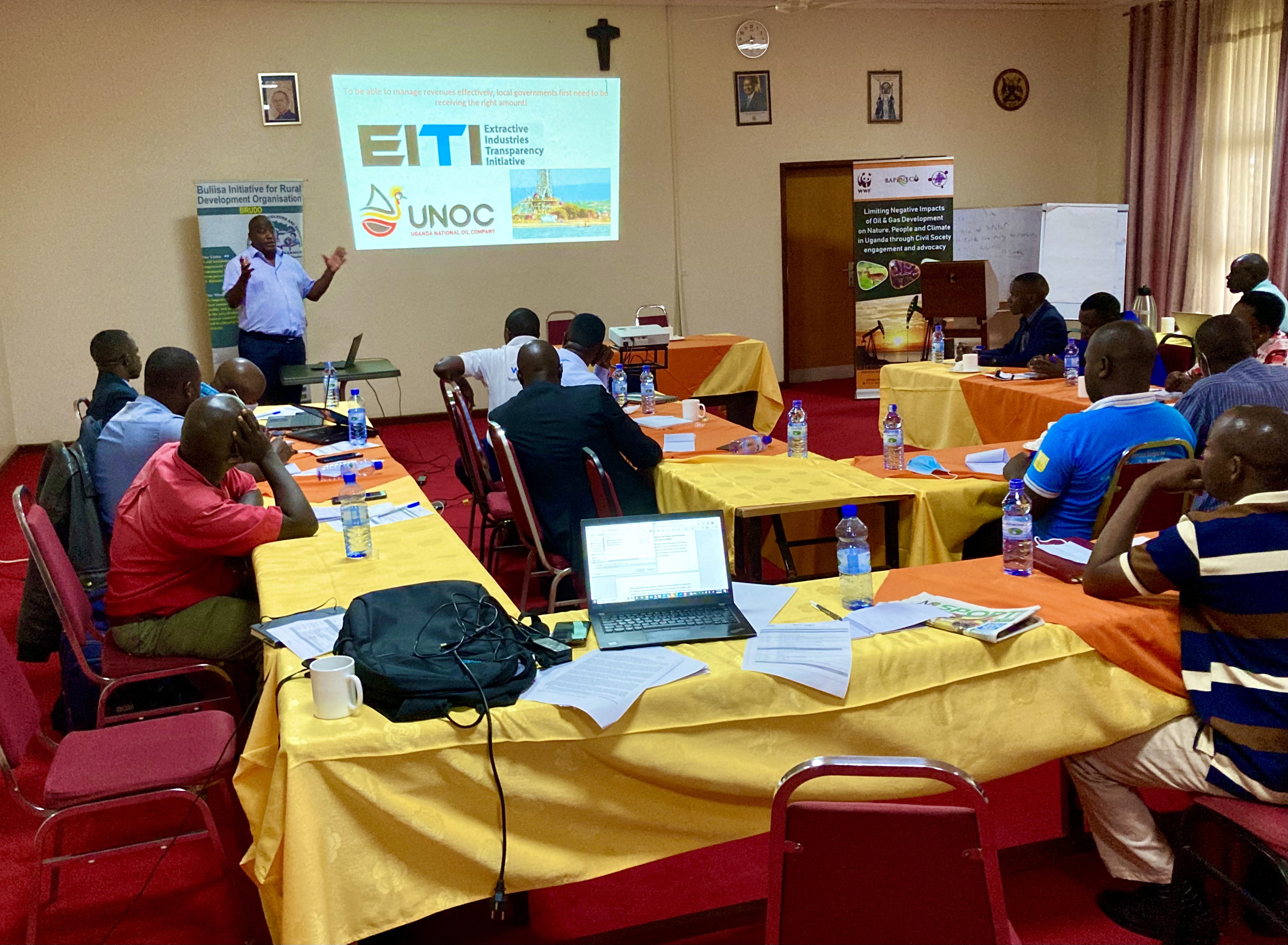
Section 75 of the Public Financial Management Act 2015 (PFMA) provides for the sharing of royalty revenues with local governments, and cultural or traditional institutions named in the government gazette. But the law is vague about the precise sharing mechanism. The challenges that this is causing for districts in the oil-rich region were apparent in a workshop that NRGI held with civil society organizations there earlier this month: scarcity of details has frustrated local officials’ planning and their management of public expectations. With production likely to start in just three years, the national government is running out of time to address these challenges.
Providing clarity to subnational authorities is all the more important given the uncertainty that the energy transition has created around estimates of the total royalties that the Ugandan government will receive. Local governments and cultural and traditional institutions don’t have a sense of how much funding they can anticipate. The speed of the world’s shift away from oil will impact the price that the Lake Albert oil commands, as well as the potential for subsequent oil projects in the country.
To bring some of that much needed clarity, we developed a simple model which helps subnational entities assess how much revenue they might receive. The chart below shows the possible local government share from the Lake Albert project in three global demand scenarios, based on our modeling. The Announced Pledges Scenario (APS) from the International Energy Agency (IEA) assumes that countries implement the climate commitments that they have made to date. The reference scenario of the Organization of the Petroleum Exporting Countries (OPEC) envisages a slower transition, while the IEA’s Net Zero (NZE) scenario assumes that the world manages to achieve net zero emissions by 2050 and therefore sets out a much faster transition. (All of these scenarios have been updated by Rystad Energy to reflect developments since they were generated and converted to implied prices.)
Local government share of royalty across possible price scenarios
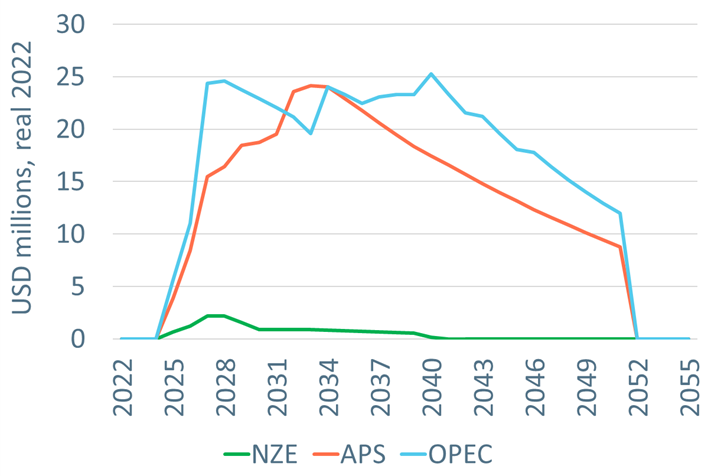
Local government revenues differ significantly between these three scenarios. In the OPEC scenario, Uganda’s local governments could receive around $20 million a year on average. As our model shows, this amount is more than double the revenues that districts in the region were expected to raise through normal, non-oil means in 2021/22 (using the initial list of districts that would receive a share). In the NZE scenario, the local government share of oil revenues would be much less, possibly around $0.6 million. Though even this smaller amount could be significant for some individual districts if managed carefully.
How revenues will be shared between individual subnational entities is currently unclear, however. As our model highlights, the gaps in detail about the sharing mechanism make this assessment impossible.
Uganda’s Ministry of Energy and Mineral Development and Ministry of Finance, Planning and Economic Development can clarify the situation by answering four key questions:
Which districts and cultural or traditional institutions will receive a royalty share?
The law states that six percent of total royalty revenues will be shared among the local governments “located within the petroleum exploration and production areas.” How these areas will be defined is unclear. An early version of the public financial management bill specifying districts that will receive a share (including some districts which are not home to any granted petroleum licenses) has confused this issue further. This list was retracted in 2015, but another list is yet to be published by the Ministry of Energy and Mineral Development. One percentage point of the royalty due to the central government will also be shared with “gazetted cultural or traditional institutions.” However, which institutions will be gazetted is similarly unclear.
What criteria will be used to create the sharing formula, and how are they defined and weighted?
Fifty percent of the local government share will be divided among local governments involved in production based on their production level or “impact,” according to section 75 of the PFMA. The other 50 percent will be shared among all local governments based on “population size, geographical area and terrain.” However, the formulas in the law’s schedule 6 only include production level and population size. Clarity is therefore needed from the government on whether the criteria in section 75 or the criteria in schedule 6 will be used, how each criterion is defined and, if the formulas are to contain more than one criterion, how the different criteria will be weighted. For example, the first fifty percent will likely be divided between five districts if production level is the only criterion, but it could be divided between a lot more districts if impact is also included depending on how it is defined. For example, if all the districts through which the East Africa Crude Oil Pipeline runs are seen as impacted.
What share will cultural or traditional institutions receive?
The amount that “one percentage point of the royalty due to the central government” entails isn’t clearly defined. For example, if the total royalty revenue is USD 100 million in a given year, the central government will initially receive $94 million (with the remaining $6 million being shared among local governments). Whether cultural or traditional institutions will receive $1 million (representing 1 percent of total royalty revenue) or $0.94 million (representing 1 percent of the royalty revenue received by central government) is not clear.
What are the rules governing how subnational entities manage revenues?
The PFMA earmarks local governments’ royalty revenues for “development purposes.” However, there is a risk that local governments could apply a broad definition to development purposes and, as a result, won’t spend petroleum revenues as intended. There is no instruction in the PFMA for how cultural and traditional institutions should spend their share of royalty revenues nor for what happens to royalty revenues that are unspent by recipient entities. Section 17 prevents local governments from retaining a budget allocation after the end of a given financial year. However, providing access to leftover oil funds in subsequent years will be important so that local governments don’t spend money ineffectively to avoid losing it. This will also prevent them from smoothing spending as royalty revenues fluctuate with production and prices.
The challenge of establishing an extractives revenue sharing mechanism that benefits communities is not unique to Uganda. NRGI’s work in countries such as Indonesia highlights the difficulty in ensuring revenues are shared based on a clear and predictable formula that is broadly seen as fair. Such complexities have led to delayed implementation in several countries, such as Guinea, reinforcing the need for the Ugandan government to start focusing on this issue now.
And establishing the mechanism is only the first step. As the past experience of Peru highlights, even if Uganda strengthens its rules for managing subnational revenues, increasing the capacity of local governments to address the unique challenges of resource revenues will be critical. Similarly, Colombia provides lessons on the importance of developing transparent processes for both the distribution and use of funds.
Uganda therefore has significant work to do to ensure that revenue-sharing will benefit communities in the oil-producing region. But until the central government addresses the four gaps outlined above and provides clarity on the revenue sharing mechanism, local governments and communities will be making plans based on guesswork.
Colombia: Inclusion and Upgraded Governance Are the Keys to Petro’s Energy Transition Ambition

This is a shortened translation of a longer Spanish-language post.
On 7 August, Colombia turned a new page in its history. For the first time South America’s second-most populous country will be governed by a left-wing president and an Afro-Colombian vice-president who is a seasoned leader of social movements. More than 11 million citizens (50.44 percent of those voting) gave President Gustavo Petro and Vice President Francia Márquez Mina their mandate.
Petro boldly stated in his inaugural address that “we are willing to move to an economy without coal and without oil.” But how can the government and Colombians translate these green ambitions into concrete results?
In addition to addressing fiscal and energy supply challenges, the government must commit to good governance of the energy transition away from fossil fuels. The transition must include diverse voices and be transparent. Authorities must define clear policy frameworks for managing the progressive decline in production of fossil fuels, the need for economic diversification and the new governance challenges of renewable energies and transition minerals.
Petro's energy transition agenda
President Petro’s proposal to limit oil extraction has positioned him as a changemaker in the global energy transition. During his campaign, he invited other leaders in the region to form an “anti-oil bloc” to move economies away from fossil fuels and create a Latin American front to fight climate change. A few days ago, he received a letter signed by more than 80 parliamentarians from 30 countries that are part of the movement called “Call of Parliamentarians for a Future Free of Fossil Fuels” expressing their support to his proposal. Indeed, as an oil-producing and oil-dependent country, Colombia could become a laboratory for the innovation of transition policies, with much to contribute to other producing countries and global efforts to mitigate warming.
In line with Colombia’s updated commitments to the Paris Agreement—51 percent reduction in greenhouse gas emissions by 2030 and zero net emissions by 2050—during the campaign, Petro argued that Colombia should cease licensing for new hydrocarbon exploration and for large-scale open pit mines; ban the exploration and exploitation of offshore and non-conventional hydrocarbon deposits; and stop fracking pilot projects.
Petro also proposed promoting non-conventional renewable energy sources and earmarking the exploitation of fossil fuel reserves for domestic consumption, given their low levels (7.6 years’ worth of oil and 8 years’ worth of gas). In addition, he pointed out that Ecopetrol (which is majority state-owned), should play a fundamental role in the transition by redirecting part of its exploration budget toward a new energy transition fund.
After winning the election, Petro moderated some of these proposals. In his inaugural speech, he pointed out that although his commitment to decarbonization remains, Colombia is not a major contributor to global emissions. He also placed a greater focus on the role of international cooperation. The newly appointed finance minister, José Antonio Ocampo, has indicated that gas exploration will probably continue and that oil exports should continue in the short term. In a recent interview, the new mining minister, Irene Vélez, also commented that this process would take more than a decade and that the government would discuss the extraction of minerals necessary for technologies needed for the energy transition.
Top-down decision-making, general exclusion of affected communities and negative project impacts have generated a high level of socio-environmental conflict in the territories where extraction takes place.
Former president Iván Duque took important steps toward the energy transition by promoting investments in renewable energies, some green hydrogen pilot projects and transition minerals. But his administration also prioritized the expansion of fossil fuel extraction. He supported the coal industry to increase its competitiveness in the Asian market, promoted offshore hydrocarbon exploration projects, and encouraged pilot fracking projects to increase gas supply. Top-down decision-making, general exclusion of affected communities and negative project impacts have generated a high level of socio-environmental conflict in the territories where extraction takes place. This perpetuated a trend that began in the early 2000s.
Four challenges to Colombia’s energy transition
If Colombia does not initiate a broad discussion and take steps toward a just transition, in a few years it could end up with stranded assets and investments with low economic, social and environmental returns that could increase inequality. However, President Petro will have to lead this process in a scenario of great economic uncertainty linked to inflation and the risks of a global recession—in addition to the difficult fiscal situation resulting from the coronavirus pandemic.
Fiscal policy
In the past, as much as 25 percent of government income has come from hydrocarbons. Managing the progressive decline in hydrocarbon production means replacing taxes on oil and gas with new sources of revenue.
The new government has proposed imminent tax reform with the aim of raising COP 25 trillion (approximately USD 5.5 billion). The success of this proposal will be a key indicator of how and when the government might cover the gap that would be left by an eventual reduction in oil and gas taxes and royalties.
The redefinition of Ecopetrol’s role will be of great significance since its profits are an important contributor to the state budget. It is an efficient company that has achieved good financial results in recent years despite the pandemic and its profits will help to cover this year’s fiscal deficit.
The energy crunch resulting from the war in Ukraine will likely sustain the recent increase in hydrocarbon prices for some time to come.
Government officials will also need to decide whether or not to maintain the commitment to the promotion of the exploitation of minerals, which have contributed less to government coffers than oil and gas. The new government has announced a mining moratorium during its first 100 days so that officials can review compliance with regulations, but in other declarations has opened the door to further exploitation of transition minerals such as nickel and copper. Should authorities further pursue those commodities, they should also develop a modern taxation framework as well as enforceable socio-environmental standards adapted to the new importance of these metals.
Finally, the pace of the global energy transition is a key consideration for Colombia’s revenues in the short term. It is likely that in the long-term oil and coal prices will decrease. But the energy crunch resulting from the war in Ukraine will likely sustain the recent increase in hydrocarbon prices for some time to come. Petro has shown a willingness to take advantage of the boom in the short term.
Trade deficit
Another economic challenge to consider relates to the current account deficit. In 2021, the oil industry represented 33 percent of the total value of Colombian exports. Along with coal and other minerals, oil and its derivatives account for about 56 percent of the total value of the country’s foreign sales and generate annual foreign exchange earnings of about USD 20 billion. Likewise, oil license bid rounds and mining investments are a main source of foreign direct investment (USD 7.6 billion in 2020). In this context, the new minister of finance has suggested the need to continue exporting oil to avoid a problem in the balance of payments.
Energy supply
In 2018, 70 percent of Colombia’s energy supply derived from fossil fuels (40 percent on oil and derivatives, 21 percent on natural gas and 9 percent on coal.) Liquid fuels derived from oil are especially important in the transport sector (96 percent of consumption) while gas is key for industry and households. In this context, the government must define a path for its progressive reduction at the same time as it ensures energy access for the most vulnerable communities. Renewables energies will play a key role.
Clean energy governance
In order to multiply investments in renewable energy, the government should establish clearer governance frameworks. The development of clean energy projects has generated strong criticism and opposition from local communities due to the absence of free, prior and informed consultation, environmental and social impacts, and a lack of understanding of the relationship between communities and their lands. This is especially relevant in La Guajira, a multicultural and multilingual department of Colombia with a 42 percent indigenous population, high levels of poverty and limited access to electricity, but with enormous potential for wind and solar energy (wind speeds exceed 9.8 meters per second, twice the world average, and solar radiation is between 6 and 7 kilowatt hours per square meter per day, 60 percent higher than the global average). It is essential that the government, elected with the support of ethnic minorities, resolves these tensions and ensures that local populations receive the benefits of the transition.
The way forward
In general, the new government has the challenge of building adequate governance for the transition, keeping in tune with social expectations, while meeting the needs of an economy recovering from the pandemic. Implementing policies to move away from fossil fuels will be complex from a political and economic point of view, so it is very important to guarantee a democratic process and avoid the influence of undue interests in the process.
The eyes of the world are on how Colombia, a country dependent on oil production, can make its own just energy transition.
Among other elements, officials planning for the transition should:
- disclose the possible impacts of the different transition scenarios and disseminate this information to different stakeholders.
- ensure broad and territorial participation in defining and implementing the transition, including the most vulnerable groups.
- articulate clear measures for the diversification of the economy and compensation that will allow those most affected by the transition to benefit.
Robust governance will also require a high degree of interinstitutional coordination, especially between public institutions, including at the local level, to avoid contradictory messages about the transition process and the future of extractive industries. The energy transition requires policies at all these levels and necessitates an interdisciplinary perspective. It may also require additional regulatory frameworks in new areas such as transition minerals or renewable energies as officials and citizens come to better understand the conditions of these markets and global trends, as well as the implications for communities.
The eyes of the world are on how Colombia, a country dependent on oil production, can make its own just energy transition. There is a huge potential to generate lessons useful to other countries. The challenges are vast, both fiscally and in terms of energy access. But the Petro administration can meet these and other challenges by establishing adequate governance of the transition. For this, Petro will need to cultivate a broad national consensus that includes the territories and a diversity of voices. The support of allies at the international level will also be essential.
Podcast: Fossil Fuels and Climate Change, Featuring NRGI’s David Manley

In this episode of Sheila Khama’s Extractives podcast produced on 17 August, David Manley, a senior economic analyst with NRGI, discusses what the energy transition is, its drivers and responses, and its impact on regions like Africa.
In the recording, Manley highlights a technological revolution and a huge shift in the way we use technologies, such as solar or wind power generation, as well as the radical decline in the cost of these technologies.
“The Paris Agreement is also, to some extent, driving the energy transition," Manley says. It gives investors and businesses some certainty that over the next few decades there will be a market for renewable energy."
Regarding the impact of global energy transition on oil- and gas-producing countries in Africa, Manley points to a foreseeable decline in demand for their exports. However, as the African continent is particularly vulnerable to the severe effects of climate change, he also points to some of the benefits of global transition:
“By far these severe effects will outweigh most of the economic effects from reducing fossil fuel demand. So if the energy transition and the Paris Agreement can help limit that change, that is a great thing we should be aiming for.”
One significant upside for some countries is the increasing demand for metals and minerals, such as copper, cobalt and lithium, which are needed to develop green technologies. With demand for these metals expected to increase in the coming decades, many mining countries could benefit. Manley emphasizes that Africa has the most to gain from this boom.
Given the challenges and opportunities facing resource-rich developing countries, Manley stresses the importance of good governance for a successful transition.
He explains: “For oil- and gas-rich countries, the top priority is to manage these risks, be proactive and ensure that governments are not assuming high oil prices and that everything will be fine. We need to make a big change, using scenarios and thinking more pessimistically, for example, if there is a big drop in gas prices and collapse in production, what that means for countries’ economies and finances, and develop a plan to respond before it is too late.”
David Manley is a senior economic analyst at the Natural Resource Governance Institute (NRGI).
Supporting Just Transitions in the Oil and Gas Sector in Africa: The Role of External Actors

Because of the trade-offs required, and the diversity of objectives, views and pathways involved, there is growing recognition that achieving just transitions requires widespread, inclusive and democratic deliberation. Yet traditional models of participatory decision making and transition options often draw on experiences in wealthy liberal democracies. They rest on key assumptions that do not apply elsewhere: the existence of a strong and well-resourced state able to provide retraining and compensation, an engaged and responsive private sector, a well organized labor movement, and spaces where informed and capacitated civil society can meaningfully engage without fear of violence. Few resource-rich African countries meet such requirements. Yet the fundamental shift in their economic and development models implied by energy transitions will not be possible without an active and informed debate between citizens and policymakers: a reimagining of just transition through open and inclusive dialogue.
IDS and University of Sussex research on “Making Space for Dialogue on Just Transitions in Africa’s Oil and Gas Producing Regions” with partner organisations in Nigeria, Kenya and Mozambique explores how citizens are making their voices heard, despite challenges, through a variety of invited and claimed spaces of participation. These include participation in national strategies and visioning exercises such as “Which way Nigeria?”, combining engagement with transnational governance processes such as the Extractive Industries Transparency Initiative (EITI) with local protest strategies in Mozambique, and legal activism to resist particular energy infrastructures such as the Lamu coal plant in Kenya or to press demands for compensation from oil companies in Nigeria. Support by external actors such regional and multilateral development banks, donors, civil society organizations, and investors can play a key role in accelerating and amplifying these efforts. A webinar on March 9 explored the obstacles to and opportunities for doing so.
Breaking silos, avoiding duplication
As climate action is an increasingly hot topic for funders, there is a risk that efforts to support just transition focus on setting up new platforms and mechanisms, rather than leveraging what already exists. Funders can invest in pivoting and re-energizing existing platforms, mindful of the limited bandwidth of civil society actors. For example, in Ghana, the “Alliance of CSOs Working on Extractives, Anti-Corruption and Good Governance” has successfully evolved to work with the new National Energy Transition Committee, calling for more inclusive and open dialogue on Ghana’s energy transition journey.
Connecting local and global agendas
A key challenge is that elite policy makers are hatching initiatives with global implications in relatively closed spaces with little if any consultation or engagement with civil society at the national and local levels. Examples include announcements from the governments of Nigeria and South Africa at the last COP in Glasgow. In bridging this gap international CSOs and funders can play a helpful role in connecting partners at the national or local levels to regional institutions and international institutions and transnational coalitions (such as the Open Government Partnership Civic Space Learning Network and the OECD Civic Space Observatory). There are also new international efforts to define a viable pathway to a just transition, including the Beyond Oil and Gas Alliance, the Civil Society Equity Review, the OECD Equitable Framework and Finance for Extractive-based Countries in Transition (EFFECT), the Fossil Fuel Non-proliferation Treaty initiative and a recently released Tyndall Centre report. Leaders of these efforts should form strong connections to civil society actors from resource-rich countries to amplify—not replace—local voices and ensure that governance and participation are at the heart of these efforts.
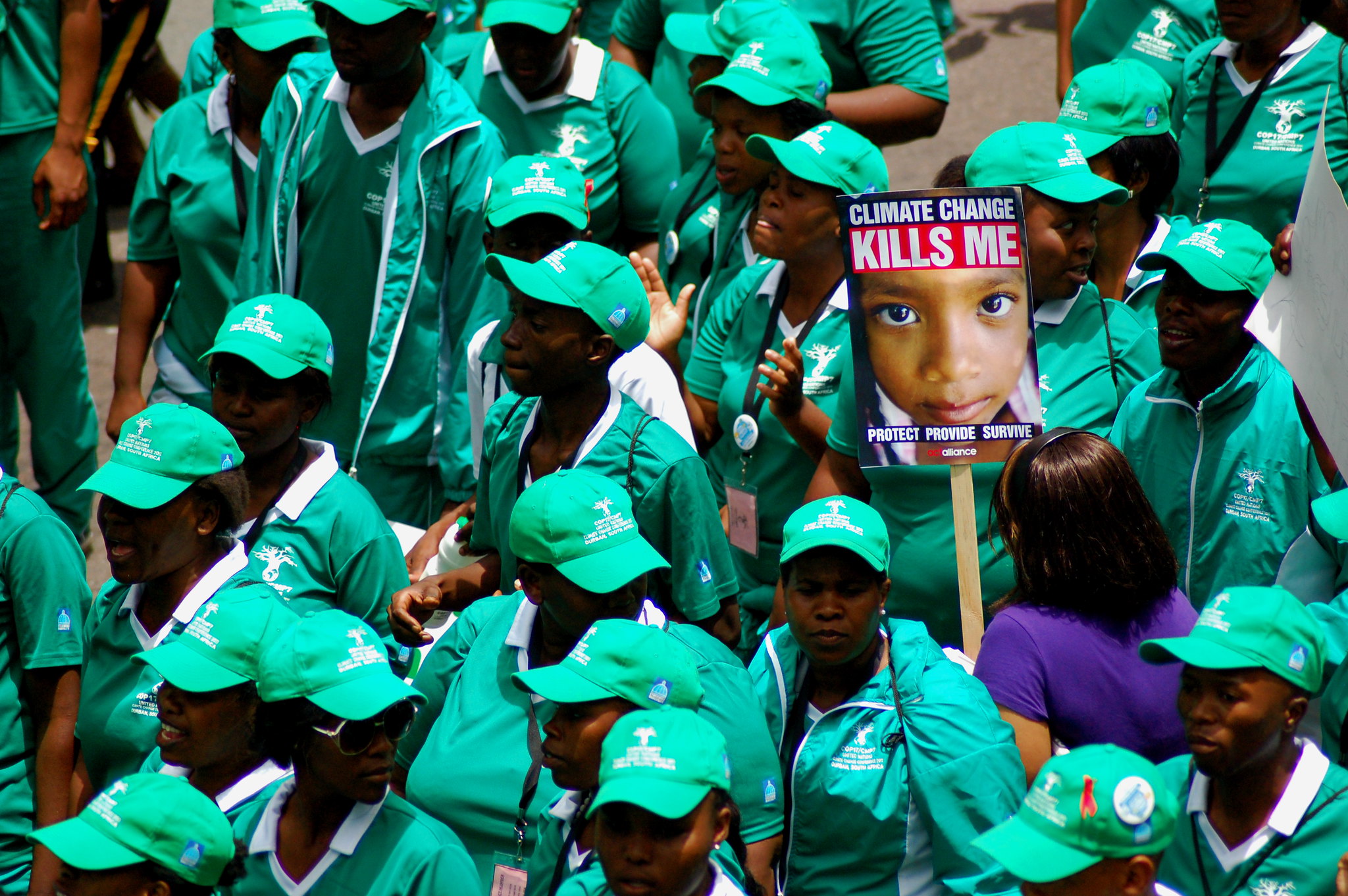
Challenging power and vested interests
Just transitions are often inhibited by strong vested interests wanting to preserve the status quo and resist change, or those who seek to capture transition opportunities for their own benefit. A just transition must challenge incumbent actors’ control of decision-making. Funders can support work to identify and map vested interests and how to confront them, help local actors to improve representation on key committees and decision-making processes, and invest in initiatives to clean up political party donations and revolving doors between energy companies and state regulators.
The next major COP in Egypt later this year represents a huge opportunity for African countries and civil society—and those that support them—to advance a vision of just transition and a set of strategies for achieving it than ensures not only that no one is left behind, but that longstanding inequities are remedied. This means acknowledging and addressing historical injustices as well as supporting and financing future low carbon energy pathways for African countries currently reliant on fossil fuels.
Photo by Rod Waddington via Flickr (CC BY-SA 2.0)
Learn more about the outcomes of related interactive webinars exploring extractive industries and civic space.
Can African Oil and Gas Benefit From Europe’s Energy Crisis?

This commentary originally appeared in African Arguments on 29 March 2022 under the title "Will Africa Really Be ‘Europe’s Next Gas Station'’’?
These shifts, combined with Western oil and gas companies dumping their Russian interests, present an opportunity to other petroleum producing countries, albeit one tempered by actions to address the climate crisis. This has led governments and commentators to discuss African producers as potential beneficiaries of Europe’s supply gap, with talk of a “seismic shift” to Africa and of the continent as “Europe’s next gas station”.
Such headlines gloss over the complex reality. It is true that several established producers – such as Algeria, Angola, and Nigeria – are already reaping higher revenues from soaring oil and gas prices. Countries with projects due to start within the next year or so, such as Mauritania and Senegal, will likely also benefit from higher prices. However, most current producers have limited spare capacity to quickly ramp up supply and need to attract more investment before they can.
Investment decisions on key liquefied natural gas (LNG) projects in prospective producers, such as in Mozambique and Tanzania, are not likely until at least 2024 given security challenges in the former, and ongoing negotiations and outstanding project design processes in the latter. This means significant production is unlikely before 2030. Most of Mauritania and Senegal’s oil and gas reserves won’t be developed until later project phases. And any supply from prospects currently under exploration is likely even further off. It has historically taken sub-Saharan countries around 12 years to move from discovery to production – often longer than initially predicted by governments and companies.
While some African projects may come online more quickly, investors will make decisions based on an uncertain long-term outlook. The current spike in prices is a potent reminder of the fundamental unpredictability of oil and gas markets. Seven years on from the price spike in 1979, rates had fallen more than two-thirds from the peak of the crisis.
Three factors make the current outlook particularly uncertain. First is Russia’s role in the oil and gas market. Its supply to Europe will be affected by how its negotiations with Ukraine unfold, as highlighted by how prices have fluctuated in line with perceptions of how the talks are progressing. Russian supply earmarked for Europe could be diverted to Asian markets in the long term. This would reduce Asian demand for gas from elsewhere and offset the benefit of increased European demand for oil and gas from these producers.
The second factor is how much market share other non-African producers capture. Europe is not only looking to Africa to fill the gap. US LNG exports to Europe are surging, multiple additional large US LNG projects are ready for development, and European leaders are striking long-term deals in the Middle East. Many of these producers have more spare capacity and projects that can be greenlit more quickly than African producers.
Third, prospective suppliers must consider potential “demand destruction” and the pace of the energy transition. A lesson from the 1970s is that high prices and market turmoil often lead to a permanent reduction in demand through improvements in energy efficiency and development of alternative technologies. The current crisis could lead to even greater demand destruction given it appears to have reinforced Europe’s conviction to accelerate its energy transition away from fossil fuels. Beyond its goal to secure non-Russian supplies in the short-to-medium term, the EU also aims to leave fossil fuels behind for good.
What African and European officials can do?
Leaders in both Europe and Africa can take steps to make this moment more of an opportunity for Africa.
The EU could begin by clarifying its energy transition strategy for the benefit of African producer countries and potential private investors. Thus far, its pathway has been a minefield of mixed messages. For example, its plans announced in February 2022 to label some kinds of gas-fired power as “green” was seen by some producer countries as a signal to move ahead with gas projects. However, some European leaders seem to increasingly view renewables as not only necessary to tackle the climate crisis but also to improve energy security.
As Europe seeks to expand its use of clean energy, it should ensure that African producers of the critical mineral inputs to green tech receive good and fair deals.
To ensure a globally equitable transition, Europe should consider meeting any longer-term demand first with petroleum from African countries, given their pressing development needs. Europe could also champion the inclusion of incentives for good governance in the sequencing of the global phase out of fossil fuel production. In so doing, it should balance addressing European energy security with reducing African energy poverty as part of a broader strategy that also supports African countries’ own transitions to clean energy. Finally, as Europe seeks to expand its use of clean energy, it should ensure that African producers of the critical mineral inputs to green tech receive good and fair deals.
Irrespective of how Europe proceeds, officials in existing and prospective oil and gas producing Africa countries should soberly evaluate the longer-term uncertainties. While prices are soaring now, this unpredictability includes the possibility of fewer supply opportunities and lower prices over time.
Governments should ensure that strong revenue management frameworks are in place, including by directing any windfall revenue toward sustainable development and economic diversification. Diversifying economies remains crucial. Governments should also rigorously analyse their prospects across different scenarios, factoring in project timelines and potential market evolutions. They must remain cautious and avoid using public capital to make risky bets on oil and gas.
While some African producers may benefit from Europe’s scramble for non-Russian oil and gas, the reality is unlikely to match the hype.
How to Stop Oil Companies From Propping Up Kleptocrats

Divestments by these Western oil companies contribute to the crisis now facing Russia’s oil and gas sector, one of the largest in the world. Even in the absence of sanctions on energy exports, oil companies as well as commodity traders, insurance providers, banks, and other industry players are backing away from the country. This leaves Russia without buyers for its crude oil and has sent the stock value of Russian oil companies plummeting. In the longer term, divestments could delay key projects, such as the ExxonMobil-operated Sakhalin oil and gas fields, and deprive the industry of the financing and technology it needs to sustain its growth...
Read the full commentary.
Gillies subsequently spoke on a related topic to National Public Radio (U.S.):
Gillies also addressed a related topic in this short documentary by VICE News:
The Russia-Ukraine war has led to a range of new challenges and opportunities for developing countries rich in oil, gas and minerals.
Ending Nigeria’s Oil Dependency: Not If, But When…and How

The issues of “post-oil” and economic diversification received considerable attention in Nigeria after the 2014 commodity price crash, again during the 2016 economic crisis and more recently with the coronavirus pandemic influenced global crisis. Over that period, recognition of the dangers of Nigeria’s dependency on oil has led to several initiatives aimed at securing changes in government policy to address the problem. Here we examine Nigeria’s oil dependency within the context of emerging global and national imperatives to provide some initial recommendations to frame the Natural Resource Governance Institute’s (NRGI) newly constituted Nigeria program designed to focus on "Nigeria’s Oil Dependency: Imagining a Future Beyond Oil."
Nigeria’s oil dependency through the years
Nigeria’s dependence on oil is deep-rooted. The country continues to suffer from the effects of the Dutch disease which began when oil was discovered in the 1960s, having focused its efforts predominantly on its oil resources; the potential for greater returns from oil making other sectors less attractive. But, decades later, little has changed in Nigeria. Although the oil sector continues to deliver returns, these have depreciated over the years, hindering success of Nigeria’s development aspirations; Vision 20:20, the Economic Recovery and Growth Plan (ERGP), often just out of reach as they continue to rely on the performance of the global oil market.
How dependent is Nigeria on oil?
Nigeria’s federal and state governments remain heavily dependent on oil revenues, relying on it to deliver public goods and the use of oil dollars to service debt and bolster the national currency. The oil sector, however, has not significantly improved the well-being of Nigerians. Non-oil sectors lead to vastly more employment opportunities than the oil sector and their economic activities contributed approximately 93 percent of GDP in 2020.
Continued dependence on oil revenues threatens the lives and livelihoods of Nigerians and social cohesion in the country.
At the federal level, Nigeria’s dependence on oil almost crippled her economy catalyzing a negative GDP growth of 1.8 percent in 2020. The pandemic highlighted the potential losses to the Federation of the Federal government’s more than 50% revenue dependence on oil, as the shutdown of global economic activities, onslaught of the pandemic and sharp declines in oil demand in 2020 left the government unable to meet its 2020 revenue projections. The federal government had to slash its budget by a more realistic 20 percent, reducing its benchmark price and production projections from $57 per barrel to $30, and anticipated production volumes from 2.2 million barrels per day (mbpd) to 1.7 mbpd consecutively to accommodate new realities. Continued divestments by oil majors and their refocus to cleaner energy threatens Nigeria’s future ability to attain its revenue projections if they remain pegged against oil productions. Nigeria’s debt stock in 2020 stood at 31 percent of GDP and continues to grow as it tries to bridge the shortfalls in oil revenues. Despite this stark reality, the 2022 federal government budget still reflects 31 percent of expected federal government revenue generation from oil even as oil exports continues to supply 90 percent of Nigeria’s foreign exchange and half of federal government revenues. Continued dependence on oil revenues threatens the lives and livelihoods of Nigerians and social cohesion in the country.
Meanwhile, almost all of Nigeria’s states depend on oil revenues, channeled from the Federation Account and Allocation Committee (FAAC), for more than 50 percent of their fiscal needs. The most dependent are the oil-producing states, with Bayelsa state and Akwa Ibom state averaging 85 percent of their fiscal dependence on oil revenues. Only Ogun state and Lagos state draw less than half of their revenues from the FAAC consistently. Oil-producing states risk being fiscally unviable without oil. These states must urgently find alternative sources of revenue beyond FAAC to build their fiscal resilience before oil demand peeks. Those residing in those states must ask for diversification of their states’ revenues, with a greater focus on revenues generated internally beyond oil.
Ending dependency and preparing for a future beyond oil
Nigeria currently is at a pivotal point in its history where decisions made now will weigh heavily on its economic survival. After previous financial crises—the halving of Nigeria’s Stock Exchange All Share Index in 2008 and the 70 percent commodity price crash in 2014—Nigeria’s economy eventually rebounded as oil demand and price recovered. But this will no longer be the case if Organization of the Petroleum Exporting Countries (OPEC), the International Energy Agency (IEA) and others are correct when suggesting that we will soon reach peak demand for oil. So, ahead of that eventuality, the government must make plans to replace the huge shares of government revenue and foreign exchange earnings for which it presently relies upon oil.
The federal and state governments must make critical and strategic decisions carefully to position its economy for a future without oil. Oil will lose its value, so Nigeria must build its resilience in anticipation of that future, and take advantage of all the opportunities available in the African corridor, the growing green economy, technology, and non- sectors that speak to its unique advantages.
Gas takes a long time to bring profits and, if Nigeria is to transit using gas to industrialize and energize before attaining its COP 26 carbon neutrality plans by 2060, a clear plan and pathway for how it intends to transition to other energy options with trackable milestones is required.
Looking more closely at the federal government’s short-term plans to maximize its oil and gas endowments, there are obvious challenges. Firstly, investments in frontier explorations as provided for in the Petroleum Industry Act (PIA) may pose some risks in locking in revenue that may not yield the desired returns. Gas as a "transition fuel" requires significant capital investments and as a fossil fuel is likely to eventually lose out on investments to greener alternatives. Gas takes a long time to bring profits and, if Nigeria is to transit using gas to industrialize and energize before attaining its COP 26 carbon neutrality plans by 2060, a clear plan and pathway for how it intends to transition to other energy options with trackable milestones is required. In addition, if natural gas exports are expected to supplement foreign exchange earnings from oil in the short-term, lower longer-term investments may mean that those gains won’t last. Buffers need to be put in place to account for that or the growing investments made in cleaner fuels may put natural gas projects at risk of becoming “stranded assets”—with revenues sunk before realizing any value. It is critical that the Federal Government makes strategic spending decisions as oil’s role in meeting global energy demands continually declines over time.
The executive’s branch’s plan to dig deeper into fossil fuel investments by committing $1.5 billion to refurbishing historically unprofitable refineries, frontier exploration and sustaining fuel subsidies may put Nigeria’s future at risk if the alternative costs are not appropriately assessed. Even then, crude oil production to meet the government's ambition to ramp up production is threatened as majors like Shell, ExxonMobil, Chevron and Total rebrand as “green” to reflect investor appetite and the global energy transition. These international oil companies have been selling Nigerian assets, which will likely continue as the energy transition accelerates. Importers of Nigeria’s petroleum products are also seeking greener options. The top five export destinations for Nigeria’s petroleum products (India, Spain, Netherlands, United States and China) have committed to achieving carbon neutrality between 2030 and 2050. This puts further strain on Nigeria’s short- to medium-term capacity to generate and sustain its foreign exchange earnings as oil demand falls. Oil-producing regions will also be further strained as legacy environmental pollution and oil dependence induced economic and social challenges will remain if a ‘just transition’ is not prioritized.
Beyond oil, the federal government should accelerate revenue diversification through trade and domestic production, leveraging other sources of foreign exchange. Attracting foreign exchange earnings could be done by backing enablers that add greater value to local products, offering greater support to the manufacturing sector, developing Nigeria’s critical minerals in the mining sector to leverage the green economy, boosting regional trade through the African Continental Free Trade Agreement (AfCFTA) 2020 are other ways to improve and leverage domestic production diversification for more jobs and economic growth, key goals of the Nigerian government.
The Federal Ministry of Finance, Budget and National Planning should devise a comprehensive and inclusive plan with concrete and measurable milestones in collaboration with relevant Ministries, Departments and Agencies that speaks to Nigeria’s context, and accounts for both risks and opportunities to reduce oil dependence. That plan must then be implemented collaboratively. Nigerians’ opinions must be sought on the best approach to wean the country off its dependency on oil. They must agree on a timeline and pace for reform, and identify priority areas of focus. During the upcoming 2023 electoral campaigns, presidential and gubernatorial candidates; especially oil producing states must be required by citizens to outline plans to build fiscal resilience away from oil dependence. Civil society, accountability actors and the public must sustain dialogue and make economic diversification a major theme in the 2023 elections—on the campaign trail, in candidate commitments and party platforms.