
CSDD Directive: Is the EU Opening the Door for Corruption?

In her September State of the Union address, European Commission President Ursula von der Leyen was unequivocal about the harm corruption inflicts on democracies.
“Corruption erodes trust in our institutions. So we must fight back with the full force of the law,” she said.
Combating corruption would be at the forefront of the Commission’s legislative agenda in the coming year, she added. Central to this agenda is transforming the impact that EU companies have on the planet.
The European Commission has recently initiated a raft of new laws spanning different areas – but all with the same broad aim of ensuring that EU companies are not complicit in environmental or human rights abuses around the world.
From a historic regulation requiring companies to prove that their supply chains aren’t fueling global deforestation to a directive forcing companies to disclose their businesses’ social and environmental impacts, the momentum for companies operating out of the world’s largest trading bloc to behave responsibly and sustainably is growing – and has overwhelming public support.
A key weapon in this growing legislative armoury is the Corporate Sustainability Due Diligence Directive (CSDDD).
The proposed CSDDD text published by the European Commission earlier this year will require company directors to take into account the human rights, climate and environmental impacts of their businesses. It will apply not just to a company’s own operations, but its subsidiaries and supply chains, including direct and indirect business relationships.
The CSDDD is a potentially critical tool in tackling the damage caused by the extractive industries – which are responsible for half of the world’s carbon emissions and more than 80% of biodiversity loss. It could also help underpin the reforms needed for a just energy transition.
A breeding ground for corruption
Yet, as it stands, the proposed CSDDD has a glaring omission, which could undermine its effectiveness. Unlike other legislation the EU is pushing through to ensure its businesses behave responsibly around the world, the CSDDD proposal places no due diligence requirements on companies to tackle corruption.
This matters because corruption is often inextricably linked to human rights and environmental abuses. The absence of anti-corruption safeguards in its due diligence requirements can also have grave implications for energy and national security.
Corruption is more prevalent in the extractives sector than any other: one in five transnational bribery cases involve extractives, and corruption often aggravates environmental, social, and human rights abuses.
Meanwhile, Russia’s assault on Ukraine – and the energy crisis it has precipitated – has brutally exposed the perils of doing business with corrupt, kleptocratic and autocratic regimes.
There are reports that European and US energy companies and commodity traders, including BP, Shell, Wintershall Dea, ExxonMobil, TotalEnergies, Equinor, OMV, and Trafigura, have contributed over $95 billion to the Russian government via oil and gas projects since the invasion of Crimea in 2014.
Until August 2022, TotalEnergies held a 49% stake in a Russian gas field that allegedly provides fuel that ends up in Russian fighter jets. Investigators traced the Kerosene supply chain of two military bases, Morozovskaya and Malshevo, to the gas field in Siberia which TotalEnergies co-owned.
Global Witness has also identified that BP will net an estimated £580 million this year from its nearly 20% stake in Rosneft, which it still holds despite promises to sell earlier this year.
Beyond Russia’s invasion of Ukraine, corruption has contributed to instability in many other parts of the world – and will continue to do so unless governments – with the help of international and regional institutions, and in collaboration with civil society – commit to more integrity, transparency and accountability along with strong and enforceable anticorruption policies.
Among the legion of examples, is the elite capture of South Sudan’s state-owned oil company, which helped divert oil revenues to security services and militias accused of serious human rights abuses. In Libya, the illicit trade of oil and gas directly funded armed groups, including those responsible for trafficking migrants across the Mediterranean.
Corruption breeds conditions that lead to social and political unrest, as well as environmental destruction. It deters responsible investment, and diverts revenues away from the public purse, preventing communities and populations from benefiting from such investments.
The world is moving to a low-carbon future, and demand for the minerals used in green technology is skyrocketing. In this context, tackling the corruption that has blighted the extractive sector for so long is more crucial than ever. The CSDDD can and should play a role.
To do so, however, it is vital that EU legislators strengthen the directive with specific governance and anti-corruption requirements: by adding a definition of ‘adverse governance impacts’ and including key anti-corruption conventions in the Directive’s Annex, they can boost the CSDDD’s ability to foster resilient and sustainable value chains in key high-risk economic sectors such as oil, gas and mining. With some amendments down on these issues, there is still hope.
The case for doing so is clear cut, the benefits potentially immense. On International Anti-Corruption Day, and in the year which marks the 20th anniversary of the UN Convention against Corruption, the time is well overdue for governments, the private sector and EU legislators to live up to their commitments – and translate Ursula von der Leyen’s fine words into action.
Originally published on the Euractiv website.
Preventing Corruption in Energy Transition Mineral Supply Chains

Experts have issued an urgent call for reforms to tackle the pressing issue of corruption in transition mineral supply chains.
Corruption undermines key safeguards that protect local communities and the environment, redirects public money into private hands, and disrupts and delays production just when responsibly produced minerals are urgently needed to meet climate goals.
Corruption in mineral supply chains threatens a just energy transition and risks derailing global efforts to fight climate change. The global fight against climate change relies on our ability to scale up low-carbon infrastructure, which requires more minerals than fossil-fuel-based systems.
Governments, businesses, international organizations and the climate community need to take decisive action now to tackle corruption in transition mineral supply chains.
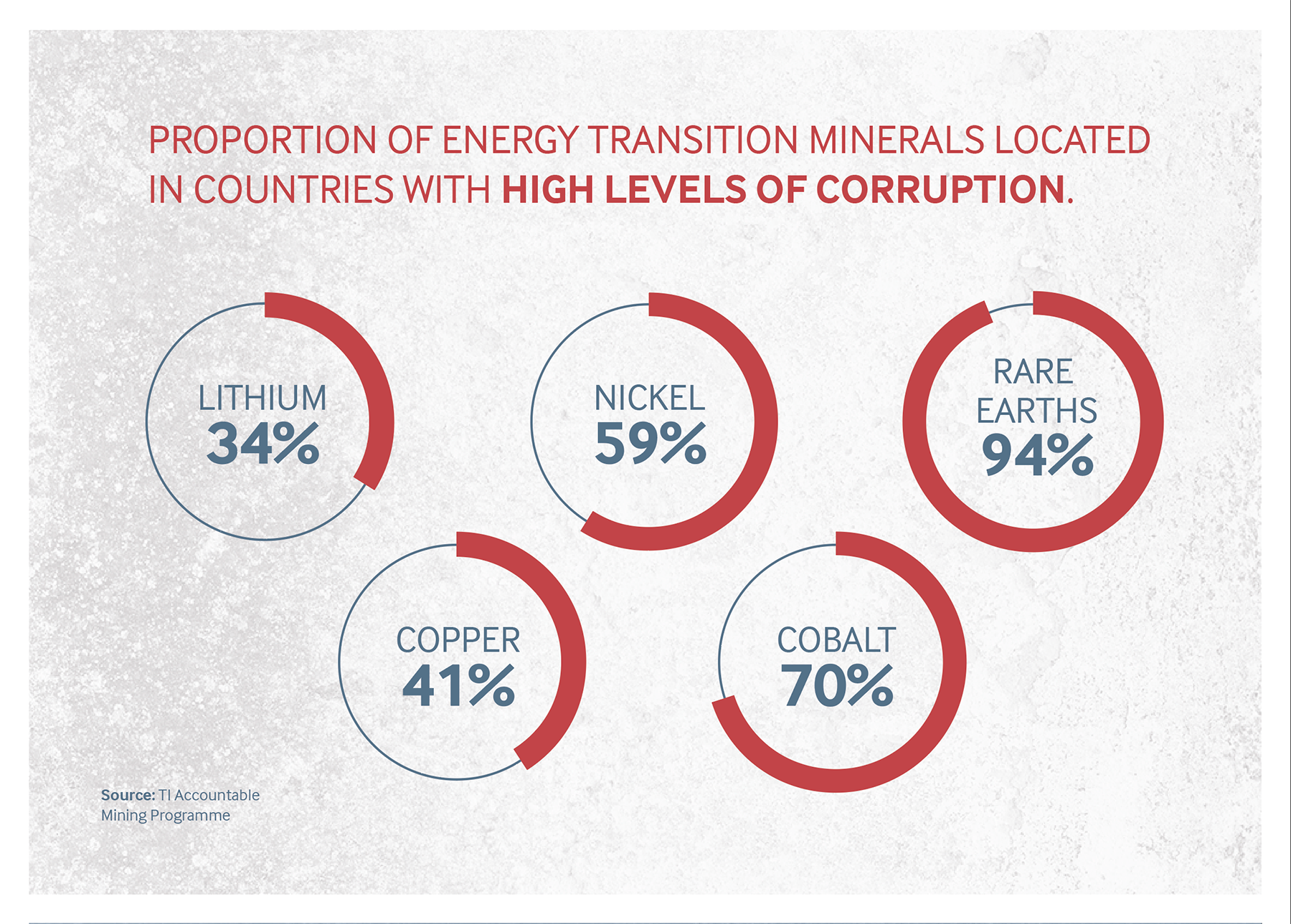
The Expert Group on Preventing Corruption in Transition Minerals, which brings together perspectives from civil society, governments, academia and international organizations, has developed a set of key recommendations to tackle corruption in mineral supply chains. The development process was led by the Natural Resource Governance Institute (NRGI), with advice from the OECD Centre for Responsible Business Conduct and the Extractive Industries Transparency Initiative (EITI).
Expert Group on Preventing Corruption in Transition Minerals
These recommendations were developed by the Expert Group on Preventing Corruption in Transition Minerals, bringing together perspectives from civil society, governments, academia and international organizations. The development process was led by NRGI with advice from the OECD Centre for Responsible Business Conduct and the EITI. The recommendations are supported by AFREWATCH, Business and Human Rights Resource Centre (BHRRC), Global Witness, Oxfam America, Publish What You Pay, RAID, Resource Matters, Transparency International Accountable Mining Programme, Dr Kathryn Sturman (Sustainable Minerals Institute, University of Queensland), and Dr Ana Bastida (University of Dundee).
Mongolia’s State-Owned Mining Enterprises: A Deeper Look Into Glass Accounts Data

Mongolia’s Glass Accounts Law (2014) requires that government entities and state-owned enterprises (SOEs) disclose detailed financial and operational information on a public website. The government’s Glass Accounts portal has since become a focal point for government transparency.
However, uptake of the law has been uneven among government entities, and specifically for many SOEs operating in Mongolia. In part, this lack of implementation stems from the law’s ambiguity on who should report, but it also resulted from the government’s inactivity and poor enforcement as well as limited sanctions for those who do not comply.
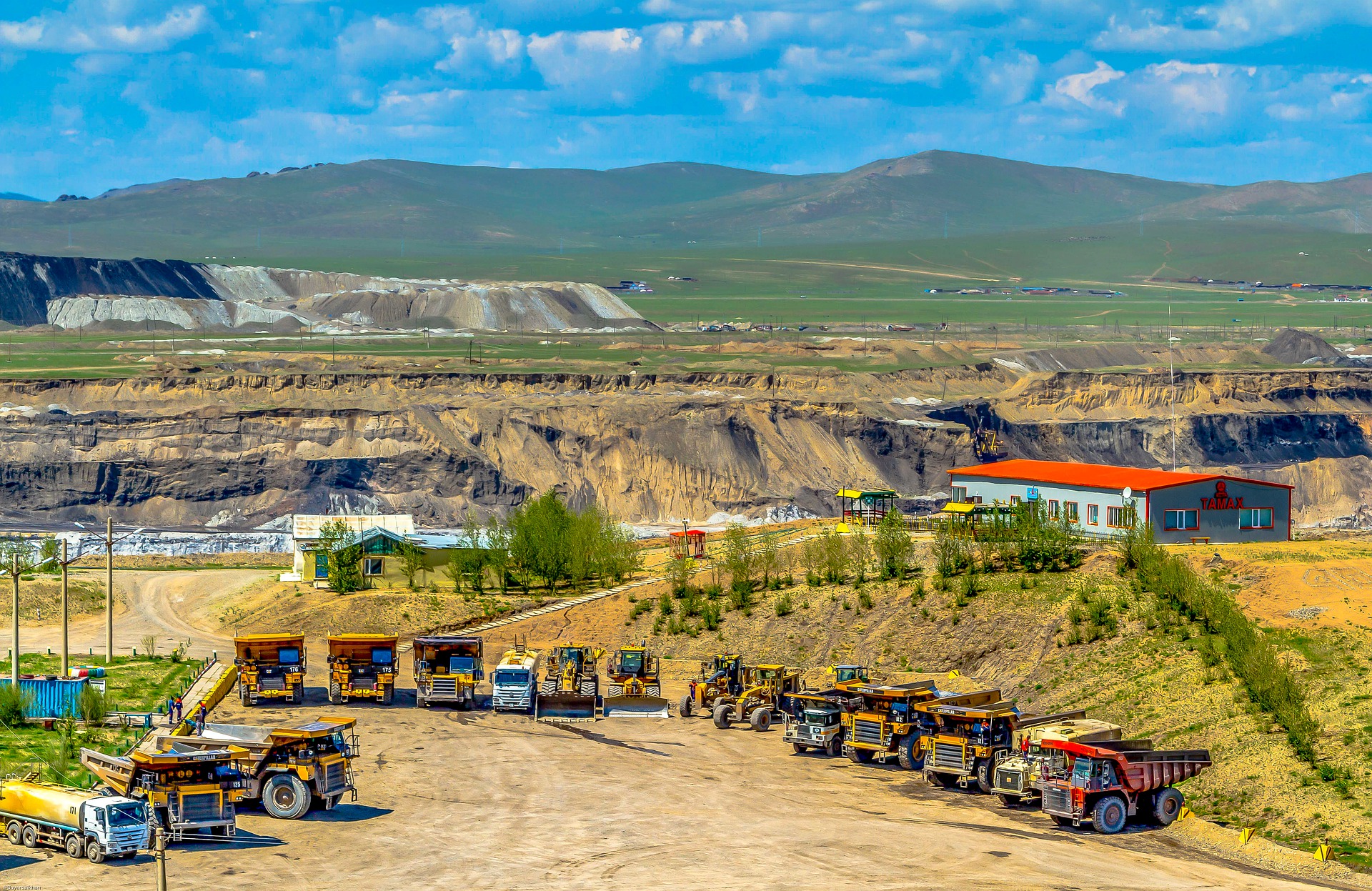
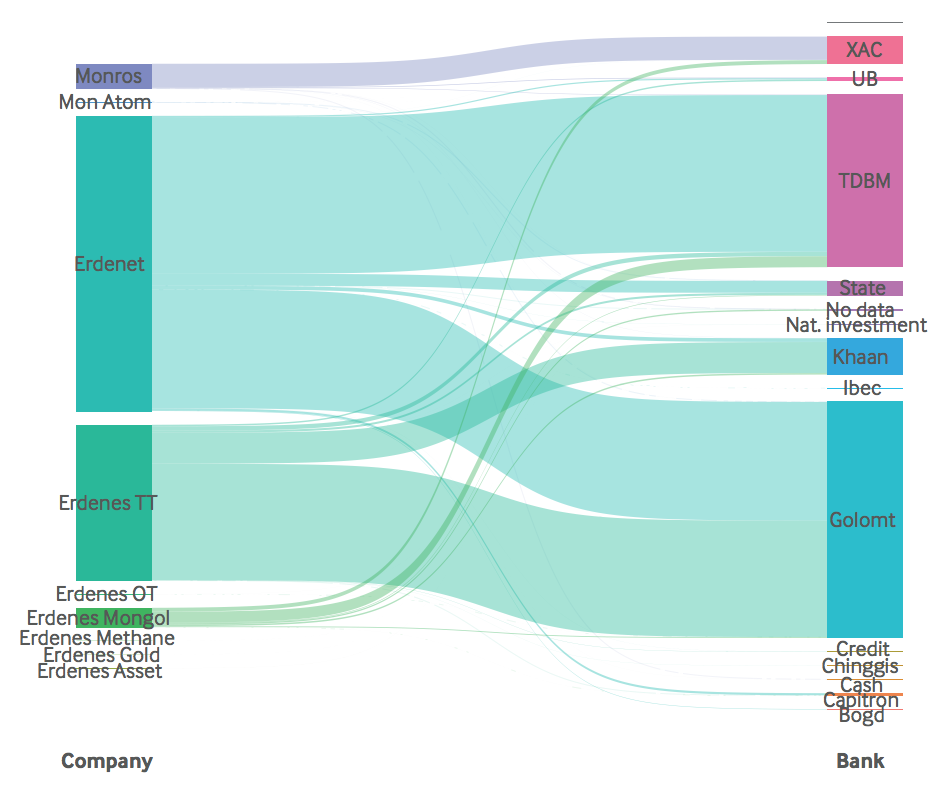
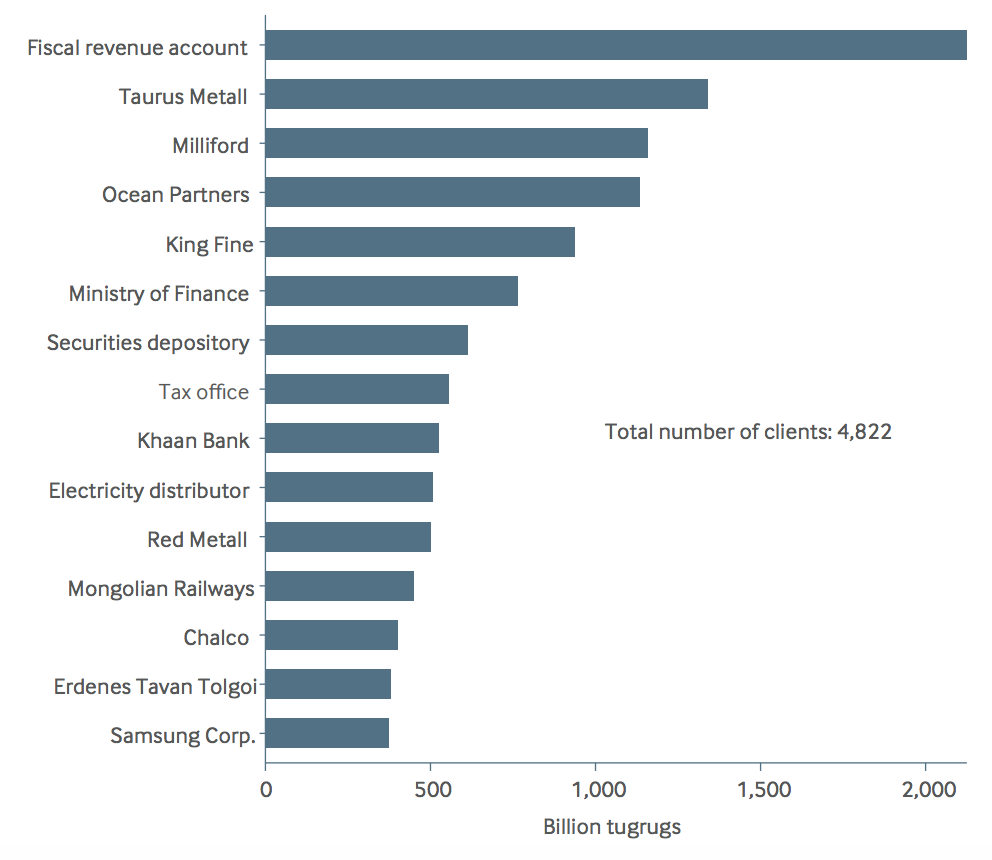
In this paper, the author looks at one type of reporting by key mining SOEs under the Glass Accounts Law. This is the requirement to publish all transactions above MNT 5 million (circa USD 1,750) on an individual basis, except for salary-related transactions. The low threshold set in the law allows for a detailed analysis of the reporting companies’ business, in cases where such information is available. With this analysis, the author strives to promote the use of data and reveal the facts for understanding the SOEs’ business. At the same time, the analysis sheds light on the process of reporting and how it could be improved to ensure transparency and enable public oversight of companies that play a critical role in the economy.
Key messages:
- Mongolia’s Glass Accounts Law offers unprecedented access to information on the finances and operations of state-owned extractive companies.
- The law’s requirement to disclose individual financial transactions of above MNT 5 million (around USD 1,750) sheds light on state-owned mining companies’ suppliers and buyers, often for the first time.
- Compliance with this requirement improved significantly over the past two years, but many prominent companies still do not report, and some have not provided the required level of detail.
- Scrupulous implementation of the Glass Accounts Law will improve the accountability of state-owned extractive companies and promote a new standard for mining companies in Mongolia and globally.
Demystifying Ghana’s Agyapa Royalties Deal

As the coronavirus pandemic struck Ghana in March 2020, its government introduced sweeping social and health measures, but with a hefty price tag: the IMF subsequently projected the government deficit to reach 9.5 percent of GDP. Ghana’s gold wealth was seen as a possible solution. The government proposed creation of a new company, Agyapa Royalties Ltd. The Agyapa plan involves assigning most gold mining royalties from Ghana’s industrial gold production to an offshore company and selling 49 percent of the shares for approximately $500 million.
When information on the Agyapa IPO surfaced in social media in early August 2020, NRGI convened discussions with a group of key Ghanaian civil society organizations (CSOs). This group coalesced into a 25-member “Alliance of CSOs Working on Extractives, Anticorruption and Good Governance.” Analysis by NRGI and the CSOs exposed important governance vulnerabilities in the deal, including risk of undervaluation; loss of control over gold sector governance; loss of ability to repay existing loans; limited consultation and questions on transparency and accountability provisions; and corruption risks.
NRGI helped the alliance to broaden its advocacy agenda beyond just seeking transparency around the deal terms and politically exposed persons involved. NRGI suggested solutions to ensure an adequate valuation of Ghana’s gold and to protect the sovereign rights of the government to adjust fiscal terms and control decisions made by Agyapa Royalties.
The alliance held several press conferences which led Ghana’s top media to actively report on the deal. NRGI connected with key international media outlets, with the Financial Times and the Economist citing NRGI analysts and Ghanaian members of the alliance.
Following two months of coordinated pressure from civil society, a special prosecutor’s report outlined potential corruption risks and infringement of procurement legislation, validating some of the risks raised by civil society. The future of the deal is still pending, but civil society successfully placed the issue at the top of the national agenda.
Civil Society Playing Key Role in Extractive Sector Reform in Once-Autocratic Tunisia
In Tunisia, NRGI and its partners created a space for diverse voices to be heard in crucial natural resource governance reform talks. This sustainable platform will soon create reform action plans.
Through technical and financial aid, NRGI empowered Tunisia civil society to play a critical role in policy reform. NRGI supported the founding of the Tunisian Coalition for Transparency in Energy and Mines, CTTEM, which translates grassroots demands into national-level advocacy campaigns.
NRGI collaborated with the Tunisian Anti-Corruption Authority to create a forum in which all stakeholders can participate and create joint reform agendas. NRGI advocacy efforts helped the authority and the mining and energy ministry commit to working toward extractives reform, including Tunisia Extractive Industry Transparency Initiative adherence.
CTTEM successfully advocated for government contract disclosure and for steps toward EITI adoption. Accession to the international initiative was included in successive Tunisia Open Government Partnership action plans, pushing the government to commit to EITI implementation through the creation of a multi-stakeholder group. The government subsequently called civil society actors to appoint representatives to the group in a public statement. All five civil society members previously participated in NRGI trainings.
Nigerian Media Illuminates Oil Scandal
The challenge
In 1998, one of the richest oil blocks in Africa, Nigeria’s OPL 245, was awarded to Malabu Oil and Gas on the instructions of then-military dictator General Sani Abacha. Malabu was co-owned by then-petroleum minister Dan Etete, which made the move highly controversial. The Nigerian media organization Premium Times picked up the story, but developing sources with knowledge of the Malabu case was difficult, as was getting other Nigerian media to report on the scandal.
Journalists in resource-rich countries like Nigeria face considerable obstacles in covering opaque and convoluted pacts between government actors and companies. Effective reporting on resource deals is a crucial means of holding Nigerian decision-makers to account and keeping citizens informed about a critical sector.
NRGI's role
Through its Media for Oil Reform program, the NRGI supports Premium Times and Nigerian journalists covering extractives sectors, including Dapo Olorunyomi, Premium Times’ publisher (who was editor-in-chief as at the start of the NRGI grant in 2015), and Joshua Olufemi, a reporter.
The Media for Oil Reform program’s fellowship provides professional capacity development that is designed to help senior and mid-career journalists deepen their mastery of oil and gas reporting. NRGI also runs a master class on oil and gas reporting for a wider group of Nigerian journalists and provides grants to select media houses.
Impact
Premium Times led Nigerian media’s coverage of the Malabu oil scandal. A breakthrough in the Times reporting coincided with the receipt of NRGI institutional grants—the grants not only supported reporting on the scandal as news was breaking, but also supported important follow-up reporting. Overall, nine investigative stories were developed and published thanks to the grant.
The reporting continues to make important revelations. On 26 January 2017, Idris Akinbajo reported that Nigeria’s anti-graft agency, the Economic and Financial Crimes Commission (EFCC), had secured a court order demanding that Shell and Eni return OPL 245 to the Nigerian government. The article went on to note that 70 percent of the USD 1.1 billion Shell and Eni paid to a Nigerian government account went to Etete, who then transferred half of the amount to accounts controlled by a Nigerian national wanted for fraud in Italy.
The EFCC in March led a nine-count charge against Etete and other conspirators. In late May, Akinbajo and colleague Samuel Ogundipe reported that the Nigerian government told a U.K. high court that the transfer of money to Etete’s account was illegal according to Nigerian law.
The Malabu story and the lawsuits around the case are convoluted and constantly evolving. NRGI will continue to support Akinbajo and his peers, who have committed to continue their aggressive coverage of the scandal.
Making Legislative Inroads in Ghana Beneficial Ownership Disclosure
The challenge
Over the past five years, Ghana’s government has intensified its efforts to safeguard against illicit financial flows, money laundering, corruption, financing of terrorism and organized crime. It has been supported by civil society groups and driven by international commitments. Ghana has made progress largely under the direction and support of intergovernmental organizations.
Ghana had failed to meet key performance targets set by the Inter-Governmental Action Group against Money Laundering in West Africa (GIABA), a specialized institution of the Economic Community of West African States. One such missed benchmark was the 2012 GIABA deadline for the establishment of a regime for the disclosure of the identities of the “beneficial owners” of companies in the subregion.
Until August 2016, none of the country’s laws provided for disclosure of beneficial ownership, making it easier for companies to obscure or hide their true owners. Following the leak of the Panama Papers, the push for beneficial ownership disclosure gained momentum in Ghana partly owing to concerns exacerbated around the lack of transparency in petroleum agreements and rumors about the role of politicians in illegal mining. But methodical, painstaking advocacy was needed to ensure action.
NRGI's role
NRGI organized the first beneficial ownership workshop for the Ghana Extractive Industries Transparency Initiative (GHEITI) multi-stakeholder group members in June 2015. This event galvanized GHEITI’s beneficial ownership disclosure efforts and spurred interest in legislative reforms. The EITI global conference in Lima in February 2016 gave a further push. Following the conference, a second workshop in Ghana drew the participation of high-level company, government and civil society figures.
Timing was propitious: the second workshop took place just weeks before the May 2016 London Anti-Corruption Summit. Civil society actors pressed the government for strong and concrete commitments on beneficial ownership disclosure. These actors agreed on the commitments they wanted to extract from the government in meetings organized by NRGI. Following this concerted advocacy, the government invited civil society organizations’ input on an official communiqué read by then-President John Mahama at the summit.
To keep the momentum going and ensure real action, NRGI and GHEITI organized a high-level multi-stakeholder forum in June 2016. In attendance were the majority and minority leaders of parliament, the registrar-general, NRGI president and CEO Daniel Kaufmann and civil society experts. Civil society organizations including the Africa Centre for Energy Policy, PWYP Ghana, the Integrated Social Development Centre and the Financial Intelligence Centre reconvened after the forum to continue monitoring the government’s commitment. NRGI also engaged with the government to ensure civil society representation on the legislative reform committee.
Impact
Ghana’s beneficial ownership reforms have made swift progress thanks to a locally driven approach with NRGI financial and technical support.
As a result of consultations, a consensus emerged that the scope of beneficial ownership disclosure should be expanded beyond extractives and apply to all companies registered in Ghana. At the time, the Companies Act was under review and consideration by parliament, providing a good opportunity to make improvements to the bill via amendment—versus waiting years for an entirely new bill to be passed. Parliament amended the act in August 2016, paving the way for implementation of a beneficial ownership disclosure regime in Ghana. The law now mandates that the registrar-general maintain a beneficial ownership register. (This register is yet to be developed. Ghana’s Registrar General Department has indicated this may begin in 2018.) NRGI inputs improved the original draft of the provision and widened the scope and de nition of beneficial ownership to include politically exposed persons.
The legislation doesn’t just impact extractives. By providing for ownership disclosure for all registered companies, areas such as public procurement and contract allocation experienced an increase in transparency. In February 2016, Ghana’s president-elect, Nana Akufo-Addo, forcefully declared his support for beneficial ownership disclosure.
“It was necessary for lifting the veil from public officials who hide behind cronies to amass wealth through shady public procurements,” Akufo-Addo told Ghana’s Public Agenda newspaper. It was a signal he could continue to support transparency progress.
Looking ahead, Ghana must develop an implementation framework with clear timelines to ensure that reforms stay on course. Local partners supported by NRGI continue their important work in this regard.
How to Fight Corruption in Mining: Piloting the Corruption Diagnostic Tool in Mongolia

Corruption in the extractive sector is one of the biggest obstacles to accountable and sustainable management of natural resources. Yet the complexity and opacity of the sector can make it difficult for reformers to work together to effectively tackle corruption. To address this challenge, NRGI created an adaptable six-step process to help anticorruption actors identify and understand the most pressing problems in their country’s extractive sector and develop an action plan to address them. (Read more about how we developed the tool.) Since then, we piloted the use of the tool in Mongolia.
To ensure broad participation of actors in the tool’s design, NRGI has identified EITI multi-stakeholder groups (MSGs) as ideal initial users. This approach is particularly pertinent given EITI’s renewed focus on tackling corruption from 2019. Working in partnership with the EITI International Secretariat, NRGI has issued a call for expressions of interest from EITI implementing countries, and EITI-Mongolia volunteered to pilot the tool in early 2021. The sector has been beset by scandal in the past decade, while many EITI recommendations required further action. Given this lack of progress, EITI stakeholders hoped that the corruption diagnostic tool could reinvigorate efforts to hold corrupt actors to account.
Piloting the tool in Mongolia
With the financial support of GIZ, NRGI’s Mongolia team worked alongside the EITI-Mongolia Secretariat to initiate the corruption diagnosis process throughout 2021.
Understanding the problem. To initiate the diagnostic, the EITI Mongolia MSG set up a working group, including representatives from civil society, industry bodies and government agencies to lead the process. Tasked with analyzing the economically important but scandal ridden mining sector, two independent experts conducted an in-depth sectoral review and identified seven key areas of concern (steps 1 and 2). Given the potential for change, the significance of the problems in this area and the lack of attention paid to this issue, the sub-working group opted to focus its attention on mining operations (step 3).
Developing an action plan. The next step was to prioritize key areas for action. This involved reviewing the underlying causes of corruption in mining operations and assessing the potential for impactful reforms (step 4). This led the sub-working group to focus on monitoring and accountability systems for public servants, competition concerns, and the roles of officials and local government authorities. To create a pathway for implementation, the sub-working group developed corresponding action plans for EITI and Mongolia’s anticorruption agency. These included various measures to improve both transparency and accountability, such as digitizating licensing procedures and conducting training and awareness raising activities (steps 5 and 6).
At the end of 2021, the diagnostic action was approved by the Mongolia-EITI MSG and incorporated into the 2022 Mongolia-EITI annual work plan. (Read the full summary of the diagnostic process and conclusions.)
Lessons from the pilot
In addition to the importance of close collaboration between the NRGI Mongolia team and the Mongolia-EITI Secretariat, particularly through the sub-working group, the pilot revealed several key lessons that can help anticorruption actors make the best use of the tool:
- Understand the key players. Participants stressed the importance of power mapping stakeholders and understanding what influences them at an early stage of the process. This should influence decisions on who is involved in the process and thinking through the range of actors to target with responsibility for actions. This process can also help build alliances between different anticorruption actors. One of the most positive outcomes of the process was EITI-Mongolia stakeholders building a stronger relationship with the country’s anticorruption agency.
- Use international pressure strategically. Linked to the previous point, collaborating with an international organization can have its benefits. Key stakeholders in government may find international organizations less threatening than domestic civil society, and may also be interested in learning from anticorruption experiences from other countries and how international actors can help improve their country’s global standing.
- Invest time in interviews. Smaller working groups, sectoral or ministry focus groups or one-on-one interviews may be more time-consuming than broad workshops, but they ultimately provide more useful information, particularly when the contributions are anonymized. People are more comfortable sharing their insight in such setting. Given the clandestine nature of the topic, interviewees will also likely only have a partial view or experience of the scale of corruption. Therefore, it is important to reach out to a broad range of actors to compile a fuller picture of the issue, including the victims of corruption.
- Look out for guarded areas. Researchers may come across areas of the law, procedures or processes that officials or businesses more closely guard. While this does not necessarily mean that anything untoward happening, increased opacity and secrecy could indicate that these are areas of concern and may warrant further attention from journalists or civil society.
Next steps for the corruption diagnostic tool
To ensure that the tool remains a useful and adaptable resource, we recognize the need for ongoing review and refinement of its guidance and processes. As part of this process, we intend to support use of the tool in more jurisdictions to to gather further insights and identify any challenges that may arise. At present, anticorruption actors in Colombia, the Philippines, and Guinea have either completed or are in the process of using the diagnostic tool to assess their respective extractive sectors. We also plan to provide new research guides to further enhance the tool’s utility and are exploring ways to make the tool more accessible.
Photo by Paula Bronstein for Getty Images
Chile’s National Lithium Strategy: Key Governance Questions

The announcement of the launch of Chile’s lithium strategy raised several key questions about the future of lithium mining. What will the development of public-private partnerships look like? How will fiscal and transparency rules be applied? And how will citizen participation be ensured?
On Thursday, 20 April 2023, Chile’s president Gabriel Boric launched Chile’s "National Lithium Strategy," or #LitioporChile, during a live national broadcast. The following day, president Boric elaborated on the strategy during another speech at the Huanchaca Ruins Monument in Antofagasta.
Despite this long-awaited announcement, no documentation with a detailed assessment or goals was shared, with just general outlines of the strategy communicated. The government has only responded to concerns and gone deeper into the proposal through media interviews with authority representatives.
Key points shared during the announcement of the new strategy included plans to establish a new national lithium company, with a draft law to be approved by congress, a new institute for lithium and new technologies, the promotion of state participation in the operations of Salar de Atacama through association agreements with companies with current exploitation contracts, the expansion of exploration and operations to new salt flats, a fiscal rule to limit the expenditure of lithium revenues and the creation of a network to protect salt flats. The government is yet to confirm dates and details for the convening of a participatory process and dialogue with key stakeholders.
As it sets out its national lithium strategy, the government of Chile must address four key questions on the future of the process.
Toward public-private partnerships rather than nationalization
After President Boric's announcement, international media reported that Chile would nationalize its large lithium industry, following in the footsteps of other countries in the region, including Bolivia and Mexico. The government responded during a Bloomberg interview with the Minister of Mining, Marcela Hernando, in which she explained that there are no plans to nationalize. In addition, Kent Masters, CEO of Albemarle, one of Chile’s two lithium producers, shared that “they [international media] are saying that it’s nationalizing lithium, which is not the case.”
While President Boric's speech referred to the “Chileanization” of copper in the 1970s—a progressive nationalization of the country’s copper production—there are no concrete mentions of nationalization in the new lithium strategy. As a strategic natural resource in Chile, lithium is not subject to concessions by law. The two operations currently authorized to extract lithium in Chile, Sociedad Química y Minera (SQM) and Albemarle, are private and operate through leasing contracts. Both companies were cautious following the president’s announcement. But clarifications from the authorities that they would respect existing contracts and that talks would start closer to their completion (2030 for SQM and 2043 for Albemarle, long after the current government's term) indicate that Chile’s lithium strategy is unlikely to lead to a nationalization of the lithium industry. SQM even announced a USD 3.4 billion investment plan for 2025.
Besides, creating a new state-owned lithium company would require congressional approval. The government has previously faced difficulties in passing key projects, such as the tax reform, which was ultimately rejected, and with the part on royalty substantially amended to ensure it would pass through congress.
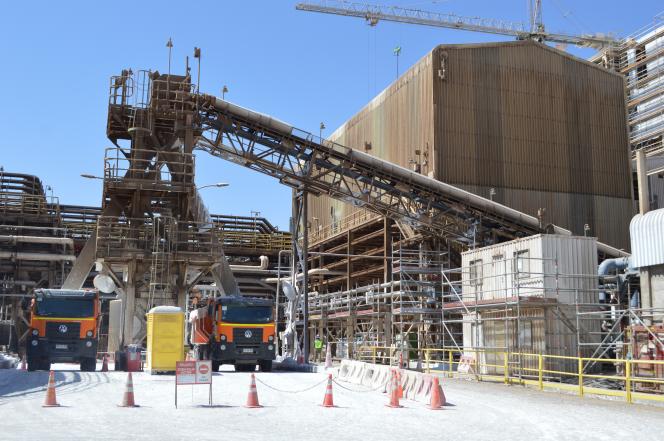
An interpretation of President Boric's statement is that the state intends to ensure active state participation in the lithium industry through existing state companies Codelco and Enami in the form of public-private partnerships. This is already the case for the country’s copper sector, where both companies participate on a minority basis with private companies in operations such as El Abra (49 percent of Codelco), Quebrada Blanca (10 percent of Enami) and Los Bronces (29.5 percent of a joint venture between Codelco and Mitsui). However, a majority stake by state-owned companies would be unparalleled, but, according to the minister of finance, such large stake would not apply to all projects, only to those of “strategic significance.” Clarifying what is meant by that definition will help understand how the government’s lithium strategy intends to approach public-private partnerships.
Fiscal rules and transparency
A noteworthy part of the announcement on Chile’s lithium strategy was the proposal to introduce a fiscal rule with a cap on lithium revenue expenditures, generating savings for social and technological investments. The president referred to a note from the autonomous fiscal council—an independent advisory group of the ministry of finance—published in February this year recommending this approach. The fiscal rule for lithium should form part of a sovereign savings and stabilization fund that can help face the volatility of revenues and provide sustainable financing towards its stated purposes, including social and technology investments.
The note also highlighted the need for increased availability of official information and improved fiscal transparency standards around lithium revenues.
With this in mind, the explicit reference to Chile's adhesion to the EITI (Extractive Industries Transparency Initiative), stating that “the process will begin to incorporate Chile to the EITI, to ensure greater transparency and probity in all extractive industries including lithium mining, meeting the highest international standards” is encouraging.
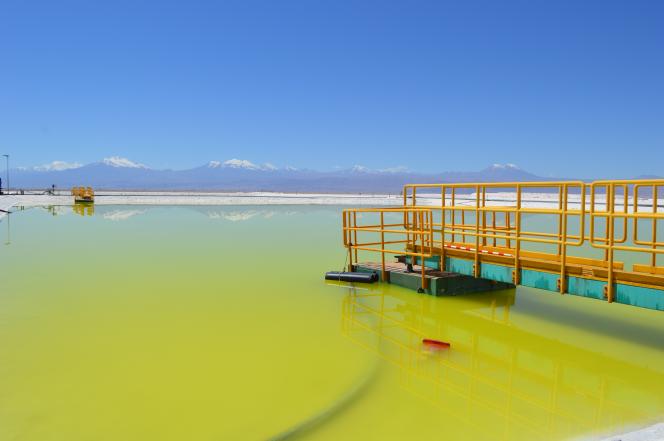
In this context, an important objective of the policy agenda should be on turning this intention into reality, tackle issues around opacity and lack of access to information in the sector, including lack of transparency around the negotiation and awarding of contracts, especially considering planned expansions to new salt flats. This would be in line with the recommendations of the Expert Group for the Prevention of Corruption in Energy Transition Mineral Supply Chains, led by NRGI in coordination with EITI and OECD.
The functioning of the participatory process, the invitees, and the real possibilities of influencing the definition of the future policy will be crucial elements to ensure good governance of the strategic reform process.
Research institutes
The direction of the current strategy is to aim for a sector with higher value addition. To this end, the government is proposing creating an institute of lithium and new technologies, which will be based in Antofagasta.
One of the provisions of the updated lithium contracts is that mining companies would finance technology institutes in Chile focused on research in energy, low-emission mining and the battery industry, with contributions of between $10 million and $18 million.
On the other hand, there are already specialized institutes part of existing national institutions, as is the case of the Advanced Lithium Research Center of the Universidad de Antofagasta.
Given this context, continuing and deepening funding of research, development and innovation programs already in place, to which different institutions can apply, seems preferable to creating a new institution from scratch.
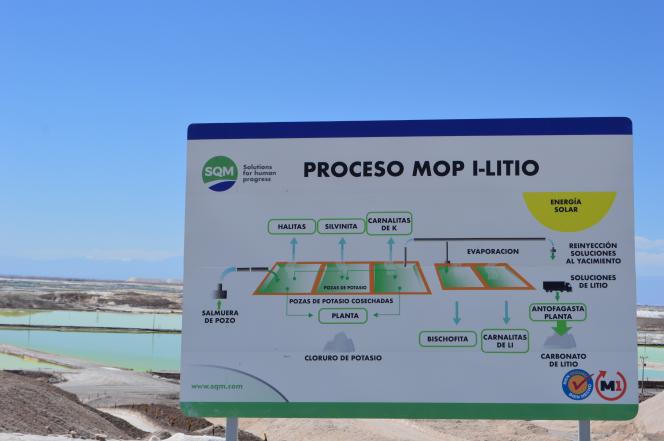
The announcements made in April are just the start of a long and complex process, which will require several different steps and approaches. The success of this strategy requires full participation and dialogue with various stakeholders. The national lithium strategy announcements provide broad guidelines, giving a general idea of the political direction the government wants to follow for lithium. However, the government still needs to define many key aspects to address several of the open questions around the lithium strategy. The government must take the steps needed to promote a process that is seen as legitimate by the different actors involved in the lithium sector.
Europe Must Tackle Mining-Sector Corruption

On 16 March—just over one year after Russia’s invasion of Ukraine threw Europe’s energy system into turmoil—the European Commission published its highly anticipated proposal for the Critical Raw Materials Act. But the draft law falls well short when it comes to addressing corruption, one of the most crucial issues in the extractives sector.
Why is the EU legislating on transition minerals?
Less than three months after air strikes began in Ukraine, the REPowerEU plan set out the EU’s intention to accelerate the energy transition and reduce dependency on Russian fossil fuels, which included legislation on transition mineral supply and ramping up efforts to secure associated partnerships. In announcing the Critical Raw Materials Act, Commissioner Thierry Breton declared that “we must avoid becoming dependent again, as we did with oil and gas.”
Processing of key minerals is more geographically concentrated than that of oil and gas, and EU policymakers are concerned by China’s dominance. The International Energy Agency outlined that China refines 35 percent of the world’s nickel, 50-70 percent of its lithium and cobalt, and a whopping 90 percent of rare earth elements. This has led EU countries to frantically seek supplies elsewhere.
Alongside a renewed (and worrying) push for fast-tracked domestic mining, consumer countries have sought allies to meet their growing mineral needs. This search has led to the creation of the U.S.-led Minerals Security Partnership; strategic partnerships between the EU and countries like Namibia, Kazakhstan, Ukraine and Canada; and visits from European leaders to priority countries like Chile, Argentina and the Democratic Republic of the Congo.
But diversifying away from China is not enough to secure sustainable and responsible supply chains. By turning a blind eye to mining-sector corruption, Europe risks derailing its energy security efforts.
How well does the Critical Raw Materials Act address corruption?
There is welcome recognition of corruption in the Critical Raw Materials Act proposal, yet the commission could significantly strengthen the provisions.
Article 5 of the regulation outlines sustainability criteria for any business that wishes to develop a strategic project, which are eligible for streamlined permitting and financing opportunities. Encouragingly, these criteria include “the use of transparent business practices with adequate compliance policies to prevent and minimise risks of adverse impacts on the proper functioning of public administration, including corruption and bribery”.
Yet the measures for assessing compliance with these criteria are worryingly weak. They rely overwhelmingly on third party certification schemes, many of which are of dubious quality, or compliance with draft due diligence legislation that fails to address corruption.
This language suggests that only unsavory characters in mineral-rich countries perpetrate corruption, ignoring the often-central role of extractives companies based in high-income jurisdictions, including the EU.
The commission recognizes “known sensitivities and challenges in extractive industries” and the need to support good governance capacity and transparent business practices in non-EU countries. But this language suggests that only unsavory characters in mineral-rich countries perpetrate corruption, ignoring the often-central role of extractives companies based in high-income jurisdictions, including the EU. Requiring companies across the minerals supply chain to undertake due diligence on governance impacts could help address this imbalance in the CRMA.
Germany's Olaf Scholz meets with Chile's Gabriel Boric. Photo by Bloomberg via Getty Images.
As drafted, the CRMA risks gliding over critical corruption risks. Much remains unclear. Will the previous poor conduct of companies be taken into account when making strategic project decisions? Who will monitor or legally enforce compliance with sustainability criteria? How will third parties effectively report alleged breaches of these criteria?
To strengthen sustainability measures in the EU’s critical raw materials policies, particularly around corruption, the European Parliament and Council should:
- Include robust due diligence provisions for environmental, social, and governance concerns in the Critical Raw Materials Act, with a particular focus on governance issues unaddressed in draft due diligence legislation.
- Take into account the previous conduct of companies as part of the decision-making process for strategic projects, to help ensure the integrity of EU funding.
- Develop ways to effectively monitor and enforce sustainability criteria, ensure that civil society actors can report sustainability breaches, and give oversight bodies the necessary powers and responsibility to take remedial action within a set time period.
Why does tackling corruption matter?
First and foremost, corrupt actors steal from societies to enrich themselves. Revenues from the extractives sector that should fund schools, healthcare and essential infrastructure instead line the pockets of corrupt leaders and dubious agents, helping to cement the rule of autocrats the world over before being frittered away on luxury property and superyachts.
Corruption is also an efficiency concern. NRGI research has identified that mining lead can be 2-3 years shorter in jurisdictions with better governance—years humanity can ill afford to waste as we approach climate tipping points. In Guinea, wrangling over alleged corruption has led to decades of delays to development of the world’s richest iron ore deposit. Similar delays regarding transition minerals could derail progress toward a low-carbon future.
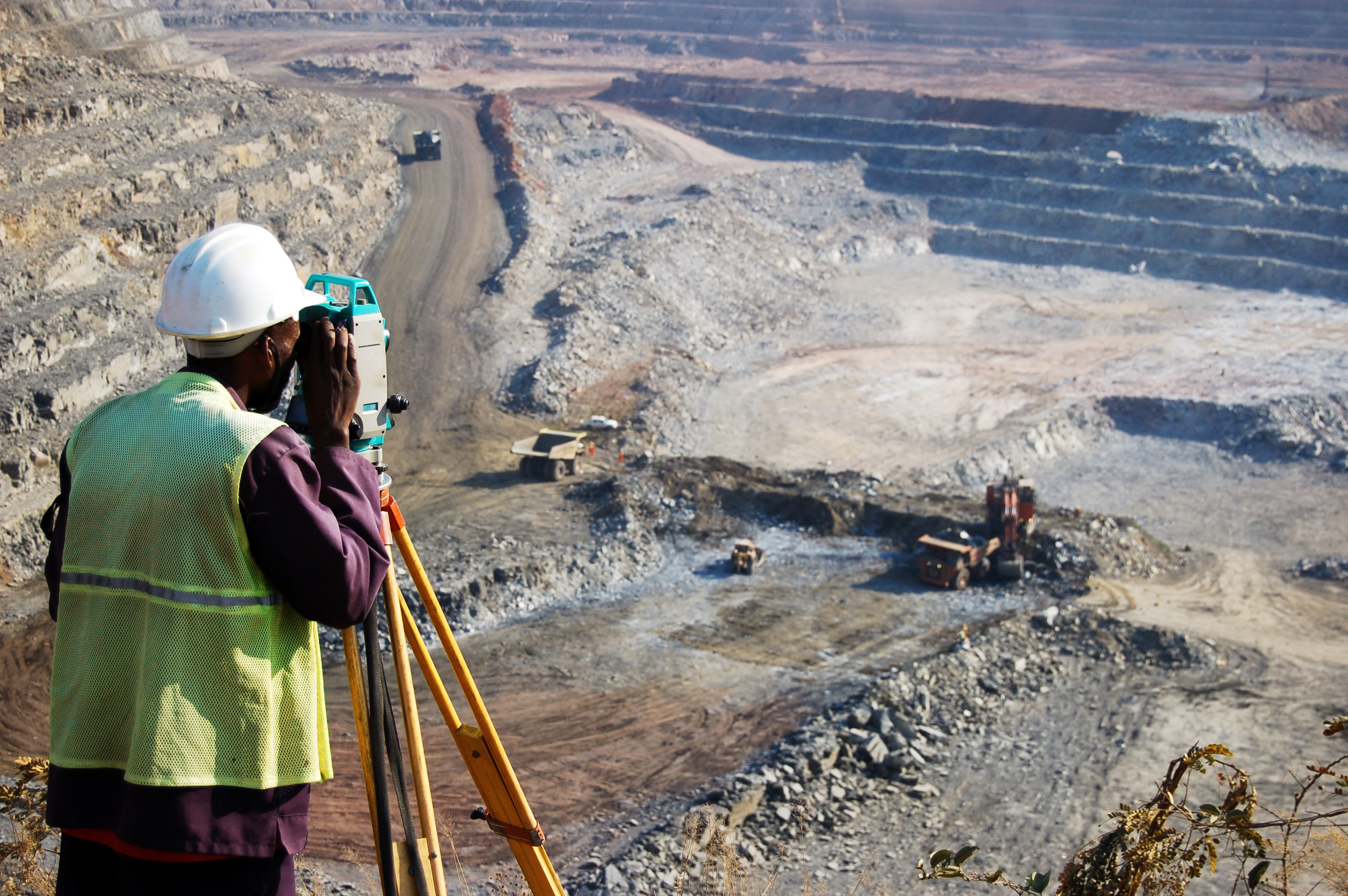
Furthermore, corruption jeopardizes much-needed environmental and social safeguards around mining. Licensing approvals can run roughshod over community members’ wishes. Companies can cover up environmental damage, which officials ignore. These injustices can then be eased with a timely political donation, a subcontract granted to favored contacts, or straight-up bribes.
The mining industry has a long and inglorious history of such behavior and, in the rush to diversify away from China, European policymakers risk deepening longstanding inequalities rather than upending them, and enabling corrupt actors rather than holding them to account.
If Europe misses this crucial opportunity to tackle extractive-sector corruption it will have failed to learn from the past year’s energy upheaval, decades of mining industry exploitation, and the lessons of its own recent corruption scandal. Cleaner energy requires cleaner politics and cleaner business. To achieve this goal, the Critical Raw Materials Act will be critical indeed.