
We Can’t Protect Nature Without Fighting Mining-Sector Corruption

This week, leaders from across the world have converged in Cali, Colombia, for the 16th Meeting of the Conference of the Parties to the Convention on Biological Diversity (COP16). Their mission is to set bold targets to halt and reverse the dangerous loss of biodiversity. Colombian authorities, as the hosts, are spotlighting a critical issue: the impacts of mining on nature. They are calling for an international agreement on traceability in in supply chains for high-risk commodities.
Growing demand for raw materials is driving harm to people and planet
Just a few hundred kilometers south of Cali, the urgent consequences of unchecked mining are evident. The Amazon is being ravaged by a surge in informal, often illegal, mining, particularly in the gold sector, much of it linked to organized crime. This mining activity has led to extensive deforestation, bringing the Amazon dangerously close to an ecological collapse. Toxic mercury from these mines has polluted essential water sources, endangering local communities, wildlife, and the miners themselves. Global Witness has identified that Colombia remains the most dangerous country in the world to be a human rights, environment, and land defender, by a significant margin. Where an industry could be linked to the killing of a defender, mining was the most common sector, reflecting global trends.
As is often the case, corruption has played a crucial role in enabling these harms. Across the Amazon, corruption has led to collusion between political elites and illegal miners, induced oversight actors to turn a blind eye, and facilitated huge illicit financial flows. For example, researchers from Global Financial Integrity have outlined how trade misinvoicing has likely led to a value gap of more than USD 5.6 billion in Colombian gold exports to imports by international trading partners between 2010 and 2018, with the U.S. and Switzerland the biggest importers by weight. Foreign companies have often enabled such harm, such as a Miami based refinery that continued to source gold from an export company even after it was sanctioned by Colombian authorities.
Despite overwhelming evidence of corruption’s role in driving environmental destruction, human rights abuses, and socio-economic harms in the mining sector, it remains a major blind-spot for decisionmakers. The EU is one example: its landmark Corporate Sustainability Due Diligence Directive is a major step forward in corporate accountability yet despite calls by anticorruption experts the CSDDD fails to address governance impacts such as corruption. The bloc’s Battery Regulation, which requires companies selling EV and industrial batteries in the EU to conduct supply chain due diligence, also fails to address corruption in its risk categories.
This is why NRGI and our partners are calling for greater recognition among decision-makers, in government and in business, of the often-overlooked impacts of corruption on the environment and society. At COP16 and beyond, we are advocating for a deeper understanding of how corruption undermines efforts to protect nature, human rights and Indigenous Peoples’ rights. Corruption fuels harm in multiple ways: undue influence on policymaking processes; bribery to secure mining licenses; payoffs to conceal social and environmental damage; extortion of workers and communities; and the avoidance of responsibility for mine-site rehabilitation, to name but a few.
These forms of corruption create incentives for environmental destruction. This includes direct impacts like deforestation or the release of toxins in water systems, as well as indirect ones such as financing for militia or organized crime groups that perpetuate environmental crimes. Corruption also harms people, leading to the exploitation of workers and local communities. This harm may be felt particularly strongly by marginalized groups, such as women, who are exposed to sextortion by corrupt actors, or Indigenous Peoples and other rightsholders, whose lands and resources are disproportionately targeted for extraction, and who often bear the environmental and rights-based brunt of these impacts.
This corruption is driven and enabled by several factors, including weak governance, powerful vested interests (sometimes linked to criminal organizations), constrained civic space, and geopolitical competition. Underpinning all of this is the increasing global demand for resources, largely propelled by rising prices and the consumption levels of wealthier nations.
This is particularly visible in sectors like gold mining, where informal and illegal mining operations are often linked to organized crime, bribery, and smuggling. Gold is a high-value and easily traded commodity, making it especially prone to corruption. There are examples of this across Latin America, such as the dramatic expansion of illegal gold mining in the Peruvian and Bolivian Amazon. In some of the alluvial gold producing areas in Madre de Dios and Loreto, authorities admit they cannot access certain areas controlled by illegal miners. Journalists and NGOs have also documented the roles of “gold mafias”, smugglers, and armed groups in East, Central, and Southern Africa, with Dubai playing a crucial role in laundering this illegally mined or conflict gold.
In addition to gold, other critical metals and minerals essential for renewable energy technologies, such as lithium, cobalt, and rare earths, are also vulnerable to corrupt practices due to immense demand and weak governance in mining regions. With demand continuing to rise, communities are raising the alarm over the potential for an explosion of socio-environmental harm, including intensified corruption. Policymakers must be bolder in addressing this demand if they are serious about reducing harm and tackling the overconsumption that has driven both the biodiversity and climate crises.
Bridging the gap on efforts to tackle corruption, climate change and biodiversity loss
Yet there is reason for cautious optimism. Major recent initiatives, such as the UN Secretary-General’s “Resourcing the Energy Transition” principles, have brought much-needed attention to the human rights, environmental, social, and governance challenges in the mining sector. The call for a “new paradigm rooted in equity and justice” is an essential step toward addressing these issues, even if there is still too much emphasis placed on industry-driven solutions over the needs of rights holders.
At COP16, leaders have the opportunity to build on this momentum. Looking ahead to next year’s climate COP30 in Brazil, the stage is set for Latin America to lead in better integrating the needs of communities and nature into climate solutions. Doing so requires also addressing the elephant in the room: corruption.
In this spirit, we call on policy-makers to:
- Recognize the fundamental role that corruption, and the crimes it enables, has in hampering the achievement of Global Biodiversity Framework targets, and the imperative to reduce incentives for corruption to delivering on this framework whilst achieving a just transition, particularly in the mining sector where acute demand poses growing risks to biodiversity.
- Reinforce the importance of due diligence in mineral supply chains and support efforts to pass and enforce comprehensive legislation mandating corporate human rights, Indigenous Peoples’ rights and environmental due diligence, including extra territorial obligations, inclusive of corruption risks and biodiversity harms, based on inclusive consultation and shared benefit with rightsholders, such as Indigenous Peoples and workers.
- Ensure greater coordination between UNODC, UNEP, and OHCHR on the intersection of corruption, climate, biodiversity, and human rights, including in key processes such as the UN Convention on Biological Diversity, UN Framework Convention on Climate Change, UN Convention Against Corruption, and the UN Convention against Transnational Organized Crime.
The author wishes to thank NRGI partners the Business and Human Rights Resource Centre, SIRGE Coalition, and WWF for their valuable input to this blog.
Stronger Transition Minerals Governance Is Imperative for Biodiversity Conservation

Effective climate action requires a holistic approach; yet the critically related issues of biodiversity and mineral governance are too often tackled in isolation. For world leaders gathering at the COP16 biodiversity conference, and looking ahead to the COP29 and COP30 climate conferences, there are tremendous opportunities for concerted action on this critical triple nexus.
A dangerous disconnect: The importance of transition minerals and biodiversity to climate action
Transition minerals are essential to achieving the UNFCCC COP28 commitments to a just and orderly transition away from fossil fuels, which requires a tripling of renewable power and doubling of energy efficiency by 2030. The International Energy Agency (IEA) projects that demand for minerals to power solar panels, wind turbines and electric batteries will triple by 2030 and quadruple by 2040.
However, nearly 40 percent of those minerals are in countries that exhibit weak or failing governance, which means they lack the laws, policies, practices and accountability mechanisms to ensure that mining does no harm and instead delivers benefits to their populations. More than half of the potential reserves for transition minerals are also located on lands where Indigenous or peasant groups hold recognized or claimed rights.
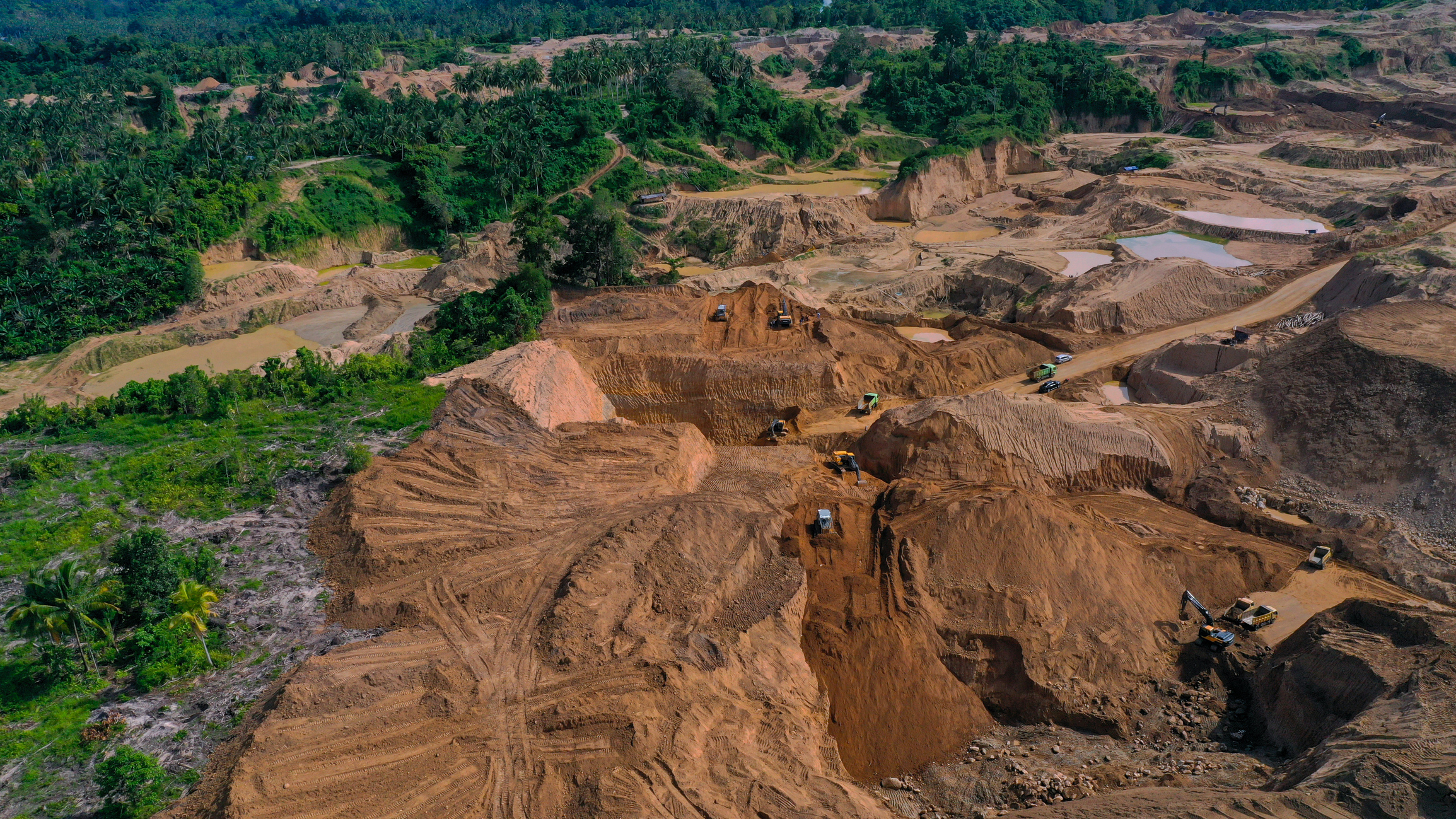
Mining’s detrimental impact on the environment is well known—and the risk of further damage is increased by the race to secure transition minerals. In Indonesia, the rapidly expanding mining of nickel needed for lithium-ion batteries used in electric vehicles and renewable energy storage has already resulted in the deforestation of an area of tropical forest the size of New York City. Close to one-third of Brazil’s critical minerals reserves are located beneath the Amazon Basin, posing a high risk of deforestation in one of the world’s most biodiverse areas. As the quality and concentration of copper ores decline, mining companies are expanding exploration in highly biodiverse areas, such as the Andean-Amazonian Piedmont, the Chocó Forest in Colombia and Ecuador’s Intag cloud forest.
The protection and promotion of forests and biodiversity complement the move to clean energy. Forests help stabilize the climate, contribute to food and water security, protect human health, and support adaptation to a warming planet. David Kaimowitz, of the International Land and Forest Tenure Facility, recently suggested that “when it comes to storing carbon, forests can potentially buy an extra 10 or 20 years for the Earth to manage its transition from fossil fuels.” Biodiversity enhances the resilience and balance of ecosystems, ensuring that natural systems continue to sustain life. It is especially vital for local communities and Indigenous Peoples, who depend on these ecosystems for their livelihoods and cultural practices. Recognizing the importance of biodiversity, 88 heads of state have signed the Leaders Pledge for Nature, committing to halt and reverse biodiversity loss by 2030.
However, public institutions, social organizations and private companies working on forests, biodiversity or transition mineral governance often operate in silos. This is hugely problematic as the urgency to provide transition minerals—including opaque partnerships initiated by countries aiming to secure a steady supply of these minerals—can precipitate a race to the bottom that undermines socio-environmental and governance standards.
The path to good governance runs through the forest
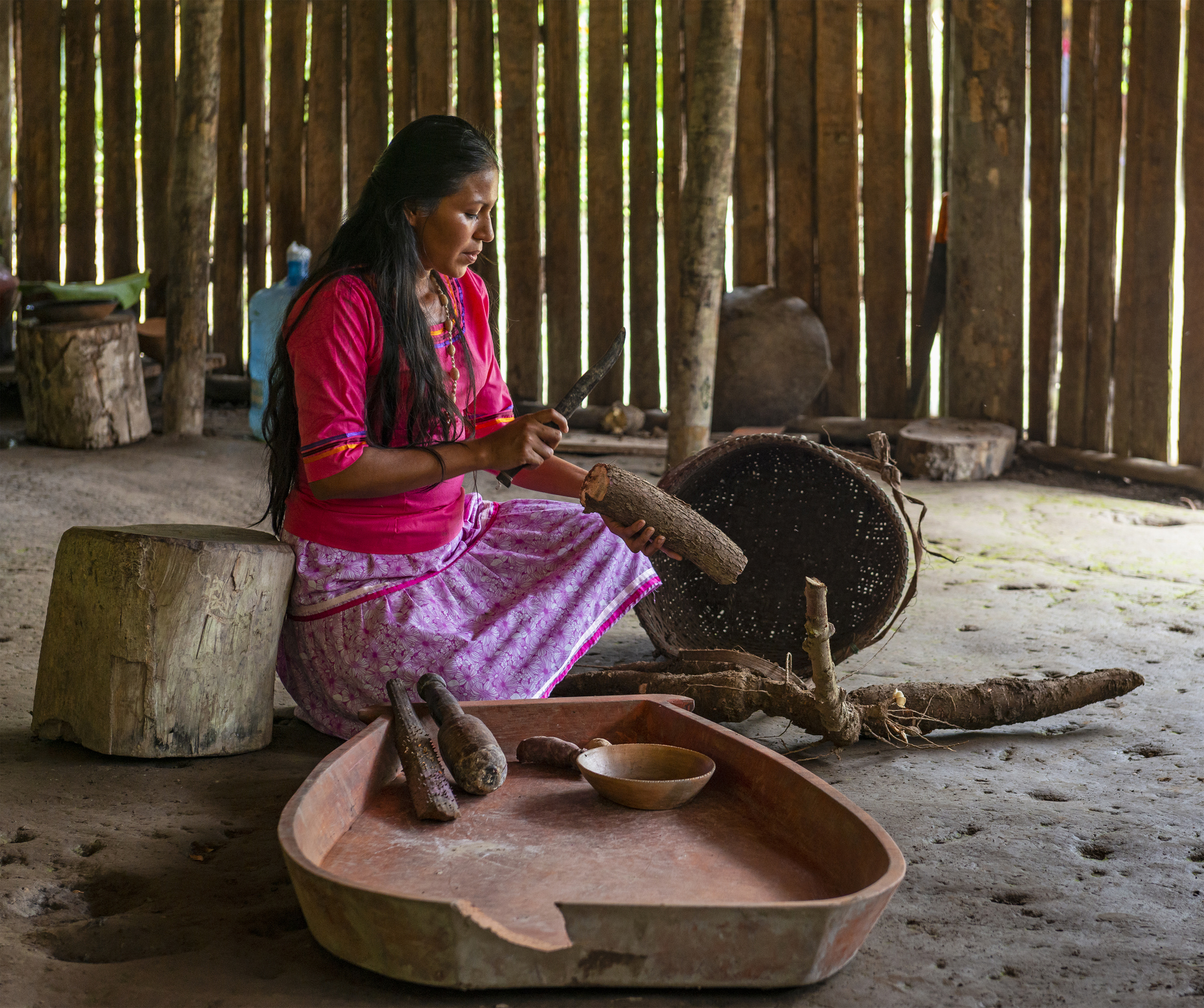
Civil society organizations and the international community working on mining governance should adopt a more holistic view of how nature contributes to sustainable development and human wellbeing. This includes valuing the traditional knowledge of Indigenous Peoples and local communities, and designing programs and projects that recognize the overlap between mining and many other activities and traditions. Similarly, organizations working to protect biodiversity, Indigenous Peoples’ and communities’ rights should better integrate mining governance in their work, understanding the political economy dynamics that sustain patterns of extraction, and fighting the corruption that perpetuates asymmetric power relations.
There are several immediate opportunities for actors to advance this more holistic approach:
- Implementing UN transition minerals guidance and recommendations. The UN Secretary-General’s Panel on Critical Energy Transition Minerals released guidance and recommended actions in September, placing mineral governance at the top of the climate agenda. The panel situated the guiding principle that “the integrity of the planet, its environment and biodiversity must be safeguarded” as an interconnected element of related principles on human rights, justice, economic development, anticorruption and peace. Panel members—including representative experts from producer countries like Chile, DRC and Indonesia; consuming countries and blocs like the European Union, China, U.S. and U.K; industry, investors; multilateral initiatives; civil society organizations and Indigenous Peoples movements—recognized the pressure that critical minerals extraction can place on people, biodiversity, water, geodiversity and ecosystems. The panel called for a new mining paradigm that encourages governments to declare protected areas as “no-go” zones for transition minerals extraction and calls for equitable targets and timelines for material efficiency and circularity approaches along the entire life cycle of transition minerals.
Building on the work of the panel, the UN should draft international water and biodiversity protection guidelines for mining operations for the energy transition in cooperation with Indigenous Peoples and other relevant rightsholders and stakeholders. This should include stringent measures to protect sacred sites from mining activities, recognizing their cultural and spiritual significance. Governments and companies should prohibit and avoid any mineral exploration or development in protected conservation areas and other locations of high biodiversity, conservation and cultural heritage value, as well as high-value carbon sinks, and apply the precautionary principle to support effective environmental protection measures. Government and companies should also end criminalization of environmental defenders and recognize and commit to protecting their rights and legitimacy by adopting and disclosing relevant policies to protect them from attacks, assassination, extrajudicial killings, violence, harassment (including through the form of strategic litigation against public participation (SLAPP)), and repression, and provide effective reparation.
- Improving due diligence. Consumers increasingly expect companies to carry out due diligence on the provenance of the minerals they source. Guidelines like the OECD Due Diligence Guidance for Responsible Supply Chains of Minerals from Conflict-Affected and High-Risk Areas provide frameworks for companies to address some social and environmental risks associated with mineral supply chains. The international community must ensure that due diligence standards include issues of mining governance, especially strong anticorruption measures, alongside effective provisions to protect forests and biodiversity, and that these are met.
- Integrating minerals governance and biodiversity in just transition frameworks. There is increasing attention to the need to promote a just transition in the Global South, including a work program created at COP28 and financial mechanisms, such as just energy transition partnerships (JETPs), to help low- and middle-income countries accelerate the transition toward renewable energy. Global organizations and public institutions working on biodiversity should integrate provisions to protect forests and biodiversity in these programs, and ensure that these protections are among the just transition principles at the core of the UN climate convention. For example, Indonesia’s JETP secretariat included biodiversity as one of the standards guiding its approach to just transition.
This month’s COP16 biodiversity conference is also a pivotal opportunity to align conservation efforts with the imperative of a just energy transition. As host, the Colombian government is promoting a global agreement to advance responsible mining practices for the protection of life and the environment, building on the UN minerals panel recommendations. This and other spaces connecting climate and nature conversations are an opportunity to improve collaboration, especially as COP30 will be held in an Amazonian country, Brazil, in 2025. It is a crucial opportunity for governments and international agencies, such as the UNFCC and Convention on Biological Diversity (CBD), to shine a spotlight on the intersection of biodiversity conservation and a just energy transition.
A coalition between those who seek to preserve and protect biodiversity, forests, nature and the environment, and those working to ensure the scale-up of renewable technologies benefits, not harms people and planet would powerfully enable climate action. A focus on governance—on the laws and policies that shape actions, who has the power to take decisions, and who is held responsible for the results—will unify, amplify and accelerate these collective efforts. At COP16, NRGI will seize the opportunity to advance such concerted collaboration.
Nigeria must reduce methane emissions in the oil & gas sector: NRGI
The Need for Community Involvement in Global Decarbonization Efforts

Nafi Chinery, NRGI Africa director, emphasized on the Sheila Khama Extractives Podcast that meaningful community engagement is crucial for successful decarbonization strategies.
She said:
"Governments across Africa must prioritize and integrate community voices into their energy transition policies. Transparency, accountability, and genuine stakeholder engagement are essential for successful implementation. Without these, there is a significant risk of resistance, economic disruption, and persistent environmental injustice."
Five Considerations for Parliament Before Ratifying Ghana’s First Lithium Agreement

As the global demand for transition minerals like lithium soars, Ghana stands at a pivotal moment with its first lithium mining agreement. This landmark 15-year lease with Barari DV, a subsidiary of Atlantic Lithium, has the potential to significantly impact Ghana's economy and environment. However, Ghana's parliament must address some critical issues before ratifying the agreement to ensure the country's long-term benefits and sustainability.
As required by Article 268(1) of the Constitution and Section 5(4) of Act the Minerals and Mining Act, the government has presented its mining lease with Barari DV to parliament for ratification. The Committee on Mines is currently considering the agreement before the wider parliament debates it.
Signed in October 2023, the agreement for lithium mining at the Ewoyaa mine sparked heated disagreements among key stakeholders about whether the government negotiated a fair deal for the country. In response, NRGI organized a stakeholder dialogue involving the Ministry of Lands and Natural Resources, the Minerals Commission, civil society organizations (CSOs), industry, academia and media. This dialogue resulted in two key outcomes:
- Need for policy revision. Ghana’s mining policy, developed in 2014, and the Minerals and Mining Act, 2006 (Act 703) require revisions to ensure that the country maximizes the benefits and minimizes the harms from its minerals, particularly in light of increasing demand for transition minerals.
- Commitment to further stakeholder engagement. The Minister for Lands and Natural Resources and the chief executive officer of the Minerals Commission committed to further engagement with stakeholders, both on the lithium agreement pending parliamentary ratification and on revisions to the mining policy and law.
In May 2024, the Minerals Commission, in collaboration with NRGI, held a consultation session with CSOs on draft revisions to the mining policy. CSOs subsequently submitted a memorandum conveying their inputs to the Commission and the Ministry for consideration. As parliament prepares to debate the lithium deal, key issues must inform the discussion:
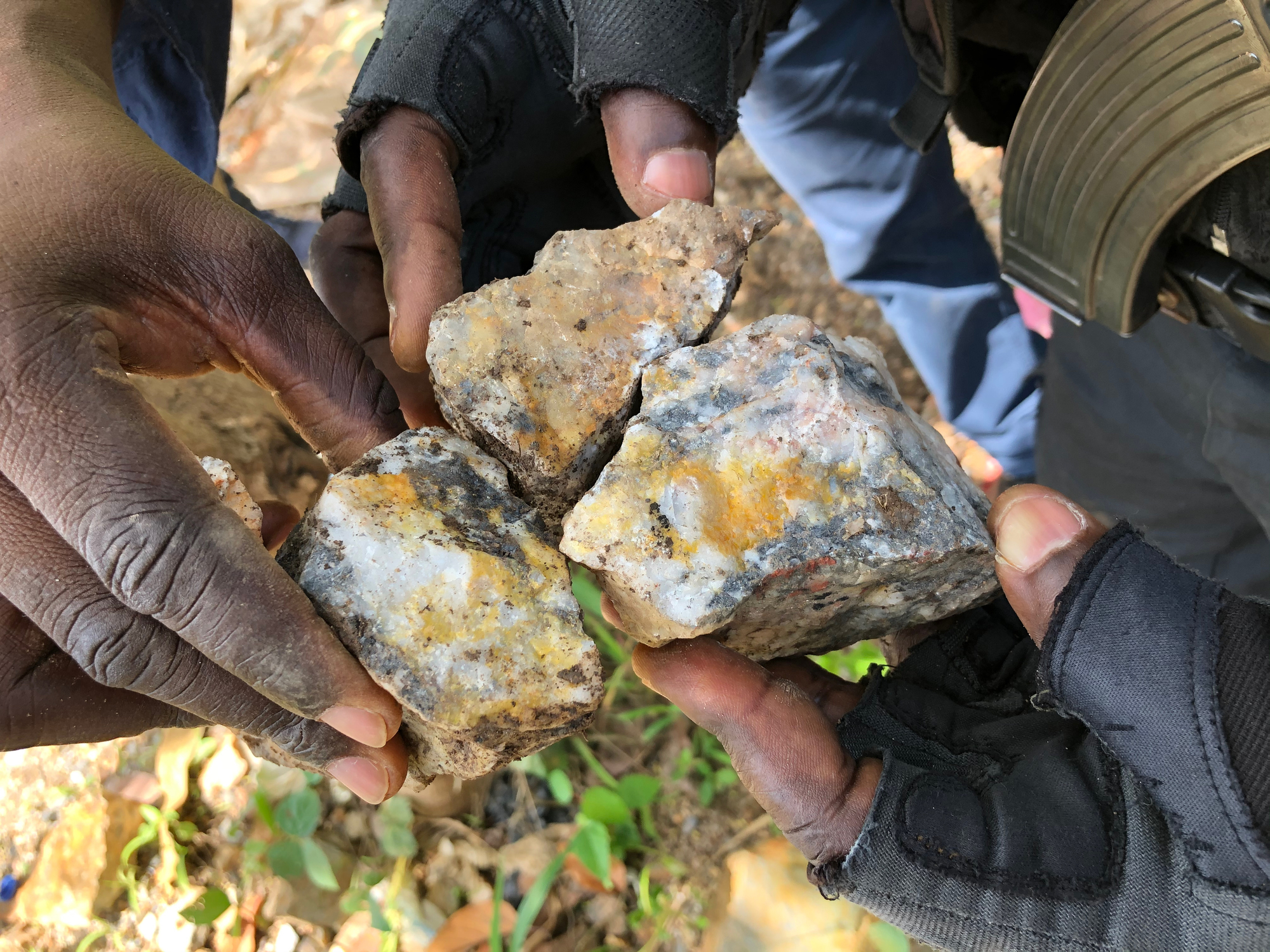
1. Distinct nature of the Ewoyaa mine. Parliament should recognize that the Ewoyaa lithium mine differs from many of Ghana’s current gold mines, offering higher profit potential—Barari expects an internal rate of return of 94 percent before debt financing. However, as a conventional open pit operation, it also presents greater environmental risks, including impacts on land use, pollution, displacement, and social disruption.
2. Avoiding unnecessary concessions. Parliament should address concerns about possible concessions not specified in the mining lease agreement or law, such as a 10-year tax holiday and electricity tariffs of 30-50 percent below standard industrial rates. Our modeling shows that these concessions are unnecessary given the project’s likely profitability, even at lower prices or higher costs.
3. Safeguarding government revenues. To reduce the risk of revenue shortfalls, parliament should:
- Require lithium prices to be based on a pricing benchmark for tax purposes to reduce the risk of underpricing.
- Limit the amount of interest the mining company can deduct from taxable income irrespective of the debt-to-equity ratio of the project to reduce the risk of profit shifting.
- Introduce “non-dilutable” state equity language to protect government's interest and eliminate the risk of dilution if Barari or Atlantic Lithium issues additional shares
- Establish clear rules in the shareholders’ agreement to reduce the risk of underpayment of state dividends.
In addition, parliament must ensure that the government institutes urgent measures to enhance the capacity of the regulator and tax authorities to effectively monitor costs and assess profits.
4. Value addition. Increasing the amount of mineral processing (“value addition”) in Ghana can help retain greater economic value via more government revenue, jobs and, in the case of some minerals, cheaper inputs for other sectors. The government hopes Barari or other companies will construct a lithium refinery in the country. Barari has submitted a “scoping study” on its viability to the government, as the terms of the mining lease require. Parliament should ensure this study contains a rigorous feasibility assessment. The government should also publish the study and consult with industry players, development partners, governments of other prospective lithium-producing countries in the region and civil society.
5. Community development obligations. Parliament should provide more guidance on the company’s community development obligations to ensure sustainable benefits for host communities. The agreement currently mandates a community development fund and a community development agreement (CDA) with affected communities, which is a positive step. However, the government should set basic parameters for the CDA to empower communities to participate in and oversee development for long-term gains. Leaving these obligations entirely to the company risks a flawed process that could undermine expected benefits to communities. The lithium agreement should specify that the CDA must:
- Provide for community oversight and monitoring of the CDA’s implementation.
- Include a grievance mechanism for communities to lodge complaints about Barari’s performance under the CDA or broader social and environmental performance.
- Include provisions on mine closure and provide for sustainable benefits under the CDA.
Parliament should ensure that the CDA is enforceable, with material breaches considered a breach of the lithium agreement. This agreement and Ghana’s mining policy review present an opportunity to set minimum standards for community development agreements and avoid variation based on company and community capacity. In developing these guidelines, Ghana should draw from the lessons learned from its own experience with CDAs, as well as those from other countries.
With the new opportunities and risks that increasing demand for transition minerals brings, the government and parliament must take a different approach to the processes for debate and subsequent approval of mining agreements. The government's transparency and stakeholder engagement on the lithium deal is notable. It is now essential for parliament to prioritize meaningful consultations in the ratification process. Only through a genuinely inclusive approach can Ghana take the first step toward ensuring that the extraction of transition minerals benefits citizens, particularly communities, supports environmental sustainability and facilitates a just transition–a triple win for the country.
From Marginalization to Inclusive Empowerment: Women Shaping the Energy Transition

In the global pursuit of a sustainable energy future, the voices and experiences of women and marginalized groups often remain unheard and overlooked. Despite playing pivotal roles in driving the energy transition, women face barriers that hinder their inclusion and full participation in decision-making processes.
Yet, there is a growing urgency to amplify these voices, signaling the need for a more inclusive approach. Here, in observance of this year’s International Women’s Day theme of inclusion, we explore the key challenges and opportunities faced by different stakeholders in advancing gender equality within the extractives sector.
In 2023, NRGI engaged with diverse partners and stakeholders on gender-focused projects. Discussions from these events underscore three key factors in advancing gender equality in the energy transition.
Enhancing gender-inclusive decision-making processes
Across NRGI’s different engagements, including a workshop on gender and the energy transition with participants from the executive course on "Oil, Gas, and Mining Governance" in Oxford, United Kingdom, a clear consensus emerged: achieving a gender-equitable energy transition requires the inclusion of gender considerations in every stage of policymaking. This begins with ensuring women's active participation in decision-making processes, as emphasized by Georgette Barnes, an alumna of NRGI's executive course and president of Women in Mining, Ghana, and Winnie Mirembe, an alumna of NRGI's advanced course and executive director of Global Rights Alert, Uganda, during a recent just transition workshop hosted by NRGI in Accra, Ghana.
In Nigeria, NRGI conducted a series of just energy transition workshops in collaboration with the BudgIt Foundation to address the positive and negative impacts of the transition away from fossil fuels in the Niger Delta region, calling on government actors to include women at every step of decision-making processes. This involves engaging them in discussions around energy policies and around energy transition at government, subregional government, or at community levels.
Given the direct impact of energy transition plans on women's livelihoods and environments in resource-rich countries, government officials and civil society organization (CSO) staff should prioritize inclusive decision-making processes that involve communities, extractive companies and public bodies. They should also effectively communicate these plans at local levels to foster responsive and varied actions toward gender-just transition processes.
"A just energy transition should include all vulnerable groups in all aspects of the decision-making process, including women, and in a way that addresses women’s needs and tools that can favour their fair representation. Women should actively contribute to change, not just receive its benefits." Georgette Barnes during a workshop on a just transition hosted by NRGI in Accra, Ghana.
Unlocking the power of gender-disaggregated data
Unlocking the power of gender-relevant and gender-disaggregated data is vital for advancing gender equity and women's rights within the extractive industries. By directly collecting critical data from women, CSOs, governments and extractive companies can assess and map socio-economic circumstances and potential impacts before extractive projects begin.
During an NRGI’s workshop around gender-just natural resources governance in Oxford, participants emphasized the challenge of data accessibility, addressing the lack of gender-disaggregated data and its inadequate use.
Efforts by grassroots actors to collect and share gender-disaggregated data are essential. They help local governments and extractive companies to better understand the true impact of their actions on women and communities. In addition, they enable communities, CSOs, public authorities and private companies to more accurately assess the progress of women-centered policies.
However, decision-makers at governmental or corporate level often exclude women from discussions around extractives; when women do participate, their role is often informal and undervalued. NRGI research in Uganda, which involved consultation with 70 community stakeholders, underscored this disparity, highlighting the need for early assessment of communities' socioeconomic circumstances by local authorities and extractive companies.
Investing in gender-disaggregated data is crucial, as it exposes inequalities, informs women and communities about social and economic opportunities, and can help communities and local CSOs hold elected representatives accountable. CSOs and governments can advocate for extractive companies and investors to create effective funds that target gender-transformative action plans. Extractive companies’ social and environmental funds can include allocations for community consultations and gender-disaggregated data collection. This helps create sustainable and context-specific gender action plans for just transitions.
"Numerous countries across the African region have established systems and engaged stakeholders conducting valuable research on gender-sensitive and gender-disaggregated data, encompassing aspects such as local content contracts, training opportunities and employment figures," Mukupa Nsenduluka (Tax Justice Network Africa, Zambia, and NRGI's Executive Course alumna), who participated in a recent gender workshop organized by NRGI in Oxford, England.
Ensuring meaningful community consultations
Governments, companies and CSOs conducting consultations within extraction-impacted communities must ensure the meaningful participation of women, particularly indigenous women.
Empowering women through safe and inclusive consultation enables them to identify opportunities and advocate for transparency in negotiation around energy policies and extractive investment plans. However, despite the importance of community consultations play in every phase of extractive industry operations—from initial exploration to compensation —women often face exclusion from these discussions. Various factors contribute to this exclusion, including cultural norms, constraints imposed by formal community leaders, lack of formal land tenure, economic disparities, language barriers, and limited access to information about the consultation process.
Additionally, many women may not realize that they are directly being disadvantaged by external decisions, further hindering their active engagement in consultations that influence significant community-level decisions. We have also observed this through an ongoing NRGI analysis of a Colombian coal-producing region undergoing production phaseout. The analysis revealed challenges in assessing the different dynamics and gendered impacts on men and women in the region.
But change can happen. NRGI initiatives, such as establishing an experts committee and local civil society actors in Tunisia, resulted in improved decision-making at community level, as well as at government and corporate level, leading to increased phosphate production. This was achieved through constructive dialogue and openness between communities and local authorities. Similarly, collaborations in Colombia provided valuable insights into civil society participants’ views on energy transition plans. Replicating these collaborations to amplify women’s voices through community consultations can help civil society actors to influence decision-making processes in the energy transition.
As challenges and opportunities faced by women vary depending on their country’s natural resource and energy context, CSOs, governments and extractive companies should engage in participatory community consultations. They should also ensure that women have adequate spaces for obtaining information about and express concerns around transition processes that directly impact them.
Mining-Affected Communities: The Elephant Not in the Room

At Mining Indaba in Cape Town this week we heard countless references to mining-affected citizens of African countries. The word “communities” steadily fell from the mouths of mining executives and government officials. Most suggested that maximizing benefits and minimizing harms for community members was a sacrosanct priority.
But absent from almost all of the rooms where this word was repeatedly invoked were…members of mining-affected communities. The Indaba agenda did include one invitation-only engagement session, between the International Council on Mining and Metals and community representatives. And Indaba organizers graciously accommodated some international non-governmental organizations, including NRGI. But if communities’ perspectives are as crucial as executives and officials imply, then community members and activists must be present in a sustained way at Indaba and equivalent forums—and not just as featured guests. (NRGI president and CEO Suneeta Kaimal raised this issue last year in connection to the International Energy Agency's Critical Minerals Summit.)
My colleague Tengi George-Ikoli shared with me an African adage: “A man’s head should not be shaved in his absence.” Community voices are essential in spaces like Indaba to ensure that decisionmakers account for the social, economic and environmental impacts of mining and minimize them.

In that vein the deep-pocketed mining companies and rich-country governments that sponsor Mining Indaba could contribute to a pooled fund that grants admission and travel bursaries to community activists and reporters from Africa’s mineral-rich nations. One such journalist who was able to self-fund a trip to Cape Town this week told us that they were the only reporter from their country in attendance. “No media houses back home can pay for journalists to come here,” they said.
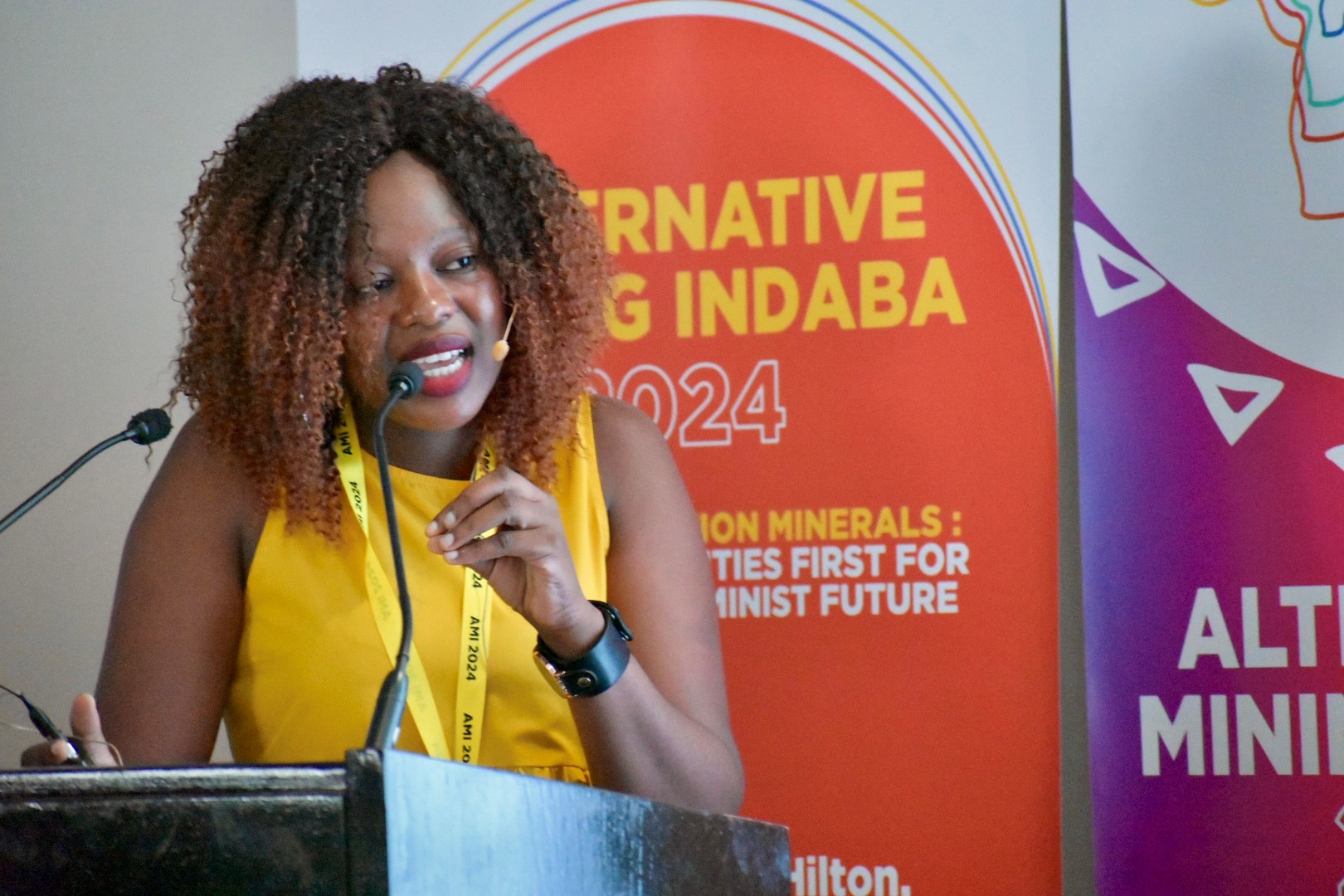
One place that was replete with community stakeholders was Alternative Mining Indaba, which has operated in distant parallel to the main Indaba for 15 years. (Many AMI attendees are funded by larger non-profits to undertake the trip.)
There, we heard searing accounts of the impacts on communities. A young woman from Zambia, speaking out against child labor in the industry, implored her listeners: “How can we children build a future for ourselves from inside of a mine?” She received enthusiastic applause—from people who on their own can do little to address her concerns. The power brokers were all at the main Indaba site six kilometers away.
While mining companies do invest in outreach to communities, and have provided valuable services in many instances, at the continent’s biggest mining confab those directly affected by extraction are scarce.
Community relations are just one facet of the work that remains for the influencers and decision-makers connected to the mining sector. State-state deals and the ways in which African countries might add value to raw commodities were also hot themes in Cape Town. (Though one industry lawyer said the quiet part out loud when he intoned from an Indaba stage that “governments really should have no role in mining.”) But until communities and civil society have a more fixed and prominent seat at the table, and agendas reflect the importance of their voices, progress on any of these challenges will be difficult.
Learn more about just energy transitions
The IEA Critical Minerals Summit Must Plot a Path to Fairer Mining

This week in Paris, the International Energy Agency (IEA) will host its first-ever Critical Minerals and Clean Energy Summit. In the packed calendar of climate confabs, from Nairobi to New York, what opportunity will the summit provide to craft a more just and sustainable future?
As climate action and energy security top many countries’ priority lists, there is consensus that we must scale up the use of solar panels, wind turbines, electric vehicles and the like. Doing so requires a rapid, stable and sustainable increase in supply of minerals including lithium, cobalt and nickel – with demand set to grow by up to three and a half times current levels by 2030.
New technologies and smart policies that bring down overall demand for raw minerals can help ease this pressure, but the IEA still predicts that a significant increase in new mineral production will be needed to support electrification.
Yet officials and activists across mineral-rich African, Latin American and Asian countries know well the mining industry’s inglorious record of corruption, human rights abuses and pollution.
They are rightly asking: “what will be different this time?”
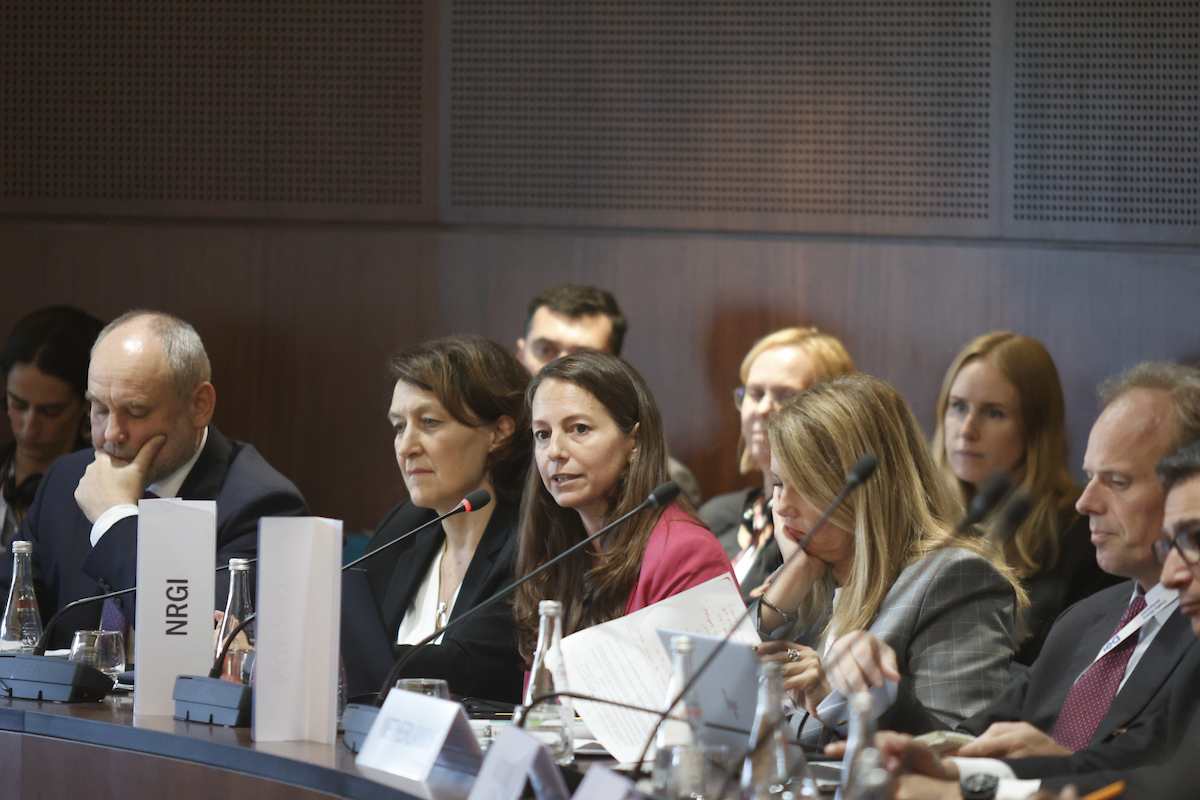
The IEA summit is an opportunity for policy makers and company executives from the Global North to answer this question, and they will be well represented. The governments of lower and middle-income mineral producers, however, will be less visible. And civil society and Indigenous delegates, who have the most to lose in the race to transition, will be largely absent.
If the IEA is to achieve its aim to “promote a secure and sustainable supply of critical minerals,” summit delegates must respond to the needs of those not in the room. Failing to do so will only serve to embed disruption and delay in mineral supply chains, derail global climate action, and deepen social and economic inequities that the mining sector has perpetuated.
First, citizens of mineral-producing countries need a fair and equitable share of the benefits from mining. This includes better upskilling, more job creation, and policies that diversify economies, address energy poverty, and boost producing countries’ own decarbonization efforts. The status quo, in which elites and foreign companies capture an undue share of revenues, is not sustainable.
Mineral-rich countries seek not only to extract commodities, but to capture more value by further refining and processing them. They also aim to generate more renewable power but need money and technical expertise to do so. In negotiating international mining deals and partnerships, those at the Paris summit should commit concrete financial and technical support to helping producing countries to achieve these ambitions.
Second, citizens need strong legal frameworks whereby mining companies respect community rights, protect the environment, and uphold the rule of law throughout their activities. As currently drafted, flagship European Union raw materials legislation risks outsourcing the assessments of mining projects’ sustainability to voluntary, flawed certification schemes and standards.
The message from communities and civil society is clear: such voluntary standards are no replacement for hard rules. But where voluntary standards are used to help bring greater transparency to mining companies’ activities, these must be based upon rigorous multi-stakeholder governance and audit. Anything less, including self regulation, opens the door to greenwashing and corruption.
Last, citizens need to know that authorities will enforce laws. This is a longstanding issue that has recently worsened. A major anticorruption case in the mining sector fell apart after a ten-year investigation in the U.K., in part due to lack of resources. IEA summit delegates must address these accountability failures if they are to inspire confidence among mining-affected communities that a just energy transition is possible.
If IEA member countries want to fully charge their renewable industries, they must plug in to these concerns. Inaction will be costly – for communities and for global climate ambitions.
This commentary was originally published by Context.
Podcasting for the People in Congo

In Swahili, tetea means defend and mazingira means environment. It’s a fitting title for the podcast that Daniel Makasi launched in Goma, a city in the eastern Democratic Republic of the Congo, in September 2022.
In its relatively short lifespan, the Tetea Mazingira podcast has featured women who work in the extractive sector (a group disproportionately impacted by mining); highlighted the harsh reality facing children living near mines; and shown how logging companies operating without proper consent have ignored the rights of Indigenous Pygmy communities. In short, it has provided in-depth, expert analysis of the DRC’s mining, forestry and hydrocarbon industries, and broadcast testimony from those directly affected by extraction.
A platform for amplifying peoples’ voices and exposing the harm they face from the extractive industries was sorely needed.
As in many resource-rich countries, foreign and domestic actors in the DRC have denied the majority of the population the social and economic benefits of the nation’s abundant natural wealth. And the public service that Tetea Mazingira offers will remain critical, given that the DRC holds vast quantities of the minerals needed for a clean energy transition.
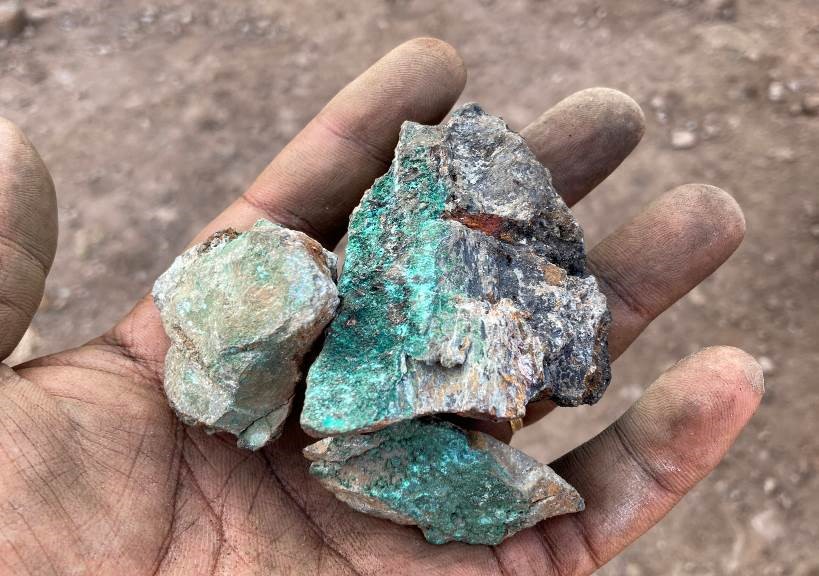
“We have a great duty to communicate about the sustainable management of our resources,” says Makasi. “At the moment, it’s about the energy transition. Who exploits where, why and who wins what. In the DRC we have the strategic minerals to help the world make this energy transition, but what will the Congolese people gain while their minerals are being exploited? This transition has to be fair, equitable and inclusive.”
Resilience
Makasi was born and still lives in Goma, the capital of North Kivu province. The city is home to around two million people.
“We live with many threats,” says Makasi. “We are still learning to be resilient despite all the difficulties we face–security challenges, but also the presence here of toxic gas [which is released because of volcanic activity and which kills many people every year].”
Fifteen miles from Goma is also Mount Nyiragongo, one of the world’s most active volcanoes that spews the planet’s fastest flowing lava. In May 2021, the volcano erupted, forcing 400,000 people from their homes and leaving at least 32 dead.

These are just some of the many social and environmental challenges faced by the people of North Kivu province: from foreign mining companies that encroach on community land without consultation or contribution to local development programs, to a population forced to use firewood because they lack electricity (thereby contributing to the deforestation ravaging the DRC’s tropical forests)—all against the backdrop of dire threats to their security from armed conflict.
Makasi’s desire to play his part in overcoming these problems set him on his current path.
He initially studied accounting, but changed direction because of his passion for the environment, and subsequently gained a degree in environment and sustainable development. Makasi started working in radio in 2015, before he’d even finished his degree–and was soon focusing on environmental stories.
“As an environmentalist, part of my motivation is to give a voice to people who are affected by environmental problems, and also approach experts to share their experience with us, to share the results of their research.”
“As an environmentalist, part of my motivation is to give a voice to people who are affected by environmental problems, and also approach experts to share their experience with us, to share the results of their research,” he says.
In 2019, Makasi received a grant from the Natural Resource Governance Institute (NRGI) to attend a summer school course on the governance of extractive industries at Bisson Catholic University of Central Africa campus in Cameroon, where he learned to interpret mining revenues data published via the Extractive Industries Transparency Initiative. He says that NRGI resources are “among my key tools when designing and producing my podcasts. I regularly consult NRGI news and blog posts to feed my inspiration.”
Global reach
Makasi’s switch from radio broadcasting to podcasting follows a global trend–there are an estimated three million podcasts across the world–and came after he undertook research which showed podcasting could greatly expand his audience. Podcasts are downloadable anywhere in the world, and have a reach far beyond the limits of the FM radio frequency on which he previously relied. “Now my shows can be heard far away from Goma, far away from the DRC,” he says.
In fact, people listen to Tetea Mazingira in more than 50 countries; these include other Francophone African nations such as Burkina Faso, Cameroon, Chad, Madagascar, Niger, Republic of Congo and Senegal.
“With the tools that are in place, it’s easy to map where the podcasts are being listened to and how many downloads they have, unlike the radio, where we don’t know who’s listening. We’ve even recently started to broadcast via YouTube’s new tool, YouTube Podcast,” says Makasi.
“We’ve interviewed people who defend the rights of minorities and discussed the regulation that’s meant to make their voices heard. We’ve also covered the problems surrounding the exploitation of methane gas in our region’s lakes, and the stories of the fishermen enduring the pollution because of it. When we cover these issues, we also have to approach the communities that are at risk, and not ignore that it’s also a business opportunity for people who can be employed in companies to exploit methane gas,” he adds.
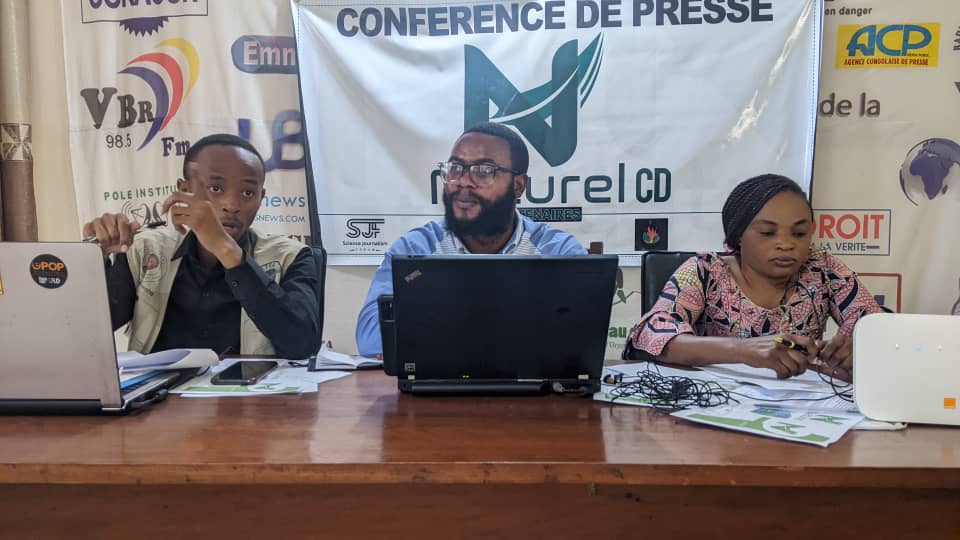
Makasi also draws inspiration from interacting with listeners, who share their questions and ideas for programs, helping shape the podcast’s direction, making it truly inclusive and reflecting their concerns.
Podcasts can also be broadcast on the radio, which remains an important channel in the DRC. Five radio stations in North Kivu province now include Tetea Mazingira in their schedules. Among them is the Tayna Community Radio, which broadcasts Tetea Mazingira twice a week on the FM band, and has a listenership of about two million listeners, according to January 2021 estimates by Radio Tayna's management.
Some local authorities, Agence Congolaise de la Presse ACP/Nord-Kivu (a national news agency in the Democratic Republic of Congo), and a network of reporters who write on biodiversity, are interested in producing other podcast episodes on natural resource governance, climate change and natural disaster issues in North Kivu province and DRC. With such collaborations Tetea Mazingira’s reach could continue to grow.
“We want to make the voices of our communities and experts heard through our podcasts so that those who are far from the DRC know the challenges we face,” says Makasi.
Tetea Mazingira will continue to raise awareness of the challenges posed by natural resource extraction in the DRC–and equip the public with the vital information needed to tackle them.
Laying Foundations for Civic Engagement and Government Accountability in Guinea (2011-2020)

The challenge
When President Alpha Condé took office after Guinea’s first democratic election in 2010, he promised to reform the country’s mining sector. Following decades of sector mismanagement and corruption, Guinea introduced a new mining code in 2011 (later amended in 2013) and, in 2012, the government committed to implementing the Extractive Industries Transparency Initiative (EITI) Standard and reviewed 19 mining contracts signed by previous administrations. This reform effort precipitated a significant expansion of the industry: investments picked up and bauxite exports rose, and mining revenues grew.
Despite progress, and because of the speed of mining expansion, communities in mining areas experienced increasingly negative impacts from the industry. Their interests went unaddressed; the government had been slow to implement key regulations aimed at protecting them. As a result, 2016 saw uprisings in key bauxite-producing areas. In addition, civil society engagement on extractive issues was weak and fragmented; citizens, activists and journalists lacked crucial information and were ill-equipped to engage on key governance issues.
Furthermore, significant gaps in environmental laws remained and the mining code’s provision for environmental rehabilitation during operations and after mining site closures had gone unimplemented. Additionally, the government negotiated a massive but opaque deal with China in 2017, equivalent to around 20 percent of the country’s GDP; involving the provision of loans for multi-sector infrastructure development to be paid for by bauxite mining revenues.
NRGI’s response
In its early years working in Guinea, NRGI focused on strengthening the role of civil society organizations (CSOs) and journalists, and on building a collaborative approach with the government. In 2011, NRGI provided technical expertise to the government for the redrafting of the mining code and supported the transparent and consultative review of mining contracts. In parallel, NRGI partnerships with CSOs, journalists and parliamentarians led to advances in transparency, reform efforts and government accountability, as well as increased visibility of mining-affected communities.
NRGI then focused on deepening the technical skills of CSOs and analyzing key extractives data, particularly with revisions of the EITI Standard in 2016 and 2019, and Resource Governance Index assessments in 2017, 2019 and 2021. The government also approved and implemented regulations related to the establishment of two mining funds, integrating some of NRGI’s key recommendations.
NRGI continued to support the government’s reform efforts, advising on the development of a mining strategy, and undertaking valuations of mining projects and drafting key regulations. When the minister of Mines and Geology upgraded Guinea’s existing contracts website in 2017, NRGI created the Guinea Resource Contracts platform and trained mining ministry administrators on making contracts more accessible.
NRGI further provided grant support, training and technical guidance to CSOs. Campaigners were able to track subnational payments to a host of bauxite- and gold-rich prefectures to assess the adequacy and use of transferred funds involving local communities.
Impact
Since 2011, CSOs in Guinea have contributed to unprecedented levels of transparency in the mining sector, held authorities accountable and successfully pushed for the issuance of key mining regulations. Mining governance has improved from “poor” in 2017 to “satisfactory” in 2021 and CSOs have grown in size and diversity. These include Action Mines, founded by a group of Guinean journalists who had attended NRGI training courses, and the Publish What You Pay Guinea coalition. Other key achievements in Guinea include:
- CSOs secured a seat in key reform processes and played its role actively.
- Important revenue and contract information were disclosed publicly for the first time in 2013, with the government publishing all mining contracts signed between 1958 and 2013. The available data informed civil society’s advocacy and monitoring efforts.
- In 2020, through the local development funds, companies paid GNF 199 billion (USD 20 million) to mining municipalities and the government transferred GNF 225 billion (USD 22 million) to all municipalities.
- State-owned mining enterprise SOGUIPAMI has started disclosing its annual reports since 2014, with increasingly detailed data on government investments and returns in the sector.
- In response to advocacy from CSOs, the government began disclosing details of its deal with China.
- Five mining communities have improved their capacities in monitoring state and company legal and contractual obligations after NRGI provided training on advocacy and understanding their rights.
Looking ahead
Over the last decade, CSOs in Guinea have become more effective. As the quality of reports and evidence has improved, the next steps involve ensuring that these tools are more rigorous and accessible, and that CSOs regularly engage with mining communities to amplify their voice in national debates. To build on progress made in its first decade working in Guinea, NRGI is supporting CSOs to set a coordinated agenda of governance reforms.