
Beyond Extraction: Why COP32 Must Redefine Africa's Role in the Global Energy Transition

As the world prepares for COP31 in Turkey, Nana Dr. Antwi-Boasiako Amoah, Chair of the African Group of Negotiators on Climate Change, looks ahead to COP32 in Ethiopia in 2027. He argues that COP32 offers Africa an opportunity to redefine its role in the global energy transition, using its critical minerals to build stronger economies, deepen regional cooperation and secure a fairer share of the value they create.
In 2027, COP will return to Sub-Saharan Africa for the first time in 15 years. When historians reflect on this moment, Africa should be remembered not just as the host of another climate conference, but as the continent that helped redefine action at the intersection of climate and development transformation.
If this lofty ambition is to be realized, it will depend on how the continent comes together to leverage and govern its critical transition minerals. Around the world, governments and other non-state actors, especially the private sector, are investing trillions of dollars in clean energy technologies and infrastructure. Demand for the minerals needed for clean energy technologies is expected to continue rising sharply over the coming decades.
Africa is well placed to benefit from this new minerals boom, as it is rich in many critical mineral reserves. To name just a few examples: the Democratic Republic of the Congo remains central to global cobalt production; Zambia and the DRC anchor one of the world's richest copper belts; Guinea is indispensable to global bauxite supply; and South Africa continues to play a leading role in platinum group metals.
It is clear that the success of the global energy transition will depend significantly on Africa and her resources. Yet, there remains a real risk that Africa could be left looted unless the transition is deliberately designed to create value for the continent. This paradox defines our era.
Twenty years ago, the global resource governance movement transformed the conversation from one centered on extraction of resources to one focused on inclusive development through transparency, accountability and citizen participation. Organizations such as the Natural Resource Governance Institute (NRGI), together with governments, civil society and international partners, helped place accountability, transparency and better governance at the heart of resource management.
Today's challenge is different. Africa must not only govern its minerals better. It must negotiate its future better.
For more than three decades, the African Group of Negotiators (AGN) has helped shape international climate negotiations by advancing African priorities on adaptation, climate finance and Loss and Damage. COP32 now offers the opportunity to extend that leadership to one of the defining issues of this century: the governance and diplomacy of critical minerals.
Across the world, major economies are redesigning industrial strategies around secure mineral supply chains. The European Union's Critical Raw Materials Act, the United States-led Forum on Resource Geostrategic Engagement, China's International Economic and Trade Cooperation Initiative on Green Mining and Minerals and similar initiatives elsewhere reflect a profound geopolitical shift. Minerals are no longer simply commodities; they have become strategic assets.
Africa's greatest strategic asset is therefore not simply its mineral endowment. It is its collective bargaining power.
For too long, success has been measured by how many tons of minerals leave African ports. That is the wrong measure. Success should be judged by whether mineral wealth creates decent jobs, reliable energy systems, stronger public institutions, competitive industries, technological capability and lasting prosperity for African citizens.
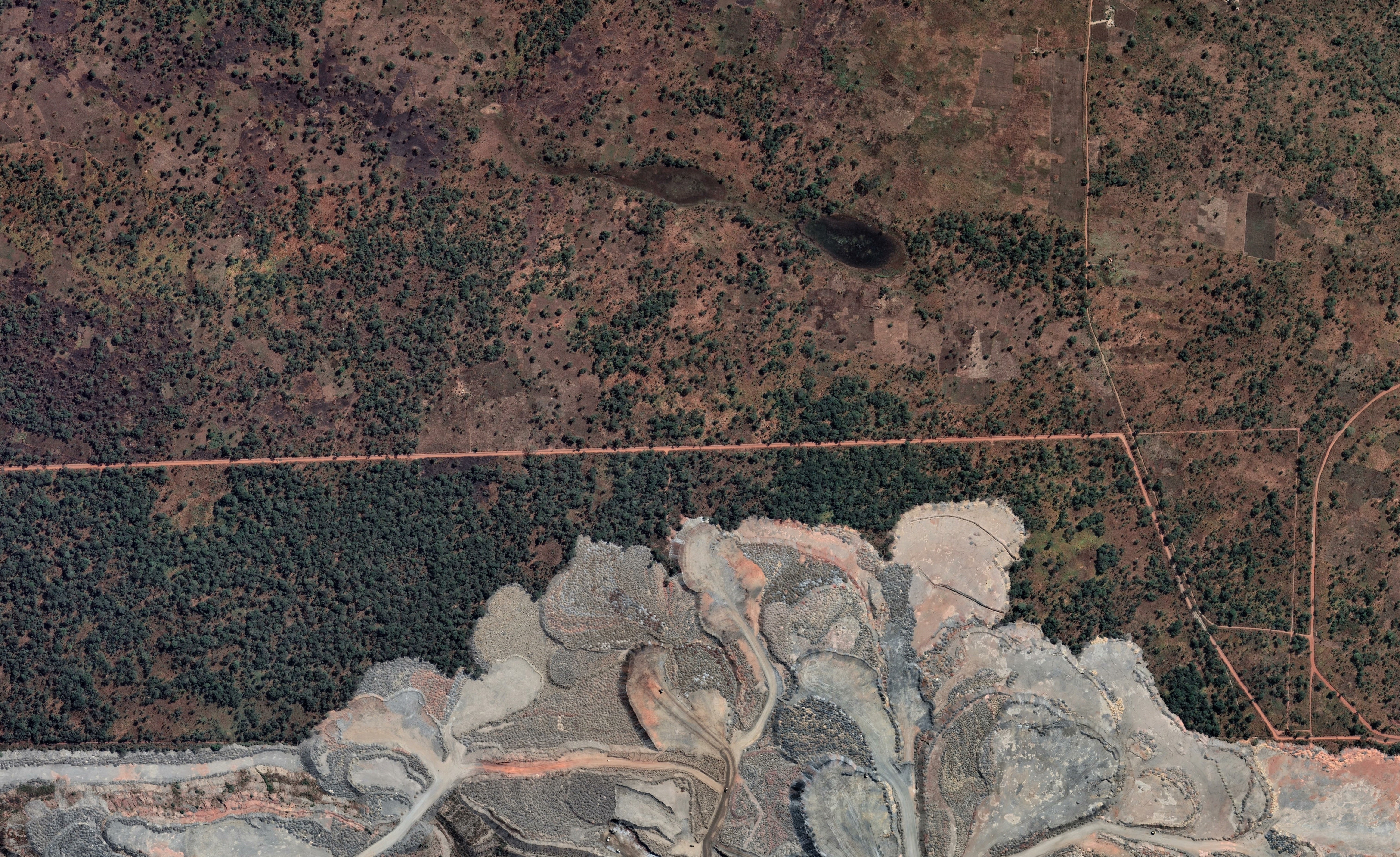
This requires a new generation of mineral diplomacy. Not diplomacy centered solely on concession agreements, but diplomacy that connects climate ambition with industrial policy, infrastructure investment, technology transfer, regional integration and economic resilience.
But better deals alone will not deliver transformation. Without transparent institutions, accountable governance and public trust, even the most ambitious mineral partnerships will fail to deliver on their promise.
History has shown that mineral booms can fuel corruption, environmental degradation, elite capture and community conflict when governance is weak. Conversely, countries with transparent licensing systems, contract disclosure, beneficial ownership transparency, sound fiscal management, environmental accountability and meaningful citizen participation are better positioned to attract responsible investment. This enables them to convert mineral wealth into long-term development.
Governance is the defining key in this regard. Strong governance strengthens investor confidence while ensuring that mineral wealth contributes to sustainable and inclusive development. So, good governance is not an obstacle to investment. It is one of its greatest competitive advantages. The challenge before Africa is not to choose between negotiating better partnerships and strengthening governance, but to recognize that the two are inseparable.
The meetings of the parties under the UNFCCC, usually referred to as COP, have often been criticized for being heavy on talk and light on implementation. We are determined that COP32 should be different. It presents an opportunity for Africa to champion an African Minerals and Just Transition Compact—a practical framework that aligns climate ambition with development ambition and builds on existing African Union frameworks, including Africa’s Green Minerals Strategy, to strengthen coherence and collective action. The Compact would establish a new partnership between producer and consumer countries rooted in good governance and based on shared prosperity rather than simple resource extraction.
We believe such a Compact should rest on four principles.
First, mineral partnerships should promote long-term economic transformation built on a clear, measurable ambition: by 2040, African countries should collectively double the share of value retained from their transition mineral resources. Estimates from the African Development Bank (AfDB) suggest that less than 20 percent of the total value of many mineral value chains is currently retained on the continent. Today, most African countries capture only a small fraction of the total value generated along mineral supply chains, often limited to royalties, taxes and low-value extraction activities, while the bulk of value accrues through processing, manufacturing and downstream industries located elsewhere. Doubling this share would thus require a more equitable capture of tax and fiscal revenues from mining, alongside harnessing increased value from processing and manufacturing. This in turn would depend on skills development, technology transfer, energy and infrastructure development and regional economic integration.
Second, Africa should focus on regional value chains instead of isolated national projects. By leveraging the African Continental Free Trade Area (AfCFTA), coordinated policies and strategic infrastructure, countries can collectively maximize the benefits of mineral development.
Third, climate and development finance must support mineral-producing economies in building productive capacity, not only in expanding extraction. Multilateral development banks (MDBs), climate funds and development partners should establish a dedicated facility, anchored in the MDB Joint Coordination Framework on Critical Minerals, with an initial capitalization of US$25 billion to provide concessional finance for geological data, renewable energy, transport corridors, industrial parks, research and innovation, governance reforms and workforce development. This figure reflects indicative estimates of the scale of investment required across priority areas, drawing on analyses by institutions such as the AfDB, IEA and World Bank on the infrastructure, industrial and governance investments needed to support mineral-based development.
Fourth, transparency, accountable institutions, contract disclosure, beneficial ownership, environmental stewardship and meaningful community participation must become defining features of responsible mineral partnerships.
To put this Compact into action, we will need to enter a new era of cooperation between producer and consumer countries. We believe there is momentum in this direction, and 2027 can be a turning point: leveraging the opportunities presented by African leadership of COP32 and UK leadership of the G20 to co-develop this new framework grounded in mutual accountability, local value creation and long-term economic transformation.
Remember, Africa does not seek to slow the global energy transition. On the contrary, our countries have contributed the least to climate change while experiencing some of its most severe impacts. Africa has every interest in seeing the transition succeed. But success cannot be measured only by the speed of global decarbonization. It must also be measured by whether the transition creates opportunity where the critical minerals originate. A fair and just transition is what Africa demands, and this Compact will help to deliver it.

Nana Dr. Antwi-Boasiako Amoah chairs the African Group of Negotiators (AGN) on Climate Change for 2026–2027, representing Africa's 54 countries in UN climate negotiations. He is Director of Adaptation, Climate Resilience and Risk Management at Ghana's Environmental Protection Authority and previously served as Lead Negotiator on National Adaptation Plans for the G77 and China. He also lectures part-time at the University of Ghana's Centre for Climate Change and Sustainability Studies. He contributed this piece as part of NRGI's 20th anniversary thought piece series on the future of resource governance.
Reconciling Industrialization and Climate Action in Emerging Economies: The Role of South-South and International Collaboration (COP30)
CANTO Coworking eCafé, Belém, Pará (outside Blue Zone)

The roundtable is being convened by Sustainable Energy for All (SEforALL) and the Council for Critical Minerals Development in the Global South, as part of the “From India, with others: A shared journey forward” programming led by the India Climate Collaborative.
The discussion will explore how South–South and international collaboration can be leveraged to support emerging economies in jointly advancing industrialization and climate action agendas. Bringing together leaders from government, financing institutions, industry, and development partners, the roundtable will examine practical pathways for mobilizing climate finance and identify key policy, technological, and institutional enablers for implementing industrialization strategies aligned with climate goals.
Featuring NRGI's

Juliana Peña Niño
Colombia Country Manager
Financing Africa’s Energy Future: Outcomes from Future of Energy Conference 2025

On 27 August 2025 our CEO, Suneeta Kaimal, delivered the keynote address on Day 2 of the Future of Energy Conference (FEC) 2025, where she discussed strategies for an inclusive and sustainable energy future in Africa.
This year’s theme, “Financing Africa’s Energy Future: Unlocking Investments for Energy Access and Economic Transformation” responds to the enduring challenges of energy poverty. Over 600 million Africans lack electricity and nearly a billion rely on traditional biomass for cooking.
Last month, at the fourth Financing for Development Conference in Seville, Kenya helped drive the launch of a bold new coalition, joined by Benin, Sierra Leone, Somalia and others. Together, they committed to taxing premium air travel to raise new, additional, and predictable flows of public finance for sustainable development.
If implemented globally, this measure alone could raise more than $80 billion in revenue—not loans or aid—every year. To put this in perspective: the International Energy Agency (IEA) estimates that achieving universal access to modern energy in Africa requires only $25 billion each year.
At first glance, this is just another tax. But it is far more significant. It represents the kind of financial innovation that African leaders can replicate, scale up, and channel to unlock energy access and economic transformations for Africa.
The challenge of this moment
Let me step back for a moment to explain “why” we need such innovation now, more than ever.
$500 billion. $500 billion, along with related infrastructure spending, is the estimated cost for sub-Saharan Africa to close the energy poverty gap and transition its energy system to a sustainable basis. $500billion. That is a stunning figure.
By contrast, in 2023, financing for clean and renewable energy in all developing countries, not just sub-Saharan Africa, reached only $22 billion. Think about that. $500 billion needed for sub-Saharan Africa alone, $22 billion available for all developing countries.
Just a year ago, many still believed that bridging this massive financing gap might be achieved through “blended finance”. Blended finance is the idea that we use relatively small amounts of public finance to de-risk and leverage much larger flows of private investment. That was how the EU and the US managed to recover from the 2008 financial crisis.
The promise of this “billions to trillions” narrative was that if African governments covered the risks and offered something like 9 percent yields on bonds intended to drive energy transition investments, then private investors would come flooding in. Multiplying public money by ten, a hundred, even a thousand times.
But actual results show that the “billions to trillions” idea is an illusion. The Blended Finance Task Force found that, rather than multipliers of ten, 100, or 1,000, the results are closer to 0.3, which means that every dollar in public money brings only 30 cents in private finance.
If you combine that reality with plummeting international development assistance levels and the constant chaos of tariff wars, one thing is clear: the rules of this game will not address Africa’s needs to finance energy access and sustainable development.
So, the challenge Ben Boakye, the Executive Director of ACEP, put to us yesterday is the right one: how do we innovate to meet the rightful expectations and aspirations for energy access of the next generation— those in this room and beyond. If as the keynote speaker, you thought I would have the answers, sorry to disappoint. I’m counting on all of you for that.
But building on NRGI’s work with partners in government, and in civil society around the world, I’ll share some insights into what must change to enable lasting, innovative financing solutions.

Strategic, inclusive just energy transitions
Successful financing starts with a strategic, inclusive vision for just energy transitions. There is no single path for defining the energy and economic futures of countries. We need context-specific solutions that are aligned with the country’s development ambitions and reflect the voices and needs of different populations.
Here in Ghana and in Nigeria, we have collaborated with partners to launch national dialogues, ensuring that energy transition plans align with public priorities. In Ghana’s oil-producing regions, we have engaged with communities to amplify the concerns of fisherfolk, women, and youth.
In Senegal, we trained civil society partners to understand and engage with public consultations on the Just Energy Transition Partnership, and to raise concerns about energy access and equity.
Building such strategic, inclusive visions ensures that the financing that is raised is directed towards the needs and ambitions of the people and their national development plans.
Changing the color of money
The second change needed is the color of the money.
Even promising initiatives like Senegal’s Just Energy Transition Partnership risk pushing countries further into the debt trap. Of the financing pledged for the JETP, only 6.6 percent is in grants. More than 80 percent is structured as loans. Instead of creating fiscal space for investments in rural electrification or retraining workers, it risks adding pressure to unsustainable debt.
Governments across Africa spend nearly 17 percent of their revenues on debt service—the highest of any developing region. Over half of Africans now live in countries that spend more on debt than on health or education.
New lending models are needed to mobilize private capital. But these must offer African nations fair interest rates that recognize their growth trajectories and avoid overburdening public budgets. They must also be paired with technical and technological support for renewables, addressing barriers to licensing and intellectual property.
Reinvigorating domestic resource mobilization
Finally, we must reinvigorate domestic resource mobilization, the primary engine of sustainable development financing.
Africa holds immense resources – including 30 percent of the world’s transition mineral reserves. African countries can leverage the global demand for minerals for strategic bargaining to move up the value chain, diversify their economies and increase public resources.
Take Zambia. They have attracted European support for a planned cobalt refinery and to facilitate investment in an electricity interconnector between Zambia and Tanzania. That will reduce the impact of increasing drought risks on their hydro capacity.
Value addition like this is not feasible in all countries and contexts, but such regional collaboration can overcome constraints such as scale, supply of inputs, and small downstream markets, and help unlock more benefits from the mining sectors. In doing so, countries can move concertedly up the value chain, increasing domestic financing for just energy transitions and advancing renewable technologies at home.

The opportunity is now
Strategic, inclusive just transitions. Changing the color of the money. Reinvigorating domestic resource mobilization. These are not small asks— they require long-term, sustained, and concerted focus. The influence of rich, consumer countries still limits the scale of financing and compromises sovereignty over energy and resources. And rich countries must not be allowed to abdicate their roles and responsibilities.
But there are opportunities to shift the global conversation today. Or at least, next week at the Second Climate Week in Addis Ababa.
The UN climate regime has, for too long, been silent on the issue of minerals that are critical to delivering just transitions. The UN Secretary General himself said: “The race to net zero cannot trample over the poor.” As a member of the UN Panel on Critical Energy Transition Minerals, I and many others pushed hard for principles and actions for a new mining paradigm to guide the renewables revolution toward justice.
At the Second Climate Week in Addis next week, we have an opportunity to elevate the issue of minerals governance onto the UN Climate agenda through the Just Transition Work Program. Join us at the Africa Climate Summit and on the road to COP 30 to issue a strong, united call for multilateral action and outcomes that center the needs and ambitions of Africans for improved transition mineral governance, just energy transitions and fair financing.
The Seville coalition showed that African leaders are already bringing practical, innovative ideas to the table. They must now be resolute in forging their own paths as the aid paradigm crumbles. By bringing the political will and ambition to scale, replicate and channel innovative sources of finance to energy transition priorities, we can ensure that bold ideas lead to real progress and that real progress leads to economic and energy transformation for all Africans.
Future of Energy Conference 2025
Accra, Ghana
Our CEO, Suneeta Kaimal, delivered the keynote address on Day 2 of the Future of Energy Conference (FEC) 2025, where she discussed strategies for an inclusive and sustainable energy future in Africa.
This year’s theme, “Financing Africa’s Energy Future: Unlocking Investments for Energy Access and Economic Transformation,” responds to the enduring challenges of energy poverty. Over 600 million Africans lack electricity and nearly a billion rely on traditional biomass for cooking.
Full transcript:
Thank you to Ben and Charles for hosting us and for the opportunity to be here with distinguished colleagues, partners, and friends from around the world. I would like to extend a special welcome to the participants in the NRGI-ACEP 2025 Summer School on the Governance of Extractive Industries. You are the next generation of leaders whose ideas and innovations will shape Africa’s energy future. If you will please stand for a moment of recognition.
Last month, at the fourth Financing for Development Conference in Seville, Kenya helped drive the launch of a bold new coalition, joined by Benin, Sierra Leone, Somalia and others. Together, they committed to taxing premium air travel to raise new, additional, and predictable flows of public finance for sustainable development.
If implemented globally, this measure alone could raise more than $80 billion in revenue—not loans or aid—every year. To put this in perspective: the International Energy Agency (IEA) estimates that achieving universal access to modern energy in Africa requires only $25 billion each year.
At first glance, this is just another tax. But it is far more significant. It represents the kind of financial innovation that African leaders can replicate, scale up, and channel to unlock energy access and economic transformations for Africa.
The challenge of this moment
Let me step back for a moment to explain “why” we need such innovation now, more than ever.
$500 billion. $500 billion, along with related infrastructure spending, is the estimated cost for sub-Saharan Africa to close the energy poverty gap and transition its energy system to a sustainable basis. $500billion. That is a stunning figure.
By contrast, in 2023, financing for clean and renewable energy in all developing countries, not just sub-Saharan Africa, reached only $22 billion. Think about that. $500 billion needed for sub-Saharan Africa alone, $22 billion available for all developing countries.
Just a year ago, many still believed that bridging this massive financing gap might be achieved through “blended finance”. Blended finance is the idea that we use relatively small amounts of public finance to de-risk and leverage much larger flows of private investment. That was how the EU and the US managed to recover from the 2008 financial crisis.
The promise of this “billions to trillions” narrative was that if African governments covered the risks and offered something like 9 percent yields on bonds intended to drive energy transition investments, then private investors would come flooding in. Multiplying public money by ten, a hundred, even a thousand times.
But actual results show that the “billions to trillions” idea is an illusion. The Blended Finance Task Force found that, rather than multipliers of ten, 100, or 1,000, the results are closer to 0.3, which means that every dollar in public money brings only 30 cents in private finance.
If you combine that reality with plummeting international development assistance levels and the constant chaos of tariff wars, one thing is clear: the rules of this game will not address Africa’s needs to finance energy access and sustainable development.
So, the challenge Ben Boakye, the Executive Director of ACEP, put to us yesterday is the right one: how do we innovate to meet the rightful expectations and aspirations for energy access of the next generation— those in this room and beyond. If as the keynote speaker, you thought I would have the answers, sorry to disappoint. I’m counting on all of you for that.
But building on NRGI’s work with partners in government, and in civil society around the world, I’ll share some insights into what must change to enable lasting, innovative financing solutions.
Strategic, inclusive just energy transitions
Successful financing starts with a strategic, inclusive vision for just energy transitions. There is no single path for defining the energy and economic futures of countries. We need context-specific solutions that are aligned with the country’s development ambitions and reflect the voices and needs of different populations.
Here in Ghana and in Nigeria, we have collaborated with partners to launch national dialogues, ensuring that energy transition plans align with public priorities. In Ghana’s oil-producing regions, we have engaged with communities to amplify the concerns of fisherfolk, women, and youth.
In Senegal, we trained civil society partners to understand and engage with public consultations on the Just Energy Transition Partnership, and to raise concerns about energy access and equity.
Building such strategic, inclusive visions ensures that the financing that is raised is directed towards the needs and ambitions of the people and their national development plans.
Changing the color of money
The second change needed is the color of the money.
Even promising initiatives like Senegal’s Just Energy Transition Partnership risk pushing countries further into the debt trap. Of the financing pledged for the JETP, only 6.6 percent is in grants. More than 80 percent is structured as loans. Instead of creating fiscal space for investments in rural electrification or retraining workers, it risks adding pressure to unsustainable debt.
Governments across Africa spend nearly 17 percent of their revenues on debt service—the highest of any developing region. Over half of Africans now live in countries that spend more on debt than on health or education.
New lending models are needed to mobilize private capital. But these must offer African nations fair interest rates that recognize their growth trajectories and avoid overburdening public budgets. They must also be paired with technical and technological support for renewables, addressing barriers to licensing and intellectual property.
Reinvigorating domestic resource mobilization
Finally, we must reinvigorate domestic resource mobilization, the primary engine of sustainable development financing.
Africa holds immense resources – including 30 percent of the world’s transition mineral reserves. African countries can leverage the global demand for minerals for strategic bargaining to move up the value chain, diversify their economies and increase public resources.
Take Zambia. They have attracted European support for a planned cobalt refinery and to facilitate investment in an electricity interconnector between Zambia and Tanzania. That will reduce the impact of increasing drought risks on their hydro capacity.
Value addition like this is not feasible in all countries and contexts, but such regional collaboration can overcome constraints such as scale, supply of inputs, and small downstream markets, and help unlock more benefits from the mining sectors. In doing so, countries can move concertedly up the value chain, increasing domestic financing for just energy transitions and advancing renewable technologies at home.
The opportunity is now
Strategic, inclusive just transitions. Changing the color of the money. Reinvigorating domestic resource mobilization. These are not small asks— they require long-term, sustained, and concerted focus. The influence of rich, consumer countries still limits the scale of financing and compromises sovereignty over energy and resources. And rich countries must not be allowed to abdicate their roles and responsibilities.
But there are opportunities to shift the global conversation today. Or at least, next week at the Second Climate Week in Addis Ababa.
The UN climate regime has, for too long, been silent on the issue of minerals that are critical to delivering just transitions. The UN Secretary General himself said: “The race to net zero cannot trample over the poor.” As a member of the UN Panel on Critical Energy Transition Minerals, I and many others pushed hard for principles and actions for a new mining paradigm to guide the renewables revolution toward justice.
At the Second Climate Week in Addis next week, we have an opportunity to elevate the issue of minerals governance onto the UN Climate agenda through the Just Transition Work Program. Join us at the Africa Climate Summit and on the road to COP 30 to issue a strong, united call for multilateral action and outcomes that center the needs and ambitions of Africans for improved transition mineral governance, just energy transitions and fair financing.
The Seville coalition showed that African leaders are already bringing practical, innovative ideas to the table. They must now be resolute in forging their own paths as the aid paradigm crumbles. By bringing the political will and ambition to scale, replicate and channel innovative sources of finance to energy transition priorities, we can ensure that bold ideas lead to real progress and that real progress leads to economic and energy transformation for all Africans.

Keynote at FEC 2025

Suneeta Kaimal
President and Chief Executive Officer, NRGI Governing Board ex officio
Beyond Baku: Financing Remains Central to Just Energy Transitions

COP29 wrapped in a pre-dawn haze of anger, frustration and relief. The bare-minimum agreement in Baku did little to improve financing prospects for urgent just energy transition priorities in low- and middle-income countries.
For Global South countries dependent on the production of oil, gas and minerals, the outcome of the Baku UN climate conference (COP29) paints a challenging picture. These nations, most of them low- and middle-income countries, walk a tightrope while balancing two pressing goals: the energy transition beyond fossil fuels on the one hand, and their citizens’ development needs on the other. The question is whether international climate diplomacy will ever help bring these together in support of just energy transitions.
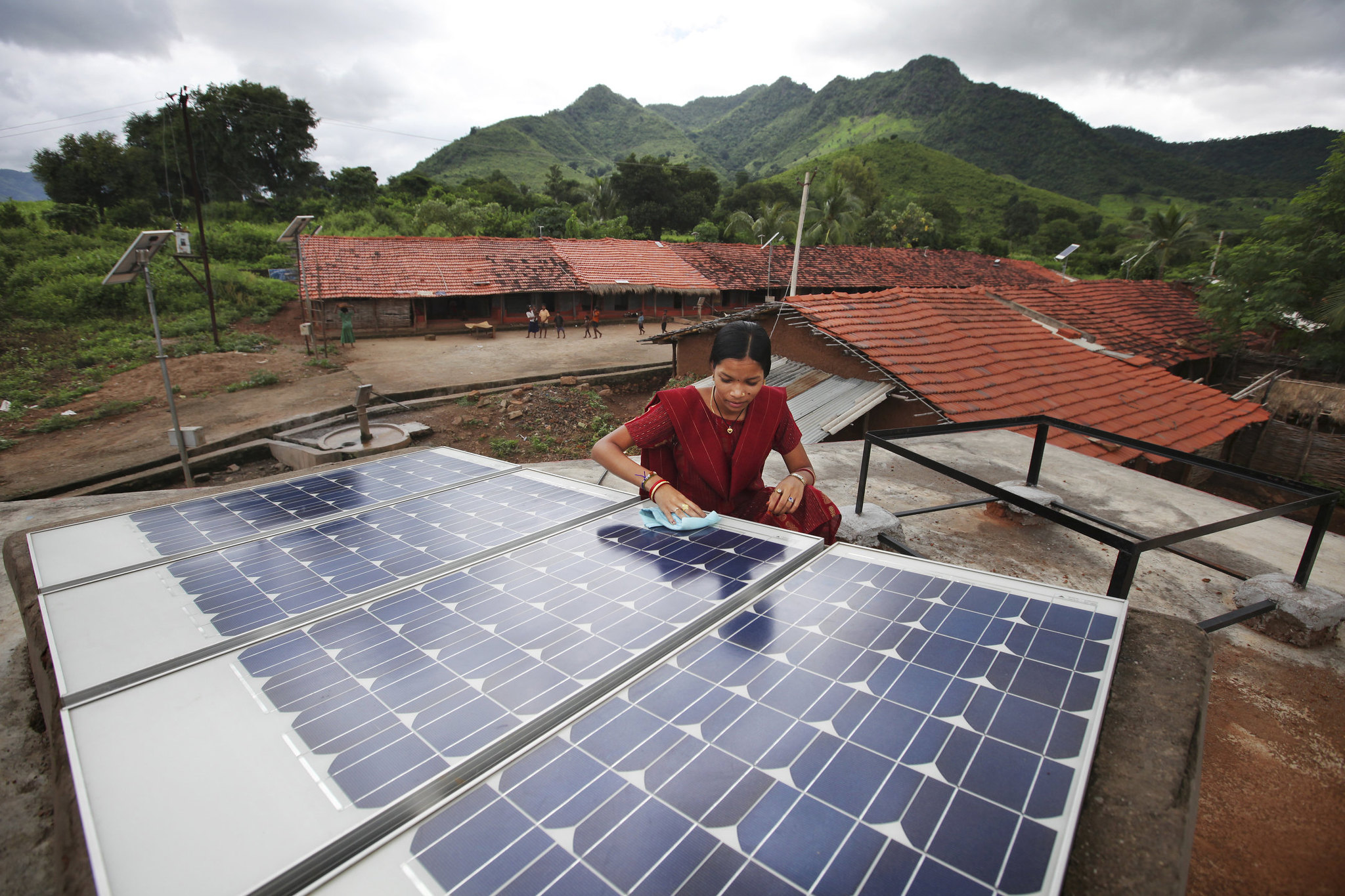
On COP29’s banner agenda item—the new climate finance goal—the conference did agree a new target to scale up financial support to the Global South by 2035: $300 billion per year from rich countries, notwithstanding clear objections from many countries. Conventional wisdom says that a negotiation is successful if all parties walk away equally unhappy. But the COP29 finance outcome felt even worse—more like renewing vows in a loveless marriage. This is because it effectively represents an extension of a climate finance reality marked by insufficiency, inadequacy and, above all, inequity.
There is broad-based consensus that the annual climate finance needs of the Global South add up to at least a 10-fold increase on current flows. The International High-Level Expert Group (IHLEG) on Climate Finance’s November 2024 report is a key reference, stating that international climate finance “… will need to cover $1 trillion per year of the total investment need by 2030 and around $1.3 trillion by 2035.” Another recent report, “Costing a Fossil Fuel Phaseout,” concludes that the total phaseout costs for developing and emerging economies (excluding China’s) are “likely somewhere between USD 1.5 and 2 trillion per year.”
As many were quick to point out, the $300 billion goal is actually far less than a “tripling” of the previous goal of $100 billion per year by 2020 once inflation is taken into account. Assuming a long-term inflation rate of 3 percent, the COP29 climate finance goal represents a 188 percent increase by 2035, rather than the 1,300 percent increase needed. In simple terms, COP29 fell short by a cool $1 trillion.
For low- and middle-income countries that rely on oil, gas and mineral exports, the impact will be particularly acute. An African regional dialogue on energy transition finance convened by NRGI ahead of COP29 made clear that limited financing hinders Africa’s transition potential. The IHLEG report echoes this conclusion and helps explain why:
“The largest increase in investment is required in [emerging markets and developing countries] other than China: these regions currently have low investment levels, significant development needs, and are projected to contribute over 50% of global emissions by 2030.”
The IHLEG is also very specific: “Ramping up climate investments in [emerging markets and developing countries] is the only way to reach the Paris Agreement goals of limiting the global temperature increase to well below 2 degrees Celsius…” (emphasis added.) Confirming this link, a Nigerian delegate made clear in a poignant intervention in the final minutes of the COP29 closing plenary that the consequence of the low finance goal would be lower ambition in national climate plans: “You expect us to have ambitious [nationally determined contributions (NDCs)]. The [new collective quantified goal] was supposed to enable us to have realistic finance goals. Three-hundred billion dollars is unrealistic. Let us tell ourselves the truth. This is 3 a.m. and we’re going to clap our hands and say this is what we’re going to do? I don’t think so."
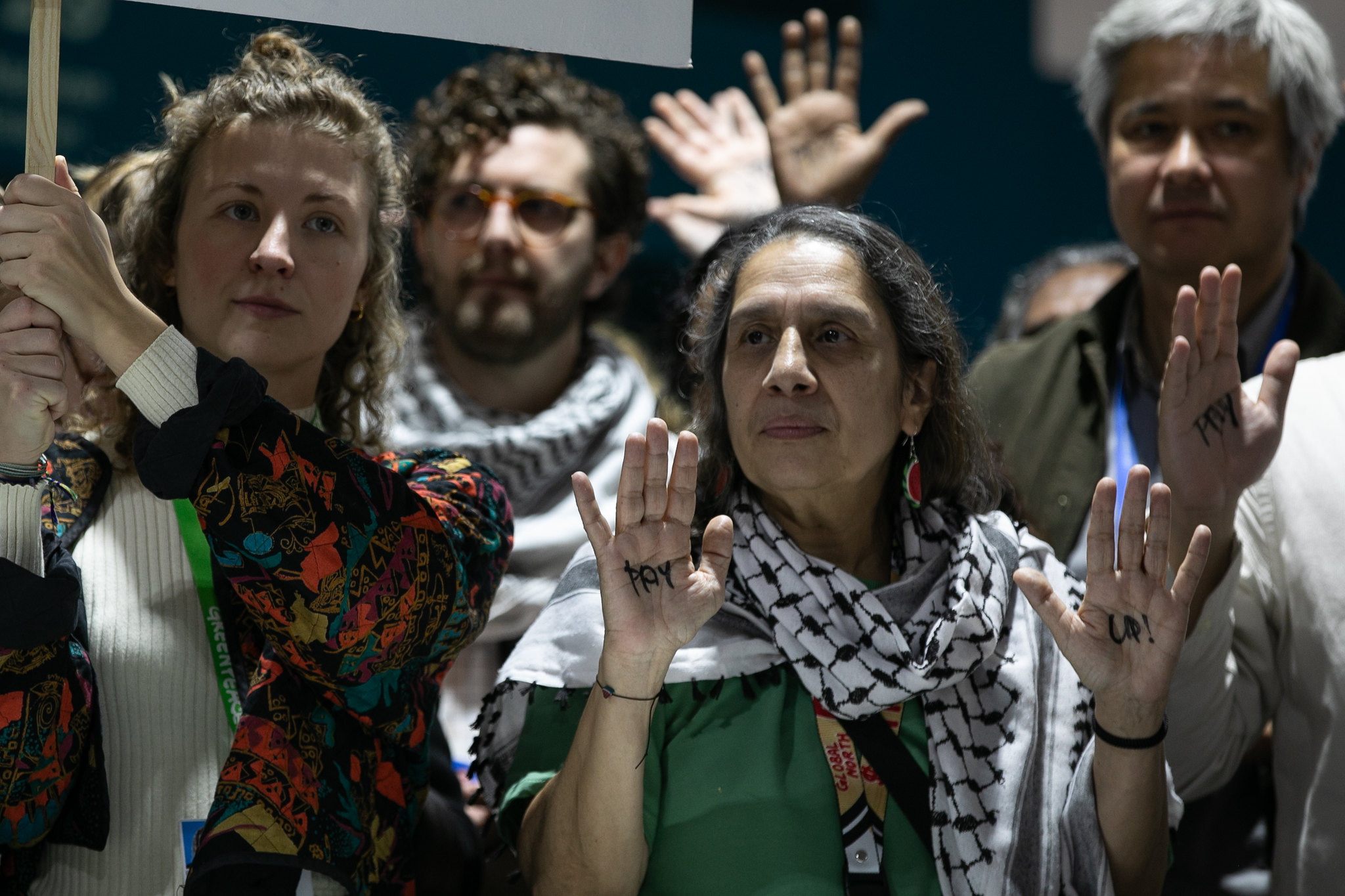
Failure on finance quantity and quality
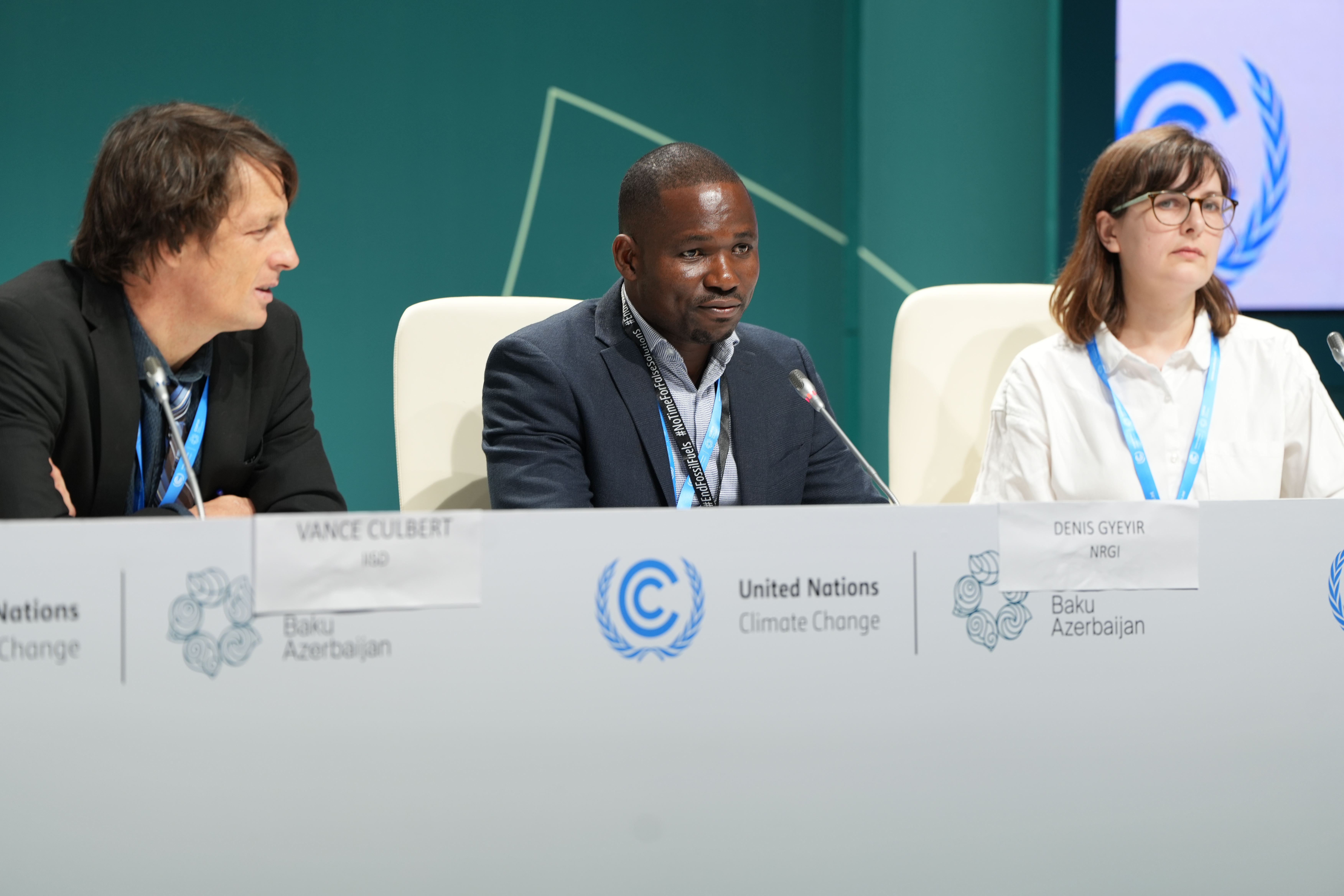
However insufficient, the deal reached at COP29 does at least increase the target amount of international climate finance. Critically, and even more concerning than the low target amount of climate finance, rich countries also failed to agree a much-needed step-shift in the quality of climate finance, especially around specifying sub-goals for grant-based financing and transparency of reporting their future contributions. NRGI’s Denis Gyeyir explained the importance of grants in Baku: “Non-debt instruments are critical for energy transition finance in African countries. Most African countries suffer a crushing debt service burden that constrains fiscal space. The lack of emphasis on grant-based financing in the COP29 finance decision is outrageous, and a just and equitable global transition requires that the G7 and other wealthy countries remedy this as they meet their commitments.”
Oxfam has regularly tracked finance flows rich countries counted toward their $100 billion per year commitment in its Climate Finance Shadow Report, finding that the grant equivalent value of climate finance provided via bilateral and multilateral channels amounted to “…just over one-third of the estimated $66.3 billion we found reported as public climate finance in 2019–20.” The obvious recommendation for the new climate finance goal set in Baku was to ensure that rich countries report loans and other non-grant finance contributions in terms of their grant equivalence—as they already do in reporting bilateral aid—so as to enhance transparency around their net financial value to recipient countries. The finance deal reflects no such improvement.
Across many other possible dimensions of climate finance quality, countries also considered but failed to agree on any improvements as part of the new climate finance goal. These include naming specific windows for mitigation, adaptation, loss and damage (or indeed energy transition); exclusion of market rate loans and export credits as qualifying contributions toward the finance goal; indicating a priority share for vulnerable country groups or categories; and linking mitigation finance to goals identified in the 2023 global stocktake (GST) of climate progress.
Wealthy countries should boost climate finance—for fairness and their own self-interest
One decision in Baku left the door open to address these issues of sufficiency and adequacy of climate finance over the coming year. The launch of the “Baku to Belém Roadmap to 1.3T” is effectively a year-long escape clause giving the Azerbaijani and Brazilian COP presidencies significant latitude to convene further meetings and produce a report by COP30 with the aim of “…scaling up climate finance to developing country Parties.”
The Baku bargain already calls on “all actors” to scale-up climate finance to the Global South to $1.3 trillion per year by 2035, but this amounts to little more than vague aspiration. “Baku to Belém Roadmap to 1.3T” offers a means to convert that aspiration into reality if rich countries are willing to raise the scale and nature of their commitments, including through innovative sources of international climate finance.
The $300 billion per year goal is a floor for future finance flows, not a ceiling. And the case for rich countries to deliver trillions, not billions, is clearly rooted in a “fair shares” approach to global equity and justice. As this year’s Civil Society Equity Review reminds us “No international effort to hold to any realistic 1.5°C pathway can honestly hope for success unless the efforts it demands are widely seen as being fairly shared.”
But if the case for fairness doesn’t convince Global North countries that over-delivery is in their interest, there’s also the narrow, economic case for action, which makes it even clearer that over-delivery is in their own self-interest. The 2024 IHLEG report describes investment in emerging markets and developing countries as the “growth story of the 21st century” and estimates corresponding avoided costs and co-benefits at 15–18 percent of global GDP in 2030.
More specifically, recent economic analysis reveals a net benefit of $5.1–$40 trillion over 2025–2035 accruing specifically to rich countries if they step up and provide adequate levels of international climate finance. As UN Secretary-General António Guterres said in his concluding remarks to world leaders at COP29, “Climate finance is not charity, it’s an investment.”
How the Global South can pave the way
For their part, low- and middle-income countries can strengthen their position over the coming year by spelling out the difference new and additional international climate finance would make in “conditional NDCs.” Under the Paris Agreement, countries committed to periodically share their own updated national climate pledges (or NDCs) with the international community. 2025 is the due date set for the next round, sometimes called NDC 3.0.
Many Global South countries have already labeled parts of their national plans as “conditional” on international support. Some, like Colombia, have put forward energy transition investment plans that situate major climate actions within their national development strategies. Global South countries can help ensure ongoing negotiations under the Baku to Belém Roadmap to 1.3T are grounded in real-world, up-to-date cost estimates linked to global progress towards the Paris Agreement objective by: adding more ambitious, “stretch goals” to their third round NDCs; costing the related additional financing requirement; and clearly presenting those components as pledges they can only achieve with international support as “conditional NDCs.”
Just transitions away from fossil fuels were too hot to handle
Two other discussions critical to the energy transitions of Global South oil, gas and mineral producers were postponed by COP29 and will be resumed at the Bonn UN climate talks in June 2025: the transition away from fossil fuels (the UAE Dialogue on Implementing GST Outcomes) and support for a just transition (the UAE Just Transition Work Program).
In both cases, lack of agreement reflected both broad-based support for action (which prevented backstepping) and the high stakes implications of decisions (i.e., “no deal is better than a bad one”). And the lack of agreement on both areas was also clearly tied to the low-ambition result on climate finance.
The historic call for a transition away from fossil fuels in the 2023 COP28 “Dubai deal” reflected a careful balance between country positions. This enabled agreement, while also opening the door to competing interpretations of what kinds of actions will help close the gap between current pledges and what’s needed to align with the Paris Agreement.
At COP29, the UAE Dialogue on Implementing GST Outcomes needed to both preserve this balance and flesh out details of how to enable and support a just, orderly and equitable exit. However, the draft decision ultimately presented by the Azerbaijani COP29 president failed to preserve this balance. While it reaffirmed the role of “transitional fuels” (read: gas), it made no mention of other elements of the Dubai deal, such as tripling renewables, doubling energy efficiency and transitioning away from fossil fuels.
Similarly, on the Just Transition Work Program (JTWP), divisions centered on two competing visions for what comprises a just energy transition. For the Global South, it is an integrated vision for a transition that better reflects their needs and realities, including pressing development priorities such as energy security, predictable state revenues and employment generation. This vision includes development of green industrial policy and sees international equity as central to achievement of just transitions.

In contrast, most wealthy countries at COP29 insisted on a narrower vision focused on worker transitions within the context of the existing climate mitigation and emissions reduction frame of the Paris Agreement. This was largely because rich countries generally take a legalistic approach to the UN climate negotiations that always seeks to minimize their own obligations and commitments.
As with the UAE Dialogue on Implementing GST Outcomes, agreement on future discussions under the JTWP ultimately foundered on a fatal combination of differing substantive positions and the low ambition reflected in the COP29 climate finance goal—both driven by the intransigence of Global North countries.
Transition minerals were firmly on the agenda
For countries in the Global South, linkages to the new climate finance goal are integral to any vision of a just, global energy transition. International equity is also relevant in other respects, such as in benefit sharing and the localization of profits from extraction of transition minerals, which was specifically referenced in the annual summary of the JTWP dialogues prior to COP29.
COP29 participants paid far greater attention to transition minerals compared to previous UN climate conferences, reflecting a growing awareness that, as with finance and mitigation ambition, progress on governance of transition minerals is a determining factor for the transition away from fossil fuels. This raises both questions around how the UN climate regime can advance the principles and recommendations of the UN Secretary-General’s Panel on Critical Energy Transition Minerals and how the Brazilian COP presidency will reflect these in just transition-related outcomes at COP30.
The outcome in Baku did little to improve financing prospects for urgent just energy transition priorities in low- and middle-income countries. However, it made clear that just transitions in these countries are the route to meeting pressing development needs and offer potential for healthy and sustainable returns on investment. Wealthier countries should support such transitions to fully meet their obligations under the Paris Agreement. Given the cumulative scale of future Global South emissions, they are also essential to achieving the Paris 1.5°C goal.
Beyond Baku, it is clearer than ever that just energy transitions remain the only way for oil-, gas- and mineral-producing countries to build a secure, inclusive and sustainable future. They should push forward with their own strategies and plans for a just, orderly and equitable energy transition beyond fossil fuels, making clear how international support affects the timing of their exit. Wealthy countries must bring new resources and proposals to the table to advance international climate diplomacy. All countries should work to ensure COP30 delivers a major course correction and puts the world back on track.
‘Complete catastrophe’: Green groups slam COP29 for ‘failing’ developing nations on climate finance
COP29 and Transition Minerals: Three Opportunities to Move the Needle

The human and environmental costs of mining are no secret; they underscore the vital importance of transformation in the sector. And demand for minerals essential to production of solar panels, wind turbines, and electric vehicles mean that it more urgent than ever for international actors to ensure that mining’s dark history is not repeated as the energy transition gathers momentum.
Recognizing this urgency, UN Secretary-General António Guterres at last year’s COP28 called for a high-level panel to address the challenges of mineral governance, with the UN publishing the panel’s guidance in September 2024.
The panel’s seven guiding principles and recommendations set a new course for the governance of mineral supply chains, one that promises equitable benefit-sharing with, and economic opportunities for, the people and countries at the beginning of the chain. The journey will be long, and the scope of needed international policy action is broad, from a reset to customary benefit-sharing arrangements between governments and companies to upgrading anticorruption practice to boosting circularity and establishing “no-go zones” to protect nature.
With COP29 underway in Baku, Azerbaijan, parties to the UN Framework Convention on Climate Change have three opportunities to spur and complement progress toward minerals governance that drives sustainable and inclusive development:
Link minerals governance priorities to renewable energy scale-up
In the first global stocktake of progress toward the aims of the Paris Agreement, at COP28, countries called for a tripling of renewable energy capacity by 2030. As countries move to answer this call over the second half of this “critical decade,” they should work to align and strengthen linkages between the agenda set out by the UN minerals panel and decisions and actions agreed through the UN climate process. The obvious starting point is reference to the guiding principles set out by the UN panel in all future references to the renewables scale-up, starting at COP29.
There’s also potential to integrate or cross-reference reporting on traceability, transparency and accountability across the mineral value chain with related reporting on progress towards tripling renewable energy capacity. And, as efforts to boost material efficiency and circularity approaches gather steam, the countries party to the Paris Agreement could link these to emissions reduction measures in future national climate targets (nationally determined contributions, or NDCs) and related transparency mechanisms.
Provide for minerals benefit sharing within the new climate finance goal
Agreement on a new climate finance goal (the “new collective quantified goal on climate finance” or NCQG) is the main goal countries are working toward at COP29. Negotiations on this agenda item have been underway for two years, with one important debate centering around the scope and intended purpose of climate finance.
In their latest report ahead of COP29 the finance negotiation co-chairs noted the opportunity to include in the overall finance goal “… sub-goals reflecting specific outputs or outcomes, such as the target to triple renewable energy capacity globally…”. The relevance of investments in greater benefit-sharing, value addition and economic diversification in low- and middle-income mineral-producing countries is a compelling reason to include it in the list of priorities eligible for climate finance under the new goal.
Cement enhanced minerals governance in just transition pathways
The one place where transition minerals are specifically referenced in the UN climate process is the Just Transition Work Program (JTWP). The chairs’ report from the most recent JTWP dialogue already contains several references, including to unequal benefits (“particularly regarding the extraction of critical minerals and localization of profits arising from that extraction,” (para. 34)), technology cooperation and transfer (para. 174), and even the UN panel report and its guiding principles, specifically (also para. 174).
Less a politically charged negotiation and more a space for mutual exchange and learning on the technical aspects of building and support just transitions, many Global South countries see this work program as an important pivot to make the UN climate convention and its Paris Agreement more responsive and aligned with their sustainable development priorities. By fully integrating the UN panel’s guiding principles as well as its actionable recommendations in the work program’s proceedings going forward, the countries party to the Paris Agreement can help ensure minerals governance features in just transition strategies and plans in relevant national contexts—and provide the basis for stronger linkages with the UN climate regime as renewable energy capacity is scaled to deliver on the Paris/1.5°C goal.
At NRGI we look forward to engaging a range of stakeholders in Baku and beyond to explore these and other potential linkages toward a just and equitable transformation of transition minerals governance.

NRGI's Suneeta Kaimal Spotlights the Way Forward on Transition Minerals
In Baku, Azerbaijan, for COP29, NRGI's president and CEO identified three key changes called for by the UN Panel on Critical Energy Transition Minerals.
Financing the Transition in Oil-Producing Low- and Middle-Income Countries: Spotlight on Colombia, Mexico and Nigeria
Baku, Azerbaijan

This session shed light on how to finance the transition in Colombia, Mexico and Nigeria—important oil- and gas-producing countries whose national and local economies rely on this industry to stay afloat and provide essential public services.
Expert speakers shared insights on the latest COP29 negotiations, with a focus on the transition finance needs in these countries, where national oil companies are major players. Also known as the ‘hidden half’ of the world’s oil and gas industry, national oil companies produce around 55 percent of the oil and gas consumed globally and are responsible for a significant proportion of global emissions. However, their role in achieving climate objectives have largely remained on the sidelines of climate finance negotiations, debates and campaigns.
Watch this press briefing for insights on what the climate finance goal must include to ensure a fair and equitable transition in these important oil producing countries.
Speakers:
- Fernanda Ballesteros leads NRGI’s work in Mexico and is a member of the organization’s energy transition coordination group. Ms Ballesteros discussed the prospects for the energy transition in Mexico, against the backdrop of the new administration under President Claudia Sheinbaum, a climate scientist, and the substantial reform needs of Pemex, Mexico’s national oil company.
- Enebi Opaluwa leads the natural resource and climate governance program at BudgIT Foundation, where he coordinates research, analysis and advocacy on resource governance, energy policy and climate finance. Mr Opaluwa highlighted key issues relevant to climate finance and Nigeria’s national oil company, NNPC, which relies on financing and technical assistance to decarbonize.
- Vance Culbert is a senior policy advisor with IISD’s Energy Program. He focuses on solutions for an equitable transition away from fossil fuel production and aligning the energy sector with Paris Agreement targets. Mr Culbert discussed Ecopetrol’s economic challenges, including its credit rating downgrade as it seeks to respond to the Colombian government’s call to shift away from fossil fuels.
- Bronwen Tucker is the global public finance co-manager at Oil Change International, where she focuses on shifting public finance and subsidies toward a fair and 100% renewable future. Ms Tucker provided an update on the latest developments in the negotiations relevant to financing the energy transition in oil-producing low- and middle-income developing countries.
Featuring NRGI's

Fernanda Ballesteros
Mexico Country Manager

Gabriela Flores Zavala
Communications Strategy Consultant
Open Letter to G20 Sustainable Finance Working Group
Addressing Governance and Corruption Challenges in the Response to Climate Change (COP28 Blue Zone Event)

Investing in climate change resilience requires large scale financing. The potential for corruption to exacerbate the challenge, undermine the effectiveness of the response and increase costs means that better governance must be at the heart of the climate response. Acting fast will mean leveraging the existing anticorruption architecture and catalyzing coalitions in a highly coordinated way. In this joint event with the World Bank, panelists discussed corruption vulnerabilities that are specific to the green transition and how to address them.
Panelists
- Shuang Liu, World Resources Institute, China Finance Director
- Tsakani Maluleke, South Africa, Auditor-General
- Mark Robinson, Extractive Industries Transparency Initiative, Executive Director
Moderator
- Laury Haytayan, Natural Resource Governance Institute, MENA Director

Laury Haytayan
Middle East and North Africa Director