
As a New Producer, Senegal Must Regulate Methane

Fossil fuels and the global methane challenge
Globally, fossil fuels are the leading source of greenhouse gas (GHG) emissions—including methane, a short-lived but extremely potent gas. Cutting methane emissions is now unavoidable in a context of urgent energy and climate security.
In Senegal, the issue has become especially pressing. A recent gas leak at well A02 of the Greater Tortue Ahmeyim (GTA) project—an offshore development shared with Mauritania—highlighted the environmental risks tied to oil and gas extraction. The incident underscored persistent gaps in oversight and transparency, while also showing the need to strengthen accountability mechanisms. It sparked renewed attention from civil society, the media, and local communities, who are increasingly vigilant about methane risks.
International and national initiatives
At the international level, regulation is a critical lever for curbing methane emissions from oil and gas. The International Energy Agency (IEA) has developed practical tools, including its global policy database and the Methane Tracker 2025, which details technical and regulatory options to cut emissions.
Senegal’s government has signaled its willingness to act. Recent revisions to the petroleum and environmental codes include bans on routine gas flaring, venting (the release of gas directly into the atmosphere) and crude oil burning. A roadmap accompanies these reforms, with provisions to build the capacity of stakeholders involved in emissions management.

A legal framework in the making
In its nationally determined contribution (NDC) under the Paris Agreement, Senegal has pledged to reduce overall GHG emissions by 5% by 2025 and 7% by 2030. The country is also preparing to join the Global Methane Pledge.
It has ratified key international agreements, including the UN Convention on the Law of the Sea, the UN Framework Convention on Climate Change, the Kyoto Protocol and the Paris Agreement. Requirements of the 2023 Extractive Industries Transparency Initiative (EITI) Standard—such as disclosure on emissions—further reinforce this framework.
Domestically, relevant provisions include:
- Article 25-2 of the Constitution: obliges public authorities to protect the environment and ecosystems.
- Law 2010-21: targets reductions in fossil fuel use and GHG emissions.
- Article 53 of the 2019 Petroleum Code: requires companies to prevent and mitigate pollution and manage waste.
- Article 133 of the 2023 Environment Code: bans gas flaring and venting, and strengthens requirements for environmental assessments and transparency.
- Decree 2025-227: mandates guidelines on GHG emissions and flaring.
However, major gaps remain. Neither the petroleum code’s annexes nor the environment code’s implementing decree explicitly address methane. A decree foreseen under Article 33—which would require mitigation and management plans—has yet to be adopted.
Persistent challenges
Despite progress, several challenges remain:
- Regulatory gaps: no methane-specific legislation.
- Institutional weaknesses: limited enforcement and monitoring capacity.
- Disconnects: between international commitments and national law.
The polluter-pays principle is recognized, but no methane pricing mechanisms exist (such as fines for leaks or penalties for repeat offenders). Nor are there incentives for capturing, re-using, or recycling methane.
Data is fragmented, not centralized, and often inaccessible to the public—undermining transparency. Senegal also lacks a mandatory system for measuring, reporting, and verifying emissions (MRV), which is key for accountability. Operators are not required to follow clear technical standards, conduct leak detection and repair (LDAR), or meet minimum gas recovery rates.
Although companies like BP and Woodside have joined the international Oil and Gas Methane Partnership 2.0, these commitments have yet to be enshrined in Senegalese law. Methane is also absent from the country’s current (2020) NDC—weakening credibility and potentially limiting access to climate finance.

Turning challenges into opportunities
These obstacles can become opportunities if Senegal leverages: international best practices, climate finance, national momentum for reform, civil society vigilance and new requirements under the 2023 EITI Standard.
Lessons can be drawn from other countries:
- Ghana integrated methane targets into its NDC.
- Nigeria requires monthly emissions reporting.
- Canada combines performance standards with tax incentives.
- Norway imposed a tax on offshore flaring and venting between 2015 and 2024.
- The European Union will require operators to quantify and report methane emissions at source from 2025.
These examples show that ambitious regulation is both possible and practical.
The IEA identifies four complementary regulatory approaches Senegal could adopt:
- Prescriptive: set technical standards, MRV, and LDAR requirements.
- Performance-based: establish reduction targets.
- Economic: use taxes or market mechanisms.
- Informational: require operators to disclose and publish emissions data.
To advance, Senegal should:
- Fast-track a methane-specific regulatory framework for oil and gas.
- Require companies to publish detailed methane emissions reports.
- Integrate methane reduction targets into the revised NDC.
- Establish a national monitoring and alert system, with a robust MRV framework.
- Ensure effective participation of civil society and affected communities.
Conclusion: an opportunity not to be missed
In August 2025, during a high-level workshop on oil, gas, and mining codes, Prime Minister Ousmane Sonko summed up the balancing act: “We do not want codes that deter investment, but neither do we want permissive codes.”
This reform momentum is a crucial opportunity. But methane must not remain the “blind spot” of Senegal’s emerging energy sector. It must become a central pillar of governance—with ambitious, well-adapted mechanisms that reflect environmental, economic, and transparency priorities.
For Senegal, as a new producer, getting methane regulation right will be decisive—not only to prevent economic losses, secure energy supply, and protect communities and ecosystems, but also to demonstrate international credibility and unlock climate finance needed for a just transition.
INSIGHT: Nigeria’s first oil emissions report reveals gaps as only 15 of 62 firms disclose data
Tackling Methane and Advancing Just Transition in Africa: Insights from Nigeria and Senegal

The world is moving fast to tackle climate change, and reducing methane emissions is emerging as one of the most affordable ways to make a difference. But what does this mean for Africa, where many countries still strive to expand gas usage to improve energy access and grow their economies?
In this interview, two NRGI colleagues share their perspectives on methane governance and its crucial link to Africa's energy transition. Tengi George-Ikoli, senior officer for Nigeria, explains why cutting methane emissions is as much about development and just transition as it is about climate. Aida Diop, senior program officer for Senegal, reflects on the opportunities and trade-offs facing a new oil and gas producer like Senegal.
Why should African countries prioritize methane reduction—and how does this link to a just energy transition?
Tengi George-Ikoli: As the world intensifies efforts to move to cleaner energy sources, many African countries still see natural gas as a temporary solution to reduce energy poverty and grow their economies. But using gas comes with trade-offs, especially methane. It is a harmful greenhouse gas that often leaks during oil and gas operations, and it is worse for the climate than carbon dioxide in the short term.
African oil and gas producers must act to reduce these emissions. Otherwise, they might undermine their climate goals and slow the shift to cleaner energy. But this is not just a climate issue. Reducing methane also helps improve public health and supports environmental justice for oil and gas communities.
There is also a development angle. Instead of wasting this gas, countries can capture it to improve energy access, including clean cooking. That means more access for the over 600 million Africans who still lack electricity. Economically, it makes sense as well because recovered gas can create new revenue, freeing up resources for broader development goals.
So, really, methane reduction is a win-win situation. It helps African countries meet climate goals while advancing equity, inclusion and sustainable development —core pillars of a just energy transition.
Given how central gas is to Senegal's energy plans, what trade-offs do methane emissions pose to achieving the country's just transition goals?
Aida Diop: As Tengi said, methane can become a climate risk, especially for a new oil and gas producer like Senegal, if the government does not act decisively. Early production activity has already raised red flags such as reported gas leaks in the Grand Tortue Ahmeyim (GTA)—a cross-border offshore gas project between Mauritania and Senegal. Also, Senegal currently lacks specific regulations on methane emissions. The current Nationally Determined Contribution (NDC) and the new Environmental Code do not include dedicated provisions on methane, even though emissions from the energy sector alone account for 48 percent of the country's total greenhouse gas emissions. That shows the government needs to act fast.
Fortunately, Senegal is still early in its oil and gas journey. It can learn from the experiences of countries like Nigeria—one of Africa's largest oil and gas producers—where methane emissions have caused serious public health issues, air pollution, mistrust in energy projects among affected communities, and missed economic opportunities. The International Energy Agency (IEA) estimates that in 2023, Nigeria could have generated about $350 million in revenues from methane reduction by selling recovered gas while needing to spend an average of only $240 million per year in abatement efforts.
Senegal does not have to go down that road. Instead, it can set up strong rules tailored to its national realities to monitor and manage methane from the start, with strong enforcement and civil society participation. The country's commitment to the Just Energy Transition Partnership (JETP) and the goal to reach a 40 percent renewable energy mix by 2030 has already put it on solid footing.
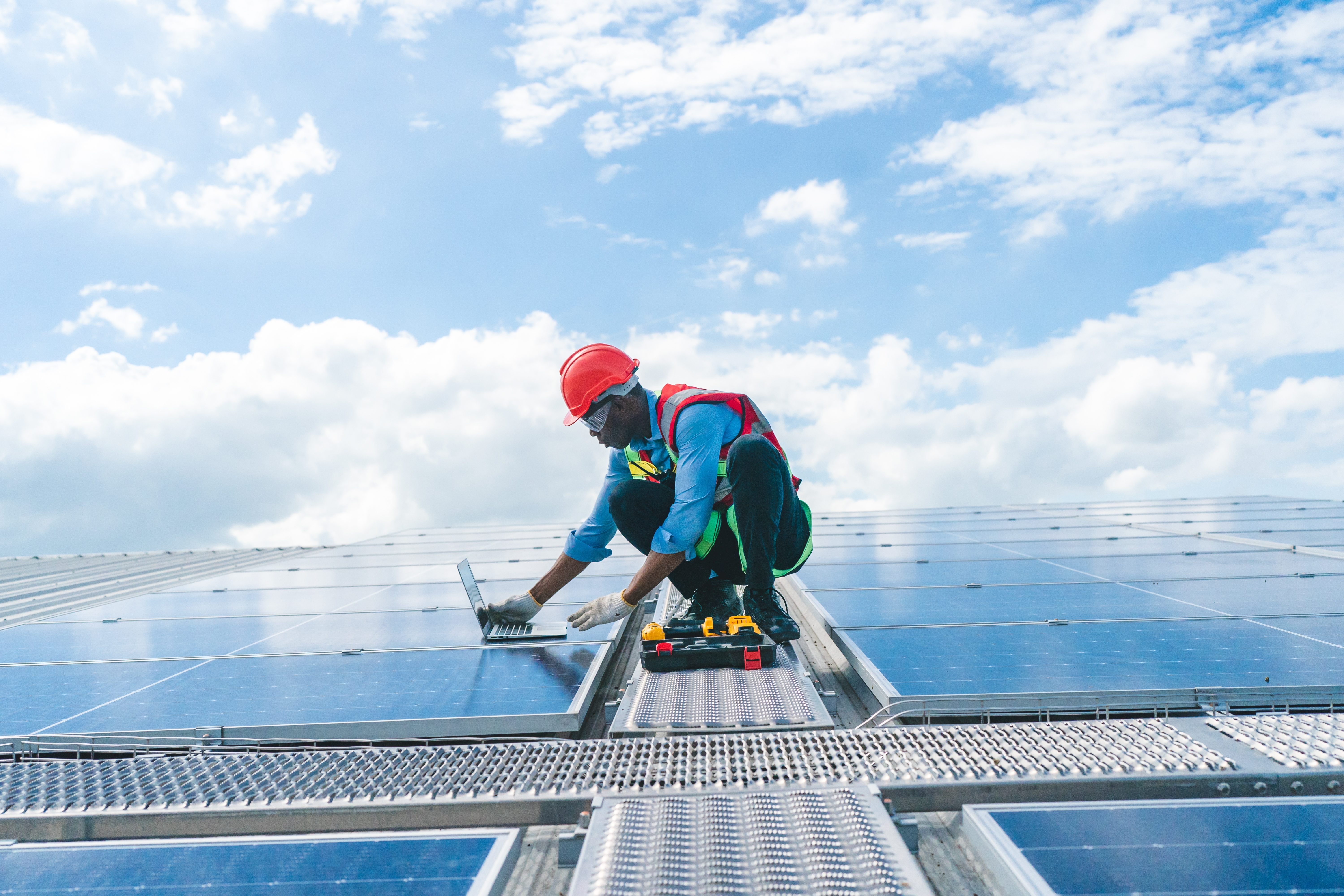
If Senegal prioritizes methane reduction now, it can capture more economic benefits from its gas production by avoiding waste, protecting livelihoods and the environment, and extending electricity access to the over 4 million rural Senegalese who still live without it. Cutting methane is central to delivering on the development promises of its gas strategy and balancing the climate, economic, and social goals of a just transition.
How can efforts to tackle methane in Nigeria unlock technological, financial or governance opportunities, and what challenges stand in the way?
TI: Tackling methane in Nigeria is an opportunity, but there are some challenges the government must fix first. Right now, the country is dealing with weak enforcement of existing regulations, inadequate emissions data, and limited technical capacity by operators. There are also limited incentives for companies to invest in solutions.
To make progress, the government must strengthen enforcement and invest in monitoring tools like satellites, real-time detection systems, and public methane data platforms to build transparency and accountability. Training is key as well. Both government agencies and companies must improve their capacity to detect, report, and manage methane. Most importantly, the government must tie these efforts with its development goals and its nationally determined contribution (NDC) plan, which outlines how Nigeria aims to achieve its climate goals.
The good news is that getting this right can enhance environmental governance. It also encourages interagency collaboration and coordination, especially with the National Council on Climate Change (NCCC), which is mandated to drive Nigeria's climate action and energy transition. It provides an opportunity to strengthen public trust, particularly if oil-producing communities start to see the benefits.
On the technology side, methane reduction tools like drones, infrared cameras, hand-held devices, and satellite-based tools are evolving. Nigeria can bring in some of these technologies and build on what it already has, like the gas flare tracker.
And then, there is the financial aspect. Reducing methane can bring in climate finance and help Nigeria join the global carbon markets. Capturing and commercializing methane that companies usually flare or leak can generate revenue and reduce waste. Showing progress can also help unlock concessional funding and investment from global initiatives, donors, development banks and climate-focused investors like the Climate and Clean Air Coalition (CCAC) and Global Methane Pledge.
What practical steps can African governments take to lead on both energy transition and methane governance?
TI: There are a few things governments can do right now. On the methane front, Africa can lead by including methane reduction targets in their Nationally Determined Contributions (NDCs). That sends a strong signal and keeps everyone accountable. Countries must also regularly update their methane plans with clear timelines and clearly defined roles so everyone knows who is doing what and by when.
Next, governments must strengthen methane laws, require oil and gas companies to find and fix leaks and use better technologies to reduce methane waste. Regional collaboration is another opportunity. Methane does not respect borders, and neither should our response. And we need to put people at the center of these efforts. That means ensuring communities, especially those living near oil and gas infrastructure, benefit from methane reduction efforts, whether through cleaner air, better health, or access to energy.
AD: From the energy transition side, governments need strong legal and regulatory frameworks, and realistic plans that reflect their development goals. They must create the right conditions for clean energy investment, reform outdated subsidies that support fossil fuels, and prioritize projects that deliver affordable, reliable, and sustainable energy to their people. For Senegal, this must include the promotion of transparency, especially encouraging operators to disclose their methane emissions in line with EITI standards and beyond, as well as ensuring the national oil company, PETROSEN, signs the decarbonization charter and joins the Oil and Gas Methane Partnership (OGMP). As Tengi noted, working together across borders is key here as well, especially on infrastructure, technologies and resource management.
African countries need to better connect their methane and energy transition strategies. That is a way to show that climate action and development can go hand-in-hand. Acting early on both fronts will build credibility, attract funding, ensure innovation, and deliver concrete benefits to African communities.
Looking for more insights on methane reduction?
Turning Methane Pledges into Real Change for Nigeria’s Oil and Gas Communities

For decades, oil and gas communities in Nigeria’s Niger Delta have lived with a crisis that is both visible and invisible. Towering gas flares light up the sky while the toxic effects of methane—an odorless, colorless greenhouse gas that is 84 times more potent than carbon dioxide, continue to worsen climate change and public health. Could Nigeria’s big bet on gas as a key pillar of its energy further complicate these issues?
Nigeria has pledged to reach net zero emissions by 2060 and included methane reduction targets for the energy sector in its Nationally Determined Contributions (NDCs), a plan that outlines how it aims to achieve its climate goals. But so far, these commitments have not yielded significant change. In 2023, the country ranked eighth worst globally for gas flaring, burning about 5 billion cubic feet of gas. Experts blame this on weak enforcement, lack of accountability from oil companies and aging infrastructure.
There is hope that things will improve with Nigeria’s new rules, such as the Gas Flaring, Venting and Methane Emission Regulations of 2023 and guidelines to manage gas leaks in oil production.
Communities paying the price
The impacts of methane are not abstract concerns. They are daily realities for many oil communities. In Igwuruta, Rivers State, where pipelines and flare stacks surround the town, residents are dealing with constant health concerns. Many say that children often suffer from respiratory issues and adults struggle with high blood pressure due to prolonged methane exposure. “My youngest has been in and out of the clinic with chest problems,” says Philip Hail, a local resident.
The story is the same in Aiyetoro, a coastal, oil-producing town in Ondo State. There, farmers say their soil is no longer as fertile and their harvests are smaller. Fishermen also complain that they catch far fewer fish than before. “We used to fill our nets by midday,” says Chief Oluwanbe Ojagbohunmi, the community chief. “Now, sometimes we go days without enough to feed our families.”
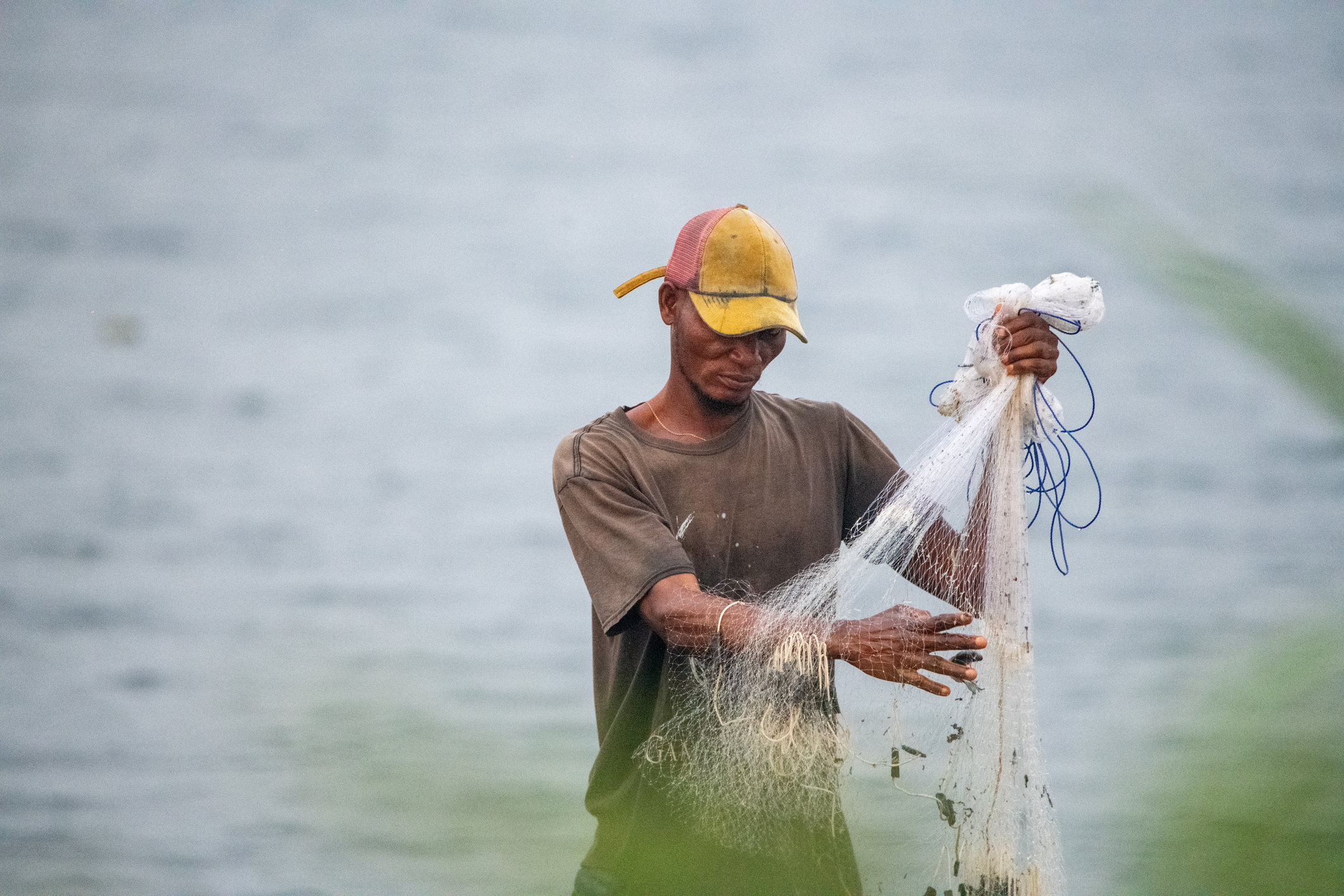
"The impacts of methane are not abstract concerns. They are daily realities for many oil communities."
The impact is especially harsh on women. In many homes, they use heat from gas flares to dry garri, a staple food made from cassava, which exposes them to toxic chemicals that increase the risk of asthma, stillbirths and reproductive health issues. At the same time, water pollution and acid rain are damaging farmlands, making it harder for smallholder farmers to support their families. This is worsening poverty and food shortages in many communities.
Weak accountability is holding back progress
Efforts to curb methane emissions in Nigeria continue to falter due to three major gaps: weak enforcement of legal and regulatory frameworks, poor community inclusion and a lack of accountability. Although Niger Delta communities face the direct impacts of methane pollution, regulators rarely include them in policy decisions that shape their environment and health. This explains why programs like the Nigerian Gas Flare Commercialisation Programme (NGFCP) and regulations by the Nigerian Upstream Petroleum Regulatory Commission (NUPRC) have yet to yield noticeable improvements. Communities say weak enforcement allows companies to sidestep their obligations, placing corporate interests over community concerns.
Another key challenge is the failure of leadership to ensure that accountability systems are responsive and accessible. In many cases, authorities communicate formal accountability channels poorly, apply the rules inconsistently or keep the process deliberately unclear. Some even undermine advocacy efforts through incentives or intimidation.
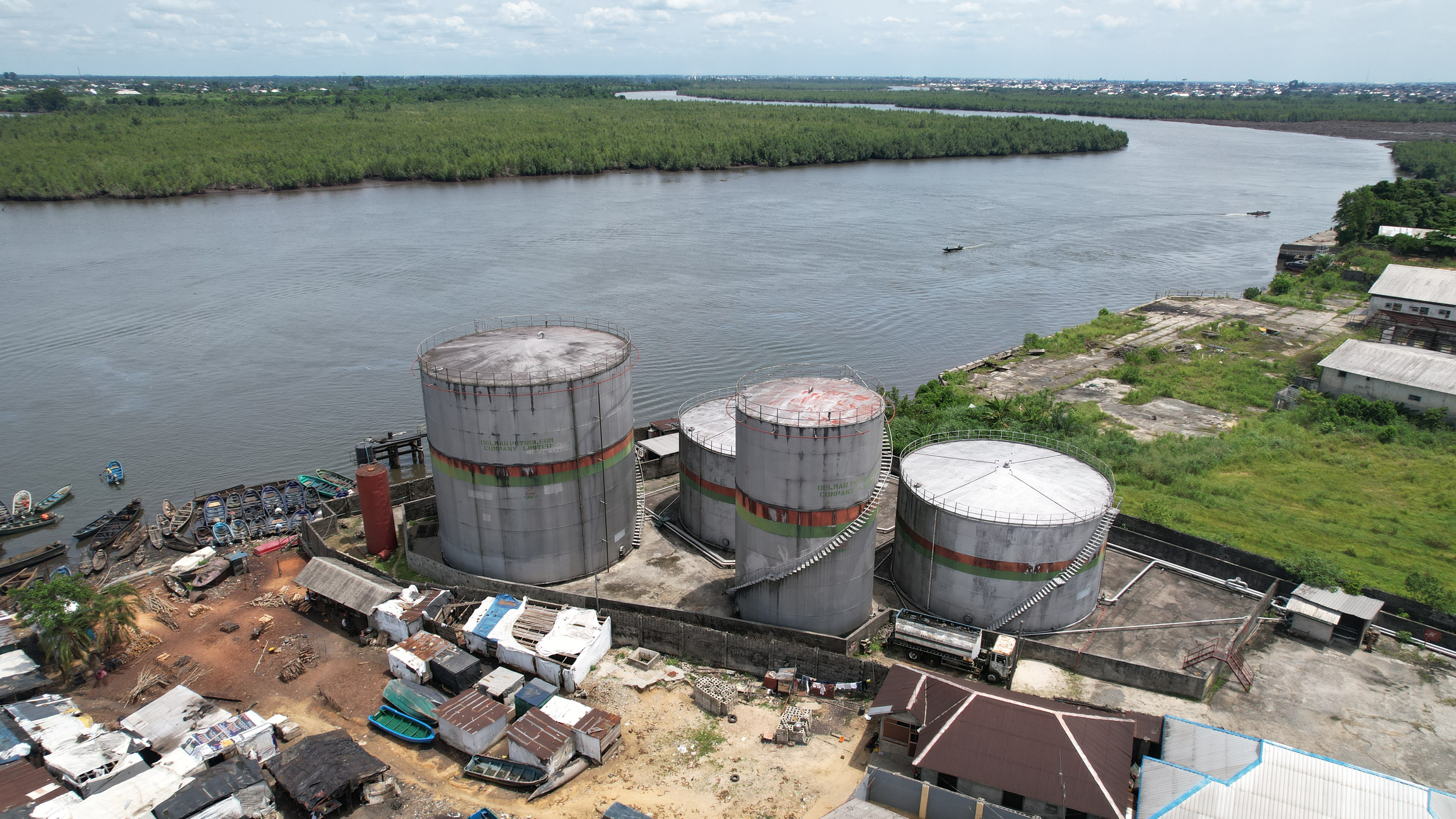
"Although Niger Delta communities face the direct impacts of methane pollution, regulators rarely include them in policy decisions that shape their environment and health."
Turning methane commitments into action
To bridge the gap between policy and impact, Nigeria needs a coordinated, accountable and data-driven approach. Here are some practical steps:
Set clear methane emissions baselines: The National Council on Climate Change (NCCC) and the Federal Ministry of Petroleum Resources must set asset-level, disaggregated methane emissions baselines on how much methane companies release, track reduction progress and ensure transparency across the oil and gas value chain.
Improve monitoring and enforce regulations: Regulators like NUPRC and the Nigerian Midstream and Downstream Petroleum Regulatory Authority (NMDPRA) must strengthen regular monitoring using field inspections and satellite data. They must verify company-reported data through third-party checks and hold accountable those that violate flaring rules. They must ensure continuity in compliance during asset transfers, especially to local companies, by making environmental performance a condition for license retention and access to capital.
Commercialize flared or wasted gas: NUPRC must ramp up flared or wasted gas commercialization efforts either through the Nigerian Gas Flare Commercialization Programme (NGFCP) or by offering incentives to companies that act.
Reward companies that follow the rules: The government should incentivize oil and gas operators to fully comply with national methane guidelines and align with global frameworks to enhance competitiveness and preserve market access. This includes emissions-reduction financing for companies that meet set methane reduction targets.
Include communities in monitoring and accountability: Civil society organizations should empower community members to monitor flaring, document irregularities and report violations. Regulators like NUPRC and NMDPRA should work together to create clear ways for communities to monitor and report emissions, making sure that they hear and include local voices in decision-making.
Methane reduction is not just about climate targets—it’s about justice for the communities who live with its harms every day. Nigeria’s progress will depend not just on strong policies, but on whether decision-makers listen to those that are most affected.
Advancing Legal and Regulatory Methane Emissions Reforms in Nigeria's Oil and Gas Sector
Abuja Continental Hotel

The Nigerian government’s commitment to increasing gas exploitation and utilization for economic growth and energy security puts Nigeria’s climate goals at risk. Increasing natural gas poses a risk of increasing methane emissions. If not managed appropriately, this could undermine Nigeria’s economic competitiveness and exacerbate environmental and health concerns in gas-producing communities.
Recent government efforts to reduce emissions have laid an important foundation, yet significant opportunity remains to enhance and accelerate progress. Achieving key emission reduction milestones, such as the World Bank’s Zero Routine Flaring by 2030 initiative, continues to present challenges, highlighting the need for sustained action and strengthened implementation.
With Nigeria’s renewed commitment to emission reduction, the government must establish and enforce robust legal and regulatory frameworks. Strengthening the implementation of existing policies will be key to ensuring progress. We must also hold oil and gas companies accountable for their national and global emissions reduction commitments.
The Natural Resource Governance Institute (NRGI), in collaboration with the Paradigm Leadership Support Initiative (PLSI) and the Nigeria Extractive Industries Transparency Initiative, is organizing a policy dialogue to support government oversight actors. The engagement aims to translate sector pledges into action while aligning with emerging regulatory requirements in key export markets, such as the European Union’s methane regulations.
Key participants include civil society actors, media, oil and gas companies, as well as key methane emissions government institutions: National Council on Climate Change (NCCC), Federal Ministry of Petroleum Resources (FMoPR), Federal Ministry of Environment (FMoE), Nigerian Upstream Petroleum Regulatory Commission (NUPRC), Nigerian Midstream and Downstream Petroleum Regulatory Authority (NMDPRA), National Oil Spill Detection and Response Agency (NOSDRA), National Environmental Standards and Regulations Enforcement Agency (NESREA) and others.
Expected outcomes
- Alignment between state and non-state actors, advancing a coordinated approach to methane governance.
- Deeper understanding of policy and legislative gaps, leading to the adoption of targeted reforms that strengthen methane emissions management.
Featuring NRGI's

Tengi George-Ikoli
Nigeria Country Manager

Ahmad Abdulsamad
Nigeria Program Officer
Expert Urges FG To Bridge Gaps In Methane Monitoring, Enforcement
Strengthening Corporate Compliance and Public Accountability of Methane Emissions Targets
Abuja, Nigeria

Nigeria is placing a significant bet on gas as a driver of economic growth and energy security in its decade of gas policy. Yet, rising methane emissions from gas exploration and exports threaten to undercut this vision. These emissions worsen environmental and health risks in oil-producing communities and weaken Nigeria’s climate commitments outlined in national policies such as Nationally Determined Contributions and the Energy Transition Plan at a time when global energy markets are shifting.
Transparency and accountability are key to addressing these challenges. However, fundamental barriers remain, including unreliable emissions data, weak civil society capacity, and regulatory gaps that leave methane reduction efforts fragmented and ineffective.
NRGI has worked to bridge these gaps by engaging policymakers through high-level dialogues and strengthening civil society and media actors to foster informed public discourse. A key milestone was the successful integration of the 2023 Extractive Industries Transparency Initiative (EITI) Standard on greenhouse gas emissions into Nigeria’s oil and gas sector, achieved through a partnership with NEITI. This step marked a breakthrough in emissions transparency, leading to 15 companies publicly disclosing their emissions data. With greater visibility, civil society and media actors intensified their scrutiny, resulting in investigative reports and articles that brought new urgency to methane reduction efforts.
Building on these gains, NRGI now focuses on expanding emissions disclosures in Nigeria’s oil and gas sector while strengthening the tools available to those who hold government and industry accountable. Central to this effort is targeted training, equipping civil society and media actors with the technical knowledge to interpret NEITI reports and leverage global frameworks and tools—such as the Oil & Gas Climate Initiative, the Oil & Gas Decarbonization Charter, the OGMP Framework, the evolving EU methane regulations, and satellite-based monitoring tools like MethaneSAT.
To further empower civil society and media with the means to demand accountability, NRGI, in partnership with the Centre for Journalism Innovation & Development, is organizing a two-day workshop that will convene civil society organizations, journalists, and key technical partners to deepen their role in advancing emissions transparency and environmental governance in Nigeria’s oil and gas sector.
Speakers
- Tengi George-Ikoli, Senior Officer, NRGI
- Kathryn McPhail, Chief Executive Officer, EnergyCC
- Georgie Passalaris, Engagement Lead, IMEO
- Sebastian Sehla, Policy Manager, EITI
- Akintunde Babatunde, Executive Director, CJID
Bridging the Gap Between Methane Policy and Implementation in Nigeria

NRGI’s Tengi George-Ikoli spoke with Nigeria Info FM about why Nigeria must act decisively to cut methane emissions from its oil and gas sector even as it seeks to grow its gas-based economy.
She said:
“Reducing methane emissions is about protecting our economy, health, and future. Nearly half of Nigeria’s oil goes to Europe, but new rules could block dirty fuels. If we don’t clean up how we produce gas, we could lose important buyers. We’ve made promises, but now it’s time to act. That means tracking emissions in real-time, enforcing the rules, and making data open to everyone. The government can’t do it alone. Companies, communities, and citizens also have a role to play. We must start with action to reach our energy and climate goals.”
Nigeria’s Path to Net-Zero: Navigating Methane Emissions and Gas Ambitions

In an interview with Clean Tech Hub, NRGI’s Tengi George-Ikoli emphasized that the government must scale up the Nigerian Gas Flare Commercialization Program (NGFCP) and strengthen emission monitoring, reporting, and verification systems. She noted that these efforts are crucial for meeting emissions targets.
Transcript
What is the connection between Nigeria’s decade of gas ambition and the potential increase in methane emissions?
The decade of gas initiative represents Nigeria’s ambition to maximize its gas resources and reserves, estimated at 200 trillion cubic feet. This initiative aims to bridge energy access gaps, increase government revenues, and drive industrialization to achieve economic growth.
The decade of gas spans from 2021 to 2030. As part of this effort, the government launched the Decade of Gas Initiative, with further details released in May 2024. This initiative seeks to transition Nigeria’s energy use to gas. For instance, it includes switching to compressed natural gas (CNG) for transportation, moving from kerosene and charcoal to liquefied petroleum gas (LPG) for domestic cooking, and increasing the use of gas in power generation. These ambitions align with Nigeria’s sustainable development goals for energy access by 2030.
Additionally, there are plans to increase gas exports to generate revenue. However, this comes with challenges. Expanding gas infrastructure—pipelines, storage tanks, and other facilities—introduces the risk of methane emissions through leaks, operational processes, or intentional releases. Therefore, the government must adopt and invest in methane abatement technologies to mitigate the potential rise in emissions.
How does methane emission impact the environment and health of oil-producing communities?
Methane emissions are categorized into three main components: Venting, the intentional release of gas that could otherwise be captured and commercialized; fugitive emissions, accidental leaks from pipelines, valves, wells, or equipment and gas flaring, the combustion of gas as part of oil production.
The International Energy Agency (IEA) estimated that in 2023, venting accounted for 67 percent of Nigeria’s methane emissions. Fugitive emissions contributed 19 percent, and gas flaring comprised about 11 percent.
Although gas flaring contributes the least proportionally, it is significant. Nigeria is among the top 10 gas-flaring countries globally, contributing to 75 percent of global flaring, according to the World Bank’s 2023 data.
The health implications for oil-producing communities are severe, including respiratory and cardiovascular diseases, environmental degradation, and damage to livelihoods through flooding and sea encroachment. These challenges highlight the need for the government to implement strong methane emissions reduction strategies to mitigate the harm to affected communities.
What economic opportunities could Nigeria leverage by addressing gas flaring and methane abatement?
Nigeria’s gas export ambitions rely heavily on international markets, particularly the European Union (EU). The EU accounts for 43 percent of Nigeria’s crude oil exports and 60 percent of its liquefied natural gas (LNG) exports.
Starting in January 2027, the EU will enforce strict methane monitoring reporting and verification (MRV) standards. Countries that fail to meet these standards risk penalties, fines, or exclusion from the EU market. Other markets may adopt similar regulations, meaning Nigeria could lose critical export revenue if it does not comply.
A report from Stakeholder Democracy Network reveals that Nigeria could have generated $280 million in revenue from gas flaring in 2020 and fines for flaring could have amounted to approximately $1.2 billion. However, it remains unclear to what extent the government has collected these fines. Given the country’s ongoing debt and fiscal challenges, fully recovering these revenues would provide significant economic relief. Furthermore, IEA estimates that Nigeria could have earned $250 million in 2023 through methane abatement by selling recovered gas. The country has a gas commercialization program; scaling it up could be crucial in addressing these issues.
How do Nigeria’s gas initiatives align with its net-zero goal, and what steps are needed to meet flaring and emissions reduction targets?
Nigeria has committed to achieving net-zero emissions by 2060, incorporating gas as a transition fuel in its Energy Transition Plan. The “Decade of Gas” aligns with Nigeria’s strategy to leverage gas as a critical transition fuel. A vital component of this strategy is the Nigerian Gas Flare Commercialization Program (NGFCP), initially launched in 2016. However, due to various delays, it only reached full implementation this year.
Scaling up the NGFCP is crucial for capturing flared gas, much of which companies intentionally vent due to the lack of commercial utilization opportunities. Nigeria can redirect this gas for productive use in power generation or other applications such as liquefied petroleum gas (LPG) and compressed natural gas (CNG).
A deliberate and accelerated implementation of the NGFCP, alongside Nigeria’s broader gas initiatives, is essential to minimizing flaring. This progress would directly contribute to reducing emissions and support Nigeria in meeting its national and global commitments to reducing methane emissions. Two critical targets in this context are eliminating gas flaring by 2030 and reducing fugitive emissions by 60 percent by 2031. With these deadlines fast approaching, the government must intensify efforts to ramp up the NGFCP and related initiatives.
What are the challenges in monitoring, reporting, and verifying flares, and how can this be addressed?
The Nigerian government has taken significant steps to track and verify methane emissions. For instance, the National Oil Spill Detection and Response Agency (NOSDRA) has developed a gas flare tracker and, in partnership with the Stakeholder Democracy Network (SDN), a methane tracker. The Nigerian Upstream Petroleum Regulatory Commission (NUPRC) has also introduced guidelines and regulations outlining steps companies can take to report their emissions.
However, the current self-reporting framework presents inherent challenges. While the upstream regulator has confirmed that they perform source-based verification at wellheads and installations to confirm methane emissions released into the atmosphere, they need to do more. It’s critical to foster greater cohesion and collaboration among the agencies responsible for limiting methane emissions.
For example, despite the existence of the methane tracker, it remains unclear whether the upstream regulator is actively utilizing it. This highlights the need for better alignment and coordination across agencies, including the National Council on Climate Change, which oversees Nigeria’s climate action efforts. Establishing agreed modalities for tracking, monitoring, reporting, and verifying emissions is essential.
Such alignment would not only enable national and international stakeholders, as well as civil society, to track Nigeria’s progress toward its climate commitments but also bolster the country’s credibility in global climate dialogues.
Who are the concerned stakeholders that can ensure Nigeria reduces methane emissions, and what should they focus on to strengthen emission reduction?
Reducing methane emissions requires the active involvement of key stakeholders, including the government, companies, civil society, the general public, and international partners.
The federal government, through the National Council on Climate Change, the Federal Ministry of Petroleum Resources, the Federal Ministry of Environment, and the Department of Climate Change, is central to developing and implementing a robust methane emissions reduction framework across the oil and gas value chain—from upstream to midstream and downstream.
These actors must prioritize strong monitoring, regulatory, and verification systems that effectively enforce compliance with established regulations and targets. Additionally, the Federal Ministry of Petroleum Resources should set minimum emissions reduction targets for companies. This is vital to ensuring Nigeria remains competitive in global trade markets, such as the EU, which may impose stringent emissions regulations.
Oil and gas companies have a responsibility to invest in methane abatement technologies and adhere to the highest environmental and technical standards. As we continue to witness a wave of divestments from oil and gas assets, it is critical that both the government and companies ensure new asset owners possess the financial, technical, and environmental capabilities to meet these standards and contribute to reducing emissions.
International partners also have a vital role to play by channeling funding toward methane abatement projects that prioritize community-level benefits and scalable applications. They should also support technology transfer and capacity building and provide technical assistance to governments, companies, civil society, and the general public to bolster methane emissions reduction efforts.
Given the accelerating energy transition, how can Nigeria balance its gas ambition with its climate goals and the imperative of the energy transition?
As Nigeria implements its Decade of Gas plans, it must prioritize reducing methane emissions to maximize the economic benefits while the opportunity remains viable.
However, beyond 2030, Nigeria should increasingly integrate renewable energy and hybrid solutions into its energy mix. These steps will not only help address energy access challenges but also potentially increase revenues and ensure a more sustainable energy future.
Furthermore, as Nigerian authorities develop and implement gas expansion plans, they must be mindful of and responsive to the growing constraints imposed by the energy transition. These constraints include financial limitations, infrastructure deficits, and human resource challenges. Achieving a balance between meeting domestic energy demand and creating a sustainable future will require strategic planning and coordinated efforts.
Addressing Methane Risks in Nigeria’s Gas Ambitions

In an interview with Rhythm FM Nigeria, NRGI’s Tengi George-Ikoli emphasized that Nigeria must enhance methane emissions reduction efforts to align its gas ambitions with national and international climate commitments.
Transcript
There have been several national conversations about Nigeria’s gas ambitions. What exactly are these ambitions?
Nigeria is a fossil fuel-dependent economy, with the government determined to leverage its gas resources as a transition fuel for domestic energy and export revenues.
Nigeria’s gas ambition focuses on increasing gas usage to address its energy access issues, as only 40% of Nigerians currently have access to power. The government also aims to use revenues from gas exports to support its development goals.
Domestically, the focus is on expanding gas use for power generation while gradually increasing the adoption of solar and other renewable energy sources. Additionally, the government seeks to promote a shift from kerosene and charcoal to liquefied petroleum gas (LPG) for cooking and from traditional fuels to compressed natural gas (CNG) for transportation. At the same time, Nigeria plans to increase gas exports to international trade partners.
However, these ambitions face significant challenges due to the global shift toward a low-carbon economy.
What are the implications of Nigeria's gas expansion plans for methane emissions and public health, and what measures should the government implement to mitigate these risks?
The global shift toward a low-carbon economy aims to reduce emissions from fossil fuels, with countries committing to emission reductions either conditionally or unconditionally. Nigeria has pledged to cut its greenhouse gas emissions by 20 percent using its revenues and resources and by 47 percent if supported by the international community with financing, technology, and capacity building. Methane is a potent greenhouse gas—80 times more powerful than carbon dioxide over a 20-year period—with fossil fuels being a major source. As Nigeria seeks to expand its gas ambitions, there is a significant risk of increased methane emissions from gas flaring, venting, and fugitive emissions.
Therefore, as the government pushes for increased gas utilization, it must also put in place technologies and policies to curb methane emissions, ensuring that Nigeria meets its global commitments, while also ensuring that those who live around these resources are not affected. Increased methane levels pose health risks for those residing around oil installations, including cardiovascular and respiratory issues.
Why is it important for Nigeria to reduce methane emissions beyond environmental concerns, and what economic implications could arise from failing to do so?
Beyond environmental concerns, Nigeria must reduce methane emissions for several other critical reasons. One key reason is economic. The government aims to leverage its gas resources to generate export revenues, which can be used to achieve development goals such as building roads, hospitals, and improving public services. However, as countries around the world commit to a low-carbon economy, they are also reducing their fossil fuel imports, including gas. Where imports do occur, strict regulations will be in place, allowing only low-emission products to enter those markets.
Nigeria risks losing access to these markets if it fails to implement the right policies to reduce methane emissions. Europe, a key market for Nigeria, accounts for about 40 percent of Nigeria’s crude oil exports and 60 percent of its LNG exports. The inability to meet emission reduction standards could result in significant revenue losses—funds the government needs to address pressing economic issues like high inflation, unemployment, and broader development challenges. Reducing methane emissions is crucial from an environmental standpoint and for Nigeria’s economic stability and growth.
Who are the key stakeholders responsible for ensuring Nigeria reduces its methane emissions?
There are several institutions involved in addressing methane emissions in Nigeria. The National Council on Climate Change (NCCC) coordinates all of Nigeria’s efforts to mitigate climate change. Additionally, regulatory bodies play a crucial role in ensuring that companies meet methane emission standards so that their products remain exportable. The Nigerian Upstream Petroleum Regulatory Commission (NUPRC) and the Nigerian Midstream and Downstream Petroleum Regulatory Authority (NMDPRA) are key regulators in this space. The Federal Ministry of Environment is also involved in minimizing the health and environmental impacts of methane emissions, particularly on affected communities.
What should be the focus of concerned stakeholders to strengthen emission reduction efforts?
Firstly, the National Council on Climate Change should provide tools to track progress—specifically, how far and effectively Nigeria is advancing its commitments to reduce methane emissions.
The regulatory bodies must strengthen laws, policies, and regulations to require companies to minimize or eliminate their emissions. While the upstream regulator has issued guidelines, the midstream and downstream sectors currently lack such frameworks, making it essential to cover the entire field. Additionally, ramping up the gas commercialization program will help reduce gas flaring, mitigating environmental impacts and health risks for communities living near oil operations.
Civil society organizations (CSOs) can also play a vital role by raising awareness among stakeholders, especially in areas where methane emissions are likely to increase, helping residents understand the impacts on their lives and livelihoods, and monitoring the activities of companies and regulators to ensure compliance with emission standards.
What international best practices or standards can Nigeria adopt?
There are standards that the companies are expected to adhere to, such as the Decarbonization Charter and the Oil and Gas Methane Partnership (OGNP), among others, to which many companies have already signed up. However, in countries like Nigeria, companies may not always comply with these standards unless held accountable. This is where civil society, communities, and affected individuals play a critical role. They must advocate for companies to adhere to these international best practices, as doing so will help achieve lower emissions, ultimately improving the lives and livelihoods of those living in affected areas.