
The 35 × 35 Electrification Target is a Minerals Target Too
On Day Four of COP31 in Antalya, electrification is one of the biggest conversations. But while the focus is on the target, there's an important aspect that is currently being overlooked—the link with critical minerals.
Patrick Stephenson, Ghana Country Manager at NRGI says:
"The COP31 presidency wants electricity to meet 35% of the world's energy use by 2035, and we are hearing that the EU and others are pushing to make that clean electrification. For now, we understand this is likely to be a voluntary target, and around 20 countries are preparing to make public commitments.
But too few people are asking what this target depends on. The answer is minerals.
Clean electricity is mineral-hungry. Every grid, battery and solar panel depends on copper, lithium, cobalt and nickel.
Many of these minerals come from developing countries. So the question is whether people in those countries can truly, and fairly, benefit from the wealth below their soil, or if they will once again bear the costs of extraction while others capture the value.
At COP30, minerals entered the negotiations for the first time. Then they were stripped from the final text. We can't let that happen again.
So we're calling for three things. First, COP31's electrification outcomes should recognize that the target depends on critical minerals. Second, the new Just Transition Mechanism should be designed to support fair, transparent mineral value chains in producer countries. And third, all of this should lay the groundwork for a minerals compact at COP32 in Addis Ababa, as the Chair of the African Group of Negotiators has called for.
Electrification can be a driver for just energy transitions in mineral-rich developing countries. But that won't happen by accident. Let's recognize that and work to ensure that this mineral boom is different to those of the past."
Rethinking Resilience in East Africa (COP31)
Uganda Pavilion, Blue Zone, COP31, Antalya
At COP31, the Centre for Energy, Finance and Development (CEFD) is hosting a panel on how East African countries can strengthen energy security while advancing green industrialization.
The discussion will examine the economic and fiscal trade-offs of large-scale investment in refining infrastructure, what those investments mean for energy security, and alternative ways to build energy resilience. Panelists will look at diversified fuel supply, regional trade and infrastructure, and how development finance can support industrial development on a low-carbon pathway.
The central question: how can African countries strengthen energy security while managing fiscal risks and advancing their development priorities?
NRGI’s Patrick Stephenson will speak on the panel.
Featuring NRGI’s
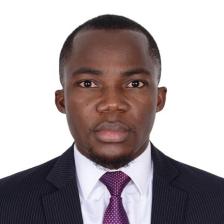
Patrick Stephenson
Ghana Country Manager
Delivering Iraq’s NDC: Advancing the Energy Transition, Reducing Gas Flaring and Tracking Results (COP31)
Iraq Pavilion, Blue Zone, COP31, Antalya
Iraq’s updated Nationally Determined Contribution, submitted to the UNFCCC in November 2025, commits the country to cut greenhouse gas emissions by up to 5 percent below business as usual by 2035, and by up to 22 percent with international support. Delivering on those targets depends heavily on the oil and gas sector, including ending routine gas flaring, which burns off gas that could otherwise supply Iraq’s power plants.
This session at the Iraq Pavilion looks at how Iraq can advance its energy transition, reduce gas flaring and track progress on its climate commitments.
Laury Haytayan, NRGI’s Middle East and North Africa director, will speak on the panel.
Featuring NRGI’s
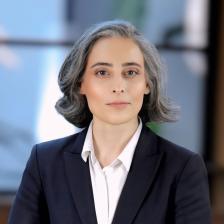
Laury Haytayan
Middle East and North Africa Director
The Energy Transition between Opportunities and Challenges: The TeraMed Initiative (COP31)
Arab League Pavilion, Blue Zone, COP31, Antalya
TeraMed is a civil society campaign calling on Mediterranean governments to reach 1 terawatt of installed renewable energy capacity by 2030, in line with the COP28 pledge to triple renewables worldwide. This session, hosted by the Arab Network for Environment and Development (RAED) at the Arab League Pavilion, looks at the opportunities and challenges the energy transition brings to the region.
Abir Yahyaoui, NRGI’s Middle East and North Africa senior program officer, will speak on the panel. NRGI has supported TeraMed since COP29 in Baku. Read more in TeraMed’s Campaign to Unlock the Mediterranean’s Renewable Energy Potential.
Featuring NRGI’s
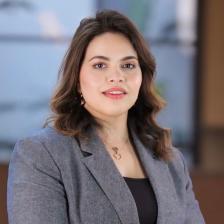
Abir Yahyaoui
Middle East and North Africa Senior Program Officer
High-Level Opening of Together4Transparency: The House Transparency Built (COP31)
Special Event Room 6, Blue Zone, COP31, Antalya
Transparency is the backbone of the Paris Agreement. Under the Enhanced Transparency Framework, countries report on their climate action and support, so the world can see whether commitments are being met. The #Together4Transparency initiative, launched by the UNFCCC at COP27, brings governments, UN agencies and non-state actors together to make that framework work.
Countries are at different stages, from those with years of comprehensive reporting to those just starting out. This high-level opening looks at what transparency has built along the way: stronger institutions, better data, closer coordination across government, and space for subnational governments, the private sector, academia and civil society to take part. It will also ask what it takes to keep that political ownership going and to make sure transparency information shapes NDCs, long-term strategies and investment decisions.
Laury Haytayan, NRGI’s Middle East and North Africa director, will speak on the panel about the role of non-state actors in opening up national transparency systems.
Speakers include:
- Xuehong Wang, Director, Transparency Division, UNFCCC secretariat
- Trigg Talley, Visiting Professor of the Practice, University of Maryland School of Public Policy
- Rachel Harris, Director, NDC and Transparency Capacity Building, Department of Climate Change, Energy, the Environment and Water, Australia
- Suzanne Lekoyiet, Task Manager, UNEP
- Laury Haytayan, Middle East and North Africa Director, NRGI
Moderated by Kaveh Guilanpour, C2ES.
Featuring NRGI’s
Laury Haytayan
Middle East and North Africa Director
Methane Governance in the Middle East and North Africa (COP31)
Arab League Pavilion, Blue Zone, COP31, Antalya
Cutting methane emissions from oil and gas is one of the quickest ways to slow warming, and national oil companies in the Middle East and North Africa have made commitments to do it. This session looks at how those commitments can be measured, monitored and delivered, drawing on NRGI’s research on the methane pledges of the region’s national oil companies.
Featuring NRGI’s
Laury Haytayan
Middle East and North Africa Director
Nigeria’s Oil and Gas Future in a Changing Global Energy System: Global Partnerships for Economic Resilience and Diversification (COP31)
Nigeria Pavilion, Blue Zone, COP31, Antalya
As global demand for oil and gas shifts, producer countries like Nigeria face hard choices about revenues, investment and jobs. This session explores how international partnerships can support Nigeria’s economic resilience and diversification beyond oil and gas.
Featuring NRGI’s

Tengi George-Ikoli
Nigeria Country Manager
Energy Transition Minerals: Pathways to Responsible Supply Chains (COP31)
UNIDO Pavilion, Blue Zone, COP31, Antalya
Demand for energy transition minerals could more than double by 2030 and quadruple by 2050. The challenge for COP31 is to make enough minerals available for the transition, and to help countries add value along the supply chain, without more deforestation, pollution or human rights abuses.
This multi-stakeholder panel, convened by UNIDO’s Global Alliance for Responsible and Green Minerals and its Energy and Climate Action Division, will look beyond individual mining projects to shared responsibility across the whole value chain, from exploration and extraction to processing, manufacturing and recycling. Speakers will discuss how governments, industry, investors, communities and international institutions can make sure the minerals needed for low-carbon energy deliver for both climate and development.
Speakers
- Sascha Raabe, Head, Global Alliance for Responsible and Green Minerals, UNIDO
- Vigya Sharma, Associate Professor, University of Queensland
- Radia Sedaoui, Chief of the Energy Section, UN ESCWA
- John Lindberg, Policy and Government Affairs Principal, ICMM
- Patrick Stephenson, Ghana Country Manager, NRGI
- Leon Riedel, Global Alliance for Responsible and Green Minerals, UNIDO (moderator)
Featuring NRGI’s
Patrick Stephenson
Ghana Country Manager
Equity in the Transition Away from Fossil Fuels: Perspectives from the Global South and North (COP31)
Side Event Room 2 – Dalyan, Blue Zone, COP31, Antalya
Countries are preparing for the second Global Stocktake against the backdrop of a global energy crisis. At COP28, Parties agreed to transition away from fossil fuels in energy systems in a just, orderly and equitable manner, but what that means in practice remains unresolved. Producer countries face falling revenues and the risk of stranded investments, importing countries are exposed to price shocks, and communities in oil-producing regions risk bearing a disproportionate share of the costs.
This side event brings together Parties and negotiating groups from the Global South and North to identify the risks and opportunities that countries and the international community must address to ensure an equitable transition away from fossil fuels. The discussion builds on the Santa Marta conference and the Brazilian COP30 Presidency’s work on transition roadmaps.
Speakers
- Pedro Brancante, Special Advisor to Brazil’s COP30 Presidency and Coordinator of the Roadmap for Transitioning Away from Fossil Fuels
- Antonio Hill, Advisor, Natural Resource Governance Institute
- Dr. George Manful, Advisor, African Group of Negotiators (AGN)
- Elisa Morgera, UN Special Rapporteur on Climate Change and Human Rights
- Kushla Munro, Deputy Secretary, Department of Climate Change, Energy, the Environment and Water, Australia
Featuring NRGI’s
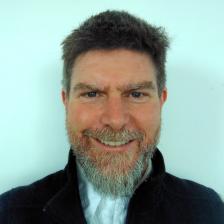
Antonio Hill
Advisor
Electrification Priorities for the Middle East and North Africa (COP31)
Blue Zone, COP31, Antalya
The COP31 Presidency has set a goal to raise electricity’s share of global final energy demand from just over 20 percent today to 35 percent by 2035. For the Middle East and North Africa, electrification could cut fuel import bills, lower energy costs and reduce exposure to oil price shocks. Whether those benefits reach people depends on governance choices about affordability, access and how power systems are run.
This session brings together civil society voices from across the region to set out their priorities for electrification. Speakers will discuss what the 35x35 goal should mean for MENA countries, both importers and producers, and what governments and international partners need to do to deliver it fairly.
Featuring NRGI’s
Laury Haytayan
Middle East and North Africa Director
Abir Yahyaoui
Middle East and North Africa Senior Program Officer