
Ghana: Govt support key to Africa’s first lithium refinery ambition
China is winning Africa’s “white-gold” rush for lithium
Big critical raw materials meeting has no space for indigenous groups
Suneeta Kaimal: The IEA Critical Minerals Summit Must Plot Path to Fairer Mining

Lithium Mining: How the Clean Energy Rush Repeats Old Cycles of Global Exploitation
Prospects for Mexico’s Lithium Sector After Reforms to the Mining Law

- The Mining Law reform establishes that lithium exploration, mining and use are activities for which the state is responsible, without the option to grant concessions, based on the argument that they are activities in the public interest.
- The Mining Law reform leads to the existence of a dual legal system for lithium. On the one hand, the concessions already granted are regulated and monitored by the Ministry of the Economy. On the other hand, exploration and mining that takes place after the reform will be carried out by the state through a state-owned company.
- The objectives and responsibilities of the state within this dual system are unclear. For the mining and processing of lithium to be an opportunity that translates into benefits for Mexican people, clear, consistent and credible policies are needed.
- There are challenges in terms of governance, both for the special system created and the general concessions system. At NRGI, we have identified three aspects of governance we believe require analysis: (1) failures in governance of the general system; (2) governance of state-owned companies; and (3) supply chains and value generation.
The urgency of promoting the energy transition and shifting towards decarbonization has led to the need to increase production and processing of certain minerals, such as lithium. Use of this mineral in battery manufacturing will help us migrate towards electromobility and greater use of renewable energies, which is causing an increase in both demand and the price of lithium. According to a World Bank report, by 2050, lithium production is forecast to increase by 488% compared to 2018.
This situation could be an opportunity for lithium-producing nations to earn revenue and accelerate their own domestic energy transitions. However, a repetition of the old problems Mexico and other natural resource-producing countries in the region have suffered must be avoided, where intense levels of extraction – with significant socio-environmental impacts and few benefits for local and national populations – have led to high levels of conflict. As such, the opportunities that minerals bring to the energy transition should be targeted towards greater value generation for these countries and reduced social and environmental impacts.
In Mexico, discussions on critical minerals – and lithium, in particular – are at an early stage compared to the progress made by other countries in the region. Given the recent discovery of significant lithium deposits in Sonora, the Mexican Government has reformed the country’s Mining Law in order to give this particular mineral strategic significance and create a special system in which the state has greater control than it would otherwise have over other minerals. However, the Government is facing a series of political, technical, environmental and social challenges that must be addressed, given they could create obstacles to Mexico making good use of this resource. Improvements in lithium governance could help eliminate or mitigate these challenges and lead to greater benefits of its usage.
This report seeks to identify some of the most urgent aspects for discussion and resolution from the perspective of natural resource governance. To do so, we will first briefly outline recent changes to Mexico’s Mining Law, as well as their implications and, then, the key aspects of lithium governance that we at NRGI believe must be analyzed in order to maximize the benefits of productive activities related to this mineral in the national interest.
Ghana’s Transition Minerals: No Time to Lose

The government of Ghana launched its energy transition framework in November 2022 at the COP27 climate conference in Egypt. The plan is to guide the country’s transition plans and map its resource needs for the coming 50 years. With global demand for oil anticipated to fall, Ghana’s oil revenues will soon begin to decline. That will have a direct impact on the government’s domestic revenues and subsequently on spending on critical areas such as healthcare, education and social protection. The oil sector contributes approximately 16 percent annually to Ghana’s domestic revenue and 4 percent to its GDP and absorbs a further 30,000 of the country’s labor force through direct, indirect and induced employment opportunities. But Ghana’s future is not in oil.
An aging fiscal regime
Graphite and lithium (recently discovered in large quantities in Ghana) are critical for the energy transition beyond fossil fuels, as these minerals are crucial inputs to green technologies. Ghana’s energy transition framework identifies graphite and lithium as future opportunities for state revenue.
But while Ghana’s fiscal regime includes revenue management laws specific to the waning oil sector, it has no such revenue management provisions for mining. Ghana’s petroleum revenue management laws require the government to report both revenue and expenditure and compel it to allocate a significant portion of oil revenues to specific programs and sectors.
To maximize revenue and broader benefits during the transition years, Ghana needs a new fiscal regime that specifically governs its transition minerals. A business-as-usual approach will hurt the country’s domestic revenue and slows plans for its own transition.
Regulations specific to transition minerals will offer a context-specific framework to guide and govern the sector as well as respond to ongoing global regulatory reforms on transition minerals.
Ghana can learn from other countries’ examples. In 2020, Canada and the United States finalized a Joint Action Plan on Critical Minerals Collaboration. The Canadian government subsequently published a list of 31 minerals identified as “critical.” In 2022, it released a policy statement on how the Investment in Canada Act will apply to investments in Canadian entities and assets in transition minerals sectors. Among others, acquisition of control in companies in this sector will now require ministerial-level approval
The U.S. passed the Energy Act 2020 to introduce reforms and increase investments in technologies to help the country’s energy transition. There are specific provisions for a national strategy on critical minerals production and the country’s independence in the production of such minerals.
In response to the 2022 Versailles Declaration, European Union President Ursula von der Leyen announced the Critical Raw Materials Act in March 2023 to address the EU’s dependency on imported critical raw materials by diversifying and securing a domestic and sustainable supply of critical raw materials. (Though the draft CRMA does not adequately protect against corruption.)
These exact objectives of these regulatory reforms may differ slightly from what Ghana may need. However, they all aim at maximizing states’ interests in these “critical minerals” in the context of the energy transition. Ghana can thus take a cue and act proactively.
Fiscal frameworks designed for Ghana’s transition
These examples indicate that the world is moving at a very fast pace on transition minerals access and control. Can Ghana afford to revert to its old mineral fiscal regimes in this highly competitive environment for transition minerals? To do so may lead to substantial revenue losses and would reduce the country’s status in the transition race to that of a mere producer of raw materials. (The existing regime has several provisions such as development agreements and exemptions that are not tailored to the transition minerals.) The current fiscal regime for mining provides several stability clauses, development agreements and other tax exemptions that erode the country’s domestic revenue. Ghana’s mining sector is prone to illicit outflows, and loses an estimated USD 2 billion annually through smuggling. The government can address these loopholes with targeted sets of regulations.
Ghana needs a transition minerals law to govern the contracting, extraction, processing, export and usage of revenues. The country will benefit from specific regulations to ensure that our transition minerals are refined domestically, and not exported in their raw states as has happened for over a century with Ghanaian gold, bauxite and other minerals. Adding value to these minerals will enhance Ghana’s export revenues to compensate for the expected decline in proceeds from the export of fossil fuels.
The regulation should also guarantee access to secure, affordable and sustainable transitional mineral supplies for the country’s own nuclear and other energy generation operations dependent on green technologies. Most importantly, the government must enforce the law when passed so that it does not suffer the fate of so many other laws that remain toothlessly unimplemented.
And the law should include specific provisions for investment in the sector, including foreign ownership and controls.
Without a new set of regulations that are fit for purpose, Ghana will soon find itself playing catch-up to the rest of the world amid the energy transition. Even with revenue from fossil fuels, Ghana continues to struggle with high unemployment, weak domestic revenue, negative trade balances and persistent balance of payment problems. Weakness in its governance of increasingly crucial transition minerals will only exacerbate these problems.
To conclude, having a new framework specifically for transition minerals will ensure fit-for-purpose governance structures that promote responsible access, increase investment and ensure Ghana’s share of the revenue needed for its own energy transition. To achieve a triple win for Ghana’s minerals, the approach must be different this time.
Governance of transition minerals is critical
Chile’s National Lithium Strategy: Key Governance Questions

The announcement of the launch of Chile’s lithium strategy raised several key questions about the future of lithium mining. What will the development of public-private partnerships look like? How will fiscal and transparency rules be applied? And how will citizen participation be ensured?
On Thursday, 20 April 2023, Chile’s president Gabriel Boric launched Chile’s "National Lithium Strategy," or #LitioporChile, during a live national broadcast. The following day, president Boric elaborated on the strategy during another speech at the Huanchaca Ruins Monument in Antofagasta.
Despite this long-awaited announcement, no documentation with a detailed assessment or goals was shared, with just general outlines of the strategy communicated. The government has only responded to concerns and gone deeper into the proposal through media interviews with authority representatives.
Key points shared during the announcement of the new strategy included plans to establish a new national lithium company, with a draft law to be approved by congress, a new institute for lithium and new technologies, the promotion of state participation in the operations of Salar de Atacama through association agreements with companies with current exploitation contracts, the expansion of exploration and operations to new salt flats, a fiscal rule to limit the expenditure of lithium revenues and the creation of a network to protect salt flats. The government is yet to confirm dates and details for the convening of a participatory process and dialogue with key stakeholders.
As it sets out its national lithium strategy, the government of Chile must address four key questions on the future of the process.
Toward public-private partnerships rather than nationalization
After President Boric's announcement, international media reported that Chile would nationalize its large lithium industry, following in the footsteps of other countries in the region, including Bolivia and Mexico. The government responded during a Bloomberg interview with the Minister of Mining, Marcela Hernando, in which she explained that there are no plans to nationalize. In addition, Kent Masters, CEO of Albemarle, one of Chile’s two lithium producers, shared that “they [international media] are saying that it’s nationalizing lithium, which is not the case.”
While President Boric's speech referred to the “Chileanization” of copper in the 1970s—a progressive nationalization of the country’s copper production—there are no concrete mentions of nationalization in the new lithium strategy. As a strategic natural resource in Chile, lithium is not subject to concessions by law. The two operations currently authorized to extract lithium in Chile, Sociedad Química y Minera (SQM) and Albemarle, are private and operate through leasing contracts. Both companies were cautious following the president’s announcement. But clarifications from the authorities that they would respect existing contracts and that talks would start closer to their completion (2030 for SQM and 2043 for Albemarle, long after the current government's term) indicate that Chile’s lithium strategy is unlikely to lead to a nationalization of the lithium industry. SQM even announced a USD 3.4 billion investment plan for 2025.
Besides, creating a new state-owned lithium company would require congressional approval. The government has previously faced difficulties in passing key projects, such as the tax reform, which was ultimately rejected, and with the part on royalty substantially amended to ensure it would pass through congress.
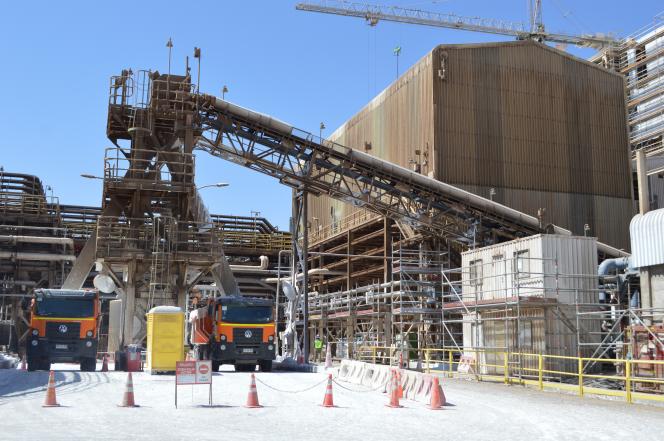
An interpretation of President Boric's statement is that the state intends to ensure active state participation in the lithium industry through existing state companies Codelco and Enami in the form of public-private partnerships. This is already the case for the country’s copper sector, where both companies participate on a minority basis with private companies in operations such as El Abra (49 percent of Codelco), Quebrada Blanca (10 percent of Enami) and Los Bronces (29.5 percent of a joint venture between Codelco and Mitsui). However, a majority stake by state-owned companies would be unparalleled, but, according to the minister of finance, such large stake would not apply to all projects, only to those of “strategic significance.” Clarifying what is meant by that definition will help understand how the government’s lithium strategy intends to approach public-private partnerships.
Fiscal rules and transparency
A noteworthy part of the announcement on Chile’s lithium strategy was the proposal to introduce a fiscal rule with a cap on lithium revenue expenditures, generating savings for social and technological investments. The president referred to a note from the autonomous fiscal council—an independent advisory group of the ministry of finance—published in February this year recommending this approach. The fiscal rule for lithium should form part of a sovereign savings and stabilization fund that can help face the volatility of revenues and provide sustainable financing towards its stated purposes, including social and technology investments.
The note also highlighted the need for increased availability of official information and improved fiscal transparency standards around lithium revenues.
With this in mind, the explicit reference to Chile's adhesion to the EITI (Extractive Industries Transparency Initiative), stating that “the process will begin to incorporate Chile to the EITI, to ensure greater transparency and probity in all extractive industries including lithium mining, meeting the highest international standards” is encouraging.
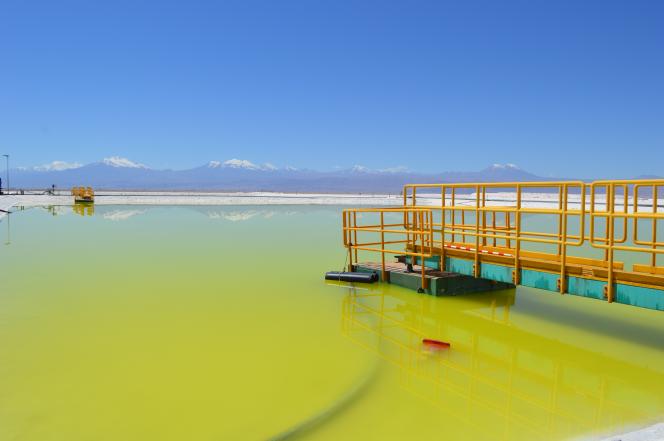
In this context, an important objective of the policy agenda should be on turning this intention into reality, tackle issues around opacity and lack of access to information in the sector, including lack of transparency around the negotiation and awarding of contracts, especially considering planned expansions to new salt flats. This would be in line with the recommendations of the Expert Group for the Prevention of Corruption in Energy Transition Mineral Supply Chains, led by NRGI in coordination with EITI and OECD.
The functioning of the participatory process, the invitees, and the real possibilities of influencing the definition of the future policy will be crucial elements to ensure good governance of the strategic reform process.
Research institutes
The direction of the current strategy is to aim for a sector with higher value addition. To this end, the government is proposing creating an institute of lithium and new technologies, which will be based in Antofagasta.
One of the provisions of the updated lithium contracts is that mining companies would finance technology institutes in Chile focused on research in energy, low-emission mining and the battery industry, with contributions of between $10 million and $18 million.
On the other hand, there are already specialized institutes part of existing national institutions, as is the case of the Advanced Lithium Research Center of the Universidad de Antofagasta.
Given this context, continuing and deepening funding of research, development and innovation programs already in place, to which different institutions can apply, seems preferable to creating a new institution from scratch.
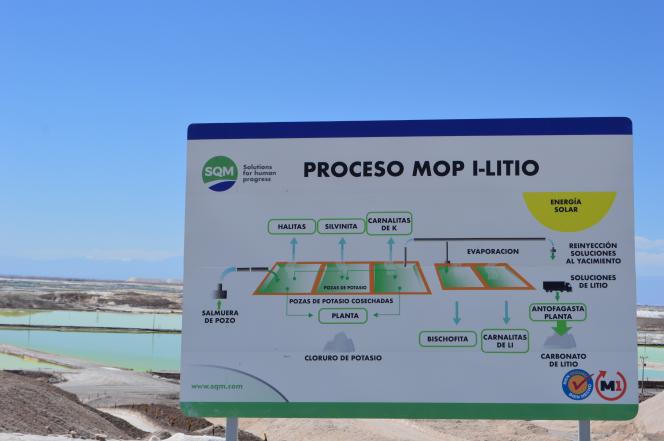
The announcements made in April are just the start of a long and complex process, which will require several different steps and approaches. The success of this strategy requires full participation and dialogue with various stakeholders. The national lithium strategy announcements provide broad guidelines, giving a general idea of the political direction the government wants to follow for lithium. However, the government still needs to define many key aspects to address several of the open questions around the lithium strategy. The government must take the steps needed to promote a process that is seen as legitimate by the different actors involved in the lithium sector.
Europe Must Tackle Mining-Sector Corruption

On 16 March—just over one year after Russia’s invasion of Ukraine threw Europe’s energy system into turmoil—the European Commission published its highly anticipated proposal for the Critical Raw Materials Act. But the draft law falls well short when it comes to addressing corruption, one of the most crucial issues in the extractives sector.
Why is the EU legislating on transition minerals?
Less than three months after air strikes began in Ukraine, the REPowerEU plan set out the EU’s intention to accelerate the energy transition and reduce dependency on Russian fossil fuels, which included legislation on transition mineral supply and ramping up efforts to secure associated partnerships. In announcing the Critical Raw Materials Act, Commissioner Thierry Breton declared that “we must avoid becoming dependent again, as we did with oil and gas.”
Processing of key minerals is more geographically concentrated than that of oil and gas, and EU policymakers are concerned by China’s dominance. The International Energy Agency outlined that China refines 35 percent of the world’s nickel, 50-70 percent of its lithium and cobalt, and a whopping 90 percent of rare earth elements. This has led EU countries to frantically seek supplies elsewhere.
Alongside a renewed (and worrying) push for fast-tracked domestic mining, consumer countries have sought allies to meet their growing mineral needs. This search has led to the creation of the U.S.-led Minerals Security Partnership; strategic partnerships between the EU and countries like Namibia, Kazakhstan, Ukraine and Canada; and visits from European leaders to priority countries like Chile, Argentina and the Democratic Republic of the Congo.
But diversifying away from China is not enough to secure sustainable and responsible supply chains. By turning a blind eye to mining-sector corruption, Europe risks derailing its energy security efforts.
How well does the Critical Raw Materials Act address corruption?
There is welcome recognition of corruption in the Critical Raw Materials Act proposal, yet the commission could significantly strengthen the provisions.
Article 5 of the regulation outlines sustainability criteria for any business that wishes to develop a strategic project, which are eligible for streamlined permitting and financing opportunities. Encouragingly, these criteria include “the use of transparent business practices with adequate compliance policies to prevent and minimise risks of adverse impacts on the proper functioning of public administration, including corruption and bribery”.
Yet the measures for assessing compliance with these criteria are worryingly weak. They rely overwhelmingly on third party certification schemes, many of which are of dubious quality, or compliance with draft due diligence legislation that fails to address corruption.
This language suggests that only unsavory characters in mineral-rich countries perpetrate corruption, ignoring the often-central role of extractives companies based in high-income jurisdictions, including the EU.
The commission recognizes “known sensitivities and challenges in extractive industries” and the need to support good governance capacity and transparent business practices in non-EU countries. But this language suggests that only unsavory characters in mineral-rich countries perpetrate corruption, ignoring the often-central role of extractives companies based in high-income jurisdictions, including the EU. Requiring companies across the minerals supply chain to undertake due diligence on governance impacts could help address this imbalance in the CRMA.
Germany's Olaf Scholz meets with Chile's Gabriel Boric. Photo by Bloomberg via Getty Images.
As drafted, the CRMA risks gliding over critical corruption risks. Much remains unclear. Will the previous poor conduct of companies be taken into account when making strategic project decisions? Who will monitor or legally enforce compliance with sustainability criteria? How will third parties effectively report alleged breaches of these criteria?
To strengthen sustainability measures in the EU’s critical raw materials policies, particularly around corruption, the European Parliament and Council should:
- Include robust due diligence provisions for environmental, social, and governance concerns in the Critical Raw Materials Act, with a particular focus on governance issues unaddressed in draft due diligence legislation.
- Take into account the previous conduct of companies as part of the decision-making process for strategic projects, to help ensure the integrity of EU funding.
- Develop ways to effectively monitor and enforce sustainability criteria, ensure that civil society actors can report sustainability breaches, and give oversight bodies the necessary powers and responsibility to take remedial action within a set time period.
Why does tackling corruption matter?
First and foremost, corrupt actors steal from societies to enrich themselves. Revenues from the extractives sector that should fund schools, healthcare and essential infrastructure instead line the pockets of corrupt leaders and dubious agents, helping to cement the rule of autocrats the world over before being frittered away on luxury property and superyachts.
Corruption is also an efficiency concern. NRGI research has identified that mining lead can be 2-3 years shorter in jurisdictions with better governance—years humanity can ill afford to waste as we approach climate tipping points. In Guinea, wrangling over alleged corruption has led to decades of delays to development of the world’s richest iron ore deposit. Similar delays regarding transition minerals could derail progress toward a low-carbon future.
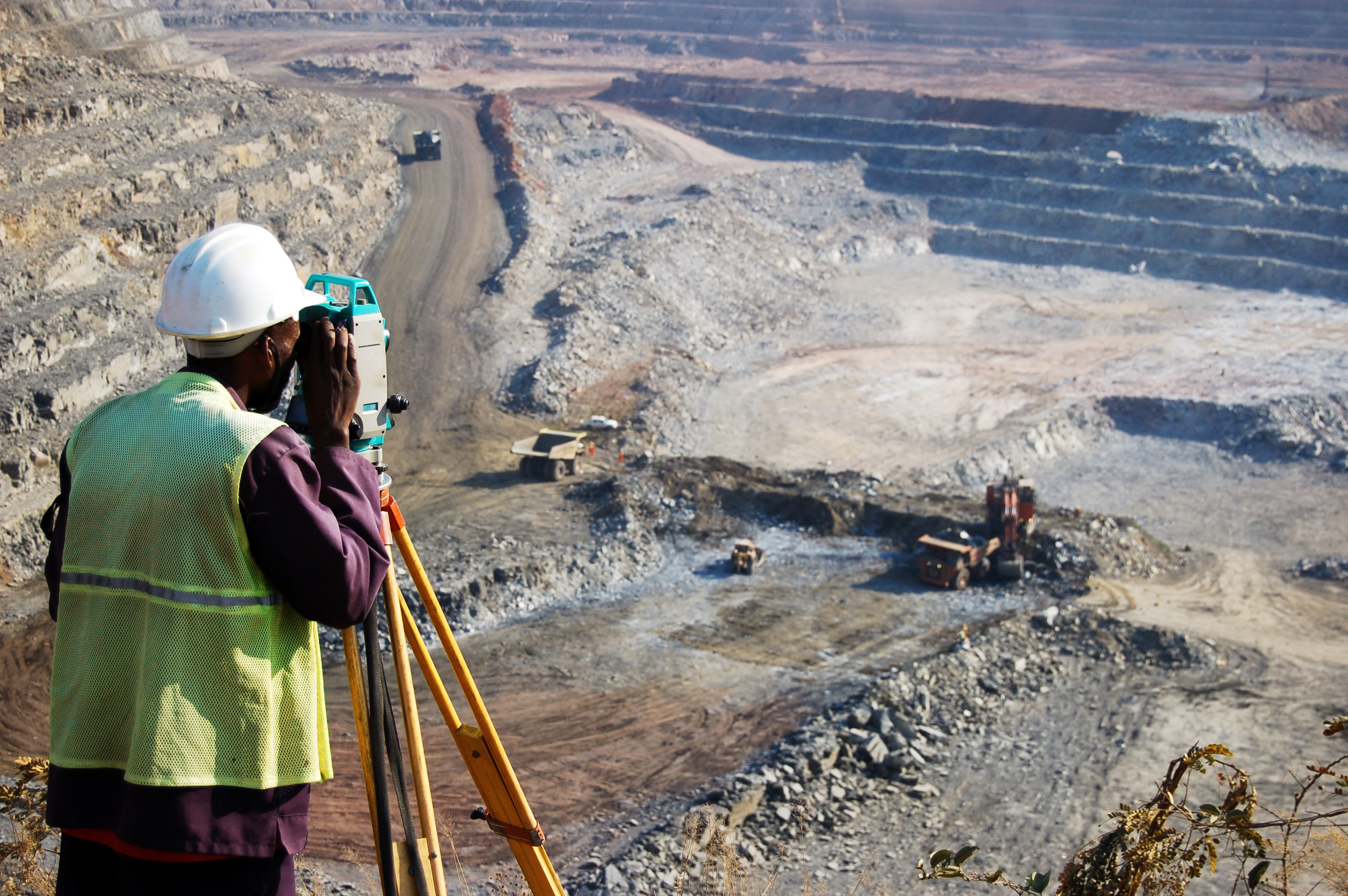
Furthermore, corruption jeopardizes much-needed environmental and social safeguards around mining. Licensing approvals can run roughshod over community members’ wishes. Companies can cover up environmental damage, which officials ignore. These injustices can then be eased with a timely political donation, a subcontract granted to favored contacts, or straight-up bribes.
The mining industry has a long and inglorious history of such behavior and, in the rush to diversify away from China, European policymakers risk deepening longstanding inequalities rather than upending them, and enabling corrupt actors rather than holding them to account.
If Europe misses this crucial opportunity to tackle extractive-sector corruption it will have failed to learn from the past year’s energy upheaval, decades of mining industry exploitation, and the lessons of its own recent corruption scandal. Cleaner energy requires cleaner politics and cleaner business. To achieve this goal, the Critical Raw Materials Act will be critical indeed.
Peru Seeks Mining Sustainability Amid the Energy Transition

Español »
“Peru is a mineral-rich country with an important geological potential to become a key player in providing the critical minerals necessary for a green energy transition,” says Veronica Morelli, an attorney from Peru specializing in social and environmental law and policy.
Morelli was a participant in the 2022 edition of the advanced course “Natural Resource Governance and Energy Transition: Policies and Practice,” co-organized by the NRGI and the NADEL Center for Development and Cooperation at ETH Zurich. This year, the course brought together 31 participants (14 women, 17 men) from 17 countries to discuss and learn about the most pressing issues in natural resource governance, with a focus on the energy transition and its impact on the sector.
In the weeks after the course, I spoke with Morelli about how demand for transition minerals will impact Peru. She explains that demand for critical minerals is projected to increase in the coming decades, and that Peru must take advantage of its position in this context. According to the Ministry of Energy and Mines, Peru currently has a portfolio of 63 mining exploration projects worth USD 586 million, spread across 16 regions. In addition, 43 projects worth USD 53.2 million are under construction in 17 regions. “On the one hand, the Peruvian government has to provide clear and adequate conditions for the development of this portfolio,” explains Morelli. “On the other, companies must compete in the global market, and so they must pay attention to the current critical factors in the mining sector, including improving community relations, social and environmental sustainability efforts, and investing in innovation and technology to use cleaner energy in their operations.”

Veronica Morelli, participant in the advanced course “Natural Resource Governance and Energy Transition: Policies and Practice"
Morelli began her career in the private sector, where she was an attorney involved in the launch of PERU LNG, the first natural gas liquefaction plant in South America. With a total investment of USD 3.8 billion, PERU LNG represented the largest investment in a single project made in Peru at the time. This was a valuable learning experience for her as she was involved in the environmental and social impact assessments for the construction and operation and monitored regulatory challenges and provided legal assistance.
Afterward Morelli moved to the public sector, working in the hydrocarbon activities supervisory entity of the OEFA, the Peruvian Environmental Evaluation and Enforcement Agency, where she supervised more than 40 different companies in the oil and gas sector in Peru and was responsible for overseeing environmental control and ensuring the right balance between private investment and environmental protection. Since joining OEFA, she has advised national and international clients and projects, including the Sustainable Development Strategies Group (SDSG).
Using the advanced course as a platform to discuss Peru’s current challenges, Morelli noted that “in recent years, the formal mining sector in Peru has taken the issue of sustainability very seriously, not only as a requirement to remain competitive and meet current standards but also as an important tool to address climate change,” explaining that a growing number of companies are now working on mining-related economic, environmental, social and governance issues related to the United Nations Sustainable Development Goals (SDGs). Peru has made ambitious commitments to reduce its greenhouse gas emissions and decarbonize by 2050. A key factor in achieving this goal is to boost the use of renewable energy. Currently, however, only 5 percent of total energy demand is renewable.
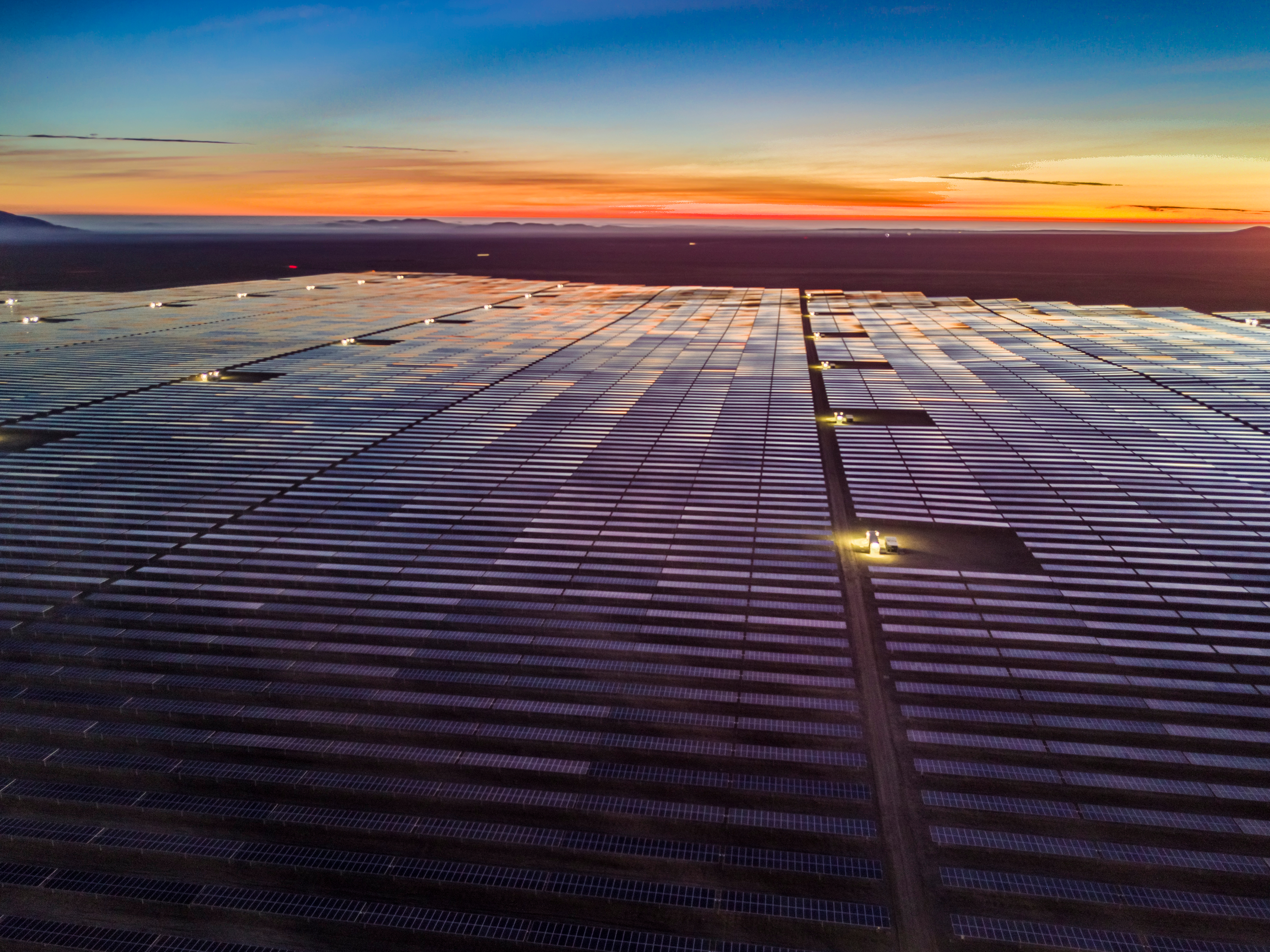
“With the goal of increasing this to 20 percent by 2030, the government must act in a manner consistent with its commitments and build a plan with specific actions and regulatory changes to achieve this goal. While the mining industry has the potential to grow in line with this trend, it is important for the industry to focus its efforts on two areas: reducing water consumption and using cleaner energy sources.”
Connecting with participants from different countries and backgrounds during the advanced course provided Morelli with an opportunity to learn how much resource revenue management depends on the context and circumstances of each country. In the case of Peru, the country has managed to develop its natural resources despite constant political crises. Morelli explains, “This is mainly because mining is a key pillar of the Peruvian economy due to its contribution to public finances. However, recent social conflicts have led the mining sector to temporary cessations of mining operations, posing several challenges to the industry. In this context, the state has been unable to guarantee the integrity of the private property and the safety of communities and miners, creating instability and risks to the continuity of the mining activities.”
Reflecting on how the advanced course connects to the realities facing Peru, Morelli had an opportunity to discuss the challenges facing the country as a result of the current political crisis and the need for the Peruvian government to provide adequate policy changes so that the mining industry can continue its development for the benefit of Peru’s citizenry.
Finally, Morelli stressed that Peru must make progress on the energy transition that is equitable and just. As the next round of climate negotiations nears, she notes that the minerals needed to shift away from fossil fuels need to be sourced without impacting the environment and local communities. “COP27 is an opportunity for countries in the "LithiumTriangle"—Argentina, Bolivia and Chile—which hold 65 percent of the world’s lithium reserves, to play a big part in this critical discussion.”
Top photo by Jose Luis Stephens for Shutterstock. Bottom photo by abriendomundo for Shutterstock.
The advanced resource governance course from NRGI and ETH-Nadel is a yearly course.