
Senegal: Governing Natural Resources at a Pivotal Moment

As Senegal enters a new era as an oil and gas producer, the third National Forum on Extractive Sector Governance offers an opportunity to reflect on the governance choices that will shape how the country's natural resources contribute to long-term development.
On 30 June and 1 July, Senegal's Ministry of Energy and Petroleum, EITI Senegal and NRGI will bring together government, parliament, civil society, affected communities, the private sector and international partners in Dakar for the third National Forum on Extractive Sector Governance. The forum comes at a defining moment in the country's development: Senegal is now an oil and gas producer. At the same time, the country faces the challenge of developing its oil and gas resources while advancing its energy transition and long-term development goals.
Stakeholders from across the sector will meet to discuss the priorities that should shape this next phase. The governance choices made today will determine whether Senegal's natural resources translate into quality public services, stronger fiscal resilience and a just energy transition that supports sustainable and inclusive development. Through its Senegal Vision 2050 agenda, the country aims to turn extractive revenues into sustainable public investment, reduce its vulnerability to commodity price cycles and build accountable institutions that endure beyond political transitions. The forum provides an opportunity to advance that conversation.
Senegal has been producing oil since June 2024 and liquefied natural gas since February 2025. The country's legal framework is now in place, including a hydrocarbons revenue management law, parliamentary oversight mechanisms and stronger transparency requirements. But the context in which those rules must now operate has changed significantly. Public debt, revised to 132 percent of GDP by the Court of Auditors, has reduced the country's fiscal room for maneuver. PETROSEN has taken on a larger operational role in developing the country's gas projects, while the government has launched a process to review oil, gas and mining contracts. At the same time, Senegal must balance the development of its gas resources with expanding renewable energy and meeting its climate commitments.
At a time of fiscal pressure and high public expectations, what distinguishes a new producer is not just the size of its resource base. It is the strength of its governance institutions and their ability to ensure transparent, effective and equitable management of natural resources over the long term. Those are precisely the questions that stakeholders will address in Dakar.
NRGI has worked in resource-rich countries for more than 20 years, including five years of engagement in Senegal. Together with public institutions, EITI Senegal, civil society, affected communities and other partners, NRGI has contributed to several of the reforms and debates that have shaped this period, from strengthening the legal framework for extractive revenues to supporting the establishment of the government's grievance mechanism in the hydrocarbons sector, as well as advancing public debate on methane emissions, supporting affected communities and contributing to the creation of the Platform of Civil Society Actors for a Just Energy Transition (PACTEJ). A more detailed review of these five years of work will be published soon.
An agenda for the next phase
The National Forum is not an endpoint. It is a starting point for the next phase of Senegal’s resource governance, offering a chance not only to take stock of progress and identify remaining gaps, but to set clear priorities and build momentum for the work ahead. Discussions will focus on revenue management, contract transparency, PETROSEN's role, the trade-offs between hydrocarbon development and the energy transition, critical minerals and the participation of communities and local authorities. These are complex questions that will require difficult choices and sustained collaboration across government, civil society, industry and communities.
The discussions in Dakar matter beyond Senegal. Since 2021, the country has shown that a well-designed governance framework can be brought to life through sustained dialogue, capacity development and evidence-based approaches, resulting in tangible gains in transparency and accountability. The next phase will test whether those rules can be put into practice as Senegal seeks to develop its natural resources, protect its communities and build a more sustainable, resilient and inclusive energy future. Ultimately, the country's future will be defined not only by production, but by whether Senegal can turn its natural resources into lasting benefits for its people. The National Forum is an opportunity to help shape that next chapter.
The authors thank Amir Shafaie and Papa Daouda Diene for their contributions.
Senegal National Forum on Extractive Sector Governance
On June 30 and July 1, key extractive sector stakeholders will gather in Dakar to discuss the challenges and priorities shaping natural resource governance in Senegal.
A Call for Accountable Transitions: UN Highlights NRGI’s Work on Responsible Exit
The recent report from the UN Special Rapporteur on human rights and climate change, The Imperative of defossilizing our economies, makes clear that phasing out fossil fuels this decade is essential for a just, effective and transformative transition.
Importantly, the report addresses how this transition must unfold: states—including in the Global South—must embed fossil fuel phaseout into new economic models that uphold human rights, protect the environment and prioritize future generations. As the report puts it:
“States, including in the global South, should consider the phaseout as part of an obligation to develop new economic models.”
The report also places clear responsibility on companies in this transition, echoing recommendations long championed by NRGI and partners:
Oil and gas companies must not walk away from cleanup obligations when exiting projects.
Specifically, the report calls on companies to “abstain from offloading closure liabilities by way of divestment” (p. 22, footnote 79). This language directly reflects NRGI and Carbon Tracker’s Responsible Exit Principles. The framework guides companies to manage fossil fuel asset transfers transparently and responsibly—protecting communities, workers and the environment from the long-term harms and cleanup burdens fossil fuel projects can leave behind.
Nicola Woodroffe, Lead Legal Analyst at NRGI, who developed the Responsible Exit Principles, explains:
“Petroleum asset transfers require clarity on how the buyer and seller will manage environmental and social impacts, including any liabilities attached to the asset. Proper management post-transfer is crucial for maintaining social license to operate and adhering to international standards.”
With global costs for decommissioning—the process of safely closing and cleaning up oil and gas facilities—estimated in the hundreds of billions of dollars, these principles are essential for a fair and accountable energy transition.
This recognition from the UN highlights the growing influence of NRGI’s work in shaping responsible, transparent, and just fossil fuel transitions worldwide.
Watch and learn
Below, watch Nicola Woodroffe’s video from Climate Week NYC 2025, where she discusses the Responsible Exit Principles and their vital role in advancing just and accountable energy transitions.
Explore the Responsible Exit Principles
To understand how fossil fuel asset transfers can be managed responsibly and transparently, read our detailed Responsible Exit Principles.
Learn about transparency and stakeholder engagement
For a deeper dive into transparency and stakeholder engagement standards that should guide fossil fuel exits, read Nicola’s blog post.
Setting Up Uganda’s National Mining Company to Boost Sustainable Development

Key messages
- A Natural Resource Governance Institute survey of national mining companies (NMCs) provides useful lessons for the newly established Uganda National Mining Company (UNMC), as the Ugandan government and UNMC Board of Directors work to operationalize the company.
- With a limited commercial mandate, UNMC could play a valuable role in unlocking Uganda’s mineral potential by investing in geological surveys and co-financing exploration to derisk projects for experienced exploration companies.
- A cautious approach would be beneficial, given the considerable opportunity cost of using public funds and the risky nature of exploration, especially in the early years as the company builds experience.
- UNMC could learn from other NMCs that have struggled to benefit from minority state equity and reconsider these plans. If it continues to seek minority equity, its strategy for negotiating shareholder agreements and dividend rights will be critical and could involve guaranteed dividends or preferred shares.
- Regardless of UNMC’s mandate, a clear funding model, along with strong management, oversight and transparency policies and implementation mechanisms, is essential for enabling the company to successfully contribute to Uganda’s sustainable development.
The Government of Uganda recently established UNMC as part of its effort to increase the contribution of the nascent mineral sector to sustainable development. In November 2024, the Ministry of Energy and Mineral Development appointed the Board of Directors to begin operationalizing the company.
To support this process, we have compiled the experiences of other NMCs. Most of the more than 62 other NMCs around the world have a commercial mandate to manage the state’s majority or minority equity participation in mines. Operational mandates are less common, primarily because most NMCs lack the technical or financial capacity to efficiently operate mines. While some governments have assigned both regulatory and commercial mandates to NMCs, most have separated these roles to avoid conflicts of interest and reduce the risk of corruption.
National mining companies across the world
NMCs can help the government exercise greater control over the sector, speed up technological and human-capacity development, address market failures, generate additional revenue, and ensure responsible mining. Some NMCs have successfully achieved their objectives as well as long-term profitability. However, many face significant weaknesses or struggle to fulfill their mandates. NMCs that have a controlling interest in or operate mines often suffer from high costs and weak revenue generation. Those with minority or non-controlling equity in mines have also generally experienced financial disappointments. Unless a government mandates dividend payments, majority shareholders can retain earnings, reinvest profits, or shift profits to offshore subsidiaries or other related parties, thereby lowering dividends on state equity.
NMCs can also play a role in production-sharing arrangements if a government chooses to receive its share of production in kind, taking physical delivery of the minerals. While production sharing has been rare in the mining sector, it is increasingly being considered, including by Uganda. Production sharing can help mitigate some transfer pricing risks; however, for some countries, it has generated new challenges related to transportation, warehousing and negotiating sales contracts.
A few NMCs invest further along the value chain in smelting, refining, and other downstream activities. However, many of their projects have been unprofitable and have failed to stimulate the establishment or expansion of other sectors. NMC involvement has generally not changed the reality that access and proximity to mineral deposits play only a small role in determining the feasibility of moving along the value chain.
The challenges faced by several NMCs have been compounded by investments in non-core activities without the requisite expertise, and by suboptimal funding models. NMCs often retain an excessive proportion of revenues and fail to distribute dividends to the government. Many NMCs are also overindebted or borrow on unfavorable terms, increasing state liabilities.
The global experiences of NMCs offer valuable lessons for UNMC on how it can contribute to growth of the minerals sector and sustainable development of the country. Based on these experiences, this report outlines ten recommendations for the Ugandan government and UNMC’s Board of Directors.
- Set a clear, limited mandate focused on addressing market failures to unlock Uganda’s mineral potential.
- Reconsider paying for non-controlling equity in a mine’s development and operational phases.
- Carefully consider production sharing, including UNMC’s capacity to do so.
- Invest in value-addition activities only where they align with a clear, evidence-based strategy.
- Limit non-commercial and non-core roles.
- Allocate start-up capital based on a realistic plan, budget and assessment of opportunity costs.
- Allow only the retention of revenue from own investments and set a high payout ratio to government.
- Engage experienced consultants to support setting up UNMC to align with its mandate.
- Ensure parliament reviews operations and finances and approves large investments, and that external auditors conduct annual audits.
- Require the highest standards of transparency.
The Consolidated Mining Standard Initiative Must Dig Deeper

Four mining industry associations— The Copper Mark, ICMM, Mining Association of Canada (MAC) and World Gold Council (WGC)—are consolidating their different voluntary responsible mining standards into one global standard, the Consolidated Mining Standard Initiative (CMSI). They aim to produce a standard that verifies practices at the level of facilities, such as mines or smelters, and that end users can ultimately use to identify responsibly mined materials.
While the stated goals of the CMSI—to reduce complexity and clarify responsible practices—are laudable, many civil society actors have expressed skepticism after reviewing the draft documents released for the October-December 2024 public consultation on the CMSI. Some question why a new standard is needed given that a strong, independent, facility-level standard already exists in the form of IRMA, the Initiative for Responsible Mining Assurance. Some are concerned that the CMSI could be a power grab by the industry associations—a way to preempt governments and international bodies which seek to establish rules to minimize the harms associated with the race to renewables, for which minerals and metals are critical inputs.
Given the reach and influence of the four partnering industry associations, everyone interested in responsible mining must take the CMSI seriously. The partner associations anticipate that the CMSI could be used by as many as 100 mining companies across approximately 600 facilities in around 60 countries. What is more, policy developments in some jurisdictions may further boost the potential influence of standards like the CMSI. Most notably, the EU Critical Raw Materials Act (CRMA) specifies that companies can use certification schemes that meet the EU’s criteria to verify compliance with sustainability standards for strategic projects involving critical raw materials, particularly those sourced outside the EU.
NRGI’s own analysis of the CSMI points to four key areas where the standard must be improved if it is to contribute positively to the sector. These comments are based on inputs from NRGI colleagues working in over a dozen mineral-producing countries. They also build on the recent NRGI publication Behind the Schemes which identifies gaps in the ways that many existing mining sector certification schemes—including those of The Copper Mark, ICMM and the Mining Association of Canada (MAC)—address corruption.
1. The CMSI’s performance framework needs significant adjustment to ensure credibility.
The draft CMSI presents requirements under three levels of performance: “foundational”, “good” and “leading.” While a gradual framework like this can present companies with a pathway to drive improved performance over time, the requirements at each level currently need careful adjustment:
- Many of the foundational level requirements are currently so low that they risk undermining the whole standard, particularly given that the current draft standard allows companies to still claim that they are in alignment with the standard even if they only meet foundational practice in some areas. Framers of the CMSI should strongly reconsider the foundational practice requirements or remove the level altogether.
- The good practice level should be renamed if it is to remain the level that is in line with industry standards and international norms, frameworks and guidelines. “Satisfactory practice” would be more appropriate. Furthermore, many requirements at this level currently fall short of existing standards including on contract transparency, payments to government, responsible taxation, and anticorruption. To demonstrate that this level aligns with the standards it claims to, the CMSI must publish an equivalency mapping ahead of the second consultation showing which existing standards, frameworks and guidelines have been considered and how they have been incorporated.
- The leading practice level should be called “good practice”; so many companies already demonstrate the constituent elements that the current title is inaccurate. True leading practice is about pushing past existing horizons and is a level beyond what can be contained in a written standard.
- Finally, there are problems with the way that international law relating to human rights, child labor, slavery, Indigenous peoples and corruption is represented among the three practice levels. Full compliance with local and international laws must be a foundational practice.
NRGI’s specific comments on the CMSI requirements are available in this document.
2. The CMSI needs a standard approach for instances where the standard’s requirements are prohibited by local laws.
There may be limited instances where facilities will not be able to meet certain CMSI requirements because they are prohibited to do so by local laws. For example, certain disclosures may be prohibited under confidentiality laws. In these instances, the standard should consistently 1) prevent companies from incorrectly claiming that local laws prohibit CMSI implementation, and 2) help host country jurisdictions improve and align their legal frameworks with international standards. To do this, the standard should compel companies to first identify and publish the specific legal text that prohibits compliance in the published assurance report; and second, notify the government that its legal framework is not in line with the CMSI.
3. The CMSI should set high thresholds for companies to make performance claims.
Much of the CMSI’s credibility will rest on how easy it is for companies to say that they meet the performance requirements of the CMSI. While there is a danger in setting this threshold so high that it acts as a deterrent to uptake and implementation, there is greater risk that the threshold is set so low that CMSI claims do not convey meaningful information about company practice. The policy should require facilities to meet all of the good practice requirements to make a performance claim. Requiring anything less than 100 percent adherence would mean that not all performance claims are equal, leaving uncertainty as to whether specific performance criteria have been met (e.g., child labor or human rights), and ultimately making the performance claim less meaningful. One alternative might be to identify core good practice requirements that must be met as part of a performance claim. However, this approach would add further complexity to the standard, and it may not be possible to reach consensus about which requirements should be excluded. The best option is to require facilities to meet all of the good practice requirements to make a performance claim.
4. The CMSI needs a robust multistakeholder governance model to remain relevant in the long term.
True multistakeholder governance would provide channels for different stakeholders to scrutinize and guide the development and application of the CMSI over time, allowing the CMSI to self-correct and evolve as problems are discovered, as circumstances change and as responsible mining practices evolve. Multistakeholder governance is also a requirement for any certification scheme to be recognized by the EU under the Critical Raw Materials Act.
The proposed governance structure, which specifies participation of different interests in the CMSI board and committees, ensures some level of diversity but falls short of true multistakeholder governance. As the EU Critical Raw Materials Act outlines, multistakeholder governance requires a mandate “which confirms or supports the involvement of the multi-stakeholder representatives of that certification scheme”. The proposed CMSI governance model falls short in four ways:
- Stakeholder groups are not able to select their own representatives. Rather, the choice of board and committee representatives is for the chair to decide in consultation with the Stakeholder Advisory Group and the Industry Advisory Group. This raises the possibility that representatives could be seen as illegitimate by the groups they represent.
- There is no process for how different board members should engage and consult with their constituencies. This is critical to ensure that individuals and groups outside of the formal governance structures of the CMSI have their interests and perspectives heard in CMSI policy processes. A straightforward fix would be to require and resource different stakeholder groups to develop their own constituency processes.
- The governance structure does not present any way of addressing the clear asymmetries of power that will be present in the proposed policy bodies. This presents the danger that powerful and well-resourced groups such as multinational companies are able to steamroll decisions, reducing the participation of less-resourced groups to window dressing. The CMSI should support stakeholder groups to develop their own coordination and support structures to ensure that constituency representatives are sufficiently prepared to engage in CMSI decision making processes.
- Some important stakeholder groups are missing from the proposed structure. A role for civil society is necessary for the CMSI to meet the EU definition of multistakeholder governance under the Critical Raw Materials Act, yet the governance model does not use the term civil society. Instead, it only mentions some of civil society’s constituent members under mining and value chain stakeholders. The CMSI must specify a role for civil society as a whole. Another important omission is governments, who are uniquely positioned to help mining companies meet the requirements of the CMSI.
NRGI’s specific comments on the CMSI governance model are available in this document.
Behind the Schemes
Decisionmakers are increasingly looking to certification schemes to provide information on the sustainability of mining operations, yet these schemes have significant room for improvement regarding how they address corruption in their standards.
Transparent Endings: Principles for Oil and Gas Companies Transferring Assets

Nicola Woodroffe spoke at the launch of Responsible Exit Principles for Oil and Gas Companies, focusing on the guidance’s transparency and engagement principles. This is an excerpt of her remarks.
When transferring a petroleum asset, but also when disengaging from a project more generally, transparency is a critical factor, and a cross-cutting issue.
In these principles, we’ve affirmed existing international standards such as OECD guidelines, the Extractive Industries Transparency Initiative, the UN Guiding Principles on Business and Human Rights and others that basically require that companies 1) contribute to addressing climate change, 2) manage their environmental and social responsibilities, and 3) disengage responsibly from the countries and the communities in which they operate—and part of that is providing transparency on the impacts of their assets transfers.
Responsible Exit Principles for Oil and Gas Companies
A framework to guide asset transactions and ensure that environmental and operational integrity is upheld
Those broad international normative standards should not be viewed as just voluntary, but as increasingly binding and increasingly necessary to comply with in order to protect against legal, regulatory, financial and reputational risk. Part of the guidance’s transparency principle is about being able to demonstrate compliance with the principles through disclosures of key provisions of the sales and purchase agreements, which address how the buyers and sellers are going to comply with the decommissioning obligations and ensure that there's adequate funding and also the buyer’s commitments with respect to emissions management, measurement, reporting and reduction.
Another key aspect is providing clarity on the role of asset transfers in the seller’s broader transition strategy. A key goal of these principles is to prevent the conflation of asset transfers with meaningful emissions reduction. So the goal here is to distinguish and show how the transfer affects the seller’s absolute emissions, emissions intensity and progress towards emissions targets, building on existing standards such as the Greenhouse Gas Protocol, EDF and Ceres’ Climate Principles, and others.
A third very important component is providing clarity on how the buyer and seller are going to manage environmental and social impacts, the environmental and social liabilities that are attached to the asset that's being transferred, and how they will be managed after the transfer. This is a critical issue for ensuring social licence to operate and complying with existing international standards. This would include disclosing a list of the assets being transferred so that all stakeholders know what is included in the transfer, and what are the environmental and social liabilities that are attached to those assets. Also: disclosing the buyer’s commitments with respect to community development, local procurement, local employment and how they will be continued after the transfer based on what the seller was doing before, and how impacts will be minimized. There should also be transparency around the deployment of funds from the disposal of the asset and outcome of stakeholder consultation. It is an existing international standard requirement to consult with stakeholders when disengaging from an asset.
In the guidance we share some key issues for stakeholder engagement that we think are priorities based on the inputs we received from more than 100 consultees, but also our experience in working with a range of countries as NRGI and Carbon Tracker. This would include engaging with relevant stakeholders, like host governments at the national level (but also at the subnational level), Indigenous peoples, local communities, and civil society at large, on changes in government policy that may be required for host governments to implement their own climate strategies. This also includes engaging on changes in exploration and production contracts or domestic supply agreements that may be required as a result of government policy, but also commitments by the companies with respect to decommissioning and to limiting production. We also recommend engagement on ensuring that that local benefits are not reduced—looking at how to maintain community development arrangements; how to maintain employment; if there will be impacts on employment; whether there will be reskilling, upskilling, redeployment; and benefits for workers. It is also important that companies engage with their investors on specific asset transfers and on asset transfer policies in general.
There are more details in the principles, but one that I would highlight is ensuring consistency between lobbying and climate commitments and climate statements that companies make. This builds on standards such as the Global Standard on Corporate [Climate] Lobbying and it also applies to lobbying host governments. These should be aligned with the companies’ stated climate commitments.
And diversification opportunities. To the extent that a company is looking to diversify out of oil and gas, it would be beneficial to engage with relevant stakeholders on how the company can contribute to domestic diversification and clean energy provision [in host countries]. The goal is to engage to minimize decreases in local benefits and to promote sustainable development.
Responsible Exit Principles for Oil and Gas Companies

Asset transfers in the oil and gas industry are not new. Yet, as the energy transition accelerates, there is a growing risk that oil and gas companies sell assets in response to pressures to decarbonize. However, transferring assets to operators with lower standards can lead to higher emissions and increased risks. This briefing offers a framework to guide these transactions and ensure that environmental and operational integrity is upheld.
Designed for use by a range of stakeholders, these principles set out best practices to help companies manage financial, legal, environmental and reputational risks during asset transfers. They were developed with input from representatives of the oil and gas industry; investors, the financial, legal and accounting professions; the insurance industry; standard-setting bodies; academia; and civil society. All stakeholders can adopt and refine these standards to support a responsible, low-emissions future and harmonize regulatory practices across the industry.
These principles are relevant to:
- Buyers and sellers (public/state-owned/private) of upstream oil and gas assets to manage financial, environmental, legal and reputational risks.
- Financial institutions who can refer to these principles when determining whether and under what conditions to lend to, invest in, underwrite, advise or insure a company in the oil and gas sector
- Professional advisors (legal counsel, who can refer to these principles when drawing up contracts of sale; external auditors, who can assess the quality of optional disclosures in the notes to the financial statements and narrative disclosure; and consultants, who can weigh up the implications of these principles when advising on strategic priorities, including using M&A as a tool to accelerate business model transformation)
- Governments and financial regulators, who can use these principles to consider how best to regulate both decommissioning activities and asset transfers within their jurisdictions, including the impact such transfers may have on nationally determined contributions (NDCs), and the implications for fiscal policy.
- Host communities, civil society and other accountability actors who can monitor the terms and implementation of asset transfers to hold sellers and buyers accountable for their compliance (or non-compliance) with these principles, including as part of broader just transition considerations.
Related NRGI team members:

Nicola Woodroffe
Legal Analysis Lead

Erica Westenberg
Governance Programs Director
How Companies at Africa’s Mining Indaba Can Take Meaningful Action for People and Planet

Next week, policymakers, industry executives, civil society actors and development partners will converge on Cape Town, South Africa for the 2024 African Mining Indaba. Now in its 30th year, Indaba is an annual confab, primarily known as a venue for dealmaking and discussions between governments and mining companies.
This year’s theme—“Embracing the power of positive disruption: A bold new future for African mining”—is encouraging. As players like the U.S., EU, China and most recently Gulf oil powers scramble for the continent’s minerals, this time must indeed be different. The history of mining in Africa is riddled with economic, social and environmental injustice, often accompanied by underinvestment and supply disruptions. A triple win—for people in African mining countries, for their environment, and for the energy transition itself—is sorely needed.
Only by reducing investor risks arising from disputes with governments and communities will companies be able to sufficiently increase capital flows into Africa's mining sector to take full advantage of booming demand.
Civil society organizations and activists at the Alternative Mining Indaba, a very un-corporate parallel Indaba universe, have for years made the case for a better deal for Africans. World leaders are belatedly recognizing the importance of transition mineral governance for ensuring the production of green technology needed for climate change mitigation. At the COP28 climate conference, UN Secretary-General António Guterres stated that “the extraction of critical minerals for the clean energy revolution… must be done in a sustainable, fair and just way.”
Companies must also ensure that Africans get a better deal. Only by reducing investor risks arising from disputes with governments and communities will they be able to sufficiently increase capital flows into the sector to take full advantage of booming demand. And it seems companies are beginning to realize this. At last year’s Indaba, industry executives made frequent reference to “ESG” (environmental, social and governance considerations). And at this year’s edition companies are again queuing up to speak on panels about sustainability.
However, in the last year concrete action has been sporadic at best. This year’s Indaba is a good opportunity for companies to clearly define what actions they will take. Below are some of these actions on value addition, social and environmental protection, and corruption.
Value addition
Value addition—usually meaning the refining of raw commodities into something closer to their final consumable form—is increasingly sought after in most mining nations, as it brings additional revenues, jobs and, in some cases, an opportunity to produce inputs for producers’ domestic economies. African leaders reinforced their call for more value addition to take place on the continent at last year’s inaugural Africa Climate Summit.

To realize these ambitions, African governments must develop a clear and credible mineral-specific strategy. International players such as the U.S. and European Union need to convert memoranda of understanding on mineral supply cooperation with the likes of the Democratic Republic of the Congo and Zambia into concrete action to derisk financing and address other bottlenecks.
However, industry also has a critical role. Companies should:
- Support independent, publicly disclosed value addition feasibility studies. Companies should work with governments to better incorporate value addition planning in the licensing process and ensure transparency at key decision points. Companies, such as those soon to start mining Tanzania’s rare earths and Ghana’s lithium, increasingly agree to some form of scoping of value addition feasibility. But these assessments are often ill-defined and lack clear timeframes, and neither the companies nor government tend to publish them. Independent, published feasibility studies as part of license conditions would not only help governments to manage public expectations when value addition is not feasible but also help them to make value addition more feasible in the longer term by identifying bottlenecks.
- Coordinate. Coordination between mining companies operating in the same or neighboring countries could alleviate challenges of costly infrastructure needs and scale. Guinea’s huge Simandou iron ore project is finally proceeding with at least eight companies coordinating to construct two mines, a railway and a port; but companies in Guinea continue to primarily export bauxite ore despite sufficient scale for large alumina refineries that could bring down costs if they coordinated to supply feedstock. Governments should help to bring companies around the table, but companies themselves can be more proactive in this regard.
Social and environmental protection
Limiting the social and environmental harms of mining is just as crucial as maximizing the benefits. Some mining companies have taken positive, preliminary steps in this area—for example, “nature positive” commitments made by International Council of Mining and Metals (ICMM) members last month. But companies can and must do more. They should:
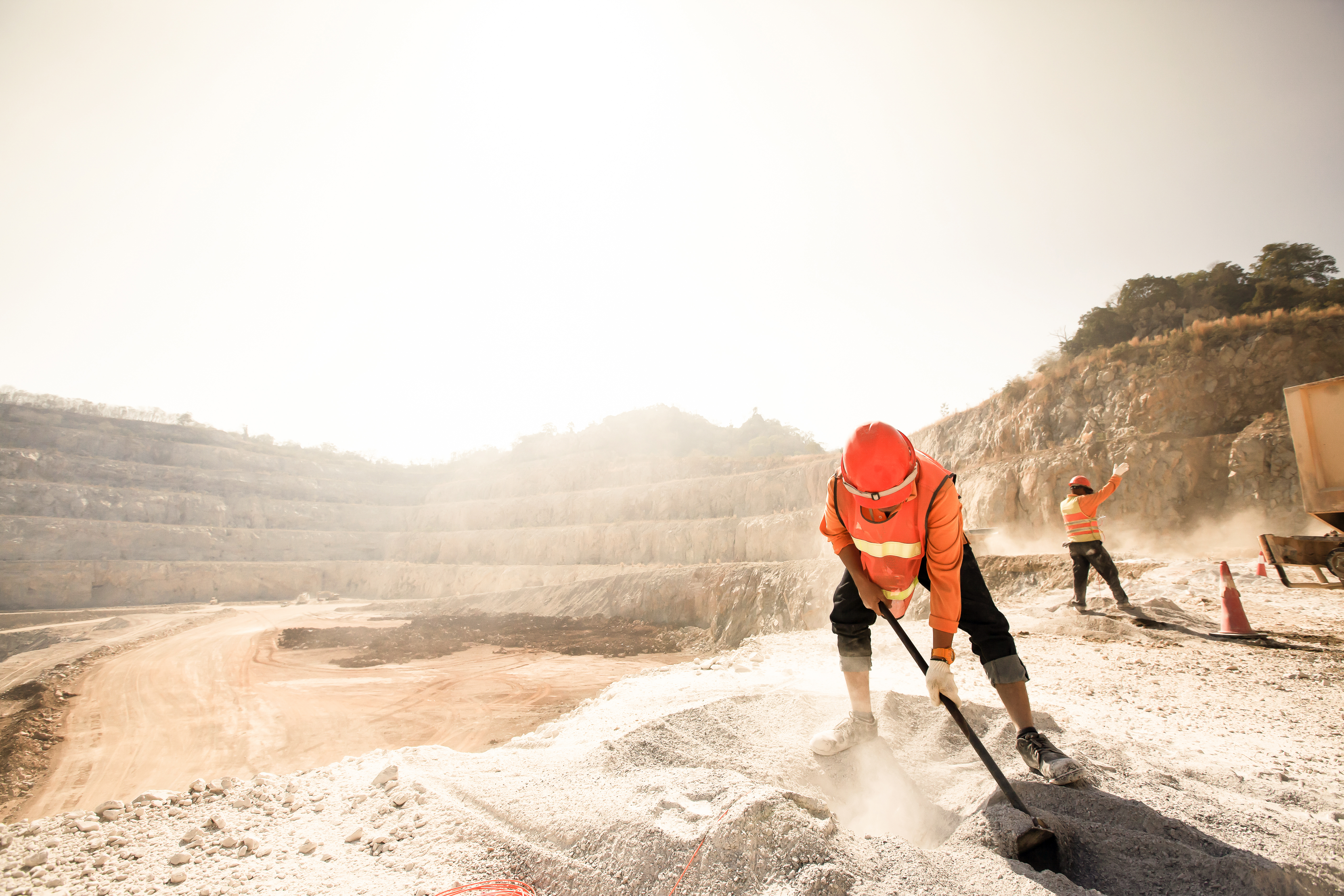
- Observe and expand mining no-go zones. ICMM members have committed to not exploring or mining in UNESCO world heritage sites and complying with the objectives of legally designated protected areas. However, this falls short, for example, of protecting forests of high conservation value inside and outside of protected areas—a key step for protecting communities and the environment. Nearly 27 percent of the Congo Basin’s intact tropical rainforests overlap with mining concessions. Governments should designate no-go zones, but companies shouldn’t wait for that to act themselves.
- Meaningfully consult with communities. In principle, governments and companies have increasingly recognized the need for “free prior and informed consent” from communities before allowing extraction. However, this engagement often has limited meaning. A recent analysis of 26 African countries found that seven do not require public consultation until after companies have completed a draft environmental and social impact assessment, rather than during the drafting process. Given the importance of community relations for companies’ “social license to operate,” and the expertise that communities bring on managing their local environment, companies should undertake meaningful consultation irrespective of any legal requirements.
- Publish project-level information on impacts. More project-level information will enable greater engagement by local actors directly affected by mining’s social and environmental impacts. The new Global Reporting Initiative (GRI) mining standard, set to launch next week at Indaba, supports this move by emphasizing mine-site reporting on a wide range of impacts such as water, waste and emissions.
Corruption
Corruption stands in the way of a better deal for the people and environment in African mining countries, and with it more minerals to address the climate crisis. Without action, the risk that the scramble for Africa’s minerals fuels corruption is high: corruption allegations have already emerged in relation to the race for Africa’s lithium.
To effectively tackle corruption, companies should, among other actions:
- Reduce the use of agents and intermediaries. Corruption commonly comes in the form of company staff paying bribes to public officials via agents and intermediaries. Companies should follow the example of trader Trafigura, which in 2019 committed to no longer hiring third parties to perform “business development” functions (recently announced bribery charges related to activities in 2009-2011 show why action on corruption at the company was essential). Companies should exert extensive control over relationships with any remaining intermediaries.
- Be transparent. Companies should adopt and champion project-level contract, payment, commodity trading and beneficial ownership transparency in line with the Extractive Industries Transparency Initiative Standard (EITI) to make it easier for journalists, citizens and other accountability actors to detect corruption. While there are examples of good practice, such as Newmont and Rio Tinto, 73 percent of EITI supporting companies still do not meet the expectations on beneficial ownership transparency and 27 percent fall short on contract transparency.
- Ensure strong due diligence to avoid elite capture. In many countries, powerful officials and their allies receive unfair access to the mining sector and its profits, including through influencing the choice of subcontractors and partners. Petrobras, the Brazilian national oil company, has reduced these risks following the “Car Wash” scandal by requiring suppliers to report beneficial ownership information and verifying this information for higher-risk entities—and refusing to engage with any entity whose key personnel or beneficial owners have unmanageable conflicts of interest. Mining companies should follow suit.
As Indaba kicks off on Monday, we hope to see companies embrace the types of positive disruption outlined above to achieve a “triple win.” It’s in everyone’s interest that they do.
The extraction of critical minerals for the clean energy revolution must be done in a sustainable, fair and just way. The Democratic Republic of the Congo-Zambia battery plant offers an opportunity.
Chevron Deserts the Extractive Industries Transparency Initiative. Remaining Companies Must Step Up.

The energy transition requires that mining, oil and gas companies embrace transparency—not run away from it.
One way that companies can disclose information of public interest is through the Extractive Industries Transparency Initiative. Last year, the EITI defined expectations for “supporting companies” in order to create an accountability framework for private sector participants in the initiative.
The new EITI standard—agreed by governments, companies and civil society representatives in June—places the energy transition at the heart of good governance. The EITI has entered a new chapter to help inform and drive the transition away from coal, oil and gas to a world powered by solar, wind and other forms of renewable energy.
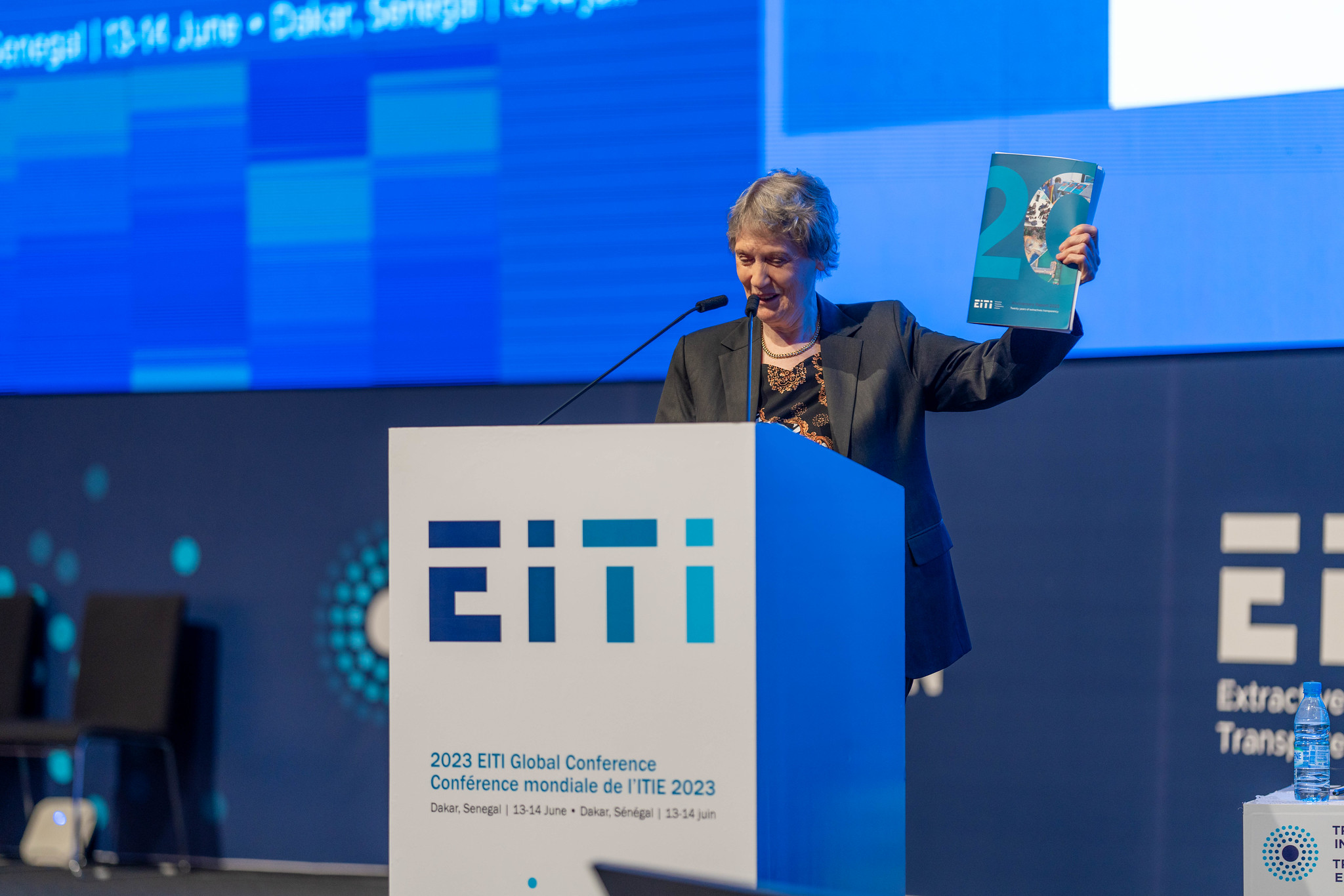
On 28 September, Chevron wrote to EITI board chair Helen Clark informing her of its decision to no longer participate as an EITI supporting company, joining fellow oil and gas major ConocoPhillips in turning its back on multistakeholder dialogue about extractive sector policy, transparency and accountability. EITI is not just a mechanism for reporting information about licenses, contracts, payments and other aspects of extractives relevant for citizens in resource-producing countries; it is also a rare and unique space for dialogue between diverse types of actors. It is one of the only forums where big companies like Chevron sit across the table from representatives of civil society.
While Chevron has said it will still participate in the EITI at the national level in countries where it extracts oil and gas, its disengagement at the global level leaves the company even further behind in what should be a race to the top in extractive sector reform. Chevron helped to shape the EITI Standard; what does Chevron mean by walking away from it? (The company was an EITI board member from the board’s inception until June 2022.)
This prompts the question of whether Chevron really bought into the EITI’s principles during its time on the board, or was rather using the initiative as a fig leaf to launder its reputation as an oil company indifferent to social and environmental impacts of its operations.
For too many years, Chevron actively undermined the EITI, efforts for climate action, and the introduction of laws for mandatory payment disclosure in the U.S. and elsewhere. Civil society groups involved in the EITI repeatedly called Chevron out for its duplicity. Avoiding such scrutiny seems a likely reason for the company’s recent exit from the initiative. Having a seat on the EITI board brings responsibility, and companies must show leadership by being earnest and genuine ambassadors of the EITI Standard. In today’s world, it means they must work with governments and civil society for a just energy transition.
But Chevron isn’t the only scofflaw. Despite consistent calls from communities around the world, some companies including ExxonMobil refuse to fully publish their project-level payments to governments in EITI-implementing and non-implementing countries (as described in EITI companies expectations nos. 2 and 3), according to a recent EITI assessment of supporting companies.
Project-level reporting of taxes, royalties, fees and other payments is at the heart of the EITI; and is now an international norm that goes beyond EITI. The Global Reporting Initiative includes project-by-project reporting as does the International Council of Mines and Metals (ICMM) in its policy standards for members. In Canada, the 27 EU nations, Norway, Switzerland, U.K. and more than 50 countries implementing the EITI companies make these disclosures, which are the minimum baseline level of transparency required to effectively monitor corruption in this notoriously opaque sector.
Yet many supporting companies fall short of EITI expectations. For example, 73 percent of supporting companies do not meet the expectations on beneficial ownership transparency and 27 percent have fallen short on contract transparency (expectations nos. 6 and 8).
It doesn’t have to be this way. Companies like Equinor, Newmont, Repsol, Rio Tinto and a few others fully meet the EITI’s company expectations, leading the way to better practices. This shows their commitment to transparency and the values of EITI. Though this does not automatically qualify them as responsible climate players, we strongly encourage others to follow their example.
The detailed findings of the EITI assessment of company performance were published after the last EITI conference in Dakar. Members therefore missed the opportunity to use the assessment as the basis for selecting the best performers to represent the private sector on the EITI board. In Dakar, a controversial nomination resulted in ExxonMobil remaining on the board. The company must step up rather than step down like Chevron and move toward greater transparency by addressing the gaps in its own adherence to EITI expectations of supporting companies. This will help lift the standards of integrity in the EITI.
The EITI’s new energy transition agenda will require the initiative to engage further with renewables companies, but now more than ever it needs big oil and gas companies to show leadership and strengthen their participation, instead of just walking away.
The authors are civil society representatives on EITI board (2023-2026). Clancy Moore is the CEO of Transparency International Australia. Matthieu Salomon is the anticorruption lead at the Natural Resource Governance Institute.
Podcasting for the People in Congo

In Swahili, tetea means defend and mazingira means environment. It’s a fitting title for the podcast that Daniel Makasi launched in Goma, a city in the eastern Democratic Republic of the Congo, in September 2022.
In its relatively short lifespan, the Tetea Mazingira podcast has featured women who work in the extractive sector (a group disproportionately impacted by mining); highlighted the harsh reality facing children living near mines; and shown how logging companies operating without proper consent have ignored the rights of Indigenous Pygmy communities. In short, it has provided in-depth, expert analysis of the DRC’s mining, forestry and hydrocarbon industries, and broadcast testimony from those directly affected by extraction.
A platform for amplifying peoples’ voices and exposing the harm they face from the extractive industries was sorely needed.
As in many resource-rich countries, foreign and domestic actors in the DRC have denied the majority of the population the social and economic benefits of the nation’s abundant natural wealth. And the public service that Tetea Mazingira offers will remain critical, given that the DRC holds vast quantities of the minerals needed for a clean energy transition.
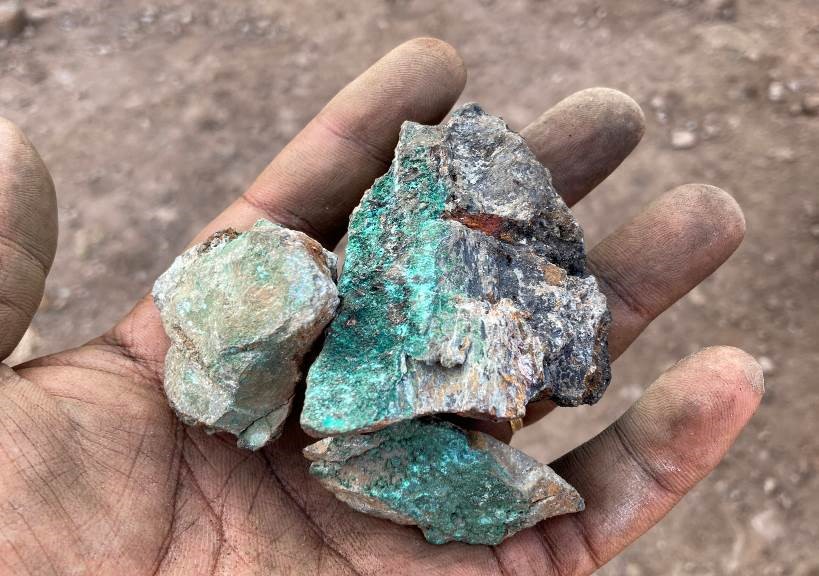
“We have a great duty to communicate about the sustainable management of our resources,” says Makasi. “At the moment, it’s about the energy transition. Who exploits where, why and who wins what. In the DRC we have the strategic minerals to help the world make this energy transition, but what will the Congolese people gain while their minerals are being exploited? This transition has to be fair, equitable and inclusive.”
Resilience
Makasi was born and still lives in Goma, the capital of North Kivu province. The city is home to around two million people.
“We live with many threats,” says Makasi. “We are still learning to be resilient despite all the difficulties we face–security challenges, but also the presence here of toxic gas [which is released because of volcanic activity and which kills many people every year].”
Fifteen miles from Goma is also Mount Nyiragongo, one of the world’s most active volcanoes that spews the planet’s fastest flowing lava. In May 2021, the volcano erupted, forcing 400,000 people from their homes and leaving at least 32 dead.

These are just some of the many social and environmental challenges faced by the people of North Kivu province: from foreign mining companies that encroach on community land without consultation or contribution to local development programs, to a population forced to use firewood because they lack electricity (thereby contributing to the deforestation ravaging the DRC’s tropical forests)—all against the backdrop of dire threats to their security from armed conflict.
Makasi’s desire to play his part in overcoming these problems set him on his current path.
He initially studied accounting, but changed direction because of his passion for the environment, and subsequently gained a degree in environment and sustainable development. Makasi started working in radio in 2015, before he’d even finished his degree–and was soon focusing on environmental stories.
“As an environmentalist, part of my motivation is to give a voice to people who are affected by environmental problems, and also approach experts to share their experience with us, to share the results of their research.”
“As an environmentalist, part of my motivation is to give a voice to people who are affected by environmental problems, and also approach experts to share their experience with us, to share the results of their research,” he says.
In 2019, Makasi received a grant from the Natural Resource Governance Institute (NRGI) to attend a summer school course on the governance of extractive industries at Bisson Catholic University of Central Africa campus in Cameroon, where he learned to interpret mining revenues data published via the Extractive Industries Transparency Initiative. He says that NRGI resources are “among my key tools when designing and producing my podcasts. I regularly consult NRGI news and blog posts to feed my inspiration.”
Global reach
Makasi’s switch from radio broadcasting to podcasting follows a global trend–there are an estimated three million podcasts across the world–and came after he undertook research which showed podcasting could greatly expand his audience. Podcasts are downloadable anywhere in the world, and have a reach far beyond the limits of the FM radio frequency on which he previously relied. “Now my shows can be heard far away from Goma, far away from the DRC,” he says.
In fact, people listen to Tetea Mazingira in more than 50 countries; these include other Francophone African nations such as Burkina Faso, Cameroon, Chad, Madagascar, Niger, Republic of Congo and Senegal.
“With the tools that are in place, it’s easy to map where the podcasts are being listened to and how many downloads they have, unlike the radio, where we don’t know who’s listening. We’ve even recently started to broadcast via YouTube’s new tool, YouTube Podcast,” says Makasi.
“We’ve interviewed people who defend the rights of minorities and discussed the regulation that’s meant to make their voices heard. We’ve also covered the problems surrounding the exploitation of methane gas in our region’s lakes, and the stories of the fishermen enduring the pollution because of it. When we cover these issues, we also have to approach the communities that are at risk, and not ignore that it’s also a business opportunity for people who can be employed in companies to exploit methane gas,” he adds.
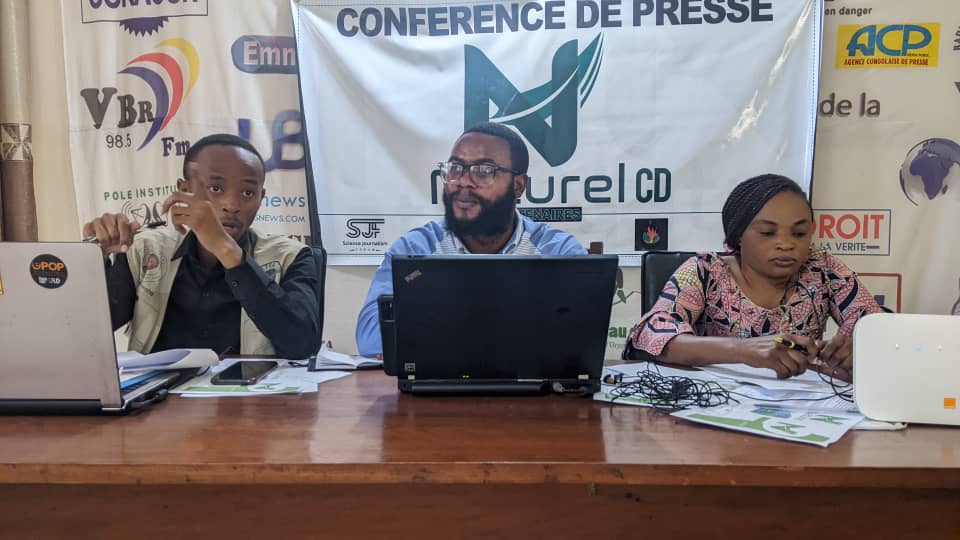
Makasi also draws inspiration from interacting with listeners, who share their questions and ideas for programs, helping shape the podcast’s direction, making it truly inclusive and reflecting their concerns.
Podcasts can also be broadcast on the radio, which remains an important channel in the DRC. Five radio stations in North Kivu province now include Tetea Mazingira in their schedules. Among them is the Tayna Community Radio, which broadcasts Tetea Mazingira twice a week on the FM band, and has a listenership of about two million listeners, according to January 2021 estimates by Radio Tayna's management.
Some local authorities, Agence Congolaise de la Presse ACP/Nord-Kivu (a national news agency in the Democratic Republic of Congo), and a network of reporters who write on biodiversity, are interested in producing other podcast episodes on natural resource governance, climate change and natural disaster issues in North Kivu province and DRC. With such collaborations Tetea Mazingira’s reach could continue to grow.
“We want to make the voices of our communities and experts heard through our podcasts so that those who are far from the DRC know the challenges we face,” says Makasi.
Tetea Mazingira will continue to raise awareness of the challenges posed by natural resource extraction in the DRC–and equip the public with the vital information needed to tackle them.
Natural Resource Charter (2nd ed.)
The Natural Resource Charter is a set of principles to guide governments' and societies' use of natural resources so these economic opportunities result in maximum and sustained returns for a country's citizens. It outlines tools and policy options designed to avoid the mismanagement of diminishing natural riches, and ensure their ongoing benefits.
The charter is organized around 12 core precepts offering guidance on key decisions governments face, beginning with whether to extract resources and ending with how generated revenue can produce maximum good for citizens.
First launched in 2010 at the annual meetings of the International Monetary Fund and the World Bank, the charter was written by an independent group of practitioners and academics, under the governance of an oversight board composed of distinguished international figures with first-hand experience of the challenges faced by resource-rich countries. It relaunched at the 2014 Natural Resource Charter Conference in Oxford, England.
See More:
 Natural Resource Charter - Arabic (2mb)
 Natural Resource Charter - Bahasa Indonesia (305kb)
 Natural Resource Charter - French (310kb)
 Natural Resource Charter - Mongolian (630kb)
 Natural Resource Charter - Russian (431kb)
 Natural Resource Charter - Spanish (301kb)
The charter's framework and body of experts form an integral part of the Natural Resource Governance Institute.
Read more about the framework and its applications around the world.