
The Use of Gas for Energy in Low- and Middle- Income Countries

-
What are the main risks a country could face if it over-invests in domestic gas?
-
Should countries use gas as a “transition fuel” to renewables, or should they focus on growing renewables now?
-
Isn’t switching to gas good for the environment since it is a relatively “green” fuel?
-
Should countries invest more in gas to achieve energy security?
-
What options does a country have to pay for its gas plans?
This primer summarizes some issues that gas-producing countries must address if they aim to use gas to meet their own energy needs. Any nation that extracts gas can either export it to buyers elsewhere or consume it at home—in power plants, cars and buses, household stoves and furnaces or industrial facilities. (Exporting gas comes with other risks and tradeoffs that are not covered here.)
Governments in around two dozen countries in Africa, Asia and Latin America want to build new pipelines, plants and other infrastructure to use some or all their gas reserves at home. They see gas as key for meeting their economic and energy sector goals. (See box below.) But not everyone agrees that investing in domestic gas is the way to go. A range of voices, from grassroots activists and national and regional NGOs to international climate campaigners, argue that gas is too environmentally destructive and economically risky, and that countries should invest in renewables instead. Foreign investors meanwhile are showing less interest in domestic gas projects, and wealthy nations in North America and the European Union have pressured the development banks they own and influence to stop funding gas.
These divisions have made low- and middle-income country gas use into a flashpoint in the global energy transition—and especially on the question of whether the transition will be “just.” The countries with ambitions for gas accuse the wealthier ones of sending mixed messages and having double standards, especially when many of the wealthy countries stepped up their own hunts for gas after Russia fully invaded Ukraine. Meanwhile, the unmet energy needs in some lower-income gas producers are huge, especially in Africa, where the lowest-income, most vulnerable populations are often the last ones served.
Some lower- and middle-income countries will continue burning domestically produced and imported gas for years to come. But in the current debate, oversimplified arguments and political slogans obscure the risks these countries may face if they invest too much in gas, and the challenges of leaving fossil fuels behind. A different kind of debate is needed, one that focuses more on which energy sources can best meet a country’s needs at the least cost to its economy, people’s lives and the planet.
Access to electricity in African gas-producing countries
Electricity access in Africa must triple by 2030 to meet demand, but countries aren’t keeping up. By 2030, almost nine out of every ten people living without electricity could be African, and half of the ten countries with the largest projected population growth are African fossil fuel producers. Fifteen African countries use gas for electricity, with most of the use concentrated in North Africa. A few of these have significantly expanded access to electricity, but mainly using hydropower, solar and wind—not gas. Meanwhile, two-thirds of schools and one in four health facilities in sub-Saharan Africa don’t have reliable electricity, which leads to lower rates of school attendance, literacy and graduation, and more preventable disease and death for millions.
Senegal: What we know about the oil contracts that Bassirou Diomaye Faye wants to renegotiate
Senegal: Bassirou Diomaye Faye aims to renegotiate contracts with oil giants BP, Kosmos, Woodside
Senegal’s New Leader Plans to Revisit Oil Deals with BP, Kosmos
Au Sénégal, le projet gazier GTA s’invite dans la campagne
Africa’s Biggest Gas Finds Hit by Political Turmoil and Debt Spirals
How the Nigerian Government Can Right Size Its Gas Ambitions for Economic Development

Meeting Nigeria’s domestic energy needs remains one of the most significant barriers to sustainable development and economic growth in the country. Only half of Nigeria’s 200 million citizens currently have access to energy, and with the population set to double by 2050, universal access is a huge challenge.
The government proposes to ramp up gas production, utilization and export, with the aims of supporting industrialization, boosting domestic energy supply (for power, cooking and transport), and increasing government revenues. By doing so, the government expects to enhance economic activity, thus improving the lives of the half of the population living in extreme poverty.
The status of gas amid energy transition
Whether ramping up gas utilization is feasible, or indeed the appropriate approach to achieving Nigeria’s energy supply and economic ambitions, is uncertain. What is certain is that global pressure to transition away to cleaner energies and defund fossil fuel projects complicates the process of realizing that goal and could lead to wasted investments that jeopardize the economic and energy security of Nigerians in the future.
As the top oil producer with the largest gas reserves in Africa, set at around 200 tcf of proven reserves, Nigeria should be able to easily meet its domestic energy needs. But weak legal and regulatory frameworks, big infrastructure gaps, a non-cost-reflective pricing regime and host community conflicts have made the domestic gas sector uncompetitive and unattractive to investors. This, in turn, has left gas reserves underexploited, especially more expensive non-associated gas which represents half of Nigeria’s reserves.
Implementation of reforms by successive governments through the 2008 Gas Master Plan (GMP), the 2017 National Gas Policy (NGP) and other instruments have proven slow. With the passage of the Petroleum Industry Act (PIA) 2021, the legal, fiscal and regulatory framework of the gas sector has been strengthened with the creation of dedicated regulators, a dedicated minister, provision of third party access to infrastructure, and other improvements. But many gaps remain.
Thus the Decade of Gas Policy, launched in 2021 to address the limitations to achieving domestic gas-based industrialization and economic prosperity, and reduce energy poverty, faces greater challenges. The ambitious plan, not yet in the public domain, is intended to implement all previous ambitions in the GMP and NGP, including construction of the Nigeria-Morocco gas export pipeline, expansion of the Nigerian Liquified Natural Gas (NLNG) facility, and revival of the Nigerian Gas Flare Commercialisation Programme (NGFCP).
The government also intended the policy to settle debts to gas producers and initiate discussions on 10 key gas projects, aimed at unlocking greater volumes of gas both for domestic use and export. Nigeria seeks to unlock 3.1 bcf/d of gas to attract $14 billion in foreign direct investment, create over 2 million jobs and add $12 billion to the federal government’s revenue. However, three years on, authorities have publicized neither the policy itself nor progress updates, despite calls for clarification from several civil society actors, including the African Initiative for Transparency Accountability and Leadership, Civil Society Legislative Advocacy Centre, Centre for Journalism Innovation and Development, Stakeholder Democracy Network, Paradigm Leadership Support Initiative, Extractive360 and Nextier.
A challenging calculus
Despite the passage of the PIA, the push for gas expansion may have come decades too late. Fossil fuel projects are being defunded. The European Union will slap gas cargoes it deems to be of high methane and carbon intensity with punitive levies aimed at making them less competitive with cleaner fuels.
Consequently, African ambitions to bridge the still pervasive infrastructure deficit and expand investments to ramp up supply are more challenged than ever before. Countries on the continent only received 5 percent of global funding for gas power projects in 2022 compared to 12 percent in 2015. International public money for gas production in lower-income countries is less than $4 billion a year on average, with most going to Mozambique. With a gas infrastructure investment deficit of $20 billion per year, the Federal Ministry of Petroleum Resources and Power may need to prioritize alternative energy sources, in the midst of the government balancing its ambitions to transition its energy raising $10 billion annually.
Further, Nigeria’s government has not aligned its gas ambitions with broader energy transition plans, even as it bases its transition on leveraging gas as a “transition fuel.” New investments in gas fields as envisioned in section 9 of the PIA runs counter to the evolving global shift away from fossil fuels. New investments require long lead times before projects come online (and returns are realized), at which point there will likely be an oversupply of products and no demand. If countries’ commitments to combat climate change hold, Nigeria may be unable to export gas at the level it has come to rely on. That could potentially lead to stranded assets, including the pipeline investments to Europe, and infrastructure lock-in if renewable demand increases. Similarly, as gas production and use expand, the release of methane from flaring and venting gas, and from fugitive emissions, will likely increase. Those increased emissions will limit Nigeria’s ability to fulfil global methane emission reduction commitments, and also impact the health and environmental safety of nearby communities.
How the Nigerian government can move forward
To manage the decade of gas to enable Nigeria to meet its domestic energy needs and foster economic growth while accounting for global energy transition, the Nigerian government should:
- Manage its gas ambitions. Regurgitating all previous gas plans’ ambitions within the context of global commitments to defund fossil fuel investments is unrealistic. The government should instead acknowledge the reality of the energy transition; review its previous gas plans; access the available funds for projects; and adjust and articulate a shared agenda for financing a holistic domestic energy system with gas and renewables accounted for.
- Publicly disclose comprehensive details of gas plans. Unlike the GMP and NGP, the Decade of Gas Policy was neither approved by the Federal Executive Council nor published. The Federal Ministry of Petroleum Resources (Gas) and the Decade of Gas Secretariat must disclose details on the planned projects, realistic financial projections, and periodic progress updates so that Nigerians and investors can track progress and implementation and hold the government accountable.
- Align with national, subnational and energy transition plans. The Federal Ministry of Petroleum Resources (Gas) should work with the National Council on Climate Change and the Energy Transition Office to align gas plans with the energy transition plans to ensure sustainability. The Federal and State Ministries of Budget and National Planning should ensure that the gas plans do not contradict national and subnational development plans, and align to help achieve goals such as reducing household wood fuel use and increasing electrification.
- Manage the risks associated with expanding gas use. The Federal Ministry of Petroleum Resources (Gas) and the Federal Ministry of Environment should properly assess the risks involved with gas expansion, and create a strategy to minimize the impacts, maximize the benefits, phase out oil and gas assets, and plan for a post-oil and gas future.
- Demonstrate sustainability. The Nigerian Upstream Petroleum Regulatory Commission (NUPRC) and the Nigerian Midstream Downstream Petroleum Regulatory Authority (NMDPRA) should clarify how they intend to fund gas expansion, resolve legacy power sector debt, utilize flared gas through the NGFCP, and attract international oil company investments for more gas generation and infrastructure development. Most importantly, authorities should clarify how these investments will comply with Nigeria’s global commitments to reduce methane emissions.
- Require all gas projects to include community development agreements (CDAs). Gas projects should include community development initiatives such as health care services, educational programs which can directly benefit marginalized groups such as women and youth, and enhance quality of life in affected communities. The involvement of communities in project decisions would determine CDAs’ level of impact.
- Close the inequality gap. The Federal Ministry of Petroleum Resources; Gas and the Decade of Gas Secretariat should manage the Decade of Gas initiatives in a way that supports the economic independence of women and youth, especially, and specifically improve women’s decision-making power in use and distribution of gas, thereby contributing to gender equality and social inclusion.
- Include civil society. Authorities should deliberately engage civil society and the media to ensure they translate the government’s decisions to the Nigerian people. Media can guide the government to stay on course through consistent investigations, reviewing and agenda setting.
If Nigerian authorities can develop gas expansion plans sensitive to the increasing constraints (financial, infrastructural, human resource-related) imposed by the energy transition, they could better balance the need to meet domestic energy demand and achieve a sustainable energy future.
The authors wish to thank members of the civil society coalition on gas—Louis Ogbeifun (AfriTAL), Alexander Sewell (Stakeholder Democracy Network), Charles Majomi (NEXTIER) and Juliet Alohan Ukanwosu (Extractive360)—for their contributions to this post.
Investors commit $1bn to gas-to-power projects
Reading the COP28 Tea Leaves on Gas

You’ve seen the headlines: the final agreement from COP28 includes some long-overdue if limited commitments to move away from fossil fuels. But then there is this sentence, tucked away in paragraph 29: “Transitional fuels can play a role in facilitating the energy transition while ensuring energy security.” It reads almost like a throwaway line, yet some commentators and state parties see it as the biggest of a “litany of loopholes” that could entrench fossil fuel use for decades.
What exactly is a “transitional fuel”? The agreement doesn’t say, but the term has been used in the past to refer to fossil gas. Fossil fuel lobbyists were out in force in Dubai, as were climate negotiators from some of the world’s biggest, wealthiest and most influential gas exporters like the U.S., Australia and Qatar.
This comes as less wealthy governments across Africa, Asia and Latin America are making plans to produce and burn more gas in the name of energy security. The list includes Colombia, Ghana, Lebanon, Mexico, Nigeria and Senegal. Their leaders argue that this will give them sufficient, uninterrupted electricity service; lower, more stable energy costs and prices; and the ability to make decisions about energy free from foreign interests, rules and norms.
Some of these countries will need gas to achieve these goals, at least for a while. But perversely, depending too much on gas for energy security can make economies and energy systems—and ultimately, the lives of people—less stable.
The challenges start with predicting how much gas a country will need for its own energy. It is simply hard to know how many new users of gas a country will have, how long it will take to build new gas infrastructure, or how quickly the country will transition to cleaner energy sources. The costs of a bad guess can be high, from electricity shortages to wasted public revenues, as countries like Ghana, Thailand or Egypt have learned.
And governments of some lower- and middle-income countries aren’t being realistic about where future gas supplies will come from, rolling out big plans that will not materialize for several reasons. The extraction of gas for domestic use rather than exports is becoming especially tough to finance: investors see it as not only bad for the climate but also unprofitable. If a country’s remaining gas reserves cost too much to produce, the state will probably have to spend more on subsidies or make consumers pay higher prices for electricity and other goods and services made with gas.
And what happens when a country cannot extract enough of its own gas to fuel the power plants and other domestic gas infrastructure it has built? Its main choice will be to buy imported gas, either through pipelines or aboard ships, as liquified natural gas (LNG). Deals to import gas can play a role in boosting energy security, yet governments should approach them with caution. They can tie a country’s energy system to many forces and events outside its control, sometimes with disastrous results.
In the worst cases, dependence on imported LNG can send shock waves through an economy, as middle-income South Asian gas producers like Pakistan and Bangladesh learned after Russia invaded Ukraine in 2022. Sudden LNG shortages and record prices led to closed power plants and factories; skyrocketing electricity costs; weaker local currencies and foreign exchange shortages; costly public debt; high inflation; millions of lost jobs; and a return to even dirtier, dangerous fuel sources like coal and private generators.
Faced with such risks, governments need to find right-sized, time-bound roles for gas. Otherwise, they could lock their people into using an unsustainable, expensive, polluting fuel with a very uncertain future. They also need to fully consider renewables as an alternative to gas.
Gas advocates rightly claim that solar and wind power cannot yet provide everything gas can: they are not ingredients in fertilizer or plastics, for instance, nor can they make heat for manufacturing cement, steel or other metals that countries need. Renewables also come with their own challenges, like intermittent power supply and high up-front costs, which can make them a tough choice for lower-income countries. Compared to gas power plants, though, solar and wind farms can be easier to plan for, quicker to build, less dependent on foreign energy prices and market trends, and more attractive to a wider pool of investors. All these advantages are likely to increase with time.
As part of NRGI’s work on domestic energy transition, we aim to help decisionmakers and oversight actors in the countries where we work, from Senegal and Nigeria to Mexico and Colombia, interrogate whether further investments in gas truly will make them more secure. The second part of our gas-to-power framework, coming in January, will focus on this question. The framework helps non-experts in government, civil society, research and the media weigh the competing claims around gas, laying out the latest thinking in a balanced way.
In the current debate around gas extraction and use, buzzwords like energy security can obscure the risks countries can face if they invest too much in gas, as well as the challenges of leaving fossil fuels behind. A different kind of debate is needed, one that focuses more on which energy sources can best meet a country’s needs at the least cost to its economy, people’s lives and the planet. COP28’s nebulous nod to “transitional fuels” shows there is still work to be done.
Between Delays and BP’s Exit, Senegalese Gas Projects Prompt Concern

A nascent producer of natural gas, Senegal has received increased attention in recent years as importers have sought new supply in the wake of geopolitical tumult. And within the country, the gas fields are seen as a pathway to further electrification and economic development.
Most recently, headlines have been about setbacks in Senegal’s exploitation of gas. First came the delay of oil and gas production from the Sangomar and GTA fields, followed by BP’s withdrawal from the Yakaar-Teranga project, with Kosmos Energy taking over BP’s interest. As a result of the latter, PETROSEN, Senegal’s national oil company, may substantially increase its stake in Yakaar-Teranga.
These transformative developments demand close scrutiny from citizens and raise challenges for civil society. With this post we aim to raise awareness, foster vigilant monitoring, and pose critical questions to stimulate public debate and potentially support advocacy efforts.
Impacts of delays on the economy and energy access
The anticipated delays in oil and gas production, now postponed again to 2024, have raised concerns. Delays are common in new oil and gas producers. A study by NRGI colleagues found that since 2000, new sub-Saharan African producers took 73 percent longer to move from discovery to production than initially projected. Sangomar and GTA, which initially targeted production starting in 2021, are now three years behind schedule. Kosmos is targeting first gas from Yakaar-Teranga in 2027, but the likelihood of a 2027 start will partly depend on how quickly PETROSEN and Kosmos finalize questions around the ownership structure, orientation of the project (e.g., size, export vs domestic orientation) and financing.
These delays have captured the attention of civil society and media, and it is crucial to understand the reasons behind them, but even more so the impacts associated with those delays. Civil society’s role is vital in ensuring that Senegal’s government conducts and shares an assessment of the economic impact of these delays, addressing the lost revenues and implemented mitigation measures.
Managing public expectations becomes critical, especially as delays affect budget forecasts and national growth. For instance, the IMF reduced the growth forecast for 2024 from 10.6 percent to 8.3 percent due to the delay in hydrocarbon production. The government has acknowledged the situation, recently publishing a budgetary risk statement in which it assessed the impact of a 50 percent production reduction from 2024 forecasts (equivalent to a one-year delay) on the growth and budget for 2024. A decline in production will necessitate adjustments in public expenditures to maintain the projected deficit level.
The Senegalese public must also understand how these delays affect project economics and profitability, and especially other key government plans such as gas-to-power ambitions, an area of considerable interest to the Senegalese population. For example, these delays will likely extend the usage of Karpowership, a floating power plant initially procured as a short-term energy supply source given high and volatile pricing.
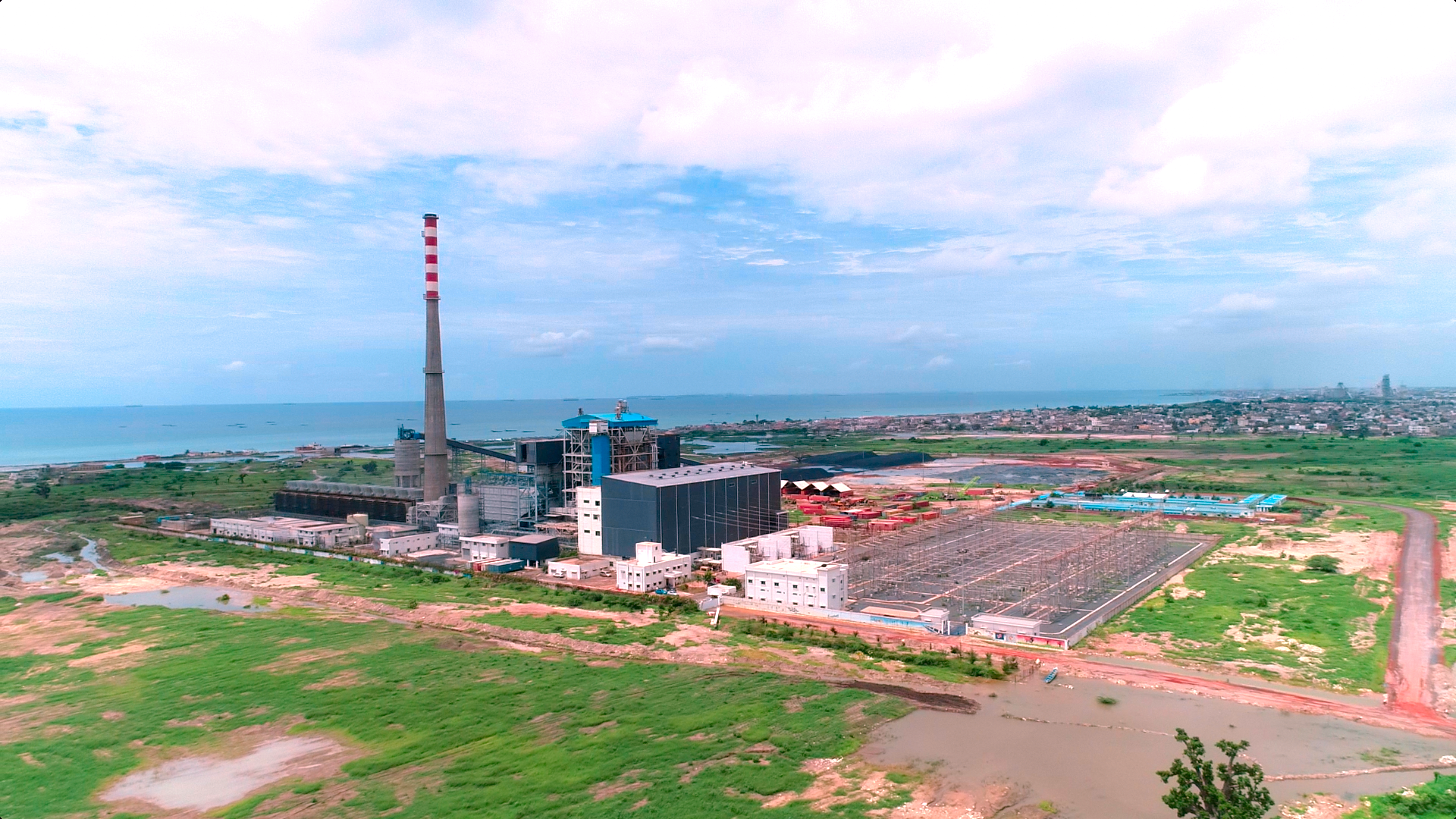
To safeguard against risks associated with delays, government officials must exercise caution in their planning in other related or impacted areas such as domestic gas use, sovereign borrowing, revenue utilization and refinery projects.
Why did BP exit and what’s next for the project consortium?
Several Senegalese civil society actors welcomed PETROSEN’s ambition to eventually increase its current 10 percent interest in the Yakaar-Teranga consortium to 34 percent, seeing it as a sign that authorities are committed to delivering on plans to leverage gas from the field for electricity access and economic development. In the public narrative the announcement around PETROSEN’s ambitions has overshadowed the potential negative consequences of BP's departure.
PETROSEN’s ambitions have a basis in the legal framework governing the project. In the case of a surrender (renonciation) by a member of the consortium, which PETROSEN says is the case with BP’s exit, Article 13 of the joint venture agreement (accord d’association) provides that the remaining members can at no cost assume the surrendered share in proportion to their participating interest, and that PETROSEN would not acquire the obligations that would come with such an additional interest (i.e., PETROSEN’s interest would continue to be “carried” with respect to exploration and evaluation costs). PETROSEN also has the option under that agreement and the relevant production sharing contract to increase its share in the project a further 10 percent at the exploitation stage.
But beyond the legal feasibility, the bigger question is the economic or financial consequence of such a larger interest. While PETROSEN’s interest is “carried” during exploration, per Article 24 of the production sharing contract, PETROSEN would be expected to proportionately finance the development stage costs of the project. The specific costs are yet undetermined and depend on the approach to the project, but the cost would be very significant and could raise questions about the feasibility and prudence of such an investment. That is likely also why PETROSEN’s statement on BP’s departure references adding a third partner, who would surely have a strong voice in the direction of the project.
In considering the future of the project it would also be helpful to consider why BP withdrew. While there has been speculation around disagreements over project fiscal terms and profitability, the size of reserves and the approach to developing them (for domestic use versus export) or even BP’s corporate energy transition strategy, the true and detailed reasons behind BP’s exit remain unknown. The minister of petroleum and energy has provided preliminary clarifications encompassing daily production capacity, commercial strategy, and the anticipated inaugural gas delivery date. However, a comprehensive account of the specific points of contention and a deeper exploration of the proposals put forth by BP would be welcome.
Transparent communication from the government is essential to maintain investor confidence and public trust. Evaluating the financial implications, including unrealized commitments, costs incurred, technical expertise replacement, and job preservation, requires meticulous scrutiny. The government should provide clarity on payments that BP could have been required to cover before surrendering its interest (including those stipulated in the article 13.5 of the accord d’association and the obligations under the 2021 renewal of the production sharing contract).
PETROSEN’s growing role should be matched by growing oversight
These events mark an expansion in PETROSEN’s ambitions. This comes as PETROSEN has also moved to play a more significant role in the downstream sector, including through the creation of subsidiaries like the Réseau Gazier du Sénégal (RGS) and PETROSEN TS.
Given PETROSEN’s growing role, state and non-state oversight actors including parliamentarians and civil society organizations should better monitor the state-owned company. This oversight includes PETROSEN’s exposure to fluctuating oil and gas prices preventing it from making risky bets and ensuring sufficient adaptation in a context of global energy transition. The Senegalese government could fund PETROSEN’s stake in developing projects such as Yakaar-Teranga directly from the budget or from debt. In either case, government officials should carefully weigh the opportunity cost of this investment compared to funding other development priorities.
PETROSEN borrowing funds directly does not avoid these opportunity costs. National oil companies are known to be effective vehicles for financing and can bear a significant portion of public debt, potentially leading to significant and costly bailouts with public funds. To finance PETROSEN’s participation in other petroleum projects, the government has resorted to a Eurobond as recently as in 2021. The Ministry of Finance as well as civil society must meticulously monitor the debts of both PETROSEN and the government to ensure that they are sustainable.
NRGI’s recent recommendations for more transparency and accountability from PETROSEN are even more relevant in this context. PETROSEN must incorporate more good governance practices, such as publishing annual activity reports, clarifying its dividend distribution policy, appointing independent directors, and requiring asset declarations from directors.
What to look for with the potential entry of a new partner in the Yakaar-Teranga gas project
Senegalese authorities have worked extensively to improve the licensing procedure in the petroleum sector. As the Yakaar-Teranga project advances, civil society should monitor the entry of any new partner to avoid any unpleasant surprises. The entry of a third partner would likely involve a sale of some of Kosmos’ interest, which under the production sharing contract would require ministerial approval. It is important to consider the justification for granting such approval (or not).
Public engagement is crucial in such a context, including civil society monitoring to ensure that when oil projects change hands, sustainability and governance standards do not weaken, such as having assets transferred to companies with weaker environmental and transparency commitments.
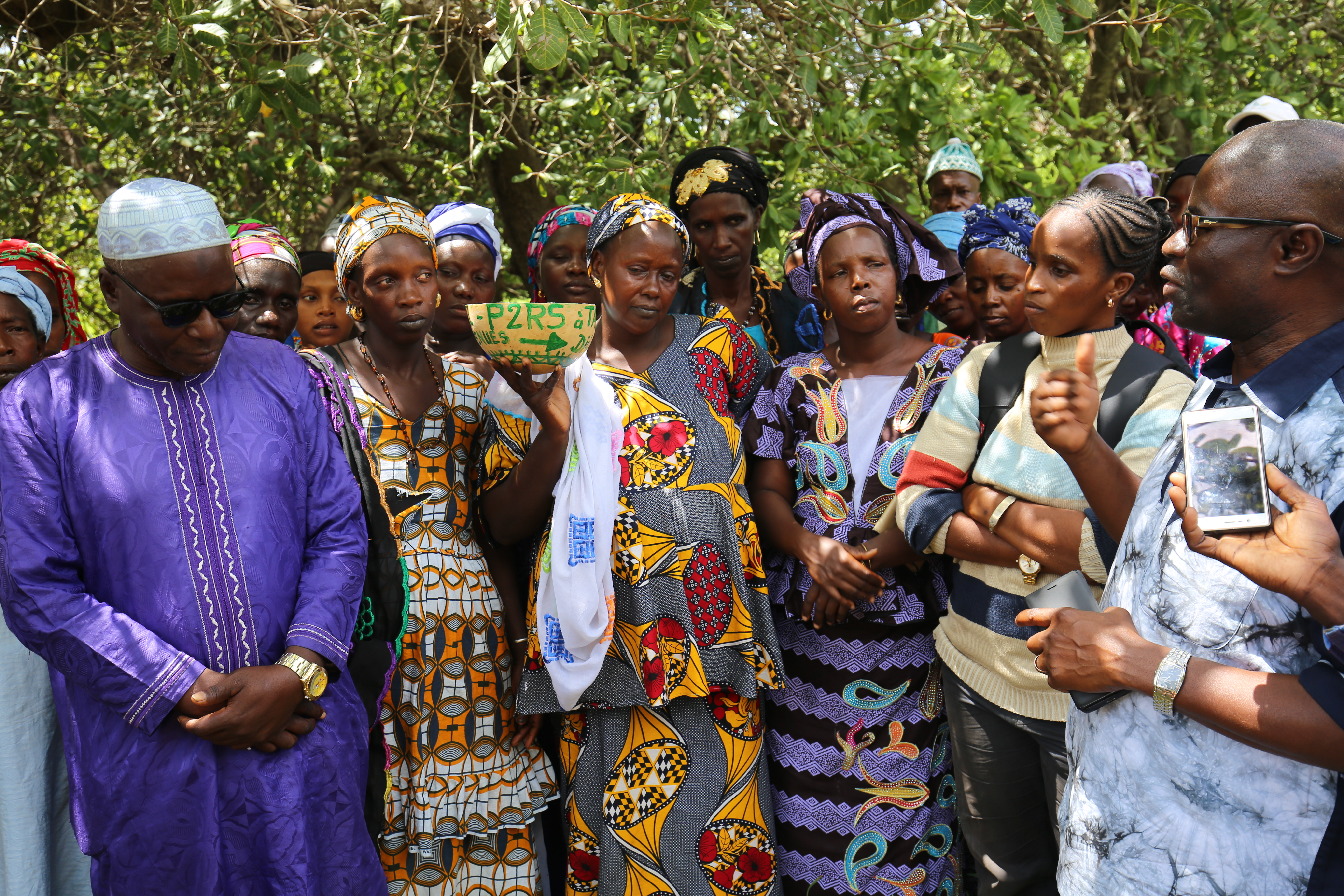
Government approval of a third partner in Yakaar-Teranga should hinge on the prospective partner’s essential technical and financial capacity to meet industry standards, including in light of the role envisioned for the partner (i.e., operator or non-operator) and the company’s environmental, social and governance practices. The Extractive Industries Transparency Initiative (EITI) offers a valuable transparency forum for asset and interest transfers, but the government should disclose this information before final approval, allowing the public to flag any concerns in advance of the transfer.
Recent developments in Senegal’s hydrocarbon sector present legitimate concerns, warranting continued vigilance from civil society. As citizens and stakeholders navigate these challenges, fostering transparency, assessing economic impacts, and promoting responsible governance will be instrumental in shaping the trajectory of Senegal’s hydrocarbon sector.