
Prospects for Mexico’s Lithium Sector After Reforms to the Mining Law

- The Mining Law reform establishes that lithium exploration, mining and use are activities for which the state is responsible, without the option to grant concessions, based on the argument that they are activities in the public interest.
- The Mining Law reform leads to the existence of a dual legal system for lithium. On the one hand, the concessions already granted are regulated and monitored by the Ministry of the Economy. On the other hand, exploration and mining that takes place after the reform will be carried out by the state through a state-owned company.
- The objectives and responsibilities of the state within this dual system are unclear. For the mining and processing of lithium to be an opportunity that translates into benefits for Mexican people, clear, consistent and credible policies are needed.
- There are challenges in terms of governance, both for the special system created and the general concessions system. At NRGI, we have identified three aspects of governance we believe require analysis: (1) failures in governance of the general system; (2) governance of state-owned companies; and (3) supply chains and value generation.
The urgency of promoting the energy transition and shifting towards decarbonization has led to the need to increase production and processing of certain minerals, such as lithium. Use of this mineral in battery manufacturing will help us migrate towards electromobility and greater use of renewable energies, which is causing an increase in both demand and the price of lithium. According to a World Bank report, by 2050, lithium production is forecast to increase by 488% compared to 2018.
This situation could be an opportunity for lithium-producing nations to earn revenue and accelerate their own domestic energy transitions. However, a repetition of the old problems Mexico and other natural resource-producing countries in the region have suffered must be avoided, where intense levels of extraction – with significant socio-environmental impacts and few benefits for local and national populations – have led to high levels of conflict. As such, the opportunities that minerals bring to the energy transition should be targeted towards greater value generation for these countries and reduced social and environmental impacts.
In Mexico, discussions on critical minerals – and lithium, in particular – are at an early stage compared to the progress made by other countries in the region. Given the recent discovery of significant lithium deposits in Sonora, the Mexican Government has reformed the country’s Mining Law in order to give this particular mineral strategic significance and create a special system in which the state has greater control than it would otherwise have over other minerals. However, the Government is facing a series of political, technical, environmental and social challenges that must be addressed, given they could create obstacles to Mexico making good use of this resource. Improvements in lithium governance could help eliminate or mitigate these challenges and lead to greater benefits of its usage.
This report seeks to identify some of the most urgent aspects for discussion and resolution from the perspective of natural resource governance. To do so, we will first briefly outline recent changes to Mexico’s Mining Law, as well as their implications and, then, the key aspects of lithium governance that we at NRGI believe must be analyzed in order to maximize the benefits of productive activities related to this mineral in the national interest.
Nurturing Civil Society Engagement in Tanzania
The challenge
Tanzania is rich in numerous natural resources, including natural gas; recently discovered deposits are estimated at 57 trillion cubic feet. The country also has minerals, both solid (e.g., gold, diamonds, iron ore) and industrial (e.g., limestone, soda ash, gypsum). The extractive sector contributed 4.8 percent of the country’s GDP in 2017, and accounted for over 12 percent of total government revenues and about 35 percent of total exports.
Although the extractives sector grew at a rapid pace over recent decades, the number of civil society organizations (CSOs) that focused on extractives did not grow in tandem; such organizations are critical actors when it comes to holding governments and extractive companies accountable, and are the primary conduit for the expression of concerns held by the communities where resources are found. The few extractives-focused CSOs that did appear lacked the skills and knowledge necessary to effectively engage with the government, and also needed a framework that could help them coordinate their actions.
NRGI’s role
Over the past decade, the Natural Resource Governance Institute (NRGI) played a key role in efforts to improve the capacity of Tanzanian CSOs and to create an institution that helps CSOs coordinate their policy stances and advocacy. An early milestone came in 2010, when the Tanzanian government presented a mining bill to parliament. To ensure that the concerns of communities were being heard during the consideration of the bill, NRGI staff partnered with the Policy Forum (PF) to inform CSO representatives about the substance of the proposed bill, and to help CSOs develop parliamentary advocacy strategies.
Participants in these trainings used their newly acquired skills and knowledge to launch a media campaign that pressured the government to involve the public in the drafting of the legislation. Other advocacy strategies included a joint press release about the bill; press conferences highlighting the flaws in the legislative process; a televised panel discussion; and the creation of two hotline numbers that Tanzanians could call to give their views on the bill. (Comments were then passed on to parliament during a public hearing.) Ultimately, CSOs played a pivotal role in influencing the Mining Act of 2010, with over 70 percent of their recommendations ultimately incorporated into the law.
Later that same year, a group of CSO representatives convened by NRGI discussed how to leverage their successful advocacy around the mining bill to further consolidate CSO action and maintain influence over the country’s natural resource governance agenda. The group established an online community of practice named the Tanzania Civil Society Platform on Extractives. This community served as a forum for discussion and as an important networking tool. NRGI hosted monthly in-person discussions that allowed CSO staff to interact with each other, and during these discussions the platform members agreed to three mandates: to serve as a joint advocacy platform; to facilitate learning; and to facilitate information-sharing.
Impact
Now called Hakirasilimali (Swahili for “resource rights”), the platform has evolved into an important resource for extractives-focused CSOs. In 2015, members of the platform analyzed three important bills—the 2015 Petroleum Law, the 2015 Revenue Management Law, and a bill centering on Tanzania’s entry into the global Extractive Industries Transparency Initiative (EITI)—and presented their analysis to parliament, which incorporated some of the platform’s recommendations and also acknowledged both the quality and objectivity of the platform’s work. In 2017, Hakirasilimali was formally recognized by the government as the main channel through which it engages with CSOs on extractives. Despite the unfortunate fact that “civic space” is shrinking in Tanzania (which has made it more difficult for media and CSOs to publicly express their views), the platform has managed to organize its Annual Conference on Extractives for the past 3 years, attracting over 100 participants from CSOs, media, government, the legislature and the private sector. The conference serves as the primary space in which a variety of stakeholders can openly discuss current governance issues in the extractive sector.
Over 70 CSOs now participate in Hakirasilimali. The platform has diversified its funding sources and is no longer exclusively dependent on NRGI’s financial support, with 2017/18 funding coming from SwissAid, Oxfam, Hivos, the Wellspring Philanthropic Fund and the Foundation for Civil Society.
The Petroleum Industry Bill and the Future of NNPC
The 2012 Executive Draft of the Petroleum Industry Bill (2012 PIB) proposes to restructure the Nigerian National Petroleum Corporation (NNPC). This is potentially welcome, yet This report is based on comparative analysis of 12 national oil companies (NOCs) and NNPC’s current situation, this brief concludes that the 2012 PIB is unlikely to significantly advance the four goals of commercialization; sustainable finance; limited political interference in technical decisions and transparency and public accountability.
Europe Must Tackle Mining-Sector Corruption

On 16 March—just over one year after Russia’s invasion of Ukraine threw Europe’s energy system into turmoil—the European Commission published its highly anticipated proposal for the Critical Raw Materials Act. But the draft law falls well short when it comes to addressing corruption, one of the most crucial issues in the extractives sector.
Why is the EU legislating on transition minerals?
Less than three months after air strikes began in Ukraine, the REPowerEU plan set out the EU’s intention to accelerate the energy transition and reduce dependency on Russian fossil fuels, which included legislation on transition mineral supply and ramping up efforts to secure associated partnerships. In announcing the Critical Raw Materials Act, Commissioner Thierry Breton declared that “we must avoid becoming dependent again, as we did with oil and gas.”
Processing of key minerals is more geographically concentrated than that of oil and gas, and EU policymakers are concerned by China’s dominance. The International Energy Agency outlined that China refines 35 percent of the world’s nickel, 50-70 percent of its lithium and cobalt, and a whopping 90 percent of rare earth elements. This has led EU countries to frantically seek supplies elsewhere.
Alongside a renewed (and worrying) push for fast-tracked domestic mining, consumer countries have sought allies to meet their growing mineral needs. This search has led to the creation of the U.S.-led Minerals Security Partnership; strategic partnerships between the EU and countries like Namibia, Kazakhstan, Ukraine and Canada; and visits from European leaders to priority countries like Chile, Argentina and the Democratic Republic of the Congo.
But diversifying away from China is not enough to secure sustainable and responsible supply chains. By turning a blind eye to mining-sector corruption, Europe risks derailing its energy security efforts.
How well does the Critical Raw Materials Act address corruption?
There is welcome recognition of corruption in the Critical Raw Materials Act proposal, yet the commission could significantly strengthen the provisions.
Article 5 of the regulation outlines sustainability criteria for any business that wishes to develop a strategic project, which are eligible for streamlined permitting and financing opportunities. Encouragingly, these criteria include “the use of transparent business practices with adequate compliance policies to prevent and minimise risks of adverse impacts on the proper functioning of public administration, including corruption and bribery”.
Yet the measures for assessing compliance with these criteria are worryingly weak. They rely overwhelmingly on third party certification schemes, many of which are of dubious quality, or compliance with draft due diligence legislation that fails to address corruption.
This language suggests that only unsavory characters in mineral-rich countries perpetrate corruption, ignoring the often-central role of extractives companies based in high-income jurisdictions, including the EU.
The commission recognizes “known sensitivities and challenges in extractive industries” and the need to support good governance capacity and transparent business practices in non-EU countries. But this language suggests that only unsavory characters in mineral-rich countries perpetrate corruption, ignoring the often-central role of extractives companies based in high-income jurisdictions, including the EU. Requiring companies across the minerals supply chain to undertake due diligence on governance impacts could help address this imbalance in the CRMA.
Germany's Olaf Scholz meets with Chile's Gabriel Boric. Photo by Bloomberg via Getty Images.
As drafted, the CRMA risks gliding over critical corruption risks. Much remains unclear. Will the previous poor conduct of companies be taken into account when making strategic project decisions? Who will monitor or legally enforce compliance with sustainability criteria? How will third parties effectively report alleged breaches of these criteria?
To strengthen sustainability measures in the EU’s critical raw materials policies, particularly around corruption, the European Parliament and Council should:
- Include robust due diligence provisions for environmental, social, and governance concerns in the Critical Raw Materials Act, with a particular focus on governance issues unaddressed in draft due diligence legislation.
- Take into account the previous conduct of companies as part of the decision-making process for strategic projects, to help ensure the integrity of EU funding.
- Develop ways to effectively monitor and enforce sustainability criteria, ensure that civil society actors can report sustainability breaches, and give oversight bodies the necessary powers and responsibility to take remedial action within a set time period.
Why does tackling corruption matter?
First and foremost, corrupt actors steal from societies to enrich themselves. Revenues from the extractives sector that should fund schools, healthcare and essential infrastructure instead line the pockets of corrupt leaders and dubious agents, helping to cement the rule of autocrats the world over before being frittered away on luxury property and superyachts.
Corruption is also an efficiency concern. NRGI research has identified that mining lead can be 2-3 years shorter in jurisdictions with better governance—years humanity can ill afford to waste as we approach climate tipping points. In Guinea, wrangling over alleged corruption has led to decades of delays to development of the world’s richest iron ore deposit. Similar delays regarding transition minerals could derail progress toward a low-carbon future.
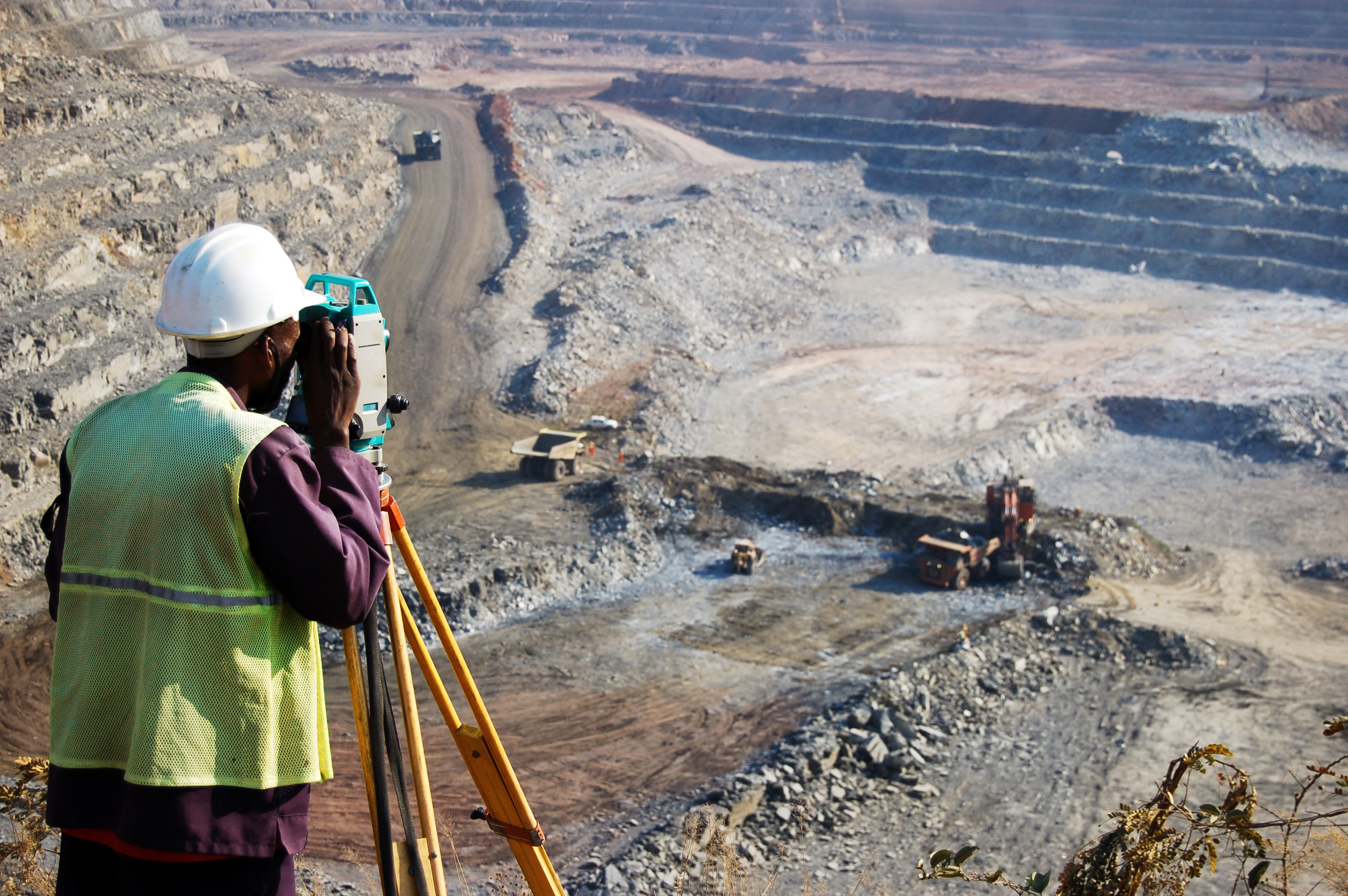
Furthermore, corruption jeopardizes much-needed environmental and social safeguards around mining. Licensing approvals can run roughshod over community members’ wishes. Companies can cover up environmental damage, which officials ignore. These injustices can then be eased with a timely political donation, a subcontract granted to favored contacts, or straight-up bribes.
The mining industry has a long and inglorious history of such behavior and, in the rush to diversify away from China, European policymakers risk deepening longstanding inequalities rather than upending them, and enabling corrupt actors rather than holding them to account.
If Europe misses this crucial opportunity to tackle extractive-sector corruption it will have failed to learn from the past year’s energy upheaval, decades of mining industry exploitation, and the lessons of its own recent corruption scandal. Cleaner energy requires cleaner politics and cleaner business. To achieve this goal, the Critical Raw Materials Act will be critical indeed.
A Dozen Perspectives on Resource Governance: Voices From the NRGI-Blavatnik School Executive Course

The course brought together public and private sector leaders from 21 countries to delve into a range of complex issues in resource governance. Some of the participants sat down with NRGI communications team members to share unique perspectives on the challenges and opportunities in resource governance in their respective countries:
Marcelo Alvarez on Challenges Facing the Mining Industry in Latin America
Alaka Lugonzo on Regulatory and Policy Gaps in Kenya's Extractives Sector
Alaka Lugonzo on Fostering Dialogue Between Investors, Communities and Government in Kenya
Andrew Mercer on Planning for the Energy Transition in Ghana
Timothy Musa Kabba on Legal Reforms in Sierra Leone's Mining Sector
Timothy Musa Kabba on Building Infrastructure & Including Communities in Post-Conflict Sierra Leone
Carole Nakhle on the Role of Oil and Gas in the Energy Transition
Hamida Nuhu on Challenges Facing the Oil, Gas and Mining Sectors in Ghana
Jemima Nunoo on the Future of Ghana's Oil Amid the Energy Transition
Mohamed Hassadi on Three Key Concepts in Resource Governance
Batnairamdal Otgonshar on License Allocation in Mongolia's Mining Sector
Batnairamdal Otgonshar on Designing Sovereign Wealth Funds for Mongolia's Mining Sector
Khadija Sulaiman Bello on Nigeria's Gas-to-Power Projects
Zouheir Touiti on Building Trust Between Investors, the State and Communities in Tunisia
Interested in the NRGI and Blavatnik School of Government executive resource governance course?
Politics Are Holding Back Implementation of Extractive Sector Transparency Rules

“Our country has good rules, it’s the implementation that fails.” This is a common refrain we hear from partners working on natural resource governance, ranging from civil society actors pushing for contract transparency in the Democratic Republic of Congo (DRC) to those advocating for improved state-owned enterprise (SOE) governance in Mongolia.
We know good laws and regulations aren’t enough to achieve good governance; the ability and willingness to follow through with them is key. So why do so many resource-rich countries fail to adequately implement their “good rules”?
Two decades of experience from the transparency, participation and accountability (TPA) field has led to a growing appreciation of the need to better integrate politics. As detailed in a recent discussion paper for the Executive Session on the Politics of Extractive Industries, this applies throughout the extractives “transparency lifecycle.” This resonates with our experience that political considerations can make or break the implementation of extractive sector transparency commitments.

At the Natural Resource Governance Institute (NRGI) we’re increasingly considering the “implementation gap.” We define this gap as the difference between adopted rules and their implementation in practice. The 2017 Resource Governance Index (RGI) started measuring this gap, finding that the worse a country’s overall sector governance, the wider its implementation gap. The gap was also a focus of a subsequent sub-Saharan Africa analysis. That report found that of 22 countries that had revised their sector laws between 2000 and 2016, all but two exhibited an implementation gap, keeping them from realizing benefits from the investment in legal reforms.
Identifying and measuring implementation gaps remains central to the RGI, with early findings from the 2021 edition showing both progress in addressing gaps (e.g., in Guinea) and areas where gaps are particularly pronounced (e.g., around local impacts in Peru).
So, what are the political causes of—and potential responses to—implementation gaps? Here we draw on NRGI’s country experience to answer these questions and consider the implications for NRGI and others committed to sector policy reform.
Political causes of implementation gaps
Our experience and a review of relevant literature points to two broad interrelated categories of causes for gaps: (i) political factors, and (ii) administrative constraints and shortcomings in rulemaking processes. Even for the second category, the underlying causes may be primarily political. For example, choices by parliament or ministers or competition between ministries and SOEs can result in a lack of resources or capacity within institutions tasked with implementation or oversight, or insufficient coordination between policymakers and implementers.
Within the political factors category, we have identified a few specific causes behind implementation gaps. A common cause is resistance by different governmental actors, to protect political or economic interests (including potentially private or individual interests), often through parallel governance structures. In many countries, there are unclear or overlapping governance structures both horizontally—between parallel agencies such as ministries and SOEs —and vertically—between national and local agencies. In these situations, even if the law assigns implementation responsibility to a specific agency, this may not always correspond to political realities and power dynamics, with other actors potentially blocking implementation.
In the extractive sector, powerful SOEs can play an important role in this dynamic. For example, in the DRC, implementation of the country’s contract transparency rules has been particularly challenging for contracts agreed by SOEs. The DRC’s mining SOEs play a critical de facto role in licensing, and international actors have investigated transactions to which they are party, potentially contributing to an aversion to transparency among SOE decisionmakers. While the law charges a technical unit of the Ministry of Mines with implementing contract disclosure, in practice this unit has at times struggled to access documents from SOEs, which answer to a different ministry.
Another common political factor behind implementation gaps is a decline in prominence on the political agenda of an issue, which disincentivizes political leaders (and the individuals and institutions who answer to them) from implementing related rules. Once a law is passed, momentum behind reforms often fades, as political gains in many instances derive from the passage of laws rather than implementation. This aligns with a broader dynamic identified in the discussion paper: where political leaders’ chief motivation for adopting a policy is reputational gain, preparing for elections or responding to scandal or political pressure, implementation can be weak or fleeting. Such dynamics have led to countries signing up to transparency commitments such as the Extractive Industries Transparency Initiative (EITI) for optics reasons, but then demonstrating limited appetite to significantly implement the commitments.
This echoes what we have heard from civil society activists and journalists in Tanzania, namely that, under the previous government, the ruling party promised during elections to advance transparency to appease citizen pressure and to respond to international transparency norms. While this led to passage of the Tanzania Extractive Industries (Transparency and Accountability) Act in 2015, endorsing several transparency requirements, the government viewed transparency as an agenda driven by the opposition, clashing with its focus on infrastructure development and industrialization. After the 2015 elections, authorities showed little interest in implementing the law.
Competing sources of norms also contribute to implementation gaps. International transparency norms, generally championed by international and national civil society organizations, sometimes fail to connect with the approaches and priorities of community-based organizations, which tend to prioritize more direct impacts (e.g., jobs, environmental damage, use of land) or of regional bodies (e.g., African Union), which tend to focus on industrialization and structural transformation.
These disconnects can weaken support for and oversight of implementation. For example, in Tanzania, national civil society actors felt that the officials in the former government portrayed international transparency norms as externally driven, costly and not a high national priority. These dynamics may be partly why some donors’ approaches are shifting to focus on prioritizing local work, and ensuring that that work informs global norms instead of working from the global to the local level.
Mind (or better yet close) the gap
What does this mean for an organization like NRGI and others working on extractive sector governance? We set out below some initial guiding thoughts:
Consider implementation early and often. As a first step we must factor implementation—and the risk of gaps and their political causes—into various parts of our work, including when selecting where and how we work, who we work with, and the content of our analysis and recommendations.
Ultimately, governments are responsible for implementation, but other actors such as international development agencies, donors, technical advisors, regional bodies, and civil society organizations can play a role in avoiding implementation gaps in the first place as well. This includes by identifying (and pushing for rectification of) shortcomings in policy and legal designs that can hinder implementation. The same actors can also look to support potential responses to implementation blockages, including by strengthening oversight and demand for implementation.
International development agencies, donors, technical advisors, regional bodies, and civil society organizations play a key part in shaping laws aimed at realizing extractive sector transparency. But too often these actors are driven by—and rewarded for—securing the establishment and formal adoption of norms. Civil society organizations must take care to not declare victory when a law is passed and not move on too quickly to campaigning for the next norm. Similarly, development agencies, donors, and governments should ensure that when linking reforms to incentives (e.g., financing), they prioritize effective implementation and continued compliance, and not just initial commitment.
Development partners and civil society organizations should embed implementation considerations in their technical assistance and advocacy, in both a political and a technical sense. On the technical side, they should push for legislation that clearly specifies the actor responsible for implementation, includes a budget and timeframe for implementation, and avoids conflict between various laws or excessive fragmentation between different implementing actors. More broadly, both national NGOs and international norm setters should advocate for practical and context-appropriate rules, sensitive to the trade-off between “best practice” and “implementability.”
Understanding the incentives for and against implementation. International development actors, including NRGI, should consult political agendas and key constituencies such as implementing agencies early on to gauge their incentives for (or disincentives against) implementation. Actors should also look to align their advocacy with existing and upcoming official technical assistance programs endorsed by the government where possible. In Mongolia for example, advocacy by NRGI and Mongolian civil society actors for implementing the greater SOE transparency set out in the Glass Accounts Law was supported by oversight actors such as auditors and the political agendas of certain social movements and political parties. Coordinating this advocacy with official technical assistance to SOEs by the Asian Development Bank further helped to address the implementation gap.
Boost demand for implementation. As with the Mongolia example, oversight actors demanding implementation play an important role, especially where government incentives for implementation are weak. The influential 2012 Global Integrity and CIPE report on implementation gaps put it well; the “implementation gap will be eradicated only when the supply of sound laws is met by corresponding demand on the ground to implement them.” NRGI aims to complement our legal reform and advocacy work by partnering with organizations that actively monitor implementation after laws are passed. In the DRC, we partnered with local CSOs to produce lists of non-disclosed contracts and submit them to government and international partners. In Ghana, NRGI followed its technical assistance and advocacy around the country’s petroleum law with the convening of a civil society group to monitor the country’s first oil bid round, with a focus on implementation of transparency rules. Civic space is vital to such efforts. Without freedom of speech, citizens are reluctant to speak out against lack of implementation. Hence the importance of initiatives to preserve this space, such as that of EITI.
Different actors have different roles to play around the implementation gap. Larger international institutions can contribute technical and financial resources in more politically informed ways to promote implementation, while national actors are better placed to influence underlying political incentives. At NRGI we aim both to lead on closing the implementation gap in natural resource governance and to further sensitize other actors, including our partners in civil society and government, to this critical issue.
Amir Shafaie is the legal and economic programs director at the Natural Resource Governance Institute (NRGI). Moses Kulaba is the East Africa manager at NRGI. Kaisa Toroskainen is a former Africa program officer at NRGI.
This post also appeared on the CCSI blog.
Five Steps Authorities in Ghana Can Take to Prepare for Energy Transition and Better Govern Oil, Gas and Mining

Ghana’s citizens and leaders have long hoped that their country’s natural resources will lead to prosperity. Yet the gold and oil beneath their feet and territorial waters have not wholly transformed the fortunes of everyday Ghanaians. But new research published yesterday shows that Ghana is learning from its past mistakes and improving the country’s extractive sector governance. Progress is gradual, however, and there remain significant gaps that require remedial action.
The 2021 Resource Governance Index (RGI) shows that oil sector governance in Ghana has moved into the “good” performance band. Governance of mining remains one level below, at “satisfactory.” Both ratings resulted from score increases of more than 10 points since the last assessment (in the 2017 edition of the index).
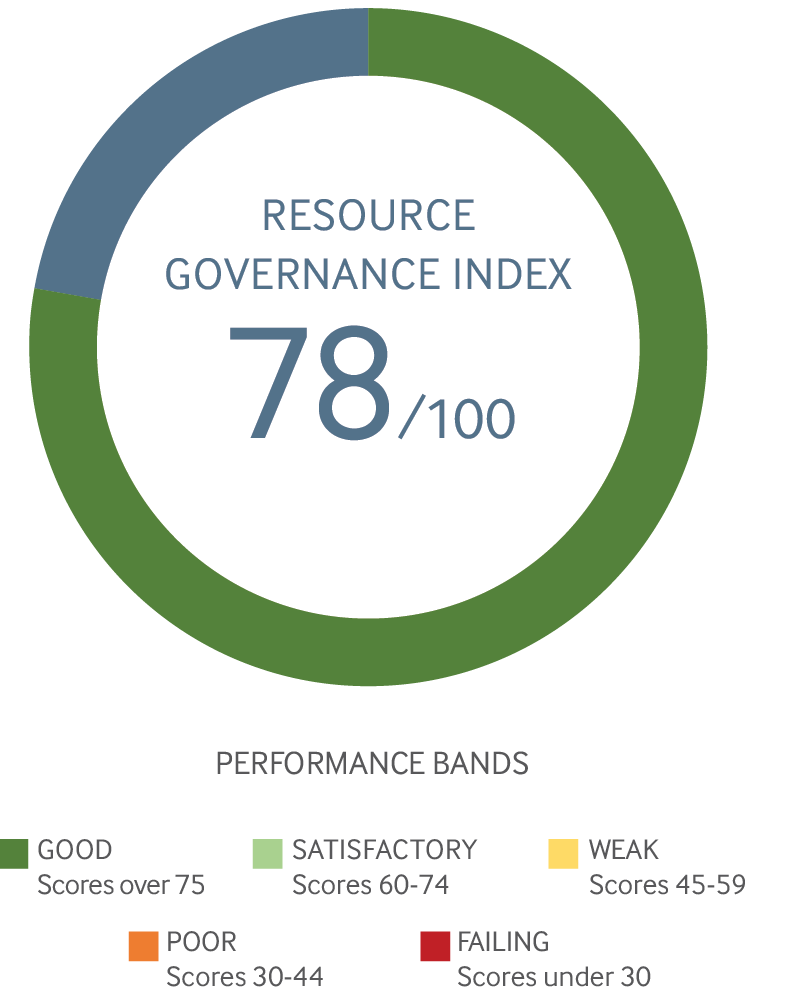
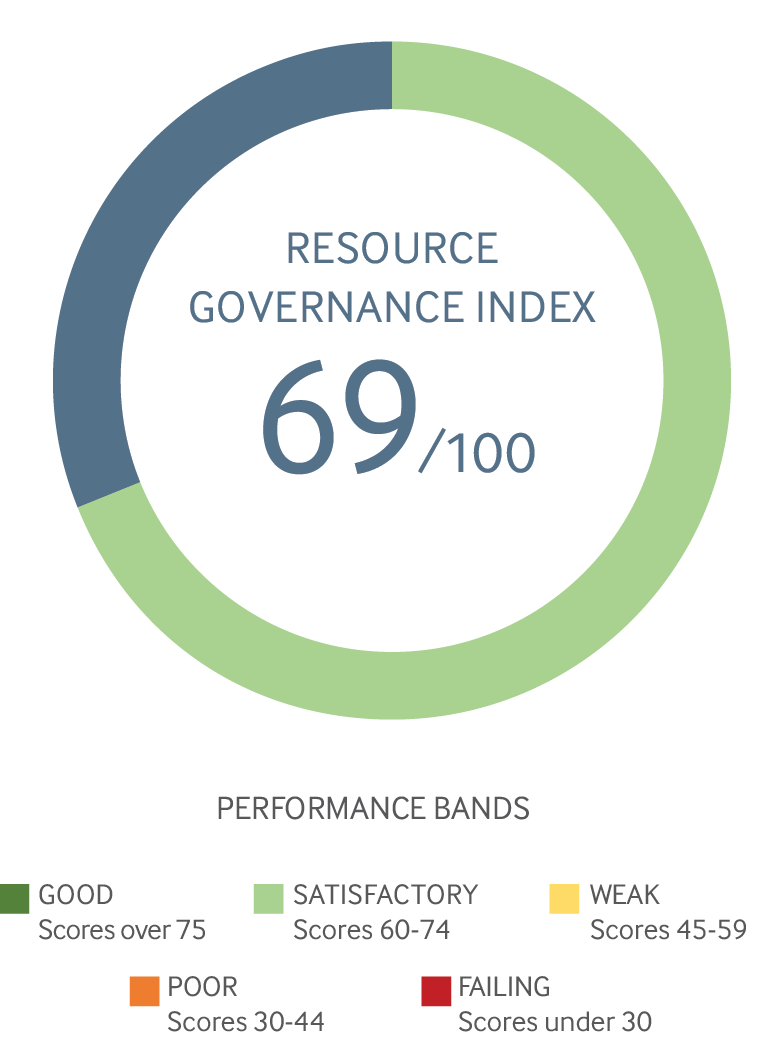
Despite these improvements significant gaps remain. So what can Ghanaian authorities and citizens do? What steps might be required to enhance extractive resource governance in Ghana? Below are some recommendations based both on the new RGI results and a recent national dialogue on extractive governance.
1. Take steps to design a long-term national development plan, to guide extractive resource governance among other sectors of the economy. This has the potential to deepen the contribution of the extractive sector to sustainable economic transformation in Ghana. Ghana lacks a clear strategic vision to drive the country’s overall development and guide government policy on extractive resource development as envisioned in the 1992 constitution. There is a clear mandate, under Article 87, for the National Development Planning Commission (NDPC), among other functions, to advise the president on development planning policy and strategy, and to study and make strategic analyses of macro-economic and structural reform options, including options for extractive sector governance. The importance of long-term national development planning to extractive governance is expressed in Section 21(2)(d) of the Petroleum Revenue Management Act (PRMA). This section makes it clear that any use of the Annual Budget Funding Amount (ABFA) should be guided by a medium-term expenditure framework, which must align with a long-term national development plan approved by parliament.
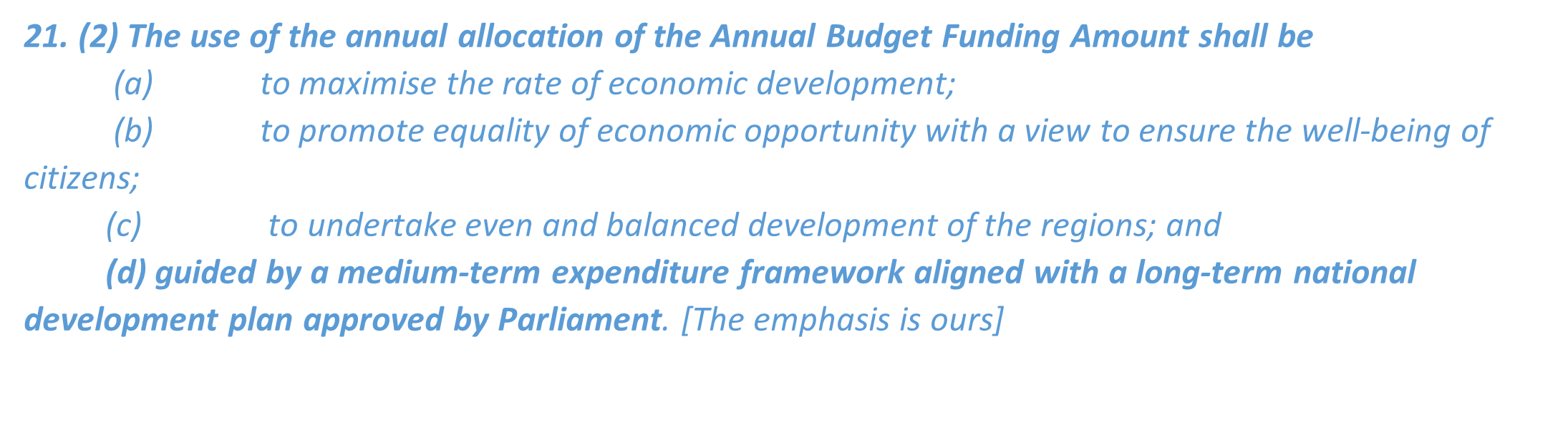
The aim of this PRMA requirement is to ensure that petroleum revenues contribute to broad and impactful economic development across the country. One of the NDPC’s key roles, therefore, as defined in both the 1992 constitution and the PRMA, is to develop a national development plan to guide the expenditure not only of petroleum revenues but of extractive revenues generally. The Public Interest and Accountability Committee (PIAC) has consistently underlined this, in terms of petroleum revenues, in its reports, including in the latest one. The current practice, which relies on medium-term strategic plans based on the manifestos of political party, limits the potential use of extractive revenues for inclusive growth and sustainable development.
2. Enact a minerals revenue management law akin to the PRMA to streamline the collection, allocation, use and management of all mineral revenues, including at the subnational level. Such a law should establish a sovereign wealth fund for mineral revenue and empower a public oversight body to monitor government accountability to the provisions of the law.
The RGI has never assessed sovereign wealth management in Ghana’s mining sector simply because there is no appreciable framework or fund to assess. Although the Minerals Development Fund (MDF) Act of 2016 and the amended Minerals Income Investment Fund (MIIF) Act of 2018 are modest attempts at managing mineral revenues, they, unlike the PRMA in the oil sector, did not create a mining sector sovereign wealth fund with clearly defined rules governing its management.
Additionally, there are accountability deficits inherent in these laws. Given that minerals are exhaustible resources and considering the positive impact mineral revenues could make if governed by an appropriate legal framework, the lack of a mining revenue management law akin to Ghana’s PRMA is a pressing resource governance issue.
3. Ensure that all resource-backed loan models set clear investment rules, transparent provisions, and accountable arrangements that are enforced by a legislative act, as this could improve parliamentary and public oversight on resource-backed loan for optimal benefits to citizens. Additionally, government should also make terms of resource-backed loans publicly available to promote more transparency, particularly on interest rates, fees, repayment schedules, restricting terms, and parties to the agreements.
4. Conduct energy transition risk assessments for GNPC and the broader extractive sector. Because the government lacks a blueprint for the ongoing energy transition away from fossil fuels, it’s hard to say how GNPC will fit into a future where oil becomes less sought-after. The government should develop a national blueprint on energy transition and take steps to assess the transition’s systematic financial risk on GNPC and use that as a basis to remodel GNPC’s strategic direction, human and financial capacity, and investment decisions. This assessment must take into consideration the advantages and disadvantages of entering new lines of businesses to diversify GNPC’s portfolio.
Crude oil price volatilities since 2013 coupled with the impact of the recent price fluctuations amid the COVID-19 pandemic and the consequential risks on broader extractive sector governance including GNPC related risks appear to have amplified energy transition concerns in Ghana.
Despite being highlighted in the 2017 RGI, GNPC’s expenditure on non-commercial activities remain a concern. PIAC in its 2020 annual report notes that GNPC spent a total amount of US$31,477,699.31 constituting 71.81 percent of the corporation’s administrative and other technical operations expenditure (Level B) receipts on sustainability & stakeholder relations and GNPC Foundation. GNPC has consistently categorized these expenditures as corporate social investments (CSI).
PIAC further notes that GNPC’s expenditure on CSI increased from GH₵41.49 million in 2018 to GH₵49.98 million in 2019, with the corporation’s guarantees (payment guarantees against default by the receiving state-owned enterprises (SOE)) for other SOEs cumulatively amounting to US$645,511,405.40 as of the end of 2019. In addition, as of the end of 2020, the corporation’s cumulative guarantees for other SOEs increased to US$694,824,551. Ultimately, expenditure pattern on CSI and SOE guarantees have consequences on the corporation’s progress toward achieving its core mandate as a commercial strategic vehicle for state participation in upstream exploration and production activities.
5. Revamp the operations of Prestea Sankofa Gold Limited and adopt best practice approaches in SOE governance going forward. An important issue that needs to be highlighted is the concerning state of the country’s mining sector SOE, Prestea Sankofa Gold Limited. The company’s operations have been suspended since 2016, affecting its 2017 RGI performance (41 out of 100 points) and meaning that it couldn’t be assessed as part of the 2021 RGI’s SOE subcomponent. On the other hand, its oil and gas sector peer and parent company, GNPC, achieved a good score in the 2017 RGI (75 out of 100 points) and improved its performance in the 2021 RGI, a reflection of sustained improvements in extractive SOE best practices. Given the significant role Pretsea Sankofa is expected to play in the gold mining sector, similar to GNPC’s in the oil and gas sector, the inability to assess the SOE subcomponent for Ghana’s mining sector in the 2021 RGI due to the stated lack of activities is disheartening. The government should therefore revive Prestea Sankofa’s operations, ensuring improved SOE governance inspired by GNPC, if not of higher standard.
Nasir Alfa Mohammed is an Accra-based policy advocacy officer with the Natural Resource Governance Institute (NRGI).
Women in Mining: A History of Legal Invisibility and Exclusion

This is the third in a series of posts from the Natural Resource Governance Institute and World Resources Institute research project on gender and extractives, carried out with support from the Open Government Partnership Multi-Donor Trust Fund, which is managed by the World Bank. Learn more about the project in this blog post.
As the Natural Resource Governance Institute (NRGI) and World Resources Institute (WRI) continue our research on gender, open government and extractives, we have found that creating gender-transformative governance frameworks will not only require adding new provisions to the existing body of laws and policies, but also removing archaic provisions that continue to hold women back.
In our research, we examine a sample of 12 countries’ extractive sector laws and policies that refer to gender or women, looking at how they were developed and at their implementation and impact. Several countries from our study have provisions in place that prohibit women from working underground, working at night or working in the extractive sector at all. In the countries that we analyzed, we found laws prohibiting women from working in mines in Argentina, Morocco, Nigeria, Sierra Leone and Tunisia. (Though the Sierra Leonian and Argentinian laws are still technically in force, they do not seem to be followed in practice.) Several other countries in our sample had similar laws in place before they were recently repealed or amended: Colombia (ban lifted in 2015/2016), Ghana (ban lifted in 2003), Indonesia (ban lifted in 2003), Kenya (ban lifted in 2007) and Mongolia (ban lifted in 2008). According to the World Bank, across the world, 60 countries still have laws on the books that restrict women’s employment in mining. These laws are most prevalent in sub-Saharan Africa, where one-third of countries prohibit women from working in mines.
As detailed in research by Kuntala Lahiri-Dutt, many of these laws originated from the British Mines and Collieries Act of 1842, which removed women from working in underground mines, due to a combination of genuine concern about the hazardous nature of the work and as a result of “moral panic” about men and women working together in dimly lit underground areas.
The same act also prohibited the use of child labor in mining, due to the dirty and dangerous nature of the work. While children are inherently vulnerable and need protection (including from dangerous work), the conflation of women and children, and the view that both required the same kind of protection, has been an enduring rationale for harmful stereotyping women and denying them equal rights.
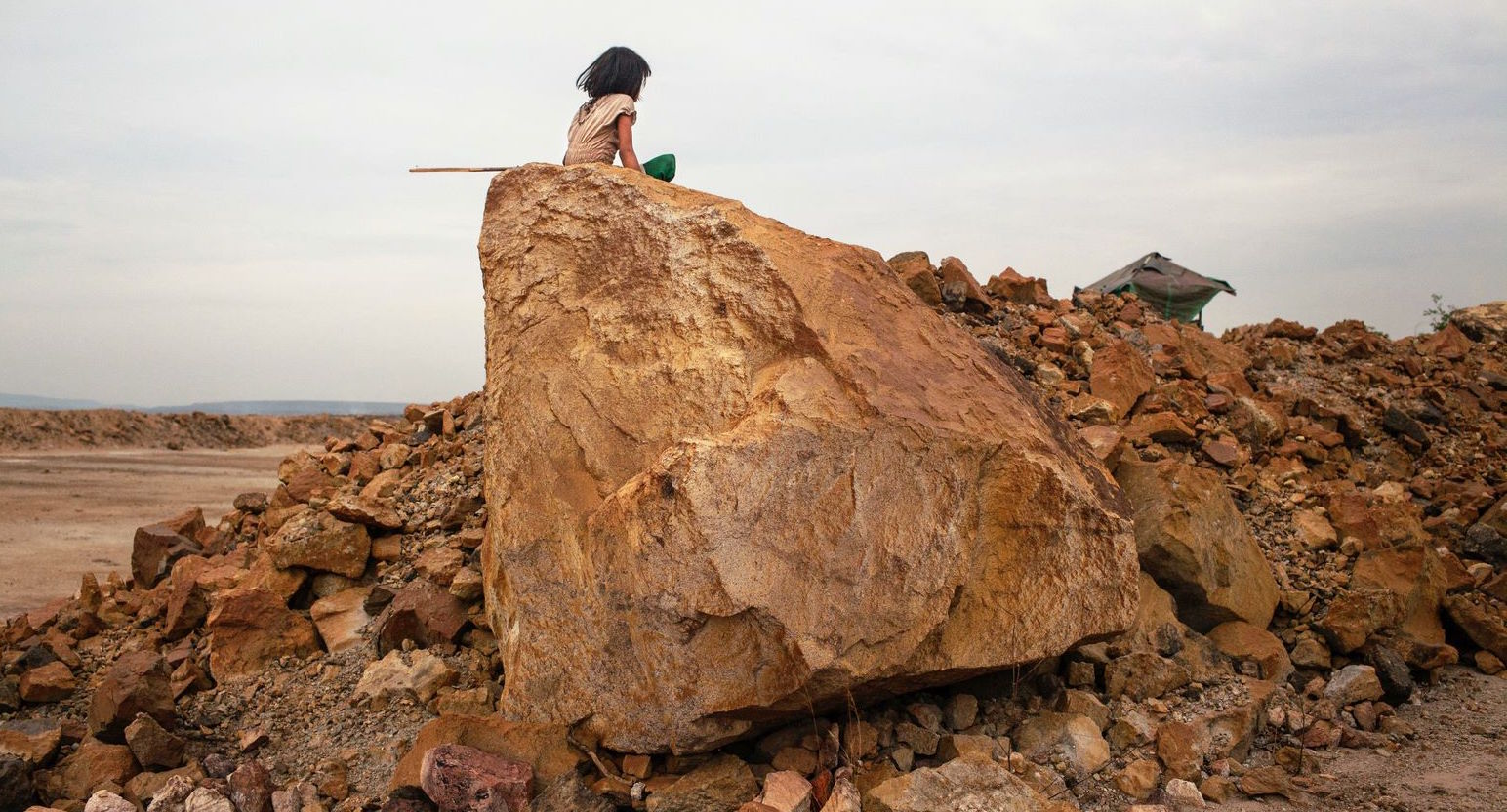
Though women had previously worked side-by-side with men in the mines, the Mines and Collieries Act had an immediate and profound impact on women’s employment. As Lahiri-Dutt details, rather than protecting women from dangerous work as it had intended, it instead deprived women of the gainful employment they had previously secured and instead forced them into other (even more) hazardous, less formal work.
The Mines and Collieries Act not only affected British women’s work but soon impacted women throughout the world. Through the British empire, parallel legislation was enacted in British colonies. In the 1920s and 1930s, the International Labour Organization (ILO) adopted several protectionist conventions around women’s labor in the mining industry, prohibiting women’s underground work and limiting women’s ability to work at night. These provisions became enshrined in the governing documents of ILO member states, pushing women further into lower-status, lower-wage work, particularly in the global south. Limits on women’s participation and narrow definitions of what it means to work in the sector have rendered women’s work throughout the extractives value chain largely invisible. This has translated into lack of unionization, poor organization and poor policies and protections.
Because women have been so long and pervasively excluded from the mining sector, we have a constructed view of mining as men’s work, and it is difficult to imagine women performing physically demanding jobs in underground mines. However, prior to the passage of the British act in 1842, women contributed to early mining throughout western Europe and were active prospectors in the American gold rushes. As Lahiri-Dutt explains, the biological essentialist view of women as weak and in need of unique protection from rigorous work ignores ample social and historical evidence from the contrary, and has led to significant structural inequality both within the extractive sector and beyond.
Today, while women’s overall participation in the global workforce is 47 percent, women make up only 22 percent of the oil and gas workforce and only 14 percent of the industrial mining workforce. Women’s participation in artisanal mining is estimated to be significantly higher, which speaks to how these prohibitions have forced women into work that is more dangerous and less formal, regulated and lucrative.
As detailed by the World Bank’s Rachel Perks and Katrin Schulz, prohibitions on women’s work continue to have a dramatic effect on women’s participation in the extractive sector and ultimately the wage gap. Technical mine site jobs, such as engineer, geologist and analyst, are often higher-paying than clerical or administrative jobs in the sector. However, because of these restrictive provisions and their legacies, women in the sector are overwhelmingly employed in lower-paid functions. For example, in Canada—which has one of the highest rates of women’s participation in the extractive sector in the world—only five percent of mine-site workers are women. Perks and Schulz find similar trends in Chile, Peru and Mongolia, where women are overwhelmingly involved in lower-paid administrative support work for the sector rather than in higher-paying mine-site roles.
Perceptions of oil, gas and mining as men’s work serve to undermine women’s advancement. In a 2017 study of the oil and gas industry, Boston Consulting Group found that men in the sector believe that women are less suited for certain roles and opportunities, such as expatriate positions and jobs in the field. However, their research found that women are often just as, if not more flexible than men, though they are routinely passed over for these opportunities.
Even though restrictive prohibitions on women’s work have been lifted in many countries, their legacies persist: centuries of women’s absence on mine sites have led to cultures and norms that still impact their unequal participation in the sector. Further, women’s lack of experience working in mining undergrounds has contributed to fewer women holding management or corporate board positions. A similar gap is observed in the oil and gas industry, where globally women hold only 10 to 30 percent of field jobs. This lack of experience contributes to women’s selection for leadership roles: there is a significant decline from women’s global participation in middle management (25 percent) to senior leadership roles (17 percent).
To address women’s participation in the extractives sector, a first step is for governments to remove provisions that restrict women’s employment from their laws and policies. However, in order to remedy the inequality wrought by decades of women’s exclusion from the extractive sector, a more aggressive strategy that focuses on job training, recruitment and cultural change will be necessary. As our research through this project continues, we examine whether and how the countries in our study are trying to remedy this historical legacy and promote and facilitate women’s equal participation throughout the sector, from mine sites to senior roles.
To learn more about this project and our findings, register for the 3 February webinar on the subject as part of the Radically Different: Gender justice in natural resources governance webinar series.