
Grassroots Engagement in Tunisia’s Gafsa Region Leads to Increased Phosphate Production

The challenge
Phosphate is a critical mineral used primarily in fertilizers, with a growing role in green battery chemistry needed for the energy transition. The chemical has historically been a significant source of state revenues in Tunisia, making up 3.3 percent of GDP and 9 percent of national exports in 2010. Despite its wealth in phosphate, the basin where phosphate is mined in the southwestern Tunisian governorate of Gafsa, has not benefitted from the sector. Gafsa, home to more than 300,000 people, has one of the highest poverty and unemployment rates in Tunisia due in part to weak regional development plans for the area. Gafsa is ranked 22nd among the country’s 24 governorates in terms of regional development indicators in 2021. In addition, residents in Gafsa suffer the negative environmental impacts of phosphate production. These environmental impacts, coupled with the phosphate industry’s depletion of water resources, have also affected the region’s once-vibrant agricultural industry.
Citizens in the region are disgruntled. Unemployed residents organize sit-ins at Gafsa mining sites, precipitating a sharp decrease in phosphate production: from 8 million tons in 2010 to 2.8 million tons in 2020. As a result, Tunisia, previously a leading exporter globally, had to import phosphate in 2020 to meet its internal demands and external commitments. This is especially problematic as the economy in Gafsa is not diversified and relies solely on the phosphate industry as the main employer. If unaddressed, this situation signals the inevitable bankruptcy of the state-owned Gafsa Phosphate Company (CPG), one of the most important industrial pillars of the Tunisian economy and provider of basic services and employment in the mining basin.
In Gafsa, and Tunisia broadly, citizens place little trust in the state.
In Gafsa, and Tunisia broadly, citizens place little trust in the state. A series of broken promises by successive governments and a strictly top-down approach to addressing the mining basin’s “resource curse” has exacerbated the issue. If authorities continue to sideline local communities’ needs and aspirations they are unlikely to garner grassroots support or buy-in.
In a welcome move towards a more inclusive approach in November 2019 Tunisia’s President Kais Saied met a delegation of civil society organizations (CSOs) from Gafsa to discuss potential resolutions to the blockage in the mining basin, and to give CSOs a bigger role in bridging the gap between the government and protestors. While this meeting signalled a positive government step toward civil society inclusion in dialogue and negotiation, CSOs were not equipped with the capacity or evidence to advance viable policy proposals. The meeting didn’t produce a clear, thorough and inclusive roadmap to guide different actors to resolve the conflict between protestors and CPG. Notably, these consultations excluded mining basin youth, who have been leading protests and sit-ins halting production, and did not offer youth an opportunity to explain their stance, aspirations or proposals. Their continued marginalization has cemented their lack of trust in the government.
The success of another recent grassroots initiative suggests that a constructive and inclusive dialogue mediated by civil society can in fact resolve phosphate production blockages. In the Gafsa sub-region of Rdaief a number of civil society activists launched an initiative to mediate between officials and protestors. The subsequent negotiations resulted in a truce which ended a three-year sit-in and allowed the temporary resumption of phosphate transportation out of Gafsa.
NRGI’s role
Citizens place the most trust in CSOs and influential activists to mediate between protestors and the government. However, in 2020 efforts such as the Rdaief initiative remained ad hoc and civil society actors were largely unorganized and ill-equipped to translate grassroots demands into policy proposals and subsequently rally local communities around legitimate government solutions.
Therefore, NRGI sought to empower grassroots civil society actors in the mining basin to play an informed role in inclusive and consultative phosphate governance reforms. NRGI designed and implemented “Gafsa’s Vision 2050,” with funding from the International Research and Exchanges Board (IREX) as part of its U.S. Department of State Bureau of Democracy, Human Rights and Labor-funded initiative. The project aimed to establish a broad civil society network in the mining basin and equip members with the expertise, knowledge, skills and financial resources they needed to play a more active role in advancing an inclusive and sustainable development roadmap for Gafsa.
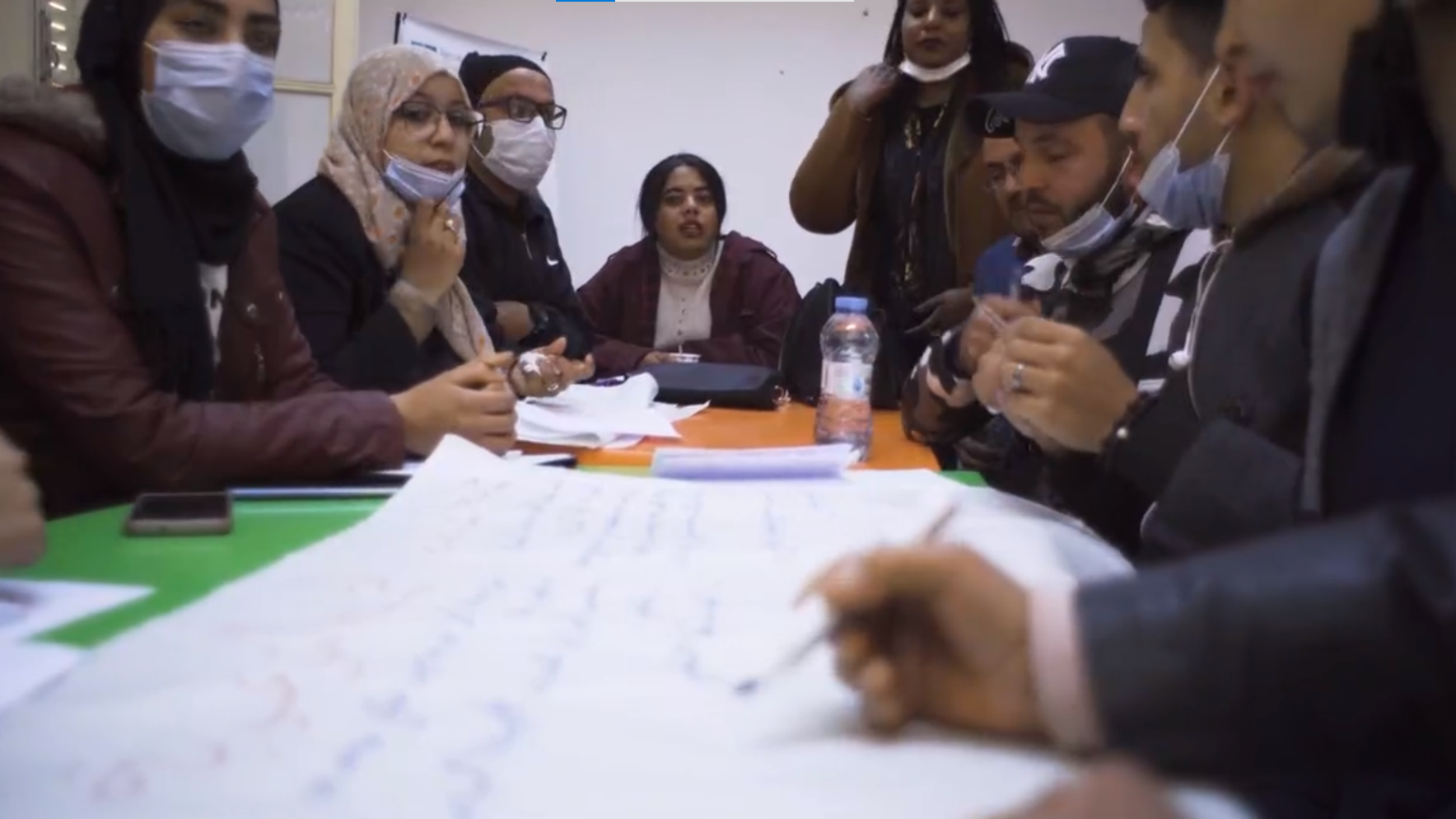
NRGI established a local experts committee, gathering five high-level Gafsan experts, including a former minister of energy and mines, to prepare a roadmap in consultation with CSOs. In addition to their deep and personal knowledge of the Gafsa region, committee members came from diverse backgrounds and fields of expertise; the committee also included a water and energy engineer, environmental and decentralization experts, an economist and a local government official. This enabled rich and multi-layered discussions throughout the roadmap drafting process. The roadmap assessed the social and economic situation in Gafsa with a specific focus on the mining sector and advanced recommendations for potential solutions to improve the socio-economic situation of communities in Gafsa.
Experts played a key role in coalescing civil society actors around their shared objective of advancing a holistic vision for sustainable development in their region.
The expert committee, which quickly garnered the trust of civil society partners due to their credentials and shared Gafsan origins, played a fundamental role in supporting NRGI’s civil society consultation, capacity development and networking efforts. For instance, the experts led coaching and consultation sessions, along with NRGI staff, to present civil society actors with various roadmap iterations, generating enthusiasm around it and soliciting CSO input and feedback. Despite the pandemic-related social distancing measures still in place in Tunisia in September 2021, these online sessions generated a high level of civil society interest, with an average of 20 participants in each online session.
In addition, the experts played a key role in coalescing civil society actors around their shared objective of advancing a holistic vision for sustainable development in their region, including through launching and advertising a Facebook group for the project and initiating and moderating discussions on this platform.
In tandem, NRGI provided project design and proposal writing training to civil society actors to enable them to successfully develop synergized projects, putting their newly acquired knowledge into practice and leveraging the roadmap findings to advocate for evidence-based policy proposals.
Participants were able to apply these project design and proposal writing skills through submitting proposals for grants from NRGI. Five proposals received NRGI funding, and the recipient CSOs implemented synchronized awareness-building and advocacy projects across Gafsa. The subgrants provided an opportunity for these CSO actors to hone their project design and management skills, while reaching a variety of governmental and non-governmental stakeholders and cementing their role as legitimate and knowledgeable mediators between government authorities and citizens.
“We have always been labeled as ‘protestors.’ This is not our identity. We are young people with hopes and dreams, and we just want to find employment.” - Lazher Ben Lamine
Impact
Through Vision Gafsa 2050, NRGI established and developed the capacity of a core network of CSO actors who remain highly engaged in the advancement of joint action for sustainable and equitable development in Gafsa. NRGI created a sustainable platform where these actors continue to coalesce and attract a large following around natural resources and sustainable development issues in Gafsa: The Vision Gafsa 2050 Facebook group launched as part of this project continues to be a vibrant venue for Gafsa-based CSO networking and discussions. Currently, the group boasts over 600 members and has resulted in the establishment of a network of 31 civil society organizations (so far). Joined by a common cause and commitment to advance an alternative, more sustainable, development model for their region, the CSO members engage in and collaborate through the initiative, which NRGI continues to support through its Tunisia programming. NRGI is expanding its existing nationwide CSO coalition (Coalition Tunisienne de Transparence dans L’energie et Les Mines, or CTTEM), which has opened membership to its Gafsa CSO partners.
This project signaled NRGI’s ability to expand its civil society reach to include the most critical yet most marginalized voices from Gafsa. Key figures leading protests and sit-ins in the mining basin were among those who benefited from capacity development and funding through the project. These youth, whom decision makers and citizens alike had labeled spoilers, irrational, or selfish, have found their first-ever opportunity to sit at the same table as decision makers and authorities and to air their grievances.
Lazher Ben Lamine, sit-in leader and subgrant recipient, at a project closing conference attended by over 60 civil society actors, union leaders and local government officials: “We have always been labeled as ‘protestors.’ This is not our identity. We are young people with hopes and dreams, and we just want to find employment.”
This powerful statement highlighted the shift in debates and perspectives prompted by Gafsa’s Vision 2050. The deadlock which preceded the project slowly gave way to mutual respect and understanding between stakeholders, with youth demands, now better captured and articulated by civil society, now forming the basis for a realistic and sustainable reform roadmap around which all stakeholders can rally.
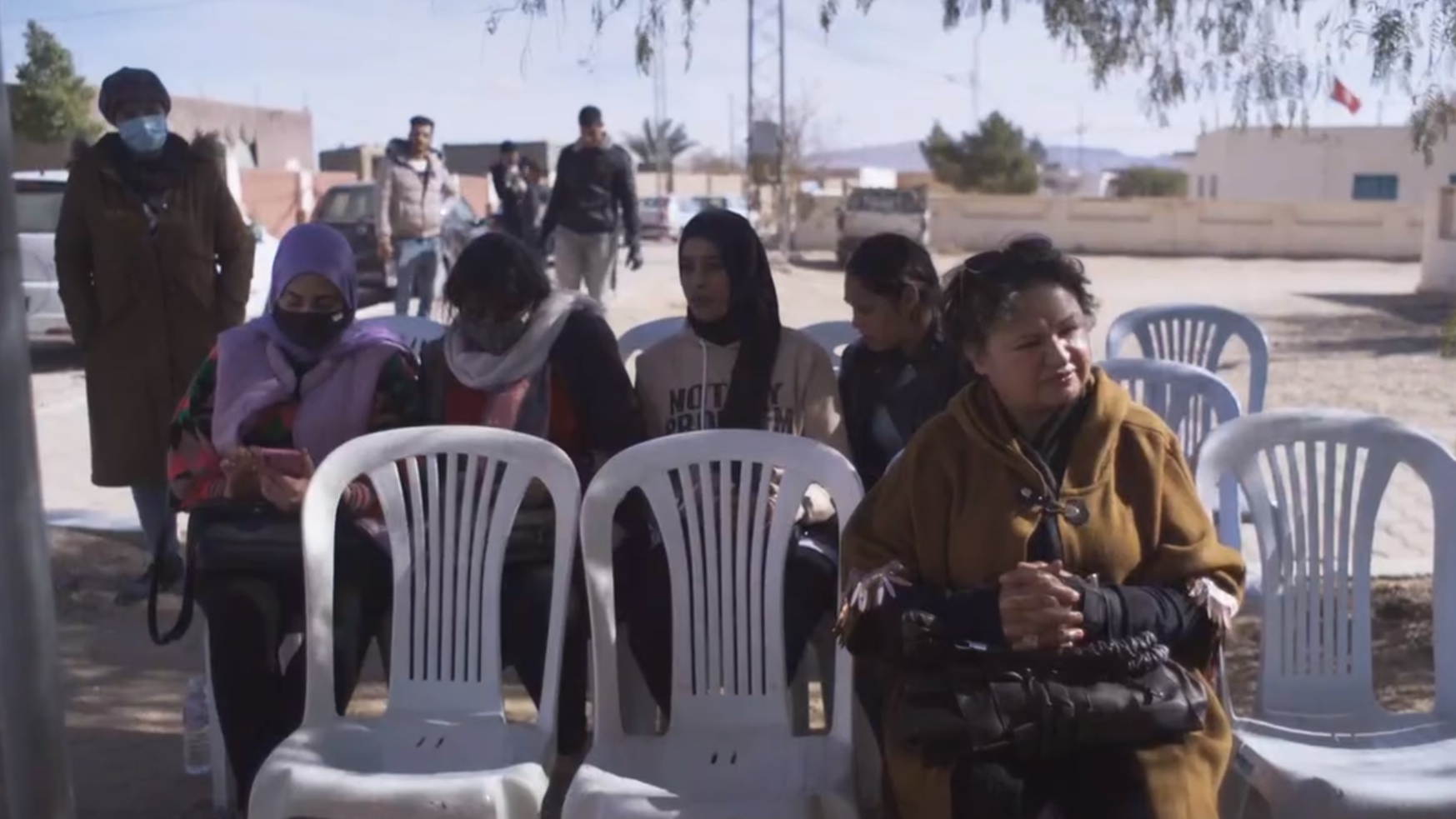
Protestors’ attitudes changed during the life cycle of the project. The result is that, even as protests continue sporadically in Gafsa, they are marked by less violence and disruption of production due to increased levels of constructive dialogue and openness on all sides. In turn, the improved social context and alleviation of social tensions in the mining basin led to the increased pace of phosphate production. For the first time in a decade, production reached 3.7 million tons by the end of 2022, and the government plans to produce 5.6 million tons in 2023, 8 million tons in 2024, and 12 million tons in 2025.
The success of the project encouraged other international NGOs to build on the work that has been done. For instance, the Belgian NGO Lawyers Without Borders organized a follow-up event in Gafsa in partnership with NRGI to discuss with the government concrete steps to implement the roadmap. This is especially important given the government’s efforts to prepare the next three-year social and economic development plan.
Shaping a New Future for Tunisia’s Phosphate

The biggest historical use of phosphate has been as an ingredient in agricultural fertilizers. In 2008, Tunisia was the fifth-largest producer worldwide, due in part to its prolific production of higher-grade phosphate.
However, the sector has since faced critical governance issues, including a recurring pattern of protests and production blockades by citizens unhappy about corruption and a lack of transparency in the industry. This has prevented Tunisia from fully exploiting and optimizing its phosphate resources, and limited Tunisian phosphate’s potential contribution to the energy transition.
During an April 2023 National Security Council meeting, Tunisia’s President Kais Saied announced an initiative to prioritize phosphate production and combat corruption within Compagnie des phosphates de Gafsa (CPG), the state-owned phosphate company, giving renewed prominence to the sector.
To fully realize the potential of these resources and align with Tunisia’s ambitious energy transition strategy, CPG must adopt responsible and sustainable mining practices, along with policies and regulations that support the country’s energy transition goals. Leveraging new technological uses of phosphate could further enhance government revenues, particularly in an era of renewed economic crisis in the country—but authorities must first create appropriate frameworks.
Toward a market for batteries
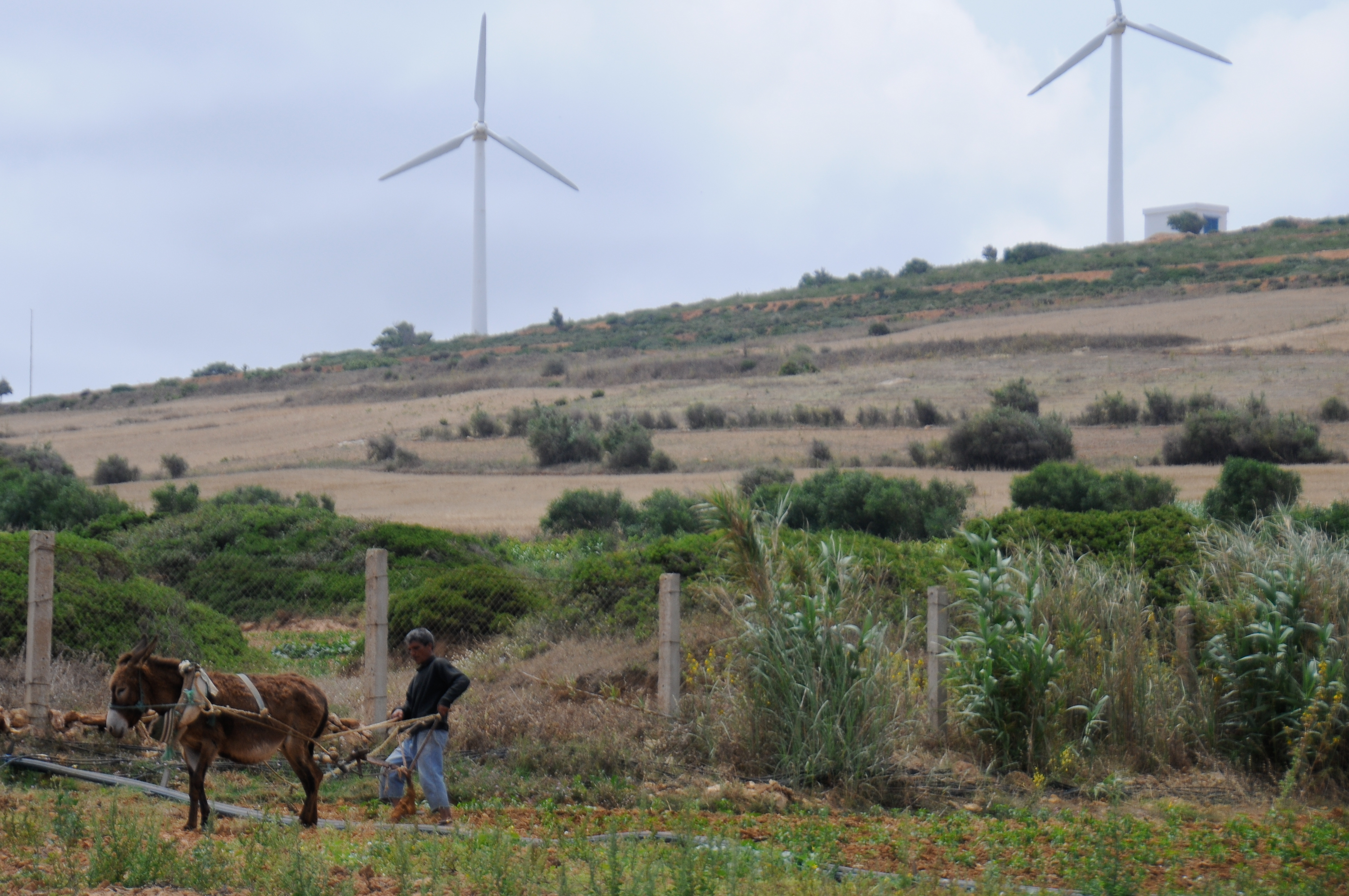
Beyond its use in fertilizers, phosphate has also become a key driver in the battery revolution, particularly in lithium ferro phosphate (LFP) batteries. These batteries have grown increasingly popular for their exceptional stability, longevity, low cost and safety benefits compared to NMC batteries, making LFPs a preferred choice for use in commercial vehicles and energy storage systems linked to solar farms or wind turbines. As a phosphate producer, Tunisia could seize this growing market opportunity, boosting exports and revenue.
The European Commission has classified phosphate rock as one of 20 critical raw materials, highlighting its economic value and the importance of securing supply from outside the EU. Tunisia’s strategic advantage as a phosphate-rich country offers a gateway to thriving markets, economic growth and entry into supply chains critical to the energy transition.
A new mining hub?
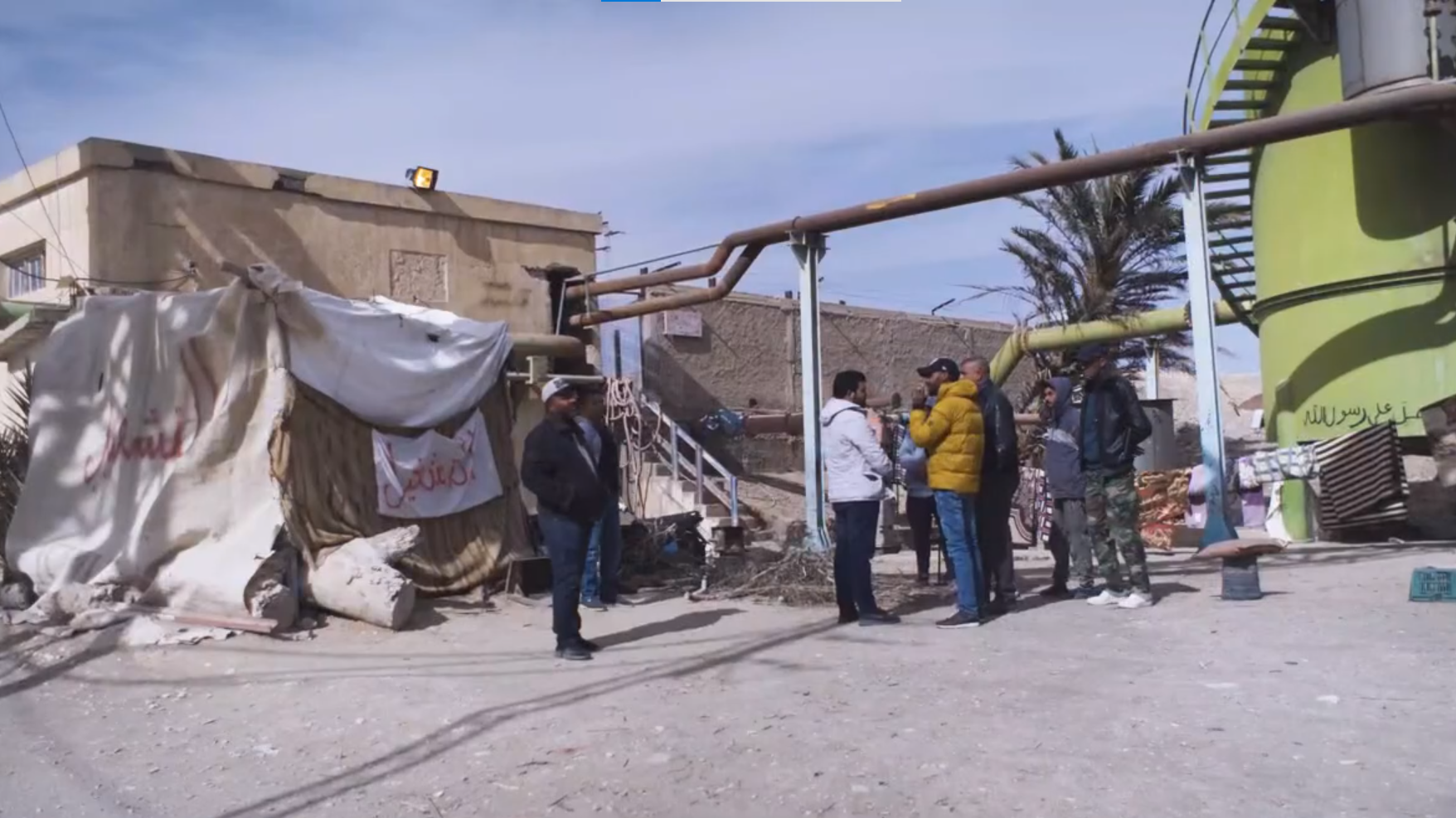
While the Gafsa Basin accounts for more than 90 percent of Tunisia’s phosphate rock production, the country has other large phosphate rock deposits with reserves that match those of Gafsa in quantity. Some of these deposits are located in Sra Ouertane, a region of the Northern Basin, and remain unexploited. The presence of transition minerals like phosphate rock and also rare earth elements in Sra Ouertane could drive interest in the area.
As a result, the area has the potential to become a prominent transition mining hub and Tunisia has a unique opportunity to optimize the recovery and valorization of these minerals, allowing for diversified income sources and a strengthened position in the strategic transition minerals market.
Stronger mining code, smaller carbon footprint
Meanwhile, as Tunisia revises its mining code, the government must consider fluctuations and changes in international phosphate demand. The mining code revision offers CPG the opportunity to modernize operational practices, encourage innovation, and ensure sustainable management of phosphate resources. The revised code should include specific provisions that incentivize exploration into new markets and the adoption of cutting-edge technologies. These could involve advancing green ammonia production and engaging in research collaborations for cleaner extraction processes. (See below.)
In addition, Groupe chimique Tunisien (GCT), a subsidiary of CPG, must urgently decrease the carbon footprint of its products, such as phosphate fertilizers, in order to keep them competitive under new schemes of international taxation, like the European Carbon Border Adjustment Mechanism (CBAM).
To thrive and grow during the energy transition, Tunisia’s phosphate producers must also adopt new sustainable technologies. One is the production of green ammonia, also known as renewable ammonia; it is produced from green hydrogen, which is derived from water electrolyzed using renewable electricity. The main application of green ammonia is in the production of carbon-neutral fertilizer products. Tunisia’s Ministry of Industry, Mines and Energy, in partnership with German Cooperation (GIZ) is working on a green hydrogen strategy.
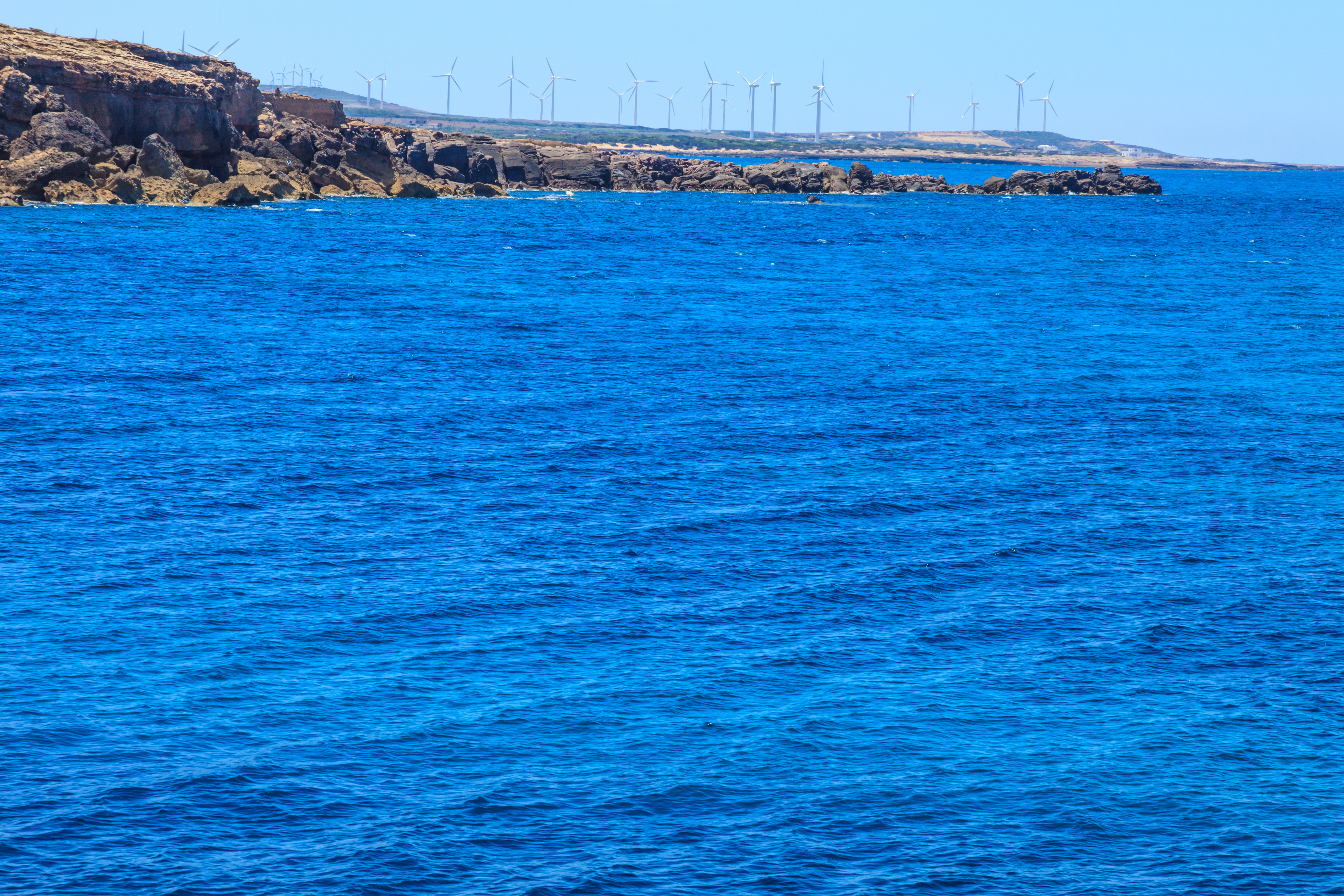
By producing green ammonia locally, Tunisia can reduce its dependence on imports of grey ammonia and decrease operating costs, thereby boosting the competitiveness of its phosphate industry.
Phosphate is a point of entry for Tunisia into the global energy transition. It is therefore a critical moment for good governance in the sector.
Constructive and open dialogue has led to higher phosphate production in Tunisia.
Tunisia’s Political Upheaval Signals Opportunities for Improved Mining Governance

In late July, in a move that divided public opinion, Tunisian President Kais Saied invoked Article 80 of the country’s 2014 constitution to suspend parliament, revoke immunity from members of parliament, and dismiss the head of government and some of its members.
President Saied took action amid nationwide protests calling for the resignation of the government and the dissolution of the parliament, largely seen as a refuge for corrupt politicians using parliamentary immunity to evade prosecution. Later that day, many Tunisians took to the streets to celebrate.
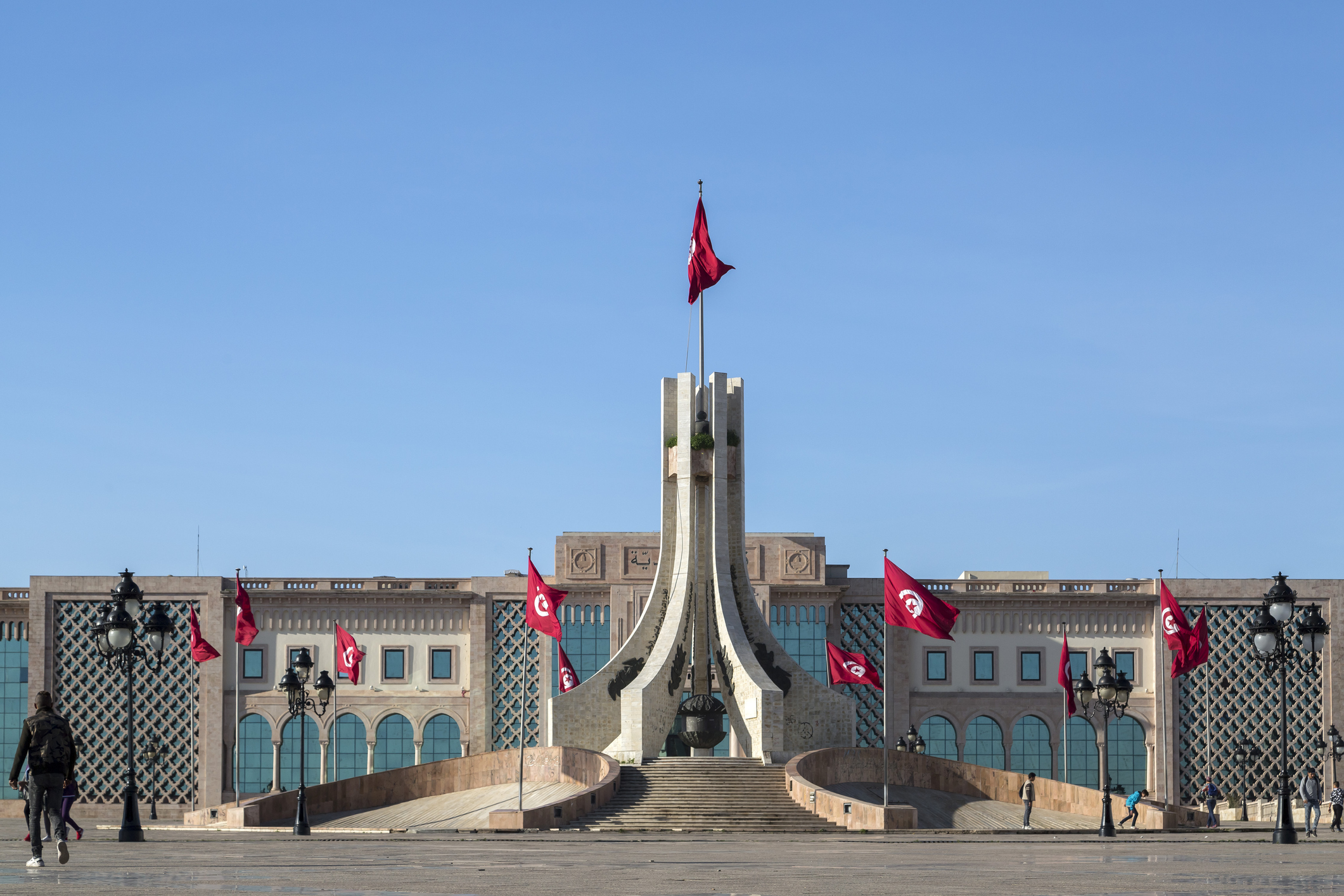
Some actors, however, such as the coalition of governing parties, initially rejected Saied’s actions as they considered them a coup and an unconstitutional power grab, but later updated their position, retracting their initial coup charge. Beyond these diverging stances, a wide range of Tunisians, including leading rights organizations, the lawyers’ order and the labor union, remained cautiously optimistic, recognizing the need for a drastic political and economic change without forfeiting the country’s hard-won democratic gains.
To appease all parties, the president organized meetings with several key oversight actors, signaling that the new measures are temporary and that his immediate priority is to meet the Tunisians’ expectations around health, economic and social development. While they disagreed about the president’s method, all parties supported his intentions and quickly voiced their priorities to address the root causes of the widespread grievances: poor governance and deep-rooted and pervasive corruption.
On 9 August, Tunisia’s financial, economic and judicial public prosecution service imposed a travel ban on 12 current and former senior officials whom prosecutors suspected of corruption connected to phosphate extraction and transport. Two days later, authorities arrested the dozen together with an additional two officials on corruption-related charges. Phosphate, used in fertilizers, is the mainstay of Tunisia’s mining sector, but has often been a node of social tension. While President Saied promises to clamp down on corruption in phosphate transport, the country needs a holistic strategy to address mining sector governance.
Improving mining governance requires more than combatting corruption in phosphates
Phosphate featured high on the president’s immediate agenda, given his stated belief that the sector is riddled with corruption and conflicts of interest. A few days after the dissolution of parliament, Saied emphasized the need to return to previous levels of phosphate production. Production has decreased in the Gafsa mining basin in recent years due to sporadic social unrest and sit-ins. With production falling from 8 million tons in 2010 to 3.8 million tons in 2019, the country, which had until then been a leading exporter, was forced to import phosphate. Saied’s vision of reversing the decrease in phosphate production depends on combatting alleged corruption in phosphate transport. While anticorruption efforts are much needed, a more holistic understanding of mining governance issues is crucial to ensure a comprehensive reform vision.
Gafsa and phosphate: poor mining governance at the root of social unrest
Phosphate is a significant source of state revenues, making up about 4 percent of GDP and 15 percent of national exports. But despite this phosphate wealth, citizens in the southwestern Gafsa mining basin have not benefited from the sector. Instead, the Gafsa region has one of the highest poverty rates in Tunisia, due to weak state-led regional development plans. In 2018, Gafsa was ranked 17th among 24 governorates in terms of regional development indicators.
In addition to poor development and lack of employment opportunities, Gafsa’s local community also suffers the negative environmental impacts of phosphate production. For instance, the extraction of phosphate via wet processing is one of the biggest drawn on Tunisia’s water supplies, leading to ongoing shortages. This has in turn harmed the agriculture, a critical sector for food sovereignty and for achieving sustainable development. This summer has been especially challenging for citizens in the mining basin, with temperatures reaching as high as 49 celsius; the ongoing pandemic and continuous water cuts have further exacerbated years of local frustrations.
Inevitably, the Gafsa mining basin remains a hotspot for social unrest. In 2020, Gafsa witnessed the highest number of protests in the country (1,774 out of 8,759 in total). These waves of social unrest date back to 2008 when Gafsa citizens protested the opacity around recruitment processes within the national phosphate company, Compagnie des Phosphates de Gafsa (CPG). As the main employer in the region, the phosphate sector has been unsuccessful in resolving the Gafsa’s unemployment problem, and, at 25.5 percent in 2019, the region still has the second highest percentage of unemployment nationally. The decrease in production caused by social unrest has also negatively impacted the country’s economy and risks aggravating Gafsa’s unemployment issues as CPG revenues continue to plummet.
Short-term solutions have exacerbated the mining basin crisis
Successive post-revolution governments have failed to advance long-term solutions to remedy the “local natural resource curse” in the mining basin. Due to the lack of economic diversification in the region, those in power have looked to CPG to address rising unemployment with a view to placating the local community. As a result, CPG and its affiliates have recruited an additional 21,000 employees since 2011, bringing its workforce to a staggering 30,000. But many of these positions are thought to be “ghost jobs.” Additionally, the government has historically relied on CPG to meet the social and economic needs of the region. Indeed, through corporate social responsibility programs, CPG has played the role of the state in Gafsa, including even security and defence responsibilities. In addition, CPG is responsible for all expenses related to public services in the region, such as health and education. These responsibilities have expanded CPG’s role in Gafsa from a commercial player to a sovereign role.
The high wage bill, increased sovereign responsibilities and decreased production, if unaddressed, will likely lead to the inevitable collapse of CPG, one of the most important industrial pillars of Tunisia’s economy. The national phosphate refinery company Groupe Chimique Tunisien (CGT) will also be heavily impacted as a result.
Tunisia’s political uncertainty lead to radical reform
Saied’s statements about clamping down on corruption in phosphate transport were met with cautious optimism as his ensuing actions signaled a “return to normal.” For instance, after a long interruption, the National Railways Company announced the resumption of public transport of phosphate. This and the travel ban on and arrest warrants against high-ranking officials provide hope to many Tunisians that change is afoot—setting the stage for more accountability and justice.
However, the mining basin’s problems are not limited to corruption and the current crisis is indicative of deeper governance issues. Therefore, the Tunisian government and civil society should question the status quo and look at dismantling it in favor of a more sustainable governance and development model.
Despite the uncertainty and division, the current political turmoil in Tunisia can bring opportunities for bold and radical reforms. The shift in CPG’s mandate from a commercial and economic role to a social and sovereign one requires urgent attention. The company’s unsustainable model threatens its own existence, which in turn risks harming the country’s economy and exacerbating local grievances. It should therefore be reviewed by the government, while ensuring careful attention to the aspirations of the Gafsa communities.
Tunisia’s president should launch a new, inclusive vision for Gafsa. Local community participation and ownership are key ingredients in any strategy to sustainably develop the region.
A government-led holistic vision for sustainable and equitable development in long-marginalized Gafsa should center around three key dimensions. First, the government and legislators must preserve the region’s environmental sustainability, with a view to maintaining biodiversity and agricultural areas while improving air quality and preserving water resources.
Second, the government must establish a clear policy path, informed by input from civil society and local communities, to pursue economic prosperity through diversification of the economy beyond phosphate production and reliance on CPG. This will help create job opportunities outside CPG, therefore improving material living conditions.
Last, the government must address the region’s historical social marginalization, through investment in health and education services.
Social unrest in Tunisia will not subside until inefficiencies and injustices in the mining sector are addressed. President Saied and the country’s current and emerging political actors should take this opportunity to do so in earnest.
Hanen Keskes is a Middle East and North Africa officer at the Natural Resource Governance Institute (NRGI). Wissem Heni is NRGI's Tunisia country manager. Abir Yahyaoui is a Tunisia officer at NRGI.