
Amid global challenges and the need for strong governance: JETP as a potential driver of Senegal’s energy transition

Key messages
- In an uncertain global context and facing urgent challenges in electricity access, the deployment of the Just Energy Transition Partnership (JETP) offers Senegal a unique opportunity to build a clear and coherent public policy for its energy transition.
- To meet these challenges and succeed in its energy transition, Senegal must establish a robust, inclusive, and cross-sector governance framework to guide the JETP’s deployment.
- This governance effort should be supported by effective public communication that reaches the most affected communities, providing the initiative with visibility and legitimacy.
- Repositioned strategic coordination, backed by strengthened interministerial leadership and an expanded, sustained steering committee (COPIL), is essential for an effective and inclusive energy transition.
With more than 4 million Senegalese still lacking electricity, Senegal now needs to secure transition financing, alongside the revenues it earns from hydrocarbon exploitation, so that it can convert its energy potential into an engine for inclusive development and social justice. The Just Energy Transition Partnership (JETP) is key to this. Signed in June 2023 for an initial period of 3–5 years, it is part of a partnership intended to increase access to electricity and clean up the energy mix by increasing the share of renewable energy to 40% by 2030, with a view to large-scale renewables deployment over the long term.
The Senegalese government is committed to the JETP and actively working to develop its investment plan, in spite of unfavourable global dynamics, notably including the withdrawal of the United States from the Paris Agreement and from JETPs entered into with Indonesia, South Africa and Vietnam. In this context, greater vigilance is needed around a crucial but often overlooked factor: governance.
Good governance requires that decision-making and implementation processes are based on key principles such as participation, consensus, transparency, accountability, responsiveness, effectiveness, efficiency, equity, inclusion and human rights.
Experience from extractive projects in Senegal and West Africa shows that a lack of transparency and participation can undermine the social legitimacy of public policies in a lasting way. Ignoring these governance principles when implementing the JETP risks repeating past mistakes: public opposition, poor resource allocation and capture of benefits by corrupt elites, resulting in profoundly unjust results for affected communities and workers. To live up to its ambitions and the local context, the JETP must be supported by strong, inclusive, and transparent governance structures that can ensure a fair and lasting impact.
This briefing sets out three priorities for Senegal to ensure that the JETP is truly just, effective and legitimate.
Notes
-
1
William Davis, Andrew Bauer, and Papa Daouda Diene, “Managing Senegal’s Oil and Gas Revenues” (Natural Resource Governance Institute, 14 December 2021), www.resourcegovernance.org/publications/managing-senegals-oil-and-gas-revenues.
-
2
Papa Daouda Diene and Thomas Scurfield, “Senegal’s New JETP: Four Crucial Next Steps,” Natural Resource Governance Institute (blog), 22 June 2023, www.resourcegovernance.org/articles/senegals-new-jetp-four-crucial-next-steps.
-
3
African Natural Resources Management and Investment Centre, “Minimising Greenhouse Gas Emissions in the Petroleum Sector: The Opportunity for Emerging Producers” (African Development Bank, 2022), www.newproducersgroup.online/wp-content/uploads/2022/11/Minimising-Greenhouse-Gas-Emissions-in-the-Petroleum-Sector.pdf.
-
4
Chantal Beck et al., “The Future of Oil and Gas Is Now: How Companies Can Decarbonize,” McKinsey & Company, 7 January 2020, www.mckinsey.com/industries/oil-and-gas/our-insights/the-future-is-now-how-oil-and-gas-companies-can-decarbonize.
-
5
Carbon Limits AS, “Methane in Africa – A High-Level Assessment of Anthropogenic Methane Emissions in Africa with Case Studies on Potential Evolution and Abatement,” Text (African Development Bank, 5 November 2022), www.afdb.org/en/documents/methane-africa-high-level-assessment-anthropogenic-methane-emissions-africa-case-studies-potential-evolution-and-abatement.
-
6
“Homepage,” Global Methane Hub, 11 September 2023, www.globalmethanehub.org/.
-
7
IEA, “Global Methane Tracker 2023” (IEA, February 2023), www.iea.org/reports/global-methane-tracker-2023.
-
8
RMI, “Assessing Global Oil and Gas Emissions,” Oil Climate Index plus Gas, 2023, www.ociplus.rmi.org.
-
9
Based on available data from 2015 to 2022 on “Upstream Emissions Intensity (kgCO2eq/boe)” and “Upstream Methane Intensity (kgCH4/boe).”
-
10
There are three oil and gas projects in Senegal that are likely to start production in the immediate or near term: Grand Tortue Ahmeyim (GTA), Sangomar and Yakaar-Teranga. Sangomar has mainly oil reserves but contains some unassociated and associated gas (for an explanation see "Associated and Nonassociated Gas,” PetroWiki, accessed 11 September 2023, petrowiki.spe.org/Associated_and_nonassociated_gas)—the use of which is still being discussed by the government and companies, though reinjection is planned initially. GTA and Yaakar-Teranga are unassociated gas projects. The first phase of GTA will mainly produce liquefied natural gas (LNG) for export, as well as potentially supply some gas to the domestic market. The first phase of Yakaar Teranga is yet to reach a final investment decision (FID) but is expected to direct most if not all of its gas to the domestic market. (For an explanation of FID, see “FID,” Energy Insights by McKinsey, accessed 11 September 2023, www.mckinseyenergyinsights.com/resources/refinery-reference-desk/fid/). Until recently, this phase was expected to supply the domestic market only. But government statements suggest that some of its gas may now be exported as LNG – see Ed Reed, “BP Tipped to Reach next Senegal FID This Year,” Energy Voice, 27 January 2023, www.energyvoice.com/oilandgas/africa/lng-africa/478810/senegal-bp-lng-fid.
-
11
“Senegal – Develop a National SLCP Plan and National Methane Roadmap [SN-23-001],” Climate & Clean Air Coalition, accessed 11 September 2023, www.ccacoalition.org/content/senegal-develop-national-slcp-plan-and-national-methane-roadmap-sn-23-001.
-
12
“Homepage,” Climate & Clean Air Coalition, 14 September 2023, www.ccacoalition.org.
-
13
Ian W. H. Parry et al., “How to Cut Methane Emissions,” Staff Climate Notes 2022, no. 008 (31 October 2022), doi.org/10.5089/9798400224256.066.A001.
-
14
“IMF Reaches Staff-Level Agreement with Senegal on an Extended Fund Facility (EFF) and Extended Credit Facility (ECF), Combined with the Resilience and Sustainability Facility (RSF),” IMF, 11 May 2023, www.imf.org/en/News/Articles/2023/05/11/pr23146-senegal-imf-reaches-staff-level-agreement-eff-and-ecf-combined-rsf.
-
15
Katarina Hoije, “Senegal Pitches Its Gas as European Option to Russia Supply - Bloomberg,” Bloomberg, 13 August 2022, www.bloomberg.com/news/articles/2022-08-12/senegal-pitches-its-gas-as-european-alternative-to-russia-supply.
-
16
European Commission, “Communication from the Commission to the European Parliament, the Council, the European Economic and Social Committee and the Committee of the Regions on an EU Strategy to Reduce Methane Emissions,” European Commission, 14 October 2020, www.eur-lex.europa.eu/legal-content/EN/TXT/HTML/?uri=CELEX:52020DC0663.
-
17
Maurice Berns et al., “How Institutional Investors See the Future of Oil and Gas,” BCG, 4 January 2022, www.bcg.com/publications/2022/how-investors-see-future-of-oil-gas.
-
18
Clara Tan, “Asia’s Major LNG Buyers Launch Methane Reduction Initiative,” Energy Intelligence, 18 July 2023, www.energyintel.com/00000189-6853-de6e-a5ef-f8ffffd90000.
-
19
In 2022, Asia was the destination of over 50 percent of west Africa’s gas exports by value. “Merchandise Trade Matrix in Thousands United States Dollars, Annual, 2016-2022,” UNCTADStat, accessed 4 September 2023, www.unctadstat.unctad.org/wds/TableViewer/tableView.aspx.
-
20
Rystad assumes a hurdle rate in nominal terms of 10 percent and an inflation rate of 2.5 percent.
-
21
Reed, “BP Tipped to Reach next Senegal FID This Year.”
-
22
David Manley and Patrick R. P. Heller, “Risky Bet: National Oil Companies in the Energy Transition” (Natural Resource Governance Institute, February 2021), www.resourcegovernance.org/sites/default/files/documents/risky-bet-national-oil-companies-in-the-energy-transition.pdf.
-
23
“Guidance on Fossil Fuel Energy at the Multilateral Development Banks,” accessed 11 September 2023, www.home.treasury.gov/system/files/136/Fossil-Fuel-Energy-Guidance-for-the-Multilateral-Development-Banks.pdf.
-
24
IEA, “World Energy Investment 2023” (Paris: IEA), accessed 11 September 2023, www.iea.org/reports/world-energy-investment-2023.
-
25
Christine Juta, Julie Joly, and Langenbrunner Baird, “The Scramble for Africa’s Gas” (Global Energy Monitor, December 2022), www.globalenergymonitor.org/wp-content/uploads/2022/11/GEM-Scramble-for-Africas-Gas.pdf.
-
26
Damian Carrington, “Revealed: 1,000 Super-Emitting Methane Leaks Risk Triggering Climate Tipping Points,” The Guardian, 6 March 2023, www.theguardian.com/environment/2023/mar/06/revealed-1000-super-emitting-methane-leaks-risk-triggering-climate-tipping-points.
-
27
John Hicklin, “Launching the RST: Country Policies Must Adapt—and So Too Must IMF Conditionality,” Center For Global Development, 21 February 2023, www.cgdev.org/blog/launching-rst-country-policies-must-adapt-and-so-too-must-imf-conditionality.
-
28
IEA, “Africa Energy Outlook 2022” (Paris: IEA Publications, May 2023), www.iea.org/reports/africa-energy-outlook-2022.
- 29
-
30
Camillus Eboh, “Nigerian Minister Says Plan to Commercialise Gas Flaring at Advanced Stage,” Reuters, 14 September 2022, www.reuters.com/world/africa/nigerian-minister-says-plan-commercialise-gas-flaring-advanced-stage-2022-09-14.
-
31
Esme Stallard, “Iraqi Minister Admits Gas Flaring Cancer Link,” BBC News, 17 October 2022, www.bbc.com/news/science-environment-63284896.
-
32
Etienne Romsom and Kathryn McPhail, Capturing Economic and Social Value from Hydrocarbon Gas Flaring: Evaluation of the Issues, 5th ed., vol. 2021, WIDER Working Paper (UNU-WIDER, 2021), www.doi.org/10.35188/UNU-WIDER/2021/939-6.
-
33
Omoniyi Babatunde Alimi and John Gibson, The Impact of Gas Flaring on Child Health in Nigeria, Policy Research Working Papers (The World Bank, 2022), www.doi.org/10.1596/1813-9450-10153.
-
34
John Kanayochukwu Nduka, Vincent Nwalieji Okafor, and Isaac Omoche Odiba, “Impact of Oil and Gas Activities on Acidity of Rain and Surface Water of Niger Delta, Nigeria: An Environmental and Public Health Review,” Journal of Environmental Protection 7, no. 4 (8 March 2016): 566–81, www.doi.org/10.4236/jep.2016.74051.
-
35
Tristan Baurick, “Satellites Can Now Catch Small but ‘nefarious’ Methane Emissions from Offshore Oil Platforms,” Nola, 22 September 2022, www.nola.com/news/environment/satellites-can-now-catch-small-but-nefarious-methane-emissions-from-offshore-oil-platforms/article_c616ab5e-3aae-11ed-b….
-
36
Ellen Gray and Karl Hille, “NASA Scientists Scrutinize Arctic Gas Flaring Pollution,” NASA, 26 April 2016, www.nasa.gov/feature/goddard/2016/nasa-scientists-scrutinize-arctic-gas-flaring-pollution.
-
37
Nathan Andrews et al., “Oil, Fisheries and Coastal Communities: A Review of Impacts on the Environment, Livelihoods, Space and Governance,” Energy Research & Social Science 75 (1 May 2021): 102009, www.doi.org/10.1016/j.erss.2021.102009.
-
38
Antonio Hill, “Equity and Good Governance Are Essential for the Energy Transition,” Natural Resource Governance Institute (blog), 28 March 2022, resourcegovernance.org/articles/equity-and-good-governance-are-essential-energy-transition.
-
39
“Rankings,” Notre Dame Global Adaptation Initiative, accessed 6 September 2023, gain.nd.edu/our-work/country-index/rankings/.
-
40
Fatih Birol, “COP28 Is a Moment of Truth for the Oil and Gas Industry’s Efforts on Climate - Commentary,” IEA, 13 May 2023, www.iea.org/commentaries/cop28-is-a-moment-of-truth-for-the-oil-and-gas-industry-s-efforts-on-climate.
-
41
“Page d’acceuil,” ITIE Initiative pour la Transparence dans les Industries Extractives du Sénégal, accessed 6 September 2023, www.itie.sn.
-
42
Daniel Kaufmann and Robert Pitman, “Extractive Company Disclosure of Project-Level Greenhouse Gas Emissions Is Critical,” Natural Resource Governance Institute (blog), 1 May 2023, resourcegovernance.org/articles/extractive-company-disclosure-project-level-greenhouse-gas-emissions-critical.
-
43
“EITI Standard 2023,” EITI, 24 June 2023, eiti.org/collections/eiti-standard.
-
44
“EITI Standard 2023.”
-
45
African Natural Resources Management and Investment Centre, “Minimising Greenhouse Gas Emissions in the Petroleum Sector.”
-
46
African Natural Resources Management and Investment Centre.
Senegal’s JETP: Lessons, Challenges, Opportunities and the Role of Civil Society

The energy transition is a crucial global issue in the fight against climate change. To support countries in their decarbonization while considering social and economic impacts, Just Energy Transition Partnerships (JETPs) play a key role in facilitating this process.
At COP29, Senegal confirmed its commitment to a JETP estimated at €2.5 billion, currently in the development phase. Its success relies on inclusive and transparent governance, where the active participation of civil society organizations (CSOs) and local communities is essential.
In collaboration with Oxfam, the Heinrich Böll Stiftung Foundation, Natural Justice, the African Climate Foundation, and the Global Strategic Communications Council, NRGI contributed to the creation of PACTEJ, a platform to strengthening the capacities of CSOs and communities for their involvement in the JETP. In September 2024, NRGI organized a webinar with over 80 participants from various countries, led by experts such as Abraham Octam Halim, Jacob Blessing Motsh Manale, Fatima Diallo and Awa Ndione Sène. This event facilitated the exchange of international experiences, particularly from South Africa and Indonesia, and drew valuable lessons for Senegal.
These lessons demonstrate that the involvement of CSOs is crucial for protecting community rights, monitoring resource management, and ensuring accountability from decision-makers. In this blog post we highlight the evolution of JETPs on a global scale and aims to enrich public debate in Senegal, drawing inspiration from successes and challenges faced elsewhere.
The evolution of the JETP and its importance
The evolution of Senegal’s JETP in the global context
JETPs are being implemented in four countries: South Africa, Indonesia, Vietnam and Senegal, with a total committed funding of approximately $46.5 billion. Each country tailors this mechanism to its energy and socio-economic priorities for a just energy transition.
In South Africa, where coal dominates 84.63 percent of electricity production, the JETP aims for a gradual coal phase-out. In Indonesia, with 61.55 percent coal and 17 percent gas in the energy mix, the goal is to increase the share of renewable energy while supporting affected communities. In Senegal, the focus is on the rapid development of renewable energy to avoid over-reliance on natural gas.
For Senegal, a future gas producer, the JETP represents a crucial opportunity to prevent a “gas lock-in” that could lead to high energy costs, increased dependence and less sustainable energy. Prioritizing renewable energy is essential to ensure a responsible transition, supporting both communities and a sustainable economic transformation.
The importance of the JETP for Senegal
The JETP offers Senegal the opportunity to achieve 40 percent renewable energy in its energy mix by 2030. This partnership, signed on 2 June 2023, with G7 partners (Canada, the EU, France, Germany and the U.K.), mobilizes €2.5 billion over 3 to 5 years.
A structured governance body has been established, including a steering committee (COPIL) led by the Ministry of Energy, a coordination unit (UC), and working groups on governance, equity, finance and technology. Key developments include public consultations, the creation of an investment plan with the Tony Blair Institute, and strategic deliverables on the energy transition.
However, challenges remain: the validation of deliverables, the integration of projects into the plan, strengthening the capacity of the coordination unit (UC), and finalizing the investment plan. Regional workshops are planned to raise awareness among communities.
PACTEJ could identify key priorities such as access to affordable energy for vulnerable populations, promoting transparency in project selection, assessing the relevance of selection criteria, and protecting the rights of workers and affected communities.
CSOs, through the PACTEJ platform, play a critical role in ensuring a just transition by promoting transparency, inclusion, and the protection of the rights of workers and communities. However, G7 partners have warned against unrealistic expectations, emphasizing that the JETP will not resolve all of Senegal’s energy challenges.
Lessons from the South African and Indonesian experiences
South Africa, a pioneer of the JETP with a $8.5 billion partnership signed in 2021 with quite an ambitious investment plan, illustrates the challenges of a just transition. The funding, mostly in the form of loans, remains insufficient compared to the estimated $95 billion needed. The hasty closure of power plants has led to significant social and economic impacts, exacerbated by tensions with trade unions and limited stakeholder consultation.
Indonesia, with a $20 billion JETP signed in 2022, offers a more inclusive approach. With a clear investment plan, it has established transparent governance platform, organized over 200 consultations with stakeholders, engaged more than 100 CSOs, and mobilized both public and private funds for renewable energy projects. However, bureaucratic obstacles are slowing down project implementation.
These experiences highlight the importance of participatory and equitable management for a successful transition. The involvement of local communities, illustrated by the slogan “nothing about us without us,” is central. Initiatives like “Fair Finance” in South Africa offer valuable lessons for Senegal and the PACTEJ platform. However, the representative of the G7 partners group warned against unrealistic expectations of the JETP, emphasizing that it will not solve all the challenges Senegal faes on its own.
The role of Senegalese CSOs in the JETP process
As part of the JETP, Senegalese CSOs, grouped within the PACTEJ platform, along with trade unions and community organizations, play a key role in raising awareness among communities and fostering inclusive dialogue with the government.
However, they regret their late involvement, which has been limited to the post-negotiation phase, and highlight major challenges: access to information, the involvement of local authorities, private sector support, and community awareness.
The funding model, which includes only 6.6 percent in grants and primarily consists of loans, raises concerns about increasing public debt. CSOs are calling for transparent management of funds to prevent corruption and ensure direct benefits for vulnerable populations.
| Countries | South Africa | Indonesia | Senegal |
| Composition of financing | 4% in the form of grants 63% in the form of concessional loans 33% in the form of commercial loans and guarantees | Not yet published | 6.6% in the form of grants 69.2% in the form of concessional loans 1.8% in the form of market-rate loans, 12%, and the rest in the form of standard loans or grants |
Source: Navigating Just Energy Transition Together – Shared learnings from South Africa, Indonesia, and Vietnam, June 2023
CSOs, through PACTEJ, are now actively participating in the COPIL and the “Justice and Equity” group of the JETP. They call for a genuine consideration of their contributions in decision-making and for projects that compensate for the impacts of fossil fuels, while promoting local content.
For the success of the JETP in Senegal, an inclusive approach is essential. This requires fully involving communities, local authorities, CSOs, women and youth, ensuring transparency, strengthening local capacities, integrating gender issues, and simplifying administrative procedures. Such an approach would ensure a truly fair and inclusive energy transition.
Notes
-
1
William Davis, Andrew Bauer, and Papa Daouda Diene, “Managing Senegal’s Oil and Gas Revenues” (Natural Resource Governance Institute, 14 December 2021), www.resourcegovernance.org/publications/managing-senegals-oil-and-gas-revenues.
-
2
Papa Daouda Diene and Thomas Scurfield, “Senegal’s New JETP: Four Crucial Next Steps,” Natural Resource Governance Institute (blog), 22 June 2023, www.resourcegovernance.org/articles/senegals-new-jetp-four-crucial-next-steps.
-
3
African Natural Resources Management and Investment Centre, “Minimising Greenhouse Gas Emissions in the Petroleum Sector: The Opportunity for Emerging Producers” (African Development Bank, 2022), www.newproducersgroup.online/wp-content/uploads/2022/11/Minimising-Greenhouse-Gas-Emissions-in-the-Petroleum-Sector.pdf.
-
4
Chantal Beck et al., “The Future of Oil and Gas Is Now: How Companies Can Decarbonize,” McKinsey & Company, 7 January 2020, www.mckinsey.com/industries/oil-and-gas/our-insights/the-future-is-now-how-oil-and-gas-companies-can-decarbonize.
-
5
Carbon Limits AS, “Methane in Africa – A High-Level Assessment of Anthropogenic Methane Emissions in Africa with Case Studies on Potential Evolution and Abatement,” Text (African Development Bank, 5 November 2022), www.afdb.org/en/documents/methane-africa-high-level-assessment-anthropogenic-methane-emissions-africa-case-studies-potential-evolution-and-abatement.
-
6
“Homepage,” Global Methane Hub, 11 September 2023, www.globalmethanehub.org/.
-
7
IEA, “Global Methane Tracker 2023” (IEA, February 2023), www.iea.org/reports/global-methane-tracker-2023.
-
8
RMI, “Assessing Global Oil and Gas Emissions,” Oil Climate Index plus Gas, 2023, www.ociplus.rmi.org.
-
9
Based on available data from 2015 to 2022 on “Upstream Emissions Intensity (kgCO2eq/boe)” and “Upstream Methane Intensity (kgCH4/boe).”
-
10
There are three oil and gas projects in Senegal that are likely to start production in the immediate or near term: Grand Tortue Ahmeyim (GTA), Sangomar and Yakaar-Teranga. Sangomar has mainly oil reserves but contains some unassociated and associated gas (for an explanation see "Associated and Nonassociated Gas,” PetroWiki, accessed 11 September 2023, petrowiki.spe.org/Associated_and_nonassociated_gas)—the use of which is still being discussed by the government and companies, though reinjection is planned initially. GTA and Yaakar-Teranga are unassociated gas projects. The first phase of GTA will mainly produce liquefied natural gas (LNG) for export, as well as potentially supply some gas to the domestic market. The first phase of Yakaar Teranga is yet to reach a final investment decision (FID) but is expected to direct most if not all of its gas to the domestic market. (For an explanation of FID, see “FID,” Energy Insights by McKinsey, accessed 11 September 2023, www.mckinseyenergyinsights.com/resources/refinery-reference-desk/fid/). Until recently, this phase was expected to supply the domestic market only. But government statements suggest that some of its gas may now be exported as LNG – see Ed Reed, “BP Tipped to Reach next Senegal FID This Year,” Energy Voice, 27 January 2023, www.energyvoice.com/oilandgas/africa/lng-africa/478810/senegal-bp-lng-fid.
-
11
“Senegal – Develop a National SLCP Plan and National Methane Roadmap [SN-23-001],” Climate & Clean Air Coalition, accessed 11 September 2023, www.ccacoalition.org/content/senegal-develop-national-slcp-plan-and-national-methane-roadmap-sn-23-001.
-
12
“Homepage,” Climate & Clean Air Coalition, 14 September 2023, www.ccacoalition.org.
-
13
Ian W. H. Parry et al., “How to Cut Methane Emissions,” Staff Climate Notes 2022, no. 008 (31 October 2022), doi.org/10.5089/9798400224256.066.A001.
-
14
“IMF Reaches Staff-Level Agreement with Senegal on an Extended Fund Facility (EFF) and Extended Credit Facility (ECF), Combined with the Resilience and Sustainability Facility (RSF),” IMF, 11 May 2023, www.imf.org/en/News/Articles/2023/05/11/pr23146-senegal-imf-reaches-staff-level-agreement-eff-and-ecf-combined-rsf.
-
15
Katarina Hoije, “Senegal Pitches Its Gas as European Option to Russia Supply - Bloomberg,” Bloomberg, 13 August 2022, www.bloomberg.com/news/articles/2022-08-12/senegal-pitches-its-gas-as-european-alternative-to-russia-supply.
-
16
European Commission, “Communication from the Commission to the European Parliament, the Council, the European Economic and Social Committee and the Committee of the Regions on an EU Strategy to Reduce Methane Emissions,” European Commission, 14 October 2020, www.eur-lex.europa.eu/legal-content/EN/TXT/HTML/?uri=CELEX:52020DC0663.
-
17
Maurice Berns et al., “How Institutional Investors See the Future of Oil and Gas,” BCG, 4 January 2022, www.bcg.com/publications/2022/how-investors-see-future-of-oil-gas.
-
18
Clara Tan, “Asia’s Major LNG Buyers Launch Methane Reduction Initiative,” Energy Intelligence, 18 July 2023, www.energyintel.com/00000189-6853-de6e-a5ef-f8ffffd90000.
-
19
In 2022, Asia was the destination of over 50 percent of west Africa’s gas exports by value. “Merchandise Trade Matrix in Thousands United States Dollars, Annual, 2016-2022,” UNCTADStat, accessed 4 September 2023, www.unctadstat.unctad.org/wds/TableViewer/tableView.aspx.
-
20
Rystad assumes a hurdle rate in nominal terms of 10 percent and an inflation rate of 2.5 percent.
-
21
Reed, “BP Tipped to Reach next Senegal FID This Year.”
-
22
David Manley and Patrick R. P. Heller, “Risky Bet: National Oil Companies in the Energy Transition” (Natural Resource Governance Institute, February 2021), www.resourcegovernance.org/sites/default/files/documents/risky-bet-national-oil-companies-in-the-energy-transition.pdf.
-
23
“Guidance on Fossil Fuel Energy at the Multilateral Development Banks,” accessed 11 September 2023, www.home.treasury.gov/system/files/136/Fossil-Fuel-Energy-Guidance-for-the-Multilateral-Development-Banks.pdf.
-
24
IEA, “World Energy Investment 2023” (Paris: IEA), accessed 11 September 2023, www.iea.org/reports/world-energy-investment-2023.
-
25
Christine Juta, Julie Joly, and Langenbrunner Baird, “The Scramble for Africa’s Gas” (Global Energy Monitor, December 2022), www.globalenergymonitor.org/wp-content/uploads/2022/11/GEM-Scramble-for-Africas-Gas.pdf.
-
26
Damian Carrington, “Revealed: 1,000 Super-Emitting Methane Leaks Risk Triggering Climate Tipping Points,” The Guardian, 6 March 2023, www.theguardian.com/environment/2023/mar/06/revealed-1000-super-emitting-methane-leaks-risk-triggering-climate-tipping-points.
-
27
John Hicklin, “Launching the RST: Country Policies Must Adapt—and So Too Must IMF Conditionality,” Center For Global Development, 21 February 2023, www.cgdev.org/blog/launching-rst-country-policies-must-adapt-and-so-too-must-imf-conditionality.
-
28
IEA, “Africa Energy Outlook 2022” (Paris: IEA Publications, May 2023), www.iea.org/reports/africa-energy-outlook-2022.
- 29
-
30
Camillus Eboh, “Nigerian Minister Says Plan to Commercialise Gas Flaring at Advanced Stage,” Reuters, 14 September 2022, www.reuters.com/world/africa/nigerian-minister-says-plan-commercialise-gas-flaring-advanced-stage-2022-09-14.
-
31
Esme Stallard, “Iraqi Minister Admits Gas Flaring Cancer Link,” BBC News, 17 October 2022, www.bbc.com/news/science-environment-63284896.
-
32
Etienne Romsom and Kathryn McPhail, Capturing Economic and Social Value from Hydrocarbon Gas Flaring: Evaluation of the Issues, 5th ed., vol. 2021, WIDER Working Paper (UNU-WIDER, 2021), www.doi.org/10.35188/UNU-WIDER/2021/939-6.
-
33
Omoniyi Babatunde Alimi and John Gibson, The Impact of Gas Flaring on Child Health in Nigeria, Policy Research Working Papers (The World Bank, 2022), www.doi.org/10.1596/1813-9450-10153.
-
34
John Kanayochukwu Nduka, Vincent Nwalieji Okafor, and Isaac Omoche Odiba, “Impact of Oil and Gas Activities on Acidity of Rain and Surface Water of Niger Delta, Nigeria: An Environmental and Public Health Review,” Journal of Environmental Protection 7, no. 4 (8 March 2016): 566–81, www.doi.org/10.4236/jep.2016.74051.
-
35
Tristan Baurick, “Satellites Can Now Catch Small but ‘nefarious’ Methane Emissions from Offshore Oil Platforms,” Nola, 22 September 2022, www.nola.com/news/environment/satellites-can-now-catch-small-but-nefarious-methane-emissions-from-offshore-oil-platforms/article_c616ab5e-3aae-11ed-b….
-
36
Ellen Gray and Karl Hille, “NASA Scientists Scrutinize Arctic Gas Flaring Pollution,” NASA, 26 April 2016, www.nasa.gov/feature/goddard/2016/nasa-scientists-scrutinize-arctic-gas-flaring-pollution.
-
37
Nathan Andrews et al., “Oil, Fisheries and Coastal Communities: A Review of Impacts on the Environment, Livelihoods, Space and Governance,” Energy Research & Social Science 75 (1 May 2021): 102009, www.doi.org/10.1016/j.erss.2021.102009.
-
38
Antonio Hill, “Equity and Good Governance Are Essential for the Energy Transition,” Natural Resource Governance Institute (blog), 28 March 2022, resourcegovernance.org/articles/equity-and-good-governance-are-essential-energy-transition.
-
39
“Rankings,” Notre Dame Global Adaptation Initiative, accessed 6 September 2023, gain.nd.edu/our-work/country-index/rankings/.
-
40
Fatih Birol, “COP28 Is a Moment of Truth for the Oil and Gas Industry’s Efforts on Climate - Commentary,” IEA, 13 May 2023, www.iea.org/commentaries/cop28-is-a-moment-of-truth-for-the-oil-and-gas-industry-s-efforts-on-climate.
-
41
“Page d’acceuil,” ITIE Initiative pour la Transparence dans les Industries Extractives du Sénégal, accessed 6 September 2023, www.itie.sn.
-
42
Daniel Kaufmann and Robert Pitman, “Extractive Company Disclosure of Project-Level Greenhouse Gas Emissions Is Critical,” Natural Resource Governance Institute (blog), 1 May 2023, resourcegovernance.org/articles/extractive-company-disclosure-project-level-greenhouse-gas-emissions-critical.
-
43
“EITI Standard 2023,” EITI, 24 June 2023, eiti.org/collections/eiti-standard.
-
44
“EITI Standard 2023.”
-
45
African Natural Resources Management and Investment Centre, “Minimising Greenhouse Gas Emissions in the Petroleum Sector.”
-
46
African Natural Resources Management and Investment Centre.
Insights and Lessons from Global JETP Experiences

As Senegal embarks on its journey toward a sustainable energy future through the historic Just Energy Transition Partnership (JETP), civil society has a critical role to play in shaping this transformation. With €2.5 billion committed by global partners, this initiative is set to significantly expand the role of renewable energy in Senegal, reducing dependence on fossil fuels and ensuring a just transition for all.
But how can civil society organizations (CSOs) effectively engage in this process and influence the decision-making?
What was covered
- CSO experiences from Vietnam, South Africa, and Indonesia: Lessons learned, challenges faced, and opportunities seized in their JETP journeys.
- Government perspectives from these countries on engaging with civil society in the design and implementation of energy transition plans.
- Actionable insights for Senegalese CSOs on how to ensure transparency, citizen rights, and accountability in the JETP process, and how to align it with Senegal's renewable energy goals.
Key speakers
- Birgit Strube: Head of the Climate Partnership Division, BMZ (German Federal Ministry for Economic Cooperation and Development)
- Awa Ndione Sène: Coordination and Monitoring Unit for the JETP (UCS-JETP) - Ministry of Energy, Petroleum, and Mines
- Blessing Manale: Executive head, consensus building and outreach at the Presidential Climate Commission (PCC) - South Africa
- Abraham Octama Halim: Power System Analyst at Institute for Essential Services Reform (IESR) - Indonesia
- Fatima Diallo: Executive director at CRADESC and Lead of the Civil Society Actors Platform for a Just Energy Transition in Senegal (PACTEJ) - Senegal
Moderator: Nafi Chinery - NRGI Africa Director
Organizing and Facilitating: Aida Diop - Senegal Senior program officer; Ousmane Touré - Communications officer
Notes
-
1
William Davis, Andrew Bauer, and Papa Daouda Diene, “Managing Senegal’s Oil and Gas Revenues” (Natural Resource Governance Institute, 14 December 2021), www.resourcegovernance.org/publications/managing-senegals-oil-and-gas-revenues.
-
2
Papa Daouda Diene and Thomas Scurfield, “Senegal’s New JETP: Four Crucial Next Steps,” Natural Resource Governance Institute (blog), 22 June 2023, www.resourcegovernance.org/articles/senegals-new-jetp-four-crucial-next-steps.
-
3
African Natural Resources Management and Investment Centre, “Minimising Greenhouse Gas Emissions in the Petroleum Sector: The Opportunity for Emerging Producers” (African Development Bank, 2022), www.newproducersgroup.online/wp-content/uploads/2022/11/Minimising-Greenhouse-Gas-Emissions-in-the-Petroleum-Sector.pdf.
-
4
Chantal Beck et al., “The Future of Oil and Gas Is Now: How Companies Can Decarbonize,” McKinsey & Company, 7 January 2020, www.mckinsey.com/industries/oil-and-gas/our-insights/the-future-is-now-how-oil-and-gas-companies-can-decarbonize.
-
5
Carbon Limits AS, “Methane in Africa – A High-Level Assessment of Anthropogenic Methane Emissions in Africa with Case Studies on Potential Evolution and Abatement,” Text (African Development Bank, 5 November 2022), www.afdb.org/en/documents/methane-africa-high-level-assessment-anthropogenic-methane-emissions-africa-case-studies-potential-evolution-and-abatement.
-
6
“Homepage,” Global Methane Hub, 11 September 2023, www.globalmethanehub.org/.
-
7
IEA, “Global Methane Tracker 2023” (IEA, February 2023), www.iea.org/reports/global-methane-tracker-2023.
-
8
RMI, “Assessing Global Oil and Gas Emissions,” Oil Climate Index plus Gas, 2023, www.ociplus.rmi.org.
-
9
Based on available data from 2015 to 2022 on “Upstream Emissions Intensity (kgCO2eq/boe)” and “Upstream Methane Intensity (kgCH4/boe).”
-
10
There are three oil and gas projects in Senegal that are likely to start production in the immediate or near term: Grand Tortue Ahmeyim (GTA), Sangomar and Yakaar-Teranga. Sangomar has mainly oil reserves but contains some unassociated and associated gas (for an explanation see "Associated and Nonassociated Gas,” PetroWiki, accessed 11 September 2023, petrowiki.spe.org/Associated_and_nonassociated_gas)—the use of which is still being discussed by the government and companies, though reinjection is planned initially. GTA and Yaakar-Teranga are unassociated gas projects. The first phase of GTA will mainly produce liquefied natural gas (LNG) for export, as well as potentially supply some gas to the domestic market. The first phase of Yakaar Teranga is yet to reach a final investment decision (FID) but is expected to direct most if not all of its gas to the domestic market. (For an explanation of FID, see “FID,” Energy Insights by McKinsey, accessed 11 September 2023, www.mckinseyenergyinsights.com/resources/refinery-reference-desk/fid/). Until recently, this phase was expected to supply the domestic market only. But government statements suggest that some of its gas may now be exported as LNG – see Ed Reed, “BP Tipped to Reach next Senegal FID This Year,” Energy Voice, 27 January 2023, www.energyvoice.com/oilandgas/africa/lng-africa/478810/senegal-bp-lng-fid.
-
11
“Senegal – Develop a National SLCP Plan and National Methane Roadmap [SN-23-001],” Climate & Clean Air Coalition, accessed 11 September 2023, www.ccacoalition.org/content/senegal-develop-national-slcp-plan-and-national-methane-roadmap-sn-23-001.
-
12
“Homepage,” Climate & Clean Air Coalition, 14 September 2023, www.ccacoalition.org.
-
13
Ian W. H. Parry et al., “How to Cut Methane Emissions,” Staff Climate Notes 2022, no. 008 (31 October 2022), doi.org/10.5089/9798400224256.066.A001.
-
14
“IMF Reaches Staff-Level Agreement with Senegal on an Extended Fund Facility (EFF) and Extended Credit Facility (ECF), Combined with the Resilience and Sustainability Facility (RSF),” IMF, 11 May 2023, www.imf.org/en/News/Articles/2023/05/11/pr23146-senegal-imf-reaches-staff-level-agreement-eff-and-ecf-combined-rsf.
-
15
Katarina Hoije, “Senegal Pitches Its Gas as European Option to Russia Supply - Bloomberg,” Bloomberg, 13 August 2022, www.bloomberg.com/news/articles/2022-08-12/senegal-pitches-its-gas-as-european-alternative-to-russia-supply.
-
16
European Commission, “Communication from the Commission to the European Parliament, the Council, the European Economic and Social Committee and the Committee of the Regions on an EU Strategy to Reduce Methane Emissions,” European Commission, 14 October 2020, www.eur-lex.europa.eu/legal-content/EN/TXT/HTML/?uri=CELEX:52020DC0663.
-
17
Maurice Berns et al., “How Institutional Investors See the Future of Oil and Gas,” BCG, 4 January 2022, www.bcg.com/publications/2022/how-investors-see-future-of-oil-gas.
-
18
Clara Tan, “Asia’s Major LNG Buyers Launch Methane Reduction Initiative,” Energy Intelligence, 18 July 2023, www.energyintel.com/00000189-6853-de6e-a5ef-f8ffffd90000.
-
19
In 2022, Asia was the destination of over 50 percent of west Africa’s gas exports by value. “Merchandise Trade Matrix in Thousands United States Dollars, Annual, 2016-2022,” UNCTADStat, accessed 4 September 2023, www.unctadstat.unctad.org/wds/TableViewer/tableView.aspx.
-
20
Rystad assumes a hurdle rate in nominal terms of 10 percent and an inflation rate of 2.5 percent.
-
21
Reed, “BP Tipped to Reach next Senegal FID This Year.”
-
22
David Manley and Patrick R. P. Heller, “Risky Bet: National Oil Companies in the Energy Transition” (Natural Resource Governance Institute, February 2021), www.resourcegovernance.org/sites/default/files/documents/risky-bet-national-oil-companies-in-the-energy-transition.pdf.
-
23
“Guidance on Fossil Fuel Energy at the Multilateral Development Banks,” accessed 11 September 2023, www.home.treasury.gov/system/files/136/Fossil-Fuel-Energy-Guidance-for-the-Multilateral-Development-Banks.pdf.
-
24
IEA, “World Energy Investment 2023” (Paris: IEA), accessed 11 September 2023, www.iea.org/reports/world-energy-investment-2023.
-
25
Christine Juta, Julie Joly, and Langenbrunner Baird, “The Scramble for Africa’s Gas” (Global Energy Monitor, December 2022), www.globalenergymonitor.org/wp-content/uploads/2022/11/GEM-Scramble-for-Africas-Gas.pdf.
-
26
Damian Carrington, “Revealed: 1,000 Super-Emitting Methane Leaks Risk Triggering Climate Tipping Points,” The Guardian, 6 March 2023, www.theguardian.com/environment/2023/mar/06/revealed-1000-super-emitting-methane-leaks-risk-triggering-climate-tipping-points.
-
27
John Hicklin, “Launching the RST: Country Policies Must Adapt—and So Too Must IMF Conditionality,” Center For Global Development, 21 February 2023, www.cgdev.org/blog/launching-rst-country-policies-must-adapt-and-so-too-must-imf-conditionality.
-
28
IEA, “Africa Energy Outlook 2022” (Paris: IEA Publications, May 2023), www.iea.org/reports/africa-energy-outlook-2022.
- 29
-
30
Camillus Eboh, “Nigerian Minister Says Plan to Commercialise Gas Flaring at Advanced Stage,” Reuters, 14 September 2022, www.reuters.com/world/africa/nigerian-minister-says-plan-commercialise-gas-flaring-advanced-stage-2022-09-14.
-
31
Esme Stallard, “Iraqi Minister Admits Gas Flaring Cancer Link,” BBC News, 17 October 2022, www.bbc.com/news/science-environment-63284896.
-
32
Etienne Romsom and Kathryn McPhail, Capturing Economic and Social Value from Hydrocarbon Gas Flaring: Evaluation of the Issues, 5th ed., vol. 2021, WIDER Working Paper (UNU-WIDER, 2021), www.doi.org/10.35188/UNU-WIDER/2021/939-6.
-
33
Omoniyi Babatunde Alimi and John Gibson, The Impact of Gas Flaring on Child Health in Nigeria, Policy Research Working Papers (The World Bank, 2022), www.doi.org/10.1596/1813-9450-10153.
-
34
John Kanayochukwu Nduka, Vincent Nwalieji Okafor, and Isaac Omoche Odiba, “Impact of Oil and Gas Activities on Acidity of Rain and Surface Water of Niger Delta, Nigeria: An Environmental and Public Health Review,” Journal of Environmental Protection 7, no. 4 (8 March 2016): 566–81, www.doi.org/10.4236/jep.2016.74051.
-
35
Tristan Baurick, “Satellites Can Now Catch Small but ‘nefarious’ Methane Emissions from Offshore Oil Platforms,” Nola, 22 September 2022, www.nola.com/news/environment/satellites-can-now-catch-small-but-nefarious-methane-emissions-from-offshore-oil-platforms/article_c616ab5e-3aae-11ed-b….
-
36
Ellen Gray and Karl Hille, “NASA Scientists Scrutinize Arctic Gas Flaring Pollution,” NASA, 26 April 2016, www.nasa.gov/feature/goddard/2016/nasa-scientists-scrutinize-arctic-gas-flaring-pollution.
-
37
Nathan Andrews et al., “Oil, Fisheries and Coastal Communities: A Review of Impacts on the Environment, Livelihoods, Space and Governance,” Energy Research & Social Science 75 (1 May 2021): 102009, www.doi.org/10.1016/j.erss.2021.102009.
-
38
Antonio Hill, “Equity and Good Governance Are Essential for the Energy Transition,” Natural Resource Governance Institute (blog), 28 March 2022, resourcegovernance.org/articles/equity-and-good-governance-are-essential-energy-transition.
-
39
“Rankings,” Notre Dame Global Adaptation Initiative, accessed 6 September 2023, gain.nd.edu/our-work/country-index/rankings/.
-
40
Fatih Birol, “COP28 Is a Moment of Truth for the Oil and Gas Industry’s Efforts on Climate - Commentary,” IEA, 13 May 2023, www.iea.org/commentaries/cop28-is-a-moment-of-truth-for-the-oil-and-gas-industry-s-efforts-on-climate.
-
41
“Page d’acceuil,” ITIE Initiative pour la Transparence dans les Industries Extractives du Sénégal, accessed 6 September 2023, www.itie.sn.
-
42
Daniel Kaufmann and Robert Pitman, “Extractive Company Disclosure of Project-Level Greenhouse Gas Emissions Is Critical,” Natural Resource Governance Institute (blog), 1 May 2023, resourcegovernance.org/articles/extractive-company-disclosure-project-level-greenhouse-gas-emissions-critical.
-
43
“EITI Standard 2023,” EITI, 24 June 2023, eiti.org/collections/eiti-standard.
-
44
“EITI Standard 2023.”
-
45
African Natural Resources Management and Investment Centre, “Minimising Greenhouse Gas Emissions in the Petroleum Sector.”
-
46
African Natural Resources Management and Investment Centre.
No Net Zero Without Better Governance of Transition Minerals

If countries that mine critical minerals are to add value through processing, they and their partners must address some key bottlenecks:
- energy supply for processing
- infrastructure for transporting processed materials
- technology/skills accessible to local firms and workers
Economically, producing countries must solve the challenge of addressing bottlenecks in a way that will reduce processing costs, and make their processing operations competitive worldwide. If the processing cost is high then the export of processed materials will be doubly expensive and so lower-income producing countries wouldn’t be able to compete with more advanced processors like China.
One way to address this is to develop a strategic investment plan. Part of the investment incentives package should address the cost of processing. Countries should also integrate domestic processing into a broader national energy transition plan. Officials can use these energy transition plans to mobilize global financing. We have seen countries like S. Africa and recently Senegal developing just energy transition partnerships with international partners as mechanisms to attract financing. Local processing could be part of future mining-oriented JETPs between countries and other public and private sector actors.
Governance is critically important to achieving net zero. Time is of the essence, but the delays in the lead time from exploration to production of minerals for green tech are not only due to technical challenges, but also to governance challenges like corruption as well as lengthy and unclear legal frameworks governing licensing processes.
Unless we make the process a win for the communities and the environment, we cannot dream of having a win for the energy transition.
The above are extracts from comments made by Silas Olan'g at ODI's October 2023 event "The Critical Minerals Race to Net Zero."
Notes
-
1
William Davis, Andrew Bauer, and Papa Daouda Diene, “Managing Senegal’s Oil and Gas Revenues” (Natural Resource Governance Institute, 14 December 2021), www.resourcegovernance.org/publications/managing-senegals-oil-and-gas-revenues.
-
2
Papa Daouda Diene and Thomas Scurfield, “Senegal’s New JETP: Four Crucial Next Steps,” Natural Resource Governance Institute (blog), 22 June 2023, www.resourcegovernance.org/articles/senegals-new-jetp-four-crucial-next-steps.
-
3
African Natural Resources Management and Investment Centre, “Minimising Greenhouse Gas Emissions in the Petroleum Sector: The Opportunity for Emerging Producers” (African Development Bank, 2022), www.newproducersgroup.online/wp-content/uploads/2022/11/Minimising-Greenhouse-Gas-Emissions-in-the-Petroleum-Sector.pdf.
-
4
Chantal Beck et al., “The Future of Oil and Gas Is Now: How Companies Can Decarbonize,” McKinsey & Company, 7 January 2020, www.mckinsey.com/industries/oil-and-gas/our-insights/the-future-is-now-how-oil-and-gas-companies-can-decarbonize.
-
5
Carbon Limits AS, “Methane in Africa – A High-Level Assessment of Anthropogenic Methane Emissions in Africa with Case Studies on Potential Evolution and Abatement,” Text (African Development Bank, 5 November 2022), www.afdb.org/en/documents/methane-africa-high-level-assessment-anthropogenic-methane-emissions-africa-case-studies-potential-evolution-and-abatement.
-
6
“Homepage,” Global Methane Hub, 11 September 2023, www.globalmethanehub.org/.
-
7
IEA, “Global Methane Tracker 2023” (IEA, February 2023), www.iea.org/reports/global-methane-tracker-2023.
-
8
RMI, “Assessing Global Oil and Gas Emissions,” Oil Climate Index plus Gas, 2023, www.ociplus.rmi.org.
-
9
Based on available data from 2015 to 2022 on “Upstream Emissions Intensity (kgCO2eq/boe)” and “Upstream Methane Intensity (kgCH4/boe).”
-
10
There are three oil and gas projects in Senegal that are likely to start production in the immediate or near term: Grand Tortue Ahmeyim (GTA), Sangomar and Yakaar-Teranga. Sangomar has mainly oil reserves but contains some unassociated and associated gas (for an explanation see "Associated and Nonassociated Gas,” PetroWiki, accessed 11 September 2023, petrowiki.spe.org/Associated_and_nonassociated_gas)—the use of which is still being discussed by the government and companies, though reinjection is planned initially. GTA and Yaakar-Teranga are unassociated gas projects. The first phase of GTA will mainly produce liquefied natural gas (LNG) for export, as well as potentially supply some gas to the domestic market. The first phase of Yakaar Teranga is yet to reach a final investment decision (FID) but is expected to direct most if not all of its gas to the domestic market. (For an explanation of FID, see “FID,” Energy Insights by McKinsey, accessed 11 September 2023, www.mckinseyenergyinsights.com/resources/refinery-reference-desk/fid/). Until recently, this phase was expected to supply the domestic market only. But government statements suggest that some of its gas may now be exported as LNG – see Ed Reed, “BP Tipped to Reach next Senegal FID This Year,” Energy Voice, 27 January 2023, www.energyvoice.com/oilandgas/africa/lng-africa/478810/senegal-bp-lng-fid.
-
11
“Senegal – Develop a National SLCP Plan and National Methane Roadmap [SN-23-001],” Climate & Clean Air Coalition, accessed 11 September 2023, www.ccacoalition.org/content/senegal-develop-national-slcp-plan-and-national-methane-roadmap-sn-23-001.
-
12
“Homepage,” Climate & Clean Air Coalition, 14 September 2023, www.ccacoalition.org.
-
13
Ian W. H. Parry et al., “How to Cut Methane Emissions,” Staff Climate Notes 2022, no. 008 (31 October 2022), doi.org/10.5089/9798400224256.066.A001.
-
14
“IMF Reaches Staff-Level Agreement with Senegal on an Extended Fund Facility (EFF) and Extended Credit Facility (ECF), Combined with the Resilience and Sustainability Facility (RSF),” IMF, 11 May 2023, www.imf.org/en/News/Articles/2023/05/11/pr23146-senegal-imf-reaches-staff-level-agreement-eff-and-ecf-combined-rsf.
-
15
Katarina Hoije, “Senegal Pitches Its Gas as European Option to Russia Supply - Bloomberg,” Bloomberg, 13 August 2022, www.bloomberg.com/news/articles/2022-08-12/senegal-pitches-its-gas-as-european-alternative-to-russia-supply.
-
16
European Commission, “Communication from the Commission to the European Parliament, the Council, the European Economic and Social Committee and the Committee of the Regions on an EU Strategy to Reduce Methane Emissions,” European Commission, 14 October 2020, www.eur-lex.europa.eu/legal-content/EN/TXT/HTML/?uri=CELEX:52020DC0663.
-
17
Maurice Berns et al., “How Institutional Investors See the Future of Oil and Gas,” BCG, 4 January 2022, www.bcg.com/publications/2022/how-investors-see-future-of-oil-gas.
-
18
Clara Tan, “Asia’s Major LNG Buyers Launch Methane Reduction Initiative,” Energy Intelligence, 18 July 2023, www.energyintel.com/00000189-6853-de6e-a5ef-f8ffffd90000.
-
19
In 2022, Asia was the destination of over 50 percent of west Africa’s gas exports by value. “Merchandise Trade Matrix in Thousands United States Dollars, Annual, 2016-2022,” UNCTADStat, accessed 4 September 2023, www.unctadstat.unctad.org/wds/TableViewer/tableView.aspx.
-
20
Rystad assumes a hurdle rate in nominal terms of 10 percent and an inflation rate of 2.5 percent.
-
21
Reed, “BP Tipped to Reach next Senegal FID This Year.”
-
22
David Manley and Patrick R. P. Heller, “Risky Bet: National Oil Companies in the Energy Transition” (Natural Resource Governance Institute, February 2021), www.resourcegovernance.org/sites/default/files/documents/risky-bet-national-oil-companies-in-the-energy-transition.pdf.
-
23
“Guidance on Fossil Fuel Energy at the Multilateral Development Banks,” accessed 11 September 2023, www.home.treasury.gov/system/files/136/Fossil-Fuel-Energy-Guidance-for-the-Multilateral-Development-Banks.pdf.
-
24
IEA, “World Energy Investment 2023” (Paris: IEA), accessed 11 September 2023, www.iea.org/reports/world-energy-investment-2023.
-
25
Christine Juta, Julie Joly, and Langenbrunner Baird, “The Scramble for Africa’s Gas” (Global Energy Monitor, December 2022), www.globalenergymonitor.org/wp-content/uploads/2022/11/GEM-Scramble-for-Africas-Gas.pdf.
-
26
Damian Carrington, “Revealed: 1,000 Super-Emitting Methane Leaks Risk Triggering Climate Tipping Points,” The Guardian, 6 March 2023, www.theguardian.com/environment/2023/mar/06/revealed-1000-super-emitting-methane-leaks-risk-triggering-climate-tipping-points.
-
27
John Hicklin, “Launching the RST: Country Policies Must Adapt—and So Too Must IMF Conditionality,” Center For Global Development, 21 February 2023, www.cgdev.org/blog/launching-rst-country-policies-must-adapt-and-so-too-must-imf-conditionality.
-
28
IEA, “Africa Energy Outlook 2022” (Paris: IEA Publications, May 2023), www.iea.org/reports/africa-energy-outlook-2022.
- 29
-
30
Camillus Eboh, “Nigerian Minister Says Plan to Commercialise Gas Flaring at Advanced Stage,” Reuters, 14 September 2022, www.reuters.com/world/africa/nigerian-minister-says-plan-commercialise-gas-flaring-advanced-stage-2022-09-14.
-
31
Esme Stallard, “Iraqi Minister Admits Gas Flaring Cancer Link,” BBC News, 17 October 2022, www.bbc.com/news/science-environment-63284896.
-
32
Etienne Romsom and Kathryn McPhail, Capturing Economic and Social Value from Hydrocarbon Gas Flaring: Evaluation of the Issues, 5th ed., vol. 2021, WIDER Working Paper (UNU-WIDER, 2021), www.doi.org/10.35188/UNU-WIDER/2021/939-6.
-
33
Omoniyi Babatunde Alimi and John Gibson, The Impact of Gas Flaring on Child Health in Nigeria, Policy Research Working Papers (The World Bank, 2022), www.doi.org/10.1596/1813-9450-10153.
-
34
John Kanayochukwu Nduka, Vincent Nwalieji Okafor, and Isaac Omoche Odiba, “Impact of Oil and Gas Activities on Acidity of Rain and Surface Water of Niger Delta, Nigeria: An Environmental and Public Health Review,” Journal of Environmental Protection 7, no. 4 (8 March 2016): 566–81, www.doi.org/10.4236/jep.2016.74051.
-
35
Tristan Baurick, “Satellites Can Now Catch Small but ‘nefarious’ Methane Emissions from Offshore Oil Platforms,” Nola, 22 September 2022, www.nola.com/news/environment/satellites-can-now-catch-small-but-nefarious-methane-emissions-from-offshore-oil-platforms/article_c616ab5e-3aae-11ed-b….
-
36
Ellen Gray and Karl Hille, “NASA Scientists Scrutinize Arctic Gas Flaring Pollution,” NASA, 26 April 2016, www.nasa.gov/feature/goddard/2016/nasa-scientists-scrutinize-arctic-gas-flaring-pollution.
-
37
Nathan Andrews et al., “Oil, Fisheries and Coastal Communities: A Review of Impacts on the Environment, Livelihoods, Space and Governance,” Energy Research & Social Science 75 (1 May 2021): 102009, www.doi.org/10.1016/j.erss.2021.102009.
-
38
Antonio Hill, “Equity and Good Governance Are Essential for the Energy Transition,” Natural Resource Governance Institute (blog), 28 March 2022, resourcegovernance.org/articles/equity-and-good-governance-are-essential-energy-transition.
-
39
“Rankings,” Notre Dame Global Adaptation Initiative, accessed 6 September 2023, gain.nd.edu/our-work/country-index/rankings/.
-
40
Fatih Birol, “COP28 Is a Moment of Truth for the Oil and Gas Industry’s Efforts on Climate - Commentary,” IEA, 13 May 2023, www.iea.org/commentaries/cop28-is-a-moment-of-truth-for-the-oil-and-gas-industry-s-efforts-on-climate.
-
41
“Page d’acceuil,” ITIE Initiative pour la Transparence dans les Industries Extractives du Sénégal, accessed 6 September 2023, www.itie.sn.
-
42
Daniel Kaufmann and Robert Pitman, “Extractive Company Disclosure of Project-Level Greenhouse Gas Emissions Is Critical,” Natural Resource Governance Institute (blog), 1 May 2023, resourcegovernance.org/articles/extractive-company-disclosure-project-level-greenhouse-gas-emissions-critical.
-
43
“EITI Standard 2023,” EITI, 24 June 2023, eiti.org/collections/eiti-standard.
-
44
“EITI Standard 2023.”
-
45
African Natural Resources Management and Investment Centre, “Minimising Greenhouse Gas Emissions in the Petroleum Sector.”
-
46
African Natural Resources Management and Investment Centre.
How Africa’s Resource-Rich Countries and Partners Can Turn the Nairobi Declaration into Concrete Progress

The inaugural Africa Climate Summit (ACS), which took place earlier this month, marked a significant milestone in the continent’s climate dialogue. Bringing together 18 heads of state, experts from various sectors, civil society representatives, global climate leaders and development partners, the summit resulted in the Nairobi Declaration on Climate Change and Call to Action.
This declaration committed participating governments to accelerating climate-positive growth, strengthening coordination across the continent, and mainstreaming adaptation into development policies. It called upon Africa’s partners to meet their climate finance commitments and reduce bottlenecks that have prevented African countries from accessing funds to deploy renewable energy and other necessary technologies.
This week the baton passed from Nairobi to New York. The outcomes and lessons drawn from ACS hold significant relevance for delegates to the UN Climate Ambition Summit convened by U.N. Secretary-General António Guterres. In the Nairobi Declaration Africa’s leaders illuminate critical pathways toward sustainable climate action, offering valuable insights that can inform and inspire the discussions, commitments and decisions in New York.
For Africa’s resource-rich nations, heavily dependent on mineral and fossil fuel extraction, the Nairobi summit presented an opportunity to explore a transition toward cleaner and sustainable energy sources.
However, skepticism prevailed among civil society activists and representatives of African regional institutions who felt that they had heard similar promises before from African governments and the international donor community. In the lead-up to the summit, NRGI suggested five areas of focus for resource-rich countries. Reflecting on the summit’s outcomes, here we highlight three steps that African governments, regional institutions, activists and international donors can take to translate the Nairobi Declaration into impactful measures for resource-rich African countries, in anticipation of December’s COP28 and beyond.
1. Open up space for public dialogue
The Nairobi Declaration recognizes the dual challenge faced by African countries, including resource-rich ones: the need to accelerate climate mitigation and adaptation while promoting economic development and energy access. This requires mechanisms for public involvement in just transition planning and an inclusive, people-centered vision for the transition that prioritizes fair distribution of benefits and costs; protects vulnerable communities; promotes skill development, decent jobs, equity and social inclusion; and ensures active public engagement. Unfortunately, in many resource-rich countries, decision-making around energy transition planning has remained confined to the corridors of power walked by policy makers and political elites.
The Nairobi summit regrettably failed to significantly advance public dialogue on energy transition. Despite calls from African activists for meaningful representation of civil society and communities on the front lines of climate impact, the summit was dominated by high-level government officials and investors, with limited space for discussions on the human impact of climate change and the governance of the transition from a people-centered perspective.
Moving forward, African governments must establish open consultative mechanisms for public engagement in understanding energy transition opportunities and challenges. Failure to do so could allow special interests to dominate policy processes and deepen citizens’ distrust.
International institutions, including the African Union and multilateral development banks, as well as donors, must prioritize governance and public participation in future milestone meetings. They should ensure adequate funding for national and local participatory processes in advance of such events and as part of national transition planning. Democratizing the energy transition agenda, aligning it with people’s aspirations, and securing broad-based support are imperative to navigate the complexities and build a sustainable and equitable future.
To accelerate global capital mobilization effectively and address the crises of climate change and development, decisive action on inclusive and effective international tax cooperation is essential. For example, United Nations Resolution A/C.2/77/L.11/REV.1 aims to reduce Africa’s annual loss of $27 billion in corporate tax revenue by at least 50 percent by 2030 and 75 percent by 2050 through curbing profit shifting.
2. Get specific
While the Nairobi Declaration touches on key drivers of change for resource-rich countries, it lacks specificity. Notably, the signatories omitted from the final version references to accelerating the development and value addition of Africa’s green transition minerals. While the declaration vaguely alludes to this goal, calling for more energy-intensive processing of Africa’s raw materials to take place on the continent, it falls short of outlining specific goals related to transition minerals and commitments from African governments and institutions. The continent’s governments must cooperate and coordinate to develop economically viable cross-border value chains.
The African Union’s Green Minerals Strategy, presented at the summit, can serve as a crucial tool for aligning government policies. Nevertheless, African officials must commit to specific actions to harmonize policies, promote cross-border collaboration, develop costed plans for value addition, and establish governance priorities. This push requires coordination among regional institutions and individual governments, emphasizing good governance, transparency, and public dialogue to avoid repeating the mistakes of past resource booms. Development partners must support African governments and civil society in strengthening policies, enforcement, and public oversight to prevent a one-sided geopolitical game.
Another central theme at the summit was climate finance, emphasized in the declaration’s calls for global capital mobilization, honoring unmet global finance commitments, and reducing the risks and costs of green investments for African governments. While donor nations and multilateral organizations present pledged approximately USD 26 billion at the summit, these promises must translate into tangible support to realize greenhouse gas reductions in Africa. Resource-rich countries must closely examine the intersection of public revenues, investment plans and transition ambitions, developing clear agendas to mobilize and use finance strategically. People-centered planning processes are crucial to building national consensus and leveraging external funding opportunities. Just energy transition partnerships (JETPs) can play a pivotal role in this process, exemplified by the JETP in Senegal, which can serve as a test case for scaling up energy access and renewable deployment. Achieving this will require governments’ commitment to transparency and public engagement to ensure that JETPs serve public rather than vested interests.
International efforts to combat illicit financial flows and boost domestic resource mobilization—such as the Addis Ababa agenda and the UN resolution on international tax cooperation—can play an important role in leveling the playing field and boosting African governments’ efforts to finance a just transition. But multi-national companies must vigorously implement them, and bolstering government enforcement capacity is essential. Policies requiring company reporting on their tax payments on a country-by-country basis and publication of beneficial ownership information are also needed. And the demand for transition minerals necessitates accelerated steps toward operationalizing the automatic exchange of tax information.
3. Get organized
African leaders can navigate the energy transition successfully, establish sustainable and resilient energy systems, and contribute to a more environmentally friendly and prosperous future, in line with the African Union’s Agenda 2063. However, achieving this vision will require the continent’s political leadership to organize better and develop clear agendas.
It also requires the involvement of citizens and civil society. To secure an equitable energy transition and to advance climate action, civil society organizations (CSOs) can:
- Invest in collaborative coalitions. Form coalitions that bring together organizations, activists, and individuals committed to advancing the energy transition agenda. Collaborate with experts in climate change, renewable energy, environmental justice, and related fields to create a united front that can effectively engage and exert pressure on regional and international authorities to expand consultation and decision-making spaces for diverse representation.
- Increase awareness and skills. Recognize the varying levels of awareness and understanding of the impact of a just energy transition among different groups. Launch a comprehensive awareness-raising, skills enhancement, and advocacy campaign to educate stakeholders about the implications of the transition in Africa. Invest in mobilizing grassroots support through community engagement to ensure local communities are informed advocates for clean energy solutions, effectively influencing decision-makers.
- Participate and engage decision makers. Establish effective communication channels with government policymakers, regional institutions, and other stakeholders involved in climate negotiations and energy policy. Advocate for inclusivity in decision-making processes and civil society participation and representatives in official delegations and advisory committees.
- Shape the narrative. Invest in research and development to generate evidence-based policy recommendations that support the energy transition agenda from an African perspective, considering regional nuances. Collaborate with experts in energy, economics and environmental science to create robust proposals tailored to the African context.
- Deepen international collaboration. Form partnerships with international organizations, NGOs and climate-focused institutions that can provide resources, expertise and global visibility. Collaborating with international allies helps to amplify messages and drive support.
- Monitor progress and demand accountability. Continuously monitor government and corporate commitments to the energy transition agenda. Use the Nairobi Declaration as a foundation to hold governments and international institutions accountable. Recognize that energy transition and climate advocacy are long-term efforts and be prepared to adapt strategies as circumstances evolve.
Turning the Nairobi Declaration into concrete progress for Africa’s resource-rich countries demands a holistic approach. It requires public dialogue, participation, representation with key actors and civil society organizing to actively engage in shaping the transition. Governments, international partners and corporations must collaborate to ensure that the energy transition benefits all and contributes to a sustainable, equitable future for Africa.
Notes
-
1
William Davis, Andrew Bauer, and Papa Daouda Diene, “Managing Senegal’s Oil and Gas Revenues” (Natural Resource Governance Institute, 14 December 2021), www.resourcegovernance.org/publications/managing-senegals-oil-and-gas-revenues.
-
2
Papa Daouda Diene and Thomas Scurfield, “Senegal’s New JETP: Four Crucial Next Steps,” Natural Resource Governance Institute (blog), 22 June 2023, www.resourcegovernance.org/articles/senegals-new-jetp-four-crucial-next-steps.
-
3
African Natural Resources Management and Investment Centre, “Minimising Greenhouse Gas Emissions in the Petroleum Sector: The Opportunity for Emerging Producers” (African Development Bank, 2022), www.newproducersgroup.online/wp-content/uploads/2022/11/Minimising-Greenhouse-Gas-Emissions-in-the-Petroleum-Sector.pdf.
-
4
Chantal Beck et al., “The Future of Oil and Gas Is Now: How Companies Can Decarbonize,” McKinsey & Company, 7 January 2020, www.mckinsey.com/industries/oil-and-gas/our-insights/the-future-is-now-how-oil-and-gas-companies-can-decarbonize.
-
5
Carbon Limits AS, “Methane in Africa – A High-Level Assessment of Anthropogenic Methane Emissions in Africa with Case Studies on Potential Evolution and Abatement,” Text (African Development Bank, 5 November 2022), www.afdb.org/en/documents/methane-africa-high-level-assessment-anthropogenic-methane-emissions-africa-case-studies-potential-evolution-and-abatement.
-
6
“Homepage,” Global Methane Hub, 11 September 2023, www.globalmethanehub.org/.
-
7
IEA, “Global Methane Tracker 2023” (IEA, February 2023), www.iea.org/reports/global-methane-tracker-2023.
-
8
RMI, “Assessing Global Oil and Gas Emissions,” Oil Climate Index plus Gas, 2023, www.ociplus.rmi.org.
-
9
Based on available data from 2015 to 2022 on “Upstream Emissions Intensity (kgCO2eq/boe)” and “Upstream Methane Intensity (kgCH4/boe).”
-
10
There are three oil and gas projects in Senegal that are likely to start production in the immediate or near term: Grand Tortue Ahmeyim (GTA), Sangomar and Yakaar-Teranga. Sangomar has mainly oil reserves but contains some unassociated and associated gas (for an explanation see "Associated and Nonassociated Gas,” PetroWiki, accessed 11 September 2023, petrowiki.spe.org/Associated_and_nonassociated_gas)—the use of which is still being discussed by the government and companies, though reinjection is planned initially. GTA and Yaakar-Teranga are unassociated gas projects. The first phase of GTA will mainly produce liquefied natural gas (LNG) for export, as well as potentially supply some gas to the domestic market. The first phase of Yakaar Teranga is yet to reach a final investment decision (FID) but is expected to direct most if not all of its gas to the domestic market. (For an explanation of FID, see “FID,” Energy Insights by McKinsey, accessed 11 September 2023, www.mckinseyenergyinsights.com/resources/refinery-reference-desk/fid/). Until recently, this phase was expected to supply the domestic market only. But government statements suggest that some of its gas may now be exported as LNG – see Ed Reed, “BP Tipped to Reach next Senegal FID This Year,” Energy Voice, 27 January 2023, www.energyvoice.com/oilandgas/africa/lng-africa/478810/senegal-bp-lng-fid.
-
11
“Senegal – Develop a National SLCP Plan and National Methane Roadmap [SN-23-001],” Climate & Clean Air Coalition, accessed 11 September 2023, www.ccacoalition.org/content/senegal-develop-national-slcp-plan-and-national-methane-roadmap-sn-23-001.
-
12
“Homepage,” Climate & Clean Air Coalition, 14 September 2023, www.ccacoalition.org.
-
13
Ian W. H. Parry et al., “How to Cut Methane Emissions,” Staff Climate Notes 2022, no. 008 (31 October 2022), doi.org/10.5089/9798400224256.066.A001.
-
14
“IMF Reaches Staff-Level Agreement with Senegal on an Extended Fund Facility (EFF) and Extended Credit Facility (ECF), Combined with the Resilience and Sustainability Facility (RSF),” IMF, 11 May 2023, www.imf.org/en/News/Articles/2023/05/11/pr23146-senegal-imf-reaches-staff-level-agreement-eff-and-ecf-combined-rsf.
-
15
Katarina Hoije, “Senegal Pitches Its Gas as European Option to Russia Supply - Bloomberg,” Bloomberg, 13 August 2022, www.bloomberg.com/news/articles/2022-08-12/senegal-pitches-its-gas-as-european-alternative-to-russia-supply.
-
16
European Commission, “Communication from the Commission to the European Parliament, the Council, the European Economic and Social Committee and the Committee of the Regions on an EU Strategy to Reduce Methane Emissions,” European Commission, 14 October 2020, www.eur-lex.europa.eu/legal-content/EN/TXT/HTML/?uri=CELEX:52020DC0663.
-
17
Maurice Berns et al., “How Institutional Investors See the Future of Oil and Gas,” BCG, 4 January 2022, www.bcg.com/publications/2022/how-investors-see-future-of-oil-gas.
-
18
Clara Tan, “Asia’s Major LNG Buyers Launch Methane Reduction Initiative,” Energy Intelligence, 18 July 2023, www.energyintel.com/00000189-6853-de6e-a5ef-f8ffffd90000.
-
19
In 2022, Asia was the destination of over 50 percent of west Africa’s gas exports by value. “Merchandise Trade Matrix in Thousands United States Dollars, Annual, 2016-2022,” UNCTADStat, accessed 4 September 2023, www.unctadstat.unctad.org/wds/TableViewer/tableView.aspx.
-
20
Rystad assumes a hurdle rate in nominal terms of 10 percent and an inflation rate of 2.5 percent.
-
21
Reed, “BP Tipped to Reach next Senegal FID This Year.”
-
22
David Manley and Patrick R. P. Heller, “Risky Bet: National Oil Companies in the Energy Transition” (Natural Resource Governance Institute, February 2021), www.resourcegovernance.org/sites/default/files/documents/risky-bet-national-oil-companies-in-the-energy-transition.pdf.
-
23
“Guidance on Fossil Fuel Energy at the Multilateral Development Banks,” accessed 11 September 2023, www.home.treasury.gov/system/files/136/Fossil-Fuel-Energy-Guidance-for-the-Multilateral-Development-Banks.pdf.
-
24
IEA, “World Energy Investment 2023” (Paris: IEA), accessed 11 September 2023, www.iea.org/reports/world-energy-investment-2023.
-
25
Christine Juta, Julie Joly, and Langenbrunner Baird, “The Scramble for Africa’s Gas” (Global Energy Monitor, December 2022), www.globalenergymonitor.org/wp-content/uploads/2022/11/GEM-Scramble-for-Africas-Gas.pdf.
-
26
Damian Carrington, “Revealed: 1,000 Super-Emitting Methane Leaks Risk Triggering Climate Tipping Points,” The Guardian, 6 March 2023, www.theguardian.com/environment/2023/mar/06/revealed-1000-super-emitting-methane-leaks-risk-triggering-climate-tipping-points.
-
27
John Hicklin, “Launching the RST: Country Policies Must Adapt—and So Too Must IMF Conditionality,” Center For Global Development, 21 February 2023, www.cgdev.org/blog/launching-rst-country-policies-must-adapt-and-so-too-must-imf-conditionality.
-
28
IEA, “Africa Energy Outlook 2022” (Paris: IEA Publications, May 2023), www.iea.org/reports/africa-energy-outlook-2022.
- 29
-
30
Camillus Eboh, “Nigerian Minister Says Plan to Commercialise Gas Flaring at Advanced Stage,” Reuters, 14 September 2022, www.reuters.com/world/africa/nigerian-minister-says-plan-commercialise-gas-flaring-advanced-stage-2022-09-14.
-
31
Esme Stallard, “Iraqi Minister Admits Gas Flaring Cancer Link,” BBC News, 17 October 2022, www.bbc.com/news/science-environment-63284896.
-
32
Etienne Romsom and Kathryn McPhail, Capturing Economic and Social Value from Hydrocarbon Gas Flaring: Evaluation of the Issues, 5th ed., vol. 2021, WIDER Working Paper (UNU-WIDER, 2021), www.doi.org/10.35188/UNU-WIDER/2021/939-6.
-
33
Omoniyi Babatunde Alimi and John Gibson, The Impact of Gas Flaring on Child Health in Nigeria, Policy Research Working Papers (The World Bank, 2022), www.doi.org/10.1596/1813-9450-10153.
-
34
John Kanayochukwu Nduka, Vincent Nwalieji Okafor, and Isaac Omoche Odiba, “Impact of Oil and Gas Activities on Acidity of Rain and Surface Water of Niger Delta, Nigeria: An Environmental and Public Health Review,” Journal of Environmental Protection 7, no. 4 (8 March 2016): 566–81, www.doi.org/10.4236/jep.2016.74051.
-
35
Tristan Baurick, “Satellites Can Now Catch Small but ‘nefarious’ Methane Emissions from Offshore Oil Platforms,” Nola, 22 September 2022, www.nola.com/news/environment/satellites-can-now-catch-small-but-nefarious-methane-emissions-from-offshore-oil-platforms/article_c616ab5e-3aae-11ed-b….
-
36
Ellen Gray and Karl Hille, “NASA Scientists Scrutinize Arctic Gas Flaring Pollution,” NASA, 26 April 2016, www.nasa.gov/feature/goddard/2016/nasa-scientists-scrutinize-arctic-gas-flaring-pollution.
-
37
Nathan Andrews et al., “Oil, Fisheries and Coastal Communities: A Review of Impacts on the Environment, Livelihoods, Space and Governance,” Energy Research & Social Science 75 (1 May 2021): 102009, www.doi.org/10.1016/j.erss.2021.102009.
-
38
Antonio Hill, “Equity and Good Governance Are Essential for the Energy Transition,” Natural Resource Governance Institute (blog), 28 March 2022, resourcegovernance.org/articles/equity-and-good-governance-are-essential-energy-transition.
-
39
“Rankings,” Notre Dame Global Adaptation Initiative, accessed 6 September 2023, gain.nd.edu/our-work/country-index/rankings/.
-
40
Fatih Birol, “COP28 Is a Moment of Truth for the Oil and Gas Industry’s Efforts on Climate - Commentary,” IEA, 13 May 2023, www.iea.org/commentaries/cop28-is-a-moment-of-truth-for-the-oil-and-gas-industry-s-efforts-on-climate.
-
41
“Page d’acceuil,” ITIE Initiative pour la Transparence dans les Industries Extractives du Sénégal, accessed 6 September 2023, www.itie.sn.
-
42
Daniel Kaufmann and Robert Pitman, “Extractive Company Disclosure of Project-Level Greenhouse Gas Emissions Is Critical,” Natural Resource Governance Institute (blog), 1 May 2023, resourcegovernance.org/articles/extractive-company-disclosure-project-level-greenhouse-gas-emissions-critical.
-
43
“EITI Standard 2023,” EITI, 24 June 2023, eiti.org/collections/eiti-standard.
-
44
“EITI Standard 2023.”
-
45
African Natural Resources Management and Investment Centre, “Minimising Greenhouse Gas Emissions in the Petroleum Sector.”
-
46
African Natural Resources Management and Investment Centre.
Why Senegal Should Minimize Petroleum Operations Emissions

Key messages
-
Slowing climate change is not the only reason Senegal should reduce greenhouse gas emissions. Minimizing emissions, particularly of methane, from the country’s oil and gas operations will increase government revenues, support its ambitions to use gas to increase domestic energy access, and reduce harms to the health and environment of local communities.
-
Senegal’s government is starting to act on minimizing emissions from oil and gas production, but officials should consider strengthening the regulatory framework to support emissions minimization.
-
Greater transparency and accountability, including effective campaigning by civil society actors, is critical to ensure effective action by companies, investors and the government. Measures to reduce oil and gas methane emissions have been well-known and cost-effective for many years, but progress in most countries has been slow.
-
Senegal’s government should at a minimum ensure that the existing regulatory framework is publicly accessible, while Senegal EITI should advocate for disclosure of actual emissions when oil and gas production starts.
Introduction
With large-scale oil and gas production likely to start within the next year, Senegal’s government has been working to finalize plans for management of the resulting revenues and domestic use of some gas.1 The development of Senegal's energy sector is also influenced by a context of global climate crisis and energy transition. Accordingly, Senegal has recently agreed a just energy transition partnership (JETP) with several development partners, which aims to increase power generation from renewables. Work has also begun on a low-carbon development strategy.2 Amid this activity, Senegalese society has overlooked a key issue: minimizings emissions from the country’s imminent oil and gas operations.
While most greenhouse gas emissions from oil and gas are generated when end users burn these fuels for energy, emissions from the production and distribution of oil and gas (here also called “operational emissions”) are also significant. Approximately 15-20 percent of global emissions come from the production, processing and transport of oil and gas.3
About half of the emissions from oil and gas operations are methane, a particularly potent greenhouse gas. (Much of the remainder is carbon dioxide generated from the burning of fuel for energy.4 ) Oil and gas companies release methane, the main component of gas, into the air by venting or flaring excess or unwanted gas, or by allowing it to leak from pipelines, liquified natural gas (LNG) facilities or other infrastructure.
Oil and gas operations contribute an estimated 23 percent of total methane emissions from human activity worldwide, and also account for an important share of Africa’s total emissions.5 Methane stays in the atmosphere for less time than carbon dioxide, but is 86 times more potent over a 20-year period.6 Fortunately, the actions needed to reduce oil and gas methane emissions are well-known and cost-effective.7
Africa’s current oil and gas operations on average generate more emissions per unit of fossil fuel produced than other regions, according to RMI’s OCI+ database.8 This is partly due to higher methane emissions.9 As Senegal develops its nascent oil and gas sector,10 the country’s stakeholders should be aware of this continental tendency.
Senegalese government officials, civil society actors and the wider public should pay careful attention to emissions from oil and gas operations because these emissions impact:
- Competitiveness of oil and gas projects
- Citizens’ energy access
- Government access to external financing for non-oil and gas purposes
- Economic benefits of capturing gas emitted during extraction/production
- Health and environment of local communities
- Reduction of the impacts of climate change on Senegalese citizens
Senegal’s government has shown increased interest in this issue. Alongside the development of a long-term low-carbon development strategy, it plans to develop a National Methane Roadmap (with support from the Climate and Clean Air Coalition).11 ,12 These are positive steps by the government and its partners and lay the foundation for further action in this area.
Appendices to Senegal’s 2019 petroleum code apparently address emissions minimization, but they are not in the public domain. Based on our understanding of the appendices’ provisions gained from discussions with various stakeholders, and the contents of the separate environmental code, several regulatory changes could be beneficial. For example, the environmental code prohibits the venting and flaring of gas. However, it is unclear what enforcement mechanisms, including to tackle leakages, regulations provide. These could include penalty fees for operators who emit methane. The government should consider including such a provision if one does not already exist. Requirements around company estimates and reporting of emissions also merit attention. For example, the government could consider requiring companies to share their methodology for computing these estimates. To address potential concerns around compliance with reporting requirements or unsubstantiated company disputes of government estimates, the government could apply the International Monetary Fund’s (IMF) innovative proposal to base methane fees on oil and gas production levels and assumed emission rate factors. The burden of proof to demonstrate lower emission rates than the default would fall on the companies; once they prove lower emissions, they would receive a rebate from the government.13 Senegal’s participation in the IMF’s newly established Resilience and Sustainability Facility (RSF) for climate mitigation should provide valuable financial and technical support to implement these and other measures.14
In parallel, civil society actors, academics and the broader public in Senegal should advocate for increased levels of government transparency and accountability, as these are required for more effective action to counter methane emissions.
Impacts of operational emissions from Senegal’s oil and gas projects
Competitiveness of oil and gas projects
Governments, investors and customers are all increasing pressure on oil and gas companies to reduce emissions not only from the use of their products but also their operations. Countries that currently impose carbon prices (i.e., a tax or fee on greenhouse gas emissions) have not yet applied them to emissions made during the production of imported oil and gas, but this may soon change. For example, the European Union, a prospective market for Senegalese gas, is considering adopting targets, standards or other incentives to reduce methane emissions from oil and gas imported into the EU.15 ,16 Such approaches, particularly if implemented in coordination with other key importers as the EU aims to do, would reduce the profitability of oil and gas projects with high operational emissions. In response to these possibilities and broader reputational risks, investors and customers (including Asia’s major LNG buyers) are pressuring oil and gas companies to clean up their acts by threatening to withhold business or investment.17 ,18 ,19
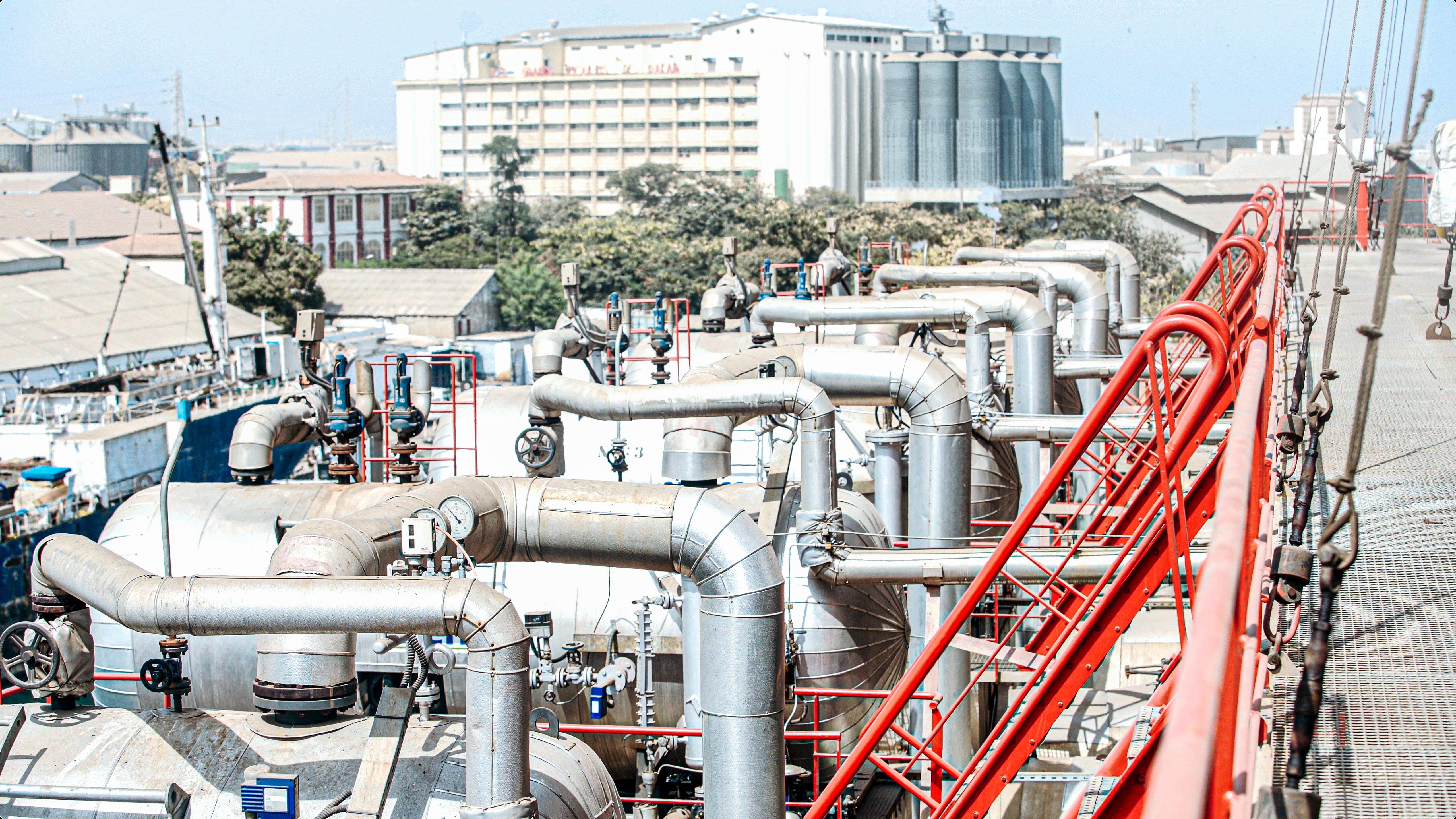
Future phases of Senegal’s projects currently appear cost competitive compared to many projects elsewhere. For example, Rystad Energy estimates that to be profitable the country’s future LNG projects need a long-term LNG price at the point of delivery in Asia of around USD 6-7 per mmBtu.20 However, as noted above, high operational emissions could change this, deterring investment in these projects and in other blocks offered in future licensing rounds.21 Less investment in the sector would mean lower government revenues and less gas for the domestic market. Lower investment could also tempt PETROSEN, Senegal’s national oil company, into making risky bets with public funds in projects that ultimately might not make any profit.22
Energy access
While the recently announced JETP should support a welcome increase in power generation from renewables, Senegal’s government is still likely to pursue a substantial expansion of gas-to-power generation to meet its energy goals. This plan requires a large amount of investment. However, potential investors in the infrastructure—for example, transport pipelines and power plants—will face pressure to reduce direct and indirect emissions in their portfolios. Public sector providers of funding are particularly likely to consider the government’s approach to emissions in the wider value chain.23 At a time when funding for gas-to-power infrastructure is already uncertain and competition for it is fierce, significant emissions from Senegal’s oil and gas production could therefore be a damaging blow to the country’s ambitions and its ability to achieve universal energy access.24 ,25
Access to external financing for non-oil and gas purposes
Emissions from oil and gas production may deter external financing for Senegal’s oil and gas projects throughout the value chain, but they may also reduce the country’s access to financing for other areas critical to sustainable development. Rigorous and transparent measures to tackle methane emissions, in particular, are becoming important for countries’ international credibility; for example, media outlets and watchdog organizations are naming and shaming “super emitters” and identifying “methane bombs.”26 In a potential sign of things to come, the IMF has faced a call to require rather than just encourage oil- and gas-producing countries to impose penalties on methane emitters as a condition for accessing loans from the RSF.27
Economic benefits of capturing gas emitted during extraction/production
Methane emissions from Senegal’s projects would also represent a wasted economic opportunity. The International Energy Agency estimates that the volume of methane that could be feasibly abated from oil and gas operations in sub-Saharan Africa is equivalent to around 14 percent of the region’s total gas production.28 This is gas that countries could export to generate additional government revenue or use domestically to increase energy access and industrial output. In Nigeria, for example, flared gas alone has exceeded gas supplied to the domestic market for much of the past two decades and cost the government around USD 1 billion in annual revenues (though the situation has improved recently).29 ,30
Local health and environment
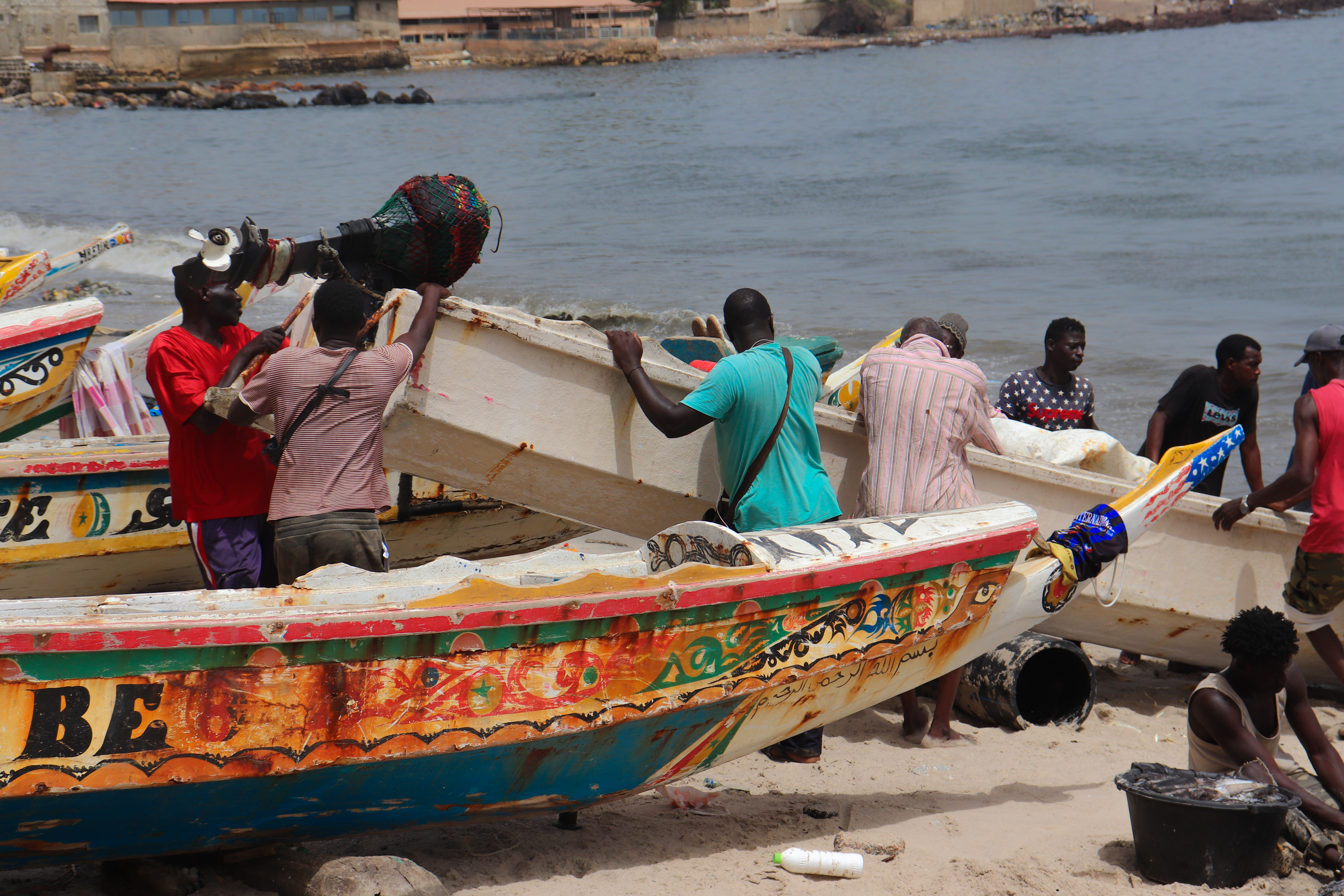
The severe effects of greenhouse gas emissions on people’s health and the environment are well known. The impact on the health and environment of communities living close to sites of oil and gas extraction is also increasingly evident.31 ,32 Gas flaring in Nigeria, for example, has caused respiratory diseases and fever, along with other health issues, in children.33 It has also led to acid rain and heatwaves that have destroyed farmland and caused the extinction of flora and fauna.34 Current understanding of the local impact of emissions from offshore production is limited, though available evidence suggests dangerous particles can travel much further than previously thought.35 ,36 The Senegalese government, and broader society, should pay particular attention to the impact on the fisheries sector, given its importance to the livelihoods of many Senegalese.37
Climate impacts
Senegal does not bear primary responsibility for the climate crisis, which has been driven by wealthier, high-emitting countries while Senegal and many other African countries have suffered energy poverty. Countries with urgent development needs, like Senegal, should have priority when it comes to using the remainder of the world’s carbon budget.38 At the same time, Senegal is more vulnerable to climate change impacts than the average country. By one measure Senegal is the 37th most vulnerable of 185 countries assessed.39 Every additional ton of greenhouse gas in the atmosphere will worsen the climate crisis, and as Senegal works to implement its global climate commitments—and seeks financing for further mitigation and adaptation—Senegalese entities responsible for petroleum, energy, public finance, environment and climate must coordinate closely on objectives and policies.
Transparency and accountability are critical for minimizing emissions
While the actions needed to reduce oil and gas methane emissions have been well-known and cost-effective for many years, progress in most countries has been slow.40 Many companies have failed to take action and governments have often either failed to regulate or to enforce regulations they have enacted. Minimizing emissions from Senegalese oil and gas operations requires that a wide range of local, national and international actors hold companies, investors and the government accountable for progress.
Senegal’s parliament, civil society and research institutions have a critical role in scrutinizing existing and proposed regulatory measures, and monitoring and reporting on compliance once production starts. The media will be crucial in amplifying issues to increase public demand for improvements.
More transparency is needed to enable this accountability. At a minimum, the government should ensure that the current regulatory framework is publicly accessible and understood. As noted above, the appendices to the 2019 petroleum code that address emissions minimization are not currently in the public domain. The government could also use ongoing reforms, such as creation of its low-carbon development strategy, to communicate its future plans for reducing emissions from oil and gas operations. Similarly, officials should increase transparency around new regulatory measures. For example, the government could make company methodologies for estimating emissions publicly available as part of a requirement for companies to share them with the government.
Disclosure of actual emissions once production starts will also be important. Very little is known currently about likely levels of operational emissions due to the infancy of Senegal’s sector. Senegal Extractive Industries Transparency Initiative (EITI) has an important role to play in this area.41 NRGI and others have demanded that extractive companies improve public reporting of emissions, including making it more responsive to the needs of producer country governments and citizens rather than largely focused on investor needs.42 The new EITI Standard encourages companies to disclose their emissions, “[i]n in alignment with existing leading disclosure standards.”43 The EITI also encourages multi-stakeholder groups to request companies to disclose disaggregated data.44
Equally urgent alongside greater transparency is improvement in the capacity of the various actors mentioned above to effectively use disclosed information. Training and the building of coalitions can bridge the current gap, but donor support to these processes will be essential.
Conclusion
Stakeholders in Senegal are already working hard to reduce the country’s overall greenhouse gas emissions. However, minimizing emissions from oil and gas production, particularly methane, is an important component that requires more attention—not least because Senegal, as a new producer, has an advantage over established producers in developing new tools and procedures to limit these emissions.45 Senegal can draw on their experience, but should also implement legal, institutional and governance frameworks that minimize emissions from the start.46 In doing so, Senegal can achieve two crucial outcomes for limited additional cost: a greater contribution from oil and gas to the country’s sustainable development and a greater impact on climate change mitigation.
Acknowledgements
The authors wish to thank Aaron Sayne, Amir Shafaie and Patrick Heller of the Natural Resource Governance Institute for reviewing this brief. They also wish to thank EnergyCC’s Kathryn McPhail and Etienne Romsom for their invaluable expertise and input.
Notes
-
1
William Davis, Andrew Bauer, and Papa Daouda Diene, “Managing Senegal’s Oil and Gas Revenues” (Natural Resource Governance Institute, 14 December 2021), www.resourcegovernance.org/publications/managing-senegals-oil-and-gas-revenues.
-
2
Papa Daouda Diene and Thomas Scurfield, “Senegal’s New JETP: Four Crucial Next Steps,” Natural Resource Governance Institute (blog), 22 June 2023, www.resourcegovernance.org/articles/senegals-new-jetp-four-crucial-next-steps.
-
3
African Natural Resources Management and Investment Centre, “Minimising Greenhouse Gas Emissions in the Petroleum Sector: The Opportunity for Emerging Producers” (African Development Bank, 2022), www.newproducersgroup.online/wp-content/uploads/2022/11/Minimising-Greenhouse-Gas-Emissions-in-the-Petroleum-Sector.pdf.
-
4
Chantal Beck et al., “The Future of Oil and Gas Is Now: How Companies Can Decarbonize,” McKinsey & Company, 7 January 2020, www.mckinsey.com/industries/oil-and-gas/our-insights/the-future-is-now-how-oil-and-gas-companies-can-decarbonize.
-
5
Carbon Limits AS, “Methane in Africa – A High-Level Assessment of Anthropogenic Methane Emissions in Africa with Case Studies on Potential Evolution and Abatement,” Text (African Development Bank, 5 November 2022), www.afdb.org/en/documents/methane-africa-high-level-assessment-anthropogenic-methane-emissions-africa-case-studies-potential-evolution-and-abatement.
-
6
“Homepage,” Global Methane Hub, 11 September 2023, www.globalmethanehub.org/.
-
7
IEA, “Global Methane Tracker 2023” (IEA, February 2023), www.iea.org/reports/global-methane-tracker-2023.
-
8
RMI, “Assessing Global Oil and Gas Emissions,” Oil Climate Index plus Gas, 2023, www.ociplus.rmi.org.
-
9
Based on available data from 2015 to 2022 on “Upstream Emissions Intensity (kgCO2eq/boe)” and “Upstream Methane Intensity (kgCH4/boe).”
-
10
There are three oil and gas projects in Senegal that are likely to start production in the immediate or near term: Grand Tortue Ahmeyim (GTA), Sangomar and Yakaar-Teranga. Sangomar has mainly oil reserves but contains some unassociated and associated gas (for an explanation see "Associated and Nonassociated Gas,” PetroWiki, accessed 11 September 2023, petrowiki.spe.org/Associated_and_nonassociated_gas)—the use of which is still being discussed by the government and companies, though reinjection is planned initially. GTA and Yaakar-Teranga are unassociated gas projects. The first phase of GTA will mainly produce liquefied natural gas (LNG) for export, as well as potentially supply some gas to the domestic market. The first phase of Yakaar Teranga is yet to reach a final investment decision (FID) but is expected to direct most if not all of its gas to the domestic market. (For an explanation of FID, see “FID,” Energy Insights by McKinsey, accessed 11 September 2023, www.mckinseyenergyinsights.com/resources/refinery-reference-desk/fid/). Until recently, this phase was expected to supply the domestic market only. But government statements suggest that some of its gas may now be exported as LNG – see Ed Reed, “BP Tipped to Reach next Senegal FID This Year,” Energy Voice, 27 January 2023, www.energyvoice.com/oilandgas/africa/lng-africa/478810/senegal-bp-lng-fid.
-
11
“Senegal – Develop a National SLCP Plan and National Methane Roadmap [SN-23-001],” Climate & Clean Air Coalition, accessed 11 September 2023, www.ccacoalition.org/content/senegal-develop-national-slcp-plan-and-national-methane-roadmap-sn-23-001.
-
12
“Homepage,” Climate & Clean Air Coalition, 14 September 2023, www.ccacoalition.org.
-
13
Ian W. H. Parry et al., “How to Cut Methane Emissions,” Staff Climate Notes 2022, no. 008 (31 October 2022), doi.org/10.5089/9798400224256.066.A001.
-
14
“IMF Reaches Staff-Level Agreement with Senegal on an Extended Fund Facility (EFF) and Extended Credit Facility (ECF), Combined with the Resilience and Sustainability Facility (RSF),” IMF, 11 May 2023, www.imf.org/en/News/Articles/2023/05/11/pr23146-senegal-imf-reaches-staff-level-agreement-eff-and-ecf-combined-rsf.
-
15
Katarina Hoije, “Senegal Pitches Its Gas as European Option to Russia Supply - Bloomberg,” Bloomberg, 13 August 2022, www.bloomberg.com/news/articles/2022-08-12/senegal-pitches-its-gas-as-european-alternative-to-russia-supply.
-
16
European Commission, “Communication from the Commission to the European Parliament, the Council, the European Economic and Social Committee and the Committee of the Regions on an EU Strategy to Reduce Methane Emissions,” European Commission, 14 October 2020, www.eur-lex.europa.eu/legal-content/EN/TXT/HTML/?uri=CELEX:52020DC0663.
-
17
Maurice Berns et al., “How Institutional Investors See the Future of Oil and Gas,” BCG, 4 January 2022, www.bcg.com/publications/2022/how-investors-see-future-of-oil-gas.
-
18
Clara Tan, “Asia’s Major LNG Buyers Launch Methane Reduction Initiative,” Energy Intelligence, 18 July 2023, www.energyintel.com/00000189-6853-de6e-a5ef-f8ffffd90000.
-
19
In 2022, Asia was the destination of over 50 percent of west Africa’s gas exports by value. “Merchandise Trade Matrix in Thousands United States Dollars, Annual, 2016-2022,” UNCTADStat, accessed 4 September 2023, www.unctadstat.unctad.org/wds/TableViewer/tableView.aspx.
-
20
Rystad assumes a hurdle rate in nominal terms of 10 percent and an inflation rate of 2.5 percent.
-
21
Reed, “BP Tipped to Reach next Senegal FID This Year.”
-
22
David Manley and Patrick R. P. Heller, “Risky Bet: National Oil Companies in the Energy Transition” (Natural Resource Governance Institute, February 2021), www.resourcegovernance.org/sites/default/files/documents/risky-bet-national-oil-companies-in-the-energy-transition.pdf.
-
23
“Guidance on Fossil Fuel Energy at the Multilateral Development Banks,” accessed 11 September 2023, www.home.treasury.gov/system/files/136/Fossil-Fuel-Energy-Guidance-for-the-Multilateral-Development-Banks.pdf.
-
24
IEA, “World Energy Investment 2023” (Paris: IEA), accessed 11 September 2023, www.iea.org/reports/world-energy-investment-2023.
-
25
Christine Juta, Julie Joly, and Langenbrunner Baird, “The Scramble for Africa’s Gas” (Global Energy Monitor, December 2022), www.globalenergymonitor.org/wp-content/uploads/2022/11/GEM-Scramble-for-Africas-Gas.pdf.
-
26
Damian Carrington, “Revealed: 1,000 Super-Emitting Methane Leaks Risk Triggering Climate Tipping Points,” The Guardian, 6 March 2023, www.theguardian.com/environment/2023/mar/06/revealed-1000-super-emitting-methane-leaks-risk-triggering-climate-tipping-points.
-
27
John Hicklin, “Launching the RST: Country Policies Must Adapt—and So Too Must IMF Conditionality,” Center For Global Development, 21 February 2023, www.cgdev.org/blog/launching-rst-country-policies-must-adapt-and-so-too-must-imf-conditionality.
-
28
IEA, “Africa Energy Outlook 2022” (Paris: IEA Publications, May 2023), www.iea.org/reports/africa-energy-outlook-2022.
- 29
-
30
Camillus Eboh, “Nigerian Minister Says Plan to Commercialise Gas Flaring at Advanced Stage,” Reuters, 14 September 2022, www.reuters.com/world/africa/nigerian-minister-says-plan-commercialise-gas-flaring-advanced-stage-2022-09-14.
-
31
Esme Stallard, “Iraqi Minister Admits Gas Flaring Cancer Link,” BBC News, 17 October 2022, www.bbc.com/news/science-environment-63284896.
-
32
Etienne Romsom and Kathryn McPhail, Capturing Economic and Social Value from Hydrocarbon Gas Flaring: Evaluation of the Issues, 5th ed., vol. 2021, WIDER Working Paper (UNU-WIDER, 2021), www.doi.org/10.35188/UNU-WIDER/2021/939-6.
-
33
Omoniyi Babatunde Alimi and John Gibson, The Impact of Gas Flaring on Child Health in Nigeria, Policy Research Working Papers (The World Bank, 2022), www.doi.org/10.1596/1813-9450-10153.
-
34
John Kanayochukwu Nduka, Vincent Nwalieji Okafor, and Isaac Omoche Odiba, “Impact of Oil and Gas Activities on Acidity of Rain and Surface Water of Niger Delta, Nigeria: An Environmental and Public Health Review,” Journal of Environmental Protection 7, no. 4 (8 March 2016): 566–81, www.doi.org/10.4236/jep.2016.74051.
-
35
Tristan Baurick, “Satellites Can Now Catch Small but ‘nefarious’ Methane Emissions from Offshore Oil Platforms,” Nola, 22 September 2022, www.nola.com/news/environment/satellites-can-now-catch-small-but-nefarious-methane-emissions-from-offshore-oil-platforms/article_c616ab5e-3aae-11ed-b….
-
36
Ellen Gray and Karl Hille, “NASA Scientists Scrutinize Arctic Gas Flaring Pollution,” NASA, 26 April 2016, www.nasa.gov/feature/goddard/2016/nasa-scientists-scrutinize-arctic-gas-flaring-pollution.
-
37
Nathan Andrews et al., “Oil, Fisheries and Coastal Communities: A Review of Impacts on the Environment, Livelihoods, Space and Governance,” Energy Research & Social Science 75 (1 May 2021): 102009, www.doi.org/10.1016/j.erss.2021.102009.
-
38
Antonio Hill, “Equity and Good Governance Are Essential for the Energy Transition,” Natural Resource Governance Institute (blog), 28 March 2022, resourcegovernance.org/articles/equity-and-good-governance-are-essential-energy-transition.
-
39
“Rankings,” Notre Dame Global Adaptation Initiative, accessed 6 September 2023, gain.nd.edu/our-work/country-index/rankings/.
-
40
Fatih Birol, “COP28 Is a Moment of Truth for the Oil and Gas Industry’s Efforts on Climate - Commentary,” IEA, 13 May 2023, www.iea.org/commentaries/cop28-is-a-moment-of-truth-for-the-oil-and-gas-industry-s-efforts-on-climate.
-
41
“Page d’acceuil,” ITIE Initiative pour la Transparence dans les Industries Extractives du Sénégal, accessed 6 September 2023, www.itie.sn.
-
42
Daniel Kaufmann and Robert Pitman, “Extractive Company Disclosure of Project-Level Greenhouse Gas Emissions Is Critical,” Natural Resource Governance Institute (blog), 1 May 2023, resourcegovernance.org/articles/extractive-company-disclosure-project-level-greenhouse-gas-emissions-critical.
-
43
“EITI Standard 2023,” EITI, 24 June 2023, eiti.org/collections/eiti-standard.
-
44
“EITI Standard 2023.”
-
45
African Natural Resources Management and Investment Centre, “Minimising Greenhouse Gas Emissions in the Petroleum Sector.”
-
46
African Natural Resources Management and Investment Centre.
Senegal’s New JETP: Four Crucial Next Steps

In contrast to the JETPs already agreed with South Africa, Indonesia and Vietnam—countries that rely mainly on coal for their energy supply and are among the most polluting middle-income countries—Senegal is a new gas producer with a relatively low carbon footprint and significant unmet energy needs. Although few JETPs have been announced, this one stands out from the previous three, particularly in terms of scope, size and ambition.
Features of the new Senegalese JETP
Financing the development of renewable energies is a major challenge for countries like Senegal seeking to reconcile climate, energy access and development objectives. This JETP’s emphasis on promoting the role of renewable energies in Senegal is most welcome. While the country is poised to become a major gas producer, the government has focused on significantly increasing gas-to-power conversion to meet energy needs. This has risked neglecting the significant potential of renewable energies, to the detriment of these energy objectives. Indeed, prior to this announcement, no additional renewable energy capacity was planned beyond 2025, according to publicly available information. We therefore congratulate the government and international partners on ensuring that the benefits brought by renewables are not forgotten, but rather pursued.
However, the role of gas is an elephant in room that receives a mouse-sized reference in the political declaration (in the form of recognition as a “transition fuel,” a concession to the Senegalese government, whose initial JETP declarations a year ago were directly linked to ambitions to secure funding for gas projects). French President Emmanuel Macron himself was more definitive about the role of gas in the agreement, when he declared in an interview this morning: “... in the case of Senegal, we will allow it to develop its gas projects ... because gas is a transitional energy and we know that the planet will still need it...”
The JETP negotiations are taking place not only against the backdrop of the imminent start-up of gas production in Senegal and major ambitions for gas-to-electricity generation, but also amid a wave of European interest in Senegalese gas supplies to counter energy security risks following Russia’s most recent invasion of Ukraine. Clear communication on the interaction between JETP’s push for renewable energy and the question of Senegalese gas, including whether it is used domestically or exported, is therefore necessary.
For the average Senegalese, the size and price of the overall energy “pie” matters more than the size of the renewables slice alone.
Ultimately, the success of the JETP should be measured at least in part based on Senegal’s overall energy ambitions, not just the percentage of installed capacity that comes from renewables. For the average Senegalese, the size and price of the overall energy “pie” matters more than the size of the renewables slice alone.
Four steps to getting the JETP implementation off to a good start:
1. Remembering that this political declaration is only a first step, paving the way for a series of complex negotiations. If the South African JETP announced in 2021 is any indication, there are still many negotiations and uncertainties before the funds start flowing. (None have flowed to date in South Africa.). This applies in particular to the pace and composition of the EUR 2.5 billion of support mentioned in the recent announcement (for example, the proportion of grants and concessional loans, and their levels of concessionality). Also, while not all this amount will be in the form of borrowing, it will be important to ensure debt sustainability.
2. Allocating funds sooner rather than later. Given the international uncertainty and changing geopolitical dynamics of the energy transition, it is preferable to have the funds to be released by this JETP as quickly as possible, within the limits of absorption capacity. For South Africa, partners have not yet disbursed any of the USD 8.5 billion announced; the investment plan has only just been finalized.
3. Aligning the investment plan with national energy sector reforms that maximize the effect of public spending and induce private capital flows. In addition to helping reduce the high cost of capital for financing renewable energy projects, investments should support national reforms that facilitate the rapid growth of renewable energies and unprofitable projects in which profit-seeking investors will not invest, and support measures that mitigate the real and perceived risks of investing in renewable energy.
4. Achieving greater transparency and a more inclusive consultation process. As Senegal’s JETP process progresses (including around the investment plan and the associated process around the long-term low-carbon development strategy), it is essential that there is transparency and an inclusive consultation process that involves Senegalese civil society, the private sector and all key stakeholders. A participatory, people-centered approach to discussions on energy transition and the JETP has been lacking in Senegal to date, and it is worrying that the political declaration makes no real reference to the role of the Senegalese people in the next stages of the JETP process. We encourage the Senegalese government to prioritize consultation and inclusion to ensure the successful implementation of the JETP.
This JETP offers a unique opportunity to transform Senegal’s current energy system—improving access to cheap, clean and secure energy. Its success is important not only for Senegal, but also for the world, as it could serve as a model energy transition mechanism that could be replicated in several gas-producing countries.
Notes
-
1
William Davis, Andrew Bauer, and Papa Daouda Diene, “Managing Senegal’s Oil and Gas Revenues” (Natural Resource Governance Institute, 14 December 2021), www.resourcegovernance.org/publications/managing-senegals-oil-and-gas-revenues.
-
2
Papa Daouda Diene and Thomas Scurfield, “Senegal’s New JETP: Four Crucial Next Steps,” Natural Resource Governance Institute (blog), 22 June 2023, www.resourcegovernance.org/articles/senegals-new-jetp-four-crucial-next-steps.
-
3
African Natural Resources Management and Investment Centre, “Minimising Greenhouse Gas Emissions in the Petroleum Sector: The Opportunity for Emerging Producers” (African Development Bank, 2022), www.newproducersgroup.online/wp-content/uploads/2022/11/Minimising-Greenhouse-Gas-Emissions-in-the-Petroleum-Sector.pdf.
-
4
Chantal Beck et al., “The Future of Oil and Gas Is Now: How Companies Can Decarbonize,” McKinsey & Company, 7 January 2020, www.mckinsey.com/industries/oil-and-gas/our-insights/the-future-is-now-how-oil-and-gas-companies-can-decarbonize.
-
5
Carbon Limits AS, “Methane in Africa – A High-Level Assessment of Anthropogenic Methane Emissions in Africa with Case Studies on Potential Evolution and Abatement,” Text (African Development Bank, 5 November 2022), www.afdb.org/en/documents/methane-africa-high-level-assessment-anthropogenic-methane-emissions-africa-case-studies-potential-evolution-and-abatement.
-
6
“Homepage,” Global Methane Hub, 11 September 2023, www.globalmethanehub.org/.
-
7
IEA, “Global Methane Tracker 2023” (IEA, February 2023), www.iea.org/reports/global-methane-tracker-2023.
-
8
RMI, “Assessing Global Oil and Gas Emissions,” Oil Climate Index plus Gas, 2023, www.ociplus.rmi.org.
-
9
Based on available data from 2015 to 2022 on “Upstream Emissions Intensity (kgCO2eq/boe)” and “Upstream Methane Intensity (kgCH4/boe).”
-
10
There are three oil and gas projects in Senegal that are likely to start production in the immediate or near term: Grand Tortue Ahmeyim (GTA), Sangomar and Yakaar-Teranga. Sangomar has mainly oil reserves but contains some unassociated and associated gas (for an explanation see "Associated and Nonassociated Gas,” PetroWiki, accessed 11 September 2023, petrowiki.spe.org/Associated_and_nonassociated_gas)—the use of which is still being discussed by the government and companies, though reinjection is planned initially. GTA and Yaakar-Teranga are unassociated gas projects. The first phase of GTA will mainly produce liquefied natural gas (LNG) for export, as well as potentially supply some gas to the domestic market. The first phase of Yakaar Teranga is yet to reach a final investment decision (FID) but is expected to direct most if not all of its gas to the domestic market. (For an explanation of FID, see “FID,” Energy Insights by McKinsey, accessed 11 September 2023, www.mckinseyenergyinsights.com/resources/refinery-reference-desk/fid/). Until recently, this phase was expected to supply the domestic market only. But government statements suggest that some of its gas may now be exported as LNG – see Ed Reed, “BP Tipped to Reach next Senegal FID This Year,” Energy Voice, 27 January 2023, www.energyvoice.com/oilandgas/africa/lng-africa/478810/senegal-bp-lng-fid.
-
11
“Senegal – Develop a National SLCP Plan and National Methane Roadmap [SN-23-001],” Climate & Clean Air Coalition, accessed 11 September 2023, www.ccacoalition.org/content/senegal-develop-national-slcp-plan-and-national-methane-roadmap-sn-23-001.
-
12
“Homepage,” Climate & Clean Air Coalition, 14 September 2023, www.ccacoalition.org.
-
13
Ian W. H. Parry et al., “How to Cut Methane Emissions,” Staff Climate Notes 2022, no. 008 (31 October 2022), doi.org/10.5089/9798400224256.066.A001.
-
14
“IMF Reaches Staff-Level Agreement with Senegal on an Extended Fund Facility (EFF) and Extended Credit Facility (ECF), Combined with the Resilience and Sustainability Facility (RSF),” IMF, 11 May 2023, www.imf.org/en/News/Articles/2023/05/11/pr23146-senegal-imf-reaches-staff-level-agreement-eff-and-ecf-combined-rsf.
-
15
Katarina Hoije, “Senegal Pitches Its Gas as European Option to Russia Supply - Bloomberg,” Bloomberg, 13 August 2022, www.bloomberg.com/news/articles/2022-08-12/senegal-pitches-its-gas-as-european-alternative-to-russia-supply.
-
16
European Commission, “Communication from the Commission to the European Parliament, the Council, the European Economic and Social Committee and the Committee of the Regions on an EU Strategy to Reduce Methane Emissions,” European Commission, 14 October 2020, www.eur-lex.europa.eu/legal-content/EN/TXT/HTML/?uri=CELEX:52020DC0663.
-
17
Maurice Berns et al., “How Institutional Investors See the Future of Oil and Gas,” BCG, 4 January 2022, www.bcg.com/publications/2022/how-investors-see-future-of-oil-gas.
-
18
Clara Tan, “Asia’s Major LNG Buyers Launch Methane Reduction Initiative,” Energy Intelligence, 18 July 2023, www.energyintel.com/00000189-6853-de6e-a5ef-f8ffffd90000.
-
19
In 2022, Asia was the destination of over 50 percent of west Africa’s gas exports by value. “Merchandise Trade Matrix in Thousands United States Dollars, Annual, 2016-2022,” UNCTADStat, accessed 4 September 2023, www.unctadstat.unctad.org/wds/TableViewer/tableView.aspx.
-
20
Rystad assumes a hurdle rate in nominal terms of 10 percent and an inflation rate of 2.5 percent.
-
21
Reed, “BP Tipped to Reach next Senegal FID This Year.”
-
22
David Manley and Patrick R. P. Heller, “Risky Bet: National Oil Companies in the Energy Transition” (Natural Resource Governance Institute, February 2021), www.resourcegovernance.org/sites/default/files/documents/risky-bet-national-oil-companies-in-the-energy-transition.pdf.
-
23
“Guidance on Fossil Fuel Energy at the Multilateral Development Banks,” accessed 11 September 2023, www.home.treasury.gov/system/files/136/Fossil-Fuel-Energy-Guidance-for-the-Multilateral-Development-Banks.pdf.
-
24
IEA, “World Energy Investment 2023” (Paris: IEA), accessed 11 September 2023, www.iea.org/reports/world-energy-investment-2023.
-
25
Christine Juta, Julie Joly, and Langenbrunner Baird, “The Scramble for Africa’s Gas” (Global Energy Monitor, December 2022), www.globalenergymonitor.org/wp-content/uploads/2022/11/GEM-Scramble-for-Africas-Gas.pdf.
-
26
Damian Carrington, “Revealed: 1,000 Super-Emitting Methane Leaks Risk Triggering Climate Tipping Points,” The Guardian, 6 March 2023, www.theguardian.com/environment/2023/mar/06/revealed-1000-super-emitting-methane-leaks-risk-triggering-climate-tipping-points.
-
27
John Hicklin, “Launching the RST: Country Policies Must Adapt—and So Too Must IMF Conditionality,” Center For Global Development, 21 February 2023, www.cgdev.org/blog/launching-rst-country-policies-must-adapt-and-so-too-must-imf-conditionality.
-
28
IEA, “Africa Energy Outlook 2022” (Paris: IEA Publications, May 2023), www.iea.org/reports/africa-energy-outlook-2022.
- 29
-
30
Camillus Eboh, “Nigerian Minister Says Plan to Commercialise Gas Flaring at Advanced Stage,” Reuters, 14 September 2022, www.reuters.com/world/africa/nigerian-minister-says-plan-commercialise-gas-flaring-advanced-stage-2022-09-14.
-
31
Esme Stallard, “Iraqi Minister Admits Gas Flaring Cancer Link,” BBC News, 17 October 2022, www.bbc.com/news/science-environment-63284896.
-
32
Etienne Romsom and Kathryn McPhail, Capturing Economic and Social Value from Hydrocarbon Gas Flaring: Evaluation of the Issues, 5th ed., vol. 2021, WIDER Working Paper (UNU-WIDER, 2021), www.doi.org/10.35188/UNU-WIDER/2021/939-6.
-
33
Omoniyi Babatunde Alimi and John Gibson, The Impact of Gas Flaring on Child Health in Nigeria, Policy Research Working Papers (The World Bank, 2022), www.doi.org/10.1596/1813-9450-10153.
-
34
John Kanayochukwu Nduka, Vincent Nwalieji Okafor, and Isaac Omoche Odiba, “Impact of Oil and Gas Activities on Acidity of Rain and Surface Water of Niger Delta, Nigeria: An Environmental and Public Health Review,” Journal of Environmental Protection 7, no. 4 (8 March 2016): 566–81, www.doi.org/10.4236/jep.2016.74051.
-
35
Tristan Baurick, “Satellites Can Now Catch Small but ‘nefarious’ Methane Emissions from Offshore Oil Platforms,” Nola, 22 September 2022, www.nola.com/news/environment/satellites-can-now-catch-small-but-nefarious-methane-emissions-from-offshore-oil-platforms/article_c616ab5e-3aae-11ed-b….
-
36
Ellen Gray and Karl Hille, “NASA Scientists Scrutinize Arctic Gas Flaring Pollution,” NASA, 26 April 2016, www.nasa.gov/feature/goddard/2016/nasa-scientists-scrutinize-arctic-gas-flaring-pollution.
-
37
Nathan Andrews et al., “Oil, Fisheries and Coastal Communities: A Review of Impacts on the Environment, Livelihoods, Space and Governance,” Energy Research & Social Science 75 (1 May 2021): 102009, www.doi.org/10.1016/j.erss.2021.102009.
-
38
Antonio Hill, “Equity and Good Governance Are Essential for the Energy Transition,” Natural Resource Governance Institute (blog), 28 March 2022, resourcegovernance.org/articles/equity-and-good-governance-are-essential-energy-transition.
-
39
“Rankings,” Notre Dame Global Adaptation Initiative, accessed 6 September 2023, gain.nd.edu/our-work/country-index/rankings/.
-
40
Fatih Birol, “COP28 Is a Moment of Truth for the Oil and Gas Industry’s Efforts on Climate - Commentary,” IEA, 13 May 2023, www.iea.org/commentaries/cop28-is-a-moment-of-truth-for-the-oil-and-gas-industry-s-efforts-on-climate.
-
41
“Page d’acceuil,” ITIE Initiative pour la Transparence dans les Industries Extractives du Sénégal, accessed 6 September 2023, www.itie.sn.
-
42
Daniel Kaufmann and Robert Pitman, “Extractive Company Disclosure of Project-Level Greenhouse Gas Emissions Is Critical,” Natural Resource Governance Institute (blog), 1 May 2023, resourcegovernance.org/articles/extractive-company-disclosure-project-level-greenhouse-gas-emissions-critical.
-
43
“EITI Standard 2023,” EITI, 24 June 2023, eiti.org/collections/eiti-standard.
-
44
“EITI Standard 2023.”
-
45
African Natural Resources Management and Investment Centre, “Minimising Greenhouse Gas Emissions in the Petroleum Sector.”
-
46
African Natural Resources Management and Investment Centre.
The Future is Now: NRGI’s 2023 Priorities

Our work at the Natural Resource Governance Institute contributes to fair, prosperous and sustainable societies by advancing citizen and government efforts in resource-rich countries to:
- Drive systemic change to avoid harms from mining and equitably benefit from the responsible scale up of transition minerals necessary to avert global climate catastrophe.
- Build inclusive economies that end dependence on fossil fuels and advance a just energy transition for citizens.
- Manage revenues from natural resources accountably in response to citizen priorities.
Through dramatic upheavals—from global pandemic, through historic market volatility, to the kleptocracy that enables Russian aggression, and the explosion in demand for transition minerals—we have helped our partners navigate uncertainty with timely, relevant and rigorous support.
In 2023, we will draw lessons from our work since the launch of our strategy in 2020, including a review our progress on diversity, equity and inclusion. We will deepen our support to the energy transition, and adopt more impact-oriented, politically astute approaches. And reflecting our evolved priorities and identity, we will launch a new website and updated branding.
Having undertaken major strategic and organizational transformations, NRGI’s future is now.
Ensuring transition mineral good governance
In 2023, mindful of the historic opportunities for people to benefit from the rising demand in minerals critical to green technologies, and the potential for corruption and harm that often accompanies such booms, we are ramping up our programming on transition mineral governance. We are launching new work in Chile, focused on enhancing good governance and inclusive management of lithium. We are deepening our engagement in the Democratic Republic of the Congo to build an inclusive vision for the management of cobalt in the public interest and more accountable relationships between governments, companies and communities. We are supporting effective policies on taxation, licensing and value addition, and will engage civil society and policy makers at regional forums like the African Mining Indaba and Alternative Mining Indaba and across several regional institutions in Africa and Latin America. And we will work with partners to implement strategies to prevent supply chain corruption.
Supporting just and sustainable societies
In view of elections both recent (Colombia) and upcoming (Nigeria), we will ensure that our policy analysis informs public debate on how to reduce dependence on fossil fuels in producing countries. The strategies and governance of national oil companies will be a major focus, including in Ghana and Mexico. As countries like Nigeria and Senegal assess the role of gas in their ambitions to improve populations’ energy access we will help citizens and policy makers understand the pros and cons of these gas-to-power approaches, including how they relate to the development of renewable energy. We will invest heavily in building people-centered energy transition dialogues in Colombia, DRC, Ghana, Nigeria and Tunisia, convening inclusive conversations to help partners envision a low-carbon future that meets the needs of all citizens.
Internationally, we will build on last year’s partnerships and advocacy to amplify the voice and influence of low- and middle-income resource-producing countries in debates about transition finance and the pace and shape of the decline in production and use of fossil fuels. With an eye on the COP28 climate conference in the United Arab Emirates, we will work with civil society actors and policy makers across the Middle East and North Africa to understand specific regional challenges and advocate for international support to advance the energy transition.
We will further research just energy transition partnerships and support international dialogue around how they might accelerate transition in gas-producing countries. NRGI and its partners will also further advocate for stronger international governance standards to foster accountability in the energy transition, including via the much-needed evolution of the global Extractive Industries Transparency Initiative standard.
Building on lessons from 2022, as a globally connected, locally rooted organization, we will continue to prompt inclusive, evidence-based debate and decision making in resource-rich countries and amplify those priorities on the global stage. In 2023, working in partnership with reformers around the world, we aim to ensure that the future we seek begins now.
Top photo by Estivillml/Envato
Notes
-
1
William Davis, Andrew Bauer, and Papa Daouda Diene, “Managing Senegal’s Oil and Gas Revenues” (Natural Resource Governance Institute, 14 December 2021), www.resourcegovernance.org/publications/managing-senegals-oil-and-gas-revenues.
-
2
Papa Daouda Diene and Thomas Scurfield, “Senegal’s New JETP: Four Crucial Next Steps,” Natural Resource Governance Institute (blog), 22 June 2023, www.resourcegovernance.org/articles/senegals-new-jetp-four-crucial-next-steps.
-
3
African Natural Resources Management and Investment Centre, “Minimising Greenhouse Gas Emissions in the Petroleum Sector: The Opportunity for Emerging Producers” (African Development Bank, 2022), www.newproducersgroup.online/wp-content/uploads/2022/11/Minimising-Greenhouse-Gas-Emissions-in-the-Petroleum-Sector.pdf.
-
4
Chantal Beck et al., “The Future of Oil and Gas Is Now: How Companies Can Decarbonize,” McKinsey & Company, 7 January 2020, www.mckinsey.com/industries/oil-and-gas/our-insights/the-future-is-now-how-oil-and-gas-companies-can-decarbonize.
-
5
Carbon Limits AS, “Methane in Africa – A High-Level Assessment of Anthropogenic Methane Emissions in Africa with Case Studies on Potential Evolution and Abatement,” Text (African Development Bank, 5 November 2022), www.afdb.org/en/documents/methane-africa-high-level-assessment-anthropogenic-methane-emissions-africa-case-studies-potential-evolution-and-abatement.
-
6
“Homepage,” Global Methane Hub, 11 September 2023, www.globalmethanehub.org/.
-
7
IEA, “Global Methane Tracker 2023” (IEA, February 2023), www.iea.org/reports/global-methane-tracker-2023.
-
8
RMI, “Assessing Global Oil and Gas Emissions,” Oil Climate Index plus Gas, 2023, www.ociplus.rmi.org.
-
9
Based on available data from 2015 to 2022 on “Upstream Emissions Intensity (kgCO2eq/boe)” and “Upstream Methane Intensity (kgCH4/boe).”
-
10
There are three oil and gas projects in Senegal that are likely to start production in the immediate or near term: Grand Tortue Ahmeyim (GTA), Sangomar and Yakaar-Teranga. Sangomar has mainly oil reserves but contains some unassociated and associated gas (for an explanation see "Associated and Nonassociated Gas,” PetroWiki, accessed 11 September 2023, petrowiki.spe.org/Associated_and_nonassociated_gas)—the use of which is still being discussed by the government and companies, though reinjection is planned initially. GTA and Yaakar-Teranga are unassociated gas projects. The first phase of GTA will mainly produce liquefied natural gas (LNG) for export, as well as potentially supply some gas to the domestic market. The first phase of Yakaar Teranga is yet to reach a final investment decision (FID) but is expected to direct most if not all of its gas to the domestic market. (For an explanation of FID, see “FID,” Energy Insights by McKinsey, accessed 11 September 2023, www.mckinseyenergyinsights.com/resources/refinery-reference-desk/fid/). Until recently, this phase was expected to supply the domestic market only. But government statements suggest that some of its gas may now be exported as LNG – see Ed Reed, “BP Tipped to Reach next Senegal FID This Year,” Energy Voice, 27 January 2023, www.energyvoice.com/oilandgas/africa/lng-africa/478810/senegal-bp-lng-fid.
-
11
“Senegal – Develop a National SLCP Plan and National Methane Roadmap [SN-23-001],” Climate & Clean Air Coalition, accessed 11 September 2023, www.ccacoalition.org/content/senegal-develop-national-slcp-plan-and-national-methane-roadmap-sn-23-001.
-
12
“Homepage,” Climate & Clean Air Coalition, 14 September 2023, www.ccacoalition.org.
-
13
Ian W. H. Parry et al., “How to Cut Methane Emissions,” Staff Climate Notes 2022, no. 008 (31 October 2022), doi.org/10.5089/9798400224256.066.A001.
-
14
“IMF Reaches Staff-Level Agreement with Senegal on an Extended Fund Facility (EFF) and Extended Credit Facility (ECF), Combined with the Resilience and Sustainability Facility (RSF),” IMF, 11 May 2023, www.imf.org/en/News/Articles/2023/05/11/pr23146-senegal-imf-reaches-staff-level-agreement-eff-and-ecf-combined-rsf.
-
15
Katarina Hoije, “Senegal Pitches Its Gas as European Option to Russia Supply - Bloomberg,” Bloomberg, 13 August 2022, www.bloomberg.com/news/articles/2022-08-12/senegal-pitches-its-gas-as-european-alternative-to-russia-supply.
-
16
European Commission, “Communication from the Commission to the European Parliament, the Council, the European Economic and Social Committee and the Committee of the Regions on an EU Strategy to Reduce Methane Emissions,” European Commission, 14 October 2020, www.eur-lex.europa.eu/legal-content/EN/TXT/HTML/?uri=CELEX:52020DC0663.
-
17
Maurice Berns et al., “How Institutional Investors See the Future of Oil and Gas,” BCG, 4 January 2022, www.bcg.com/publications/2022/how-investors-see-future-of-oil-gas.
-
18
Clara Tan, “Asia’s Major LNG Buyers Launch Methane Reduction Initiative,” Energy Intelligence, 18 July 2023, www.energyintel.com/00000189-6853-de6e-a5ef-f8ffffd90000.
-
19
In 2022, Asia was the destination of over 50 percent of west Africa’s gas exports by value. “Merchandise Trade Matrix in Thousands United States Dollars, Annual, 2016-2022,” UNCTADStat, accessed 4 September 2023, www.unctadstat.unctad.org/wds/TableViewer/tableView.aspx.
-
20
Rystad assumes a hurdle rate in nominal terms of 10 percent and an inflation rate of 2.5 percent.
-
21
Reed, “BP Tipped to Reach next Senegal FID This Year.”
-
22
David Manley and Patrick R. P. Heller, “Risky Bet: National Oil Companies in the Energy Transition” (Natural Resource Governance Institute, February 2021), www.resourcegovernance.org/sites/default/files/documents/risky-bet-national-oil-companies-in-the-energy-transition.pdf.
-
23
“Guidance on Fossil Fuel Energy at the Multilateral Development Banks,” accessed 11 September 2023, www.home.treasury.gov/system/files/136/Fossil-Fuel-Energy-Guidance-for-the-Multilateral-Development-Banks.pdf.
-
24
IEA, “World Energy Investment 2023” (Paris: IEA), accessed 11 September 2023, www.iea.org/reports/world-energy-investment-2023.
-
25
Christine Juta, Julie Joly, and Langenbrunner Baird, “The Scramble for Africa’s Gas” (Global Energy Monitor, December 2022), www.globalenergymonitor.org/wp-content/uploads/2022/11/GEM-Scramble-for-Africas-Gas.pdf.
-
26
Damian Carrington, “Revealed: 1,000 Super-Emitting Methane Leaks Risk Triggering Climate Tipping Points,” The Guardian, 6 March 2023, www.theguardian.com/environment/2023/mar/06/revealed-1000-super-emitting-methane-leaks-risk-triggering-climate-tipping-points.
-
27
John Hicklin, “Launching the RST: Country Policies Must Adapt—and So Too Must IMF Conditionality,” Center For Global Development, 21 February 2023, www.cgdev.org/blog/launching-rst-country-policies-must-adapt-and-so-too-must-imf-conditionality.
-
28
IEA, “Africa Energy Outlook 2022” (Paris: IEA Publications, May 2023), www.iea.org/reports/africa-energy-outlook-2022.
- 29
-
30
Camillus Eboh, “Nigerian Minister Says Plan to Commercialise Gas Flaring at Advanced Stage,” Reuters, 14 September 2022, www.reuters.com/world/africa/nigerian-minister-says-plan-commercialise-gas-flaring-advanced-stage-2022-09-14.
-
31
Esme Stallard, “Iraqi Minister Admits Gas Flaring Cancer Link,” BBC News, 17 October 2022, www.bbc.com/news/science-environment-63284896.
-
32
Etienne Romsom and Kathryn McPhail, Capturing Economic and Social Value from Hydrocarbon Gas Flaring: Evaluation of the Issues, 5th ed., vol. 2021, WIDER Working Paper (UNU-WIDER, 2021), www.doi.org/10.35188/UNU-WIDER/2021/939-6.
-
33
Omoniyi Babatunde Alimi and John Gibson, The Impact of Gas Flaring on Child Health in Nigeria, Policy Research Working Papers (The World Bank, 2022), www.doi.org/10.1596/1813-9450-10153.
-
34
John Kanayochukwu Nduka, Vincent Nwalieji Okafor, and Isaac Omoche Odiba, “Impact of Oil and Gas Activities on Acidity of Rain and Surface Water of Niger Delta, Nigeria: An Environmental and Public Health Review,” Journal of Environmental Protection 7, no. 4 (8 March 2016): 566–81, www.doi.org/10.4236/jep.2016.74051.
-
35
Tristan Baurick, “Satellites Can Now Catch Small but ‘nefarious’ Methane Emissions from Offshore Oil Platforms,” Nola, 22 September 2022, www.nola.com/news/environment/satellites-can-now-catch-small-but-nefarious-methane-emissions-from-offshore-oil-platforms/article_c616ab5e-3aae-11ed-b….
-
36
Ellen Gray and Karl Hille, “NASA Scientists Scrutinize Arctic Gas Flaring Pollution,” NASA, 26 April 2016, www.nasa.gov/feature/goddard/2016/nasa-scientists-scrutinize-arctic-gas-flaring-pollution.
-
37
Nathan Andrews et al., “Oil, Fisheries and Coastal Communities: A Review of Impacts on the Environment, Livelihoods, Space and Governance,” Energy Research & Social Science 75 (1 May 2021): 102009, www.doi.org/10.1016/j.erss.2021.102009.
-
38
Antonio Hill, “Equity and Good Governance Are Essential for the Energy Transition,” Natural Resource Governance Institute (blog), 28 March 2022, resourcegovernance.org/articles/equity-and-good-governance-are-essential-energy-transition.
-
39
“Rankings,” Notre Dame Global Adaptation Initiative, accessed 6 September 2023, gain.nd.edu/our-work/country-index/rankings/.
-
40
Fatih Birol, “COP28 Is a Moment of Truth for the Oil and Gas Industry’s Efforts on Climate - Commentary,” IEA, 13 May 2023, www.iea.org/commentaries/cop28-is-a-moment-of-truth-for-the-oil-and-gas-industry-s-efforts-on-climate.
-
41
“Page d’acceuil,” ITIE Initiative pour la Transparence dans les Industries Extractives du Sénégal, accessed 6 September 2023, www.itie.sn.
-
42
Daniel Kaufmann and Robert Pitman, “Extractive Company Disclosure of Project-Level Greenhouse Gas Emissions Is Critical,” Natural Resource Governance Institute (blog), 1 May 2023, resourcegovernance.org/articles/extractive-company-disclosure-project-level-greenhouse-gas-emissions-critical.
-
43
“EITI Standard 2023,” EITI, 24 June 2023, eiti.org/collections/eiti-standard.
-
44
“EITI Standard 2023.”
-
45
African Natural Resources Management and Investment Centre, “Minimising Greenhouse Gas Emissions in the Petroleum Sector.”
-
46
African Natural Resources Management and Investment Centre.
Threading the Needle: How JETPs Can Support Gas Producers

At the halfway point of COP27 in Sharm El-Sheikh, Egypt, the role of fossil gas is both central to the climate conference’s outcome and still a hotly contested issue. Over the weekend, the Egyptian COP presidency held consultations about the “cover decision” that is the main outcome of COP, and which may feature reference to the role of fossil fuels and/or gas, specifically. (See this useful UN guide to the evolution of the COP26 cover decision, the Glasgow Climate Pact.)
In the run-up to these climate talks, the Egyptian presidency described gas as “the perfect solution,” and several countries made the case last week that gas should be a transition fuel. Others are pushing back, however. Former U.S. Vice-President Al Gore told world leaders on Monday that the recent dash for gas is a “dash down a bridge to nowhere.”
Although 70 percent of under-construction or planned gas projects are in North America, some of the most heated debate has focused on plans by African countries and other low-income producers that have contributed little to the climate crisis.
At NRGI, we have been exploring the role that just energy transition partnerships (JETPs) could play in helping this group balance development and climate goals. Interest in JETPs is running high at COP27. While JETPs have largely focused on coal producers so far, negotiations have also been taking place between international partners and Senegal, which will start producing gas in 2023. With Senegalese President Macky Sall suggesting a political agreement may be close, our working paper details recommendations for Senegal, other gas-producing countries, and international partners pursuing similar JETPs in future.
Read NRGI’s working paper and watch the recording from a related COP27 event.
Notes
-
1
William Davis, Andrew Bauer, and Papa Daouda Diene, “Managing Senegal’s Oil and Gas Revenues” (Natural Resource Governance Institute, 14 December 2021), www.resourcegovernance.org/publications/managing-senegals-oil-and-gas-revenues.
-
2
Papa Daouda Diene and Thomas Scurfield, “Senegal’s New JETP: Four Crucial Next Steps,” Natural Resource Governance Institute (blog), 22 June 2023, www.resourcegovernance.org/articles/senegals-new-jetp-four-crucial-next-steps.
-
3
African Natural Resources Management and Investment Centre, “Minimising Greenhouse Gas Emissions in the Petroleum Sector: The Opportunity for Emerging Producers” (African Development Bank, 2022), www.newproducersgroup.online/wp-content/uploads/2022/11/Minimising-Greenhouse-Gas-Emissions-in-the-Petroleum-Sector.pdf.
-
4
Chantal Beck et al., “The Future of Oil and Gas Is Now: How Companies Can Decarbonize,” McKinsey & Company, 7 January 2020, www.mckinsey.com/industries/oil-and-gas/our-insights/the-future-is-now-how-oil-and-gas-companies-can-decarbonize.
-
5
Carbon Limits AS, “Methane in Africa – A High-Level Assessment of Anthropogenic Methane Emissions in Africa with Case Studies on Potential Evolution and Abatement,” Text (African Development Bank, 5 November 2022), www.afdb.org/en/documents/methane-africa-high-level-assessment-anthropogenic-methane-emissions-africa-case-studies-potential-evolution-and-abatement.
-
6
“Homepage,” Global Methane Hub, 11 September 2023, www.globalmethanehub.org/.
-
7
IEA, “Global Methane Tracker 2023” (IEA, February 2023), www.iea.org/reports/global-methane-tracker-2023.
-
8
RMI, “Assessing Global Oil and Gas Emissions,” Oil Climate Index plus Gas, 2023, www.ociplus.rmi.org.
-
9
Based on available data from 2015 to 2022 on “Upstream Emissions Intensity (kgCO2eq/boe)” and “Upstream Methane Intensity (kgCH4/boe).”
-
10
There are three oil and gas projects in Senegal that are likely to start production in the immediate or near term: Grand Tortue Ahmeyim (GTA), Sangomar and Yakaar-Teranga. Sangomar has mainly oil reserves but contains some unassociated and associated gas (for an explanation see "Associated and Nonassociated Gas,” PetroWiki, accessed 11 September 2023, petrowiki.spe.org/Associated_and_nonassociated_gas)—the use of which is still being discussed by the government and companies, though reinjection is planned initially. GTA and Yaakar-Teranga are unassociated gas projects. The first phase of GTA will mainly produce liquefied natural gas (LNG) for export, as well as potentially supply some gas to the domestic market. The first phase of Yakaar Teranga is yet to reach a final investment decision (FID) but is expected to direct most if not all of its gas to the domestic market. (For an explanation of FID, see “FID,” Energy Insights by McKinsey, accessed 11 September 2023, www.mckinseyenergyinsights.com/resources/refinery-reference-desk/fid/). Until recently, this phase was expected to supply the domestic market only. But government statements suggest that some of its gas may now be exported as LNG – see Ed Reed, “BP Tipped to Reach next Senegal FID This Year,” Energy Voice, 27 January 2023, www.energyvoice.com/oilandgas/africa/lng-africa/478810/senegal-bp-lng-fid.
-
11
“Senegal – Develop a National SLCP Plan and National Methane Roadmap [SN-23-001],” Climate & Clean Air Coalition, accessed 11 September 2023, www.ccacoalition.org/content/senegal-develop-national-slcp-plan-and-national-methane-roadmap-sn-23-001.
-
12
“Homepage,” Climate & Clean Air Coalition, 14 September 2023, www.ccacoalition.org.
-
13
Ian W. H. Parry et al., “How to Cut Methane Emissions,” Staff Climate Notes 2022, no. 008 (31 October 2022), doi.org/10.5089/9798400224256.066.A001.
-
14
“IMF Reaches Staff-Level Agreement with Senegal on an Extended Fund Facility (EFF) and Extended Credit Facility (ECF), Combined with the Resilience and Sustainability Facility (RSF),” IMF, 11 May 2023, www.imf.org/en/News/Articles/2023/05/11/pr23146-senegal-imf-reaches-staff-level-agreement-eff-and-ecf-combined-rsf.
-
15
Katarina Hoije, “Senegal Pitches Its Gas as European Option to Russia Supply - Bloomberg,” Bloomberg, 13 August 2022, www.bloomberg.com/news/articles/2022-08-12/senegal-pitches-its-gas-as-european-alternative-to-russia-supply.
-
16
European Commission, “Communication from the Commission to the European Parliament, the Council, the European Economic and Social Committee and the Committee of the Regions on an EU Strategy to Reduce Methane Emissions,” European Commission, 14 October 2020, www.eur-lex.europa.eu/legal-content/EN/TXT/HTML/?uri=CELEX:52020DC0663.
-
17
Maurice Berns et al., “How Institutional Investors See the Future of Oil and Gas,” BCG, 4 January 2022, www.bcg.com/publications/2022/how-investors-see-future-of-oil-gas.
-
18
Clara Tan, “Asia’s Major LNG Buyers Launch Methane Reduction Initiative,” Energy Intelligence, 18 July 2023, www.energyintel.com/00000189-6853-de6e-a5ef-f8ffffd90000.
-
19
In 2022, Asia was the destination of over 50 percent of west Africa’s gas exports by value. “Merchandise Trade Matrix in Thousands United States Dollars, Annual, 2016-2022,” UNCTADStat, accessed 4 September 2023, www.unctadstat.unctad.org/wds/TableViewer/tableView.aspx.
-
20
Rystad assumes a hurdle rate in nominal terms of 10 percent and an inflation rate of 2.5 percent.
-
21
Reed, “BP Tipped to Reach next Senegal FID This Year.”
-
22
David Manley and Patrick R. P. Heller, “Risky Bet: National Oil Companies in the Energy Transition” (Natural Resource Governance Institute, February 2021), www.resourcegovernance.org/sites/default/files/documents/risky-bet-national-oil-companies-in-the-energy-transition.pdf.
-
23
“Guidance on Fossil Fuel Energy at the Multilateral Development Banks,” accessed 11 September 2023, www.home.treasury.gov/system/files/136/Fossil-Fuel-Energy-Guidance-for-the-Multilateral-Development-Banks.pdf.
-
24
IEA, “World Energy Investment 2023” (Paris: IEA), accessed 11 September 2023, www.iea.org/reports/world-energy-investment-2023.
-
25
Christine Juta, Julie Joly, and Langenbrunner Baird, “The Scramble for Africa’s Gas” (Global Energy Monitor, December 2022), www.globalenergymonitor.org/wp-content/uploads/2022/11/GEM-Scramble-for-Africas-Gas.pdf.
-
26
Damian Carrington, “Revealed: 1,000 Super-Emitting Methane Leaks Risk Triggering Climate Tipping Points,” The Guardian, 6 March 2023, www.theguardian.com/environment/2023/mar/06/revealed-1000-super-emitting-methane-leaks-risk-triggering-climate-tipping-points.
-
27
John Hicklin, “Launching the RST: Country Policies Must Adapt—and So Too Must IMF Conditionality,” Center For Global Development, 21 February 2023, www.cgdev.org/blog/launching-rst-country-policies-must-adapt-and-so-too-must-imf-conditionality.
-
28
IEA, “Africa Energy Outlook 2022” (Paris: IEA Publications, May 2023), www.iea.org/reports/africa-energy-outlook-2022.
- 29
-
30
Camillus Eboh, “Nigerian Minister Says Plan to Commercialise Gas Flaring at Advanced Stage,” Reuters, 14 September 2022, www.reuters.com/world/africa/nigerian-minister-says-plan-commercialise-gas-flaring-advanced-stage-2022-09-14.
-
31
Esme Stallard, “Iraqi Minister Admits Gas Flaring Cancer Link,” BBC News, 17 October 2022, www.bbc.com/news/science-environment-63284896.
-
32
Etienne Romsom and Kathryn McPhail, Capturing Economic and Social Value from Hydrocarbon Gas Flaring: Evaluation of the Issues, 5th ed., vol. 2021, WIDER Working Paper (UNU-WIDER, 2021), www.doi.org/10.35188/UNU-WIDER/2021/939-6.
-
33
Omoniyi Babatunde Alimi and John Gibson, The Impact of Gas Flaring on Child Health in Nigeria, Policy Research Working Papers (The World Bank, 2022), www.doi.org/10.1596/1813-9450-10153.
-
34
John Kanayochukwu Nduka, Vincent Nwalieji Okafor, and Isaac Omoche Odiba, “Impact of Oil and Gas Activities on Acidity of Rain and Surface Water of Niger Delta, Nigeria: An Environmental and Public Health Review,” Journal of Environmental Protection 7, no. 4 (8 March 2016): 566–81, www.doi.org/10.4236/jep.2016.74051.
-
35
Tristan Baurick, “Satellites Can Now Catch Small but ‘nefarious’ Methane Emissions from Offshore Oil Platforms,” Nola, 22 September 2022, www.nola.com/news/environment/satellites-can-now-catch-small-but-nefarious-methane-emissions-from-offshore-oil-platforms/article_c616ab5e-3aae-11ed-b….
-
36
Ellen Gray and Karl Hille, “NASA Scientists Scrutinize Arctic Gas Flaring Pollution,” NASA, 26 April 2016, www.nasa.gov/feature/goddard/2016/nasa-scientists-scrutinize-arctic-gas-flaring-pollution.
-
37
Nathan Andrews et al., “Oil, Fisheries and Coastal Communities: A Review of Impacts on the Environment, Livelihoods, Space and Governance,” Energy Research & Social Science 75 (1 May 2021): 102009, www.doi.org/10.1016/j.erss.2021.102009.
-
38
Antonio Hill, “Equity and Good Governance Are Essential for the Energy Transition,” Natural Resource Governance Institute (blog), 28 March 2022, resourcegovernance.org/articles/equity-and-good-governance-are-essential-energy-transition.
-
39
“Rankings,” Notre Dame Global Adaptation Initiative, accessed 6 September 2023, gain.nd.edu/our-work/country-index/rankings/.
-
40
Fatih Birol, “COP28 Is a Moment of Truth for the Oil and Gas Industry’s Efforts on Climate - Commentary,” IEA, 13 May 2023, www.iea.org/commentaries/cop28-is-a-moment-of-truth-for-the-oil-and-gas-industry-s-efforts-on-climate.
-
41
“Page d’acceuil,” ITIE Initiative pour la Transparence dans les Industries Extractives du Sénégal, accessed 6 September 2023, www.itie.sn.
-
42
Daniel Kaufmann and Robert Pitman, “Extractive Company Disclosure of Project-Level Greenhouse Gas Emissions Is Critical,” Natural Resource Governance Institute (blog), 1 May 2023, resourcegovernance.org/articles/extractive-company-disclosure-project-level-greenhouse-gas-emissions-critical.
-
43
“EITI Standard 2023,” EITI, 24 June 2023, eiti.org/collections/eiti-standard.
-
44
“EITI Standard 2023.”
-
45
African Natural Resources Management and Investment Centre, “Minimising Greenhouse Gas Emissions in the Petroleum Sector.”
-
46
African Natural Resources Management and Investment Centre.
Senegal and the G7: Five Questions about the Just Energy Transition Partnership

A French-language version of this post appeared as a commentary piece in La Tribune Afrique on 24 June 2022.
Unlike South Africa and several of the countries targeted by the G7 for a possible JETP, such as Indonesia and India, Senegal is neither a major coal producer or consumer, nor a major polluter. Instead, Senegal is primarily a future gas producer, whose production will be important for both domestic and export markets. While the opportunity for climate finance for Senegal presented by the JETP is to be welcomed, the motivations and potential content of such an agreement should be examined, insofar as these discussions are taking place in the geopolitical context of an overhaul of European energy policy as a result of Russia's invasion of Ukraine.
Public debate should address five questions in the coming weeks:
1. How will the JETP ensure better access to energy for Senegalese citizens?
Senegalese citizens will expect that a potential JETP will help meet the country’s energy needs and support its economic development. Senegal relies on its gas reserves to achieve its goal of universal access to electricity by 2025. In this sense, the partnership could support the financing of gas-to-power projects in the country that would not otherwise be financed, but also (and especially) the development of renewable energy projects.
2. What is the role of Senegalese gas exports to Europe under the JETP and which gas projects will be targeted for this purpose?
This question leaves much room for speculation, including that the nascent JETP has been established solely as an alibi for exporting Senegalese liquefied natural gas to the EU. Although the first phase of the GTA project, which is expected to start production in 2023, has already been promised to Asian buyers, the second phase, for which a final investment decision (FID) is expected within the next year, remains an option for supplying the European market. However, the Mauritanian government’s weak participation in ongoing talks with Senegal, despite the two countries sharing the gas field, suggests that the Europeans may be eyeing another, exclusively Senegalese gas field: Yakaar-Teranga. This project, which is close to a final investment decision, would be an excellent candidate for supplying the European market, except for the fact that its first phase is planned to supply the local market. The Sangomar oil project, which comes on stream in 2023, will also generate gas in later phases (which have not yet achieved FID). This would be associated gas, requiring significant processing before marketing, which would entail additional investment.
3. If Europe is going to secure its gas supplies through the JETP, how will it finance these projects?
The financing of gas projects is a stated priority of the Senegalese government in the JETP discussions, but it is a goal made difficult by Europe’s aversion to long-term gas purchase agreements in light of climate commitments. It is therefore important to pay particular attention to how any financing of gas projects under the JETP will be structured to avoid excessive risk being allocated to Senegal in order to attract the necessary investment.
4. Will the JETP involve agreements not to exploit some of Senegal’s gas, like South Africa’s JETP, which targets a phase-out of coal?
A JETP should balance the objectives of decarbonization, energy access and maximizing Senegalese revenues. Important elements for Senegal to consider in this regard are the approach to later phases of gas projects and new exploration, and support for renewables and energy access, including financing and technical assistance for grid extension, improving the stability of electricity supply or integrating clean technologies into polluting sectors. In the case of agreements involving the non-exploitation of gas, the JETP should promote compensation (direct or indirect) to replace the sources of revenue that Senegal will lose.
5. What support is there for any alternatives to gas exports under consideration?
The JETP may promote collaboration on green hydrogen, which is also a focus for Senegal. Given the uncertainties around the economic and technical feasibility of green hydrogen exports, the Senegalese government should be careful not to rely too heavily on this prospect that is rather distant for the time being.
The answers to these questions are of interest to the Senegalese, but not only the Senegalese. This potential JETP is an interesting proposition because it offers a potentially transformative just transition model for emerging gas-producing countries. Conversely, failure could slow down the momentum of these countries toward energy transition.
Notes
-
1
William Davis, Andrew Bauer, and Papa Daouda Diene, “Managing Senegal’s Oil and Gas Revenues” (Natural Resource Governance Institute, 14 December 2021), www.resourcegovernance.org/publications/managing-senegals-oil-and-gas-revenues.
-
2
Papa Daouda Diene and Thomas Scurfield, “Senegal’s New JETP: Four Crucial Next Steps,” Natural Resource Governance Institute (blog), 22 June 2023, www.resourcegovernance.org/articles/senegals-new-jetp-four-crucial-next-steps.
-
3
African Natural Resources Management and Investment Centre, “Minimising Greenhouse Gas Emissions in the Petroleum Sector: The Opportunity for Emerging Producers” (African Development Bank, 2022), www.newproducersgroup.online/wp-content/uploads/2022/11/Minimising-Greenhouse-Gas-Emissions-in-the-Petroleum-Sector.pdf.
-
4
Chantal Beck et al., “The Future of Oil and Gas Is Now: How Companies Can Decarbonize,” McKinsey & Company, 7 January 2020, www.mckinsey.com/industries/oil-and-gas/our-insights/the-future-is-now-how-oil-and-gas-companies-can-decarbonize.
-
5
Carbon Limits AS, “Methane in Africa – A High-Level Assessment of Anthropogenic Methane Emissions in Africa with Case Studies on Potential Evolution and Abatement,” Text (African Development Bank, 5 November 2022), www.afdb.org/en/documents/methane-africa-high-level-assessment-anthropogenic-methane-emissions-africa-case-studies-potential-evolution-and-abatement.
-
6
“Homepage,” Global Methane Hub, 11 September 2023, www.globalmethanehub.org/.
-
7
IEA, “Global Methane Tracker 2023” (IEA, February 2023), www.iea.org/reports/global-methane-tracker-2023.
-
8
RMI, “Assessing Global Oil and Gas Emissions,” Oil Climate Index plus Gas, 2023, www.ociplus.rmi.org.
-
9
Based on available data from 2015 to 2022 on “Upstream Emissions Intensity (kgCO2eq/boe)” and “Upstream Methane Intensity (kgCH4/boe).”
-
10
There are three oil and gas projects in Senegal that are likely to start production in the immediate or near term: Grand Tortue Ahmeyim (GTA), Sangomar and Yakaar-Teranga. Sangomar has mainly oil reserves but contains some unassociated and associated gas (for an explanation see "Associated and Nonassociated Gas,” PetroWiki, accessed 11 September 2023, petrowiki.spe.org/Associated_and_nonassociated_gas)—the use of which is still being discussed by the government and companies, though reinjection is planned initially. GTA and Yaakar-Teranga are unassociated gas projects. The first phase of GTA will mainly produce liquefied natural gas (LNG) for export, as well as potentially supply some gas to the domestic market. The first phase of Yakaar Teranga is yet to reach a final investment decision (FID) but is expected to direct most if not all of its gas to the domestic market. (For an explanation of FID, see “FID,” Energy Insights by McKinsey, accessed 11 September 2023, www.mckinseyenergyinsights.com/resources/refinery-reference-desk/fid/). Until recently, this phase was expected to supply the domestic market only. But government statements suggest that some of its gas may now be exported as LNG – see Ed Reed, “BP Tipped to Reach next Senegal FID This Year,” Energy Voice, 27 January 2023, www.energyvoice.com/oilandgas/africa/lng-africa/478810/senegal-bp-lng-fid.
-
11
“Senegal – Develop a National SLCP Plan and National Methane Roadmap [SN-23-001],” Climate & Clean Air Coalition, accessed 11 September 2023, www.ccacoalition.org/content/senegal-develop-national-slcp-plan-and-national-methane-roadmap-sn-23-001.
-
12
“Homepage,” Climate & Clean Air Coalition, 14 September 2023, www.ccacoalition.org.
-
13
Ian W. H. Parry et al., “How to Cut Methane Emissions,” Staff Climate Notes 2022, no. 008 (31 October 2022), doi.org/10.5089/9798400224256.066.A001.
-
14
“IMF Reaches Staff-Level Agreement with Senegal on an Extended Fund Facility (EFF) and Extended Credit Facility (ECF), Combined with the Resilience and Sustainability Facility (RSF),” IMF, 11 May 2023, www.imf.org/en/News/Articles/2023/05/11/pr23146-senegal-imf-reaches-staff-level-agreement-eff-and-ecf-combined-rsf.
-
15
Katarina Hoije, “Senegal Pitches Its Gas as European Option to Russia Supply - Bloomberg,” Bloomberg, 13 August 2022, www.bloomberg.com/news/articles/2022-08-12/senegal-pitches-its-gas-as-european-alternative-to-russia-supply.
-
16
European Commission, “Communication from the Commission to the European Parliament, the Council, the European Economic and Social Committee and the Committee of the Regions on an EU Strategy to Reduce Methane Emissions,” European Commission, 14 October 2020, www.eur-lex.europa.eu/legal-content/EN/TXT/HTML/?uri=CELEX:52020DC0663.
-
17
Maurice Berns et al., “How Institutional Investors See the Future of Oil and Gas,” BCG, 4 January 2022, www.bcg.com/publications/2022/how-investors-see-future-of-oil-gas.
-
18
Clara Tan, “Asia’s Major LNG Buyers Launch Methane Reduction Initiative,” Energy Intelligence, 18 July 2023, www.energyintel.com/00000189-6853-de6e-a5ef-f8ffffd90000.
-
19
In 2022, Asia was the destination of over 50 percent of west Africa’s gas exports by value. “Merchandise Trade Matrix in Thousands United States Dollars, Annual, 2016-2022,” UNCTADStat, accessed 4 September 2023, www.unctadstat.unctad.org/wds/TableViewer/tableView.aspx.
-
20
Rystad assumes a hurdle rate in nominal terms of 10 percent and an inflation rate of 2.5 percent.
-
21
Reed, “BP Tipped to Reach next Senegal FID This Year.”
-
22
David Manley and Patrick R. P. Heller, “Risky Bet: National Oil Companies in the Energy Transition” (Natural Resource Governance Institute, February 2021), www.resourcegovernance.org/sites/default/files/documents/risky-bet-national-oil-companies-in-the-energy-transition.pdf.
-
23
“Guidance on Fossil Fuel Energy at the Multilateral Development Banks,” accessed 11 September 2023, www.home.treasury.gov/system/files/136/Fossil-Fuel-Energy-Guidance-for-the-Multilateral-Development-Banks.pdf.
-
24
IEA, “World Energy Investment 2023” (Paris: IEA), accessed 11 September 2023, www.iea.org/reports/world-energy-investment-2023.
-
25
Christine Juta, Julie Joly, and Langenbrunner Baird, “The Scramble for Africa’s Gas” (Global Energy Monitor, December 2022), www.globalenergymonitor.org/wp-content/uploads/2022/11/GEM-Scramble-for-Africas-Gas.pdf.
-
26
Damian Carrington, “Revealed: 1,000 Super-Emitting Methane Leaks Risk Triggering Climate Tipping Points,” The Guardian, 6 March 2023, www.theguardian.com/environment/2023/mar/06/revealed-1000-super-emitting-methane-leaks-risk-triggering-climate-tipping-points.
-
27
John Hicklin, “Launching the RST: Country Policies Must Adapt—and So Too Must IMF Conditionality,” Center For Global Development, 21 February 2023, www.cgdev.org/blog/launching-rst-country-policies-must-adapt-and-so-too-must-imf-conditionality.
-
28
IEA, “Africa Energy Outlook 2022” (Paris: IEA Publications, May 2023), www.iea.org/reports/africa-energy-outlook-2022.
- 29
-
30
Camillus Eboh, “Nigerian Minister Says Plan to Commercialise Gas Flaring at Advanced Stage,” Reuters, 14 September 2022, www.reuters.com/world/africa/nigerian-minister-says-plan-commercialise-gas-flaring-advanced-stage-2022-09-14.
-
31
Esme Stallard, “Iraqi Minister Admits Gas Flaring Cancer Link,” BBC News, 17 October 2022, www.bbc.com/news/science-environment-63284896.
-
32
Etienne Romsom and Kathryn McPhail, Capturing Economic and Social Value from Hydrocarbon Gas Flaring: Evaluation of the Issues, 5th ed., vol. 2021, WIDER Working Paper (UNU-WIDER, 2021), www.doi.org/10.35188/UNU-WIDER/2021/939-6.
-
33
Omoniyi Babatunde Alimi and John Gibson, The Impact of Gas Flaring on Child Health in Nigeria, Policy Research Working Papers (The World Bank, 2022), www.doi.org/10.1596/1813-9450-10153.
-
34
John Kanayochukwu Nduka, Vincent Nwalieji Okafor, and Isaac Omoche Odiba, “Impact of Oil and Gas Activities on Acidity of Rain and Surface Water of Niger Delta, Nigeria: An Environmental and Public Health Review,” Journal of Environmental Protection 7, no. 4 (8 March 2016): 566–81, www.doi.org/10.4236/jep.2016.74051.
-
35
Tristan Baurick, “Satellites Can Now Catch Small but ‘nefarious’ Methane Emissions from Offshore Oil Platforms,” Nola, 22 September 2022, www.nola.com/news/environment/satellites-can-now-catch-small-but-nefarious-methane-emissions-from-offshore-oil-platforms/article_c616ab5e-3aae-11ed-b….
-
36
Ellen Gray and Karl Hille, “NASA Scientists Scrutinize Arctic Gas Flaring Pollution,” NASA, 26 April 2016, www.nasa.gov/feature/goddard/2016/nasa-scientists-scrutinize-arctic-gas-flaring-pollution.
-
37
Nathan Andrews et al., “Oil, Fisheries and Coastal Communities: A Review of Impacts on the Environment, Livelihoods, Space and Governance,” Energy Research & Social Science 75 (1 May 2021): 102009, www.doi.org/10.1016/j.erss.2021.102009.
-
38
Antonio Hill, “Equity and Good Governance Are Essential for the Energy Transition,” Natural Resource Governance Institute (blog), 28 March 2022, resourcegovernance.org/articles/equity-and-good-governance-are-essential-energy-transition.
-
39
“Rankings,” Notre Dame Global Adaptation Initiative, accessed 6 September 2023, gain.nd.edu/our-work/country-index/rankings/.
-
40
Fatih Birol, “COP28 Is a Moment of Truth for the Oil and Gas Industry’s Efforts on Climate - Commentary,” IEA, 13 May 2023, www.iea.org/commentaries/cop28-is-a-moment-of-truth-for-the-oil-and-gas-industry-s-efforts-on-climate.
-
41
“Page d’acceuil,” ITIE Initiative pour la Transparence dans les Industries Extractives du Sénégal, accessed 6 September 2023, www.itie.sn.
-
42
Daniel Kaufmann and Robert Pitman, “Extractive Company Disclosure of Project-Level Greenhouse Gas Emissions Is Critical,” Natural Resource Governance Institute (blog), 1 May 2023, resourcegovernance.org/articles/extractive-company-disclosure-project-level-greenhouse-gas-emissions-critical.
-
43
“EITI Standard 2023,” EITI, 24 June 2023, eiti.org/collections/eiti-standard.
-
44
“EITI Standard 2023.”
-
45
African Natural Resources Management and Investment Centre, “Minimising Greenhouse Gas Emissions in the Petroleum Sector.”
-
46
African Natural Resources Management and Investment Centre.