
NRGI Submission to the Sixth Just Transition Work Programme Dialogue: Minerals and Equitable Value Chains
NRGI submitted its views to the UNFCCC ahead of the Sixth Dialogue of the United Arab Emirates Just Transition Work Programme (JTWP), held in Baku, Azerbaijan, on 10–11 September 2026. The dialogue focused on just transition pathways for the industry sector, including technology, innovation and equitable value chains.
Drawing on our work in resource-rich low- and middle-income countries, the submission examines how mineral-producing countries can translate growing demand for transition minerals into lasting development benefits. It explores opportunities to retain more value through mineral processing and related industries, while addressing economic risks and environmental and social harms.
NRGI identifies priorities for national action and international cooperation:
- Ground mineral value addition strategies in national development goals, economic feasibility, market analysis and rigorous assessment of costs and benefits.
- Involve citizens in decision-making, protect community rights and tackle corruption.
- Provide technical and financial support to strengthen national strategies, institutions and regulatory capacity.
- Ensure mineral-producing countries help shape international rules and partnerships affecting their development prospects.
The submission also considers how the JTWP and the Just Transition Mechanism can support these efforts through finance, technology transfer and institutional capacity building.
Electricity at the Heart of a Just Energy Transition
A Shared Regional Vision for the Future of Energy in the Middle East and North Africa

Developed by civil society partners from five countries, this roadmap sets out five shared priorities for fairer, more transparent and resilient electricity systems in the Middle East and North Africa.
Electricity is central to a just energy transition in the Middle East and North Africa. Reliable, affordable electricity supports livelihoods, essential services and economic development. How the sector is governed will shape countries’ ability to expand renewable energy, strengthen energy security and deliver benefits for communities.
This regional civil society roadmap sets out a shared agenda for electricity sector reform, identifying five priorities:
- Reforming subsidy and pricing policies to strengthen investment in electricity.
- Strengthening transparency, accountability and access to information.
- Improving governance and institutional coordination.
- Strengthening the role of civil society and the media.
- Expanding regional cooperation and electricity interconnection.
For each priority, the roadmap outlines common challenges, calls for reform and commitments by participants. It invites governments, regulators, electricity utilities, regional institutions, international partners, civil society and the media to turn these priorities into concrete policies, initiatives and partnerships.
About this roadmap
During 2025 and 2026, the Natural Resource Governance Institute (NRGI) convened stakeholders from Morocco, Tunisia, Egypt, Lebanon and Iraq to identify shared priorities for a just energy transition in the Middle East and North Africa. Four representatives from each country participated, drawn from government, civil society and the media.
Participants compared national priorities and identified electricity governance as a shared concern and a regional priority for collective advocacy and action. Civil society partners then reconvened to develop this regional roadmap. It reflects their collective priorities, informed by technical expertise and national perspectives contributed by government representatives, experts and media participants throughout the process.
The roadmap is a resource for civil society, policymakers and others working to build fairer, more resilient electricity systems across the region.
NRGI’s role was to convene and facilitate the process. The priorities, calls to action and commitments in this roadmap are the shared views of the relevant participants and do not necessarily represent the positions of NRGI.
After Raja Ampat, Can Indonesia Lead on Responsible Mining?

In June 2025, a viral protest over nickel mining in Raja Ampat has forced Indonesia to confront a deeper question: how can the country’s green-energy ambitions coexist with its environmental laws? When Greenpeace Indonesia spotlighted nickel mining on the small islands of the Raja Ampat archipelago of Southwest Papua earlier this year, public outrage spread rapidly online and prompted one of the fastest government responses to civil society pressure in recent memory.
Indonesia’s Law No. 1/2014 on the Management of Coastal Areas and Small Islands article 23 prohibits mining activities on islands with the total land area of 2000 km2 or less. The public called for an immediate halt to mining operations in Raja Ampat, an ecologically sensitive and popular tourist destination, especially among divers. Five mining concessions were identified within the Raja Ampat islands. Within a week, four mining permits were revoked, while the PT Gag mining concession was placed under review on legal grounds for alleged violations of the law preventing seawater pollution, sedimentation and deforestation.

The government’s rapid intervention drew national attention to how mining rules are applied in Indonesia. But, by early September, PT Gag had resumed its mining operations while the ongoing environmental audit continues. This decision drew sharp criticism from several environmental NGOs, including Greenpeace Indonesia and Auriga Nusantara, and from environmental experts who argued that PT Gag’s operations also violate the law that prohibits mining on small islands.
This incident illustrates a reactive rather than proactive approach to enforcing environmental rules in Indonesia, one driven by public outrage rather than systematic oversight. It underscores Indonesia’s need for a more robust environmental, social and governance (ESG) compliance system: not merely as a reputational safeguard, but as the structural foundation for long-term social acceptance, economic stability and environmental resilience.
Why stronger ESG systems are now essential
Strong mechanisms for public transparency and regular consultations with impacted communities are essential to ensure environmental rules are applied consistently, and that people living near mining projects have the tools necessary to identify and address risks before they become crises. Indonesia can learn and build on internationally recognized ESG frameworks such as the Extractive Industries Transparency Initiative (EITI), the Initiative for Responsible Mining Assurance (IRMA) and the Responsible Minerals Initiative (RMI), to name a few. Together, these initiatives provide a blueprint for balancing economic development with environmental stewardship and social justice.
Indonesia is currently among the world’s top producers of nickel, a critical input for electric vehicle batteries and other low-carbon technologies. The government's value addition policy (known as “downstreaming”) requires in-country processing of raw minerals. This has successfully attracted foreign investment and boosted export value. However, this strategy must be paired with credible ESG performance to ensure economic benefits do not come at the expense of environmental degradation or social conflict. Aligning national frameworks with international standards can enhance responsible investor confidence, improve market access and reduce reputational risks, while building durable social acceptance.
How international standards can strengthen Indonesia’s governance
Take EITI, for example. Beyond transparency, it provides a governance framework that fosters accountability through multi-stakeholder dialogue, where representatives from government, civil society, and extractive industries sit together. Indonesia has implemented EITI since 2010, but its potential remains underused. Rather than duplicating ESG guidelines, the government could deepen its EITI engagement by expanding disclosures on environmental impacts, community consultations and benefit-sharing mechanisms, to name a few. EITI’s multi-stakeholder group could make better use of this information, feeding it directly into public debate and policy decisions. While EITI itself can’t enforce corporate ESG compliance, it can provide a collaborative platform for shaping stronger policies.
IRMA on the other hand provides more detailed metrics for assessing site-level environmental, labor and governance performance, including respect for free, prior and informed consent (FPIC) of Indigenous Peoples—a critical issue in the context of Raja Ampat. Currently, there are only two mining companies operating in Indonesia that have been voluntarily submit to IRMA audit, which still ongoing for both of them.
Furthermore, the RMI provides due diligence tools that major global manufacturers use to ensure ethical sourcing of minerals. Adopting such tools within Indonesia’s own regulations would align domestic mining practices with global supply chain requirements. It would also strengthen Indonesia’s position as a reliable partner in the global energy transition. With the European Union introducing legislation mandating supply chain due diligence for imported transition minerals, alignment with established international standards has become not just good practice, but a competitive advantage.
From wake-up call to lasting reform
The Greenpeace protest and subsequent license revocations should serve as a wake-up call. They reflect a civil society that is increasingly informed, organized and influential in shaping policy outcomes. While industry actors lauded the economic gains of nickel mining, the lack of robust safeguards in environmentally sensitive areas like Raja Ampat weakens the integrity of Indonesia’s policy around mining as well as value addition. Establishing a credible ESG framework, grounded in international standards, is not just a technical necessity, but a strategic imperative.

Institutionalizing ESG compliance must go beyond box-ticking. It requires a cultural shift in governance, where transparency, accountability and stakeholder engagement are central to decision-making. Regulatory agencies must be empowered and better resourced to conduct rigorous environmental and social impact assessments, monitor compliance and enforce penalties for violations. Integrating ESG metrics into licensing and permitting processes—with independent verification—can further institutionalize best practices.
The events of early June offered both a warning and an opportunity. Indonesia can either treat ESG as a public relations tool to manage reputational risks, or as a transformative framework to guide its critical mineral development. The latter approach would not only strengthen its international standing but also ensures that economic growth does not undermine the environmental and social foundations on which it depends.
Indonesia stands at a crossroads. It can assert global leadership not only through its mineral reserves or smelting capacity, but by demonstrating that resource governance in the energy transition era is rooted in integrity, inclusion and international cooperation. The revocation of the Raja Ampat mining licenses was a welcome reactive measure. The next step must be proactive: embedding internationally recognized ESG standards into the very fabric of Indonesia’s mineral governance system. Indonesia now has the chance to show the world that responsible mining and economic development can go hand.
People-Powered Energy Transitions in Resource-Rich Countries

The climate crisis has negatively impacted developing countries and marginalized groups disproportionately in comparison with their developed counterparts. Since 1991, developing countries have accounted for 79 percent of recorded deaths due to extreme weather, and 97 percent of the total recorded number of people affected by the impacts of such weather. Women and girls are more likely than men and boys to die in extreme weather events, which are becoming more frequent and intense.
Worryingly, solutions to fight the climate crisis, including the energy transition, might add new burdens to low- and middle-income countries and marginalized groups. This situation is particularly challenging for resource-rich countries, given possible shocks to resource revenues and labor markets, socio-environmental and governance challenges, the intensification of social conflicts, and the lack of universal, affordable and reliable energy access.
The 'People-powered energy transitions in resource rich countries' report provides insights into the equity and development challenges that oil, gas and mineral rich countries face as the world attempts to fight climate change, and offers inputs to define policies, practices and tools that can help address such challenges and promote a just, people-powered energy transition.
The energy transition could also represent a financial opportunity for many countries. According to the Global Commission on Economy and Climate Change in 2018, the green economy could yield gains of USD 26 trillion by 2030, compared with business as usual. The International Energy Agency (IEA) predicts that if the necessary policies are implemented, 14 million jobs could be created by 2030. Yet this will require significant efforts by governments, companies and other actors in the education and technology sectors to ensure these new jobs and opportunities reach women, youth and other marginalized populations. This document seeks to advance a framework to ensure equity in resource-rich countries in the context of the global energy transition.
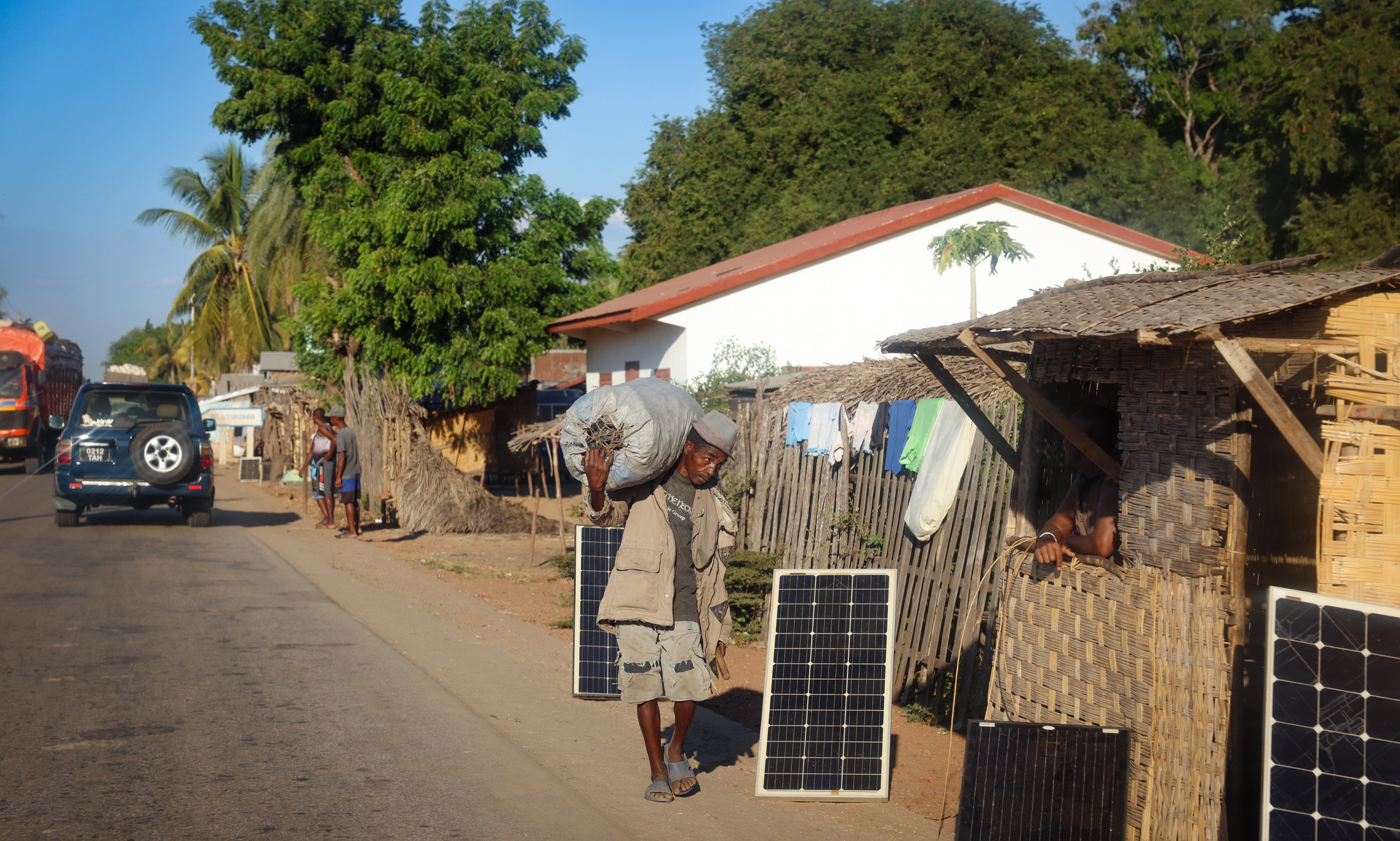
NRGI's report provides insights into the equity and development challenges that oil, gas and mineral-rich countries face as the world attempts to fight climate change, and offers inputs to define policies, practices and tools that can help address such challenges and promote a just, people-powered energy transition. By suggesting the notion of a people-powered transition, the framework emphasizes the need for all people—with special focus on the most marginalized groups—to benefit from transition processes, avoiding the inequities of traditional development models and explicitly addressing the question of who benefits from a “just” outcome. A transition powered by people explicitly includes these groups and civil society as agents, and not simply as passive recipients of policies—although it recognizes that both people and nature need to be at its core.
The text is the product of a research process undertaken by NRGI, based on:
- A review of relevant academic literature
- Analysis of key global and regional organizations’ positions on a just transition, and
- The incorporation of initial lessons learned from NRGI and partners’ projects on the just transition, especially at country level.
The report has three sections. The first analyses the equity challenges that resource-rich countries face. The second describes equity concerns linked to asymmetrical power relations at international level. The third section explains the evolution of the notion of a just transition and different approaches related to it, and proposes a framework for people-powered energy transitions in resource-rich contexts.
Minerals and Climate Action: Will COP30 Finally Break the Silence?

As COP30 unfolds, the question is unavoidable: will governments finally recognize the role of minerals in achieving a just and sustainable energy transition?
As is widely known, meeting the Paris Agreement’s goals will require a massive surge in demand for transition minerals. The International Energy Agency projects a fourfold increase by 2040 and, for some materials, demand could rise thirtyfold. Yet, despite their central role in climate action, the UNFCCC has never formally acknowledged mineral governance as part of the solution. That silence must end in Belém.
COP30 offers a historic opportunity to confront one of the great paradoxes of the energy transition: the same minerals required for rapid decarbonization can also deepen inequality and environmental harm unless they are governed justly.
From risk to possibility
The global race for cobalt, nickel, lithium, bauxite and other transition minerals is reshaping the geopolitics of climate action. From our work with governments and civil society in producer countries, we know this surge represents both risk and possibility.
With strong governance, accountability and fair benefit-sharing, mineral demand can fuel clean energy infrastructure, jobs and green industrialization. Fairer trade rules would help countries move from being raw material exporters to participants in value-added industries. But in practice, hundreds of allegations of human rights abuses have been linked to large-scale mining for renewable energy supply chains. More than half of transition mineral deposits lie in or near Indigenous territories, where Free, Prior and Informed Consent is often ignored.
Without change, the transition risks repeating the injustices of the fossil fuel era marked by local harm, limited benefits and widening inequalities. It also puts our ability to meet our climate goals at risk.
Still, there are reasons for optimism. Across the Global South, governments and civil society are pushing for a new model that views minerals as a foundation for shared prosperity and climate justice.
Momentum is building
In recent months, efforts to reshape mineral governance have gathered remarkable pace.
The UN Secretary-General’s Panel on Critical Energy Transition Minerals outlined principles and recommendations to ensure equity, justice, and sustainability in extraction. UNCTAD, UNEP and UNIDO have already begun embedding these ideas in their programs and partnerships.
Regional and national action is accelerating too. The African Union’s Green Minerals Strategy provides a roadmap for equitable industrialization and electrification. Harnessing minerals for inclusive growth is one of South Africa’s priorities as G20 President. Countries such as Chile, South Africa, Tanzania, Zambia and are advancing national strategies to align mineral governance with climate goals.
At the upcoming UN Environment Assembly (UNEA-7) in Nairobi this December, countries will debate Colombia’s proposal for a global accountability framework to reduce the human and environmental toll of mining and processing.
On the private sector front, the USD 18 billion-backed investor initiative, Mining Commission 2030, where NRGI serves as a member, has just released its vision for consultation, aimed at unlocking responsible mining investment.
And within the UNFCCC itself, momentum is undeniable. At the Fourth Dialogue of the Just Transition Work Programme (JTWP) in Addis Ababa this September, governments from across the Global South, including Tanzania for the African Group and Colombia for AILAC (Independent Alliance of Latin America and the Caribbean), called for transition minerals to be explicitly recognized in the negotiations. They emphasized equitable benefit-sharing, local value addition and stronger social and environmental protections.
Blocs like the G77+China and the Least Developed Countries (LDCs) raised similar points. South Africa and Uganda urged fairer mineral value chains, while Colombia proposed protecting “no-go zones,” ecologically vital areas off-limits to mining and drilling.
The Response Measures Forum, one of the UNFCCC negotiation tracks, also dedicated a session to minerals in September.
And, the 2025 Africa Climate Summit saw heads of state, for the first time, acknowledge the need for just mineral supply chains. Zimbabwe has since echoed these calls, integrating mineral governance into its national COP30 agenda. Brazil, this year’s COP host, is reportedly exploring the issue as well.
The message is clear: minerals are moving to the center of the climate conversation.
What COP30 must deliver
Belém is the place to turn this awareness into action. Parties at COP30 should:
- Acknowledge the issue. For the first time, governments should formally recognize that effective mineral governance is essential to the Paris Agreement.
- Set the path. Endorse the principles of the UN Secretary-General’s Panel on Critical Energy Transition Minerals, a framework grounded in equity, justice and prosperity.
- Match ambition with means. Support implementation through initiatives such as the proposed Belém Action Mechanism (BAM) for a Global Just Transition, ensuring coordination and resources for mineral-producing countries.
- Drive national action. Call on governments to strengthen transparency, protect human and environmental rights, and pursue green industrialization strategies that deliver value addition and clean-energy access for all.
From Belém to beyond
This is not about adding new complexity to already difficult negotiations. It is about making climate action fair and a driver of equitable development.
Strong commitments at COP30 would empower countries to drive their own just transitions while creating space for new coalitions between producing nations, Indigenous Peoples and civil society. A breakthrough in Belém could reverberate beyond the COP, shaping discussions at the World Trade Organization, the G20, and multilateral development banks, where fairer mineral trade and governance reforms are urgently needed.
Breaking the silence at COP30 would mark a new chapter, one where the minerals powering our future also power justice, equity and prosperity.
Youth Voices for a Just Transition: NRGI at the Conference of Youth on the Road to COP30
Conference of Youth (COY), Belém, Brazil

Climate change is the defining challenge of our time and the shift to a sustainable energy future is a race against the clock. Yet this transformation raises a crucial question: what happens to the communities whose lives and economies have long depended on fossil fuels? Advocating for a just energy transition means recognizing the equity challenges faced by young people in oil-dependent regions and ensuring their meaningful participation in shaping climate and development agendas.
On the road to COP30 in Belém, the Conference of the Youth (COY) provides a vital space where young people from around the world come together to share different visions on how to advance towards climate justice. At this year’s event, NRGI’s Brenda Rodríguez will lead a participatory workshop on just energy transitions in oil-producing regions, featuring testimonies from youth in southeastern Mexico and collaborative discussions on inclusive pathways to a fairer future.
Designed as both a dialogue and an action lab, the session will explore how the oil industry has shaped the lives, decisions, and aspirations of communities in oil-dependent regions. Participants will examine examples from across the Global South, including video stories from young people in Campeche, Veracruz, and Tabasco, before co-creating practical ideas to strengthen youth participation and shape narratives that place justice and inclusion at the heart of the energy transition.
Held under the umbrella of YOUNGO, the official Children and Youth constituency of the UNFCCC, this workshop reflects NRGI’s commitment to connecting local youth perspectives with international climate movements.
Featuring NRGI's

Brenda Rodríguez
Mexico Program Associate
Trust Before Transition: Tunisia’s Lessons on Community Power

Tunisia’s story is specific, but the lesson is universal: energy transitions fail when trust is missing.
Tunisia’s deep south—Tataouine and Kebili—holds a paradox. For decades, they’ve been among the country’s richest in natural resources. Oil wells, gas fields and, now, massive renewable energy projects mark the landscape.
But these are also politically symbolic. Since the 2011 revolution, Tataouine and Kebili have led some of Tunisia’s most sustained social movements. Protesters have repeatedly halted oil and gas production, demanding not only jobs, but dignity, justice and a voice in decisions that shape their future.

From margins to the frontlines of transition
Today, as Tunisia embarks on its energy transition journey, Tataouine and Kebili are again at the forefront, but this time, not just as sites of extraction or protest. They are becoming testing grounds for a new kind of energy future—one rooted in participation, trust and local ownership.

For NRGI, this shift embodies our core mission: supporting energy transitions that center equity, local agency and lasting accountability. When communities move from the margins to decision-making spaces, transitions become not only fairer, but more durable.
The Trust Gap: Why Energy Transitions Can’t Be Top-Down
This isn’t just a Tunisian story. Across the world, transitions risk deepening distrust when driven from the top down. Without trust, energy reforms fail—no matter how ambitious or well-funded.
People have grown tired of promises of “development” that never reach them. They’ve seen plans drawn up without their input, resources extracted without benefits returning, and decisions made behind closed doors.
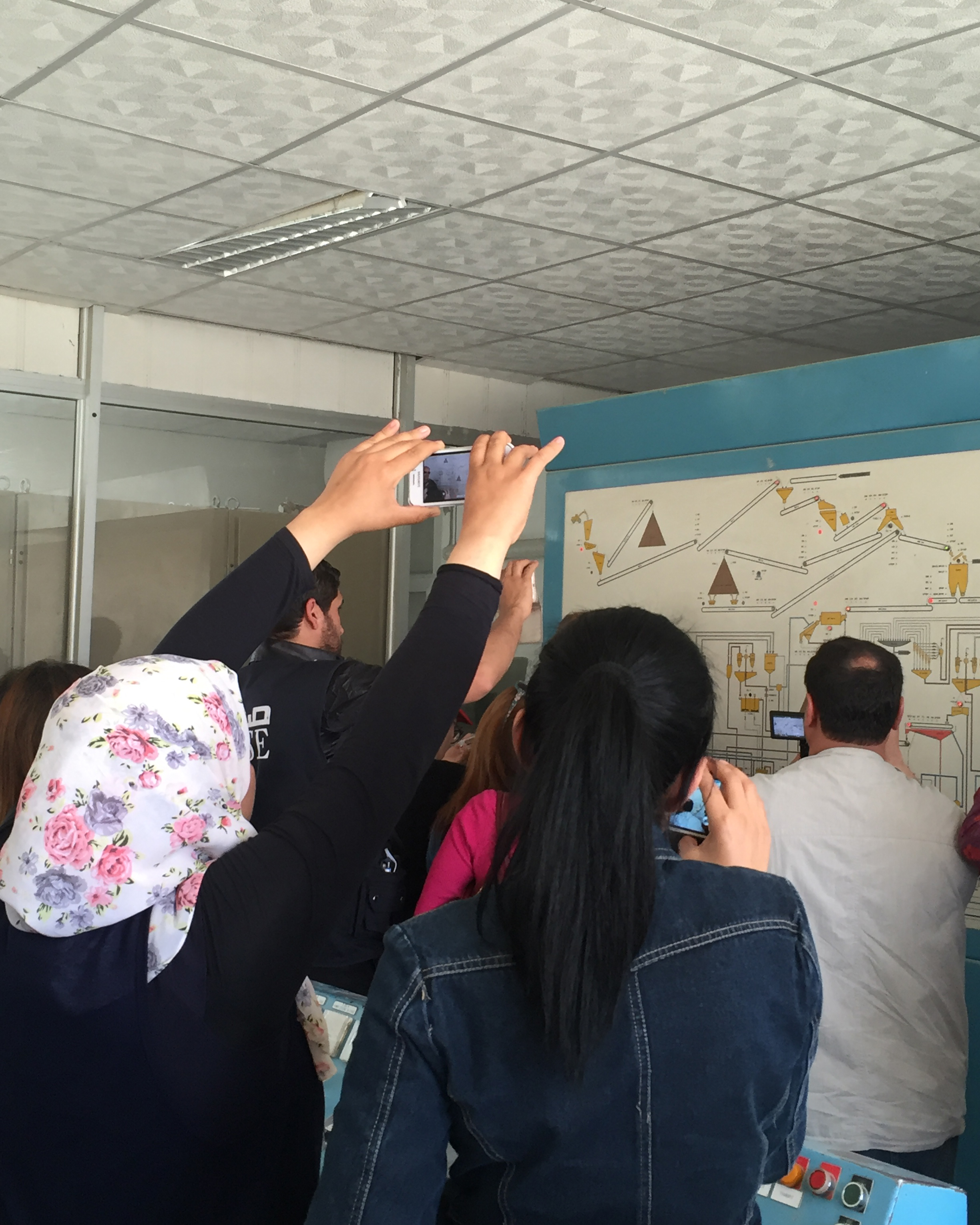
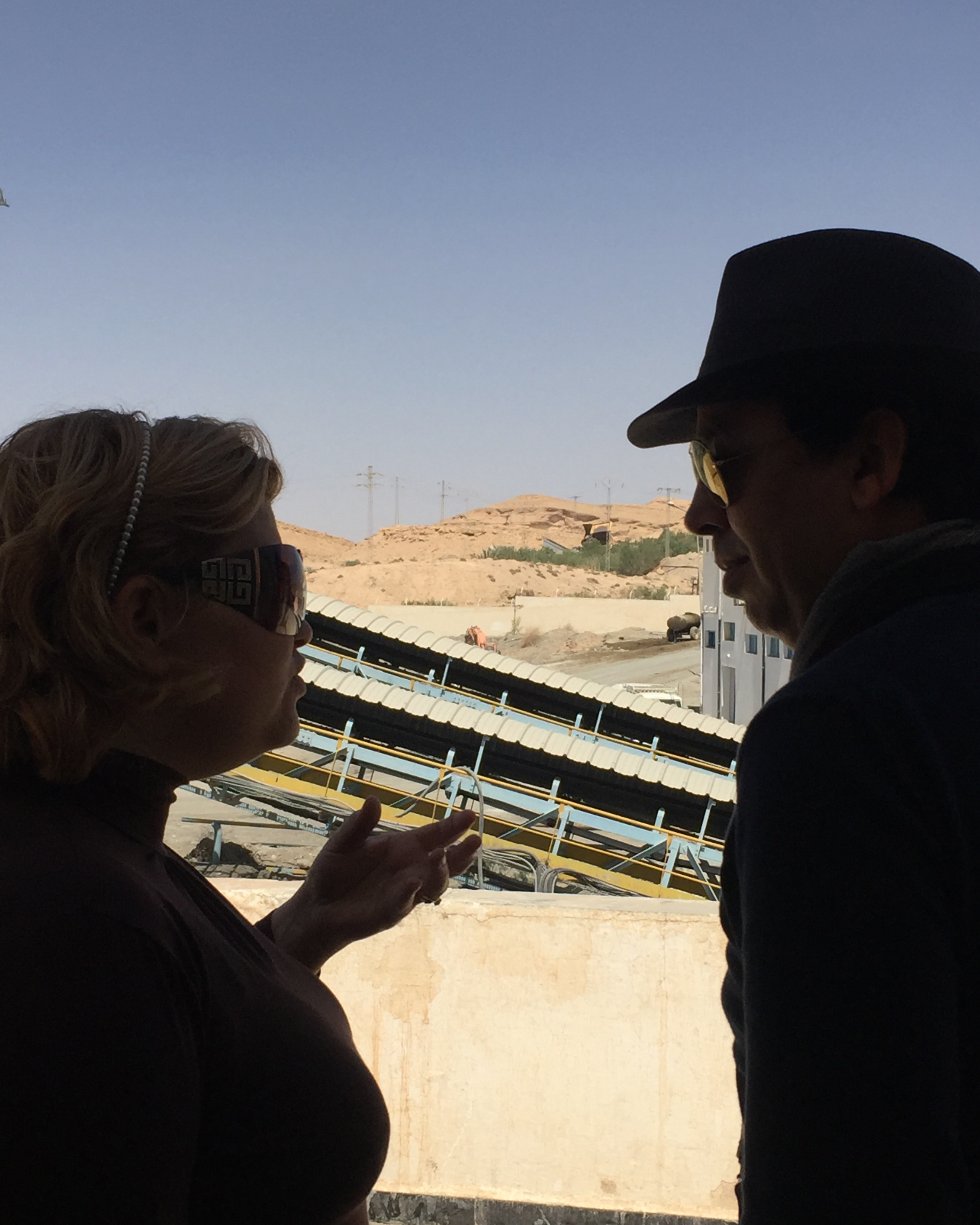
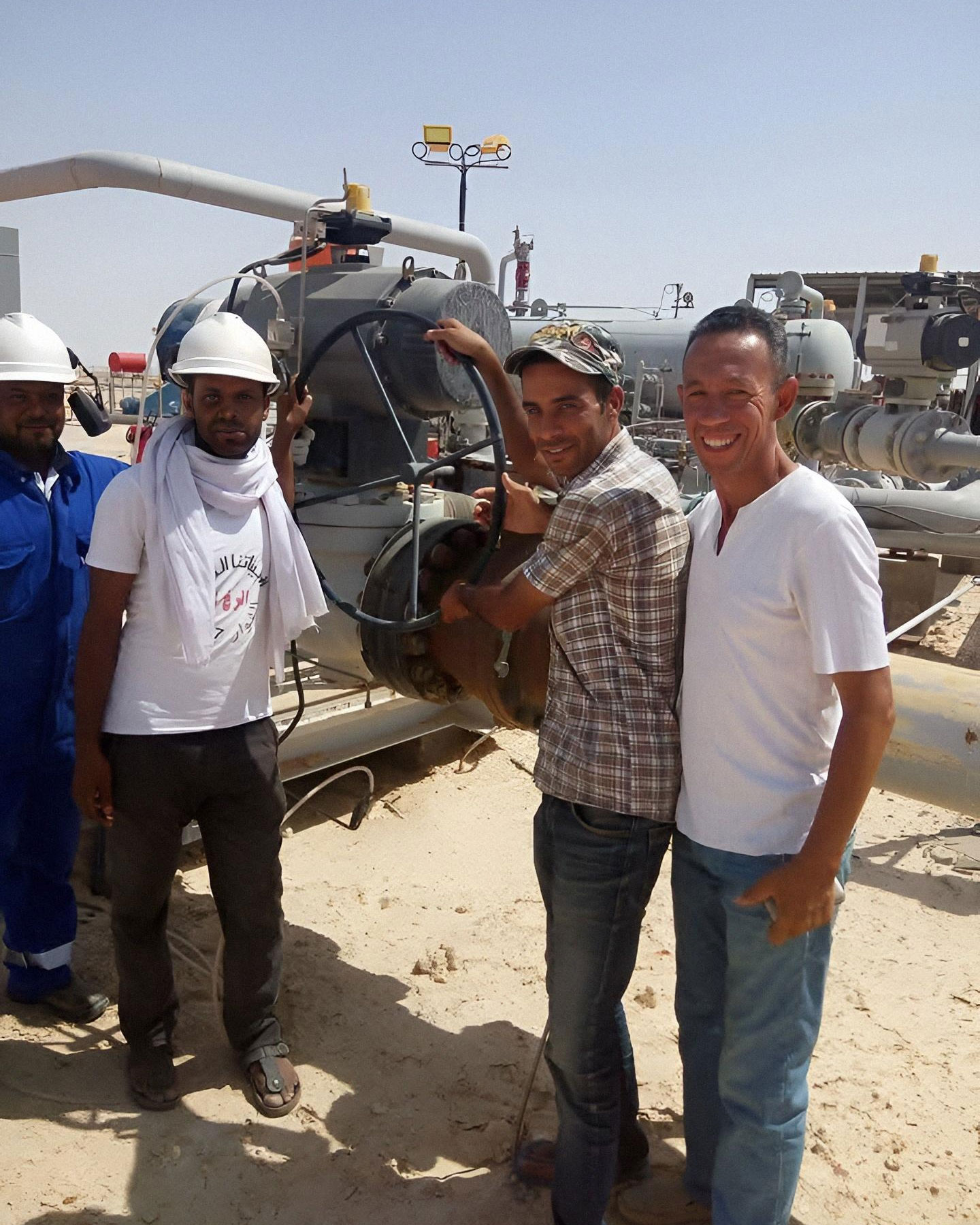
“If they keep deciding everything from the capital, they’ll never know what our people really need. We must be at the table, not outside the door.” Fatiha Amairi, activist from Tataouine
In Tataouine, after the 2017 El Kamour sit-in, the government promised 80 million TND annually and 4,500 local jobs in oil, environment, and plantation sectors. By 2020, only around 2,500 jobs had materialized, and key funding and hiring provisions stalled—sparking renewed protests, strikes and roadblocks around regional oil infrastructure.
Trust isn't a soft issue. It's the foundation that everything else rests on. Without it, even solar panels and wind farms can symbolize exclusion.
NRGI’s People-First Approach: Strengthening Capacity, Rebuilding Trust
Many projects focus on big goals and short timelines but miss the core that actually holds it all together: trust.
NRGI took a different path in Tunisia—by listening. In Tataouine and Kebili, that meant sitting with communities in familiar spaces: cafés, homes, tents, and not conference rooms. It meant speaking in Arabic, sometimes in local dialects, and taking the time to understand what people really wanted from the energy transition.
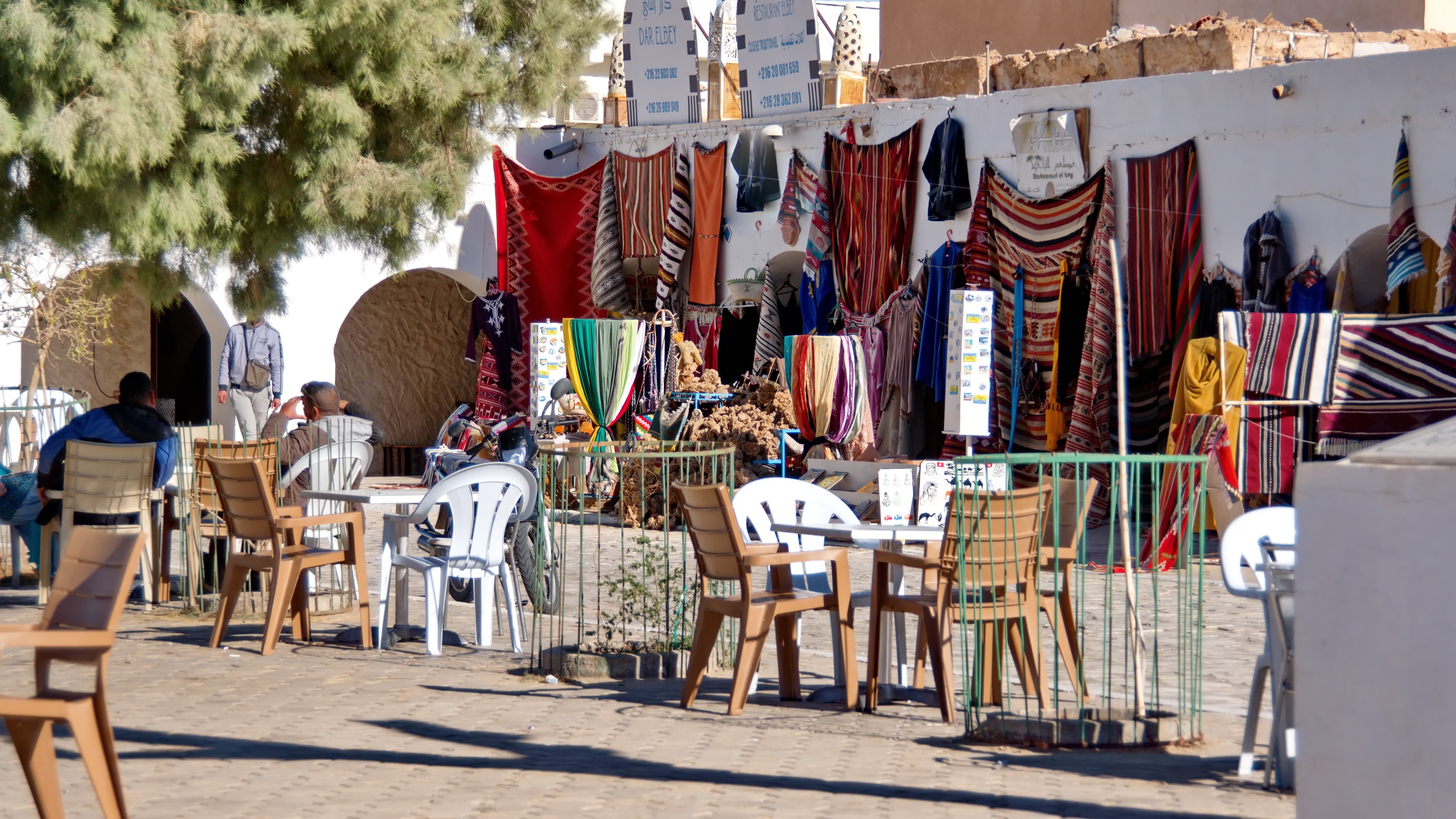
Building on that foundation, NRGI has supported civil society partners and local stakeholders to engage more confidently with authorities, better understand project timelines, and advocate for meaningful consultation, ensuring that communities are not only heard but also equipped to shape the decisions that affect them.
What we heard was clear. People weren’t asking for glossy transition plans. They want to know: “Will this create real jobs, or is it just another project on paper?” One local youth leader asked whether renewables would finally bring transparency—or simply repeat the same extractive logic. Farmers shared fears about solar projects taking over their land without consultation. Others spoke of the deep fatigue of being promised development without ever being part of the conversation.
“We don’t need another top-down plan. We need guarantees: jobs, justice, and a seat at the table.” Anouer Belhabib, activist from Kebili
Since 2020, we’ve taken a people-first and process-led approach: no pre-written agendas or imposed timelines. Instead, we co-designed each step with local actors, adapting language, formats and expectations.
At its core, this wasn’t just about participation. It was about restoring dignity to a process where people too often feel spoken about, but rarely spoken to.
The Shift: When Communities Lead
The change in Tataouine and Kebili didn’t happen overnight. It took three years of steady investment in local leadership through mentoring, technical training and ongoing collaboration.
Capacity development efforts were key—not just transferring technical knowledge, but equipping local actors with the tools, confidence and institutional know-how to engage as equals in governance processes. Whether analyzing budgets, navigating legal frameworks or speaking in policy forums, communities needed more than passion—they needed preparation.
When we began, more than 40 civil society organizations (CSOs) across Tataouine and Kebili were still emerging, fragmented and often reactive. Step by step, they grew into informed, coordinated actors who could analyze policies, interpret budgets, negotiate with ministries and speak with confidence in national spaces. Their transformation made them harder to ignore. The consistency of their engagement, combined with the credibility they built in locally, slowly shifted how government actors saw them. In some cases, ministries even reached out first—not out of obligation, but out of recognition.
Our support focused not just on technical skills, but on legitimacy:
- Providing safe, culturally appropriate spaces for women and youth
- Helping activists expand from protest, which remains vital, to constructive advocacy strategies that bring them into policy conversations
- Encouraging formats that communities trusted from tent meetings to café debates
Real change didn’t come from a single event. It grew from patient, persistent investment in local leadership. Today, these CSOs are no longer just calling for a seat at the table. They are proposing reforms, pushing for more equitable energy policies, and hold both local authorities and national energy institutions accountable, not from the margins, but as essential voices in Tunisia’s energy future.

Turning Point: When Dialogue Replaced Confrontation
Tunisia’s shift from protest to partnership is marked by key moments. In 2022, civil society groups sat with the Ministry of Energy to discuss reforming the Hydrocarbon Code—a topic long seen as off-limits. Just a few years earlier, such a meeting would have been marked by tension or simply dismissed altogether. But this time, there was no confrontation. Just dialogue — cautious, quiet, but real.
For the first time, civil society wasn’t outside the room demanding change—they were inside, helping shape it.
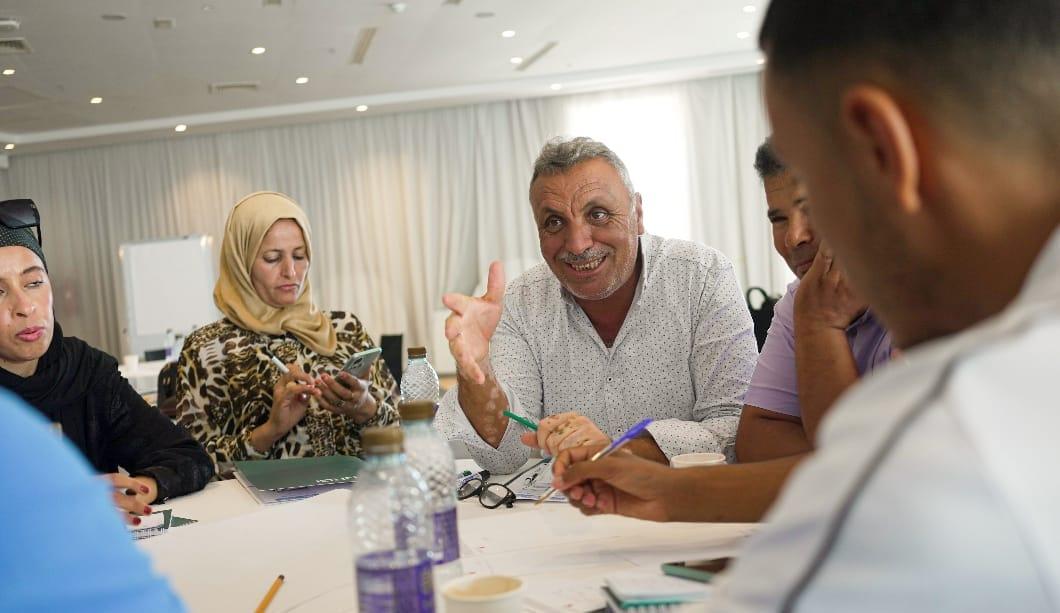
By 2025, that dialogue had deepened. During a national workshop on the energy transition, organized by NRGI, CSOs from Tataouine and Kebili sat across from senior government officials. In a context where such engagement is rare, the event stood out for its openness, mutual respect and what it revealed: civil society had become a credible actor and trust was starting to replace tension.
Beyond Tunisia: Why This Story Matters Everywhere
Tataouine and Kebili might not headline global energy summits. But they reflect a truth that resonates far beyond Tunisia: transitions fail when people are treated as obstacles rather than partners.
All over the world, communities in resource-rich regions are asking to be more than just hosts to infrastructure. They want a voice in how their resources are managed and how benefits are shared.
If we want the energy transition to succeed—and to be just, not just fast—we need more than solar panels and updated policies. We need trust. We need legitimacy. And we need to build both with the people whose lives and lands are most affected.
That’s the real work.
Building trust isn’t just about good intentions. It takes investment—in time, in relationships and in capacity. Around the world, communities most affected by extractive projects or energy reforms are too often under-resourced to engage effectively in decisions. If we want just transitions, we need to fund not just infrastructure, but people—to ensure communities have the knowledge, tools and institutional muscle to co-lead the future of energy.
A Just Transition Starts by Slowing Down and Listening
It’s easy to talk about megawatts, investment flows and net-zero targets. But if we skip people—ignoring their knowledge, their fears, their hopes—we miss the point.
A truly just transition isn’t about who builds what, it’s about who gets to decide.
- For policymakers: Slow down. Make space. Legitimacy isn’t a given—it’s earned.
- For donors: Fund the process, not just the outcome. Trust-building takes time.
- For civil society: Keep centering the voices that have been pushed to the margins. That’s where real leadership is growing.
Tataouine and Kebili remind us: when communities move from the sidelines into real decision-making roles, transitions gain not just momentum but meaning.
Senegal’s JETP: Lessons, Challenges, Opportunities and the Role of Civil Society

The energy transition is a crucial global issue in the fight against climate change. To support countries in their decarbonization while considering social and economic impacts, Just Energy Transition Partnerships (JETPs) play a key role in facilitating this process.
At COP29, Senegal confirmed its commitment to a JETP estimated at €2.5 billion, currently in the development phase. Its success relies on inclusive and transparent governance, where the active participation of civil society organizations (CSOs) and local communities is essential.
In collaboration with Oxfam, the Heinrich Böll Stiftung Foundation, Natural Justice, the African Climate Foundation, and the Global Strategic Communications Council, NRGI contributed to the creation of PACTEJ, a platform to strengthening the capacities of CSOs and communities for their involvement in the JETP. In September 2024, NRGI organized a webinar with over 80 participants from various countries, led by experts such as Abraham Octam Halim, Jacob Blessing Motsh Manale, Fatima Diallo and Awa Ndione Sène. This event facilitated the exchange of international experiences, particularly from South Africa and Indonesia, and drew valuable lessons for Senegal.
These lessons demonstrate that the involvement of CSOs is crucial for protecting community rights, monitoring resource management, and ensuring accountability from decision-makers. In this blog post we highlight the evolution of JETPs on a global scale and aims to enrich public debate in Senegal, drawing inspiration from successes and challenges faced elsewhere.
The evolution of the JETP and its importance
The evolution of Senegal’s JETP in the global context
JETPs are being implemented in four countries: South Africa, Indonesia, Vietnam and Senegal, with a total committed funding of approximately $46.5 billion. Each country tailors this mechanism to its energy and socio-economic priorities for a just energy transition.
In South Africa, where coal dominates 84.63 percent of electricity production, the JETP aims for a gradual coal phase-out. In Indonesia, with 61.55 percent coal and 17 percent gas in the energy mix, the goal is to increase the share of renewable energy while supporting affected communities. In Senegal, the focus is on the rapid development of renewable energy to avoid over-reliance on natural gas.
For Senegal, a future gas producer, the JETP represents a crucial opportunity to prevent a “gas lock-in” that could lead to high energy costs, increased dependence and less sustainable energy. Prioritizing renewable energy is essential to ensure a responsible transition, supporting both communities and a sustainable economic transformation.
The importance of the JETP for Senegal
The JETP offers Senegal the opportunity to achieve 40 percent renewable energy in its energy mix by 2030. This partnership, signed on 2 June 2023, with G7 partners (Canada, the EU, France, Germany and the U.K.), mobilizes €2.5 billion over 3 to 5 years.
A structured governance body has been established, including a steering committee (COPIL) led by the Ministry of Energy, a coordination unit (UC), and working groups on governance, equity, finance and technology. Key developments include public consultations, the creation of an investment plan with the Tony Blair Institute, and strategic deliverables on the energy transition.
However, challenges remain: the validation of deliverables, the integration of projects into the plan, strengthening the capacity of the coordination unit (UC), and finalizing the investment plan. Regional workshops are planned to raise awareness among communities.
PACTEJ could identify key priorities such as access to affordable energy for vulnerable populations, promoting transparency in project selection, assessing the relevance of selection criteria, and protecting the rights of workers and affected communities.
CSOs, through the PACTEJ platform, play a critical role in ensuring a just transition by promoting transparency, inclusion, and the protection of the rights of workers and communities. However, G7 partners have warned against unrealistic expectations, emphasizing that the JETP will not resolve all of Senegal’s energy challenges.
Lessons from the South African and Indonesian experiences
South Africa, a pioneer of the JETP with a $8.5 billion partnership signed in 2021 with quite an ambitious investment plan, illustrates the challenges of a just transition. The funding, mostly in the form of loans, remains insufficient compared to the estimated $95 billion needed. The hasty closure of power plants has led to significant social and economic impacts, exacerbated by tensions with trade unions and limited stakeholder consultation.
Indonesia, with a $20 billion JETP signed in 2022, offers a more inclusive approach. With a clear investment plan, it has established transparent governance platform, organized over 200 consultations with stakeholders, engaged more than 100 CSOs, and mobilized both public and private funds for renewable energy projects. However, bureaucratic obstacles are slowing down project implementation.
These experiences highlight the importance of participatory and equitable management for a successful transition. The involvement of local communities, illustrated by the slogan “nothing about us without us,” is central. Initiatives like “Fair Finance” in South Africa offer valuable lessons for Senegal and the PACTEJ platform. However, the representative of the G7 partners group warned against unrealistic expectations of the JETP, emphasizing that it will not solve all the challenges Senegal faes on its own.
The role of Senegalese CSOs in the JETP process
As part of the JETP, Senegalese CSOs, grouped within the PACTEJ platform, along with trade unions and community organizations, play a key role in raising awareness among communities and fostering inclusive dialogue with the government.
However, they regret their late involvement, which has been limited to the post-negotiation phase, and highlight major challenges: access to information, the involvement of local authorities, private sector support, and community awareness.
The funding model, which includes only 6.6 percent in grants and primarily consists of loans, raises concerns about increasing public debt. CSOs are calling for transparent management of funds to prevent corruption and ensure direct benefits for vulnerable populations.
| Countries | South Africa | Indonesia | Senegal |
| Composition of financing | 4% in the form of grants 63% in the form of concessional loans 33% in the form of commercial loans and guarantees | Not yet published | 6.6% in the form of grants 69.2% in the form of concessional loans 1.8% in the form of market-rate loans, 12%, and the rest in the form of standard loans or grants |
Source: Navigating Just Energy Transition Together – Shared learnings from South Africa, Indonesia, and Vietnam, June 2023
CSOs, through PACTEJ, are now actively participating in the COPIL and the “Justice and Equity” group of the JETP. They call for a genuine consideration of their contributions in decision-making and for projects that compensate for the impacts of fossil fuels, while promoting local content.
For the success of the JETP in Senegal, an inclusive approach is essential. This requires fully involving communities, local authorities, CSOs, women and youth, ensuring transparency, strengthening local capacities, integrating gender issues, and simplifying administrative procedures. Such an approach would ensure a truly fair and inclusive energy transition.
Equity and Good Governance Are Essential for the Energy Transition

As governments around the world scramble to boost oil and gas production and/or secure alternative supplies after Russia’s invasion of Ukraine, the resulting energy crisis feels like more than just a bump in the road for the global energy transition. Still more confusing is what our colleagues aptly describe as the “minefield of potentially mixed and misread messages” about the energy transition intentions of wealthier nations, few of which are close to achieving compliance with the Paris climate goals. The EU has proposed to label gas-fired power generation as “green” but then Germany doubled down on ambitious 100 percent renewable energy power plans, calling renewables “the energy of freedom.” The Biden administration stressed the need to reduce dependence “on oil in general” and then called on U.S. oil and gas producers to ramp up supply as quickly as possible, scarcely a week later.
In this confusing atmosphere the Tyndall report, “Phaseout Pathways for Fossil Fuel Production Within Paris-compliant Carbon Budgets,” is a welcome and essential map. Its most significant contribution is to apportion responsibility for winding down production based on equity considerations — an approach we at the Natural Resource Governance Institute (NRGI) strongly support. Wealthier countries should cut fossil fuel production first and fastest because they depend less on oil and gas revenues and have greater capacity to finance the energy transition. The report divides producers into five groups, the wealthiest of which would need to entirely phase out production by 2031 (a 98 percent drop from today’s levels!), for a better than even chance of avoiding warming above 1.5°C. Critically, and even more relevant to delivering a just transition, the report also concludes that “[a]n equitable transition will require wealthy high-emitting nations [to] make substantial and ongoing financial transfers to poorer nations to facilitate their low-carbon development...”
If the world is to have any chance to avoid climate catastrophe, there’s not enough carbon space for lower-income countries to develop their vast reserves of fossil fuels—even if the wealthiest countries cut their fossil fuel production to zero today.
This last point is the report’s punchline. Although the call for financial transfers is nothing new, the report further justifies their critical importance to a just energy transition by putting yet another inequity in sharp relief: the global carbon budget—the space left in the atmosphere for additional carbon pollution—is now too small to allow for any countries to use or produce fossil fuels on any scale approximating that has historically fueled development in rich countries. In other words, if the world is to have any chance to avoid climate catastrophe, there’s not enough carbon space for lower-income countries to develop their vast reserves of fossil fuels—even if the wealthiest countries cut their fossil fuel production to zero today. Of course, the reason humanity is in this mess is almost entirely the decades of stalling and insufficient climate action on the part of the world’s wealthiest countries, which are overwhelmingly responsible for the historical emissions now driving dangerous climate impacts. It is only fair that in addition to cutting their own production first and fastest the wealthiest producers finance the energy transition of lower-income producers.
Climate finance should include debt relief and support to improved governance of transition planning. The Civil Society Equity Review referenced by the report, and endorsed by hundreds of civil society organizations from across the world, holds valuable recommendations for supporting a fair shares phase out. Through our programming, NRGI will support lower-income oil and gas producers to hold rich countries to account for their climate finance commitments and obligations, the fulfillment of which is fundamental to just energy transition.
The report also clearly sets out the speed, scale and sequencing of the production cuts required of all countries, differentiated by respective capacities for each of the five groups, for a 50-50 chance of limiting warming to 1.5°C—a previously missing link in the field. This gives all countries a framework for plotting their energy transitions, mapping the (fast shrinking) space in which they can safely and fairly maneuver. Critically, the pathways presented are intended to help explore the consequences of national policies and decisions, not “…to prescribe precise budgets or pathways for specific nations.”
If the transition is to be equitable, no one should expect lower-income producers to begin cutting production until and unless they (a) receive support needed for development pathways that replace fossil fuels revenues, and (b) see a rapid oil and gas phase out in the wealthy countries responsible for most of global production. Through NRGI’s work supporting resource-rich developing countries as they navigate the transition, we see the vital importance of building sustainable development pathways independent of fossil fuel extraction. The wealthiest countries most responsible for global climate change still fall appallingly short of their own international climate finance commitments, let alone their additional obligations to support lower-income countries dependent on oil and gas revenues.
Country-level governance
Governance is central to a just transition. Careful management and coordination of efforts to wind down oil and gas production is essential to ensure fairness across countries, minimize negative economic and political impacts, and safeguard the lives and livelihoods of the most vulnerable.
Governments in some low-income producer countries have already embarked on important energy transition planning efforts. For example, Nigeria’s Inter-Ministerial Committee on Climate Change is now considering a national energy transition plan, and Ghana has recently launched a national Energy Transition Steering Committee. To address the scale of the challenge they must simultaneously consider and integrate three dimensions of a just energy transition:
- Increased energy generation and access, including rapid transition to renewable energy systems.
- Economic diversification to sectors that don’t rely on a fossil fuel-based energy system.
- Support for people affected by the wind-down of fossil fuel production.
As governments make difficult decisions about the future of their countries’ extractive sectors and pathways to sustainable development, they should also build citizens’ understanding of the options and support for these decisions. Too often officials restrict access to relevant information and analysis and take decisions behind closed doors. NRGI supports greater citizen participation and transparency, and therefore facilitates informed, open dialogue to promote more sustainable decisions about the future of oil and gas production. Additional elements of a well-governed energy transition include:
- Public processes and accountability to develop a shared, pro-citizen, vision beyond oil, one free of control by narrow interests that benefit directly from fossil fuel production.
- Rigorous analysis, based on verifiable information, about the risks of continued dependence, and the likely impact of various transition scenarios on the viability of the country’s economic model, development strategy and priorities, and related policy questions.
- Strong coordination across public agencies to align public financial management, energy and climate strategies.
International governance
Internationally, the most urgent challenge relates to governance of finance for each of the three dimensions of a just energy transition outlined above. First, rich countries and multilateral donors must provide greater support for improved governance of energy transition planning in lower-income producer countries. At a minimum, donors and investors should support countries with the strongest record and commitments to good governance of fossil fuel extraction, and steer clear of producers with corrupt and repressive governments. And international oil companies should skirt partnerships with national oil companies when it’s likely the collaboration will propagate corruption or kleptocracy. It shouldn’t take a war for investors and international oil companies to do what’s right.
Second, players in the multilateral concessional finance system must streamline and rationalize the current patchwork quilt of partial, overlapping sources of finance available to support different dimensions of the energy transition in lower-income countries. A recent evaluation of rich countries’ (dismal) record in mobilizing resources toward their $100 billion climate finance commitment reveals a litany of accounting problems requiring attention.
Annual spending on clean energy in emerging and developing countries must increase seven-fold by 2030.
Many energy transition-related needs in lower-income oil-producing countries don’t actually qualify for “climate finance” because emissions reductions associated with reduced production of oil are counted in importing countries. This points to the third finance governance challenge, which extends well beyond the energy transition: across the board, available public and private finance is grossly insufficient to meet environmental and developmental needs. Annual spending on clean energy in emerging and developing countries must increase seven-fold by 2030, according to the International Energy Agency. This is a glaring gap that rich countries must quickly help to bridge to enable a timely fossil fuel phaseout by lower-income producers and for global sustainable development generally.
Shifting winds make these tough times to contemplate a fossil fuel phaseout, but energy transition planning remains the only route forward. The Tyndall report is therefore a valuable and timely contribution to the field. Good governance is critical to promoting sustainable, inclusive development, and it must be front and center of fossil fuel phaseout efforts.
Learn more about NRGI's work to advance a just energy transition.