
Rethinking Resilience in East Africa (COP31)
Uganda Pavilion, Blue Zone, COP31, Antalya
At COP31, the Centre for Energy, Finance and Development (CEFD) is hosting a panel on how East African countries can strengthen energy security while advancing green industrialization.
The discussion will examine the economic and fiscal trade-offs of large-scale investment in refining infrastructure, what those investments mean for energy security, and alternative ways to build energy resilience. Panelists will look at diversified fuel supply, regional trade and infrastructure, and how development finance can support industrial development on a low-carbon pathway.
The central question: how can African countries strengthen energy security while managing fiscal risks and advancing their development priorities?
NRGI’s Patrick Stephenson will speak on the panel.
Featuring NRGI’s

Patrick Stephenson
Ghana Country Manager
Senegal: Governing Natural Resources at a Pivotal Moment

As Senegal enters a new era as an oil and gas producer, the third National Forum on Extractive Sector Governance offers an opportunity to reflect on the governance choices that will shape how the country's natural resources contribute to long-term development.
On 30 June and 1 July, Senegal's Ministry of Energy and Petroleum, EITI Senegal and NRGI will bring together government, parliament, civil society, affected communities, the private sector and international partners in Dakar for the third National Forum on Extractive Sector Governance. The forum comes at a defining moment in the country's development: Senegal is now an oil and gas producer. At the same time, the country faces the challenge of developing its oil and gas resources while advancing its energy transition and long-term development goals.
Stakeholders from across the sector will meet to discuss the priorities that should shape this next phase. The governance choices made today will determine whether Senegal's natural resources translate into quality public services, stronger fiscal resilience and a just energy transition that supports sustainable and inclusive development. Through its Senegal Vision 2050 agenda, the country aims to turn extractive revenues into sustainable public investment, reduce its vulnerability to commodity price cycles and build accountable institutions that endure beyond political transitions. The forum provides an opportunity to advance that conversation.
Senegal has been producing oil since June 2024 and liquefied natural gas since February 2025. The country's legal framework is now in place, including a hydrocarbons revenue management law, parliamentary oversight mechanisms and stronger transparency requirements. But the context in which those rules must now operate has changed significantly. Public debt, revised to 132 percent of GDP by the Court of Auditors, has reduced the country's fiscal room for maneuver. PETROSEN has taken on a larger operational role in developing the country's gas projects, while the government has launched a process to review oil, gas and mining contracts. At the same time, Senegal must balance the development of its gas resources with expanding renewable energy and meeting its climate commitments.
At a time of fiscal pressure and high public expectations, what distinguishes a new producer is not just the size of its resource base. It is the strength of its governance institutions and their ability to ensure transparent, effective and equitable management of natural resources over the long term. Those are precisely the questions that stakeholders will address in Dakar.
NRGI has worked in resource-rich countries for more than 20 years, including five years of engagement in Senegal. Together with public institutions, EITI Senegal, civil society, affected communities and other partners, NRGI has contributed to several of the reforms and debates that have shaped this period, from strengthening the legal framework for extractive revenues to supporting the establishment of the government's grievance mechanism in the hydrocarbons sector, as well as advancing public debate on methane emissions, supporting affected communities and contributing to the creation of the Platform of Civil Society Actors for a Just Energy Transition (PACTEJ). A more detailed review of these five years of work will be published soon.
An agenda for the next phase
The National Forum is not an endpoint. It is a starting point for the next phase of Senegal’s resource governance, offering a chance not only to take stock of progress and identify remaining gaps, but to set clear priorities and build momentum for the work ahead. Discussions will focus on revenue management, contract transparency, PETROSEN's role, the trade-offs between hydrocarbon development and the energy transition, critical minerals and the participation of communities and local authorities. These are complex questions that will require difficult choices and sustained collaboration across government, civil society, industry and communities.
The discussions in Dakar matter beyond Senegal. Since 2021, the country has shown that a well-designed governance framework can be brought to life through sustained dialogue, capacity development and evidence-based approaches, resulting in tangible gains in transparency and accountability. The next phase will test whether those rules can be put into practice as Senegal seeks to develop its natural resources, protect its communities and build a more sustainable, resilient and inclusive energy future. Ultimately, the country's future will be defined not only by production, but by whether Senegal can turn its natural resources into lasting benefits for its people. The National Forum is an opportunity to help shape that next chapter.
The authors thank Amir Shafaie and Papa Daouda Diene for their contributions.
Senegal National Forum on Extractive Sector Governance
On June 30 and July 1, key extractive sector stakeholders will gather in Dakar to discuss the challenges and priorities shaping natural resource governance in Senegal.
One Crisis, Seven Lenses : MENA’s Energy Transition at a Crossroads
What the 2026 energy shock means for the future of transition in MENA

In early 2026, the U.S.-Iran war and the closure of the Strait of Hormuz triggered the most severe energy supply shock in decades — disrupting global hydrocarbon flows and exposing just how fragile and interconnected energy markets are. In the Middle East and North Africa (MENA), the shock carried different meaning for fossil fuel producers trapped by the Hormuz closure, for other fossil fuel exporters, and for energy-importing countries. But for every government in the region, it landed on territory where energy is already a daily household concern, and where the transition to cleaner, fairer energy was only beginning to gain momentum.
The crisis pushed energy security to the top of every policy agenda in the region, while simultaneously raising new questions about the future of the transition itself. The same shock is pulling policymakers, investors, and communities in multiple directions at once. Which path prevails will depend on the choices made now.
That is why we set up the NRGI MENA Just Energy Transition Platform, as a space for knowledge production, dialogue, and advocacy among those committed to a transition that is not only faster but fairer, anchored in strong governance foundations. Among the community of experts, we work with an Advisory Expert Group to support and guide us — leading voices on energy, governance, and transition from across the region. In the weeks following the crisis, we put one question to this group: What does this moment mean for the future of energy transition in MENA? Each responded from a different vantage point. Read together, they converge on the same central tension.
The reflections below are short excerpts from longer contributions by members of the NRGI MENA Just Energy Transition Platform Advisory Expert Group. You can read their full analyses in the briefing available for download at the end of this page.
The Strategist's Lens — Dr. Manal Shehabi — Senior Research Fellow, University of Oxford; NRGI MENA Advisory Board
The crisis cuts both ways for MENA's energy transition. Gulf exporters, unable to reap their usual windfalls, are cutting long-term transition spending first. Oil importers like Jordan, Egypt and Morocco have the strongest incentive to accelerate — but the least fiscal room to do so. The same shock that makes the transition more urgent is also what makes it hardest to fund.
The Resilience Lens — Dr. Mohammed Al-Breiki — Head of Industrial Studies and Policies, Gulf Organization for Industrial Consulting (GOIC)
For the Gulf, the crisis is not a choice between hydrocarbons and transition — it is a push to manage both. Higher revenues are being directed toward resilience, economic diversification and deeper regional integration: energy grids, the GCC railway, strategic reserves. Hydrocarbons remain the source of stability while the longer-term shift is built.
The Trade-offs Lens — Sarine Karajerjian — Program Director, Environmental Politics Program, Arab Reform Initiative
The crisis forces fragile MENA governments to navigate five trade-offs at once: security vs. transition, centralized vs. decentralized power, fiscal stability vs. social protection, speed vs. governance, and diversification vs. geopolitical alignment. How they balance these competing pressures — not whether they transition — will decide whether the shift is fair or deepens existing inequalities.
The Gender Lens — Myriam Sfeir — Executive Director, Arab Institute for Women
The energy crisis hits women hardest: more unpaid work, less income, and deeper inequality. Yet policy continues to treat all households alike. Effective responses require gender-sensitive energy policy that sees who is actually absorbing the cost — and designs support accordingly.
The Civil Society Lens — Dr. Pierre Saade — Head of Middle East and North Africa, Resource Justice Network
Civil society's role is to bring big energy decisions back down to lived reality — the cost of cooking, transport, and electricity — and to ask who benefits and who bears the risk as pipelines and corridors return under the banner of energy security. As energy access grows more conditional and contested, democratic oversight and community accountability matter more than ever.
The Opportunity Lens — Dr. Jauad El Kharaz — Co-Chair, Mediterranean Clean Energy Network (MEDCEN)
What if the crisis is the opening, not the setback? A Mediterranean remade not as a fossil gas corridor, but as a global green energy hub — 1 TW of renewables by 2030, powering local industry, not just exporting to Europe. The political and financial momentum created by this crisis may be exactly what makes that ambition achievable.
The Media Lens — Roula Mikhael — Executive Director, Maharat Foundation
Media coverage of the crisis stays fixed on prices and shortages, missing the bigger story of structural transition — held back by limited access to energy data and varied editorial pressures across the region. Stronger technical expertise among journalists and a more constructive journalism approach could shift coverage from reactive reporting toward informed, accountable, and forward-looking public debate.
Seven lenses. One crisis. One central tension: whether the energy transition can survive a shock that makes it both more necessary and harder to fund.
The energy transition has become an energy-security argument, not only a climate one. The resilient path runs through renewables, grids, and decentralized systems — but it only holds if the people bearing the cost stay at the center, and the governance of fast deployment keeps pace with ambition. That is what the NRGI MENA Just Energy Transition Platform exists to ensure.
Read all seven perspectives in full — download the briefing: One Crisis, Seven Lenses
Santa Marta: Real Progress, and a Gap That Cannot Be Ignored

This week, the Governments of Colombia and the Netherlands hosted the first global conference dedicated to transitioning away from fossil fuels, which ended with real progress—but also at least one critical absence. The Santa Marta conference put the many perspectives of Global South producer countries, subnational communities and the human stakes of energy transitions more clearly on the agenda. But, in a significant omission, national oil companies (NOCs) were neither present nor discussed at the level required given their significance to the transition away from oil and gas.
NOCs already produce more than half the world’s oil and gas (with that share expected to rise), and that they represent the economic backbone of many producer countries; failing to include them and/or the barriers and solutions to their transformation undermines the prospect for roadmaps to deliver a fair, orderly, and equitable transition.
An NRGI delegation was in attendance, and we will be sharing further analysis in the weeks ahead. Today, we are sharing some of our top-line reactions:
For the first time, Global South producer realities were centered
"Santa Marta opened up an important conversation about what is at stake for Global South producer countries—energy independence, less instability, more inclusive and equitable development—and brought in voices that are often missing, like subnational governments," said Ana Carolina González, NRGI's Senior Director for Programs and Latin America Director.
For the first time, a major international forum placed the realities affecting communities in Global South producer countries at the center of the transition debate: fiscal dependence on oil and gas revenues, the instability that comes with price volatility, and what it will take to ensure the shift away from fossil fuels works for the people most affected by it. Importantly, subnational governments had a seat at the table. In many oil-producing regions, the transition is not a future concern—it is already arriving. In the oil producing regions of Campeche in Mexico or Putumayo in Colombia production has declined significantly. Where royalties account for 70–80% of local budgets, like in Niger Delta, a drop in production can mean schools with fewer teachers, roads that go unrepaired and workers facing an uncertain future. These are the communities that contributed least to the climate crisis. They should not be the ones absorbing its costs.
With conflict in the Middle East fueling oil price spikes and energy security fears, the current crisis made the case for an orderly transition stronger. As González put it: "For producer governments, high prices may create pressure to double down on fossil fuel investment. But volatility is not stability and short-term gains are not long-term strategy. The window to plan an orderly transition is open—the question is whether governments use it."
National oil companies: a missing piece
The co-host takeaways noted that participants "stressed the importance of clear policy signals and long-term planning, including clearer strategies for State-Owned Enterprises." At the final press conference, Colombia's Minister of Mines and Energy Irene Vélez Torres acknowledged that NOCs "should be part of the roadmap, because this is where the production takes place. So we hope that the countries can think about how their own companies should be included and should have targets of transition."
These are welcome signals. But recognizing that NOCs need clearer strategies is not the same as bringing them in as essential partners, and the gap between limited acknowledgement and meaningful inclusion is where credible transition planning can break down.
"NOCs are not peripheral players," says González. "They produce more than half of the world's oil and gas and that share projected to rise to 62% by 2050. NOCs are the economic backbone of many producer countries. The next step must bring them in as essential partners in any credible transition roadmap."
In many producer countries, NOCs underpin national budgets, jobs, public services and local economic stability. In Colombia, Ecopetrol alone contributed the equivalent of around 11% of the national budget in 2023, more than the country allocated to the education sector. Pemex directly employs over 128,000 people, with oil dominating the economy of states like Campeche, where it accounts for the vast majority of local economic activity.
Around $400 billion in planned NOC investment between 2023 and 2032 may not break even if demand falls in line with climate commitments. In some countries, more than 80% of planned investments are at risk. Leaving NOCs outside transition planning does not protect them or the economies that depend on them—it simply means the risks accumulate without a strategy for managing them. NRGI's recent report, NOC Transformation: Strategic Choices for an Uncertain Energy Future, offers a practical framework for how governments and NOCs can navigate this moment together.
What comes next
The co-host's takeaway note from Santa Marta does recognize that “clearer strategies for State-Owned-Enterprises" (which include NOCs) are important for long-term transition planning. The conclusions of Santa Marta will now feed into COP31, with Brazil’s COP30 presidency committed to building on the outcomes from Santa Marta in the roadmap it will deliver to this year’s annual UN climate conference (COP31) in Turkey. The Brazilian COP30 Presidency’s roadmap report cannot leave national oil companies on the sidelines. And, we need to ensure that spaces that meaningfully centre the needs of communities most exposed to the transition become the rule, not a welcome exception. The road ahead is long, but the direction is clearer—and Santa Marta moved it forward.
Beyond Oil and Gas: Regional Perspectives on a Transition Under Pressure

As more than 50 countries gather in Santa Marta for the first conference dedicated to transitioning away from fossil fuels, NRGI's regional directors share how governments are navigating competing pressures, and what this means for economies and communities
The energy transition is happening. It is also, depending on your perspective, too slow, too fast, too expensive, or something else entirely. As the governments of Colombia and The Netherlands convene the first-ever conference dedicated to transitioning away from fossil fuels in Santa Marta, that ambition is running up against a charged reality: oil price spike, land grabs, geopolitical jockeying for resources and mounting debt in many producer countries.
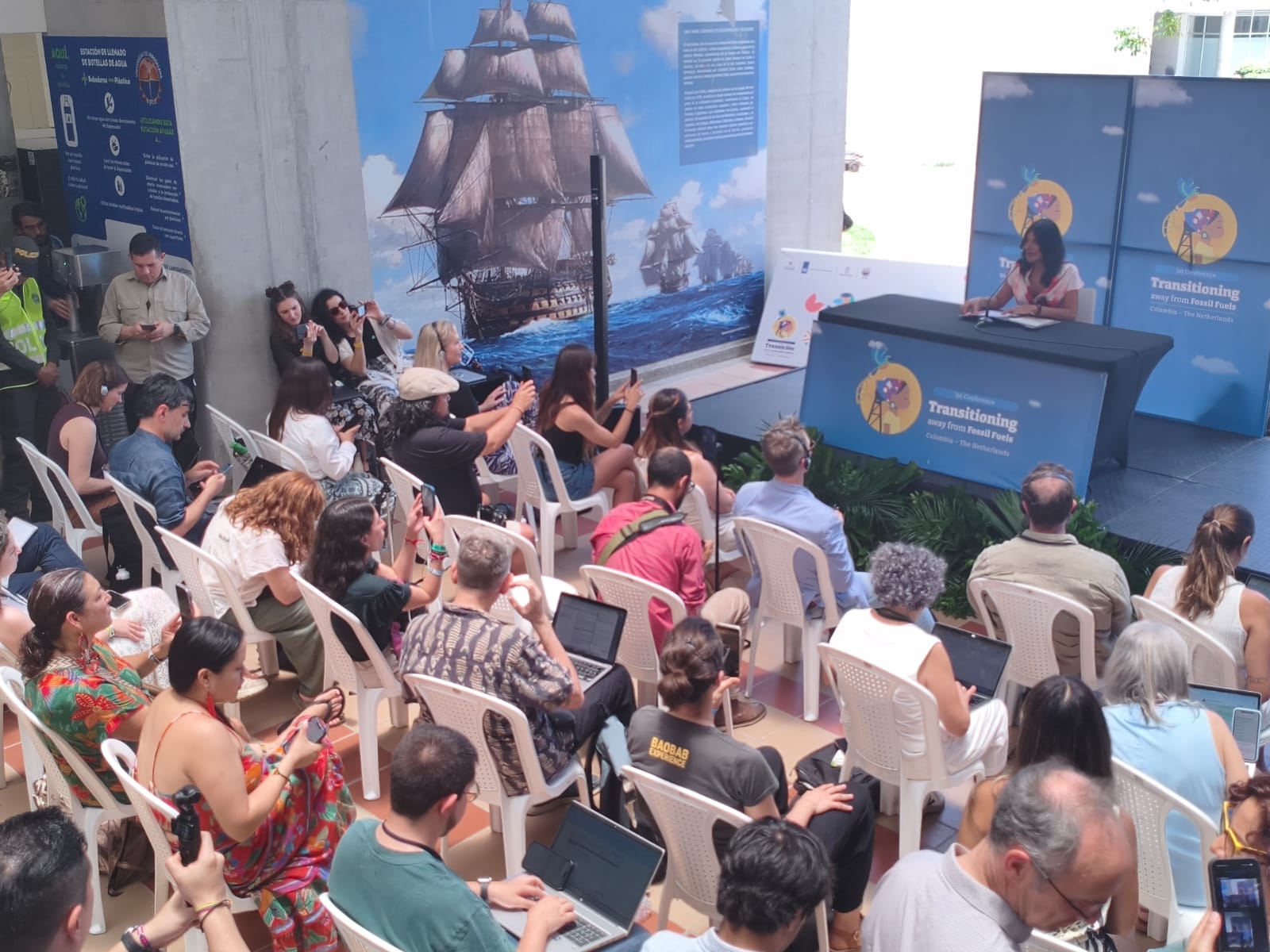
NRGI’s work is grounded in the recognition that how the transition unfolds—and how quickly—will determine whether it contributes to fair, inclusive and more prosperous societies, while acknowledging that communities that have contributed least to the climate crisis too often stand to lose the most. There is not one transition. There are transitions—shaped by very different starting points, economic realities and development priorities. Those gathering in Santa Marta must consider these diverse perspectives, including from communities, countries and regions that are not always fully represented in these debates.
Three of our regional directors reflect on how the transition is unfolding in practice, drawing on two decades of work on resource governance.
How are governments approaching the transition in the current context?
Santa Marta's organizers argue that current conflicts reinforce rather than sideline the case for transition. For governments navigating oil price uncertainty, rising energy demand and immediate security pressures, however, the picture is more complicated.
Africa—Nafi Quarshie, Africa Director

Latin America—Ana Carolina González Espinosa, Latin America Director and Senior Director for Programs
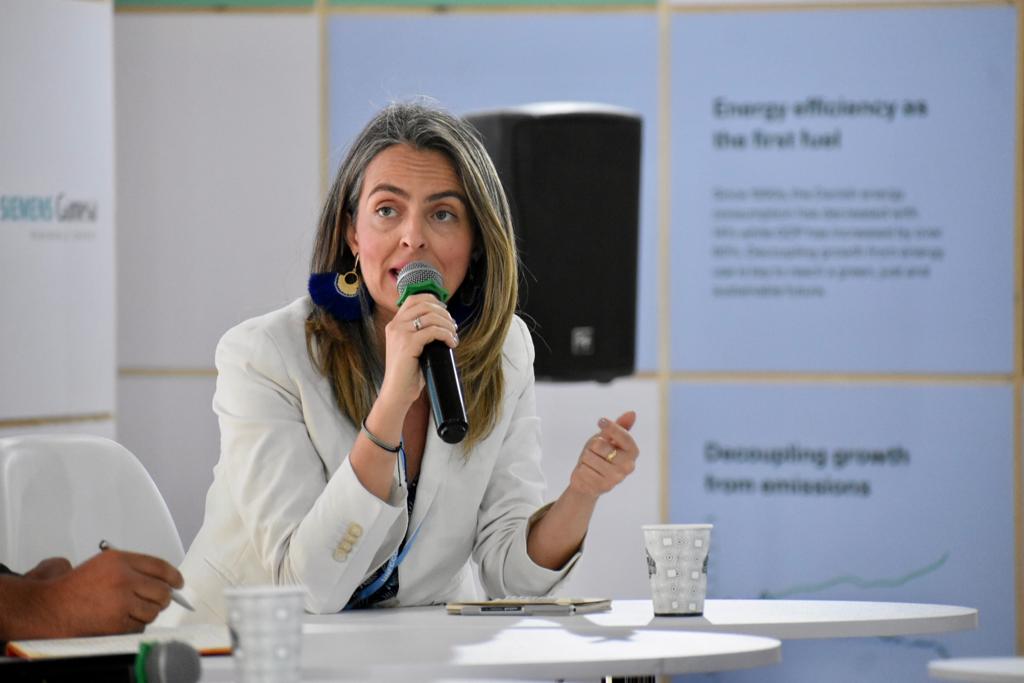
MENA—Laury Haytayan, MENA Director
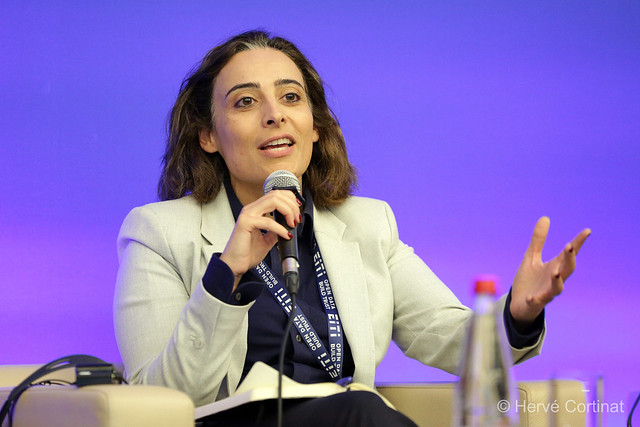
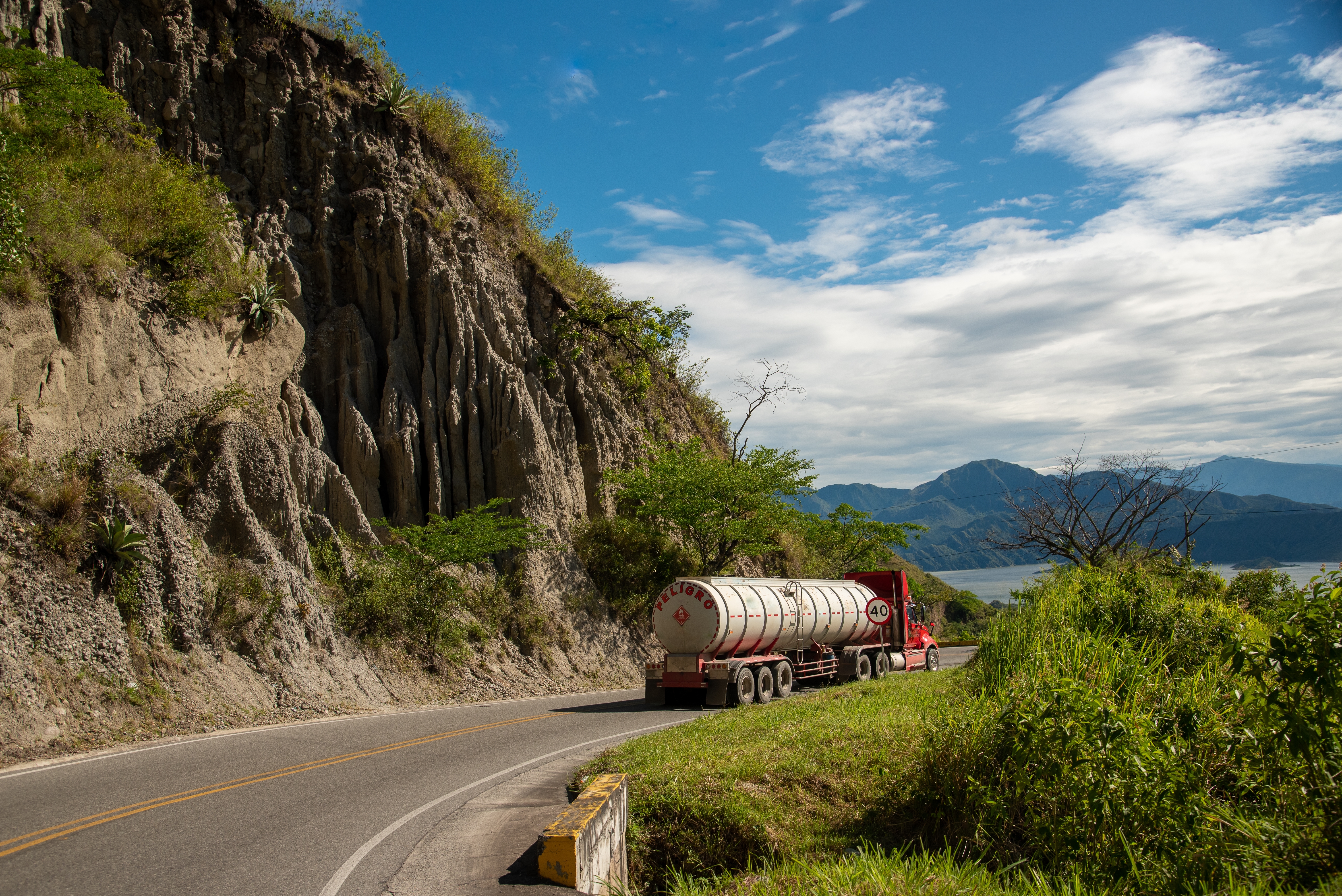
The Price of Instability: Oil Shocks, Energy Transitions and MENA's Economic Future

The ongoing conflict in Iran, Lebanon and across the region is devastating lives and livelihoods, and driving significant uncertainty across the Middle East and North Africa (MENA). While much remains unclear, it is certain there will be far-reaching implications for economic stability, energy markets and policy trajectories—particularly in the Gulf Cooperation Council (GCC) countries and Iraq.
While much attention has focused on immediate effects, less explored are the medium- to long-term structural impacts on regional economies and energy strategies.
This webinar brings together leading experts from the worlds of business, politics and civil society to examine the "price of instability"—how the conflict may reshape oil and gas markets, fiscal stability, investment patterns and energy transition pathways across MENA. It will also explore how governments, especially in the GCC and Iraq, may adapt their policies in response to evolving risks and opportunities.
The discussion will combine energy market analysis, macroeconomic perspectives and geopolitical insights to provide a forward-looking view of the region’s resilience and strategic choices in a more volatile environment.
Speakers:
- Carole Nakhle, CEO, Crystol Energy
- Rola Dashti, Kuwaiti economist and senior public leader
- Lina Khatib, Associate Fellow, Chatham House
Moderator:
- Laury Haytayan, Regional Director, Natural Resource Governance Institute
This webinar will be conducted in Arabic with simultaneous English interpretation.
From Transparency to Transformation: NRGI’s NOC Work Past, Present and Future

Over the past two decades, national oil companies (NOCs) have moved from the margins of governance debates to the center of discussions to fix how countries manage resource wealth and navigate the energy transition.
NOCs produce more than half of the world’s oil and gas, and in many producing countries their decisions have major implications for public finances, energy policy and long-term development outcomes. That role is only growing in importance in an increasingly uncertain energy future. How NOCs can adapt to that uncertain future remains unresolved, and shocks such as today’s soaring and volatile prices serve as a potent reminder of the need to look ahead and plan for the future.
NRGI’s work on NOCs has evolved alongside these shifts, supporting more informed and inclusive decision-making about natural resources and the energy transition. As we mark our 20th anniversary in 2026, we are building on this experience with new insights on the future of NOCs.
Our new report National Oil Company Transformation: Strategic Choices for an Uncertain Energy Future is part of that effort. As we prepare to launch this work, we are also taking a moment to reflect on how our thinking around NOCs has evolved through four key phases, and what this means for the choices that countries face now and hence for the future of NRGI’s NOC work.
1. Building the foundations: from transparency to governance and country-driven change (2006-2017)
NRGI’s early work focused on extractive revenue transparency, helping citizens better understand how extractive revenues flowed into public coffers. NOCs were not initially central to this agenda, but concerns about country-level corruption risks and NOC opacity gradually brought them to the fore, particularly around their role in financial flows.
Sustained work on NOC oil sales transparency followed and led to tangible impacts. In Nigeria, work by NRGI and partners NEITI led to NNPC canceling criticized contracts. NRGI also produced guidance on state-owned enterprise (SOE) disclosures, supporting global norm strengthening and supporting efforts by organizations such as México Evalúa to assess NOC transparency.
Over time, we expanded beyond transparency to other core NOC governance questions, asking not just what is disclosed, but how institutions are run. This included delving into NOC reforms such as limiting political interference while ensuring sufficient oversight.
In the early 2010s, we also began engaging more deeply on NOCs in emerging “oil hotspots” such as Ghana, including partnering with Chatham House and the Commonwealth Secretariat to establish the New Petroleum Producers Group. Key to our approach was tailoring methods to different settings, balancing cross-country learning with the reality that not all countries are Norway.
Across these early engagements—from UNOC in Uganda to Pertamina in Indonesia—we started to combine cross-cutting NOC research with country-level engagement, and saw this as useful in achieving impact, including in difficult contexts such as Myanmar.
- Effective NOC governance is critical and multi-faceted. NOC transparency is necessary but not sufficient. It must be paired with other governance improvements, including stronger institutions and oversight.
- Real change is largely country driven. Global tools are most impactful when shaped by and applied through country programming, drawing on deep country knowledge and partnerships.
2. Leveraging a data-driven approach for impact (2017-2020)
The second phase focused on data to drive reform, inform decisions, shape incentives and encourage better performance of NOCs.
The Resource Governance Index (RGI) benchmarked more than 50 NOCs and showed widespread governance gaps. This data-driven approach helped lead to tangible changes.
In Qatar, engagement with Qatar Petroleum resulted in the company publishing annual and sustainability plans on its website for the first time. In Mexico, NRGI inputs to the National Hydrocarbons Commission (CNH), whose purview included regulation of Pemex, led to CNH pushing Pemex to improve transparency.
A major milestone in this phase was the launch of NRGI’s National Oil Company Database, the world’s largest open dataset on NOCs. It provides quantitative insights on fiscal transfer patterns and debt-sustainability risks, helping governments, private-sector analysts, journalists and international financial institutions better understand the profound public finance implications of NOC decisions.
NRGI also used this data-driven approach to support country-level analysis of opportunities and risks surrounding NOC oil sales, including in Ghana, and resource-backed loans, including in Nigeria.
Across these efforts, NRGI used data as a lever: to clarify fiscal stakes, justify accountability asks, and strengthen the connection between evidence and reform.
3. NOCs and the challenges of the energy transition (2021-2025)
In this third phase, the energy transition became central to our NOC work, which in turn helped shape broader understanding of the role NOCs play in shaping the global energy transition. In addition to controlling more than half of global oil and gas production, NOCs control around 40 percent of total sector investment and close to 60 percent of reserves.
NOCs play a critical role in how producing countries respond to declining long-term demand for fossil fuels. Their investment strategies can either reinforce continued dependence on oil extraction or support a more diversified energy future.
A major NRGI focus during this phase was on the “risky bets” of NOCs in a context of weakening global hydrocarbon demand. Importantly, NRGI framed these risks primarily as a public investment and fiscal management challenge. We highlighted the impact of NOC investment choices on national cash flows, debt sustainability and long-term fiscal space. This framing proved influential in Ghana where supported partners including the Alliance of Civil Society Organizations (CSOs) Working on Extractives, Anti-corruption and Good Governance to help prevent a risky prospective investment by GNPC.
Recognizing the value of peer benchmarking among NOCs, we assessed how 21 NOCs acknowledge, assess and mitigate transition risks. We complemented this comparative approach with analysis anchored in country challenges, linking transition to fiscal and institutional questions such as Pemex’s debt challenges in Mexico and Ecopetrol’s relationship with Colombia’s government.
During this phase our NOC work also expanded into climate-related areas, including the crucial role of NOCs in methane emissions in Mexico, Nigeria and the MENA region. We contributed to methane abatement finance guidance targeted at NOCs and worked to improve incorporation of NOCs in national climate commitments, including in Mexico. We also worked with partners such as IISD on more effective climate community engagement with NOCs, including at various COPs.
Across countries such as Colombia, Ghana, Mexico, Nigeria, Senegal and Uganda, our work responded to a growing demand among various stakeholders to deepen informed national debate on how NOCs navigate the energy transition.
4. The next phase: NOC transformation
NRGI’s NOC work is now entering an exciting next phase.
With the launch of our new report, we move beyond assessing risk to examining how governments, NOC leaders and other stakeholders can define credible NOC transformation pathways that manage transition risks while making the most of emerging opportunities.
The report sets out a framework to help countries:
- Define national-level policy goals,
- Assess capacities and constraints, including the NOC’s ability to pursue new business opportunities,
- Align mandates, governance structures and financial resources with the chosen transformation pathway, and
- pursue a just transition, given the important role NOCs play in shaping outcomes for workers and communities in oil producing regions.
This framework also reflects a key lesson from our in-country experience: there is no single model. What is feasible, and at what pace, will differ across countries and NOCs. Transformation pathways must reflect fiscal realities, political dynamics and institutional capacity.
Looking ahead
NRGI’s NOC work will continue to evolve to meet new challenges.
We will contribute to discussions on transition roadmaps, where the role of NOCs will be decisive, and to accountability on methane commitments, where NOCs lag significantly behind.
Our NOC transformation work will expand to better include energy security, the financing of transformation and links to national “green industrial policy” plans. We aim to update the NOC Database to integrate transition indicators, strengthening cross-country benchmarking and national advocacy.
This also means engaging more with narratives shaping NOC policies and strengthening strategic communications to better support national debate on NOC transformations.
As highlighted during the launch of NRGI’s 20th anniversary earlier this month, the lessons of the past provide a foundation to “confront the challenges that persist, and the new ones that emerge.” This is particularly true for NOCs. As NOCs take on a larger role in an uncertain energy future, the stakes are rising. The challenge is no longer just improving NOC governance, but defining the role of these companies in addressing the most pressing resource governance challenges—from navigating energy transition risks and opportunities to advancing both development and decarbonization.
NRGI looks forward to continuing this dynamic NOC work with partners to respond to these challenges.
Impact stories
For more on the real-world impacts of NRGI’s NOC work over the years, read the following impact stories:
From Pledges to Practice: Accelerating Progress Using Lessons from ICMM’s Contract Disclosure Journey

Oxfam, NRGI and RJN's new brief evaluates mining company performance on contract disclosure and shares recommendations for improvements.
In September 2021, International Council on Mining and Metals (ICMM) member companies made a commitment to publish their mineral development contracts with governments. This was an important step in the decades long shift toward contract transparency as an established global norm.
Four years later, this brief reflects on lessons learned from the implementation of the commitment as three major policy processes—the creation of the Consolidated Mining Standard Initiative (CMSI), the revision of the International Finance Corporation (IFC) Sustainability Framework and the upcoming 2026 Extractive Industries Transparency Initiative (EITI) Global Conference—are poised to shape approaches to contract transparency for the years to come.
The rise of contract transparency
Over the past two decades, contract disclosure has shifted from a niche reform to an expectation backed by governments, investors, companies and civil society.
Contracts governing oil, gas and mining projects outline critical obligations on taxes, environmental management, community benefits, and more. Publishing these agreements builds trust, reduces corruption risks, and increases stability. Over the past two decades, contract disclosure has shifted from a niche reform to an expectation backed by governments, investors, companies and civil society.
Members of ICMM helped accelerate this shift by engaging in policy dialogue and through early statements of support. Then in 2021, ICMM made a high-profile commitment: its member companies would begin publishing their mineral development contracts with governments.
The ICMM commitment—four years on
As part of our ongoing efforts to support ICMM members to publish contracts, we carried out a review to determine the extent that the commitment had led to public disclosure of contracts by ICMM companies. We found that eight of 24 ICMM companies now publish contracts—up from just three before the commitment. Continued disclosures by Orano, Rio Tinto and South32; and new disclosures by Glencore, Hydro, Newmont, MMG and Sibanye-Stillwater, reflect meaningful momentum. What is more is that each of these companies is publishing many documents that are not required to be made public under the commitment, most notably contracts agreed before 2021.
Key lessons to accelerate progress
- Encouragements alone do rarely lead to consistent uptake
Companies that did not disclose largely interpreted the requirement as not applying to their contracts. Standards like the CMSI and IFC can strengthen uptake by turning encouragements into requirements. If they are unable to do this they should set clear pathways for companies to achieve encouraged practices. - Retroactive disclosure is possible
Most disclosed contracts were older, voluntary releases—challenging the idea that pre-2021 agreements must remain outside contract transparency requirements. - Companies need clearer, harmonized guidance
ICMM’s new guidance is useful but differs in some areas from EITI practice, particularly around its narrow definition of “contracts” and exclusion of agreements with Indigenous Peoples and communities. Aligning standards with the latest EITI guidance note would ensure a harmonized approach to contract transparency across standards. - More detailed assurance will support meaningful transparency
Current ICMM assurance processes do not provide sufficient information for stakeholders to assess whether commitments are being met. Requiring more thorough assurance reports, particularly on which contracts were published and how, and why other contracts were not required to be made public, would improve accountability and confidence around contract transparency standards.
A moment of opportunity
With the CMSI nearing finalization, the IFC updating its Sustainability Framework and EITI preparing for its 2026 Global Conference, the coming year offers rare chances to lock in stronger requirements, clearer guidance and more accountable disclosure systems.
ICMM’s contract transparency commitment was an important milestone. The next phase is ensuring that implementation aligns with ambition. Stronger standards across CMSI, IFC and EITI can help ensure that contract disclosure becomes routine practice, supporting trust, accountability and better governance at a time when global demand for minerals is rapidly increasing.
From pledges to practice
A new briefing published with the Resource Justice Network on lessons from ICMM’s contract disclosure commitment.
A Just Energy Transition in Six Oil- Producing Regions: Bringing Local Priorities to Global Climate Action
Colombia, Ghana, Mexico, Nigeria, Peru and Tunisia

Key messages
- Global oil demand is expected to peak by 2030, and all countries—including low- and middle-income producers—will need to transition away from fossil fuels, with richer countries going first. For oil-dependent economies, the imminent peak in demand poses major risks of loss of revenue and jobs, and unintended socioenvironmental impacts, which might be more heavily felt at the subnational level, widening preexisting social and environmental injustices rooted in the fossil economy. Significantly, these risks are already materializing in many oil-producing regions in the global South.
- Yet many national and subnational plans in these countries still overlook how to manage the transition beyond oil, leaving countries unprepared.
- A people-powered, just transition in oil-producing regions could provide the means to address these major equity and justice gaps, while also opening opportunities for people and the planet. It could protect local economies and the rights of those most affected by the decline in oil production: workers in both formal and informal sectors, women, youth, Indigenous Peoples, people with disabilities and the environment.
- A people-powered, just transition in oil-producing regions would allow climate action to be rooted in the demands and needs of local stakeholders, boosting local and national coalitions in support of international agreements, and to influence them.
- National and subnational governments should define comprehensive plans to build fiscal resilience and reduce oil dependency, while ensuring local economies diversify. The visions and priorities of citizens and communities, especially in oil-producing regions, should be included in those plans through participatory processes and multistakeholder dialogue. The international community must provide the technical and financial support needed to help build resilient economic and energy systems beyond oil. Diversification of oil-dependent regions should be part of the just transition agenda.
- National governments, companies and private investors should establish and enforce requirements for a responsible exit in oil-producing countries and regions, involving the active engagement and participation of local authorities and communities. This includes policies and practices around decommissioning, asset transfers, rehabilitation, funds for decommissioning and transition, and socioenvironmental liabilities. Affected communities should be included and compensated, and nature should be protected. A responsible exit should be part of the just transition agenda.
- A just transition in oil-producing regions requires that national and subnational governments, and the international community, provide support to formal and informal workers, women, youth and other often-marginalized groups, to ensure they have the skills and the technical and financial resources to thrive in the process of transitioning away from oil. This means ensuring not only that they benefit from transition policies, but that they have the resources and spaces to be agents for change.
In the current urgent need to address climate change, shifting to clean energy and more sustainable economies is central to the required effort. The energy sector is currently responsible for approximately three quarters of greenhouse gas emissions. In this context, international instruments such as the 2015 Paris Agreement commit countries to “making finance flows consistent with a pathway towards low greenhouse gas emissions and climate-resilient development.”

Most commitments and climate negotiations have focused on emission reductions. However, this started to change with the adoption of the Glasgow Climate Pact at the 2021 United Nations Climate Change Conference (COP26). Countries committed to transition towards low-emission energy systems, “including by rapidly scaling up the deployment of clean power generation and energy efficiency measures, including accelerating efforts towards the phasedown of unabated coal power and phase-out of inefficient fossil fuel subsidies, while providing targeted support to the poorest and most vulnerable in line with national circumstances and recognizing the need for support towards a just transition.”
A people-powered, just transition in oil-producing regions could protect local economies and the rights of those most affected by the decline in oil production.
This was further reinforced at the 2023 United Nations Climate Change Conference (COP28), when governments committed to “transition away from fossil fuels in a just, orderly and equitable manner.” Although further policy commitments have since been difficult to advance, market shifts demonstrate that the transition in fossil fuel demand is already in motion. Technological progress has pushed private investments in the clean energy sector up by 42 percent.
Whether the transition becomes an opportunity for shared prosperity or a source of new inequalities depends on how it is governed.
Yet in several oil-producing countries and regions, these global shifts and their implications are still not widely understood or integrated into policy discussions, and international dialogue and actions do not recognize the needs of local stakeholders in these regions. This also relates to the fact that the increased investment in the renewable energies sector remains unequally distributed—for example, with only 2 percent landing in Africa, due to policy volatility, ineffective financing mechanisms and high capital cost. Yet Latin American countries—especially Brazil, Colombia and Costa Rica—have seen a 25 percent increase in clean energy investments in 2025.

This inconsistency has allowed many oil- and gas-producing countries to remain under the radar in transition debates. The unique challenges and specific needs associated with moving away from oil and gas have not received adequate support. Gaps in research have contributed to a lack of understanding and information about the risks and opportunities for oil-producing regions. More recent research has started to recognize the need for finance to support just transitions in the oil and gas sector, and to move beyond coal. The latest Just Transition Report from the United Nations Framework Convention on Climate Change (UNFCCC) suggests that policy-makers need to address future changes in oil and gas demand. However, processes are not as mature as for coal, and tend to focus on labor and energy access without considering other challenges in producing regions.
This policy brief outlines the critical importance of a just energy transition for oil-producing countries, and identifies risks for local actors, as well as gaps in subnational, national and global policies. It explains how a transition from oil to renewable energy sources can be an opportunity for people and the planet, and provides actionable recommendations to achieve a balanced and equitable approach.
The recommendations of this brief were informed by a mix of desktop research and an in-person meeting in Cartagena, Colombia, in July 2025, with delegates from oil-producing regions in the global South, as well as a meeting during NY Climate Week in September 2025. The brief profiles six oil-producing countries in the global South—Colombia, Ghana, Mexico, Nigeria, Peru and Tunisia—to identify general trends in the transition process, as well as context-specific factors.
Pemex and Mexico’s NDC 3.0: Seizing the Moment for Climate Leadership

A decade after the Paris Agreement, world leaders are convening in New York at the invitation of the UN Secretary-General to announce new targets and measures to address the climate crisis. Mexico took part in this summit, focused on Nationally Determined Contributions (NDCs), the Paris Agreement’s main instrument for reducing emissions and steering the energy transition.
President Claudia Sheinbaum has pledged that Mexico will reach net-zero emissions by 2050. To achieve this, the country’s updated NDC must go beyond technical greenhouse gas (GHG) reduction targets. It should provide a clear roadmap that links climate action to real improvements in people’s lives, including more stable jobs, stronger communities, and a future-ready economy.
In this context, Pemex must play a central role. The energy sector accounts for 64% of the country’s GHG emissions, and Pemex is responsible for 95% of hydrocarbon production and the bulk of associated infrastructure. In Mexico, to talk about hydrocarbons is essentially to talk about Pemex.
Why Pemex?
International experience shows that state-owned oil companies are still unprepared for the challenges of the energy transition, including declining oil demand. Governments have a decisive role to play. By setting clear policy signals and creating financing mechanisms, they can help these companies shift toward new business models.
The Mexican state holds a particularly strong influence over Pemex, given the company’s heavy reliance on government support. In 2025 and 2026 alone, Pemex faces debt maturities of US$24 billion, while the proposed 2026 budget allocates MXN 263.5 billion for debt servicing. That figure is double the 2025 allocation, equivalent to half of the resources earmarked for senior citizens’ pensions and six times the proposed environmental budget.
A stronger, more decisive commitment from Pemex would send a powerful signal that Mexico is willing to align its state-owned company with its decarbonization and just transition goals. Such a step would not only reinforce national climate ambition but also build confidence among the international community, the financial sector and the public.
Integrating Pemex into Mexico’s NDC 3.0: three priorities
1. Reduce methane emissions
Methane is 25 to 80 times more potent than CO₂ and poses serious health risks to communities living near oil facilities. Between 2012 and 2021, Pemex’s largest emission increases came from this gas.
Between 2021 and 2024, Pemex’s methane emissions fell by 29 percent. The company launched its first sustainability plan and voiced its commitment to the World Bank’s Zero Routine Flaring by 2030 initiative. However, Pemex’s methane output remains higher than a decade ago and above that of its international peers. Cutting these emissions is both urgent and strategic, as proven technological solutions exist and, in many cases, are cost-effective. The updated NDC offers the right framework for Pemex to adopt absolute, phased reduction targets, improve measurement and transparency, and join the Oil & Gas Methane Partnership (OGMP 2.0). Doing so would position Mexico as a global leader in methane mitigation.
2. Manage transition risks
Pemex ranks 11th among 58 state-owned oil companies most exposed to transition risks, according to a recent NRGI analysis. Up to US$10 billion in assets could become uneconomic under the International Energy Agency’s Announced Pledges Scenario, posing major risks for public revenues, jobs, and communities tied to the oil industry.
Mexico's updated NDC should respond by promoting transparent risk assessments, redirecting investments toward lower-carbon, higher-return projects, encouraging business diversification, and fostering joint ventures with the Federal Electricity Commission (CFE). It should also establish stronger corporate governance mechanisms under the Ministry of Energy’s (SENER) oversight to ensure planning is consistent with sustainability goals.
3. Just transition plans for oil-producing regions
States such as Campeche and Tabasco, heavily dependent on oil revenues, are already experiencing the impacts of declining production. To ensure no one is left behind, Mexico’s NDC should include just transition plans and the responsible decommissioning of infrastructure. This roadmap should prioritize economic diversification, workforce retraining, tailored educational programs, and greater transparency on environmental and health impacts.
These measures are in line with the outcomes of Mexico’s Local Conference of Youth proposals (2025 LCOY) and the Ministry of the Environment and Natural Resources’ (SEMARNAT) agenda for NDC 3.0, can foster a transition that delivers tangible benefits to the communities most dependent on oil.
Pemex at the center of Mexico’s climate action
The NDC gives Mexico a critical chance to raise its climate ambition, demonstrate international leadership, and put Pemex on a sustainable path. Explicitly including the company would send a clear signal of commitment to a just and orderly transition, in step with the global call to move beyond fossil fuels.
For decades, Pemex has been at the center of Mexico’s energy policy. It must now be at the heart of its climate response. This is the moment to show that commitment and accelerate progress toward net-zero emissions by 2050, building a more equitable, transparent future that delivers for all Mexicans.