
Senegal: Governing Natural Resources at a Pivotal Moment

As Senegal enters a new era as an oil and gas producer, the third National Forum on Extractive Sector Governance offers an opportunity to reflect on the governance choices that will shape how the country's natural resources contribute to long-term development.
On 30 June and 1 July, Senegal's Ministry of Energy and Petroleum, EITI Senegal and NRGI will bring together government, parliament, civil society, affected communities, the private sector and international partners in Dakar for the third National Forum on Extractive Sector Governance. The forum comes at a defining moment in the country's development: Senegal is now an oil and gas producer. At the same time, the country faces the challenge of developing its oil and gas resources while advancing its energy transition and long-term development goals.
Stakeholders from across the sector will meet to discuss the priorities that should shape this next phase. The governance choices made today will determine whether Senegal's natural resources translate into quality public services, stronger fiscal resilience and a just energy transition that supports sustainable and inclusive development. Through its Senegal Vision 2050 agenda, the country aims to turn extractive revenues into sustainable public investment, reduce its vulnerability to commodity price cycles and build accountable institutions that endure beyond political transitions. The forum provides an opportunity to advance that conversation.
Senegal has been producing oil since June 2024 and liquefied natural gas since February 2025. The country's legal framework is now in place, including a hydrocarbons revenue management law, parliamentary oversight mechanisms and stronger transparency requirements. But the context in which those rules must now operate has changed significantly. Public debt, revised to 132 percent of GDP by the Court of Auditors, has reduced the country's fiscal room for maneuver. PETROSEN has taken on a larger operational role in developing the country's gas projects, while the government has launched a process to review oil, gas and mining contracts. At the same time, Senegal must balance the development of its gas resources with expanding renewable energy and meeting its climate commitments.
At a time of fiscal pressure and high public expectations, what distinguishes a new producer is not just the size of its resource base. It is the strength of its governance institutions and their ability to ensure transparent, effective and equitable management of natural resources over the long term. Those are precisely the questions that stakeholders will address in Dakar.
NRGI has worked in resource-rich countries for more than 20 years, including five years of engagement in Senegal. Together with public institutions, EITI Senegal, civil society, affected communities and other partners, NRGI has contributed to several of the reforms and debates that have shaped this period, from strengthening the legal framework for extractive revenues to supporting the establishment of the government's grievance mechanism in the hydrocarbons sector, as well as advancing public debate on methane emissions, supporting affected communities and contributing to the creation of the Platform of Civil Society Actors for a Just Energy Transition (PACTEJ). A more detailed review of these five years of work will be published soon.
An agenda for the next phase
The National Forum is not an endpoint. It is a starting point for the next phase of Senegal’s resource governance, offering a chance not only to take stock of progress and identify remaining gaps, but to set clear priorities and build momentum for the work ahead. Discussions will focus on revenue management, contract transparency, PETROSEN's role, the trade-offs between hydrocarbon development and the energy transition, critical minerals and the participation of communities and local authorities. These are complex questions that will require difficult choices and sustained collaboration across government, civil society, industry and communities.
The discussions in Dakar matter beyond Senegal. Since 2021, the country has shown that a well-designed governance framework can be brought to life through sustained dialogue, capacity development and evidence-based approaches, resulting in tangible gains in transparency and accountability. The next phase will test whether those rules can be put into practice as Senegal seeks to develop its natural resources, protect its communities and build a more sustainable, resilient and inclusive energy future. Ultimately, the country's future will be defined not only by production, but by whether Senegal can turn its natural resources into lasting benefits for its people. The National Forum is an opportunity to help shape that next chapter.
The authors thank Amir Shafaie and Papa Daouda Diene for their contributions.
Senegal National Forum on Extractive Sector Governance
On June 30 and July 1, key extractive sector stakeholders will gather in Dakar to discuss the challenges and priorities shaping natural resource governance in Senegal.
As a New Producer, Senegal Must Regulate Methane

Fossil fuels and the global methane challenge
Globally, fossil fuels are the leading source of greenhouse gas (GHG) emissions—including methane, a short-lived but extremely potent gas. Cutting methane emissions is now unavoidable in a context of urgent energy and climate security.
In Senegal, the issue has become especially pressing. A recent gas leak at well A02 of the Greater Tortue Ahmeyim (GTA) project—an offshore development shared with Mauritania—highlighted the environmental risks tied to oil and gas extraction. The incident underscored persistent gaps in oversight and transparency, while also showing the need to strengthen accountability mechanisms. It sparked renewed attention from civil society, the media, and local communities, who are increasingly vigilant about methane risks.
International and national initiatives
At the international level, regulation is a critical lever for curbing methane emissions from oil and gas. The International Energy Agency (IEA) has developed practical tools, including its global policy database and the Methane Tracker 2025, which details technical and regulatory options to cut emissions.
Senegal’s government has signaled its willingness to act. Recent revisions to the petroleum and environmental codes include bans on routine gas flaring, venting (the release of gas directly into the atmosphere) and crude oil burning. A roadmap accompanies these reforms, with provisions to build the capacity of stakeholders involved in emissions management.

A legal framework in the making
In its nationally determined contribution (NDC) under the Paris Agreement, Senegal has pledged to reduce overall GHG emissions by 5% by 2025 and 7% by 2030. The country is also preparing to join the Global Methane Pledge.
It has ratified key international agreements, including the UN Convention on the Law of the Sea, the UN Framework Convention on Climate Change, the Kyoto Protocol and the Paris Agreement. Requirements of the 2023 Extractive Industries Transparency Initiative (EITI) Standard—such as disclosure on emissions—further reinforce this framework.
Domestically, relevant provisions include:
- Article 25-2 of the Constitution: obliges public authorities to protect the environment and ecosystems.
- Law 2010-21: targets reductions in fossil fuel use and GHG emissions.
- Article 53 of the 2019 Petroleum Code: requires companies to prevent and mitigate pollution and manage waste.
- Article 133 of the 2023 Environment Code: bans gas flaring and venting, and strengthens requirements for environmental assessments and transparency.
- Decree 2025-227: mandates guidelines on GHG emissions and flaring.
However, major gaps remain. Neither the petroleum code’s annexes nor the environment code’s implementing decree explicitly address methane. A decree foreseen under Article 33—which would require mitigation and management plans—has yet to be adopted.
Persistent challenges
Despite progress, several challenges remain:
- Regulatory gaps: no methane-specific legislation.
- Institutional weaknesses: limited enforcement and monitoring capacity.
- Disconnects: between international commitments and national law.
The polluter-pays principle is recognized, but no methane pricing mechanisms exist (such as fines for leaks or penalties for repeat offenders). Nor are there incentives for capturing, re-using, or recycling methane.
Data is fragmented, not centralized, and often inaccessible to the public—undermining transparency. Senegal also lacks a mandatory system for measuring, reporting, and verifying emissions (MRV), which is key for accountability. Operators are not required to follow clear technical standards, conduct leak detection and repair (LDAR), or meet minimum gas recovery rates.
Although companies like BP and Woodside have joined the international Oil and Gas Methane Partnership 2.0, these commitments have yet to be enshrined in Senegalese law. Methane is also absent from the country’s current (2020) NDC—weakening credibility and potentially limiting access to climate finance.

Turning challenges into opportunities
These obstacles can become opportunities if Senegal leverages: international best practices, climate finance, national momentum for reform, civil society vigilance and new requirements under the 2023 EITI Standard.
Lessons can be drawn from other countries:
- Ghana integrated methane targets into its NDC.
- Nigeria requires monthly emissions reporting.
- Canada combines performance standards with tax incentives.
- Norway imposed a tax on offshore flaring and venting between 2015 and 2024.
- The European Union will require operators to quantify and report methane emissions at source from 2025.
These examples show that ambitious regulation is both possible and practical.
The IEA identifies four complementary regulatory approaches Senegal could adopt:
- Prescriptive: set technical standards, MRV, and LDAR requirements.
- Performance-based: establish reduction targets.
- Economic: use taxes or market mechanisms.
- Informational: require operators to disclose and publish emissions data.
To advance, Senegal should:
- Fast-track a methane-specific regulatory framework for oil and gas.
- Require companies to publish detailed methane emissions reports.
- Integrate methane reduction targets into the revised NDC.
- Establish a national monitoring and alert system, with a robust MRV framework.
- Ensure effective participation of civil society and affected communities.
Conclusion: an opportunity not to be missed
In August 2025, during a high-level workshop on oil, gas, and mining codes, Prime Minister Ousmane Sonko summed up the balancing act: “We do not want codes that deter investment, but neither do we want permissive codes.”
This reform momentum is a crucial opportunity. But methane must not remain the “blind spot” of Senegal’s emerging energy sector. It must become a central pillar of governance—with ambitious, well-adapted mechanisms that reflect environmental, economic, and transparency priorities.
For Senegal, as a new producer, getting methane regulation right will be decisive—not only to prevent economic losses, secure energy supply, and protect communities and ecosystems, but also to demonstrate international credibility and unlock climate finance needed for a just transition.
The Governance Challenge Behind Indonesia’s Resource Ambitions

The launch of an official investigation by the Indonesian Attorney General’s Office into suspected high-level corruption in Pertamina, Indonesia’s state-owned oil and gas company, has reignited public concern over how the country governs its natural resources. Investigations into inflated procurement contracts, abuse of power and political interference have underscored a sobering reality: after years of unfulfilled promises of reform, entrenched corruption continues to thrive in key strategic sectors.
This case highlights the systemic nature of corruption within the state-owned enterprise (SOE), echoing a long history of governance failures. These dynamics are neither new nor unique to Indonesia. Around the world, extractive SOEs are often hot spots for corrupt practices and undue influence. Scandals involving companies such as Petrobras (Brazil), Sonangol (Angola) and NNPC (Nigeria National Petroleum Corporation) have made media headlines. In Indonesia’s case, the scandal is a stark reminder that natural resource wealth, without adequate strong institutional safeguards, can deprive the Indonesian national budget of very substantial revenues—the Attorney General Office’s spokesperson stated that they found indications of systemic corruption, with potential state losses of US$12.5 billion.
These developments come at a critical juncture for Indonesia. Building on President Jokowi’s legacy and Prabowo-Gibran’s 17 priority programs, Indonesia is doubling down on its ambitions to become a global hub for critical minerals—especially nickel, which is vital for electric vehicle (EV) batteries and the broader green energy transition. At the same time, the government has launched Daya Anagata Nusantara (Danantara), a sovereign wealth fund designed to channel revenues from SOEs into long-term, strategic investments.
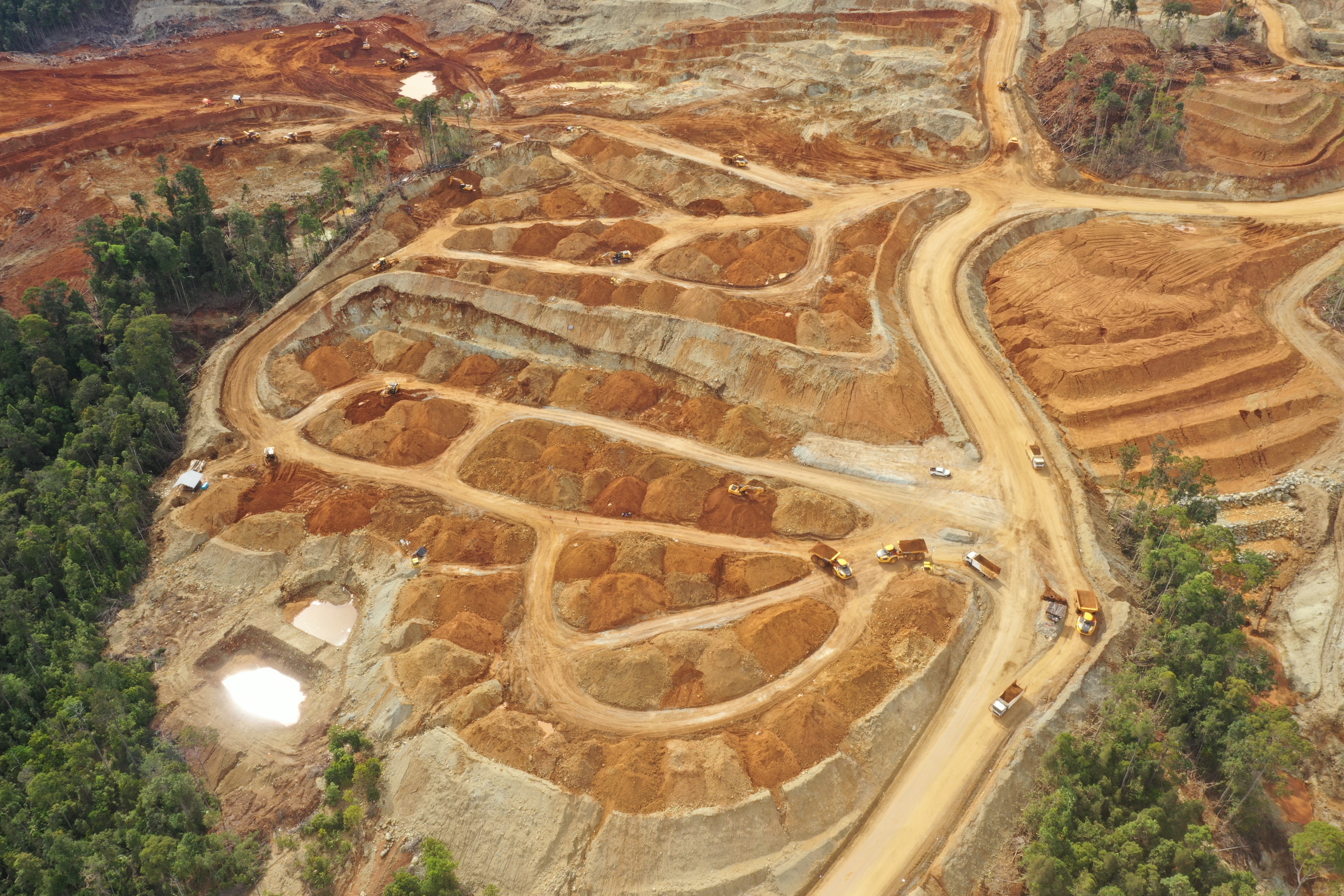
These initiatives are central to Indonesia’s future growth model. But without strong governance and integrity, they risk enabling corruption and mismanagement, undermining green industrialization efforts.
Mining Boom, Fragile Governance
The governance challenges facing Indonesia’s rapidly expanding nickel sector are already visible. Regions like Halmahera and Sulawesi have become epicenters of industrial development, with massive investments flowing into industrial zones such as the Indonesia Weda Bay Industrial Park (IWIP) and Indonesia Morowali Industrial Park (IMIP), leading to impressive macro-level growth rates. These investments, often linked to Chinese capital and domestic political elites, are central to Indonesia’s strategy to build an integrated EV supply chain.
But without effective governance mechanisms, the country risks replicating a dangerous pattern seen elsewhere: mineral extraction that benefits a politically connected few, while failing to deliver meaningful benefits for the broader population or mitigate socio-environmental harms.
Global experience points to several critical questions for Indonesian stakeholders:
- Is the regulatory framework sufficient to allow strong governance rules?
- Do local governments have the capacity—and the political will—to monitor mining permits, ensure revenue collection, enforce socio-environmental standards, or enable public accountability?
- Are oversight mechanisms enough to monitor operations and extraction outputs while identifying and penalizing those who violate the rules?
Danantara: High Hopes, Real Risks
Danantara, Indonesia’s newly established sovereign wealth fund (SWF) for development, could be a turning point. The fund aims to consolidate all revenues from SOEs—including banks, natural resources, telecommunications, energy—and invest them in long-term national priorities ranging from infrastructure to human capital and value addition of minerals (commonly referred to as “downstreaming” in Indonesia).
In theory, this is a bold and strategic move. If designed well, Danantara could protect resource wealth from short-term political pressures and turn it into a tool for intergenerational equity.
In order to deliver though, and based on the experiences of SWF in other countries—too often tainted by corruption scandals of huge magnitude such as 1MDB in Malaysia—Danantara must build the strongest governance structures. Lessons from other countries show the need for governments to be clear about:
- Who controls the fund?
- How are investment decisions made?
- What accountability mechanisms will prevent political capture?
Indonesia does not have a strong track record when it comes to public fund governance. Past scandals involving institutions such as Jiwasraya (a state-owned insurance company) and the Hajj Fund (Dana Haji) have shown how large pools of money can be siphoned off for private or political gain. If Danantara lacks transparency, public scrutiny or robust internal controls, it may fall into the same trap—failing to serve the people it is meant to benefit.
To avoid this, civil society must be empowered to monitor the fund. Watchdogs, academics, journalists, and local communities have a role to play. This means full transparency of the fund’s governance structures and rules (like its boards, which is a good starting point), revenues, disbursements and investments—and genuine participation in governance oversight.
Drivers of Reform
Amid broader challenges facing the country’s resource governance, international experience points to three broad steps that can help set the path forward, even if politically difficult.
1. Restore KPK’s resources and independence.
The Indonesian government and Parliament should reverse the weakening of its Corruption Eradication Commission (KPK). Over the past few years, the KPK’s powers have been eroded, undermining one institution that—despite its challenges—had one of the strongest track records of prosecuting corrupt actors, especially in the extractive sector.
Restoring the KPK’s independence and ensuring it is adequately resourced is essential. At the same time safeguards must be put in place to protect the institution from political interference. KPK should return to the blueprint of its formative years: independence and strong ties with civil society. These values were also central to the organization that inspired KPK—Hong Kong’s Independent Commission for Anti-Corruption (ICAC).
2. Improve transparency and traceability in the extractive sector. This includes requiring open contracting for all SOE transactions, implementing real-time disclosure tools, and mandating independent audits of procurement and revenues. The government should continue to strengthen the disclosure and verification of beneficial ownership data for companies operating in the mining sector, to ensure the public knows who controls the country’s mineral wealth and avoid favoritism and conflicts of interest. The adoption of Ministry of Law Regulation No.2/2025 on the verification of beneficial ownership data is a positive step, though challenges remain. Indonesia should also reinforce its commitment to the Extractive Industries Transparency Initiative (EITI), which provides a global standard for openness in resource governance and requires most of the disclosures suggested here. Regarding traceability, the government should continue to strengthen and expand its SIMBARA-initiated framework.
3. Ensure Danantara meets global best practices. The fund should align with the Santiago Principles for sovereign wealth funds, which emphasize accountability, transparency and prudent investment management. Independent oversight of fund investment and financial management is critical. Experience shows that multistakeholder oversight bodies—with seats for civil society, local communities, academia and the private sector—can play a crucial role in ensuring public accountability and legitimacy.
The Stakes Couldn’t Be Higher
The Pertamina case is not an isolated event—it is a warning. As Indonesia ushers in a new era of resource-led development, urgent action is needed to strengthen its governance systems. Without bold reforms, the country risks repeating past mistakes: corruption scandals, misused revenues, deepening inequality and irreversible environmental damage.
Critical minerals like nickel offer Indonesia an opportunity to boost national development and strengthen the country’s position in the global economy. But if governance fails, the benefits will be captured by a narrow elite while costs are borne by communities and ecosystems.
Danantara and Indonesia’s green economy have transformative potential. But only if they are built on a foundation of integrity, transparency and public accountability. Otherwise, they risk becoming yet another project rich in promise, yet poor in justice.
Why pause in U.S. anti-corruption enforcement will hurt mining firms, not help them

This Reuters article was originally posted on their website.
Corruption doesn’t level the playing field, it rigs it. It substitutes ethical practice for undeserved advantage, rewarding the unscrupulous over the responsible. Nowhere are the stakes higher than in the mining industry, with its inherent connections to people and the land and its significant potential for wealth and benefit generation, or conversely, for harm.
That is why the White House’s recent decision to pause enforcement of the Foreign Corrupt Practices Act (FCPA) is so concerning. The act bans the bribing of foreign officials to obtain or retain business and applies to companies and individuals worldwide, not just in the U.S.
Its jurisdiction extends to firms whose only link to the United States is a bank account; companies headquartered in Europe and Asia have paid six of the top 10 biggest-ever penalties in FCPA cases. It is legislation that has actively deterred corruption on a global scale, supporting big-ticket prosecutions in countries as diverse as Switzerland, Nigeria and Brazil. Petrobras, for example, the Brazilian state-run oil company, agreed to pay a combined total of $853.2 million in penalties in 2018.
The stated goal of helping American companies “gain strategic business advantage … in critical minerals” by pausing FCPA actions could instead add major costs for mining companies.
Alongside the ethical practices that are supported by internal controls, the FCPA is another reason mining companies can point to for refusing demands to pay bribes.
Now that this tool has been weakened, mining firms could become easier targets for bribery demands – perhaps even more so than firms from other countries, where anti-bribery laws still act as a deterrent.
Consistent application of strong anti-corruption practices is an important guard against irresponsible behaviour in the increasingly fierce competition for resources in low- and middle-income countries.
Levelling the playing field to the lowest standard of practice isn’t an efficiency hack. Decades of research on bribery show it does not help governments or companies dominate markets or win more deals. Instead, it’s a destabilising force that drives up costs, slows down production, delays projects and wreaks havoc with employee and community relations.
Recent analysis of mining sector trends by the Natural Resource Governance Institute (NRGI) indicates that in case after case, the fruits of foreign bribery have been chaos, surprise costs and delays due to lawsuits and arbitrations, political infighting, community protests and worker strikes. These battles have kept mines closed for years, even decades. Elsewhere, when unqualified companies won mining rights through political corruption, the hard work of extraction simply never started.
Any initial “advantage” from corruption can also backfire over time. Mining firms that resort to bribes can be sent packing when controversy erupts or the host government changes hands. A high-profile case in West Africa saw a company stripped of its mining rights after a new government uncovered evidence of bribery, triggering years of legal disputes and leaving one of the world’s richest untapped deposits in limbo.
The implication is clear: in the race for critical minerals, and the clean energy future they support, bribery is not a guaranteed foot on the accelerator. Often, it’s the brakes.
But the true cost of corruption isn’t counted in dollars or deals; it’s the impact on people and the planet. Bad actors have used corruption to pave the way for polluted water supplies in Guinea and Spain, deforestation in Indonesia, illegal logging in the Amazon, the destruction of coral reefs in the Solomons and child labour in Zimbabwe.
To pretend that this is the necessary cost of doing business is wrong. These tragedies cannot be dismissed – and responsible mining companies do not treat them as collateral damage in pursuit of corporate advantage.
Trust, built through transparency and accountability, is what will give mining companies the foundation to operate responsibly, engage fairly with host governments and earn social license from local communities.
Members of the International Council on Mining and Metals (ICMM) – an association of the world’s leading mining companies – understand this. That’s why they are committed to stringent governance, anti-corruption and transparency standards. Not just because it is the right thing to do, but because it makes business sense, too. That must endure far beyond political or economic cycles.
Mining and Energy Reforms: Strategic Priorities for Ghana Under President Mahama's Government

As President John Mahama begins his second term as Ghana’s leader under the Fourth Republic, the context of his leadership is markedly different from his first tenure between 2013 and 2017. During that period, discussions around the energy transition and renewable energy were still emerging. Today, the urgency of transitioning to cleaner energy sources has become a global priority, with profound implications for resource-rich countries like Ghana. President Mahama returns to office at a critical time for the extractive sector, which is rapidly evolving.
The past few years have been turbulent for Ghana’s upstream petroleum activities. The Minister of Energy terminated four petroleum contracts in 2021 for failing to meet minimum work obligations. Additionally, several oil blocks have been relinquished since 2019 and Ghana’s oil production has declined since 2020. In contrast, the mining sector has shown promising growth. Gold production reached 4 million ounces in 2023, an impressive 8.3 percent increase from the previous year. Bauxite and diamond production have also surged, increasing by 24.1 percent and 146.5 percent respectively, between 2022 and 2023, reflecting the sector's potential to contribute meaningfully to Ghana’s economy.
Addressing the mining sector’s changing dynamics will require strategic planning and active engagement from all stakeholders. In his new term, President Mahama must implement the following recommendations to revitalize the extractive sector for the benefit of all Ghanaians.
Prioritize transition minerals governance
The global energy transition is creating a burgeoning demand for transition minerals. Ghana is richly endowed with transition minerals such as lithium, bauxite and graphite. However, outdated legislative and regulatory frameworks are hindering the country’s ability to capitalize on this opportunity.
The Minerals Commission must expedite the ongoing review of the 2014 Mining Policy and the Minerals and Mining Act. These revisions will pave the way for the resubmission of the lithium and bauxite contracts—previously under consideration in the recently dissolved Parliament—for parliamentary ratification. The revisions are also critical to establishing a more progressive fiscal regime that emphasizes community consultations and adherence to rigorous environmental and social standards for the transition minerals.
Consolidate energy transition targets and leverage domestic financing
Ghana’s Energy Transition Framework, launched at COP27 and subsequently an Energy Transition Investment Plan during the UN General Assembly, aims to meet its net zero commitments by 2060 instead of the initial 2070 target. Realizing this vision requires approximately USD550 billion in investment, primarily from the capital market. Given Ghana’s high debt situation, the government must adopt a strategic approach to position the country as an attractive investment destination for foreign investment.
President Mahama must repurpose extractive revenues from petroleum through the annual budget prioritization, and mineral revenues through the Mineral Income Investment Fund, to stimulate domestic investment in the transition. These efforts should include downstream transition minerals beneficiation with adequate accountability provisions while consolidating the Transition Framework and the Investment Plan to create a cohesive and effective policy direction.
Enhance good governance and transparency
Corruption continues to undermine the realization of benefits from the extractive sector through opaque contracting, ineffective cost monitoring and tax evasion, and revenue leakages. Tackling corruption in the extractives sector requires decisive action. The government must strengthen anti-corruption institutions, appoint non-politically exposed persons to sensitive State-Owned Enterprises in the extractive sector, and enforce accountability measures. Revisiting competitive licensing and procurement in the petroleum sector is essential. Additionally, taking steps to introduce competition and transparent contracting practices in the mining sector will foster greater public trust and maximize the sector's potential.
Reevaluate gas ambitions with a focus on long-term sustainability
Ghana’s reliance on natural gas as the main fuel for power has grown substantially since 2020. The government expects to spend USD1.22 billion on natural gas in 2025, a sharp rise from USD455.8 million in 2019. The Energy Transition Framework also identifies natural gas as a transition fuel. However, several challenges have limited the country's ability to maximize value from the sector, including huge energy sector indebtedness, inadequate gas processing capacity and high financing costs, particularly for infrastructure.
Barely 48 hours after the President took office, a gas supply crisis looms. Imminent maintenance on the West Africa Gas Pipeline and Jubilee facilities will create supply deficits of up to 50 million standard cubic feet per day by March 2025. Planned shutdowns of the ENI gas facilities in September and November 2025 will further deepen the crisis, with gas shortages potentially reaching 102 MMscfd.
Public discourse has centered on addressing the short-term power crisis, often overlooking the sector’s long-term sustainability. There is a need for comprehensive reforms to address systemic inefficiencies to ensure sustainability. The President Mahama-led government should review the gas masterplan to align gas ambitions with realistic goals and improve transparency of gas contracts. They must consider the risks of locking Ghana into a gas-for-electricity system with associated challenges, especially as renewable energy costs are decreasing. The government must guard against unbridled LNG contracts, which could worsen cashflow issues and increase electricity prices.
Improve institutional coordination in the energy sector
There is an urgent need for institutional strengthening and realignment within the petroleum and power sector to improve efficiency and coordination, reduce bureaucracy and conflict, and preserve the public purse. The objectives of these reforms should be clearly defined in consultation with various stakeholders, including worker unions, civil society and citizens.
As the new government takes charge, the extractive sector must be central to Ghana’s development strategy. With decisive leadership and strategic foresight, Ghana can maximize its resource wealth, ensuring it catalyzes economic prosperity and resilience for generations to come.
Scoping Study on Extractive Sector State Owned Enterprise Disclosures in Mongolia

Mongolia’s state-owned mining enterprises are crucial to the economy but face transparency and governance issues. This scoping study examines the need for improved disclosures and stronger accountability in the sector.
This report presents the scoping study on the disclosures of Mongolia’s state-owned mining enterprises, conducted by the Natural Resource Governance Institute (NRGI). The study was supported and funded by the Extractive Industries Transparency Initiative (EITI) International Secretariat and the European Bank for Reconstruction and Development (EBRD).
Mongolia's extractive sector is significant for its economy, contributing 31.6 percent of government revenue, 92 percent of export earnings, and 28.2 percent of GDP. A variety of companies operate in the sector, with state-owned enterprises (SOEs) playing key roles in the exploration, extraction, and management of mineral resources. Erdenes Mongol LLC is the biggest player, acting as a holding company. For instance, it holds stakes in the Oyu Tolgoi copper mine (34 percent ownership), Tavan Tolgoi coal mine (65 percent), Shivee-Ovoo coal mine (90 percent) and Baganuur coal mine (75 percent), as well as Erdenet Copper Mine and projects managed by Mongolrostsvetmet. These are all projects exploiting deposits that are defined as “strategic”, meaning that the equity holding in these projects is prescribed by legislation. Erdenes Mongol also has stakes in gold, silver, and uranium exploration and operation companies.
Despite playing a key role in Mongolia’s economy, state-owned enterprises (SOEs) in the mining sector face challenges related to governance and transparency. This is evident in the NRGI’s Resource Governance Index (RGI) scores, where Erdenes Mongol is among the “poor” performers due to its lack of transparency in financial transactions and production. The EITI validation report highlights a need for more comprehensive disclosure on Mongolia's SOEs in the extractive sector. This includes financial relations, spending practices, and corporate governance. In addition, mining SOEs have been marred by high-profile corruption and bribery cases over the years. The CEO of Erdenes Mongol, for example, admitted to taking bribes, leading to his dismissal, and most recently a former CEO of Erdenes Tavan Tolgoi, the key coal exporter and a subsidiary of Erdenes Mongol, was convicted of abuse of power. In December 2023, the State Great Hural, or the parliament of Mongolia, held public hearings on the so-called ‘coal theft’ scandal which revealed significant problems associated with SOE coal sales, transportation and tax payment irregularities or outright squandering of public assets. For instance, hearing witnesses testified that a significant number of trucks crossed the border empty, raising concerns that this was a scheme to evade royalty and tax payments. Under these circumstances, the importance of transparency and public scrutiny of SOEs is unquestionable.
The EITI, being a leading initiative to promote good governance in the extractive sector, has long recognized that transparency of SOEs is a crucial element of transparency and good governance in mineral resources. Its 2010 EITI Rules, for instance, emphasized the need for the EITI reports to include all companies including SOEs, and to specifically disclose SOE production in addition to the requirements for all companies. Since then, the Rules evolved into a global standard, and its latest edition, the 2023 EITI Standard, includes many more detailed requirements and expectations on SOE transparency and state participation. Specifically, the Standard states the objectives of EITI in terms of disclosures related to the state participation, defines the scope of the term SOE, and provides a list of specific information that is required, encouraged, or expected to be disclosed under the national EITI reports that are disclosure requirements for all companies. Given that the latest version of the standard was adopted in 2023, countries including Mongolia need to revisit their own documents and plans to ensure that the national EITI reports meet the standard in full, including in terms of disclosure requirements for SOEs.
While EITI is one of the leading initiatives driving reforms and increased disclosures in Mongolia, other initiatives and developments led by the government also contribute to the increased disclosures and strengthening of the transparency of SOEs. For instance, Mongolia is a member of the Open Government Partnership, under which the government pledged to improve the transparency of SOEs. Also noteworthy are the Public Information Transparency Law and Glass Accounts Law. The former details specific information that the government and SOEs are required to disclose to the public, and the latter builds an integrated framework for public reporting of budget entities and SOEs. For example, Glass Accounts contains information on disclosures of individual financial transactions by SOEs, which has led to disclosure of information with granularity that allows all stakeholders to analyze the state of financial affairs at SOEs at an unprecedented level. Another important player that contributes to good governance and transparency of SOEs is the Independent Agency Against Corruption (IAAC). The IAAC leads the implementation of the National Anti-Corruption Program which aims to limit political interference at SOEs, streamlining procurements processes, enhancing transparency and disclosures, and improving clarity of objectives and policies such as dividend policies.
However, many of these initiatives are not comprehensive in addressing extractive sector governance challenges, and coordination among these initiatives is weak. In that light, EITI remains a key process in the sector with its enhanced global standard, functioning processes, and involved stakeholders. As such, this report will inform EITI stakeholders with the aim of taking the EITI in Mongolia to the next level, focusing on one of the key areas of sector governance, namely SOE disclosures and reporting.
Fostering Gender-Just Energy Transitions in Mineral- and Fossil Fuel-Producing Countries

Questions explored in this primer
- Why does gender matter for resource governance?
- What are the main challenges and opportunities for gender equality in the energy transition?
- How can stakeholders best promote a gender-just transition?
As the world turns toward a sustainable energy future, humanity stands at a crossroads: will the energy transition bridge existing divides—such as income inequality, gender disparities, and economic imbalances between nations—or will it deepen the disparities that already separate us? Addressing gender equality is a crucial piece of the puzzle. Ensuring that women, men, and people with diverse identities can shape and benefit from this shift is essential to achieving a truly just and inclusive transition.
In 2020, the Natural Resource Governance Institute (NRGI) and partner organizations proposed a Feminist Natural Resource Governance Agenda for a Just Transition. In 2021, in partnership with the World Resources Institute (WRI), we produced an initial primer about the importance of gender-transformative policy reforms. The current primer builds on the first, diving deeper into why gender matters to natural resource governance in the context of the energy transition. It highlights the often-overlooked ways in which gender dynamics could influence—and be influenced by—how the transition is managed. From gender mainstreaming to equity and equality, we explore the concepts that can turn the energy transition from a risk to gender equality into an opportunity for all.
Energy policies have long been blind to gender, often neglecting the distinct needs, challenges, and contributions of different groups. But a different narrative is needed—one in which gender is not an afterthought, but a driving force for fair and effective energy governance. By embedding gender perspectives into every policy at every stage, the global community can transform the energy transition into a powerful engine for social justice and economic empowerment.
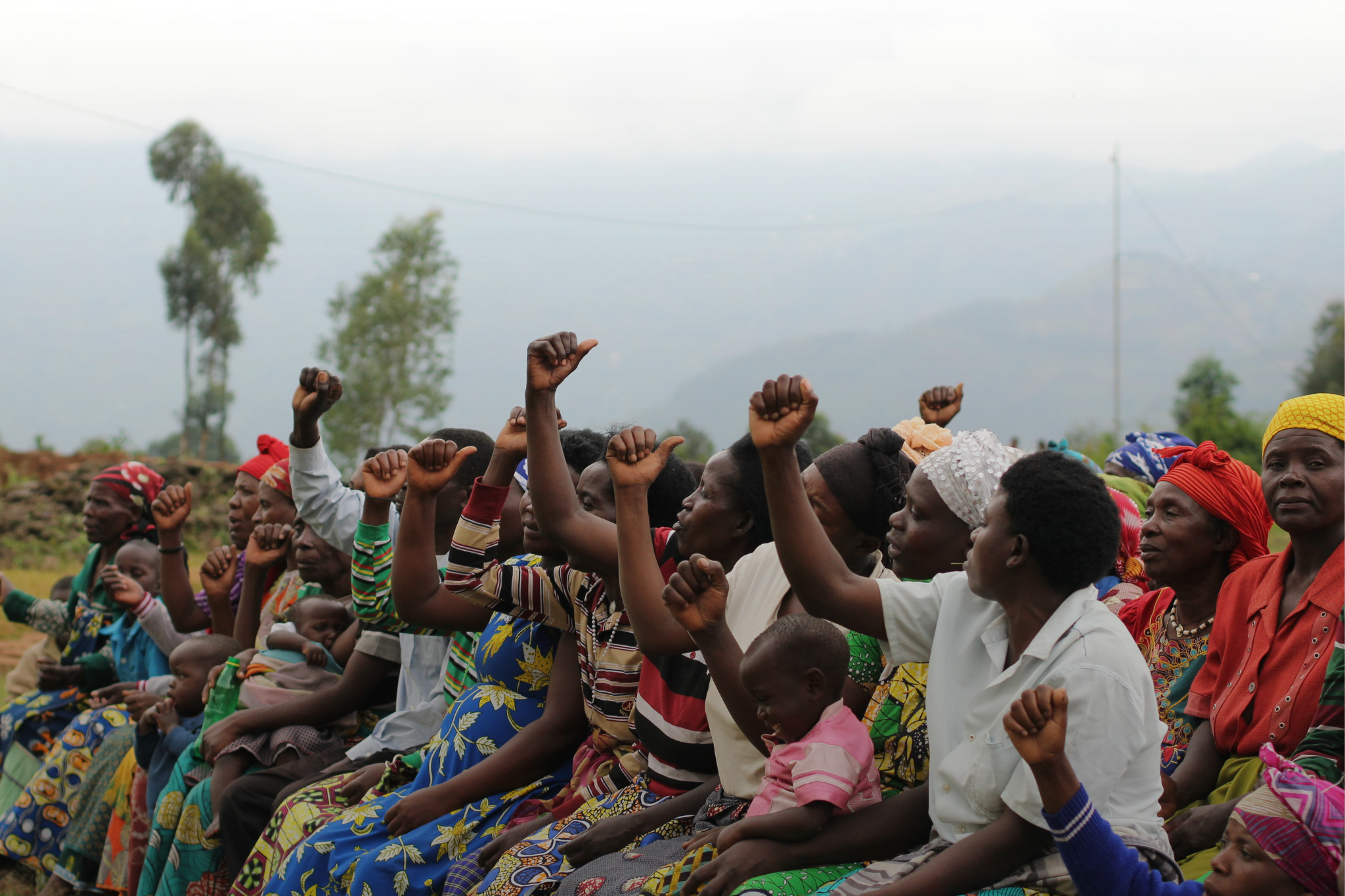
Gender equality in the context of the extractive sectors and natural resource-rich countries refers to the equal rights, responsibilities, and opportunities of women, men, and youth within these industries and regions, irrespective of their gender. Promoting gender equality in extractive contexts should ensure that all individuals can equally benefit from and contribute to the development and management of natural resources. However, in this document, we focus our analysis on the role that women—particularly within vulnerable communities—can play in ensuring a just transition.
This primer offers an overview of the challenges that stakeholders must overcome to make this vision a reality. It also proposes general recommendations for a gender-just transition. Whether you are a policymaker, a practitioner, a member of an affected community, or simply someone committed to a better future, we invite you to join us in ensuring that the energy transition does not leave anyone behind.
Responsible Exit Principles for Oil and Gas Companies

Asset transfers in the oil and gas industry are not new. Yet, as the energy transition accelerates, there is a growing risk that oil and gas companies sell assets in response to pressures to decarbonize. However, transferring assets to operators with lower standards can lead to higher emissions and increased risks. This briefing offers a framework to guide these transactions and ensure that environmental and operational integrity is upheld.
Designed for use by a range of stakeholders, these principles set out best practices to help companies manage financial, legal, environmental and reputational risks during asset transfers. They were developed with input from representatives of the oil and gas industry; investors, the financial, legal and accounting professions; the insurance industry; standard-setting bodies; academia; and civil society. All stakeholders can adopt and refine these standards to support a responsible, low-emissions future and harmonize regulatory practices across the industry.
These principles are relevant to:
- Buyers and sellers (public/state-owned/private) of upstream oil and gas assets to manage financial, environmental, legal and reputational risks.
- Financial institutions who can refer to these principles when determining whether and under what conditions to lend to, invest in, underwrite, advise or insure a company in the oil and gas sector
- Professional advisors (legal counsel, who can refer to these principles when drawing up contracts of sale; external auditors, who can assess the quality of optional disclosures in the notes to the financial statements and narrative disclosure; and consultants, who can weigh up the implications of these principles when advising on strategic priorities, including using M&A as a tool to accelerate business model transformation)
- Governments and financial regulators, who can use these principles to consider how best to regulate both decommissioning activities and asset transfers within their jurisdictions, including the impact such transfers may have on nationally determined contributions (NDCs), and the implications for fiscal policy.
- Host communities, civil society and other accountability actors who can monitor the terms and implementation of asset transfers to hold sellers and buyers accountable for their compliance (or non-compliance) with these principles, including as part of broader just transition considerations.
Related NRGI team members:

Nicola Woodroffe
Legal Analysis Lead

Erica Westenberg
Governance Programs Director
Responsible Change: How Governments Can Address Environmental, Social and Governance Challenges When Petroleum Assets Change Hands

-
As the world moves toward a future beyond oil and gas, petroleum assets will change hands, with different kinds of companies replacing others.
-
Since 2014, around USD 88 billion in assets have moved from publicly listed to private companies. The roles of sub-Saharan African and Latin American companies in their home countries have expanded.
-
Globally, the role of national oil companies (NOCs) is growing. NOCs have acquired around $24 billion in assets from non-NOCs since 2014.
-
The growing role of private and local companies and NOCs potentially gives producer countries greater control over their petroleum sectors, including the pace of an eventual phaseout.
-
However, these companies often have less capacity and fewer transparency, environmental, social and governance commitments than publicly listed international companies. This increases the risk that these companies’ operations will negatively impact the environment and communities, and that they will be unable to pay for decommissioning when production ends.
-
Many assets that sub-Saharan African and Latin American NOCs have acquired appear vulnerable to energy transition risks.
-
Governments should exercise approval rights over asset transfers to ensure buyers have requisite capacity to operate with high standards. They should ensure transparency to allow host communities and the public to better understand transfer impacts and how the government and/or companies will manage them, and strengthen regulations to address key issues arising from transfers including emissions management and reporting, and decommissioning funding.
-
Governments should require NOCs to make adequate disclosures about their acquisitions to ensure NOCs manage risks to the public purse.
As the world journeys towards a future beyond oil and gas, oil and gas assets will continue to change hands, with different kinds of companies filling the gap left behind by others.
There is growing concern that, as international oil companies (IOCs) face pressure to reduce emissions, they are selling upstream petroleum assets, in part, to shift emissions off their books and ostensibly achieve their decarbonization goals. On balance and at a global level, assets are moving from publicly listed to private companies and from companies with higher environmental commitments to those with weaker commitments. The result, according to some evidence, is that these sales do not simply transfer emissions to new parties but may increase them.
At the same time, some national oil companies (NOCs) seek to acquire assets left behind by the departure of IOCs to avoid production decline and ensure domestic energy supply.
This briefing shows how asset transfer trends may differ by region and country, and therefore present different risks and raise different policy considerations for producer country governments. It focuses on the Global South countries and regions in which the Natural Resource Governance Institute (NRGI) works.
NRGI analyzed upstream petroleum asset transfers from 2014 to the first half of 2023, using Rystad data to identify trends globally, at the sub-Saharan African and Latin American regional level, and in NRGI’s countries of focus.
This analysis shows that petroleum assets worldwide have moved primarily from publicly listed to private companies during the period studied. Since the start of 2014, around USD 88 billion in assets have moved from publicly listed to private companies. Both sub-Saharan Africa and Latin America have seen net divestment by publicly listed companies. In sub-Saharan Africa, there has been a transfer of around $23 billion in assets from publicly listed to private companies since the start of 2014, while in Latin America, around $11 billion in assets has moved from publicly listed to private companies.
Evolution of Mining Industry Taxation Toward a Bold New Future for African Mining (Mining Indaba)
Insiders Stage, Cape Town International Conference Centre
This AMLA platform is a tool that African governments and legislative drafters may utilise in developing legislation, or which may serve as an educational device for parliamentarians, mining sector regulatory bodies, and civil society to better understand some of the possible legal solutions or systems for regulating the mining sector. The AMLA Guiding Template represents an enhanced starting point for its users by providing a clear and practical foundation on which they can thoroughly consider topical issues supported by sample drafting language as they develop, modify, or simply assess mining legislative frameworks that fit each country's unique context. The various toolkits developed to complement the AMLA platform and the Guiding Template provide enhanced analyses, references, and practical guidance on addressing specific mining legal issues.
This session will include a presentation of AMLA’s activities over the years, a presentation on previous toolkits and introduction of the Mineral Taxation Toolkit, and an expert panel session, featuing NRGI's Thomas Scurfield, addressing:
• impacts of mining fiscal policy approaches in Africa
• tax avoidance and the OECD BEPS initiative
• incentives regimes
• tax administration
• proposals for reform to maximize benefits
Featuring NRGI's

Thomas Scurfield
Senior Economic Analyst