
Gas in Mexico: Risks and Alternatives for a Sustainable Energy Model

Key Messages
- Mexico is critically dependent on imported gas for its energy system.
- More than 70 % of the gas consumed nationally comes from the United States, primarily through pipelines from Texas, creating vulnerabilities and exposing Mexico to significant risks.
- For years, energy policy has been based on three assumptions that require urgent review: 1) that Mexico will have sustained access to an abundant and reliable gas supply; 2) that U.S. gas prices will remain low and stable; and 3) that gas use does not compromise Mexico’s climate and energy transition goals.
- In an increasingly dynamic and uncertain context, growing dependence on gas—especially imported gas—increases the country’s exposure to emerging risks such as potential supply disruptions, price volatility, geopolitical realignments, rising methane emissions, and possible stranded assets.
- Without strategic management of these risks, the consequences for Mexico’s energy security and sustainability could be severe. It is urgent to analyze these risks and assess whether the current gas strategy is compatible with the country’s energy transition and climate objectives.
- This document offers a realistic perspective that acknowledges gas’ contributions but also identifies limits and conditions for its future use, proposing key questions to guide the debate.
The growing Mexican dependence on gas, particularly that originating from the United States, today represents one of the most pressing challenges to the country’s energy security.
Gas supplies most of the electricity generation and is an essential input for industry and Pemex. This centrality has been built on a growing dependence on imports from the United States. The deepening of this dependence has exacerbated the country’s energy vulnerabilities, making it more susceptible to adverse conditions.
This discussion paper examines the assumptions that have guided energy policy around gas in light of emerging risks in an increasingly dynamic and uncertain context. The risks identified are grouped into three main categories: supply risks, economic risks, and environmental and climate risks.
This analysis seeks to contribute to a more informed and realistic debate on the role of gas in Mexico, helping to move beyond the polarized positions that currently prevail. It offers a pragmatic, evidence-based approach that recognizes the complexities of today’s energy system while also identifying the limits and conditions for the future use of gas.
To advance in this direction, four key priorities are identified:
- Adopt a comprehensive risk assessment framework for gas.
- Advance an orderly and coherent energy transition that harmonizes the role of gas with renewable energies
- Develop a gas demand management policy.
- Strengthen capacities for measuring, monitoring, reporting, and verifying methane emissions.
Mexico has the legal framework, technical capacities, and institutional tools necessary to reduce its structural dependence on gas and mitigate the risks that derive from it. Strategically leveraging these capacities will be essential to ensure a reliable, affordable, and sustainable energy supply in the coming decades.
MINDEX: A Deeper Look at the Extractive Wealth of Nations

Sigmund Freud wrote that “it is impossible to escape the impression that people commonly use false standards of measurement.” The case of natural resource wealth measurements is no exception, as these estimations have been plagued by biases, statistical misconceptions and a misleading tendency to lump very different countries together as “resource-rich.”
Improving how we conceptualize, and measure, resource wealth and dependence is central to helping countries decide what role resources should play in their development. Better measurements will also help countries to navigate the global transition toward cleaner energy, which poses threats to some resource producers and creates opportunities for others.
This need led to the recent creation of the Multidimensional Indicator of Extractives-based Development (MINDEX), which provides a new and improved approach to measuring resource wealth and dependence. The MINDEX:
- Distinguishes between resource dependence (i.e., what proportion of key economic indicators comes from the resource sector) and resource (i.e., how rich a country is in natural resources per capita).
- Provides a framework for analyzing six different variables of resource wealth and dependence together, leading to a number of “case scenarios” that describe the role of resources in a country’s economy and the challenges that it may be facing to make the most of them.
- Differentiates between extractive resources, which allows us to see how policy challenges can vary from one extractive commodity to another.
In this post, we draw key lessons from a recent collaboration through which we’ve applied the MINDEX methodology to build profiles for six pilot countries (Algeria, Chile, Colombia, Democratic Republic of the Congo, Mongolia and Nigeria) that shed light on the varying dynamics and challenges countries face in managing their natural resources. (Access the profiles here.)
Challenges of acute mono-resource dependence: Nigeria
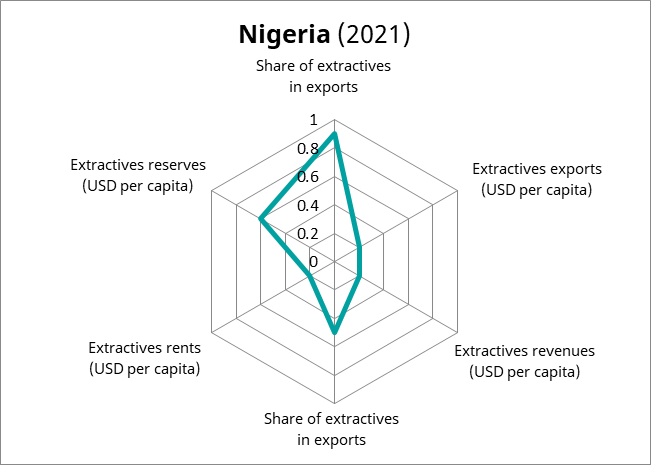
Nigeria ranks as the world’s 12th largest producer of oil and holds the largest natural gas reserves in Africa. Though the country also holds reserves of a variety of minerals (especially iron ore), the mining sector remains nascent, with insignificant contributions to the country’s export basket and fiscal revenues. As of 2021, Nigeria displayed a heavy dependence on oil and gas, but with relatively modest resource production per person, given the country’s large population. As can be seen in the figure below, in per capita terms, Nigeria has low extractive resource production (as approximated by rents), exports, revenues and reserves, but nevertheless a high share of extractives in total exports. Nigeria therefore should shift its focus from simply diversifying within the oil and gas sector to broadening its overall economic landscape. With a large and rapidly increasing population, relying solely on linkage development around oil and gas on e.g., processing oil and gas in-country may not meet diversification needs.
Unlike countries that are dependent on a variety of extractive resources, Nigeria’s over-reliance on oil and gas also exposes the country to severe risks related to the energy transition. Nigeria ranks 3rd globally for the highest carbon intensity in gas production and 22nd for oil. As carbon taxes rise, and consuming firms and investors increasingly prefer oil and gas that was produced with fewer emissions, Nigeria’s dependence on its relatively dirty oil and gas sector puts it in a challenging spot, underscoring the urgency with which government officials and other stakeholders should rethink its resource strategy.
Lessons multi-resource abundance: Colombia and Mongolia
The challenges of resource-based development can be very different across extractive sectors even within the same country. It can therefore be helpful to look at how a country’s resource wealth is divided between different extractive commodities. The cases of Colombia and Mongolia are informative in this regard.
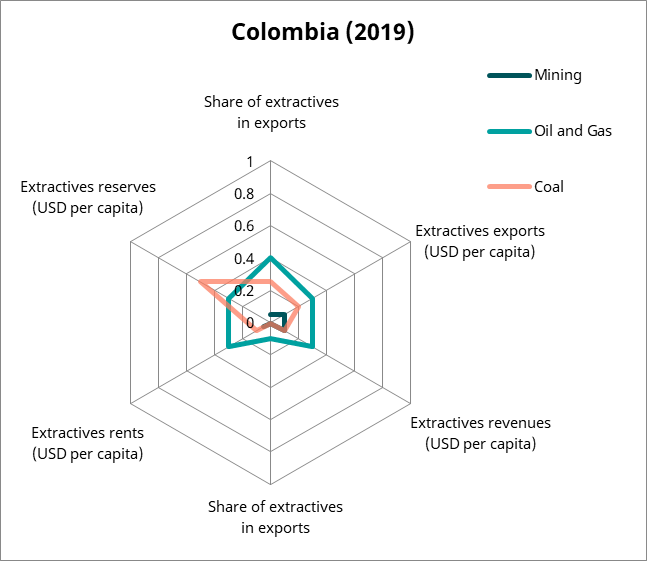
Though Colombia holds and extracts minerals (such as ferronickel and gold), fossil fuels make up the bulk of the country’s extractive resource wealth, with coal reserves estimated to be more valuable (at current prices) than its oil and gas reserves (though coal currently provides a much lower contribution to fiscal revenues and the export basket). Coal is most at risk of becoming a “stranded asset” (i.e., it is no longer commercially viable to produce it), followed by oil. So even though Colombia’s extractive resources are diversified between oil, gas and mining, most of its resource wealth will be threatened by the energy transition to green technologies. This is all the more important because some regions of Colombia depend heavily on coal.
Mongolia is endowed with a variety of extractive reserves, particularly gold, copper, coal and iron ore. Among these, coal is most at risk of becoming a stranded asset due to the energy transition.
Although the graphic below shows that Mongolia’s fossil fuel exports were slightly higher than mining exports (in 2018), the country’s MINDEX scores reveal that the broader economic weight and potential of the non-coal mining sector exceeds that of the country’s fossil fuel industry. Furthermore, Mongolia’s mineral reserves (not including coal) are considerably more valuable than the country’s fossil fuel reserves. In the future, the non-coal mining sector to will likely overtake fossil fuels as a main source of exports, especially as demand for coal declines with the energy transition.
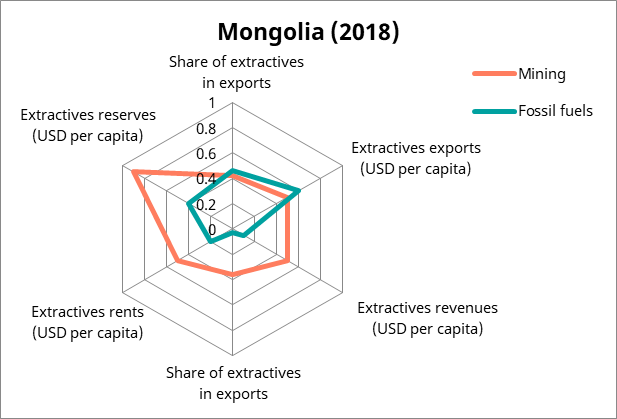
NB: in this figure, coal is classified as a fossil fuel rather than part of the mining sector.
Assessing policy changes amid evolving resource dynamics: Democratic Republic of the Congo
The DRC’s economy is highly dependent on the extractive sector. Extractives account for as much as 99 percent of the country’s exports in some years. Time analysis of the DRC’s MINDEX scores suggest that more resource revenues accrued to the government of DRC in 2014 than in 2010. This could be explained by the efforts from government to encourage more investment in mining, notably through a mining code revision process that began in 2012. However, resource production remains extremely low in comparison to the value of extractive reserves and the level of export dependency on extractives, suggesting that extraction capacity may be limited, or that there could be smuggling of extracted commodities.
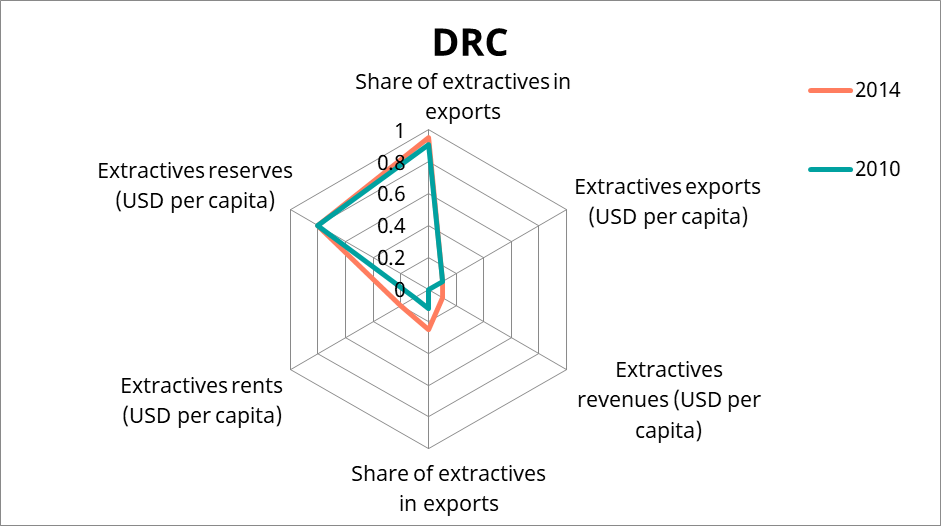
In conclusion, examining the different dimensions of extractives dependency can help us to understand the challenges facing resource-producing countries, and how to address them. The country profiles mentioned above present these kinds of insights, as well as a template for analyzing a country’s resource dependence.
For further information about the MINDEX, consult this published study.
Measuring Extractives Dependency: Why it Matters and New Approaches

These include:
- The volatility of natural resource commodity prices, which can cause shocks that are difficult for the country to manage
- The exhaustibility of natural resources and the challenges of replacing them as a source of income when they run out
- The political economy of governments relying on natural resources, which seems to make governments less effective (e.g., if they rely on resource wealth to fund themselves rather than developing other sectors of the economy)
To address resource dependency, we need to be able to measure it. With this in mind, NRGI has produced a new dataset that builds on existing literature to provide a broad range of indicators of dependency on the extractive industries. This dataset is primarily for internal use by NRGI colleagues, but is also freely available to interested researchers.
The aim of this dataset is to support a more multidimensional approach to understanding resource dependency, its causes and consequences. The related briefing explains the rationale behind the dataset and its various indicators, and some includes some initial insights based on analysis of the data.
Nigeria’s Next Government Must Lead an Inclusive, Cohesive and Sustainable Energy Transition

In a bid to avert the global climate crisis, countries are shifting toward cleaner energy systems. This presents a challenge to African countries like Nigeria that rely on dirtier fuels for both export revenue and domestic energy to drive their economies. But it is also an opportunity for Nigeria to transition its own energy system to improve energy access, reduce oil- and gas-related pollution, and develop industries to supply this transition.
The government’s Energy Transition Plan (ETP) is a pivotal step in responding to this challenge and opportunity. It comes at a huge cost—$1.9 trillion—and requires major social and economic changes. As citizens vote this weekend, it is essential that they have a better understanding of and a greater say in the country’s energy transition plan—even though none of the major candidates have even referenced the transition plan. This is a grave omission.
The plan prioritizes decarbonizing five sectors—power generation, oil and gas extraction, cooking, industry, and transport—and positions gas as the main fuel for electricity generation. However, it omits details on how to achieve its priorities. It aspires to drive economic growth but does not account for the risk the global energy transition presents for Nigeria’s oil sales and the loss of federal and state government revenues to fund this growth. It seeks to bring electricity to the 43 percent of Nigerian homes in darkness but does not provide a holistic framework for addressing long-standing domestic energy sector finance and infrastructure challenges. It aims to reduce poverty by creating jobs and increasing energy access but does not specify how the technological, financial and human resource gaps will be filled.
Prior to the COP27 climate conference, Victoria Ibezim-Ohaeri from Spaces for Change spoke to NRGI about the need to learn from past lessons.
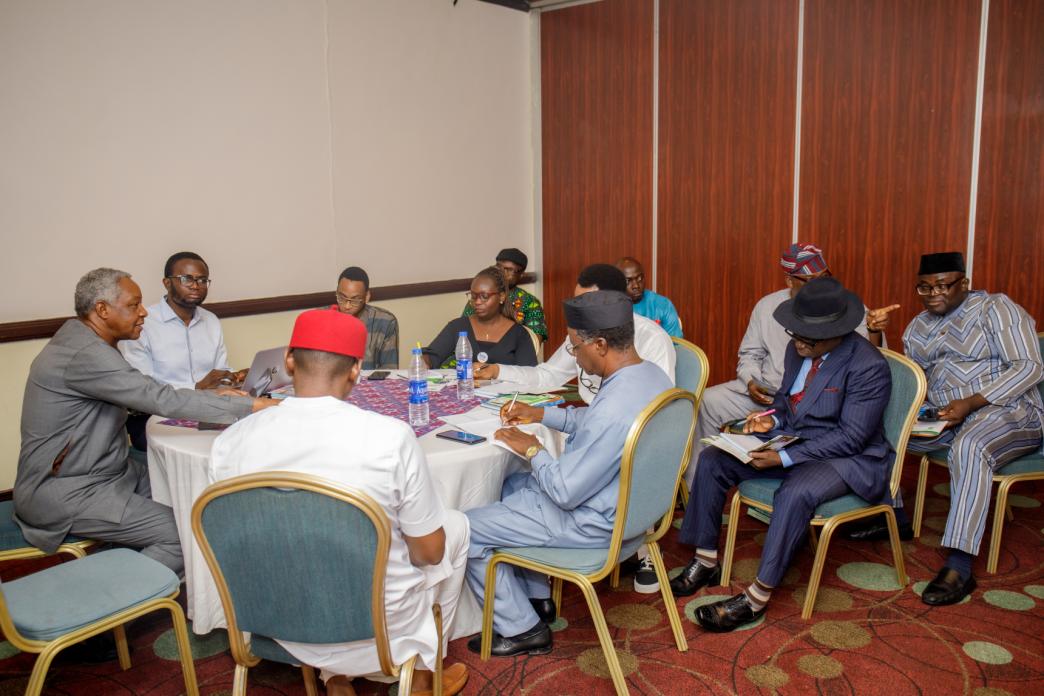
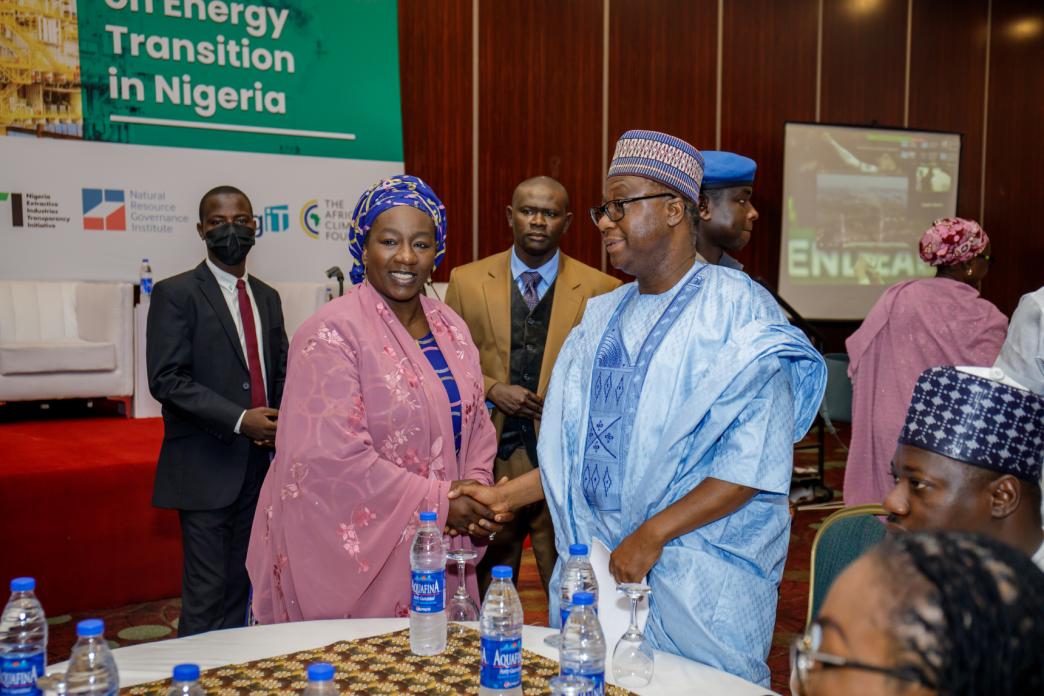
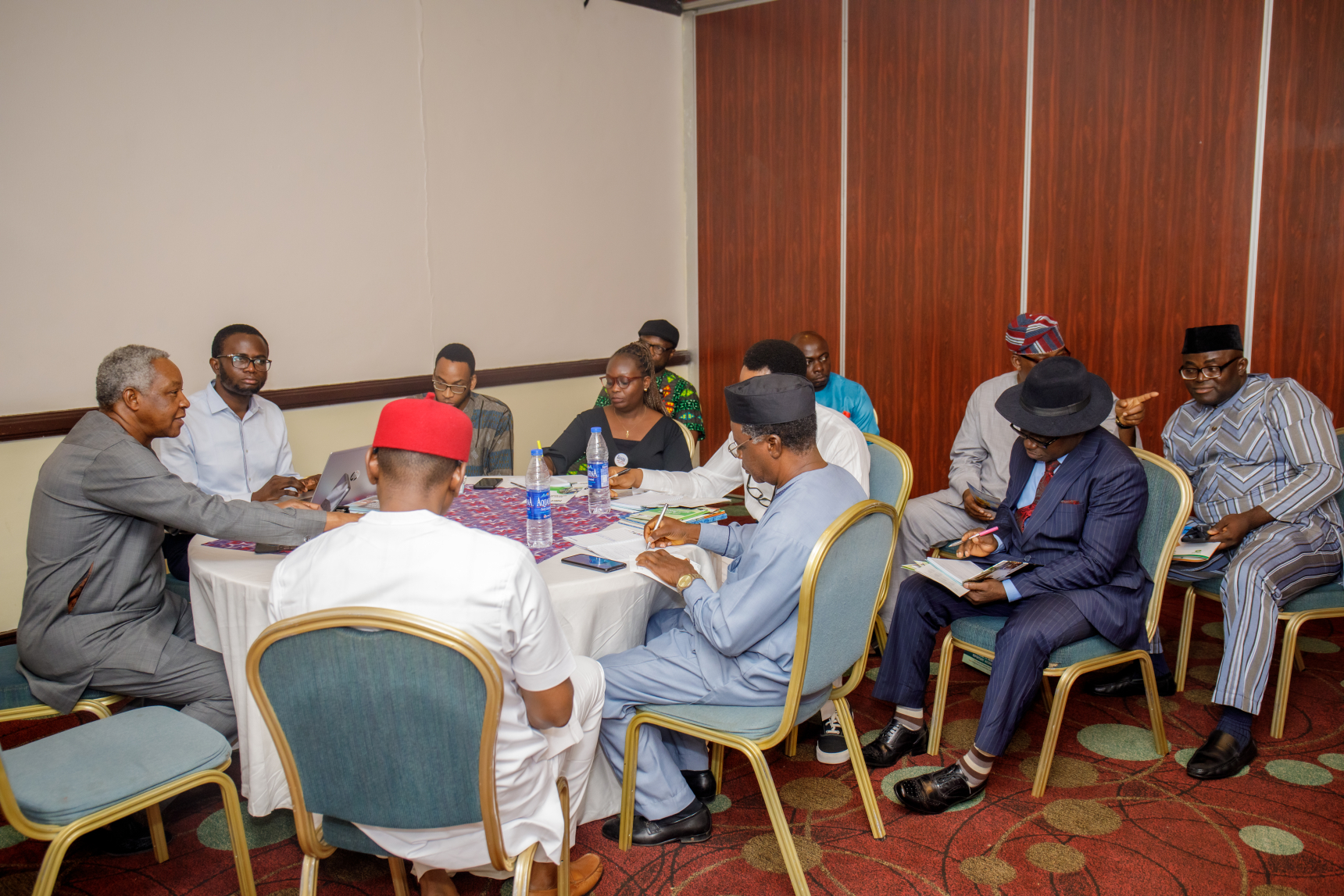
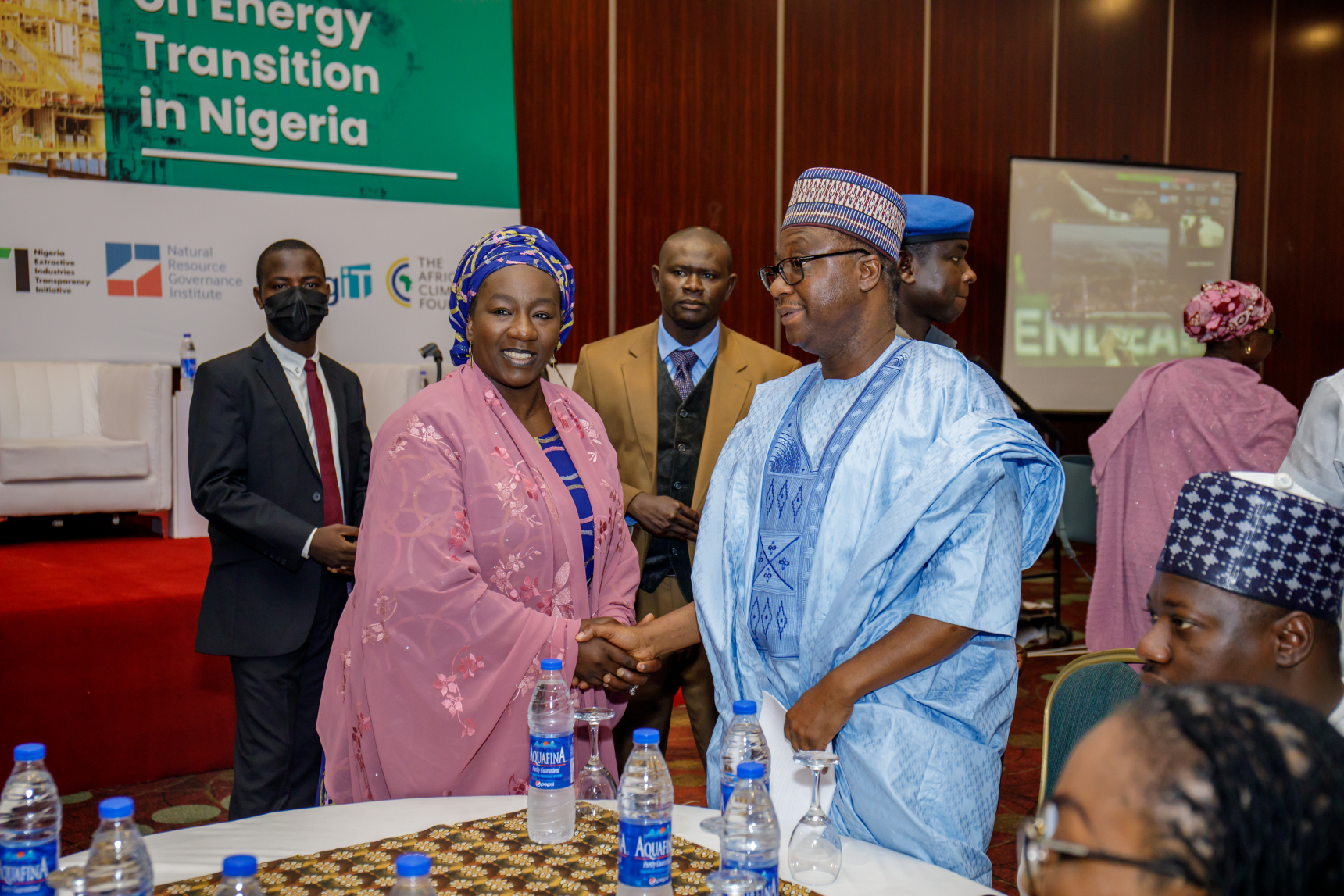
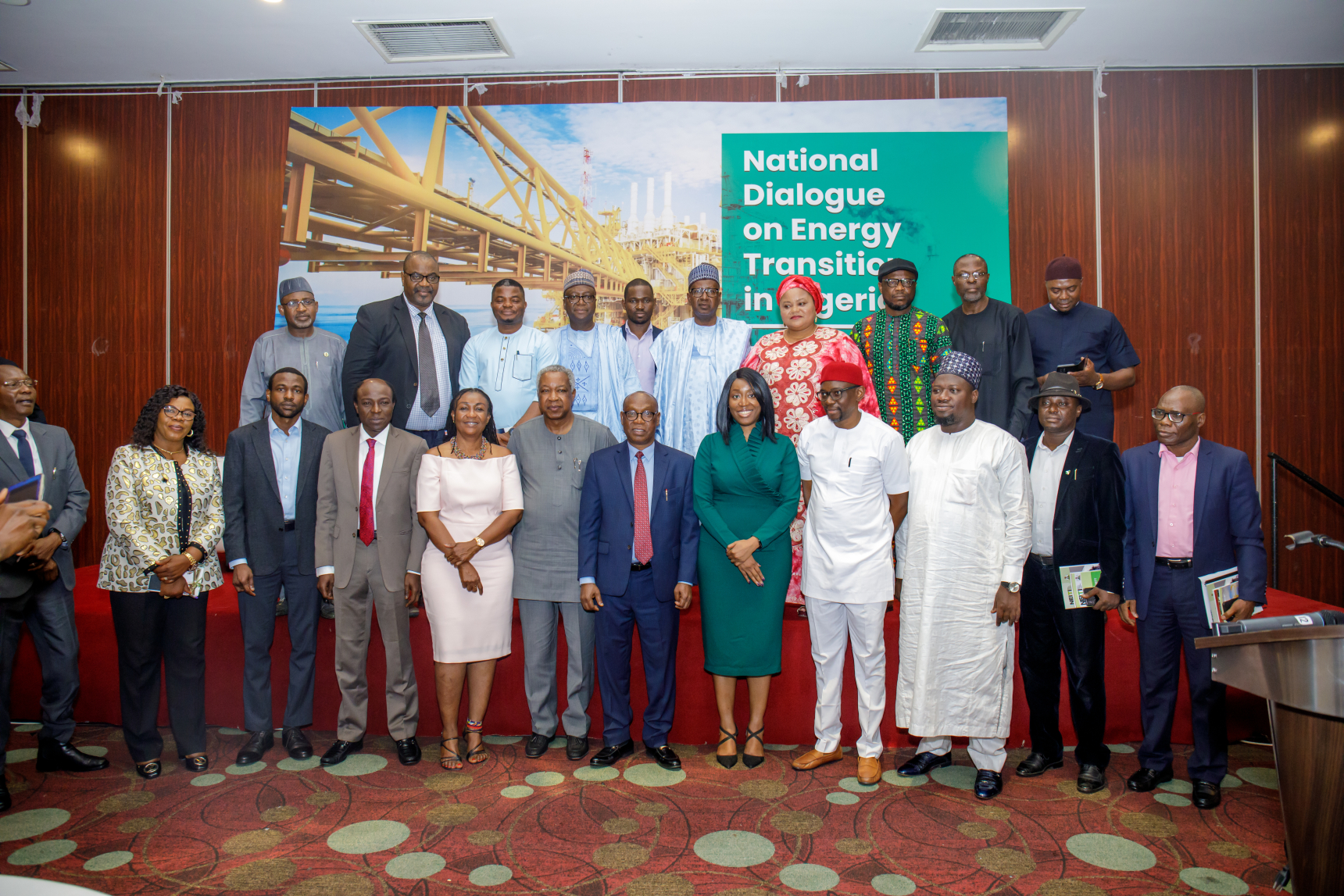
To address these omissions, last October, the Natural Resource Governance Institute (NRGI), the Nigerian Extractives Industry Transparency Initiative and BudgIT Foundation convened a national dialogue. Participants produced a communiqué with recommendations for consideration by the incoming government. In condensed form, they are:
- Mitigate the risk to Nigeria’s dependent economy. As Nigeria’s oil export customers transition their own energy systems and reduce demand for Nigerian oil, Nigeria’s oil-dependent economy and government finances will be increasingly exposed to risk which the energy transition plan does not adequately acknowledge. Nigeria’s next government should map risks to government revenues, employment, foreign exchange, supply chains, and Nigerian National Petroleum Corporation (NNPC) investments.
- Prioritize spending that spurs sustainable development beyond oil. Now, Nigeria pays more for oil subsidies than its anticipated earnings from oil. Prioritizing subsidy payments takes scarce resources from other sectors such as agriculture and information technology. Also, the NNPC continues to increase oil investments in what may become stranded assets. Authorities could better serve Nigerians if they built systems to reduce Nigeria’s oil dependency.
- Attracting investments to fund the plan. Nigeria must attract investment from donors, financial institutions and philanthropists in order to implement the ETP and diversify the economy beyond oil. The new government should provide incentives that encourage tangible investments in infrastructure, human resources, technology and other areas essential to delivering on the ETP rather than taking on unsustainable debt.
- Streamline and clarify policies and plans. The Federal Ministry of Finance, Budget and National Planning should ensure that the plan is properly aligned with existing federal and state plans. This includes the 2021 Nationally Determined Contributions, Decade of Gas Plan, Power Sector Recovery Plan, the National Development Plan, and other iterative plans to ensure that the ETP is implementable, realistic, and adopted by implementing government institutions. This is necessary to clearly demonstrate how the government can achieve its net zero goals and also ensure sustainable economic development.
- Resolve environmental legacy issues. As transition minerals such as lithium gain more importance in the global transition, the Federal Ministry of Mines and Steel Development must first address legacy mining issues, including environmental degradation and related social conflict to minimize the impacts before seeking to benefit. The Federal Ministry of Environment must also prioritize environmental remediation in oil-producing communities in preparation for a future beyond oil.
- Clarify its plans for gas use. The plan names gas as a transition fuel. The government should clarify what its expectations are for gas use for economic development and domestic gas energy systems. It must map out the infrastructure, finance and system gaps that have foiled previous gas expansion efforts. It must weigh that against the shrinking global fossil fuel investments and increased divestments from potential gas exploration by partner companies and adjust plans accordingly.
- Be collaborative, cohesive and realistic. Seamless collaboration and buy-in to the objectives of the plan from government institutions is necessary. Massive investment in gas will be required to drive its use as a transition fuel and reduce spending on oil, as set out in the plan. The recently inaugurated National Council on Climate Change (NCCC) should weigh the objectives of the plan against the policies and actions of critical government institutions, such as the Federal Ministry of Power and Petroleum Resources. These must then be reconciled.
- Make the plan inclusive and equitable. NRGI has found that oil-producing communities, women and youth groups appear to be the least consulted and prioritized in the current ETP. Implementing it requires buy-in and active participation. Few Nigerians understand the plan, how it applies to average people, or their role in making it a success. Citizens cannot get behind a plan that they don’t understand—especially if they are to change energy use (from petrol and diesel to power businesses and households, and from kerosene and charcoal for electricity and cooking) to the solar and biogas sources the plan envisions.
Prior to the COP27 climate conference, Tijah Bolton-Akpan from Policy Alert spoke to NRGI about how community voices should help shape the energy transition plans and hold decision-makers accountable.
- Strengthen governance of the Energy Transition Plan. So far, the Federal Ministry of Environment and the Energy Transition Office have led on the ETP. The NCCC will soon assume leadership of the plan. To be effective, the council should be constituted in a fair, equitable and representative way that ensures that it retains the gains and institutional knowledge generated so far. The council should adopt policies that focus on transparency in revenue generation and spending of transition funds and use engagement frameworks to inform stakeholders of progress and plans.
While no one can say who will triumph in Nigeria’s elections, it is clear that bold and inclusive leadership on the country’s energy transition must be among their priorities.
Ending Nigeria’s Oil Dependency: Not If, But When…and How

The issues of “post-oil” and economic diversification received considerable attention in Nigeria after the 2014 commodity price crash, again during the 2016 economic crisis and more recently with the coronavirus pandemic influenced global crisis. Over that period, recognition of the dangers of Nigeria’s dependency on oil has led to several initiatives aimed at securing changes in government policy to address the problem. Here we examine Nigeria’s oil dependency within the context of emerging global and national imperatives to provide some initial recommendations to frame the Natural Resource Governance Institute’s (NRGI) newly constituted Nigeria program designed to focus on "Nigeria’s Oil Dependency: Imagining a Future Beyond Oil."
Nigeria’s oil dependency through the years
Nigeria’s dependence on oil is deep-rooted. The country continues to suffer from the effects of the Dutch disease which began when oil was discovered in the 1960s, having focused its efforts predominantly on its oil resources; the potential for greater returns from oil making other sectors less attractive. But, decades later, little has changed in Nigeria. Although the oil sector continues to deliver returns, these have depreciated over the years, hindering success of Nigeria’s development aspirations; Vision 20:20, the Economic Recovery and Growth Plan (ERGP), often just out of reach as they continue to rely on the performance of the global oil market.
How dependent is Nigeria on oil?
Nigeria’s federal and state governments remain heavily dependent on oil revenues, relying on it to deliver public goods and the use of oil dollars to service debt and bolster the national currency. The oil sector, however, has not significantly improved the well-being of Nigerians. Non-oil sectors lead to vastly more employment opportunities than the oil sector and their economic activities contributed approximately 93 percent of GDP in 2020.
Continued dependence on oil revenues threatens the lives and livelihoods of Nigerians and social cohesion in the country.
At the federal level, Nigeria’s dependence on oil almost crippled her economy catalyzing a negative GDP growth of 1.8 percent in 2020. The pandemic highlighted the potential losses to the Federation of the Federal government’s more than 50% revenue dependence on oil, as the shutdown of global economic activities, onslaught of the pandemic and sharp declines in oil demand in 2020 left the government unable to meet its 2020 revenue projections. The federal government had to slash its budget by a more realistic 20 percent, reducing its benchmark price and production projections from $57 per barrel to $30, and anticipated production volumes from 2.2 million barrels per day (mbpd) to 1.7 mbpd consecutively to accommodate new realities. Continued divestments by oil majors and their refocus to cleaner energy threatens Nigeria’s future ability to attain its revenue projections if they remain pegged against oil productions. Nigeria’s debt stock in 2020 stood at 31 percent of GDP and continues to grow as it tries to bridge the shortfalls in oil revenues. Despite this stark reality, the 2022 federal government budget still reflects 31 percent of expected federal government revenue generation from oil even as oil exports continues to supply 90 percent of Nigeria’s foreign exchange and half of federal government revenues. Continued dependence on oil revenues threatens the lives and livelihoods of Nigerians and social cohesion in the country.
Meanwhile, almost all of Nigeria’s states depend on oil revenues, channeled from the Federation Account and Allocation Committee (FAAC), for more than 50 percent of their fiscal needs. The most dependent are the oil-producing states, with Bayelsa state and Akwa Ibom state averaging 85 percent of their fiscal dependence on oil revenues. Only Ogun state and Lagos state draw less than half of their revenues from the FAAC consistently. Oil-producing states risk being fiscally unviable without oil. These states must urgently find alternative sources of revenue beyond FAAC to build their fiscal resilience before oil demand peeks. Those residing in those states must ask for diversification of their states’ revenues, with a greater focus on revenues generated internally beyond oil.
Ending dependency and preparing for a future beyond oil
Nigeria currently is at a pivotal point in its history where decisions made now will weigh heavily on its economic survival. After previous financial crises—the halving of Nigeria’s Stock Exchange All Share Index in 2008 and the 70 percent commodity price crash in 2014—Nigeria’s economy eventually rebounded as oil demand and price recovered. But this will no longer be the case if Organization of the Petroleum Exporting Countries (OPEC), the International Energy Agency (IEA) and others are correct when suggesting that we will soon reach peak demand for oil. So, ahead of that eventuality, the government must make plans to replace the huge shares of government revenue and foreign exchange earnings for which it presently relies upon oil.
The federal and state governments must make critical and strategic decisions carefully to position its economy for a future without oil. Oil will lose its value, so Nigeria must build its resilience in anticipation of that future, and take advantage of all the opportunities available in the African corridor, the growing green economy, technology, and non- sectors that speak to its unique advantages.
Gas takes a long time to bring profits and, if Nigeria is to transit using gas to industrialize and energize before attaining its COP 26 carbon neutrality plans by 2060, a clear plan and pathway for how it intends to transition to other energy options with trackable milestones is required.
Looking more closely at the federal government’s short-term plans to maximize its oil and gas endowments, there are obvious challenges. Firstly, investments in frontier explorations as provided for in the Petroleum Industry Act (PIA) may pose some risks in locking in revenue that may not yield the desired returns. Gas as a "transition fuel" requires significant capital investments and as a fossil fuel is likely to eventually lose out on investments to greener alternatives. Gas takes a long time to bring profits and, if Nigeria is to transit using gas to industrialize and energize before attaining its COP 26 carbon neutrality plans by 2060, a clear plan and pathway for how it intends to transition to other energy options with trackable milestones is required. In addition, if natural gas exports are expected to supplement foreign exchange earnings from oil in the short-term, lower longer-term investments may mean that those gains won’t last. Buffers need to be put in place to account for that or the growing investments made in cleaner fuels may put natural gas projects at risk of becoming “stranded assets”—with revenues sunk before realizing any value. It is critical that the Federal Government makes strategic spending decisions as oil’s role in meeting global energy demands continually declines over time.
The executive’s branch’s plan to dig deeper into fossil fuel investments by committing $1.5 billion to refurbishing historically unprofitable refineries, frontier exploration and sustaining fuel subsidies may put Nigeria’s future at risk if the alternative costs are not appropriately assessed. Even then, crude oil production to meet the government's ambition to ramp up production is threatened as majors like Shell, ExxonMobil, Chevron and Total rebrand as “green” to reflect investor appetite and the global energy transition. These international oil companies have been selling Nigerian assets, which will likely continue as the energy transition accelerates. Importers of Nigeria’s petroleum products are also seeking greener options. The top five export destinations for Nigeria’s petroleum products (India, Spain, Netherlands, United States and China) have committed to achieving carbon neutrality between 2030 and 2050. This puts further strain on Nigeria’s short- to medium-term capacity to generate and sustain its foreign exchange earnings as oil demand falls. Oil-producing regions will also be further strained as legacy environmental pollution and oil dependence induced economic and social challenges will remain if a ‘just transition’ is not prioritized.
Beyond oil, the federal government should accelerate revenue diversification through trade and domestic production, leveraging other sources of foreign exchange. Attracting foreign exchange earnings could be done by backing enablers that add greater value to local products, offering greater support to the manufacturing sector, developing Nigeria’s critical minerals in the mining sector to leverage the green economy, boosting regional trade through the African Continental Free Trade Agreement (AfCFTA) 2020 are other ways to improve and leverage domestic production diversification for more jobs and economic growth, key goals of the Nigerian government.
The Federal Ministry of Finance, Budget and National Planning should devise a comprehensive and inclusive plan with concrete and measurable milestones in collaboration with relevant Ministries, Departments and Agencies that speaks to Nigeria’s context, and accounts for both risks and opportunities to reduce oil dependence. That plan must then be implemented collaboratively. Nigerians’ opinions must be sought on the best approach to wean the country off its dependency on oil. They must agree on a timeline and pace for reform, and identify priority areas of focus. During the upcoming 2023 electoral campaigns, presidential and gubernatorial candidates; especially oil producing states must be required by citizens to outline plans to build fiscal resilience away from oil dependence. Civil society, accountability actors and the public must sustain dialogue and make economic diversification a major theme in the 2023 elections—on the campaign trail, in candidate commitments and party platforms.
Raw or Refined: Does Commodity Processing Help Resource-Dependent Countries to Diversify?

Developing countries dependent on the extraction of oil, gas, and minerals for government revenues, foreign exchange and economic activity face a critical development challenge. They suffer more from the economic volatility that comes with commodity price fluctuations and are also under pressure to diversify their economies before reserves run out.
Last year’s crash in oil prices due to the coronavirus pandemic and the accelerating transition away from fossil fuels both highlight the importance and urgency of this issue. For example, Nigeria experienced severe shortages of foreign exchange as oil prices crashed in 2020, making it challenging for many businesses to continue operations. Recent NRGI research shows that oil-dependent countries like Nigeria could suffer a larger, longer hit if the world meets the climate targets of the Paris agreement, with $400 billion of planned investments by national oil companies failing to break even.
For these and other reasons, supporting countries to reduce resource dependency and manage its consequences is a key part of NRGI’s overall strategy and 2021 agenda.
How do forward linkages affect resource dependency?
First, here is a quick primer on some of the key concepts around linkages and resource dependency.
- Resource dependency is a situation in which a country’s key economic indicators (such as GDP, government revenues, or foreign exchange earnings) rely on the production or export of natural resources.
- Volatility is the tendency for key economic variables to change rapidly – for example, the oil price has been extremely volatile since the start of the coronavirus pandemic.
- Linkages are relationships between different sectors of the economy, where operations in one sector help to grow another.
- For extractive industries, one “forward linkage” involves the downstream processing of a commodity to make it either more valuable as an export or more useful to the domestic economy, e.g., refining oil or extracting metals from raw ore.
Forward linkages can impact a country’s level of resource dependence. In several NRGI priority countries, governments and citizens see such forward linkages as a pathway to a more diversified and less resource-dependent economy.
Forward linkages in oil, gas and mining can lead a country toward economic diversification through:
- knowledge spillovers to other sectors (i.e., when knowledge acquired in one sector of the economy “spills over” to other sectors, raising their productivity)
- potential increases in private investment in infrastructure and other, non-extractive sectors
- provision of cheap inputs (i.e., commodities or resulting products like fuel) that make other sectors more competitive
- government revenues that authorities can reinvest in the development of other industries
But some analysts worry that doubling down on extractives may instead worsen dependency, leading to an even greater share of a country’s economic activity being tied to the sector.
Governments in resource-rich countries are increasingly seeking to establish or expand forward linkages to their extractive sectors. For example, a state company in Ghana is aiming to harness bauxite reserves and grow an integrated aluminum industry. Bolivia’s government is trying to use domestic gas supplies to produce petrochemicals. Mongolia and Uganda are both planning oil refineries, while Mexico’s government seeks to expand its refining capacity.
With many countries aiming to both reduce resource dependency and promote forward linkages, it is important to understand how these interact with one another in practice. As a starting point, NRGI commissioned a review of the existing literature in extractive forward linkages’ impacts on resource dependence.
This review found no consensus on whether forward linkages help to reduce or increase resource dependence. Rather, it revealed two general scenarios: in some cases linkages reduced extractive dependency, and in others where they appeared to have increased it.
Malaysia and Nigeria have both developed forward linkages from the petroleum sector (e.g., refining, petrochemicals), but have achieved very different results. In Malaysia, linkages have helped the country diversify, supporting the automotive, electronics and synthetic rubber industries in addition to a highly competitive plastics industry. By contrast, Nigeria’s oil refineries, which have operated at reduced capacity for decades, have struggled to satisfy domestic demand, 70-80 percent of which is met through imports. Moreover, Nigeria’s refineries also make heavy losses, which eat up public funds that the government could use to develop other sectors of the economy. Nigeria’s dependence on oil for export earnings worsened between 1965 (when its first refinery was built and oil accounted for 32 percent of exports) and 2018 (by which time oil had risen to 94 percent of exports).
So while forward linkages can provide a springboard to diversification (and thus reduce resource dependency), they can also at times worsen dependency. By drawing even more, often scarce, resources—such as skilled workers, power, private capital and public funds—into the sector, they can hinder rather than help the growth of other sectors, meaning that the country relies even more on extractives.
Another risk: domestic consumption of oil and natural gas for power locks a country into using fossil fuels even when switching to renewable sources would be environmentally and/or economically advantageous; this risk will become even more acute as the energy transition gathers speed and the cost of renewables falls further relative to fossil fuels.
Downstream viability and use of domestic inputs are critical for diversification
The impact of forward linkages on dependency is therefore highly context specific. Achieving a positive outcome depends on the presence of three factors:
Viability of downstream processing activities
Inefficient downstream activities—like Nigeria’s refineries—are less likely to help countries diversify. They often fail to deliver low-cost inputs to the wider economy. In addition, where downstream activities are inefficient, governments often use fiscal incentives to encourage in-country processing to take place anyway, which impacts public finances and can reduce countries’ ability to support diversification in other sectors. (N.B., government sometimes offer fiscal incentives even when such activities are efficient). Similarly, if extractives companies are forced to process commodities in-country even though processing is uncompetitive, this will reduce their profits and, consequently, the government’s tax revenues from the sector.

There are several key factors that contribute to efficiency in downstream processing, though these can differ significantly between commodities. For example, large annual production of the relevant upstream resource allows downstream activities to benefit from economies of scale, as in Saudi Arabia. Sizeable oil reserves and level of daily production have allowed Saudi Arabia to be a competitive refiner. By contrast, NRGI’s analysis of proposed gold smelting in the Kyrgyz Republic indicated that production there is too small for the proposed smelter to be commercially viable. Policies also critically matter; these include efforts to upgrade infrastructure, co-ordinate investments, set productivity targets and develop skills among workers.
Countries with large shares of a resource’s global production are also more able to incentivize (or even force) investors to establish downstream facilities domestically as there may be few alternatives for acquiring the refined resource. When Indonesia banned the export of raw nickel, processing activities in Indonesia grew substantially; now the country may be able to capture more value down the electric vehicle battery supply chain. Part of its success with nickel processing is because China, the main importer of nickel, found it hard to switch to other nickel exporters as Chinese smelters has been customized to Indonesia’s high-grade nickel ore. In order to maintain supply, investors constructed nine smelters in Indonesia by mid-2017. However, when Indonesia pursued a similar policy in its bauxite sector, this was unsuccessful, as the country had much lower market share and bauxite importers (and investors) were able to easily source bauxite from other suppliers.
Further, where downstream industries are competitive, they may be able to survive even when the country’s own reserves run out (using imported raw commodities), which can cushion the blow of reserve depletion. For example, time will tell whether Botswana’s diamond cutting and polishing sector will remain competitive once its reserves run out.
Extent to which forward linkages use inputs from other sectors
Downstream activities can increase demand for inputs from other sectors, which in turn helps those sectors grow. But not all forward linkages bring this benefit—some rely on imported inputs and have little impact on the rest of the economy. The type of forward linkage a country pursues therefore has critical implications for its diversification prospects. Policy can be decisive here as well. A plan to use forward linkages to diversify requires a government to develop a broader industrial strategy that considers, for example, the optimal sequencing of the processing activity and the sectors to which it will link. Malaysia has successfully accomplished this with its oil sector.
Depth of downstream processing
Different types of forward linkages also have different effects on price volatility; this is one of the most problematic impacts of resource dependency. Many processed extractive products have more stable prices than the raw commodities from which they are derived, which helps to reduce volatility. This works best where forward linkages are deeper – the more value that is added in downstream activities, the less volatile prices for the resulting products tend to be (and the less volatility this introduces to the economy).
If conditions and policies are right, forward linkages can help countries to diversify or to alleviate the effects of resource dependence. If they are not, countries can become even more dependent on oil, gas or minerals. This relationship is specific to the commodity, the linkage and the national and regional contexts and politics. For these reasons we at NRGI will support assessments of the plans of governments in our focus countries, and build and share expertise in this critical area of resource governance.
This post is based on a literature review by Amir Lebdioui and Pavel Bilek.
It’s Time to Talk: Sonatrach and the Energy Transition in Algeria

العربية »
This post is part of the "Resource Governance and the Energy Transition" series.
Last week Algerian football supporters attacked the headquarters of Algeria’s national oil company, Sonatrach. They were angry at the company, accusing it of not paying the salaries at Mouloudia d'Alger, the football club it owns. The attackers blamed this state of affairs for the average results of the club in the Algerian league.
If Algerians can be so angered by poor football performance, imagine their wrath when Sonatrach’s revenues decrease because of the global changes affecting the oil and gas sector. Such a downturn could mean that the company will be unable to continue to play a pivotal role in the economy of Algeria. We are entering an era of energy transition where resource-dependent countries, their state-owned companies and their populations need to prepare, get fit and build a strategy that will help them win the competition.
The coronavirus pandemic accelerated many trends that were already underway, including the energy transition away from fossil fuels toward renewables. The faster this transition, the more it threatens national oil companies and governments reliant on oil revenues—unless they prepare well.
Governments of Middle Eastern and North African (MENA) countries that rely on oil and gas for revenues cannot ignore the global march toward clean energy; they must react and secure a stable future for their citizens. To that end, we at NRGI have produced a new briefing, “National Oil Companies and Energy Transition in the Middle East and North Africa” (a companion piece to the report Risky Bet: National Oil Companies in the Energy Transition). Algeria’s Sonatrach is one of three MENA NOCs that we examine, along with Qatar Petroleum and Saudi Aramco. And it appears to be most vulnerable to the accelerating energy transition.
Algeria, the largest oil and gas producer in North Africa, is heavily dependent on hydrocarbons for exports and government revenues, with oil and gas accounting for 60 percent of government revenues. Sonatrach controls over 75 percent of the country’s hydrocarbon production; it is the cornerstone of the economy, which makes it crucial that Sonatrach management and government officials heed global shifts.
A new corporate strategy?
National oil companies with dwindling proven reserves and a heavy share of high-cost geological assets among their potential future portfolios face serious possibilities of “stranded investments,” and could struggle to maintain expected production volumes, revenues and transfers to state treasuries. NRGI analysis shows that national oil companies in the MENA region could invest more than $66 billion in oil and gas projects that would not break even if the world keeps to its climate commitments. Sonatrach’s portfolio is the most vulnerable in this regard, with $12 billion in project spending (more than 25 percent of the company’s budgeted capital expenditure) slated for projects with a break-even price between $40 and $70.
Alongside the prospect of investing in high-cost projects, Sonatrach must continue to supply the ever-growing domestic demand for natural gas, which is sold to citizens at subsidized prices, thereby reducing the share available for revenue-generating exports. These challenges reverberate through the company’s portfolio, limiting access to finance and partnerships that would aid its diversification.
Sonatrach’s current approach to mitigate this uncertainty largely revolves around a shift to liquefied natural gas (LNG). This includes investing in existing and new LNG projects to diversify its gas export portfolio. The success of this approach hinges on the availability of domestic reserves and technology to unlock gas at a competitive cost—and on whether the demand for gas holds up or yields to increasingly cheaper renewable energy. In addition, Sonatrach must demonstrate commercial abilities to become an LNG trader (not just a supplier), expand internationally to secure a flexible and diverse portfolio, and harness financial resources to take positions in the gas value chain. However, we know that Sonatrach had to halve its spending in 2020 due to the collapse in the oil price, at the time limiting its capacity to expand into growth markets such as chemicals and plastics.
State of the government-Sonatrach relationship
Alongside the Algerian government, Sonatrach, like many national oil companies, shoulders significant financial responsibility for the wellbeing of citizens. Reduction in oil and gas revenues increases this pressure. So beyond the company’s business and investment strategies, the government of Algeria must reexamine the fiscal relationship between Sonatrach and the state, as long-held expectations about available fiscal transfers (of taxes, dividends and other payments by the company to the government) may be unmet. The International Monetary Fund (IMF) estimates Algeria’s fiscal break-even price—the oil price necessary in order to meet expected spending while balancing the national budget—at $92 per barrel. That figure increases monthly, and more so amid the pandemic. Based on the new budget, Sonatrach seems likely to set the price of oil at $135 for the barrel to break even fiscally—a price which is unlikely to materialize anytime soon (or possibly ever). This contrasts with many oil companies and analysts assuming the oil price for the next few decades will average $60 a barrel. Even as the pandemic abates, low oil prices are likely to prevail and price spikes will be the exception. Therefore, the government end its dependency on Sonatrach and seek new sources of cash.

Let’s talk energy transition
Sonatrach lacks funds and low-cost reserves and therefore will be less resilient to declining prices than the regional giants Saudi Aramco or Qatar Petroleum. It is therefore imperative for Sonatrach to conduct rigorous risk analysis around capital allocation decisions. Ultimately, both the government and Sonatrach must re-examine the company’s conventional assumptions about public expenditures, and the government must clearly define and explain to citizens the institution’s role in the country’s energy transition.
As profit margins shrink across the industry there is less margin for error, and so efficiency and integrity are more important than ever. Sonatrach should redouble its investments in transparency and corporate governance reform.
Already, Sonatrach has recently taken steps to improve its governance and transparency. In the 2017 edition of the Resource Governance Index (RGI), which assessed performance using 2015-2016 data, Sonatrach scored 47 out of 100 possible points, ranking 31st out of 52 assessed state-owned enterprises, a performance considered “weak” by the RGI. In a 2020 interim RGI assessment, Sonatrach scored 65 points out of a possible 100, which indicates an increase of 18 points and a transition from the weak to satisfactory performance band. That is a positive evolution that should continue.
Finally, the Algerian government and Sonatrach should create an inclusive space for the public to engage with government officials and company staff on the impact of energy transition on the country’s oil and gas sector. Together all stakeholders should debate solutions to the challenge presented by the shift to clean energy—citizen-oriented solutions.
The Political Economy of Black Panther: Who Benefits from Wakanda’s Mineral Resources?

This post is the first of two relating to the film Black Panther; the second is here. The post contains spoilers about the film.
The remarkable success of Black Panther and its resonant storyline has already attracted wide commentary.
Writers in the Guardian and many other media outlets have praised the beautiful picture it paints of a vanguard, economically successful African country spared the horrors of colonization and the injustices of the post-colonial world order (although for some Ghanaian moviegoers, the African accents were not quite realistic). And the policy community has embraced it too: researchers from the Brookings Institution wrote about the film’s lessons for good resource management and increased trade openness in Africa.
But there is also a more uncomfortable quality to Black Panther. Russell Rickford, in the blog Africa is a Country, calls out the film’s political conservatism, the isolationism of the Wakandan elite living comfortably in their resource-rich bubble and the triumph of monarchy over revolution. In Wakanda, after all, political power belongs to the king, T’Challa, appointed for life based on a royal lineage and his fighting skills, with the support of a small oligarchy.
The country’s precious natural resources—the metal vibranium as well as a heart-shaped herb that gives the king supernatural powers—are managed by the royal family, the army and a small clergy. The rest of Wakanda’s population seems to live off the redistribution of the country’s resources.
The institutions and political regime of Wakanda may actually be the result of the domination by vibranium of the country’s economy, and reflect another aspect of the resource curse. One political scientist has analyzed the political economy of Wakanda in that light in a research paper.
In the real world, countries dependent on oil and gas tend to have more authoritarian regimes and fewer civil liberties. On the African continent, elites in Algeria, Angola and Nigeria have organized their countries’ institutions in order to capture the rents from hydrocarbon resources and selectively redistribute the proceeds to maintain power and privileges.
From this perspective, it is easier to understand how some Wakandans so readily accept a complete reversal of their country’s foreign policy by Erik Killmonger, T’Challa’s cousin, when he suddenly comes to power from his exile as a child in Oakland, California. The lack of citizen participation in Wakanda politics explains the weakness of its institutions and the very few obstacles faced by Killmonger when he decides to start a global war.
The work of Paul Collier in particular suggests that resource-dependent countries can be prone to violent conflicts, in part because there is fiercer competition for access to the resources, controlled narrowly by whoever sits on top of the pyramid. In this context, it is unsurprising Killmonger seeks to overthrow a ruling king.
Michael B. Jordan’s subtle rendition of Killmonger makes him more complex than your typical Marvel villain. He has strong political arguments in his favor: he disputes how Wakanda has defined the ownership of its vibranium resources.
While we aren’t privy to the Wakandan constitution (if there is one), the movie leads us to believe that vibranium is controlled by T’Challa on behalf of the Wakandan population, a typical system adopted by resource-rich nations around the world. Killmonger argues that vibranium belongs to all people of African descent, and should therefore be used to fight oppression faced by black people everywhere. This perspective is emphasized in Black Panther’s soundtrack, when Kendrick Lamar denounces “Mass destruction and mass corruption/The souls of sufferin’ men.”
Disputes over resource ownership are indeed a recurring theme in civil wars, such as the Biafra war in Nigeria, and fuel militias and separatist movements from Myanmar and Iraq to the Democratic Republic of Congo. Many resource-rich countries have defined revenue-sharing schemes for their natural resources in order to ensure a sense of fairness among the population and avoid conflicts.
The movie ends without a proper redefinition of vibranium ownership. It is still very much under the control of T’Challa, but with emerging programs of “outreach” to share the benefits of vibranium beyond Wakanda. Will T’Challa’s outreach be limited to a token educational program in Killmonger’s hometown and resemble the Heydar Aliyev Foundation in Azerbaijan, run by the country’s first lady, serving to polish the image of the ruling family while it appropriates the country’s oil resources and jails its political opponents? Or will Wakanda find a way to genuinely challenge power imbalances that continue to disadvantage black communities and black nations in today’s global system?
If Wakanda’s royal family truly wants to make the world a better place, and take after the relative successes of Norway and Chile in transforming their abundant oil and copper resources into increased welfare and citizen participation, I would recommend the latter approach. Kendrick Lamar does too, when he challenges T’Challa in the soundtrack: “What do you stand for? Are you a activist? What are your city plans for? / Are you a king or you jokin’? Are you a king or you posin’?”