
The 35 × 35 Electrification Target is a Minerals Target Too
On Day Four of COP31 in Antalya, electrification is one of the biggest conversations. But while the focus is on the target, there's an important aspect that is currently being overlooked—the link with critical minerals.
Patrick Stephenson, Ghana Country Manager at NRGI says:
"The COP31 presidency wants electricity to meet 35% of the world's energy use by 2035, and we are hearing that the EU and others are pushing to make that clean electrification. For now, we understand this is likely to be a voluntary target, and around 20 countries are preparing to make public commitments.
But too few people are asking what this target depends on. The answer is minerals.
Clean electricity is mineral-hungry. Every grid, battery and solar panel depends on copper, lithium, cobalt and nickel.
Many of these minerals come from developing countries. So the question is whether people in those countries can truly, and fairly, benefit from the wealth below their soil, or if they will once again bear the costs of extraction while others capture the value.
At COP30, minerals entered the negotiations for the first time. Then they were stripped from the final text. We can't let that happen again.
So we're calling for three things. First, COP31's electrification outcomes should recognize that the target depends on critical minerals. Second, the new Just Transition Mechanism should be designed to support fair, transparent mineral value chains in producer countries. And third, all of this should lay the groundwork for a minerals compact at COP32 in Addis Ababa, as the Chair of the African Group of Negotiators has called for.
Electrification can be a driver for just energy transitions in mineral-rich developing countries. But that won't happen by accident. Let's recognize that and work to ensure that this mineral boom is different to those of the past."
NRGI Submission to the Sixth Just Transition Work Programme Dialogue: Minerals and Equitable Value Chains
NRGI submitted its views to the UNFCCC ahead of the Sixth Dialogue of the United Arab Emirates Just Transition Work Programme (JTWP), held in Baku, Azerbaijan, on 10–11 September 2026. The dialogue focused on just transition pathways for the industry sector, including technology, innovation and equitable value chains.
Drawing on our work in resource-rich low- and middle-income countries, the submission examines how mineral-producing countries can translate growing demand for transition minerals into lasting development benefits. It explores opportunities to retain more value through mineral processing and related industries, while addressing economic risks and environmental and social harms.
NRGI identifies priorities for national action and international cooperation:
- Ground mineral value addition strategies in national development goals, economic feasibility, market analysis and rigorous assessment of costs and benefits.
- Involve citizens in decision-making, protect community rights and tackle corruption.
- Provide technical and financial support to strengthen national strategies, institutions and regulatory capacity.
- Ensure mineral-producing countries help shape international rules and partnerships affecting their development prospects.
The submission also considers how the JTWP and the Just Transition Mechanism can support these efforts through finance, technology transfer and institutional capacity building.
Energy Transition Minerals: Pathways to Responsible Supply Chains (COP31)
UNIDO Pavilion, Blue Zone, COP31, Antalya
Demand for energy transition minerals could more than double by 2030 and quadruple by 2050. The challenge for COP31 is to make enough minerals available for the transition, and to help countries add value along the supply chain, without more deforestation, pollution or human rights abuses.
This multi-stakeholder panel, convened by UNIDO’s Global Alliance for Responsible and Green Minerals and its Energy and Climate Action Division, will look beyond individual mining projects to shared responsibility across the whole value chain, from exploration and extraction to processing, manufacturing and recycling. Speakers will discuss how governments, industry, investors, communities and international institutions can make sure the minerals needed for low-carbon energy deliver for both climate and development.
Speakers
- Sascha Raabe, Head, Global Alliance for Responsible and Green Minerals, UNIDO
- Vigya Sharma, Associate Professor, University of Queensland
- Radia Sedaoui, Chief of the Energy Section, UN ESCWA
- John Lindberg, Policy and Government Affairs Principal, ICMM
- Patrick Stephenson, Ghana Country Manager, NRGI
- Leon Riedel, Global Alliance for Responsible and Green Minerals, UNIDO (moderator)
Featuring NRGI’s

Patrick Stephenson
Ghana Country Manager
Economic Diversification, the Energy Transition and Mineral Opportunities in Nigeria

Key messages
Nigeria’s mineral sector offers a real opportunity to support economic diversification and the country’s energy transition, but it should not be treated as a quick substitute for oil and gas revenues. Realizing its potential will require realistic expectations, careful sequencing and strong governance.
An immediate priority is to reduce investor risk and strengthen state capability. This requires accessible, credible geological data integrated with the cadastre; regulatory certainty, including through clearer federal–state roles; focused national mining companies that de-risk rather than replace private investment; and action to address insecurity and improve artisanal and small-scale mining governance.
Aligning mining with infrastructure, energy and industrial planning should also be an early priority. This can help unlock scale, strengthen competitiveness and maximize broader economic benefits.
Domestic value creation will require combining a competitive fiscal regime with effective management of revenues, phased supplier development and targeted support for viable, beneficial value chains once capabilities and opportunities are clearly understood, while leveraging regional cooperation to maximize benefits.
Stronger community engagement, environmental management, grievance mechanisms and transparency are essential to attract responsible investment, maintain public trust and ensure mining delivers sustainable and inclusive development.
Nigeria has a real opportunity to use its mineral sector to support economic diversification and the country’s energy transition. Rising demand for minerals linked to clean energy technologies, digitalization and defense, combined with Nigeria’s geological potential, could help increase exports, generate public revenues, create jobs and support related industries. The government has recognized this opportunity through a new sector roadmap, legal and fiscal reforms, the establishment of the Nigeria Solid Minerals Company and new international partnerships.
But this opportunity should be approached with realistic expectations. Mining can support diversification over time, but it should not be treated as a quick substitute for the foreign exchange earnings, public revenues or employment associated with oil and gas. Mining projects are capital intensive, volatile and slow to develop. They often generate lower rents than oil and gas and create fewer direct jobs than many policymakers expect. Nigeria’s mineral sector also remains small, with low exploration spending, a relatively narrow investor base, infrastructure constraints, insecurity in several mineral-rich states and widespread artisanal and small-scale mining.
In this report, we examine recent policy developments and identify priority next steps for the government across four key areas:
Mineral resource readiness
Domestic value creation and industrialization
Social license, environmental stewardship and sustainability
Policy foundations
Not all reforms should be pursued at the same time. Given limited state capacity, fiscal constraints, the nascent nature of the sector and the need to maintain investor confidence, the government should sequence reforms carefully. By advancing the sector selectively, competitively and responsibly, the government can ensure Nigeria’s mineral opportunity translates into sustainable development.
Beyond Resources: What Capabilities Must Africa Build to Compete in the Clean Energy Economy? (Future of Energy Conference)
Labadi Beach Hotel, Accra

Africa is rich in many of the minerals and energy resources critical to the global energy transition, but resources alone will not guarantee economic competitiveness or development. As demand for clean energy technologies and transition minerals grows, African countries have an opportunity to move beyond supplying raw materials by building the skills, institutions, technologies and industries needed to capture greater value from the clean energy economy.
This thematic discussion at the Future of Energy Conference 2026 will explore the capabilities African countries must develop to turn their resource advantages into stronger economies, quality jobs and greater participation in clean energy value chains
Speakers
- Alaka Lugonzo,Senior Civil Society Advisor, Transition Minerals Campaign Global Witness
- Nafi Quarshie, Africa Director, Natural Resource Governance Institute
- David Ofosu-Dorte, Senior Partner and Co-founder, AB&David Africa
- Vincent Egoro, Executive Director, Energy Transitions Africa
Featuring NRGI's

Nafi Quarshie
Africa Director
From Minerals to Development: New Connections for a New Era

As leaders gather in New York to discuss how the UN can advance the principles and recommendations of the Secretary General’s Panel on Critical Energy Transition Minerals, Lisa Sachs, of the Columbia Center on Sustainable Investment, shares why now is the time for long-term resource governance practioners to ask new questions, be honest about where we have fallen short, and join our work with other, related sectors.
For twenty years, those of us working on resource governance have been making the case that mining sits at the heart of sustainable development, and that resource-rich countries can convert their mineral wealth into broad-based development. A robust field grew to tackle the multidimensional challenges of resource governance with increasingly sophisticated tools: open fiscal models, contract databases, model laws, global multi-stakeholder initiatives, consolidated industry standards, and many trainings. In doing so, without quite noticing, those working on resource governance built a field with its own terms, boundaries, and sense of itself as complete. And yet, despite steadily better tools, the trajectory for resource-rich countries has not changed as we hoped.
Better tools, familiar challenges
Minerals are more central to the global economy than ever, and we are still asking many of the questions we asked two decades ago. Conflicts over land, fiscal promises that go unmet, environmental damage, projects stalled by mistrust; both the headlines and the framing questions at conferences are reminiscent of two decades ago. Few mining communities are meaningfully better off, and a quarter century into the era of transparency (of contracts, payments, and budget), we often cannot say how value is divided. From what we can see, wealth has not meaningfully improved the lives of the citizens of many resource-rich countries. Two years ago, the UN Secretary-General convened a multi-stakeholder panel on critical minerals, framed around not repeating the patterns of extraction and exploitation; a call to action that reflected concern from low and middle income countries that two decades of effort had not bent the curve. The panel worked admirably (and swiftly) to produce a report that consolidated twenty years of recommendations. But it did not grapple with why those efforts had fallen short.
Part of the answer is that resource-based development is genuinely hard. A single project involves multiple companies, a national government, local and regional authorities, the communities on the land, financiers, off-takers, and the home governments of the investors, each with its own interests, time horizon, and leverage. Geography compounds the challenge: value chains are spread globally: the mine in one country, processing often elsewhere, and the market in yet another country, with value and impacts unevenly distributed. And much of what determines the outcome happens behind closed doors.
Even when the terms are known, we are not agreed on what a ‘good deal’ looks like. For some, a fair outcome is one where the state captures the bulk of the value and the project advances the country’s own development strategy. For others, the measure is whether communities who bear the impacts negotiate their own terms. There is no agreed standard for decisive terms like shared-use infrastructure, dispute settlement, closure liabilities, audit rights, or the corporate structuring behind a deal's tax and legal exposure.
The benefits and the costs of mining fall unevenly by their nature: revenue accrues to the capital while the disruption lands on the community, gains arrive over decades while costs arrive at the start, one generation consents and another lives with the result. A deal can be fair to the state and unfair to the people nearest the mine; fair at signing and unfair twenty years on. While those of us in the field have at times recognized some of the inherent tensions and trade-offs, we have rarely found a framing that holds all of these elements in view at once. Part of the reason is that the field is divided along the same lines as the trade-offs: experts often specialize in one area: fiscal terms, community benefit, environmental and legal safeguards, dispute settlement, corruption.
When we do come together to talk about these intersectional components, we continue to do so within the framing of the natural resource sector as its own field, with its own technical features, institutions, standards and debates. But treating resource governance as self-contained is precisely what has kept it from working. We have become very good at governing the mineral and have left the system that gives the mineral its value to others. In reality, resource governance is a challenge inseparable from the larger fields of development, geopolitics, and international finance. Whether a mineral endowment becomes development is decided by the capital that builds power systems and ports, by the energy planning that determines where processing is viable, and by the international financial architecture that determines fiscal space and borrowing costs, and by geopolitics with its ever-powerful carrots and sticks. Resource governance is inherently part of all of this, and shaped by it at every turn. Yet the field has built its standards, its contracts, and its transparency mechanisms largely apart from the international financial institutions, the energy planners, and the fiscal, financial, and public-investment decisions that set the result.
This is a rare moment of attention for a set of issues that spent years at the margins. Minerals are in the news daily, capital and political attention have returned, and new actors who have never worked on resource governance are shaping the agenda. Many arrive as if there had never been a field at all, which risks discarding two decades of hard evidence about what works and what does not. But it is also telling that these new actors are finding the field largely the same as we found it twenty years ago.
Why now is the time to rethink
For those of us who have been working in the field for decades, there are two powerful reasons that now is the time for a rethink. First, several of the most physical constraints to resource-based development have shifted. Clean power can now be produced affordably and locally where the planning is done to support it. Markets that were assumed to be global and centralized are becoming more regional, as more regions move to build their own capacity and secure their own supply. And the recognition that integration and regional coordination are necessary has grown. And second, supply-security concerns and the return of industrial policy have opened real room for integrated, development-oriented strategies that were politically unattractive a decade ago. The barrier to integrated, development-oriented resource strategies is now mainly institutional and architectural: whether the field organizes itself to work across the systems it has always been part of.
The most valuable thing twenty years of work leaves us with is not fixed answers but a set of hard-won learnings, including, most importantly, the limits of the approaches we have tried. Those who have spent decades in this field should not cling to what we have been trying this whole time; that would be misreading both the evidence and the moment. Defending a position we have held for so long risks entrenches an old framing even as its assumptions prove flawed and the systems beneath it move.
But the depth of experience is critical: we know what was tried, what mattered, and why earlier efforts fell short. When the same questions are asked anew, the institutions and individuals who have engaged deeply in that work are best placed to reflect on how to think differently about the questions and the answers, so that we do not repeat the patterns of the past. Doing so requires a level of reflection and reckoning that may be uncomfortable to longstanding leaders in the field. And yet, knowing the terrain well enough to reframe the question – and push the conversation forward, rather than defend or replay the past, is an essential contribution two decades in this field can offer.
The task now is to foreground the interconnections, where the outcomes are actually decided. A processing facility is viable when the energy system has been planned to power it affordably. A mineral corridor pays off when the transport and the industrial capacity around it are sequenced together rather than negotiated piece by piece. Shared water infrastructure can serve the mine, the farms, and the cities downstream when it is planned at the basin level rather than built in parallel. An endowment becomes development when its financing is tied to a costed investment plan inside a national or regional strategy. A larger government take and a tangible community benefit become less of a fight over a fixed sum when the project is built into a development strategy that enlarges what there is to share. Affordable power, regional markets, and secured demand come together when they are sequenced as one. Seen as one system, the trade-offs that looked fixed start to give.
This matters to the people who fund the work as much as the people who do it. The opportunity is to back new thinking—including interdisciplinary work that does not fit neatly in any one silo. To draw on the people who carry decades of experience, not to ask them to defend what they built, but to ask what it taught. That work matters now in a way it has not before, with the questions open again and the moment ready for different answers.

Lisa Sachs is the Director of the Columbia Center on Sustainable Investment (CCSI). She is a globally recognized expert and leading voice on climate finance, sustainable investment, and natural resource governance, and a leading voice on how laws, policies, and financial architecture shape global investment flows in support of development and climate objectives. She advises governments around the world along with multilateral development banks, UN agencies, and intergovernmental organizations, and works closely with companies, investors, and civil society to translate research into practical policy and investment reforms. Lisa contributed this piece as part of NRGI's 20th anniversary thought piece series on the future of resource governance.
Zambia's Critical Minerals Strategy: From Ambition to Delivery

Countries around the world are racing to secure critical minerals. Demand for copper, lithium, nickel, cobalt and rare earths is projected to nearly triple by 2030 because of the energy transition, AI, and other industrial needs. The IMF predicts that sub-Saharan Africa's share of the coming critical minerals boom will top $1.6 trillion over the next 25 years — enough, if governed well, to lift regional GDP by 12 percent or more by 2050.
Zambia, rich in critical minerals such as copper and cobalt, is uniquely positioned to benefit. With an established mining industry, a government actively advancing reforms, growing engagement from civil society and other actors, many of the key foundations are in place. But Zambia’s past demonstrates that mineral wealth does not automatically deliver inclusive development. Despite years of focus on copper mining, which today makes up 70 percent of the country’s foreign exchange earnings, almost two-thirds of Zambians still survive on less than two dollars a day, and there are genuine concerns around transparency, environmental impact, and community engagement in the industry. This new minerals boom provides a once-in-a-generation opportunity to improve the daily lives of everyday Zambians in a sustainable way, but this is by no means guaranteed.
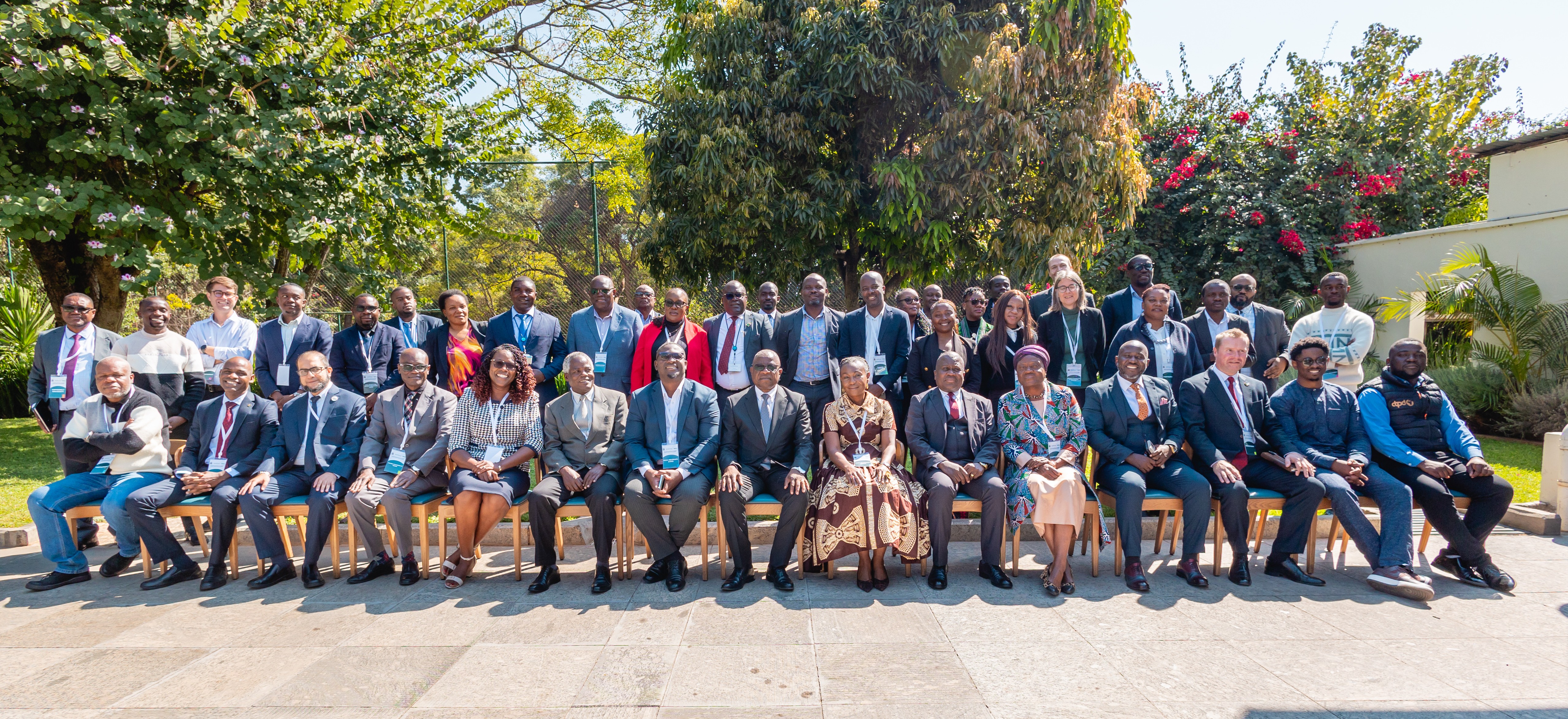
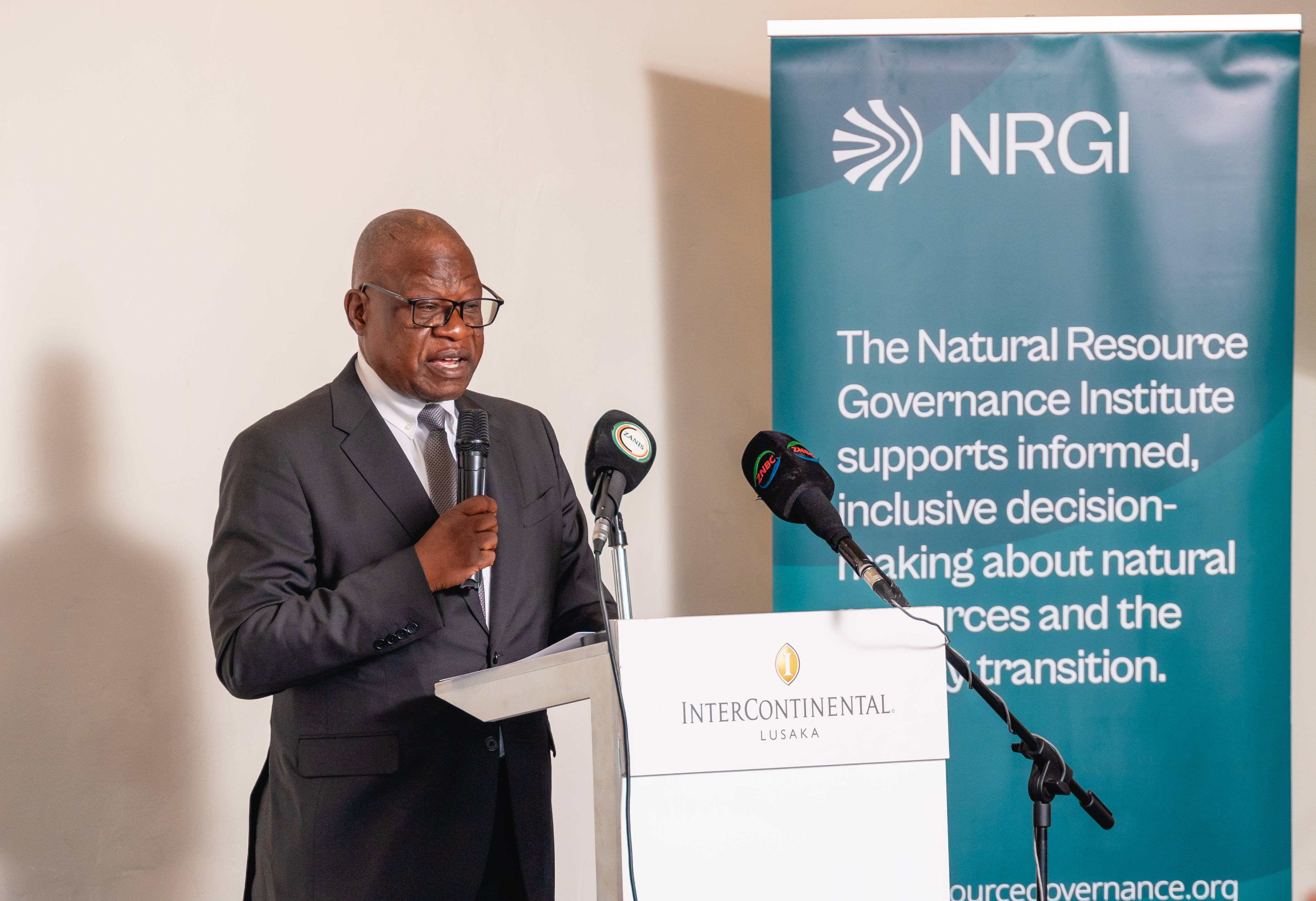
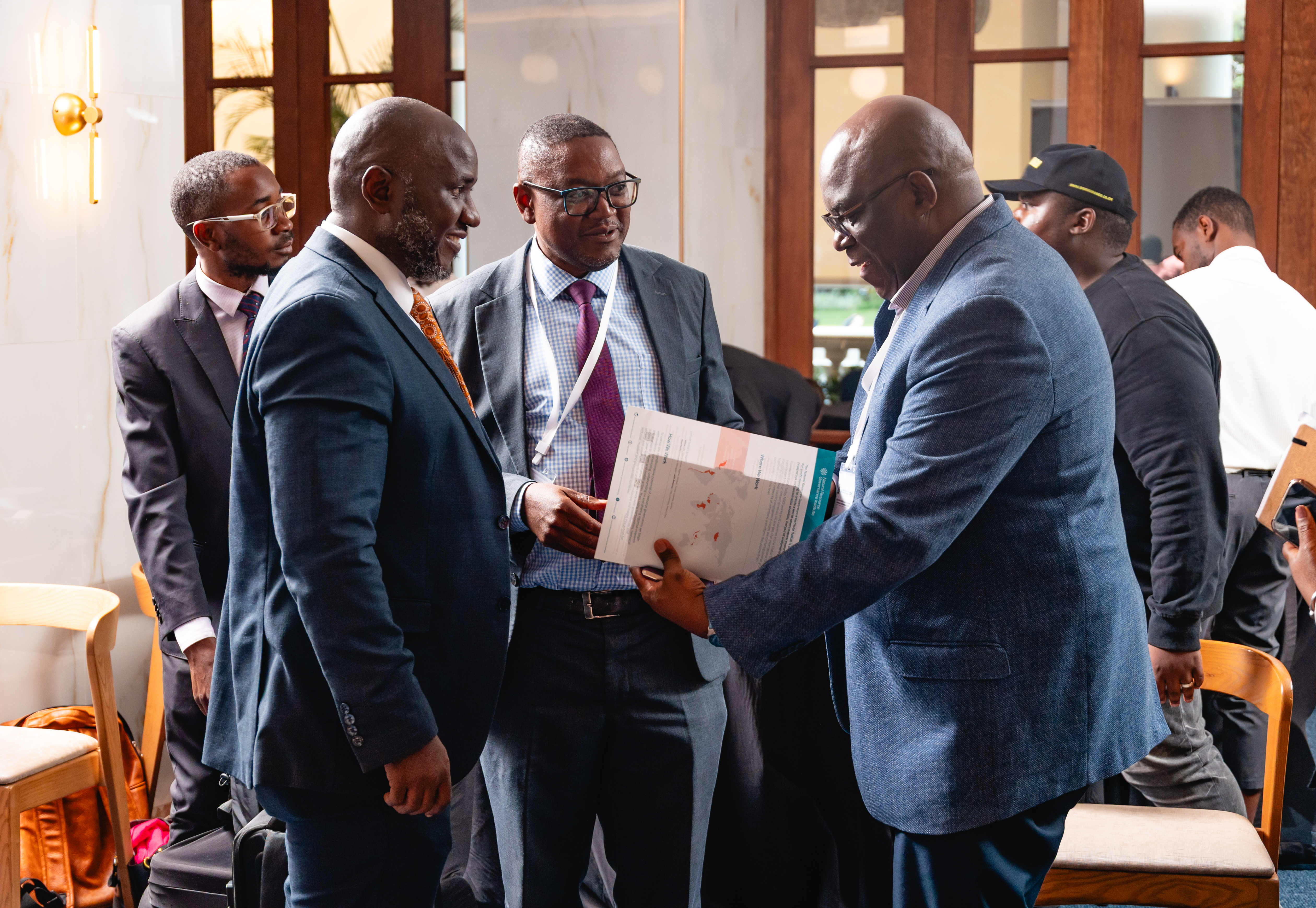
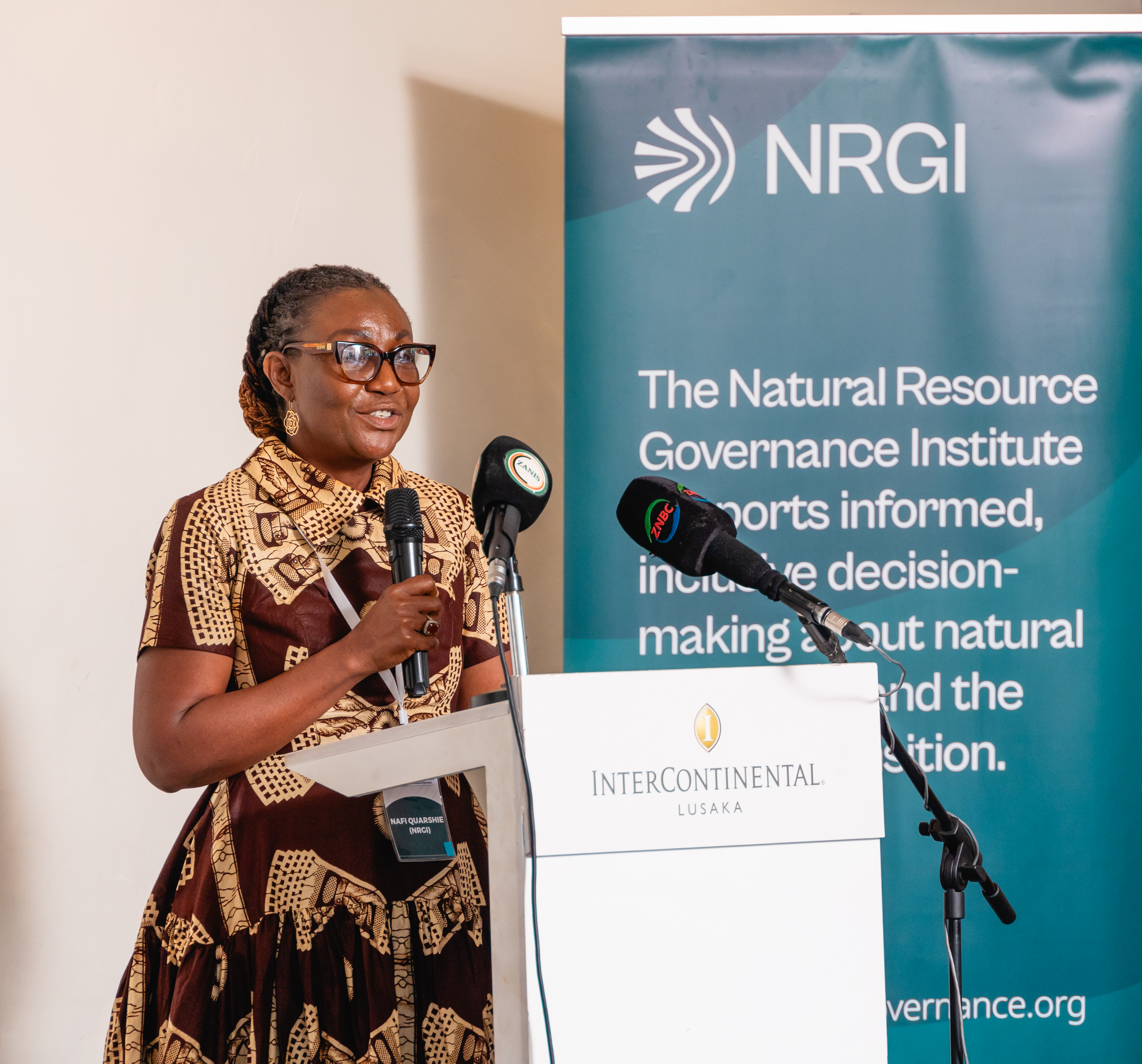
Against this backdrop, NRGI recently brought together a group of key stakeholders in Lusaka to reflect on the progress in implementing Zambia’s 2024-2028 “Critical Minerals Strategy” and identify practical steps to strengthen delivery. Organized in partnership with the Ministry of Mines and Minerals Development (MMMD) and the Centre for Trade Policy and Development (CTPD), around 70 participants attended, including senior leaders from government, civil society, industry and development partners. After an opening keynote by Dr. Hapenga Kabeta, Permanent Secretary MMMD, the Ministry delivered a progress update across the strategy’s four pillars, before participants shared feedback and debated priority next actions.
Here are some of the key takeaways:
- Progress has been made across the strategic objectives. The strategy is anchored on the vision of Zambia becoming ‘A country that ensures sustainable exploitation and value addition to critical minerals, and reliability in the critical minerals global supply chain to enhance the socio-economic lives of its people’. It has four key objective areas, namely: Advancing Geological Mapping and Mineral Resource Development and Management; Enhancing Strategic Government and Private Sector Partnerships; Beneficiation and Value Addition; and Research and Development (R&D). In their presentations, Government representatives shared that policy and institutional reforms have been made, a country-wide aerial geophysical survey is nearing completion, and that MOUs have been signed with a number of countries, including on topics such as regional collaboration and value addition. Participants acknowledged the progress made to date while emphasizing that the next phase must focus on implementation, monitoring, financing, and institutional coordination if the strategy is to deliver tangible, lasting, and inclusive development outcomes.
- Further clarification and policy alignment is critical. Representatives from civil society, industry, and collaborative partners highlighted a number of critical gaps in both understanding and alignment. Among these were a lack of a shared definition of critical minerals, and a lack of regulations to enforce the strategy. Several participants noted that critical minerals policy cannot operate in isolation. Success will depend on stronger alignment with industrial policy, energy planning, infrastructure and fiscal policy planning processes.
- Regional integration could deliver both economic benefit and geopolitical leverage. There was a shared sense that thoughtful regional integration is critical and should be pursued and accelerated. Participants noted its potential to strengthen regional value chains, reduce infrastructure bottlenecks, improve market access, and support regional industrial initiatives, including battery precursor production and mineral processing. In addition, with Zambia navigating increasing interest from international partners seeking access to critical mineral supply chains, the additional leverage that regional integration brings is also critical.
- Value addition is vital—but needs detailed analysis and tailored strategies. Value addition is critical to allow Zambia to capture more value from raw minerals, but careful planning and nuance is required. Participants noted that mineral-specific strategies should be developed, and scaling up of local content requirements should be done in a phased, realistic way, learning from pilots. Attendees from the manufacturing community also noted that this sector is critical for value addition to succeed, and expressed a desire to be more closely engaged with the strategy moving forward. Issues of power, financial and human capital were also flagged as requiring investment if value addition is to deliver inclusive benefits.
- Collaboration and transparency are the bedrocks of success. This opportunity to hear progress and challenges directly from the government was welcomed by participants. The importance of ensuring that communities in mining regions are informed, consulted, and able to participate meaningfully in decisions affecting local development priorities was also highlighted. The timeliness of the Dialogue was also commended, given the ongoing review of implementation progress of the Strategy and other policy processes underway, such as the 2027 Budget formulation and 9th National Development Plan. Regular updates, feedback sessions, and other inclusive processes will be needed to harness the full potential of the strategy.
- Regional lessons and opportunities. The issues discussed in Lusaka are not unique to Zambia. Across Africa, governments are grappling with similar questions around value addition, regional integration, industrial policy, transparency and community benefits. Zambia’s experience therefore offers valuable lessons for other mineral-producing countries seeking to convert resource wealth into long-term development outcomes.
At NRGI, we are determined to continue to play our part, both in Zambia and across the continent. We will be delivering a fuller report to the Ministry in due course, and this will be shared openly, and used as an input for other related policy processes and for regional learning. We will continue to work with civil society, communities, government, and other partners to support evidence-based implementation of the strategy and help ensure a future where Zambia’s rich mineral deposits serve as a bedrock for a thriving, inclusive society.
Event resources
The following materials from the Zambia Critical Minerals Strategy Dialogue are available for download:
What the Africa Forward Nairobi Declaration Means for the G7 Minerals Plans

- The Nairobi Declaration shows growing recognition that African countries should have a bigger say in how mineral value chains are developed.
- However, important gaps remain around financing, implementation and inclusion of African producers in emerging global mineral frameworks.
- As discussions move toward the G7 Summit, governments must focus on turning broad commitments to enhance Africa’s agency into practical actions that support long-term and inclusive development.
This week’s Africa Forward Summit in Nairobi, jointly hosted by Kenya and France, placed mineral partnerships at the center of discussions on Africa’s economic future. With the gathering’s conclusions designed to feed directly into preparation for the G7 Summit in June, expectations were high that governments would move beyond rhetoric toward defining new models of mutually beneficial partnerships.
Kenyan President Ruto set an ambitious tone when he stated that, "We cannot accept a future in which Africa simply exports raw green minerals while industrial value addition, advancement of manufacturing and technology innovation take place elsewhere. That model belongs to the past.”
The UN Secretary-General went further, invoking the United Nations Panel on Critical Energy Transition Minerals as the blueprint for what fair partnerships should look like. His message was unambiguous: "No more exploitation, no more plundering. The people of Africa must benefit first and most from the resources of Africa."
The stakes are high. IMF estimates that critical minerals could generate more than $1.5 trillion for sub-Saharan Africa over the next 25 years and if managed effectively, could lift regional GDP by more than 12 percent by 2050. How governments structure mineral partnerships and governance frameworks today will therefore shape broader development outcomes across the continent.
The Nairobi Declaration affirms several important principles toward that ambition. It commits to moving away "from extractive economic models toward value addition, manufacturing and sustainable production systems," and to promote local beneficiation and sustainable processing of Africa's critical minerals in support of industrialization and regional value chains. At a time when African governments are seeking to capture greater long-term value for their mineral resources, this matters.
The Declaration also makes an explicit call for African countries to be fully included in "global decision-making, governance, standard-setting and rule-making," at a moment when major countries and regions are designing rules that will have direct implications for low- and middle-income producing countries. Yet this is also where the Declaration’s limitations become clearer. While it recognizes the importance of African inclusion, it stops short of bringing such engagement to specific policy processes, starting with G7 plans to develop a minerals traceability mechanism and implement standards-based markets for minerals.
Other important gaps remain. Africa’s Green Minerals Strategy is conspicuously absent from the declaration, a missed opportunity to secure support for its implementation. Similarly, signatories committed to "advance sustainable development financing" without specifying amounts or mechanisms by which the finance will be delivered.
Whether the Declaration will live up to its promises remains to be seen. But substance is not only about what governments commit to on paper. Who is around the table to shape those commitments matters too. In Nairobi, civil society advocated for a shift in how mining policies are assessed – beyond tonnage and investment figures, and toward their real impact on people’s lives. Yet in practice, civil society voices were left out of key negotiations. Next steps on the Nairobi Declaration – including by partners at the G7 Summit in June – must meaningfully involve civil society actors to build legitimacy.
As African and G7 leaders implement the Nairobi Declaration, they should affirm gains, address gaps and advance concrete goals by taking the following steps:
- Ground mineral partnerships in equity: G7 and African countries should draw on the principles and actionable recommendations of the UN Secretary-General’s Panel on Critical Energy Transition Minerals to support mineral partnerships that prioritize Africa’s development goals, uphold strong social and environmental safeguards, and protect and meaningfully engage communities and workers.
- Make African countries co-architects of mineral trade arrangements, standards and traceability mechanisms: African countries must be full participants in shaping plurilateral trade agreements, traceability mechanisms and standards-based markets, whether as part of the G7, G20 or other emerging frameworks, rather than adapt to frameworks that overlook the contextual realities of the continent.
- Do not use minerals as bargaining chips: Both producer and consumer countries should avoid using minerals as short-term transactional tools and instead prioritize long-term development goals. Consumer countries should not pressure producing countries to grant access to their minerals in exchange for health resources and security support. African producer countries should manage mineral resources through rules-based frameworks that prioritize long-term national development ambitions.
- Back up value chain ambitions with clear strategy and financing support: Partnerships must deliver technical and financial support to enable the development of evidence-based, mineral-specific strategies, rigorous preparation of the most promising projects and lower costs of capital. In doing so, development finance for value chain projects could explicitly price in ‘social dividends’ as part of the primary return-on-investment calculation.
- Invest in producer-country regulatory capacity: Parties should support the strengthening of producer-country regulatory and enforcement capacity. High standards set a level playing field only if all partner governments can shape and implement them effectively.
- Support regional integration: Mineral partnerships and trade mechanisms should avoid forcing producer countries into fragmented deal-making, instead supporting African regional integration of mineral value chains.
- Avoid pressuring countries to fast-track permitting: Efforts to speed up approvals should not come at the expense of participation, environmental assessment, labor rights, community consent where applicable, cumulative impact analysis or remedy.
- Publish mineral agreements and contracts: Government and companies should publish mineral agreements and contracts, including government-to-government agreements and private sector contracts, in line with international best practice. .
As policymakers begin to transform the Nairobi Declaration into action, we urge them to keep these principles top of mind. The G7 Summit in Evian in June is the next test of whether the commitments made in Nairobi will be delivered in concrete mineral policies and partnerships.
From Research to Action: Critical Minerals in the Mid-Transition

Critical minerals have become the backbone of the energy transition. Yet their rapid development is accompanied by significant uncertainties: geopolitical tensions, market volatility, and strategic dependencies. How can we handle security of supply, balanced partnerships with producer countries and the financing of new sustainable supply chains? Organized by the AFD Group as part of the French Presidency of the G7, this high-level international conference will bring together public decision-makers, financial institutions, companies, and researchers from Europe and internationally.
Objectives
- Analyze uncertainties and risks affecting global critical mineral markets, including technological change, geopolitical dynamics, and supply–demand imbalances.
- Examine financing strategies and the evolving role of Public Development Banks (BPDs), DFIs, and Ministries of Finance in managing risk and supporting sustainable value chains with the private sector.
- Identify operational avenues for cooperation with producing countries, including fiscal policy coordination, industrial development, and responsible private investment.
Speakers
- Luis Eduardo Osorio Calderón, Vice Minister for Alternative Energy, Bolivia
- Hugo Lapeyronie, Researcher, CEA, Sorbonne University
- Nafi Quarshie, Africa Director, Natural Resource Governance Institute (NRGI)
- Isabelle Ramdoo, Director, Intergovernmental Forum on Mining (IGF)
- Grégoire Rota-Graziosi, Professor at the School of Economics, University Clermont Auvergne
- Sébastien Treyer, Director, IDDRI
- Cécile Valadier, Head of the Public Transparency, Management, and Accountability Division, Expertise France (Moderator)
Featuring NRGI's
Nafi Quarshie
Africa Director
US Critical Minerals Ministerial Raises New Prospects—and Questions—for Developing Producers

Today the US convened officials from 54 countries and the European Commission in its boldest move yet to reshape the global market for critical minerals, including rare earths.
The proposal
The US proposed the creation of a preferential trade zone for critical minerals and invited dozens of countries to join as members of the trading bloc. The proposed mechanism would include price floors enforced primarily through adjustable tariffs, with the stated aim of diversifying supply chains by protecting investment in mining and processing projects from what the US described as market disruptions and unfair competition from China. US Vice President JD Vance and Secretary of State Marco Rubio asserted that price instability currently disincentivizes investments and undermines diversification efforts by producer and consumer countries alike. Their remarks emphasized that the trade bloc would foster diverse and stable supply chains and also guarantee member countries access to critical minerals supplies in case of an emergency. Details about the proposed mechanism remained scant and it is unclear whether the initiative will secure the political and economic buy-in from major producing and consuming countries to move forward.
The proposal came at the Critical Minerals Ministerial in Washington, D.C., where the launch of the Forum on Resource Geostrategic Engagement (FORGE) was announced as the successor to the Minerals Security Partnership. The Republic of Korea is slated to chair FORGE until June. The European Union (EU), Japan and the US committed to “expedite cooperative efforts for a mutually beneficial Partnership” centering on two elements: memoranda of understanding to support mining, refining, processing, and recycling projects, and the development of an action plan to “explore a plurilateral trade initiative” involving coordination on border-adjusted price floors, standards-based markets, price gap subsidies, or offtake-agreements. Similarly, the US and Mexico unveiled a 60-day plan to develop coordinated trade policies, including possible price floors and their integration into a “binding plurilateral agreement” on trade in critical minerals. The US announced bilateral minerals partnerships with Argentina, the Cook Islands, Ecuador, Guinea, Morocco, Paraguay, Peru, the Philippines, the United Arab Emirates, and Uzbekistan.
These new initiatives continue global jockeying for access to critical minerals. In recent months alone, there have been numerous mining sector partnerships announced by the US, EU, China and the Middle East. Today’s announcements raise the stakes even further, seeking to draw a line in the sand by asking countries to either close ranks and join the proposed trading club or be left out of it. The proposals also raise important questions about how geopolitical approaches to mining partnerships are evolving in the US and beyond, the shifting stakes for low- and middle-income mineral producing countries, and the actions such countries will need to take in order to reach their own mineral development goals in this rapidly changing context.
Evolving US strategies
Today’s ministerial is the latest step in a series of recent US initiatives to secure access to mineral supply chains.
Last year, the US administration took equity stakes and provided loans and other support to several companies across the domestic value chain, including a $400 million equity stake, offtake commitments and a price floor guarantee for rare-earths focused MP Materials. It also committed to finance a 49 percent stake in a Saudi Arabian rare earths facility (also involving MP Materials) and agreed $2 billion of investments in Australian mining and processing projects with Australia.
In December, the US launched the Pax Silica initiative to secure artificial intelligence (AI) supply chains, including critical minerals, through economic and technological alliances. Members include a dozen developed and high-income economies, while the initiative also integrates companies to build partnerships.
On Monday, the US announced the creation of a critical mineral stockpile worth nearly $12 billion, backed by a $10 billion loan from the US Export-Import Bank and nearly $2 billion in private capital available to private companies. This approach was described today as a core component of the US strategy to strengthen its presence in mineral supply chains, alongside government investment, protecting companies’ investments and returns, and reshaping the US regulatory ecosystem to accelerate mining permitting.
What are the open questions facing developing mineral producing governments?
Ensuring transparency and public oversight
With details still emerging about which countries may commit to exploring participation in the proposed trade bloc, timelines between 30 days and six months have been promised for the development of MOUs and action plans on the mechanism. Ensuring transparency and public engagement on these initial steps and any subsequent agreements will be essential across participating countries.
Previous bilateral efforts have shown that limited transparency and consultation on the terms of mineral partnerships can lead to public opposition that ultimately delays implementation. For example, the US-DRC Strategic Partnership Agreement that was agreed just 8 weeks ago now faces a legal challenge in the DRC Constitutional Court, with a group of Congolese lawyers seeking to terminate the agreement on the grounds that it violates constitutional provisions on sovereignty over natural resources and requirements for parliamentary approval of treaties related to resource exchanges. The large scale of this new plurilateral effort makes transparency and oversight measures even more essential, as citizens in countries considering participation seek to understand the economic terms their governments are signing up to.
Enabling value addition and regional cooperation
Details of the mechanics of the proposed price floor and tariff system are yet to emerge, including how they will affect existing projects and new investment originating from outside the club. A key question for low- and middle-income producer countries is how this might impact ambitions to move further along the value chain. Even if price floors succeed in increasing investment in mining projects in low- and middle-income club members, it remains unclear how far this would advance downstream development without additional measures to address persistent bottlenecks—such as inadequate energy infrastructure and high financing costs—facing many value-addition projects.
The potential implications for regional cooperation efforts, which are central to developing regional value chains and increasing bargaining power more broadly, warrant particular attention. For example, if a value-addition facility inside the club purchases minerals at a higher-than-market price, it will likely need to sell its outputs at a premium to remain viable. This could make it harder for non-club members in the region to purchase these products for further downstream manufacturing. Given how difficult regional cooperation has proven in practice, such an initiative could make it even more challenging.
The EU appears to have recognized this risk. Media reports suggest that, ahead of the announcement, the US encouraged some EU member states to sign bilateral deals, but the Commission urged the bloc’s countries to stick together.
As a next step, developing producer countries could draw on regional institutions—such as the African Minerals Development Centre, the African Development Bank, and the African Legal Support Facility in the case of Africa—and other support to strengthen coordination on mineral diplomacy, bolster technical capacity to assess implications, and inform negotiating strategies.
Incorporating governance and environmental protections
Accelerating permitting is a key pillar of the US strategy to develop domestic mineral production and refining capabilities and will likely be an element of proposed bilateral deals and trade agreements. Civil society has long called for caution about fast-tracking mining permits which can increase the likelihood of overlooking social, environmental, and governance risks in the sector. NRGI analysis has shown that efforts to speed up production by reducing safeguards in mineral licensing and contracting processes can have the opposite effect when production is slowed or stopped entirely by legal proceedings, shutdowns, protests and strikes.
Ensuring strong governance standards and socio-environmental protections will be a critical foundation for building a resilient minerals trade framework. Today’s joint press release signaled that the EU, US and Japan would engage on next steps “in relevant international fora, including the G7,” opening the door for the proposed trading mechanism to incorporate criteria linked to the recent G7 roadmap to promote standards-based markets for critical minerals. The roadmap outlines G7 commitments to developing performance-based criteria for mining sector standards on international labor and human rights, local consultation, rule of law and anti-corruption measures, and environmental protections.
Multilateral and bilateral trade frameworks should incorporate standards like the United Nations Declaration on the Rights of Indigenous Peoples, UN Convention Against Corruption, UN Panel on Critical Energy Transition Minerals Principles to Guide Critical Energy Transition Minerals Towards Equity and Justice, OECD Due Diligence Guidance for Responsible Supply Chains of Minerals, and the Extractive Industries Transparency Initiative.
Negotiating strategically
Open questions remain about the long-term prospects of the scheme. In particular, it is unclear what steps governments will take to give companies sufficient confidence that price floors will be durable enough to justify significantly scaling up investment. Relatedly, there is uncertainty over who would ultimately bear the higher costs: but whether it is final consumers or governments, there are questions of political feasibility, with parallels to the difficulties of convincing consumers to pay a “green premium.” This challenge will persist unless increased investment generates economies of scale and innovation that reduces prices before political pressure mounts.
Governments should therefore treat such a proposal seriously, but soberly. These developments—coming thick and fast—underscore the importance of low- and middle-income mineral producing countries having a targeted government-wide strategy for leveraging minerals for sustainable development to anchor negotiations. Such strategies will need to be iterative, adapting to new opportunities and challenges, but they should nevertheless ensure that countries enter discussions with a clear sense of national priorities and approach.
Some producer countries have used strategic neutrality to their advantage. The prevalence and scale of global trading blocs in the mineral sector may determine whether or not strategic neutrality remains a viable option. As the pressure to pick a side in the race for minerals intensifies, countries will be well served by ensuring that high governance standards are at the core of any strategy.